


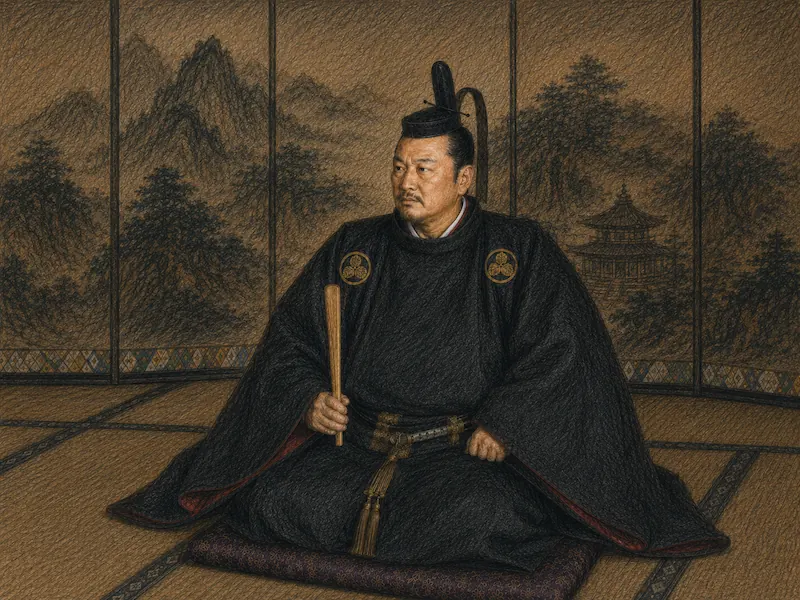
Tokugawa Ieyasu Sites in Japan: Castles, Toshogu Shrines and Battlefields
The castles, Toshogu shrines and battlefields linked to Tokugawa Ieyasu, the real figure behind SHOGUN’s Toranaga. What survives, what is rebuilt, and where to start.
Yoshii Toranaga is based on Tokugawa Ieyasu (1543–1616) — the warlord who won the Battle of Sekigahara, founded the Edo shogunate in 1603, and is enshrined today at Nikko. Shogun is fiction and changes a great deal, but the man behind Toranaga was real, and so are the places.
This page is a travel hub. It lists the castles, Toshogu shrines and battlefields connected to Ieyasu, says which ones still have original Edo-period buildings and which are 20th-century reconstructions, and points you to our on-site guides. For his life story — the hostage years, Mikatagahara, Sekigahara, the Osaka campaigns — use the profile page below.
- Who Ieyasu Was, in One Page
- Core Sites at a Glance
- What “Original” and “Reconstructed” Mean Here
- Our Guides, by Travel Base
- Planning a Route
- Full Guide Collection by Region
- Aomori
- Tokyo
- Zojoji Temple Guide: What Remains, Time Needed, and Tokugawa Tombs
- Shiba Toshogu Shrine Tokyo: What to See, Time and Access
- Ueno Toshogu: The Golden Tokugawa Shrine Hidden in Ueno Park — and Whether the ¥700 Paid Area Is Worth It
- Sensō-ji Beyond Kaminarimon: The Surviving Edo-Period Buildings Most Visitors Walk Past
- Aichi
- Shiga
- Kyoto
- Osaka
- Hyogo
- Field Notes and Travel Journal
- Ueno Toshogu Shrine “Kinshikiden” Special Door OpeningBeyond the Doors Usually Kept Closed
- Exploring the Sengoku Heritage of Mino and Ōmi: From Nangū Taisha to Azuchi Castle and the Azuchi Castle Archaeological Museum (Travel Log)
- A Journey Through Nagoya’s Samurai Past: From Arako’s Toshiie Maeda Statue to Sōōji Temple and the Tokugawa Museum
- August 2025: Nikko Toshogu Shrine – Special Prayer Tour in the Shogun’s Seated Chamber | Travel Diary
- Special Report: Exclusive Access to Himeji Castle’s Hishi-no-Mon Gate
- A Historical Journey Through Kaneiji Temple: Walking Among the Resting Places of the Tokugawa Shoguns
- A Midsummer Return to Hamamatsu: A Day Exploring Landmarks Linked to Tokugawa Ieyasu
- Joining the Public Opening of Inui Street at the Imperial Palace — A Special Morning Woven with History and Nature
Who Ieyasu Was, in One Page
If you want the life before the itinerary — who he was, what he actually did, and where the drama departs from the record — start here.
Core Sites at a Glance
These are the places where the connection to Ieyasu is direct rather than incidental. “What remains” is the part most guides leave vague, so it is stated here first.
| Site | Connection to Ieyasu | What remains today | Type | Best base | Time |
|---|---|---|---|---|---|
| Nikko Toshogu (Tochigi) | Enshrined here from 1617 as Tosho Daigongen | Yomeimon and the main shrine buildings, Edo period | Original | Tokyo (day trip) | 3–4 hrs |
| Kunozan Toshogu (Shizuoka) | Buried here in 1616 on his own instructions; the first Toshogu, completed 1617 | Main shrine complex, National Treasure since 2010 | Original | Shizuoka | 2–3 hrs |
| Edo Castle / Imperial Palace East Gardens (Tokyo) | His headquarters from 1590; seat of the shogunate | Moats, stone walls, gates, Fujimi-yagura turret, the keep base | Ruins, with some surviving structures | Tokyo | 2–3 hrs |
| Ueno Toshogu (Tokyo) | Toshogu shrine inside Ueno Park | Edo-period shrine buildings and gold-leaf hall | Original | Tokyo | 1 hr |
| Okazaki Castle (Aichi) | His birthplace, 1543 | Original moats and stone walls; the keep was rebuilt in concrete in 1959 | Reconstruction on original ground | Nagoya | 2 hrs |
| Hamamatsu Castle (Shizuoka) | His base from 1570, through the Mikatagahara defeat, for about 17 years | Original stone base; the keep was rebuilt in concrete in 1958 | Reconstruction on original ground | Hamamatsu | 1–2 hrs |
| Sunpu Castle Park (Shizuoka) | Where he lived as an Imagawa hostage, and where he ruled as retired shogun from 1607 until his death in 1616 | Moats and stone walls; the Tatsumi-yagura turret was rebuilt in 1989 using traditional methods | Ruins plus reconstruction | Shizuoka | 1–2 hrs |
| Sekigahara Battlefield (Gifu) | The battle of 1600 that decided who would rule | Open farmland with marked command positions; prefectural memorial museum in the town | Former site | Nagoya or Gifu | Half day |
| Nijo Castle (Kyoto) | Built on his orders from 1603 as the shogun’s residence in Kyoto | Ninomaru Palace, a National Treasure, with its Karamon gate | Original (Ninomaru Palace) | Kyoto | 2 hrs |
| Osaka Castle (Osaka) | The 1614–15 campaigns that destroyed the Toyotomi | Massive Tokugawa-era stone walls and moats; the tower dates from 1931 | Rebuilt ground, modern tower | Osaka | 2–3 hrs |
| Nagoya Castle (Aichi) | Ordered built by Ieyasu from 1610 for his ninth son | Honmaru Palace, faithfully rebuilt and completed in 2018; turrets and stone walls. The keep is closed to visitors | Mixed | Nagoya | 2–3 hrs |
| Anegawa Battlefield (Shiga) | The 1570 battle he fought alongside Oda Nobunaga | Fields and riverbank with fifteen numbered explanatory signboards | Former site | Nagahama | 2 hrs |
| Mikatagahara (Shizuoka) | His worst defeat, January 1573 | Now built-up Hamamatsu; markers and monuments only | Former site | Hamamatsu | 1 hr |
Related but secondary. Senso-ji in Asakusa was designated a prayer temple of the Tokugawa house, and a few Edo-period gates in the area survive. Himeji Castle was rebuilt between 1601 and 1609 by Ikeda Terumasa, who held it as Ieyasu’s son-in-law after Sekigahara — a superb castle, but not an Ieyasu site in any direct sense. Okehazama and Komakiyama are worth visiting, but they belong to Oda Nobunaga’s story more than to his.
What “Original” and “Reconstructed” Mean Here
Japanese castle and shrine sites are often described in English as if they were all the same kind of thing. They are not, and the difference changes what a visit feels like. We use four labels across this site.
The buildings you are looking at were built in the Edo period and have survived. Nikko Toshogu, Kunozan Toshogu, Ueno Toshogu and the Ninomaru Palace at Nijo Castle are in this group.
The site is genuine, the building is not. Most famous castle keeps in Japan, including Okazaki and Hamamatsu, are 20th-century reinforced concrete rebuilds standing on original stone. Worth visiting for the ground, the walls and the museum inside, not for the tower itself.
No keep, but substantial physical remains: stone walls, moats, gates, earthworks. Edo Castle is the outstanding example, and it is far more impressive than the phrase suggests.
The events happened here, but there is little or nothing left to see beyond markers and landscape. Most battlefields, including Sekigahara, Anegawa and Mikatagahara, fall here. Rewarding if you have read the history first; flat and confusing if you have not.
Our Guides, by Travel Base
Every guide below is based on our own visits, with photographs taken on site. Pick the group that matches where you are staying.
Tokyo and Nikko
- Edo Castle Ruins Today: the Imperial Palace East Gardens, public tour and Inui Street — start here for Ieyasu’s own headquarters
- Edo Castle ruins complete guide: all five areas of the East Gardens
- Where Edo Castle’s main tower once stood: the Honmaru area
- Inside the Tokyo Imperial Palace: the free public tour
- Tokugawa Ieyasu’s landmarks in Ueno, Ochanomizu and Korakuen — includes Ueno Toshogu
- Asakusa and Senso-ji: the Tokugawa connection and the surviving gates
- How to visit Nikko Toshogu: tickets, access, time needed and a no-backtracking route
- Nikko Toshogu: what the shrine’s design is trying to make you believe
Aichi and the Tokaido
- Nagoya Castle: the Honmaru Palace — built on Ieyasu’s orders, rebuilt with Edo-period methods
Our own guides to Okazaki, Hamamatsu, Sunpu and Kunozan Toshogu are still being written. Until they are published, treat the Core Sites table above as the reference for what to expect at each of them.
Kansai and the Battlefields
- Nijo Castle, Kyoto: the definitive guide
- Osaka Castle: every historic area of the grounds
- Anegawa Battlefield: free admission, cycling route and full access guide
Planning a Route
There is no single correct Ieyasu itinerary, and any site that gives you one is guessing about your trip. Use this instead.
The Basic Route (Two Days, No Detours)
Central Tokyo. The seat of Ieyasu’s government — moats, stone walls, gates and the keep base survive as a free public park.
Roughly two hours each way by Tobu limited express. The shrine where he is enshrined. Between the two stops you get the seat of his government and his mausoleum — the shortest honest version of the story.
Add If You Have More Time
Shizuoka is a stop on the Tokaido Shinkansen. Sunpu Castle Park and Kunozan Toshogu can be done together in a long half day; Kunozan is the quieter and, for many visitors, the more moving of the two Toshogu shrines.
Okazaki, in Aichi, is where he was born, and is easy from Nagoya.
Sekigahara sits between Nagoya and Kyoto and works as a half-day stop. Anegawa fits with Nagahama in Shiga.
Nijo Castle and Osaka Castle bracket the end of his life — the first is where he took the title, the second is where he removed the last obstacle to keeping it.
What to Drop First
If time is short, cut the battlefields first. Sekigahara, Anegawa and Mikatagahara reward preparation and give very little to a visitor who arrives cold. Cut reconstructed keeps before original buildings. And if you can only do one thing, do Nikko — or, if you dislike crowds and are already on the Tokaido, Kunozan instead.
Full Guide Collection by Region
Everything on the site filed under each prefecture, including pages that touch Ieyasu only in passing.
Aomori
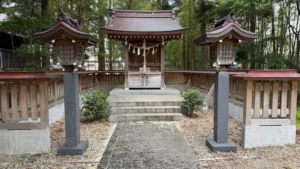
Former Hirosaki Toshogu and Kuroishi Shrine: Two Places, One Story
Tokyo
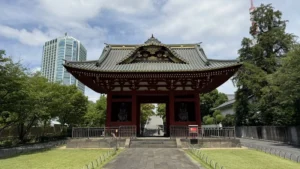
Zojoji Temple Guide: What Remains, Time Needed, and Tokugawa Tombs
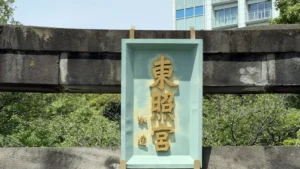
Shiba Toshogu Shrine Tokyo: What to See, Time and Access
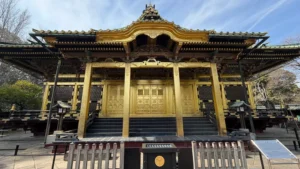
Ueno Toshogu: The Golden Tokugawa Shrine Hidden in Ueno Park — and Whether the ¥700 Paid Area Is Worth It

Sensō-ji Beyond Kaminarimon: The Surviving Edo-Period Buildings Most Visitors Walk Past
Aichi

Odaka Castle Ruins, Washizu Fort & Marune Fort: A 120-Minute Walk Through the Opening Battles of Okehazama
The Complete Komakiyama Castle Travel Guide
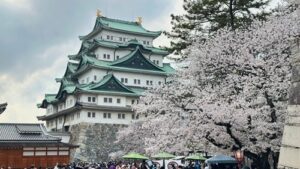
Nagoya Castle Visitor’s Guide: All 5 Areas, 30 Spots Explained
Shiga
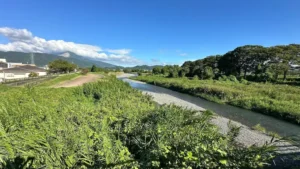
Anegawa Battlefield—Free Admission, Cycling Highlights, and Complete Access Guide
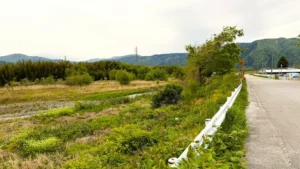
A Complete Field Record of the Anegawa Battlefield Signboards|Nos. 1–15, Historic Site Data, and Panoramic Photos Included
Kyoto
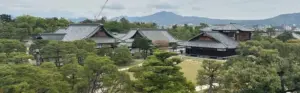
Nijo Castle Complete Guide Where the Tokugawa Shogunate Began — and Ended
Osaka
NHK Taiga Drama Special Exhibition “Toyotomi Brothers!” Osaka Complete Guide
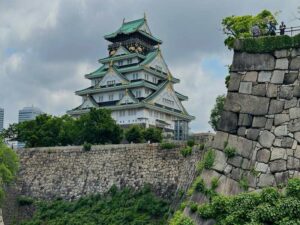
Osaka Castle Park: All 4 Areas Explored – Spots, History & Visitor Guide
Hyogo
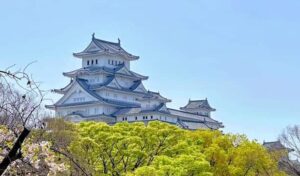
Overview Page Introduction (for “Himeji Castle”)
Field Notes and Travel Journal
Dated write-ups from individual visits — what the weather was doing, how long the queue was, what was closed.
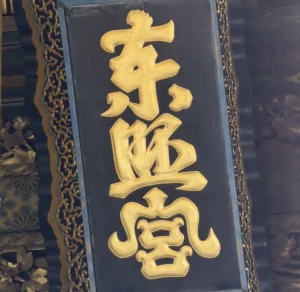
Ueno Toshogu Shrine “Kinshikiden” Special Door OpeningBeyond the Doors Usually Kept Closed

Exploring the Sengoku Heritage of Mino and Ōmi: From Nangū Taisha to Azuchi Castle and the Azuchi Castle Archaeological Museum (Travel Log)
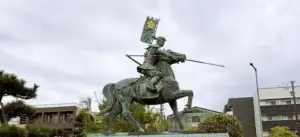
A Journey Through Nagoya’s Samurai Past: From Arako’s Toshiie Maeda Statue to Sōōji Temple and the Tokugawa Museum
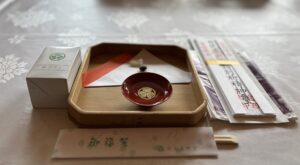
August 2025: Nikko Toshogu Shrine – Special Prayer Tour in the Shogun’s Seated Chamber | Travel Diary
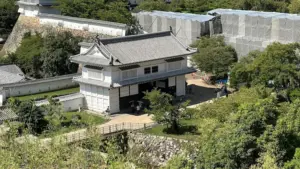
Special Report: Exclusive Access to Himeji Castle’s Hishi-no-Mon Gate
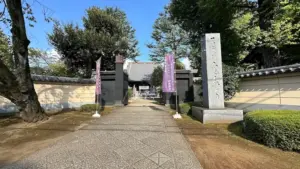
A Historical Journey Through Kaneiji Temple: Walking Among the Resting Places of the Tokugawa Shoguns
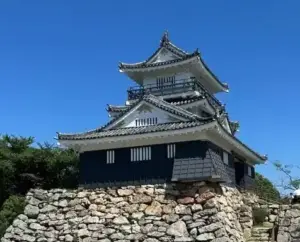
A Midsummer Return to Hamamatsu: A Day Exploring Landmarks Linked to Tokugawa Ieyasu
Joining the Public Opening of Inui Street at the Imperial Palace — A Special Morning Woven with History and Nature
From History to Screen: Yoshii Toranaga
Toranaga is one of several characters in Shogun with a real counterpart. Our character guide sets each of them side by side with the historical figure behind them.

For the other two unifiers of the same generation, see our hubs for Oda Nobunaga and Toyotomi Hideyoshi.
Frequently Asked Questions
Yes. Yoshii Toranaga is a fictional character modelled on Tokugawa Ieyasu (1543-1616), the warlord who won the Battle of Sekigahara and founded the Edo shogunate. The drama compresses the timeline, enlarges the English pilot’s role and invents Toranaga’s ancestry, so it is an adaptation rather than a biography.
Nikko Toshogu, Kunozan Toshogu, Ueno Toshogu and the Ninomaru Palace at Nijo Castle all preserve Edo-period structures. Okazaki Castle and Hamamatsu Castle have concrete keeps rebuilt in 1959 and 1958 respectively, standing on original stone. Edo Castle has no keep, but its moats, stone walls, gates and turrets survive as the Imperial Palace East Gardens.
Yes. Nikko Toshogu is about two hours from Tokyo by limited express and is the standard day trip. Edo Castle and Ueno Toshogu are both in central Tokyo and need no travel at all. Kunozan Toshogu, Sunpu and Hamamatsu are on the Tokaido Shinkansen and suit an overnight or a stop en route to Kyoto rather than a day trip.
Nikko is the larger, more elaborate and more famous of the two, and it is a UNESCO World Heritage property. Kunozan came first: it was built where Ieyasu was buried in 1616, completed in 1617, and its main shrine was designated a National Treasure in 2010. Nikko is easier from Tokyo; Kunozan is far quieter and fits naturally into a Tokaido journey.
He was born at Okazaki Castle in Mikawa Province, now Okazaki in Aichi Prefecture, in 1543. The site is a public park with original moats and stone walls; the keep was demolished in 1873 and rebuilt in reinforced concrete in 1959, and now houses a museum.
It depends on your preparation. The battlefield is open farmland with the command positions of the major commanders marked, plus a prefectural memorial museum in the town. If you already know who stood where and who changed sides, it is one of the most legible battlefields in Japan. If you arrive without that, it is a field.
☕ Support This Site
Following the Shogun is built on original fieldwork and on-site research.
If you found this guide useful, your support helps keep it going.

You can also support via QR code

