


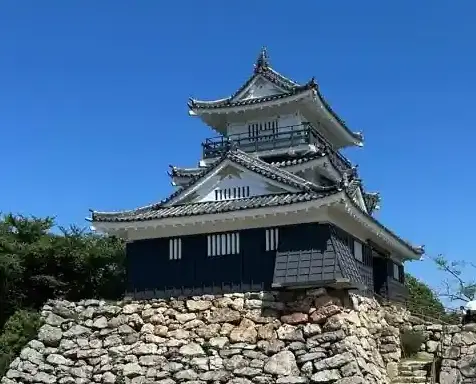
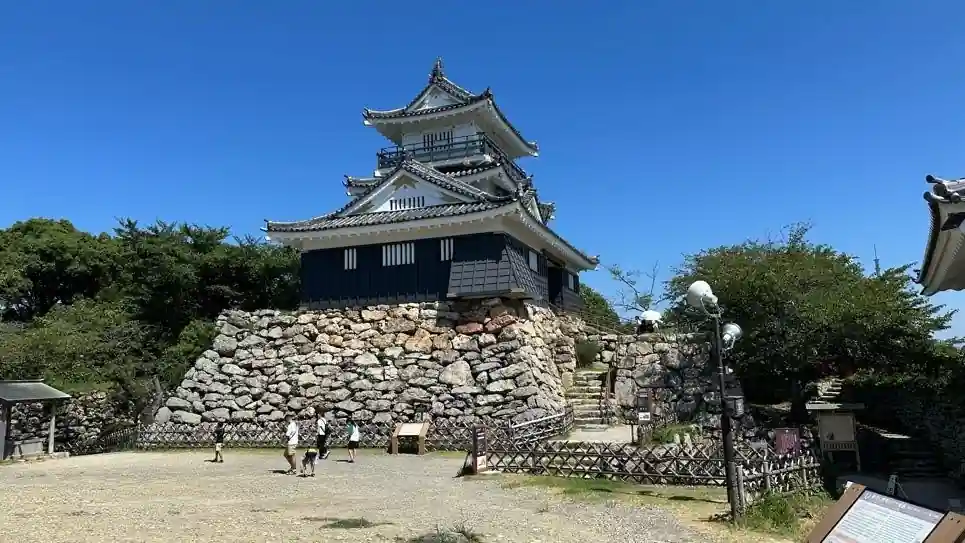
A Midsummer Day in Hamamatsu: Hamamatsu Castle, Lady Tsukiyama's Grave and Hidetada's Birth Well
Tokugawa Ieyasu lived in Hamamatsu for about 17 years before he became shogun. On August 1, 2025, I walked the city: the castle, the shrines tied to his son Hidetada, and the grave of his first wife, Lady Tsukiyama. Eleven stops, with photos and 13 panoramas.
Contents
A midsummer journey through Hamamatsu, retracing the footsteps of Tokugawa Ieyasu. From Hamamatsu Castle to Gosha Shrine, Suwa Shrine and the grave of Lady Tsukiyama, I spent a whole day among sites that still echo the Sengoku era. Beneath the blazing sun, in hushed sanctuaries and moss-covered graves, I felt the presence of the samurai and the quiet prayers that carry across the centuries.
This is a visit journal, written in the order I walked on August 1, 2025. The Japanese version is here.
Key points
| Visited | August 1, 2025, a clear midsummer day (over 30°C by mid-morning) |
|---|---|
| Getting around | Bus and on foot from Hamamatsu Station. I could not find a rental bicycle near the station |
| Order of the walk | Gosha and Suwa Shrines, the castle main gate site, Hamamatsu Castle, the Japanese garden, Motoshiro Toshogu, Tsubakihime Kannon Hall, Hamamatsu Hachimangu, Sairai-in Temple, Hamamatsu City Museum |
| 360° panoramas | 13 (station front, Gosha Shrine, four at the castle, two in the garden, Motoshiro Toshogu, three at Hachimangu, Sairai-in) |
| Lady Tsukiyama's grave | At the back of Sairai-in Temple. I could not find it at first; a priest showed me the way |
| Hamamatsu City Museum | Regular exhibition: adults 310 yen (official information). Scrolls and letters connected to Ieyasu and his retainers |
Ieyasu in Hamamatsu
Tokugawa Ieyasu moved to Hamamatsu in 1570 and lived there for about 17 years, building the power base from which he later became shogun. Hamamatsu Castle is often called the "castle of success" because Ieyasu and many of its later lords rose to high office. His son Hidetada, who became the second shogun, was born here in 1579, and his first wife, Lady Tsukiyama, is buried here.
Most of the sites are not grand. Many are a signboard, a small hall or a grave tucked into a residential area, which is why a visit here rewards a bit of background reading.
Names on the signs
Signs are mostly in Japanese. These are the names I looked for, with the characters to match against a sign or a map app.
| Hamamatsu Castle | 浜松城 |
|---|---|
| Gosha Shrine and Suwa Shrine | 五社神社・諏訪神社 |
| Site of the castle's main gate | 浜松城大手門跡 |
| Motoshiro Toshogu Shrine | 元城町東照宮 |
| Tsubakihime Kannon Hall | 椿姫観音堂 |
| Hamamatsu Hachimangu Shrine | 浜松八幡宮 |
| Sairai-in Temple | 高松山 西来院 |
| Lady Tsukiyama | 築山御前 |
| Hamamatsu City Museum | 浜松市博物館 |
| Goshuin (shrine and temple seal) | 御朱印 |
Route
I took a bus from Hamamatsu Station to the first shrine and walked around the castle area. I took another bus to Sairai-in and walked to the museum at the end.
Spot guide: Hamamatsu in the order I walked it
The notes below are my own experience. Prices come from official information.
Hamamatsu Station (浜松駅) 🎥 360°
Arrived at 8:18. A panorama of the station front.
August 1, a midsummer morning. At 8:18 a.m., I stepped onto the platform of Hamamatsu Station (CA34).
The memories of my previous visit to Hamamatsu Castle a year ago came rushing back with the familiar scent of the station and the feel of the town’s air. Since then, I had delved deeper into the history of the Sengoku period and eagerly awaited the day I could return.
“This time, I want to explore this land more deeply.” That thought filled my chest as I took my first steps into the city.
The historic sites are scattered across the city. As usual, I planned to rent a bicycle to tour them efficiently, but I couldn’t find a single rental cycle. After searching around the station, I eventually gave up and switched to the bus.
Better than walking under the scorching sun, I told myself, though I couldn’t help feeling a bit disappointed.
Gosha Shrine and Suwa Shrine (五社神社・諏訪神社) 🎥 360°
Closely tied to the birth of Ieyasu's third son, Hidetada. Hollyhock crests are everywhere.
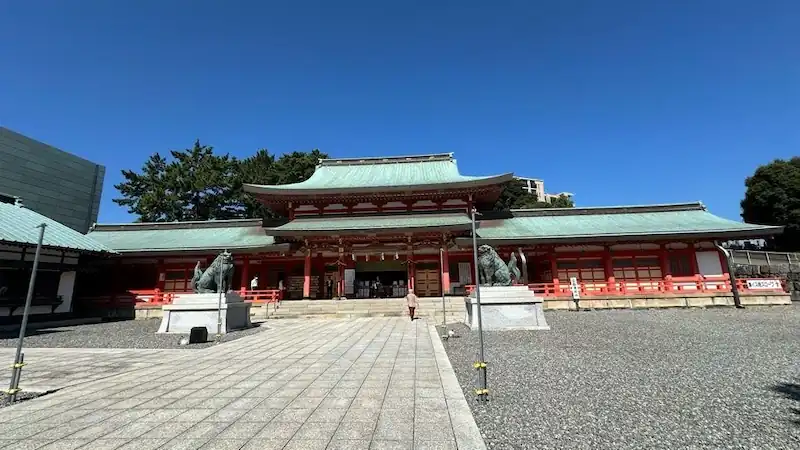
My first stop was Gosha Shrine and Suwa Shrine, deeply associated with Tokugawa Ieyasu. The sacred grounds are adorned with the Aoi crest, the emblem of the Tokugawa clan, engraved in various places. Even the shrine stamps (goshuin) come in several designs, tempting collectors and history buffs alike.
As I pressed my hands together under the dappled sunlight, a sense of calm washed over me. The chorus of cicadas mingled with the faint ringing of bells, and amidst the oppressive summer heat of the city, this place alone felt cool and serene.
What makes this shrine particularly significant is its deep connection to the birth of Tokugawa Hidetada. In 1579 (Tenshō 7), when Ieyasu’s third son Hidetada was born, Gosha Shrine was established as his guardian shrine and was relocated to its current site the following year. Suwa Shrine, too, is linked to Hidetada’s birth and was later rebuilt during the era of the third shogun, Tokugawa Iemitsu.
The original shrine buildings were so grand that they were designated an Old National Treasure for their Gongen-style architecture. The current structures were rebuilt in 1982, yet the Tokugawa presence remains strong, with Aoi crests decorating the grounds throughout.
Site of Hamamatsu Castle's main gate (浜松城大手門跡)
The gate is gone. Only a signboard stands here.
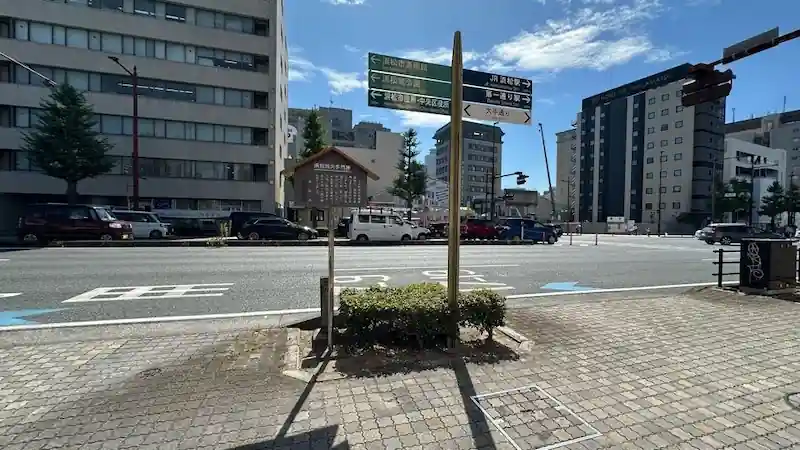
The next stop on my walk was the site of Hamamatsu Castle’s Otemon (Main Gate). Today, only a signboard marks the location; the original gate itself is long gone. Yet standing there, I couldn’t help but imagine the warlords who once passed through this very spot centuries ago.
Hamamatsu Castle (浜松城) 🎥 360°
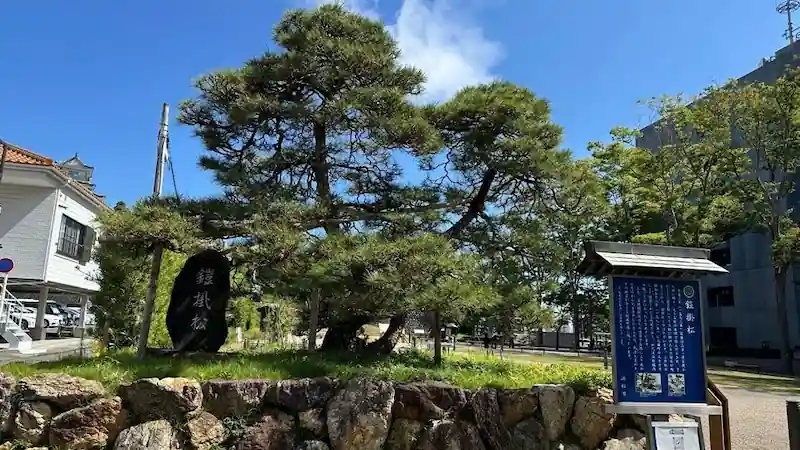
The armor-hanging pine, the orange tree Ieyasu planted, and a view from above the keep gate. Four panoramas.
Though still morning, the temperature had already soared past 30°C (86°F). Beads of sweat traced my forehead as the keep came into view, and instinctively my pace quickened.
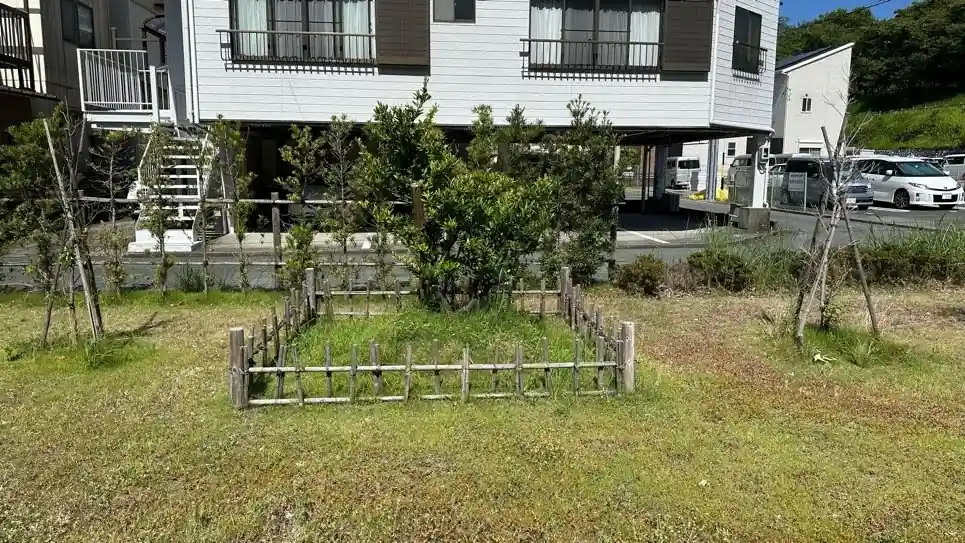
Within the castle grounds stands the Yoroi-Kake Matsu (Armor-Hanging Pine), a tree that has been replanted across generations yet continues to carry the legacy of Ieyasu. Nearby is the orange tree planted by Ieyasu himself, a descendant of the one from Sunpu Castle.
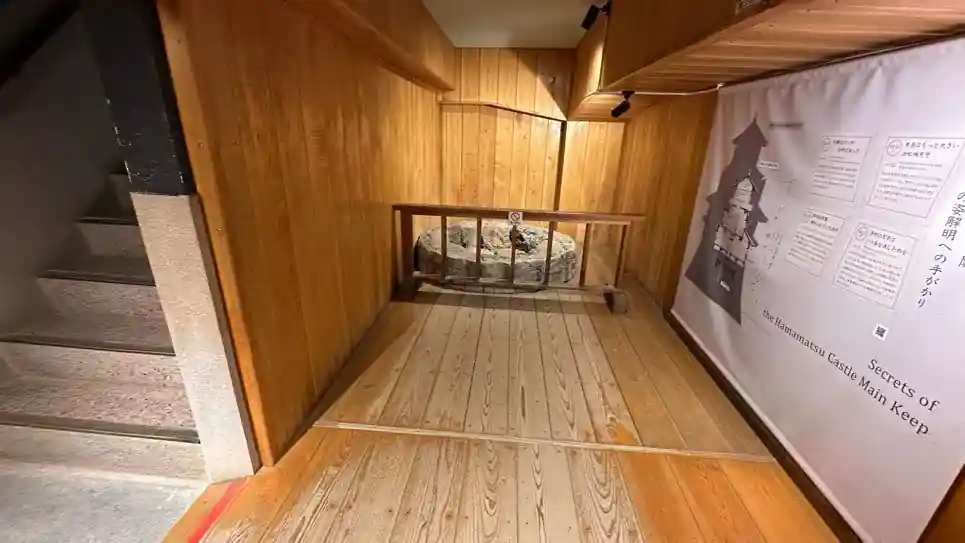
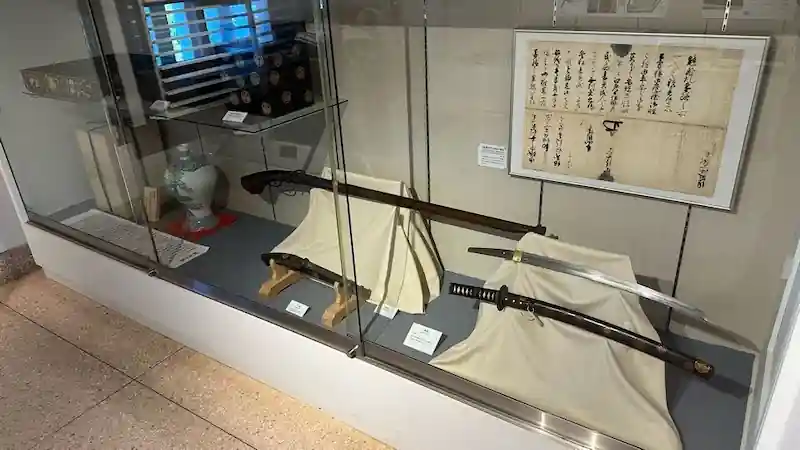
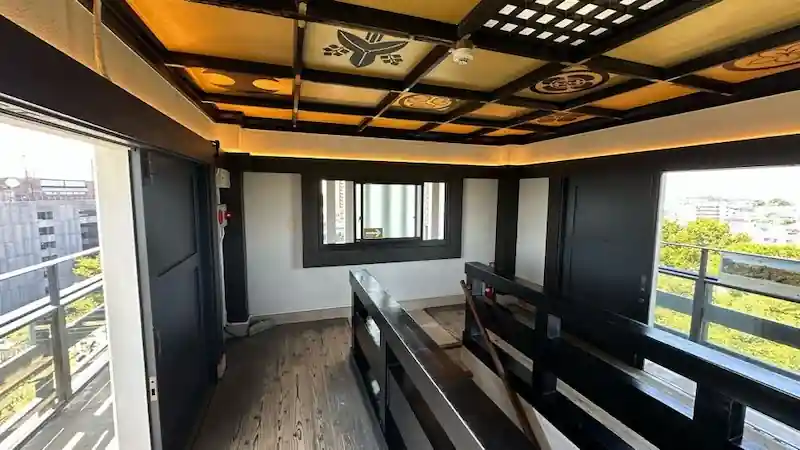
The stone walls of the Iron Gate, the thrill of stepping through the Tenshu Gate, and climbing to its upper floor to gaze down upon the castle town — every moment felt steeped in history. Inside the keep, exhibits about Ieyasu and his retainers offered a vivid immersion into the Sengoku era.
Tap a photo to enlarge
For the keep's opening hours and admission, please see the official Hamamatsu Castle Park information.
City Museum of Art and the Japanese Garden (浜松市美術館・日本庭園) 🎥 360°
No Sengoku exhibit at the museum. The Japanese garden next door was quiet.
Exiting the castle, I found the Hamamatsu City Museum of Art tucked behind it. Hoping for Sengoku-related exhibits, I asked a staff member, only to learn there were none — a slight letdown. Yet the adjacent Japanese garden more than made up for it.
A gentle stream flowed through mossy stone bridges, and the absence of other visitors turned the scene into my private sanctuary — a rare, tranquil escape from the clamor of midsummer.
Motoshiro Toshogu and the Hikima Castle seal (元城町東照宮) 🎥 360°
A Toshogu shrine on the site of Hikima Castle. I bought a castle seal on the way.
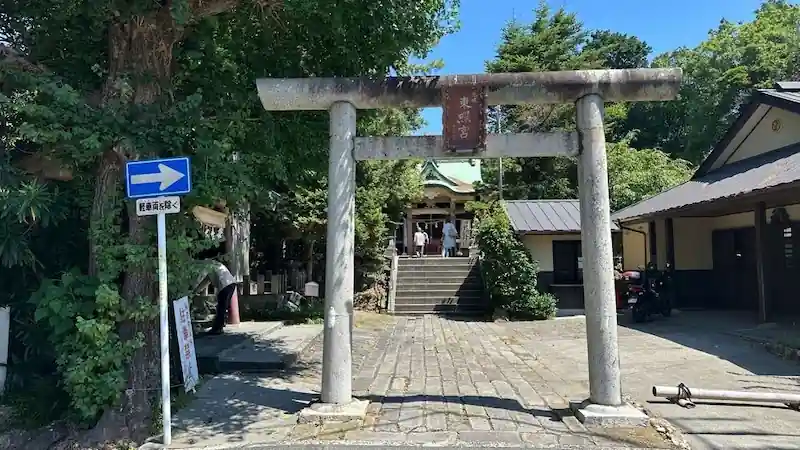
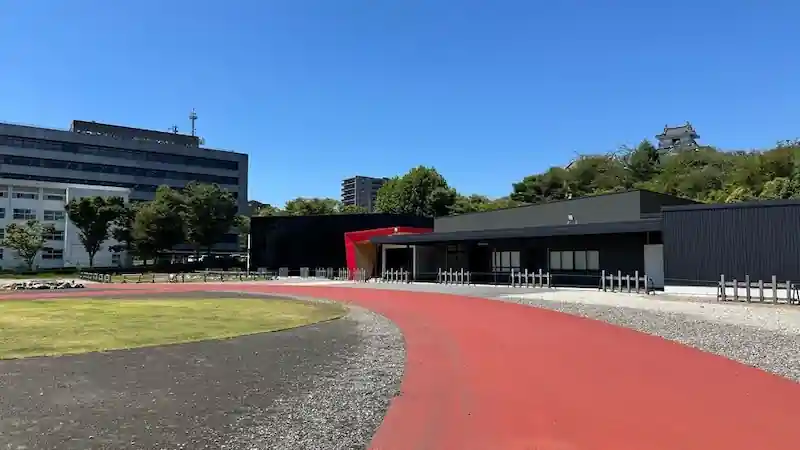
The next destination was Motoshiro Toshogu Shrine. Along the way, I came across the remains of an exhibition facility built for the NHK Taiga drama What Will You Do, Ieyasu?. Now closed, it felt like a missed opportunity, though I understood how challenging it must be to maintain such sites once the spotlight fades.
On the way, I purchased a Hikima Castle goshuin (castle seal), adding another item to my growing collection of historical mementos. The Toshogu Shrine itself boasts a well-preserved main hall, a solemn reminder of how Ieyasu continued to be venerated here long after the fall of the Tokugawa shogunate.
Tap a photo to enlarge
Tsubakihime Kannon Hall (椿姫観音堂)
A small hall in a residential area honoring Lady Otazu, known as Tsubakihime.
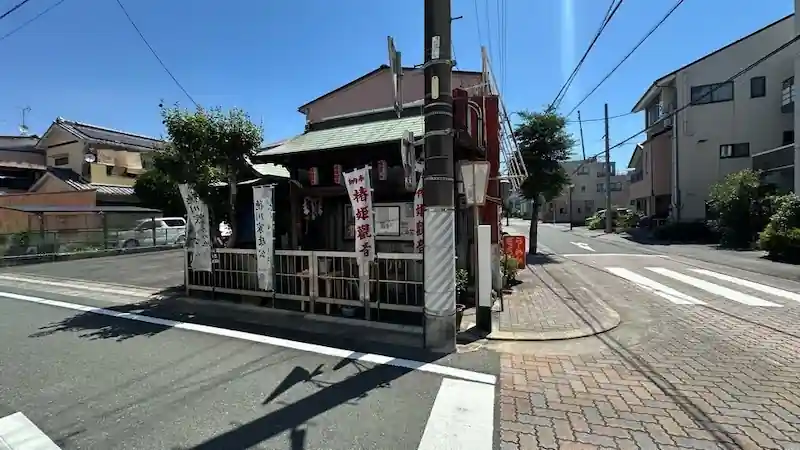
Hidden quietly within a residential neighborhood lies Tsubakihime Kannon Hall.
The moment I stepped inside, the noise of modern life faded, leaving only the chorus of cicadas. In the stillness enveloping the small hall, I sensed prayers that had crossed centuries.
The site is closely associated with Tokugawa Ieyasu’s wife, Lady Tsukiyama, and is dedicated to Lady O-Tazu (Tsubakihime). Married to Iio Tadamoto, lord of Hikima Castle, she famously defended the castle with eighteen handmaidens after her husband was killed during Ieyasu’s invasion of Tōtōmi. All perished in a fierce final stand, and her valor and purity are still remembered as emblematic of Sengoku-era women.
According to legend, Lady Tsukiyama later planted around one hundred camellia trees here to console Tsubakihime’s soul — a gesture that gave rise to her enduring nickname.
As I clasped my hands in prayer, a thought crossed my mind:
“What were they feeling in their final moments here?”
The weight of bushidō, loyalty, and the sorrow of women caught in the turmoil of war seemed to echo in the cicadas’ relentless song.
Hamamatsu Hachimangu and the birth well of Hidetada (浜松八幡宮) 🎥 360°
A Toshogu stands in the grounds. Under a railway overpass, a well marks the place of Hidetada's birth.
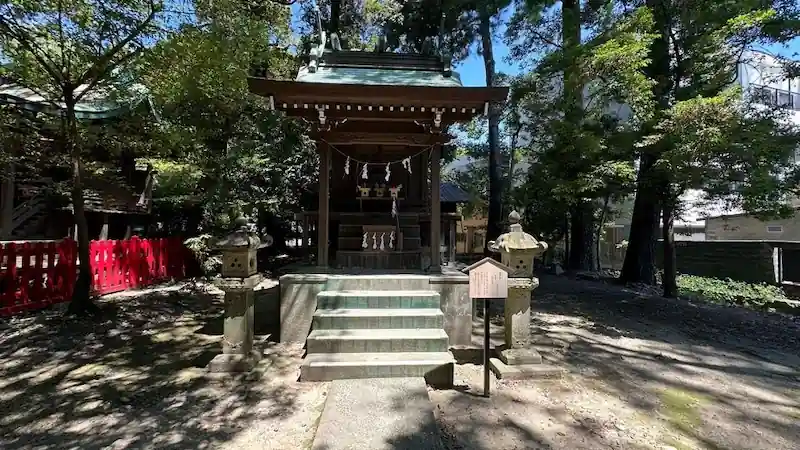
The next stop was Hamamatsu Hachimangu Shrine, notable for its grand approach and stately main hall. Within its grounds stands a subsidiary Toshogu Shrine, where visitors can also obtain goshuin bearing the Aoi crest.
Further along, beneath the Enshu Railway overpass, remain traces of the Well of Hidetada’s Birth and the Birth Bridge site. The juxtaposition of modern concrete and centuries-old relics evoked a striking sense of the passage of time.
Takamatsuyama Sairai-in Temple (高松山 西来院) 🎥 360°
The grave of Lady Tsukiyama, and that of Ieyasu's younger half-brother.
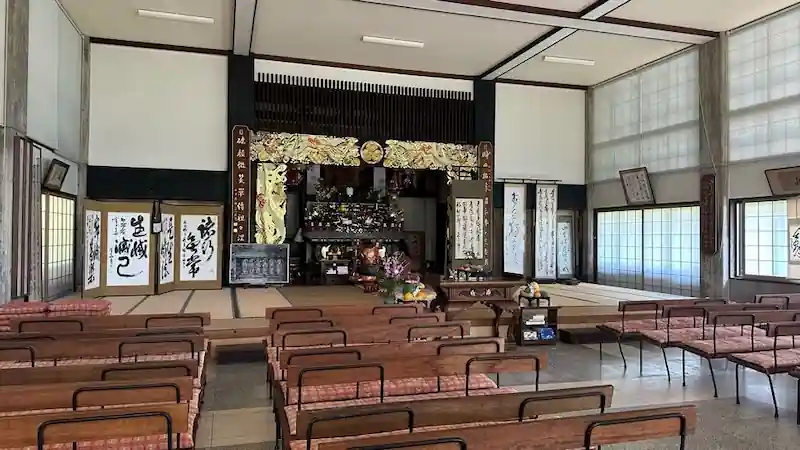
The next stop, reached by bus, was Takamatsuyama Sairai-in Temple.
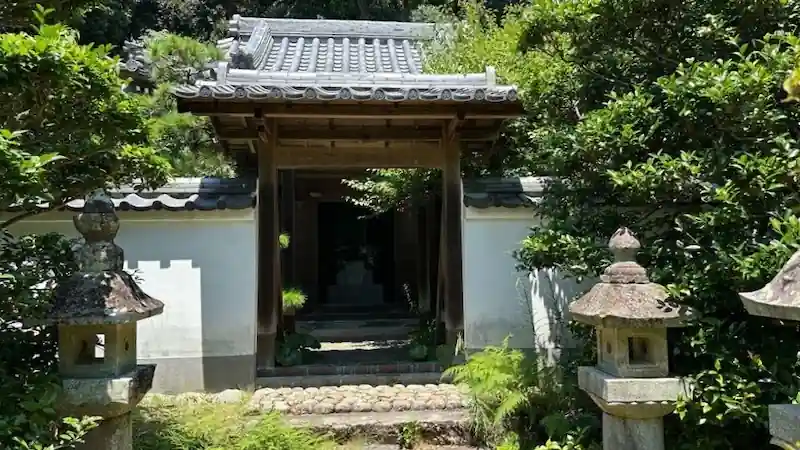
Passing through the temple gate, I entered a serene precinct where only the cicadas’ cries pierced the silence. Here lies the grave of Lady Tsukiyama, Tokugawa Ieyasu’s wife. Tradition holds that her body was buried here, while her head was interred in Okazaki.
Lady Tsukiyama, a niece of Imagawa Yoshimoto, married into the Tokugawa clan as part of a political alliance. But as Ieyasu deepened ties with Oda Nobunaga, suspicions arose over her connections to the Imagawa, straining their relationship. Ultimately, she met a tragic end here in Tōtōmi, allegedly on Ieyasu’s own orders — a mystery that remains debated to this day. Visiting her grave was one of the most thought-provoking moments of my Hamamatsu journey.
As I searched the grounds for her grave, I nearly gave up when the temple’s head priest, sweeping nearby, kindly called out to me.
“It’s in the back. Ieyasu’s younger brother is buried there too.”
Guided to the rear of the temple, I found moss-covered stone markers standing quietly. Beside Tsukiyama’s grave rested the tomb of Ieyasu’s younger brother, Matsudaira Genzaburō Yasutoshi — silent witnesses to the turbulent fate of their clan amid the chaos of the Sengoku era.
As I clasped my hands in prayer, a surge of emotion rose within me.
In that moment, I felt keenly aware of the sacrifices and complex human dramas that lay behind Ieyasu’s eventual rise to power.
Tap a photo to enlarge
Lunch: Kantaro eel restaurant (鰻 かんたろう)
On the walk to the museum. Kansai-style unaju was 5,000 yen.
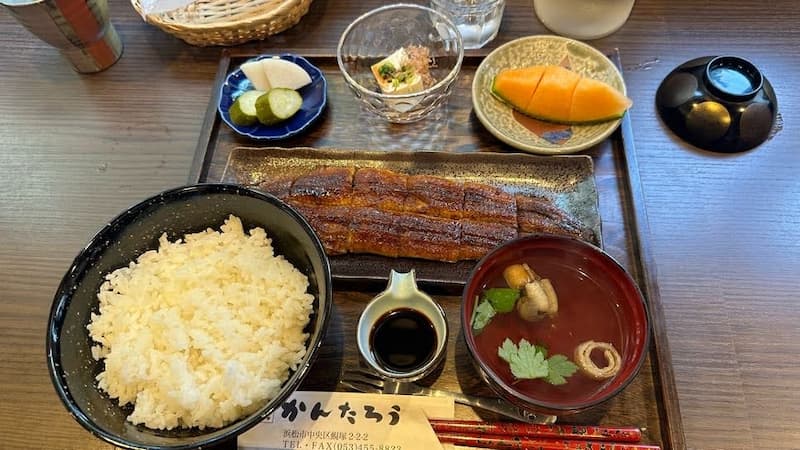
Heading toward the next destination, the Hamamatsu City Museum, I checked the bus schedule: the next one wouldn’t arrive for 30 minutes. Deciding to walk instead, I soon found myself drenched in sweat beneath the midsummer sun.
Drawn in by the aroma, I stepped into a nearby unagi (eel) restaurant and ordered a Kansai-style unajū for 5,000 yen. The crispy skin, tender flesh, and rich soy-based glaze instantly revived me — a well-earned reward for the grueling trek.
Hamamatsu City Museum (浜松市博物館)
Naumann's elephant fossils, plus scrolls and letters linked to Ieyasu and his retainers.
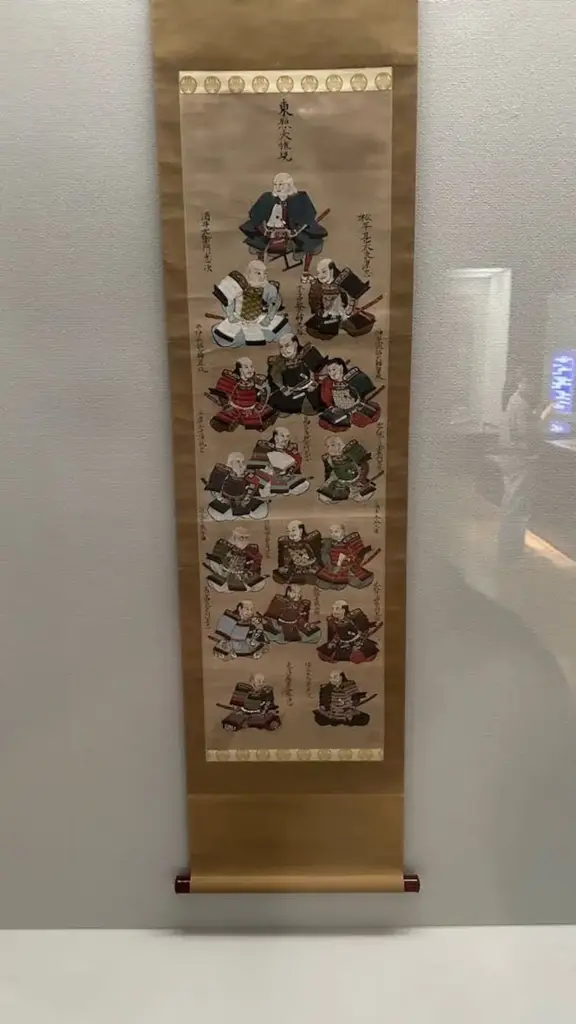
The day’s journey concluded at the Hamamatsu City Museum. While its main exhibit highlights fossils of the prehistoric Naumann elephant, the museum also features scrolls and letters from Ieyasu’s retainers, creating a fascinating intersection of ancient prehistory and Sengoku-period history.
| Hours | 9:00 to 17:00 |
|---|---|
| Closed | Mondays (open if Monday is a holiday) and the day after a holiday; Dec 29 to Jan 3 |
| Regular exhibition | Adults 310 yen, high school students 150 yen, elementary and junior high students free (special exhibitions cost extra) |
Hours and prices follow official information from the city of Hamamatsu, checked in November 2026. Please confirm before you go.
Photos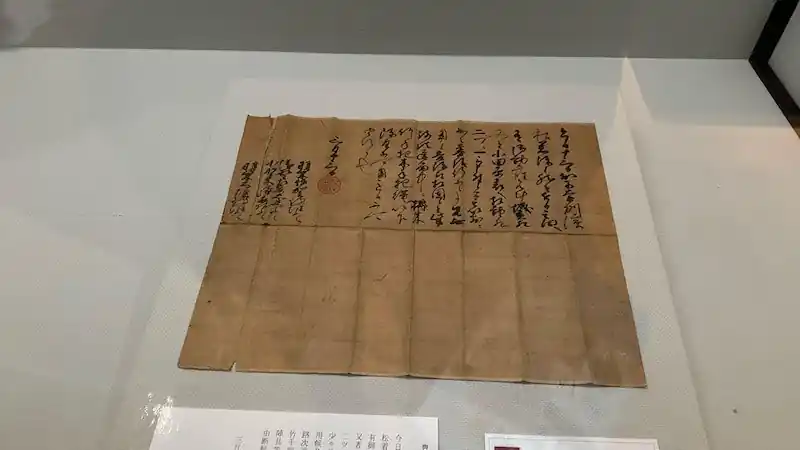
Tap a photo to enlarge
A message to readers
The historical sites of Hamamatsu often consist of little more than signboards or modest shrines, aside from the main castle and major shrines. Their understated presence invites imagination rather than spectacle — a quiet allure that rewards those willing to look beyond the obvious landmarks.
Walking through Hamamatsu, I realized how the footsteps of figures like Ieyasu, Hidetada, and Lady Tsukiyama remain woven into the everyday landscape. Precisely because these are not glittering tourist attractions, the whispers of the Sengoku era can still be felt here in quiet, intimate ways.
The intense summer heat and the physical effort of traveling between sites also became part of the experience, grounding me in the reality of the place. While spring or autumn might offer more comfortable conditions, the memories forged under that blazing sun will linger all the more vividly.
Getting there and basic information
Getting there and basic information
| From Tokyo Station | Tokaido Shinkansen direct to Hamamatsu Station (CA34): about 1 hr 30 min, roughly 8,000 to 9,000 yen depending on train and ticket type. Hikari and Kodama trains stop at Hamamatsu; Nozomi trains generally do not |
|---|---|
| From Haneda Airport | Keikyu Line to Shinagawa Station, then the Tokaido Shinkansen to Hamamatsu: about 2 hours, around 9,000 yen (approximate) |
| Around the city | Buses and walking. I could not find a rental bicycle near the station on August 1, 2025. The next bus to the museum was 30 minutes away, so I walked |
| Hamamatsu City Museum | 9:00 to 17:00; closed Mondays (open if Monday is a holiday), the day after a holiday, and Dec 29 to Jan 3; regular exhibition adults 310 yen (official information, checked November 2026) |
| Hamamatsu Castle | For the keep's opening hours and admission, please see the official Hamamatsu Castle Park information |
| Season | Summer is very hot. Spring or autumn is more comfortable, in my experience |
Where to stay in Hamamatsu
PRThis section contains affiliate links to the booking site Agoda. If you book through them, this site earns a commission. Areas are chosen for location and ease of travel.
The sites are spread across the city, and a one-day walk in summer is tiring. One night in Hamamatsu lets you split the sites between a morning and an afternoon. Prices change a lot by date, so I list areas only, not prices.
Stay in town
Hamamatsu Station area
Agoda search area: around Hamamatsu Station
Fits a trip that starts every day from the station, with buses to each site.
Find stays near Hamamatsu Station on AgodaLink Ieyasu sites
Shizuoka Station area
Agoda search area: around Shizuoka Station
Fits a trip that adds Shizuoka, where Ieyasu spent his later years.
Find stays near Shizuoka Station on AgodaWide-area base
Nagoya Station area
Agoda search area: around Nagoya Station
Fits a Shinkansen round trip to Hamamatsu, combined with Nagoya and Okazaki.
Find stays near Nagoya Station on AgodaThe links open with default dates and guest numbers. Check dates, price and cancellation terms on the booking page.
FAQ
On August 1, 2025, I looked around Hamamatsu Station and could not find a rental bicycle. I used buses and walked.
According to the official information checked in November 2026, it is open 9:00 to 17:00. The regular exhibition costs 310 yen for adults and 150 yen for high school students; elementary and junior high students are free. It is closed on Mondays (open if Monday is a holiday), the day after a holiday, and from December 29 to January 3.
When I asked the staff, they said there was no such exhibit. The Japanese garden next to it was quiet and beautiful.
In 1579, when Ieyasu's third son Hidetada was born, the shrine became his guardian shrine and was moved to its present site the next year. Hollyhock crests, the Tokugawa family emblem, appear throughout the grounds.
It is at the back of Takamatsuyama Sairai-in Temple. I could not find it at first, and a priest who was cleaning the grounds showed me. The grave of Ieyasu's younger half-brother Matsudaira Genzaburo Yasutoshi is next to it.
Lady Otazu, known as Tsubakihime, the wife of the lord of Hikima Castle. According to legend, Lady Tsukiyama planted about a hundred camellias to console her spirit.
Related articles
☕ Support This Site
Following the Shogun is built on original fieldwork and on-site research.
If you found this guide useful, your support helps keep it going.

You can also support via QR code


comment