


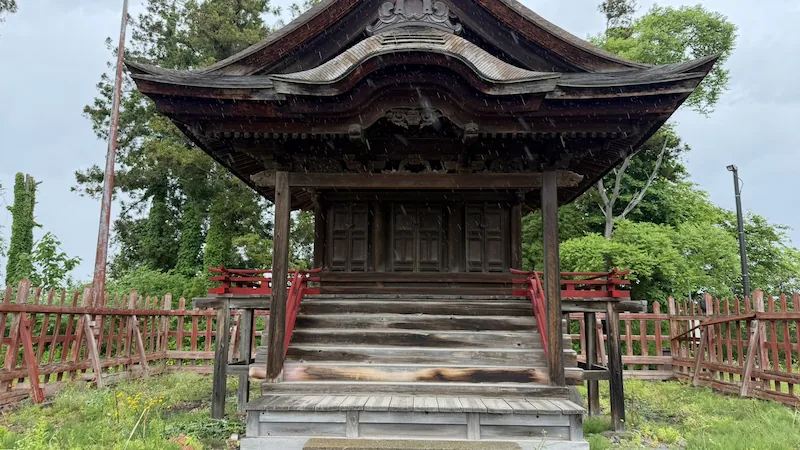
Former Hirosaki Toshogu and Kuroishi Shrine: Two Places, One Story
The surviving Toshogu Main Hall in Hirosaki and the active Toshogu worship tradition at Kuroishi Shrine — a guide to understanding both sites and how to visit them.
If you search for "Hirosaki Toshogu," you may find two very different things: a surviving historic building tucked into a quiet residential area of Hirosaki City, and a shrine in the nearby town of Kuroishi where the Toshogu worship tradition continues today.
This article clarifies both places so you can decide which to visit — or how to combine them into a single half-day trip.
• Hirosaki — the original Toshogu Main Hall survives as an Important Cultural Property. Visitors view it from outside.
• Kuroishi Shrine — visitors can see a Toshogu within a working shrine, dedicated to Tokugawa Ieyasu and Manten-hime.
Neither place is Nikko Toshogu in scale. Both are small, historically meaningful sites that reward visitors with an interest in Tokugawa Ieyasu and the Tsugaru domain.
Quick Summary / What You'll Find on This Page
- What physically remains of Hirosaki Toshogu today
- Where the Toshogu worship tradition is now centered
- How the two sites relate to each other
- How to visit both in a single day
- Practical access information from Hirosaki and Aomori
- What to expect at each location (scale, time needed, navigation)
- Notes on goshuin (shrine stamp) for interested visitors
Is It Worth Visiting?
• Tokugawa Ieyasu's reach beyond Nikko and Edo
• The relationship between the Tsugaru domain and the Tokugawa shogunate
• Lesser-known Toshogu sites in the Tohoku region
• Combining a historic side trip with time in Hirosaki or the Kuroishi area
What to Expect at Each Place
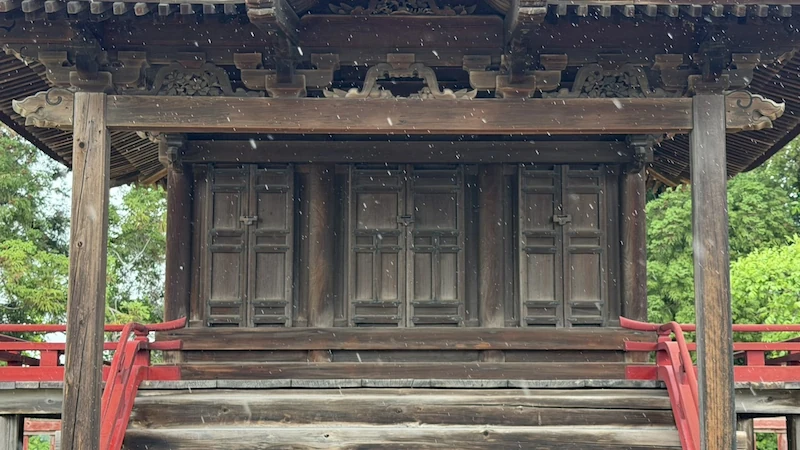
At Hirosaki, the Toshogu Main Hall stands in what feels like a quiet historic remnant within a residential neighborhood. A fence surrounds the structure, and visitors can approach to within a few meters of the hall for exterior viewing. There is no interior access. The setting is peaceful rather than dramatic — more a preserved cultural property than an active place of worship.
At Kuroishi Shrine, the atmosphere is that of an active neighborhood shrine. The Toshogu is located on the right as you enter the grounds, and it is easy to find. This is a smaller, more intimate setting than major Toshogu sites, but the connection to Tokugawa Ieyasu and Manten-hime gives it clear historical meaning.
If you are visiting from Hirosaki and have a car or car-share, both sites can be covered in a comfortable half-day. By public transport, allow more time.
Two Sites at a Glance
| Hirosaki Toshogu Main Hall | Toshogu at Kuroishi Shrine | |
|---|---|---|
| What it is | Surviving main hall of the former Hirosaki Toshogu | Toshogu within Kuroishi Shrine's grounds |
| Type | Important Cultural Property (surviving original) | Current worship site |
| Access type | Exterior viewing from outside a fence | Full shrine visit, free access |
| Scale | Small historic building | Small sub-shrine within a larger shrine |
| Time needed | About 10 minutes | About 15 minutes |
| Location | Sasarimachi, Hirosaki City | Kuroishi City |
| Navigation | Map apps may lead to a non-standard approach — check carefully | Relatively straightforward to reach |
Access: How to Get to Both Sites
Kuroishi Shrine
Kuroishi Shrine — Access
| Nearest Station | Kuroishi Station (KK13), Konan Railway Konan Line |
|---|---|
| On foot | Approximately 15 minutes from Kuroishi Station |
| By car from Hirosaki | About 25 minutes from JR Hirosaki Station (official tourism estimate) |
| Parking | Available at Kuroishi Shrine |
| From Shin-Aomori (Shinkansen) | Transfer at Hirosaki, then Konan Railway to Kuroishi. Check current timetables for connection times. |
| From Tokyo | Tohoku Shinkansen to Shin-Aomori (approx. 3 hrs from Tokyo Station), then transfer as above. Hirosaki is the practical base. |
| From Sendai | Tohoku Shinkansen to Shin-Aomori (approx. 1.5 hrs), then transfer as above. |
Hirosaki Toshogu Main Hall (Former Site)
Hirosaki Toshogu Main Hall — Access
| Address | Sasarimachi 38-2, Hirosaki City, Aomori |
|---|---|
| Navigation note | Map apps may guide you to the residential area rather than to the correct approach to the site. Check your route carefully rather than relying solely on the map pin. |
| Parking | There appears to be space near the site, though this has not been officially confirmed. Check in advance. |
Visiting Both in One Day
By car or car-share from Hirosaki Station, you can visit both sites comfortably in half a day. The drive between the two locations takes approximately 25 minutes. If you are using public transport, allow additional time and check current timetables for the Konan Railway.
The map below shows the driving route between the two sites.
Historical Background
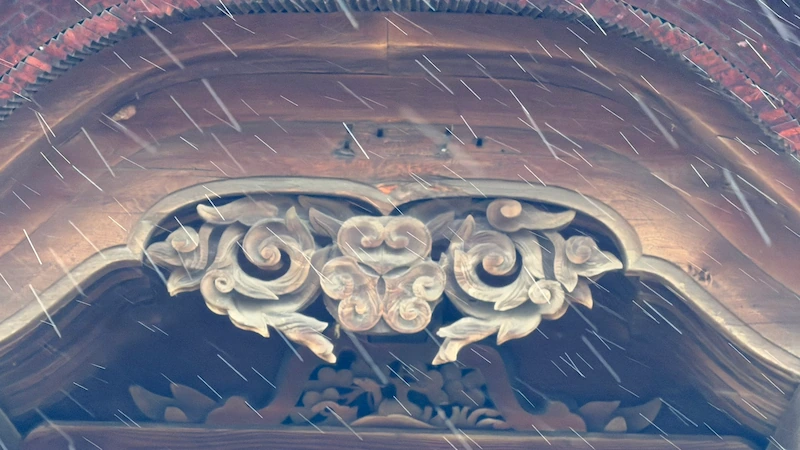
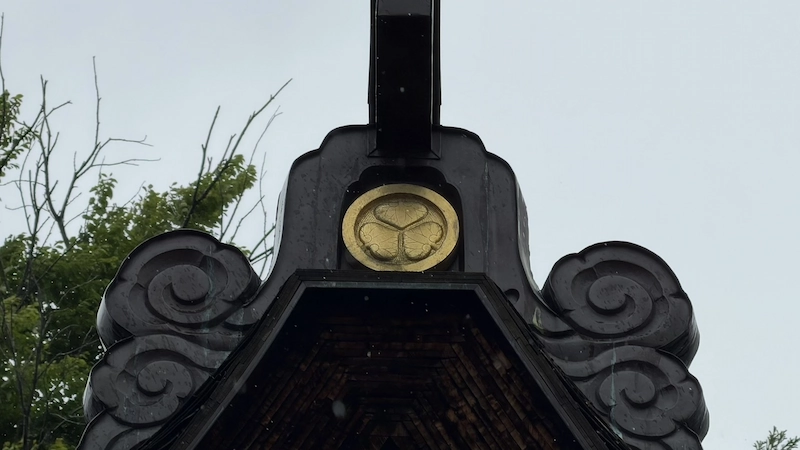
Tap to enlarge
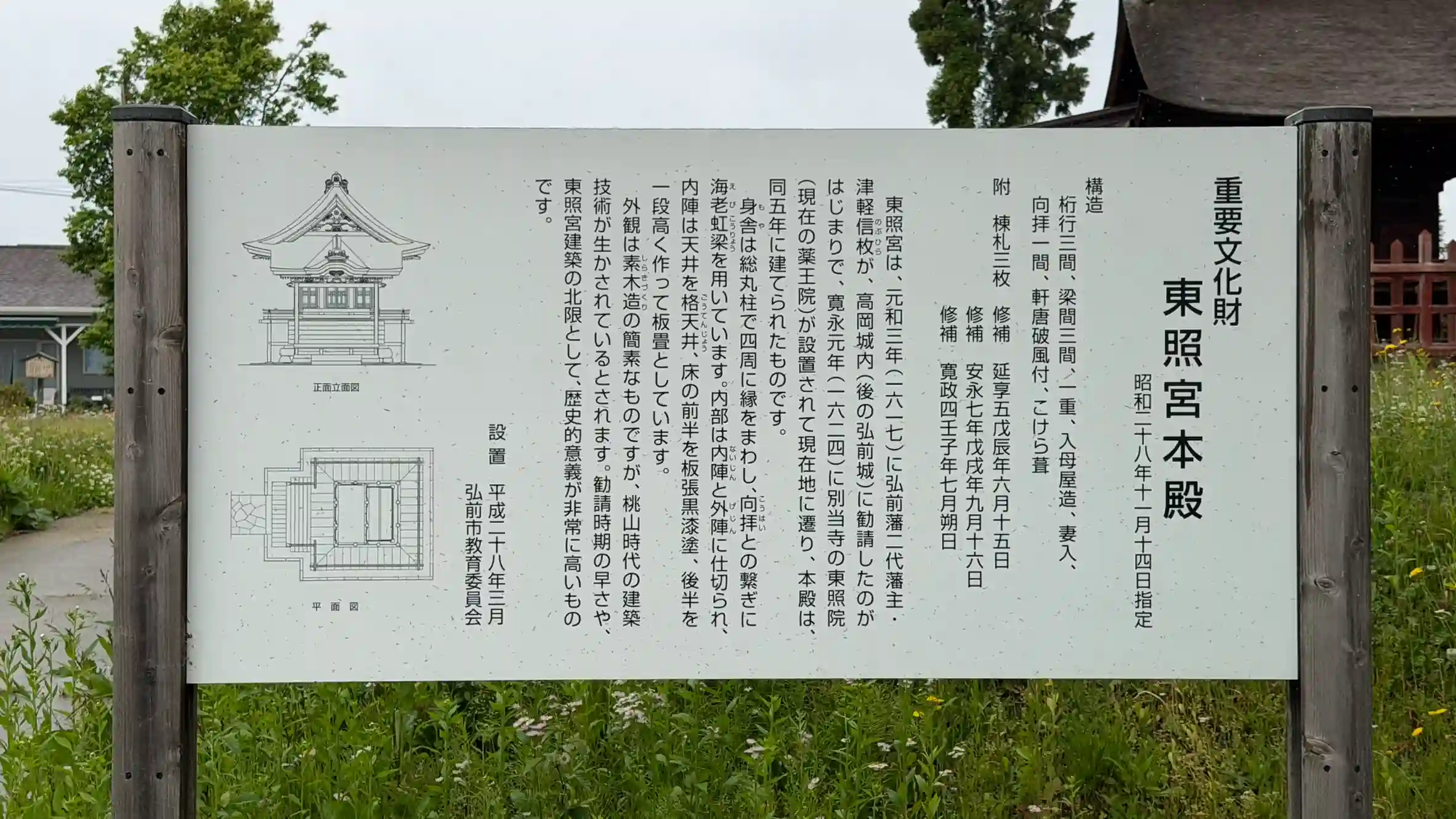
Toshogu Shrines and the Tokugawa Legacy
Toshogu shrines across Japan enshrine Tokugawa Ieyasu (1543–1616), the founder of the Tokugawa shogunate who unified Japan after centuries of civil war. The most famous is Nikko Toshogu in Tochigi Prefecture, built on an extraordinary scale. Hirosaki Toshogu is one of many smaller Toshogu shrines established by regional lords across the country, reflecting their allegiance to the Tokugawa house.
Why Did the Tsugaru Domain Build a Toshogu Here?
The Tsugaru domain, based in present-day Aomori Prefecture, had a particular reason to honor Tokugawa Ieyasu: the domain founder Tsugaru Nobumasa (津軽信枚) married Manten-hime (満天姫), a granddaughter of Tokugawa Ieyasu. This marriage alliance connected the Tsugaru family directly to the Tokugawa house.
The Toshogu on the Hirosaki side was established to honor this connection. According to confirmed historical records, the deity was first enshrined in Hirosaki Castle's honmaru (main keep area) in 1617, relocated to its current location in 1624, and the main hall was formally built in 1628. Repair work on the structure is recorded from the Enkyo, Anei, and Kansei periods (mid-18th to late 18th century). The hall was designated an Important Cultural Property in 1953.
1617 — Deity enshrined in Hirosaki Castle honmaru
1624 — Relocated to present location in Sasarimachi
1628 — Main hall (honden) formally built
Enkyo period (1744–1748) — Repair work recorded
Anei period (1772–1781) — Repair work recorded
Kansei period (1789–1801) — Repair work recorded
1953 (Showa 28) — Designated Important Cultural Property
Manten-hime and the Kuroishi Connection
Manten-hime is also connected to the Kuroishi side of this story. The Toshogu within Kuroishi Shrine's grounds is described, in official tourism materials, as enshrining both Tokugawa Ieyasu and Manten-hime. Kuroishi Shrine itself is dedicated to Tsugaru Nobuhide (津軽信英), the founder of the Kuroishi branch domain, a junior branch of the Tsugaru clan.
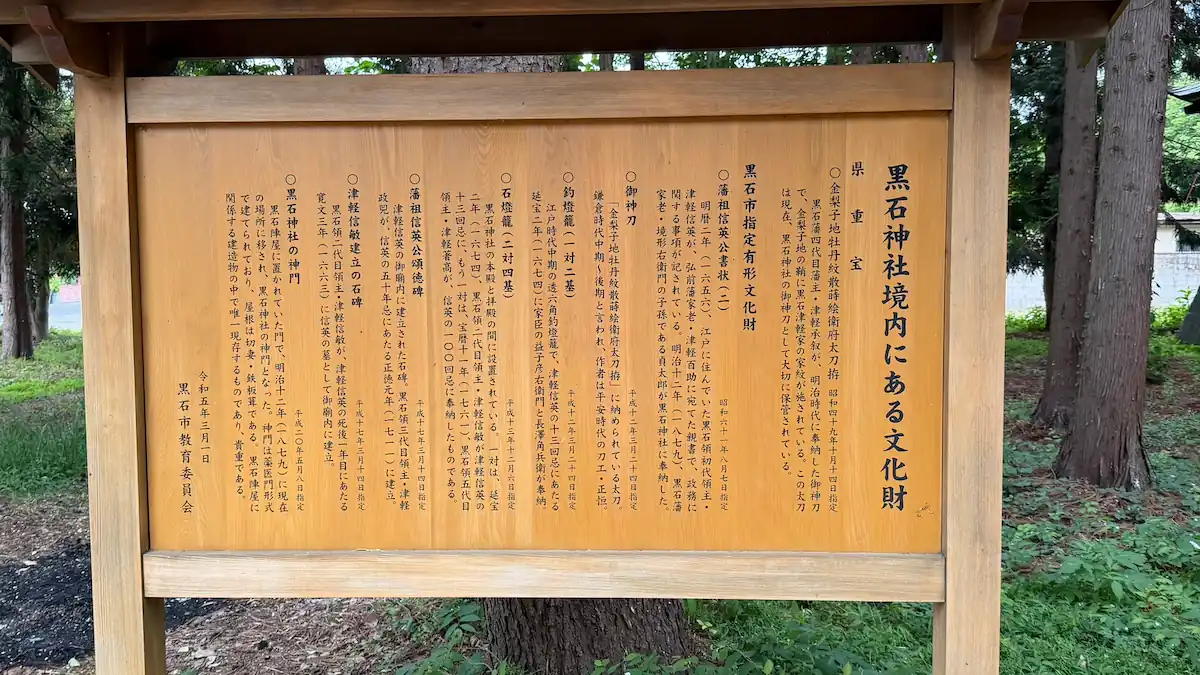
According to local newspaper reports, the Toshogu within Kuroishi Shrine's grounds was established in 2015, receiving the deity from the former Hirosaki Toshogu. This information comes from local media coverage rather than official shrine records, and is presented here as reported rather than formally confirmed.
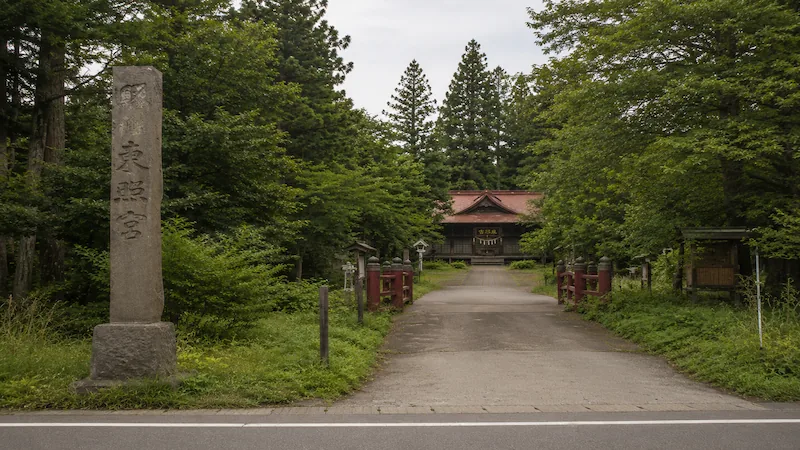
What Remains Today
Toshogu Main Hall — Former Hirosaki Toshogu 🎥 360°
The surviving physical structure from the original Hirosaki Toshogu
The Toshogu Main Hall in Hirosaki is the surviving physical structure from the original Hirosaki Toshogu. It stands in a quiet, park-like setting within a residential area of Hirosaki City. A fence surrounds the structure. Visitors can approach to within a few meters of the hall and view the exterior, but there is no interior access. The building's age and its designation as an Important Cultural Property give it a different kind of presence from a large active shrine — it stands as a quiet record of the relationship between the Tsugaru domain and the Tokugawa house.
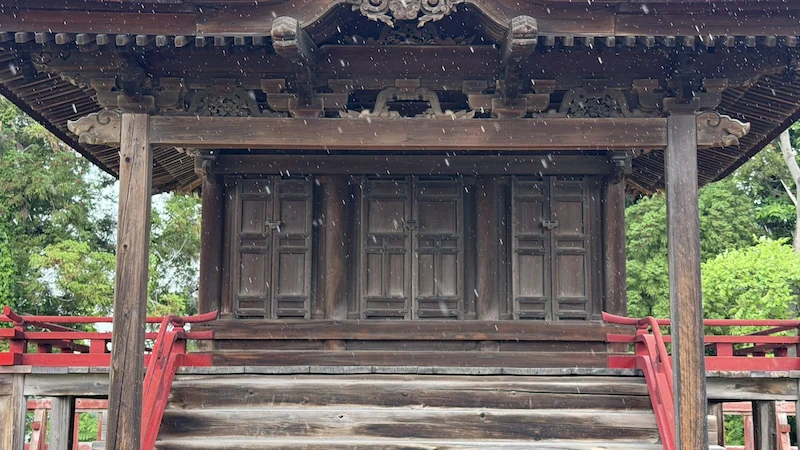
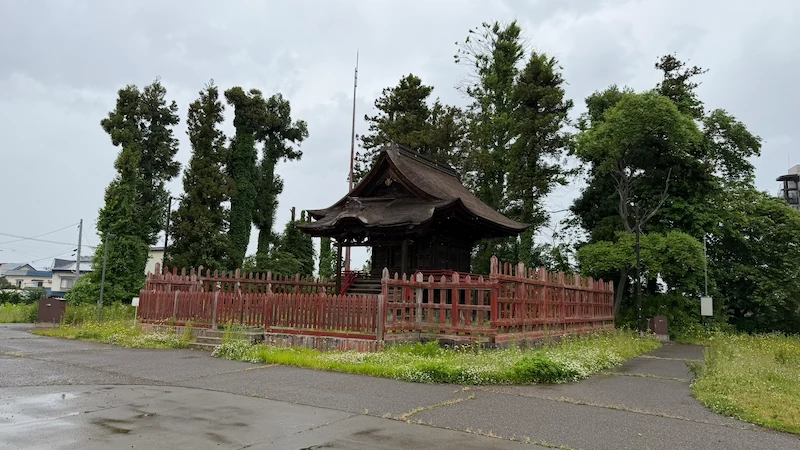
Tap to enlarge
• Exterior viewing only. Interior access is not available.
• Map apps may guide you to a different approach route. Check your route carefully before you arrive.
• There appears to be parking space near the site, though this has not been officially confirmed.
• Allow about 10 minutes for a visit.
Historical Records
| Year | Event |
|---|---|
| 1617 | Deity enshrined in Hirosaki Castle honmaru (main keep area) |
| 1624 | Relocated to present location in Sasarimachi |
| 1628 | Main hall (honden) formally built |
| Enkyo period (1744–1748) | Repair work recorded |
| Anei period (1772–1781) | Repair work recorded |
| Kansei period (1789–1801) | Repair work recorded |
| 1953 (Showa 28, Nov 14) | Designated Important Cultural Property |
Kuroishi Shrine 🎥 360°
The main shrine of Kuroishi City and the current center of Toshogu worship in the area
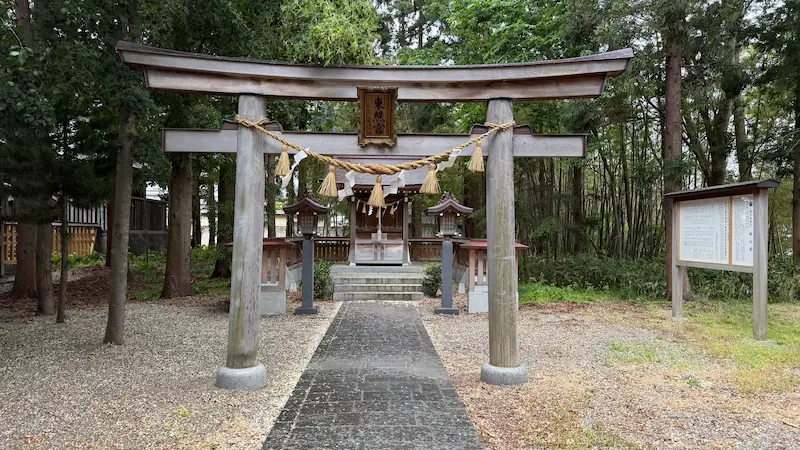
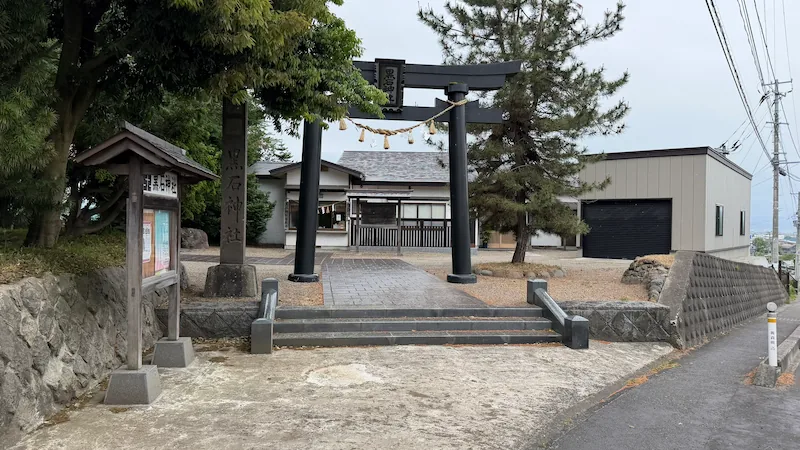
Kuroishi Shrine is the main shrine in Kuroishi City and can be reached on foot from Kuroishi Station (Konan Railway, KK13) in about 15 minutes. The grounds are freely accessible. The shrine is dedicated to Tsugaru Nobuhide (津軽信英), the founder of the Kuroishi branch domain. Note that Kuroishi Shrine itself and the Toshogu within its grounds are separate — the shrine honors Tsugaru Nobuhide, while the Toshogu is associated with Tokugawa Ieyasu and Manten-hime.
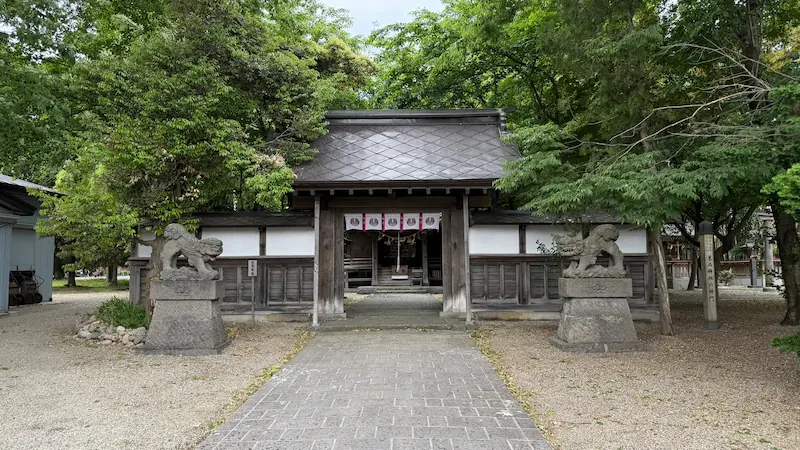
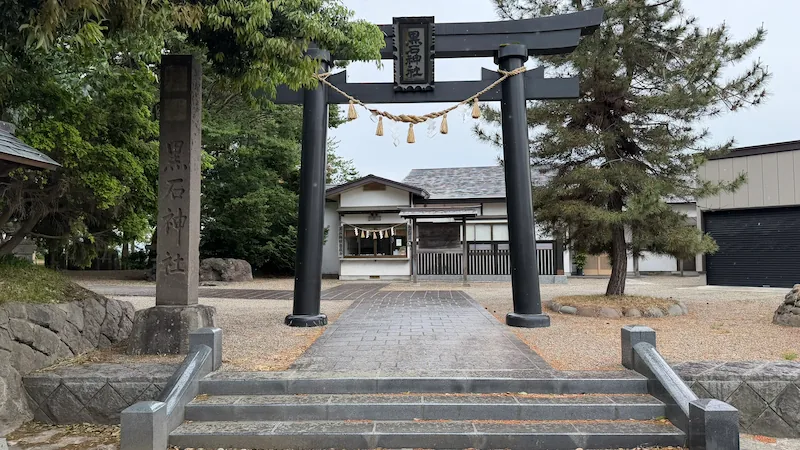
Tap to enlarge
• Free access to the shrine grounds
• Approximately 15 minutes on foot from Kuroishi Station (KK13)
• Parking is available at the shrine
• Allow about 15 minutes to visit both Kuroishi Shrine and the Toshogu within its grounds
Kuroishi Shrine — Background
Kuroishi Shrine is dedicated to Tsugaru Nobuhide (津軽信英), who founded the Kuroishi branch domain, a junior branch of the main Tsugaru clan based in Hirosaki. According to official tourism information, the shrine building was established in the Meiji period (1868–1912) at a site connected with Nobuhide's burial place.
The Toshogu within the shrine's grounds was established later, as described in the historical background section of this article.
Toshogu at Kuroishi Shrine 🎥 360°
The current Toshogu worship site within Kuroishi Shrine's grounds
The Toshogu at Kuroishi Shrine is located on the right side as you enter the shrine grounds, and it is relatively easy to find. This is where visitors can connect with the Toshogu worship tradition that was associated with the Tsugaru domain and its links to the Tokugawa house. It is described in official tourism materials as enshrining both Tokugawa Ieyasu and Manten-hime.
Local reports describe this Toshogu as having been established in 2015, when the deity was received from the former Hirosaki Toshogu. The official name and formal registration of the shrine have not been independently confirmed for this article, so references use descriptive rather than definitive terms.
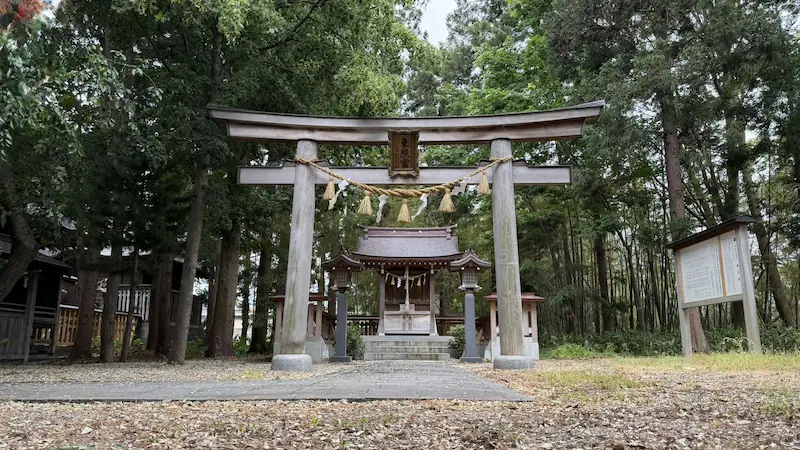
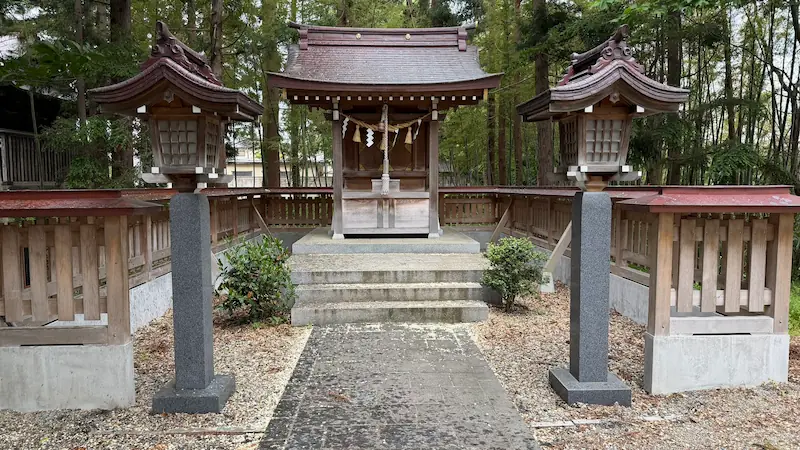
Tap to enlarge
• Located on the right as you enter Kuroishi Shrine's grounds — easy to find
• Free access
• Allow about 15 minutes combined with visiting Kuroishi Shrine
Manten-hime and the Tsugaru Domain
Manten-hime (満天姫) was a granddaughter of Tokugawa Ieyasu and became the wife of Tsugaru Nobumasa (津軽信枚), the lord of the Tsugaru domain. This marriage created a direct family link between the Tsugaru domain and the Tokugawa shogunate, which helps explain why the Tsugaru lords established a Toshogu shrine to honor Ieyasu.
Manten-hime is also associated with the Toshogu at Kuroishi Shrine, which is described in official tourism materials as enshrining both Tokugawa Ieyasu and Manten-hime. Visitors interested in the role of women in Edo-period domain history may find her story an additional point of interest at the Kuroishi site.
A personal ranking from the author's on-site visit, not an official recommended order.
The surviving original hall and an Important Cultural Property (designated 1953). It is viewed from outside only, and about 10 minutes is enough. Check your route in advance, because map apps may not lead you to the correct approach.
Free access and easy to find on the right as you enter the grounds. It is where Toshogu worship continues today, and it is described as enshrining Tokugawa Ieyasu and Manten-hime. Allow about 15 minutes together with the shrine.
The shrine itself is dedicated to Tsugaru Nobuhide, not Ieyasu, and you will be inside its grounds anyway to reach the Toshogu. Treat it as the gateway to the Toshogu rather than a destination of its own.
Goshuin (Shrine Stamp) Notes
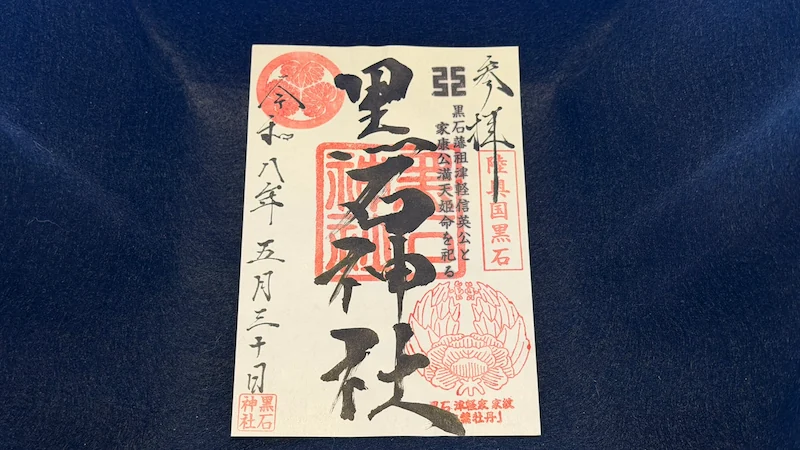
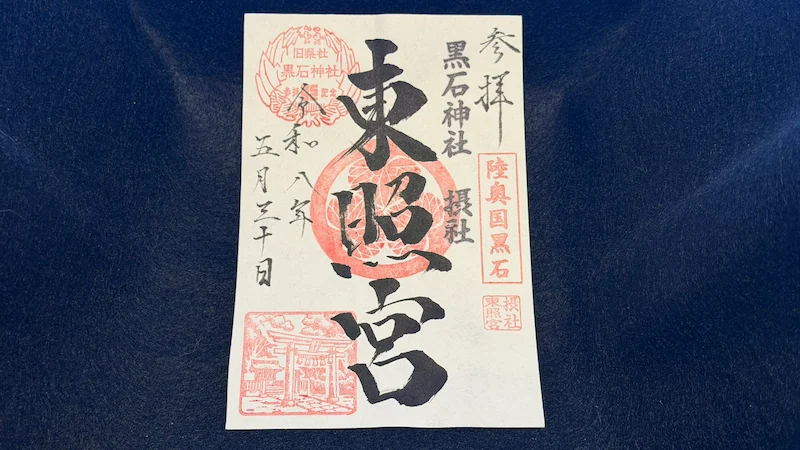
Goshuin obtained during the visit. Tap to enlarge.
A goshuin is a calligraphed stamp that visitors receive at shrines and temples as a record of their visit. At Kuroishi Shrine, a goshuin was available during the visit. The reception desk at the juyo-sho appeared to be unstaffed, but pressing a call bell brought a shrine attendant to assist.
Frequently Asked Questions
The Hirosaki Toshogu site holds the surviving original main hall, which is now an Important Cultural Property viewed from outside. The Toshogu at Kuroishi Shrine is where the Toshogu worship tradition is now continued, within an active shrine.
No. The main hall is viewable from outside, with a fence around the structure. There is no interior access for general visitors.
No. Nikko Toshogu is one of Japan's most elaborate shrine complexes. The Hirosaki Toshogu site and Kuroishi Shrine's Toshogu are small, historically meaningful sites suited for visitors with a specific interest in Tokugawa Ieyasu or the Tsugaru domain. The scale is entirely different.
About 10 minutes at the Hirosaki side and about 15 minutes at Kuroishi Shrine, not including travel time between them. Both can be done in a comfortable half-day from Hirosaki with a car.
By car, about 25 minutes from JR Hirosaki Station. By rail, take the Konan Railway Konan Line from Hirosaki Station (KK01) to Kuroishi Station (KK13) — allow about 34 minutes as a rough estimate, and check current timetables before traveling.
Kuroishi Shrine has parking available. For the Hirosaki Toshogu Main Hall, there appears to be space near the site, but this has not been officially confirmed — check in advance.
A goshuin was available during our visit. Current availability, hours, and fee should be confirmed directly with the shrine before your visit, as this can change.
Kuroishi Shrine is easy to navigate and freely accessible — suitable for any visitor. The Hirosaki Toshogu site requires a bit more care with navigation, as map apps may not lead you to the correct approach. Allow extra time and check the route in advance.
Where to Base Yourself
For a visit to both the Hirosaki Toshogu site and Kuroishi Shrine, Hirosaki is the most practical base city. Hirosaki has a wide range of accommodation options, and the former Toshogu site is within the city. From Hirosaki, the Konan Railway connects to Kuroishi, or you can use a car or car-share for more flexibility.
Aomori City or the area around Shin-Aomori Station is a practical choice for those combining this trip with broader Aomori sightseeing or arriving by Shinkansen.
Kuroishi has hot spring accommodation options if you prefer a quieter base with a longer stay in the area.
☕ Support This Site
Following the Shogun is built on field research and personal visits.
If this article has been useful to you, your support is greatly appreciated.

Scan to support via QR code
Related Articles
Hirosaki, where the Main Hall of Hirosaki Toshogu Shrine stands, is home to many historic sites connected with the Tsugaru clan, including Hirosaki Castle. Other shrines and temples associated with the Tsugaru family, such as Takateru Shrine and Choshoji Temple, are also well known in Aomori Prefecture.


comment