


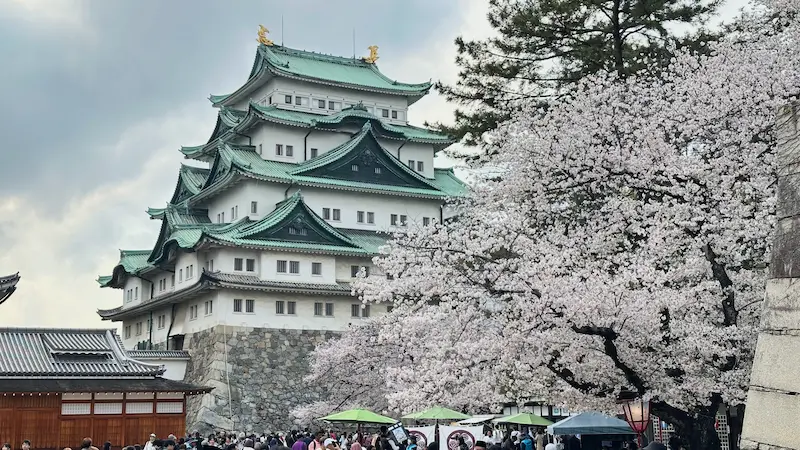
Central Japan Historic Sites | Castles, Battlefields & Samurai History in Aichi, Gifu, Ishikawa & Shizuoka
Central Japan is the birthplace of the Three Unifiers — Oda Nobunaga, Toyotomi Hideyoshi, and Tokugawa Ieyasu. From the origin castles of Aichi to Nobunaga's Gifu stronghold, the Maeda clan's Kanazawa, and Ieyasu's final base in Shizuoka, this region holds the core of Japan's Sengoku story.
Central Japan in the Sengoku & Edo Periods
Central Japan is deeply tied to the three warlords who shaped the end of the Sengoku period — Oda Nobunaga, Toyotomi Hideyoshi, and Tokugawa Ieyasu. Aichi Prefecture holds the origins of all three. Gifu marks the pivotal moment when Nobunaga took control of Mino and declared his ambition to unify Japan. Ishikawa is where Maeda Toshiie built a lasting domain that rivalled the Tokugawa themselves. And Shizuoka is where Ieyasu — both as a young hostage and as a retired shogun — shaped the course of Japanese history.
This page organises field-researched guides to castles, battlefields, temples, museums, and historic sites across Central Japan, sorted by prefecture. If you're not sure where to start, check the main guide for each prefecture first. For well-documented locations such as Nagoya Castle and Kanazawa Castle, articles are grouped into series so you can explore at your own pace.
If you'd prefer to follow a specific warlord rather than a region, use the Browse by Warlord section below. This page is designed to help you find what exists in Central Japan and where — detailed access, visiting times, and what to see on the ground are in each individual article.
Browse by Prefecture
Aichi | Birthplace of the Three Unifiers
Aichi Prefecture is connected to all three of Japan's great unifiers — Nobunaga, Hideyoshi, and Ieyasu. Nagoya, Kiyosu, Komaki, Okehazama, and Nakamura are among the key places where their stories began. If you're visiting Central Japan for the first time, Aichi is the natural starting point for understanding the full arc of the Sengoku period.
Start Here — Main Guides
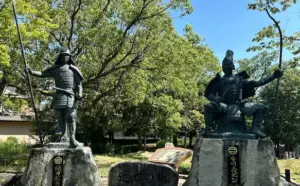

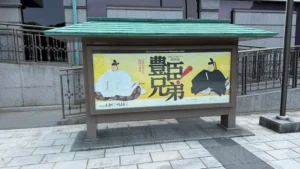
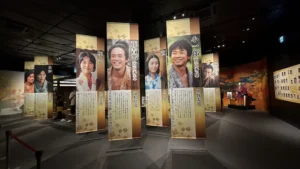
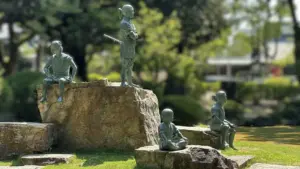
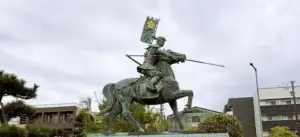
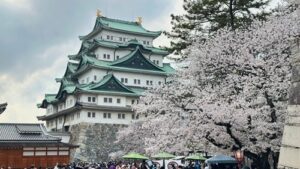
Explore Nagoya Castle in Depth
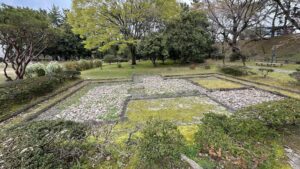
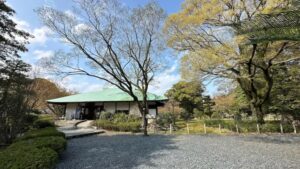
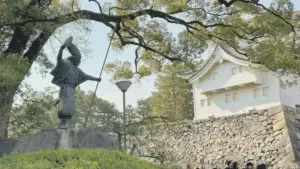
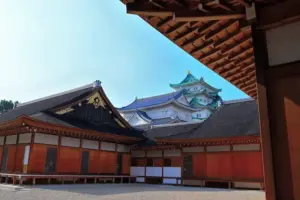
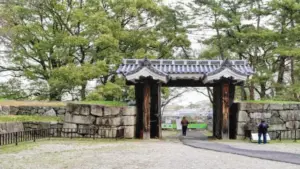
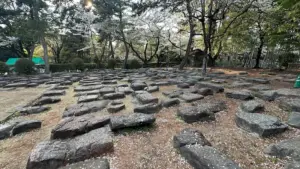
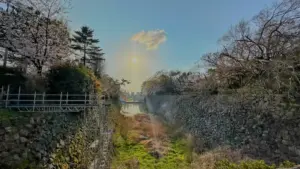
Nagoya Castle was commissioned by Tokugawa Ieyasu and served as the seat of the Owari Tokugawa clan throughout the Edo period. Start with the main Nagoya Castle overview to get a sense of the layout, then follow the area-by-area articles — the Ninomaru, Honmaru, Nishi-no-maru, and Ofukai-maru each have their own guide.
Start Here — Nagoya Castle Complete Guide
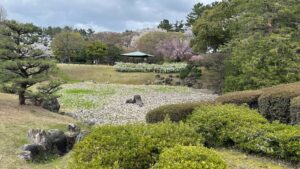
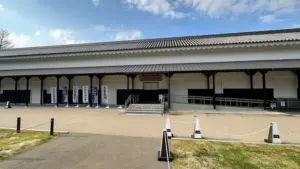
All Articles — Aichi Prefecture
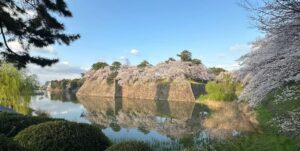
Gifu | Nobunaga's Road to Unification
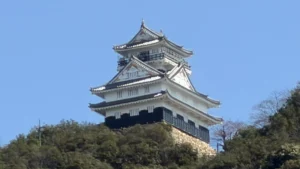
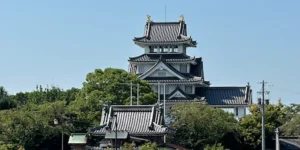
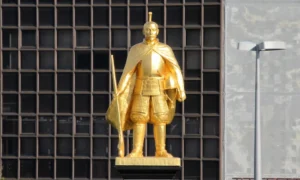
Gifu Prefecture is where Nobunaga took control of Mino Province and adopted the seal Tenka Fubu — "rule the realm by force." The castle at Gifu, the surrounding fortifications, and the sites tied to Hideyoshi's early career all sit within this landscape. Tracing Nobunaga's moves from Owari into Mino is one of the clearest ways to understand how Japan moved toward unification.
Start Here — Main Guides
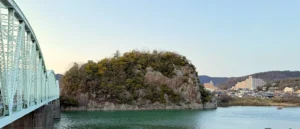
Ishikawa | The Maeda Clan and Kaga Domain
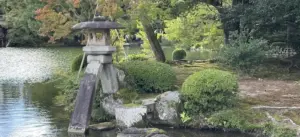
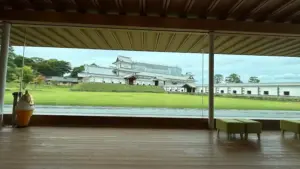
Ishikawa Prefecture is shaped by the history of Maeda Toshiie and the Kaga domain he founded — the largest domain outside the Tokugawa family. Kanazawa Castle and the surrounding castle town show how the Maeda transformed a military stronghold into one of Japan's great centres of arts and culture. Following the Maeda's story here connects the Sengoku warrior to the refined traditions of the Edo period.
Start Here — Main Guides
Explore Kanazawa Castle in Depth
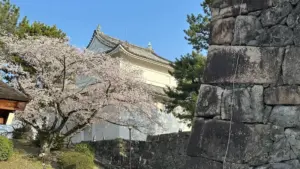
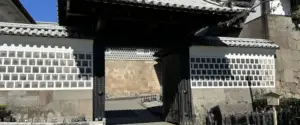
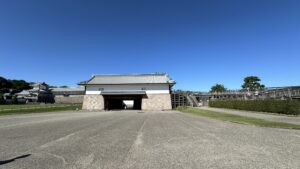
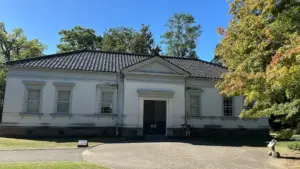
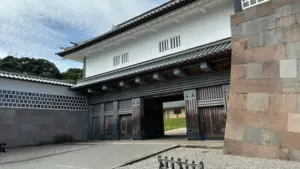
Kanazawa Castle was the seat of the Maeda clan and the heart of the Kaga domain. The castle grounds are divided into distinct areas, each with different surviving structures and historical significance. Start with the main Kanazawa Castle guide to understand the layout, then explore the area-specific articles for more detail.
Start Here — Kanazawa Castle Complete Area Guide
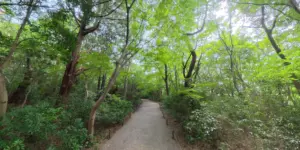
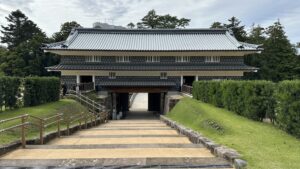
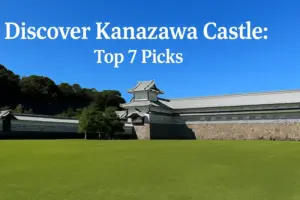
All Articles — Ishikawa Prefecture
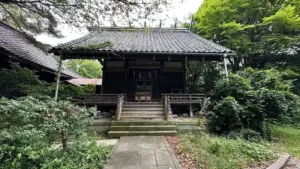
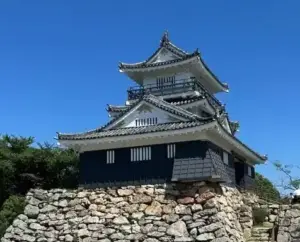
Shizuoka | Ieyasu's Final Base and the Tokaido
Shizuoka Prefecture traces Tokugawa Ieyasu across two defining periods of his life — his years in Hamamatsu as a young warlord consolidating power in the east, and his retirement in Sunpu (present-day Shizuoka City) where he continued to govern Japan from behind the scenes. The Tokaido highway that ran through this region also shaped the political and economic history of the Edo period. More guides to Sunpu Castle and Kunō-zan Tōshō-gū are in development.
Start Here — Main Guides

All Articles — Shizuoka Prefecture
Browse by Purpose
You can also search by the type of site rather than by prefecture. Some articles appear under more than one category — castles, battlefields, and exhibition spaces can overlap depending on the location. Use whichever entry point matches what you're looking for.
Castles & Castle Ruins
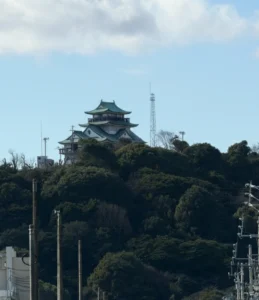
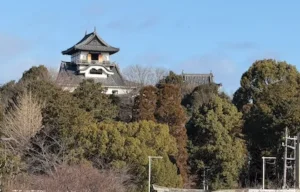
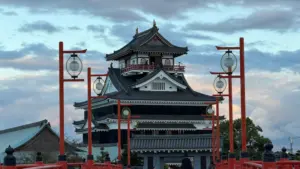
Nagoya Castle, Gifu Castle, Inuyama Castle, Kanazawa Castle, Komakiyama Castle, and Kiyosu Castle are among the major castle sites covered in Central Japan. Articles detail surviving structures, reconstructed buildings, stone foundations, and earthworks — what's actually there to see varies significantly by location.
Battlefields
Okehazama, Komakiyama, Ōtaka Castle ruins, Marune Fort, and Washizu Fort are among the battlefield and military sites covered for Central Japan. Even where no structures survive, understanding the terrain and the surrounding sites can help bring the tactical decisions of the time into focus.
Museums & Exhibitions
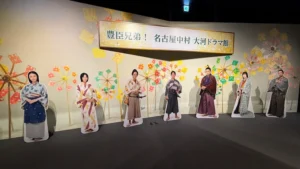
The Tokugawa Art Museum, NHK Taiga drama venues, special exhibitions, and local history museums help build the context that castles and battlefields alone can't always provide. These articles are useful for understanding the people and relationships behind the sites you visit.
Browse by Warlord
If the Central Japan articles have sparked interest in a particular warlord, the individual warlord guides pull together related sites from across Japan — not just Central Japan — so you can trace their full story. Each guide is organised by region and covers the key places connected to that person's life.
Oda Nobunaga
In Central Japan, Kiyosu Castle, Okehazama, Gifu Castle, and Komakiyama Castle are essential Nobunaga sites. The warlord guide brings together related locations from across Japan.
Toyotomi Hideyoshi
In Central Japan, Nakamura in Nagoya, Komakiyama Castle, and Sunomata are key sites for tracing Hideyoshi's rise. The warlord guide covers his story from Owari to Osaka and beyond.
Tokugawa Ieyasu
Nagoya Castle, Hamamatsu, Sunpu, and Kunō-zan are the Central Japan anchors for Ieyasu's story. The warlord guide connects these to his sites across Kanto and beyond.
Maeda Toshiie
Arako in Nagoya and Kanazawa Castle are the primary Central Japan sites for Maeda Toshiie. The warlord guide traces his career from Nobunaga's service to founding the Kaga domain.

Miura Anjin (William Adams)
Miura Anjin — the English navigator William Adams — is an essential figure for understanding Japan's early connections with the outside world during the Edo period. His sites in Ito, Yokosuka, and Nihonbashi are covered in the warlord guide.

Related Regional Guides
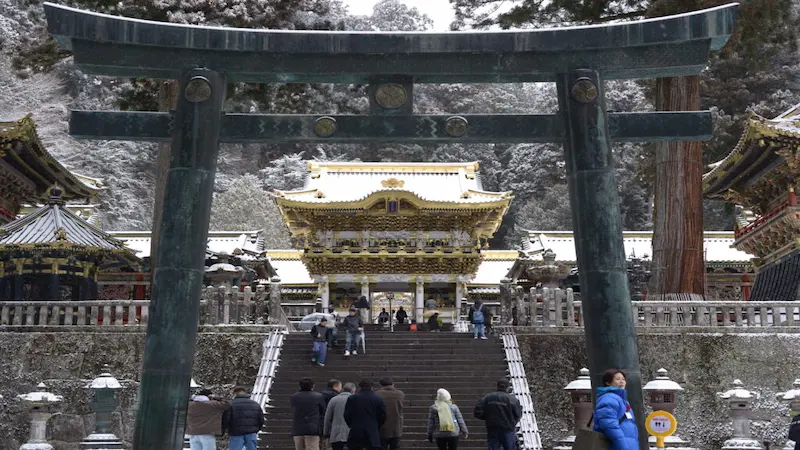
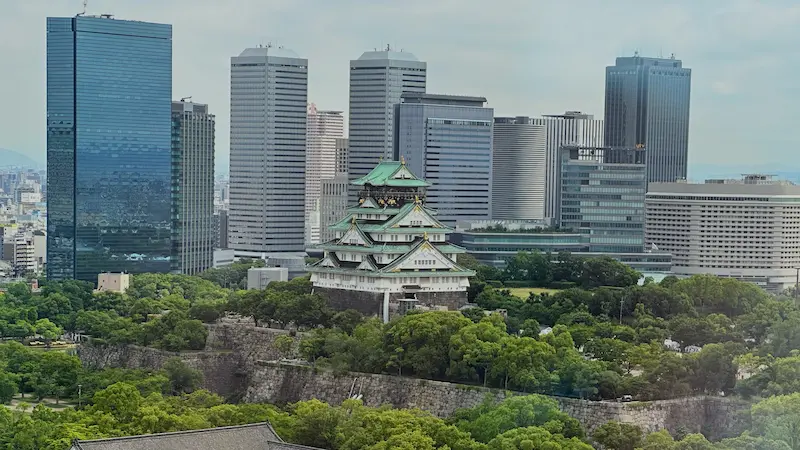
The Sengoku and Edo story extends well beyond Central Japan. If you're planning a wider trip or following a particular warlord across multiple regions, the guides below cover the key sites in Kanto, Kansai, and Tohoku.
Frequently Asked Questions
Aichi Prefecture is the best starting point. It's connected to all three of Japan's great unifiers — Nobunaga, Hideyoshi, and Ieyasu — and sites like Nagoya Castle, Kiyosu Castle, Okehazama, Komakiyama Castle, and Nakamura give you a strong foundation for understanding the Sengoku period as a whole.
Start with the main guides for Nagoya Castle, Gifu Castle, Inuyama Castle, Kanazawa Castle, and Komakiyama Castle. What you can actually see varies greatly — surviving structures, reconstructions, stone foundations, and earthworks all differ by site — so check each article for what's on the ground.
Yes — Central Japan sites for all three are covered here. If you want to trace any of them across Japan as a whole, use the individual warlord guides linked in the Browse by Warlord section above.
Access, nearest stations, visit duration, admission, and what to see on the ground are covered in each individual location article. This regional hub page is designed to help you find and choose articles — the practical details are in the guides themselves.
☕ Support This Site
Following the Shogun is built on original fieldwork and on-site research.
If you found this guide useful, your support helps keep it going.

You can also support via QR code

