


Zojoji Temple Guide: What Remains, Time Needed, and Tokugawa Tombs
Zojoji is the Tokugawa family temple at the foot of Tokyo Tower. This Zojoji Temple guide covers the historic Zojoji Tokugawa tombs, cemetery, and surviving structures like Sangedatsumon, ensuring you know exactly what remains and how to plan your visit.
Hours, fees, and restoration information were checked against official sources on September 5, 2026. Field photos were taken from 2024 to 2026.
What to know before you visit
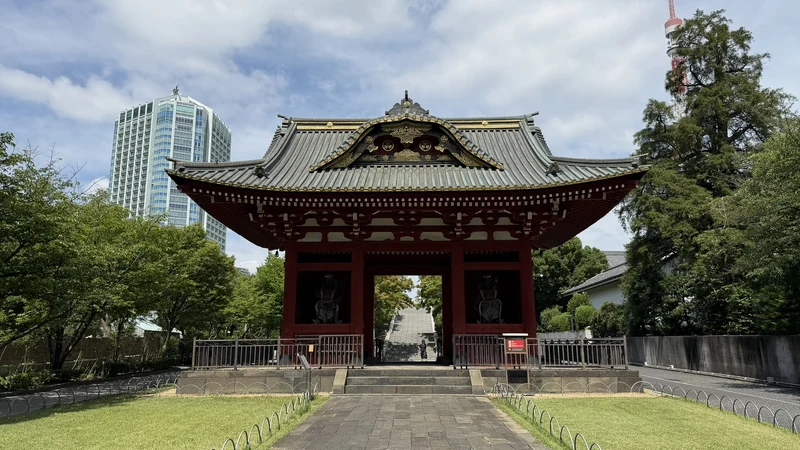
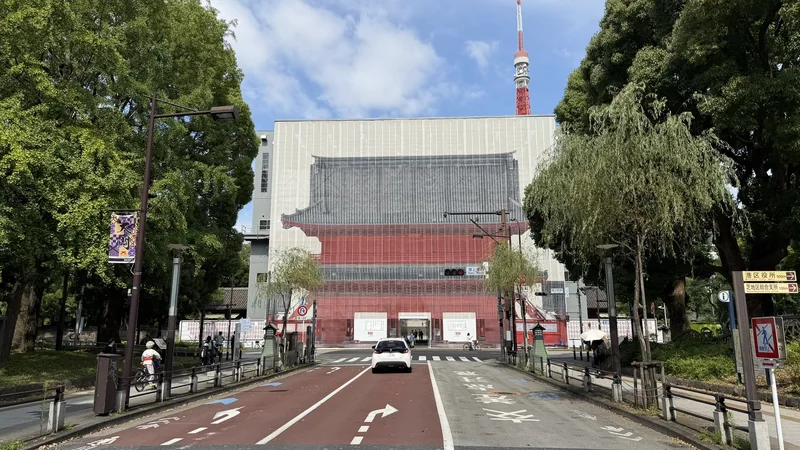
The building standing at Sangedatsumon today was reconstructed in 1622 after the previous gate collapsed in 1621. It survives, but is now under conservation work. The latest project report gives autumn 2032 as the expected completion period. Visitors can still pass beneath the protective shelter. The passage is narrow, so follow staff directions when it is busy.
Zojoji has announced a planned closure of the Tokugawa cemetery for roughly two weeks during 2026 while its ticket office is rebuilt. The notice published on September 1, 2026 did not yet give exact dates. Check the temple’s latest notice before your visit.
A 30-, 60-, or 90-minute plan
The 30-, 60-, and 90-minute routes are practical ways to choose how much of Zojoji to see. When I walked the grounds while taking photographs on July 11, 2026, I spent about 1 hour 37 minutes there. Because I stopped to take photographs and entered paid areas, a quicker visit is possible.
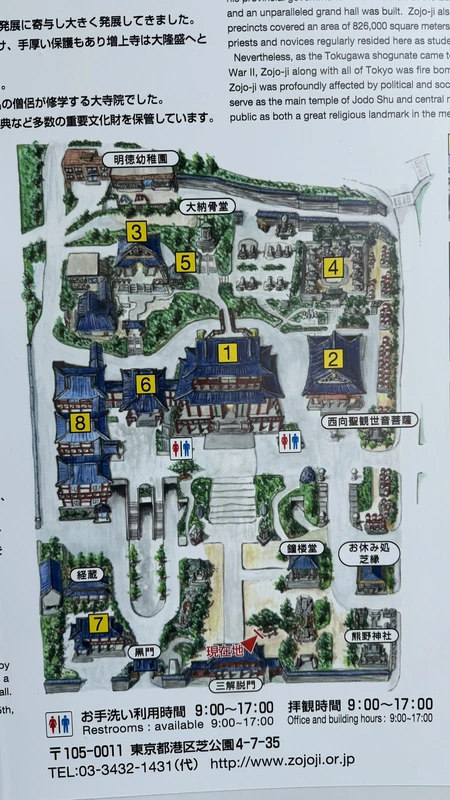
Walk from Daimon to the covered Sangedatsumon, then visit Daiden and Ankokuden. This option excludes the paid areas.
Add Kuromon, Kyozo, the bell pavilion, Suibansha, and Danokotsudo for a broader look at surviving, rebuilt, and relocated structures.
Add either the Tokugawa cemetery or the Treasures Gallery. If you plan to visit both paid areas and the former Taitokuin gate, leave additional time.
Getting there from Daimon Station
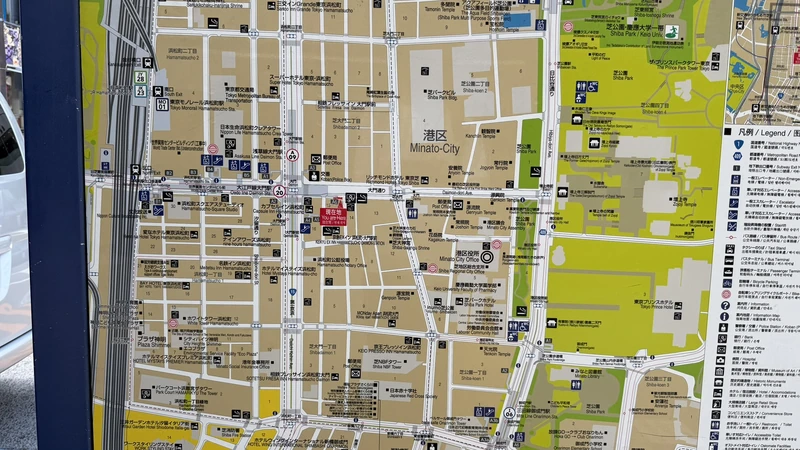
Daimon Station on the Toei Asakusa Line (A09) and Oedo Line (E20) is the easiest approach for a first visit. Zojoji gives a walking time of about five minutes. On July 11, 2026, Daimon Gate was visible from Exit A6, and the route continued straight toward the temple. Station exit arrangements can change, so follow the signs in place on the day.
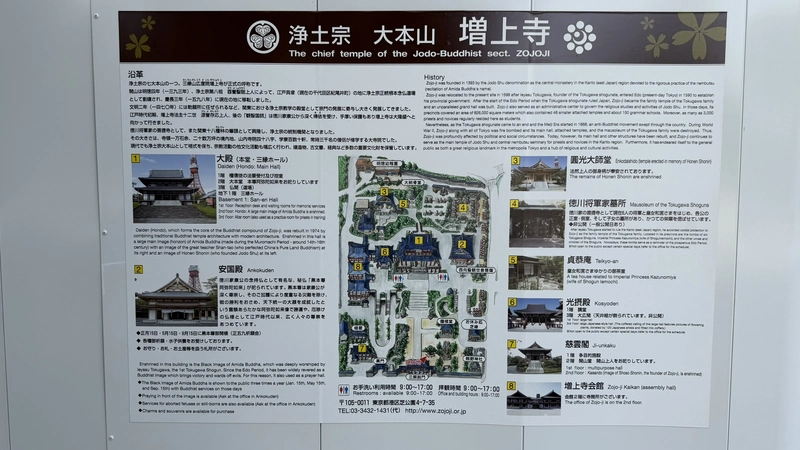
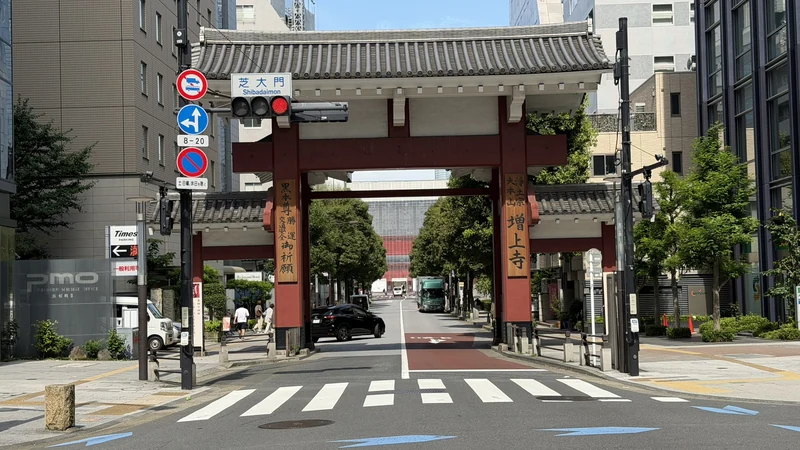
A bit of history: Daimon is Zojoji's outer gate and gave its name to the district and station. Zojoji explains that the earlier gate had once served as an entrance to Edo Castle before Ieyasu donated it; the present, larger concrete gate dates to 1937. A photograph of the gate appears under “Other precinct facilities.”
Source: Zojoji official precinct guide
Zojoji lists Onarimon Station (I06) and Shibakoen Station (I05) as three minutes away, Akabanebashi Station (E21) as seven minutes away, and Kamiyacho Station (H05) as ten minutes away. JR Hamamatsucho (JY28/JK23) and Monorail Hamamatsucho (MO01) are about ten minutes on foot. There is no general visitor parking. Daiden has an elevator, and wheelchairs are available to borrow. Some parts of the grounds still have steps or uneven surfaces.
Tap a photo to enlarge it
What is original, rebuilt, relocated, or consolidated?
Zojoji was founded in 1393 and came under Tokugawa protection after Ieyasu entered Edo. It moved to its present site in 1598. Much of the temple complex and the shogunal mausoleums was destroyed in the 1945 air raids. The grounds now bring together surviving Edo-period buildings, postwar reconstructions, relocated mausoleum elements, and a cemetery consolidated after the war.
| Site | Status today |
|---|---|
| Sangedatsumon | Surviving 1622 reconstruction; under restoration |
| Daiden | Rebuilt in 1974 after the 1945 destruction |
| Ankokuden | Present building completed in 2011 |
| Kuro Honzon | An Amida Buddha image still worshipped today |
| Tokugawa cemetery | Graves gathered here through postwar reburial |
| Inukimon | Relocated middle gate from the former Bunshoin mausoleum |
| Zojoji Treasures Gallery | Opened in 2015 beneath Daiden |
| Model of the Taitokuin Mausoleum | 1:10 model made for the 1910 Japan-British Exhibition; Royal Collection loan |
| Kuromon | Edo-period gate relocated here in 1980 |
| Suibansha | Relocated mausoleum remnant, moved here in 1978 |
| Daibonsho and bell pavilion | Bell cast in 1673; pavilion rebuilt after WWII |
| Danokotsudo | Built in 1933 and relocated here in 1980 |
| Jiyunkaku | Built in 1989 |
| Enko Daishido | Completed in 2009 |
| Sentai Kosodate Jizo | Installed in stages from 1975 |
| Former Main Gate of the Taitokuin Mausoleum | Surviving 1632 mausoleum gate; Important Cultural Property |
| Former Taitokuin Mausoleum grounds | Part of the former site is now occupied by The Prince Park Tower Tokyo |
| Nitenmon Gate of the Yushoin Mausoleum | Surviving 1717 mausoleum gate; Important Cultural Property |
| Shiba Toshogu | A separate shrine beside Zojoji |
Walk the precinct, cemetery, and mausoleum remains
Sangedatsumon
Surviving 1622 reconstruction under restoration
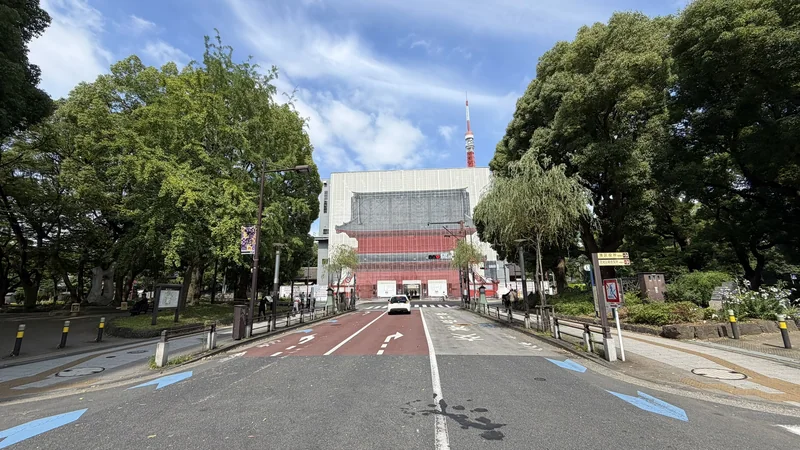
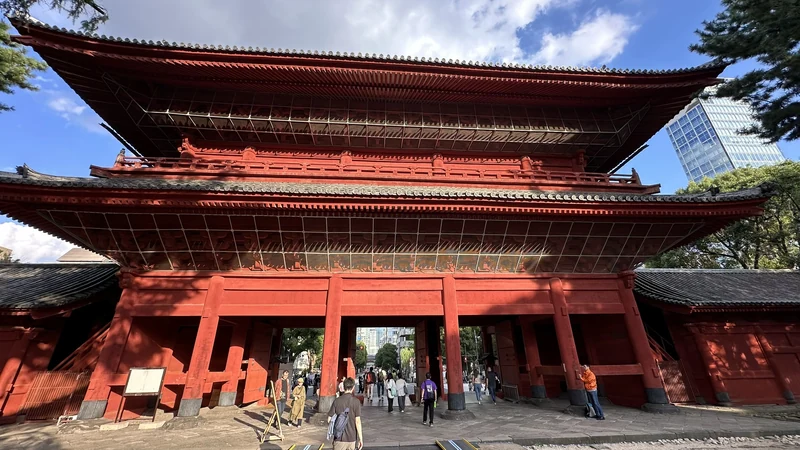
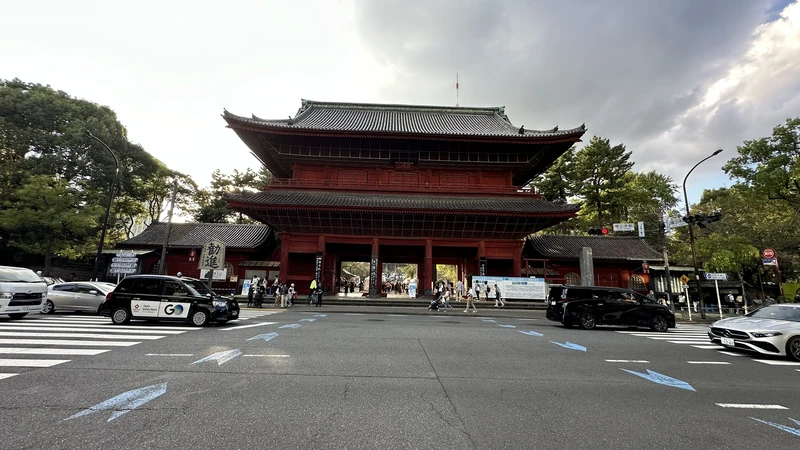
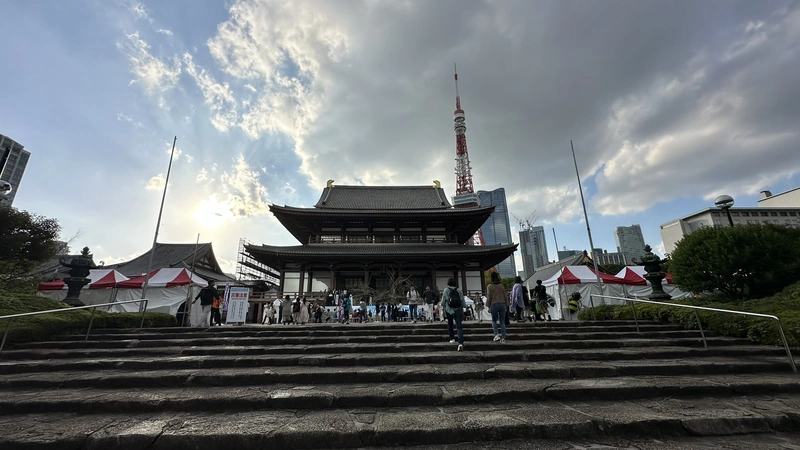
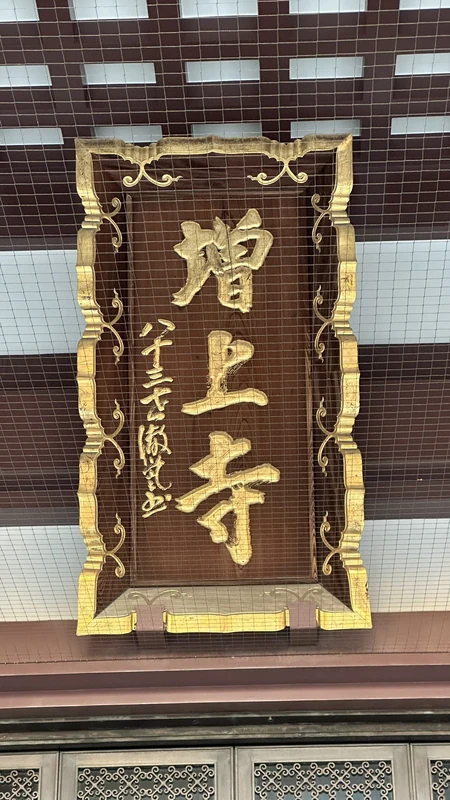
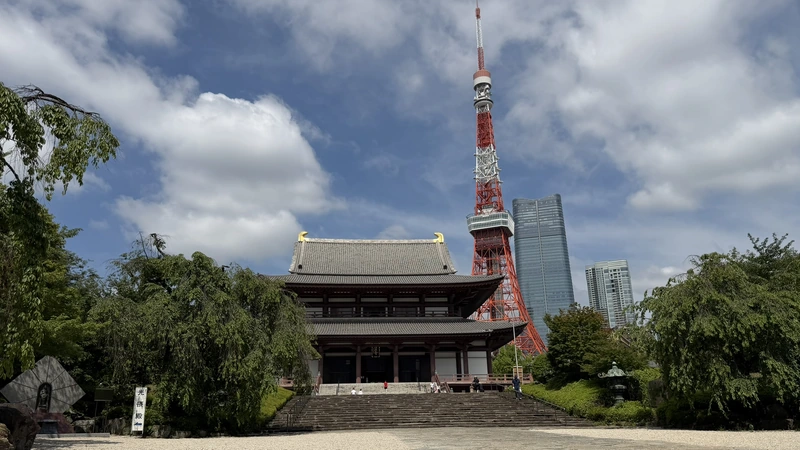
The first gate built in 1611 collapsed in 1621. The structure that survives today was rebuilt in 1622. It is an early Edo-period survivor, predating the present Daiden and Ankokuden. Its full façade is now hidden by the protective shelter.
What to notice
Phase I is scheduled through December 2027 and Phase II from January 2028 to August 2032. The latest report gives autumn 2032 as the expected completion period. Two photographs taken on October 12, 2024 show the gate before the current restoration.
A bit of history: Zojoji explains the name as liberation from greed, anger, and ignorance. The official English guide also explains that the absence of Nio guardians reflects the Pure Land teaching that salvation is open to everyone who recites the nenbutsu.
Source: Zojoji official English guide
Tap a photo to enlarge it
Daiden Main Hall
Main hall rebuilt in 1974
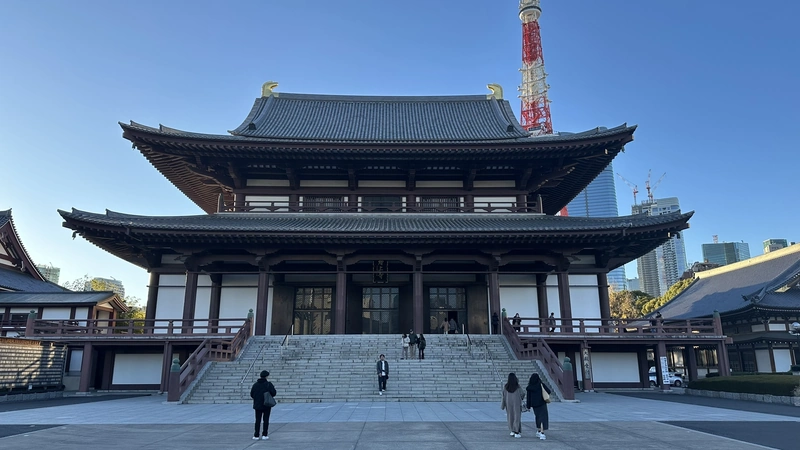
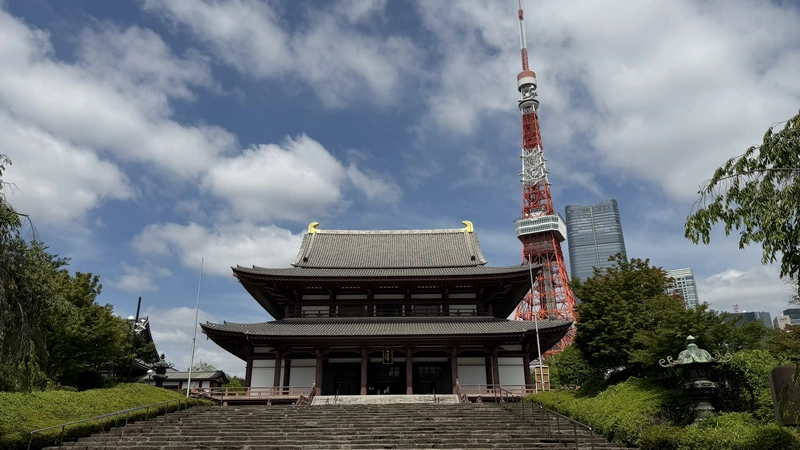
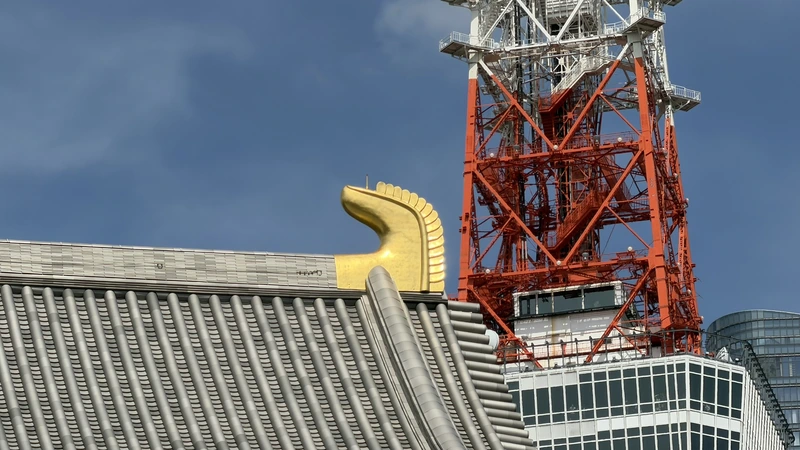
Daiden was destroyed in 1945 and rebuilt in 1974. From the forecourt, Tokyo Tower rises directly behind the hall. Inside, the scent of incense and the relative quiet felt far removed from the city outside. The atmosphere may differ during ceremonies or at busier times.
What to notice
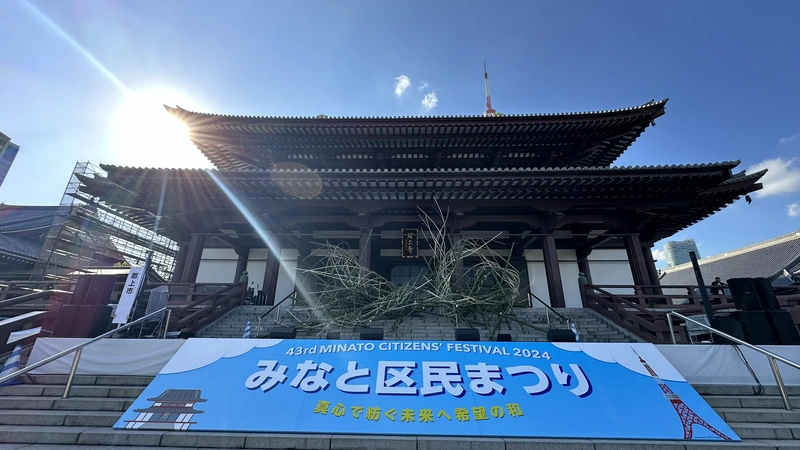
Daiden is normally listed as open from 6:00 to 17:30. A photograph from October 12, 2024 shows an event setup; the forecourt may look different on an ordinary day.
A bit of history: Zojoji presents the walk from Daimon to Daiden as a passage from the impure world toward the Western Pure Land. The approximately 108 ken, 48 ken, and stairways of 18 and 25 steps are interpreted through the 108 passions, Amida's vows, and the twenty-five bodhisattvas.
Source: Zojoji official precinct guide
Tap a photo to enlarge it
Ankokuden and the Kuro Honzon
Present hall completed in 2011
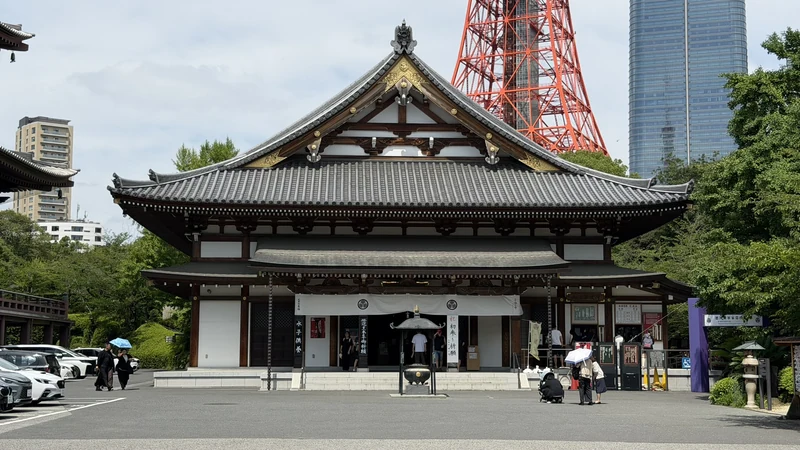
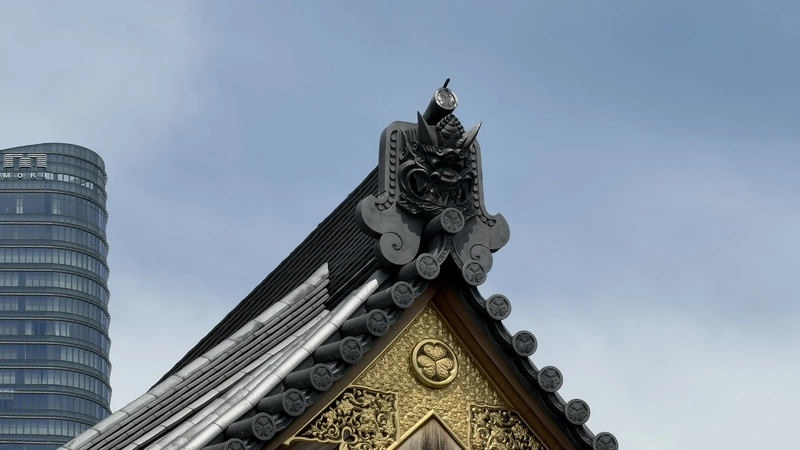
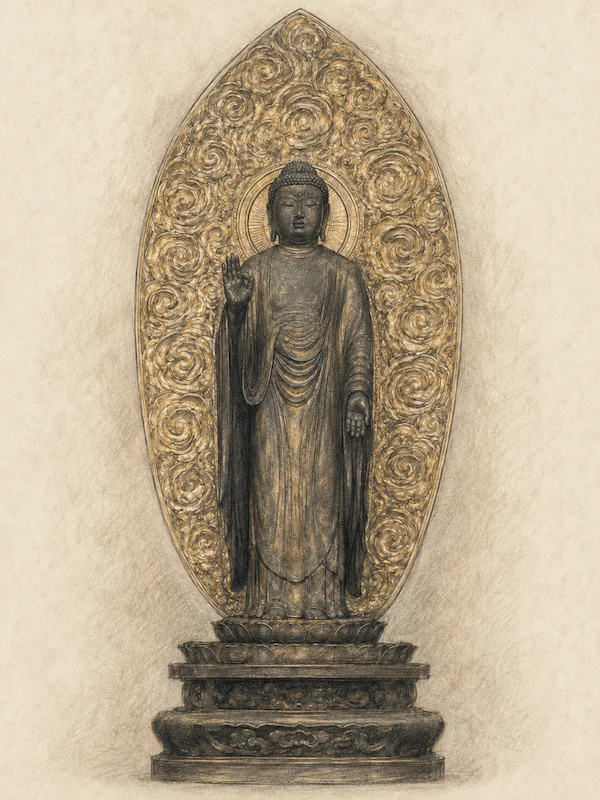
Ankokuden houses the Kuro Honzon, or Black Image of Amida Buddha. The image is traditionally attributed to the monk Genshin, and Zojoji tradition says Ieyasu carried it into campaigns and prayed for victory. Both the attribution and the campaign story belong to Zojoji's own tradition.
What to notice
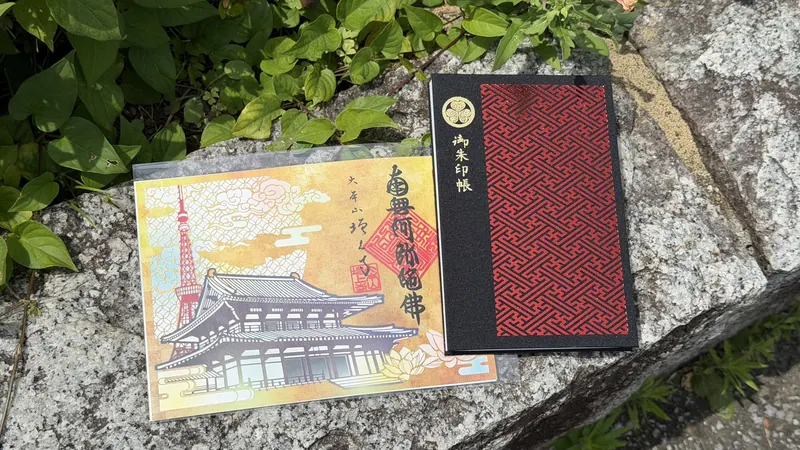
During a special opening, I visited the Kuro Honzon and received a goshuin and goshuin book. Goshuin designs, prices, and availability may change. The Kuro Honzon image shown here is an AI-generated reference image, not a photograph of the actual statue.
A bit of history: Zojoji preserves two explanations for the name “Black Image”: centuries of incense smoke darkened it, or it absorbed people's wrongdoing and misfortune. The temple also says Ieyasu named it. They belong to the temple's lore rather than the documented biography of Ieyasu.
Source: Zojoji official history
Tap a photo to enlarge it
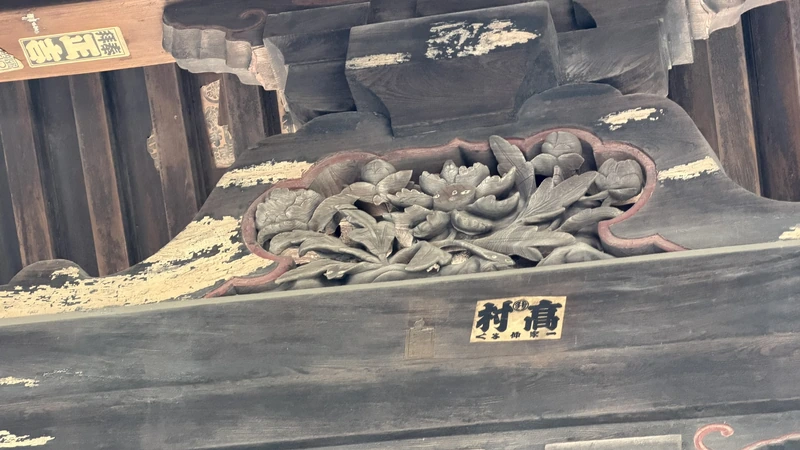
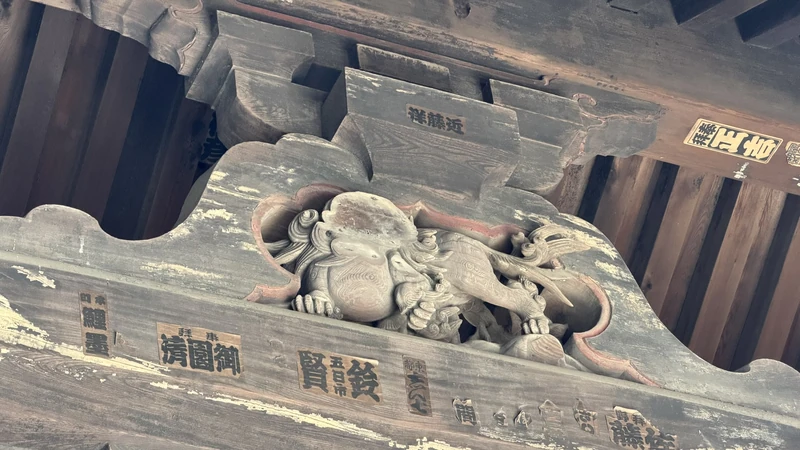
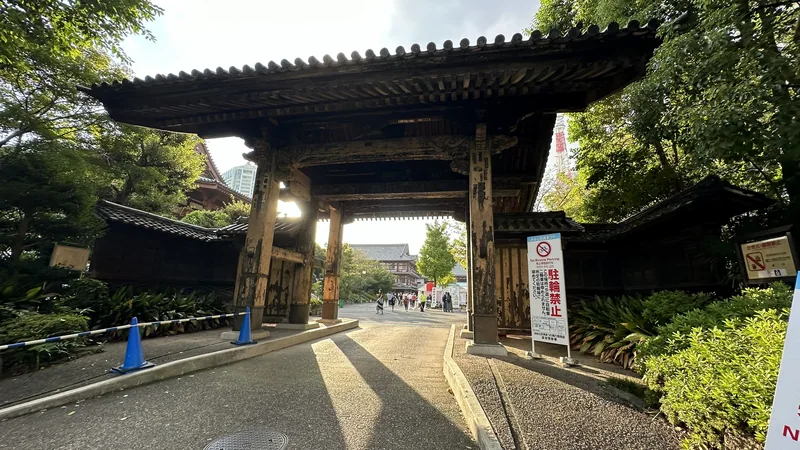
Kuromon
Edo-period gate relocated here in 1980
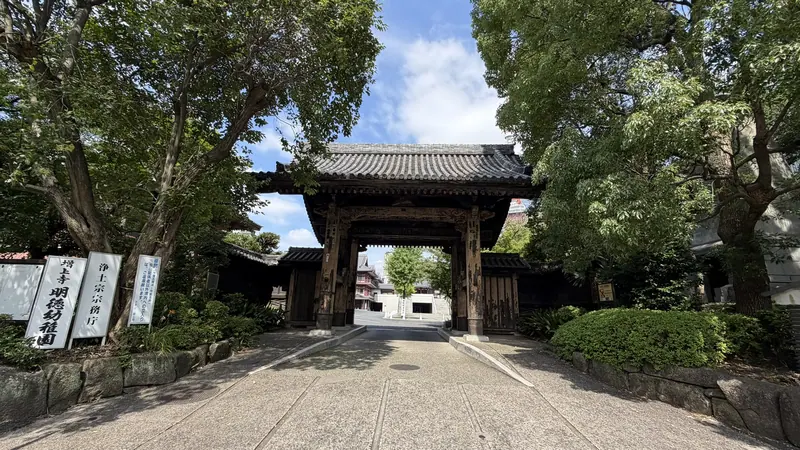
Kuromon is said to have been donated by the third shogun, Tokugawa Iemitsu, around 1648–1652. The gate dates to the Edo period, but it has stood in its present position only since 1980.
What to notice
From the precinct side, the carved details—including an elephant-like motif—are easier to see.
A bit of history: Zojoji says the former abbot's quarters around this gate later housed a temporary Hokkaido Development Commission school and naval facilities in the early Meiji period. The gate was then moved beside the bell pavilion before reaching its current position in 1980.
Source: Zojoji official precinct guide
Tap a photo to enlarge it
Kyozo (Sutra Repository)
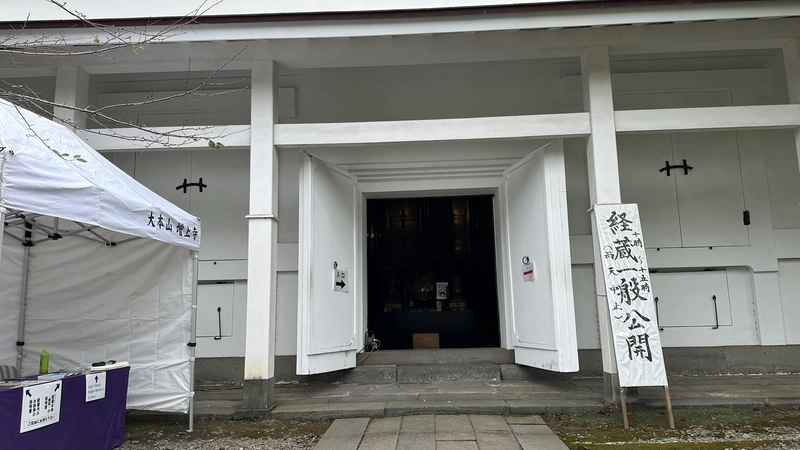
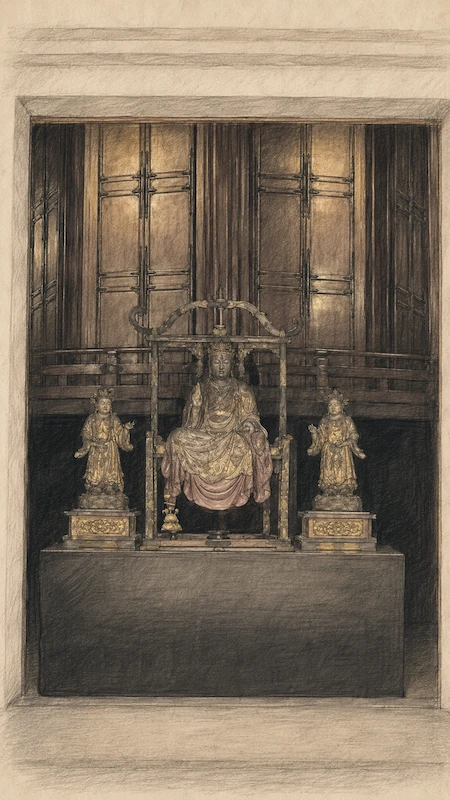
Exterior, special opening, and an illustrated interior
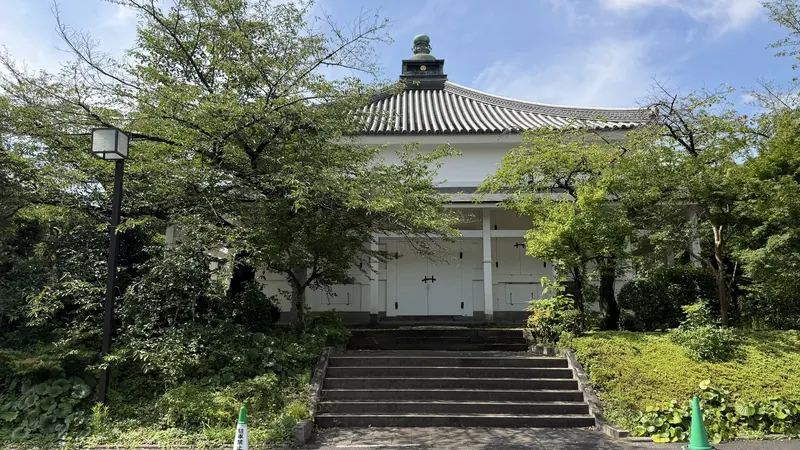
Kyozo was built in 1613 with shogunal support and underwent major remodeling and relocation in 1800. It is normally viewed from outside; the photographs below also include a special-opening entrance and an AI-generated reference image of the interior.
What to notice
The entrance photograph was taken during the special opening on September 15, 2025. The following interior view is an AI-generated reference image, not a photograph of the real interior. Regular admission does not include access inside Kyozo.
A bit of history: An octagonal revolving bookshelf stands at the center. Kyozo once held the Song-, Yuan-, and Goryeo-edition Buddhist canons donated by Ieyasu; they are now stored behind the building. The official English guide also notes that storage in Kyozo may have helped the Five Hundred Arhat scrolls survive the 1945 raids.
Source: Zojoji official English guide
Tap a photo to enlarge it
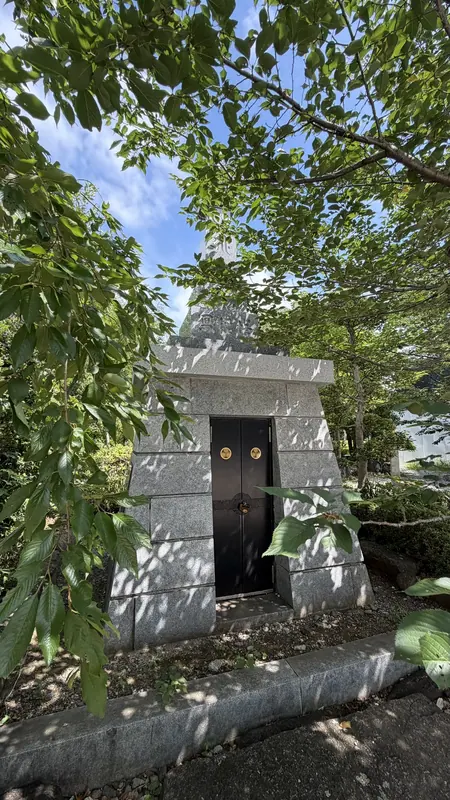
Daibonsho (Big Bell)
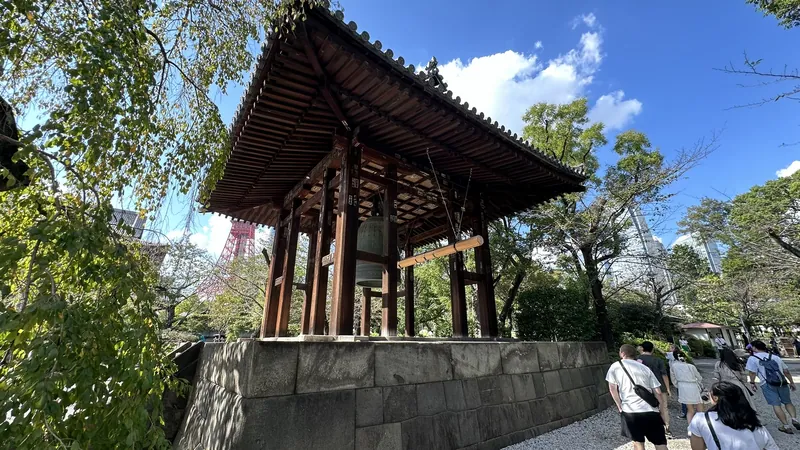
Bell cast in 1673; pavilion rebuilt after WWII
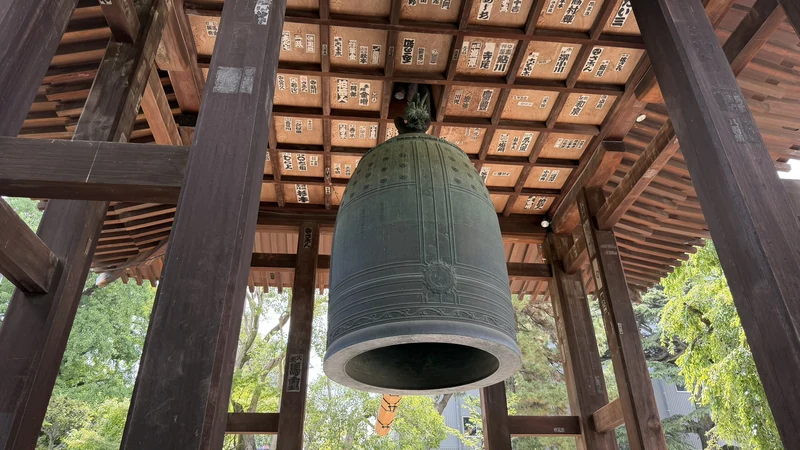
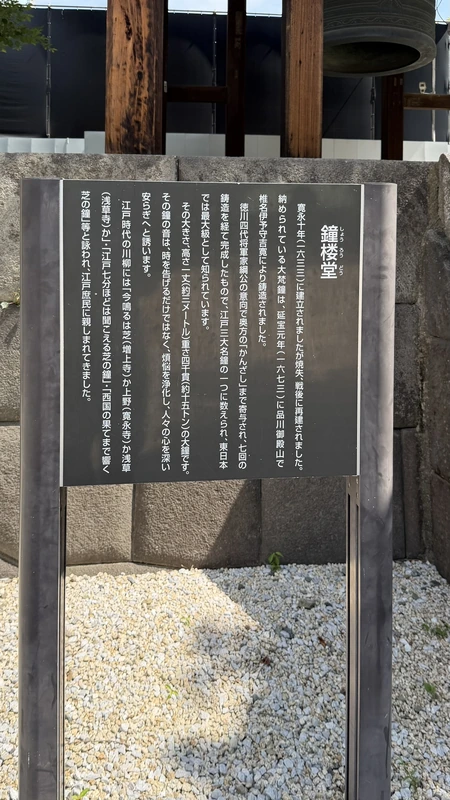
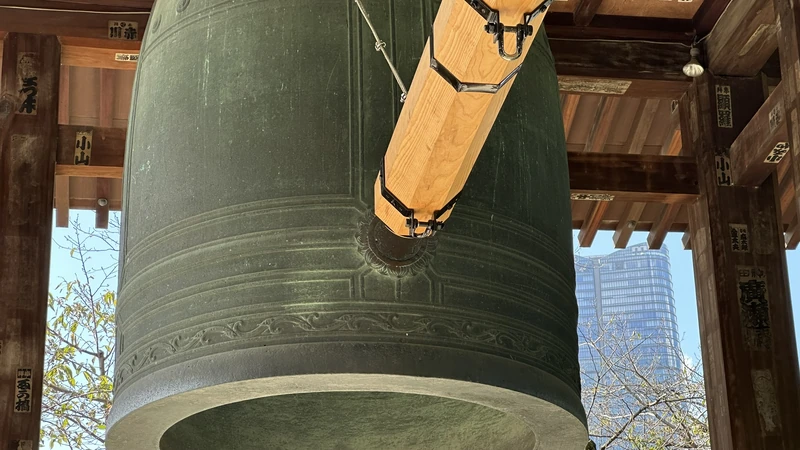
The Daibonsho bell was cast in 1673. The pavilion around it was rebuilt after WWII, so the bell and its shelter belong to different periods.
What to notice
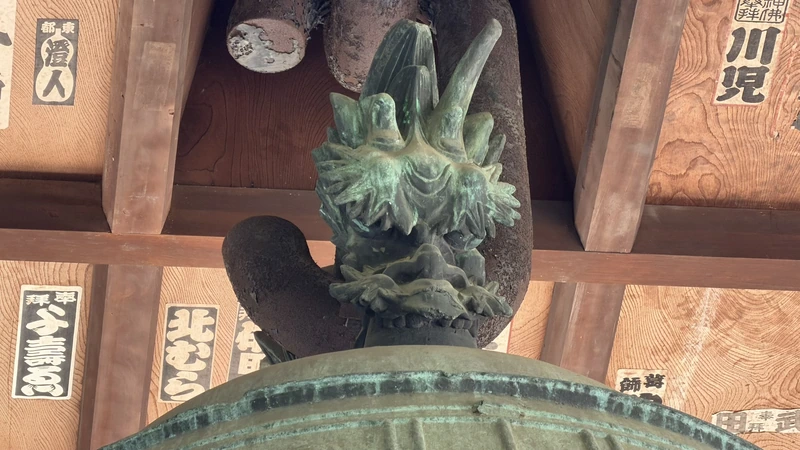
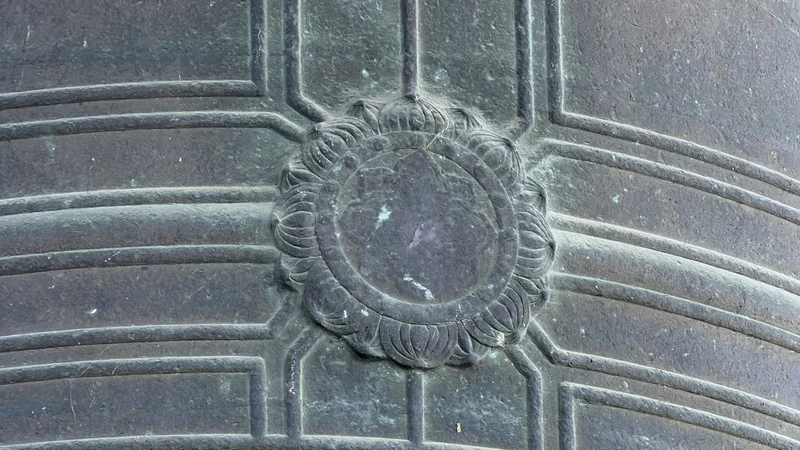
The photographs include the full pavilion as well as the ryuzu suspension loop, Aoi crest, inscriptions, bell, and wooden striker.
A bit of history: Tradition says the enormous bell succeeded only after seven castings. Edo-period senryu exaggerated that its sound carried across most of Edo—or even to the distant western provinces—showing how familiar the “Shiba bell” was in the city's soundscape.
Source: Zojoji official precinct guide
Tap a photo to enlarge it
Suibansha
Mausoleum remnant relocated here in 1978
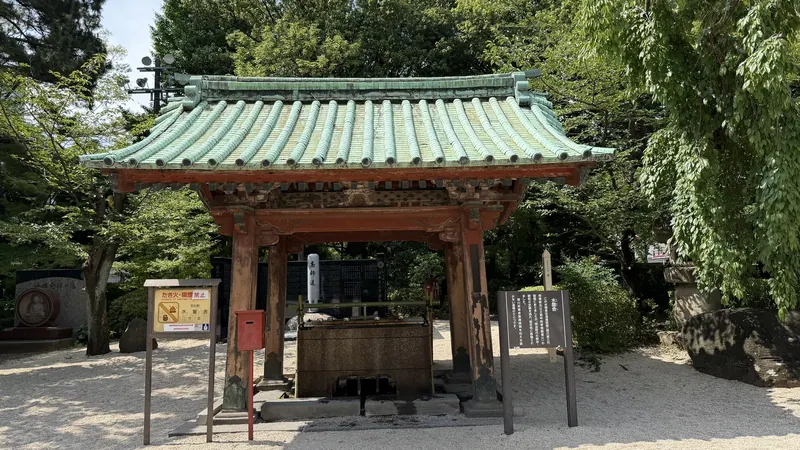
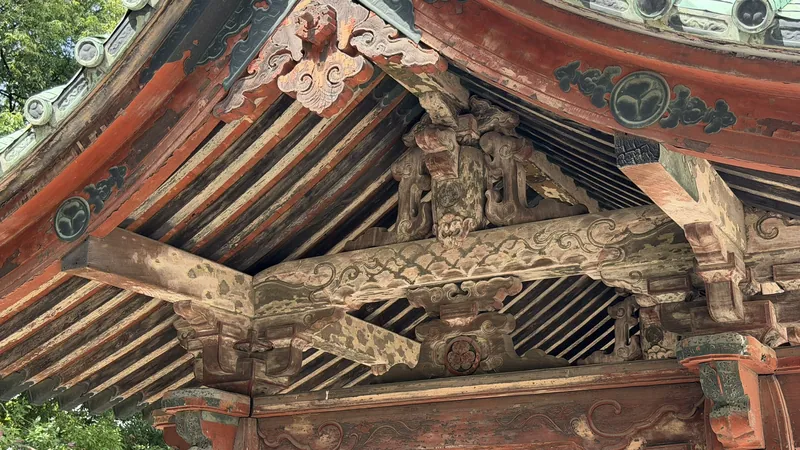
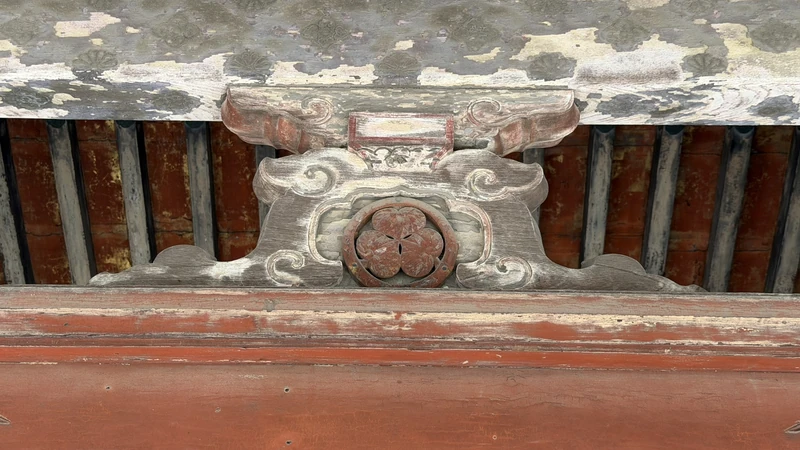
Suibansha came from the mausoleum of Seiyoin and was moved to its present location in 1978. It is small, but preserves material evidence of the mausoleum complex that existed before 1945.
What to notice
The carved details and on-site sign help explain the pavilion's history before and after its relocation.
A bit of history: Seiyoin was the posthumous name of Tokugawa Tsunashige, the third son of the third shogun, Iemitsu. Its modest scale is easier to appreciate when viewed as one surviving fragment of a much larger lost complex.
Source: Zojoji official precinct guide
Tap a photo to enlarge it
Danokotsudo
Built in 1933 and relocated here in 1980
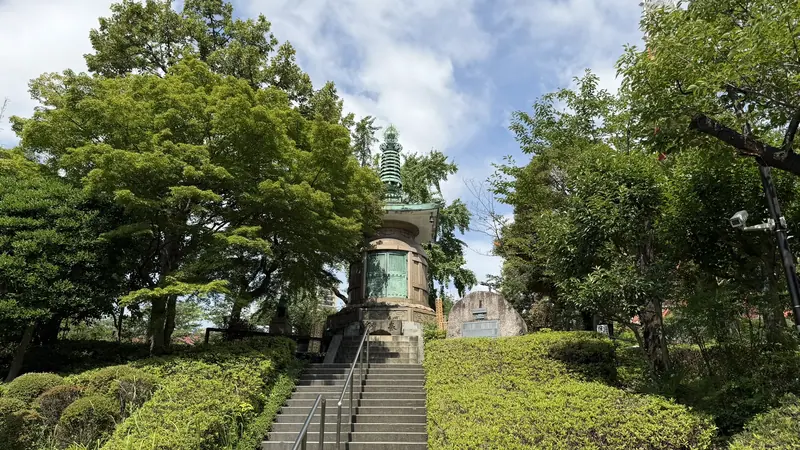
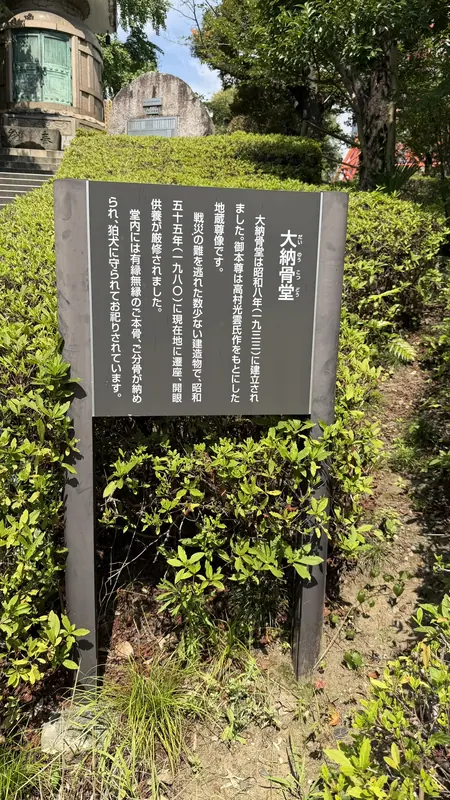
Danokotsudo survived the wartime destruction. Built in 1933, it was moved to its present site in 1980.
What to notice
The on-site sign gives both dates: construction in 1933 and relocation in 1980.
A bit of history: Zojoji says the Jizo image enshrined here was based on a work by the modern sculptor Takamura Koun. Although the hall was relocated, it continues to serve as an ossuary for the remains entrusted to Zojoji.
Source: Zojoji official precinct guide
Other precinct facilities
Daimon, the eastern wall, and Koshoden
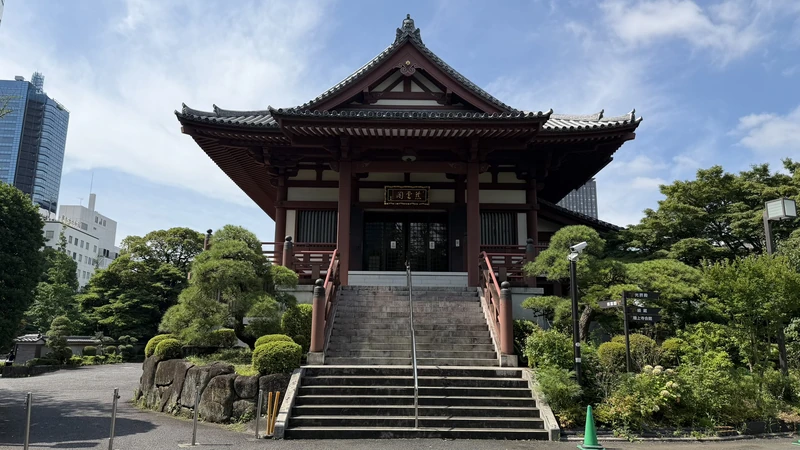
Koshoden is an active precinct facility. Jiyunkaku dates to 1989, Enko Daishido to 2009, and the Sentai Kosodate Jizo figures have been installed in stages since 1975. Daimon and the eastern precinct wall help trace the approach and the edge of the temple grounds.
What to notice
Daimon gave its name to both the district and the station. Along the eastern edge of the precinct, stonework and a plastered wall still mark the boundary.
A bit of history: The present Daimon dates to 1937, while temple tradition says its predecessor had been Edo Castle's Otemon before Ieyasu donated it. Koshoden adds a modern layer: its coffered ceiling holds seasonal flower paintings by 120 Japanese artists.
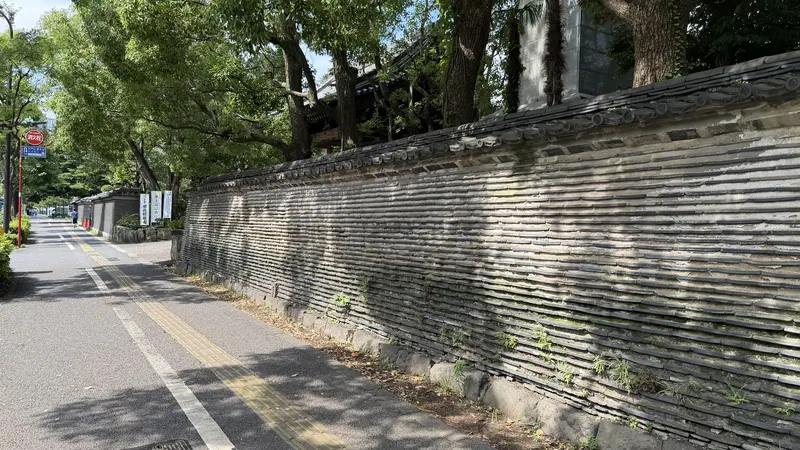
Tap a photo to enlarge it
Tokugawa Shogun Cemetery
38 burials in total, including six shoguns
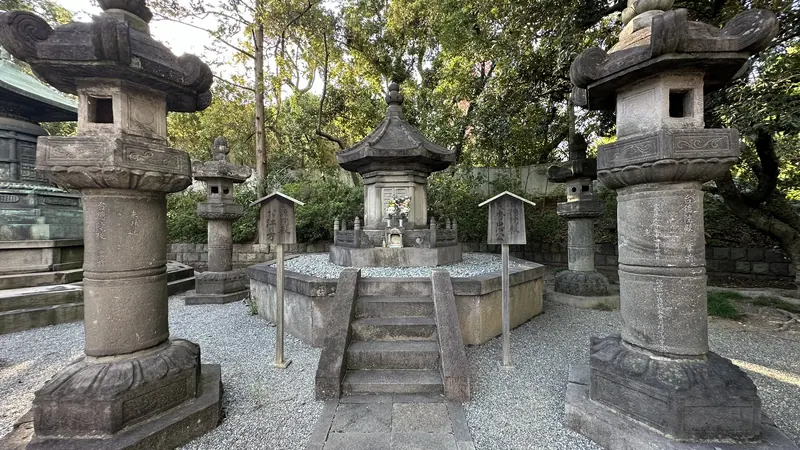
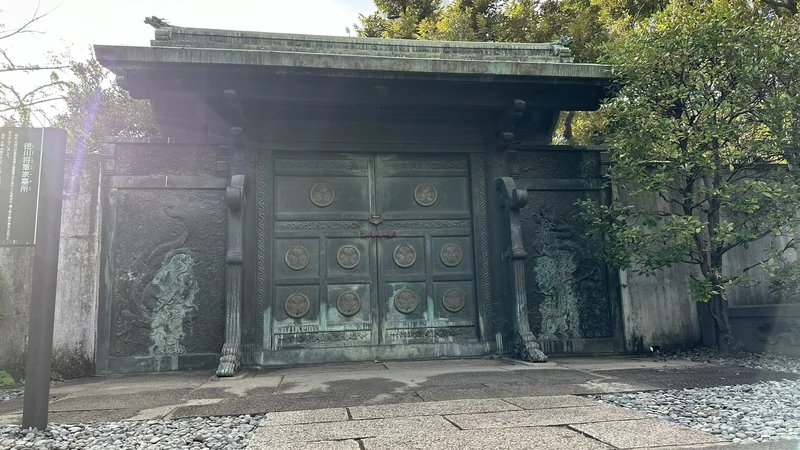
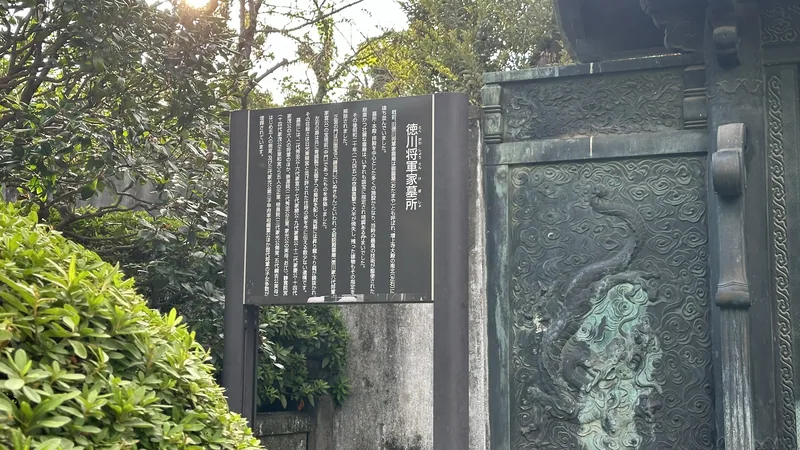
The cemetery lies behind Daiden. The photographs include the joint tomb monument of the second shogun, Tokugawa Hidetada, and his wife Lady Go, posthumously Sugen'in. The cemetery contains the graves of 38 people, including six shoguns. It does not contain the graves of all fifteen Tokugawa shoguns.
What to notice
The entrance gate behind Daiden marks the way to the paid cemetery. Inukimon was relocated from the former Bunshoin mausoleum of the sixth shogun, Tokugawa Ienobu.
A bit of history: Zojoji explains that Hidetada's wooden pagoda was destroyed in the war, so he is now enshrined together with Sugen'in—Lady Go—in her stone pagoda. The single monument now records both wartime loss and the postwar reburial.
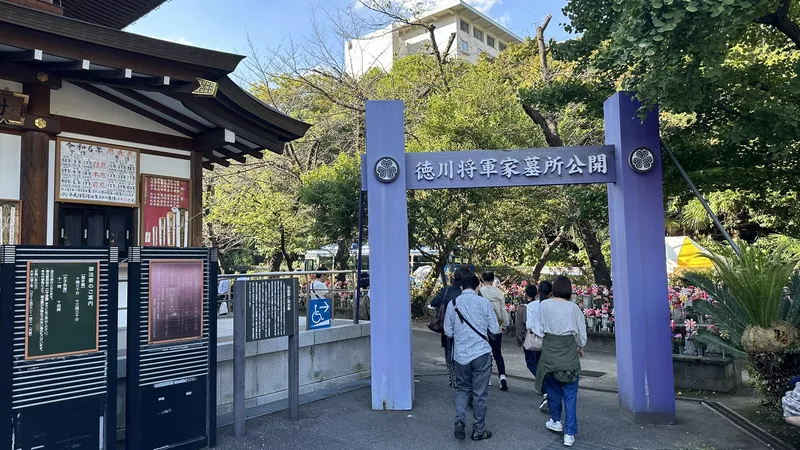
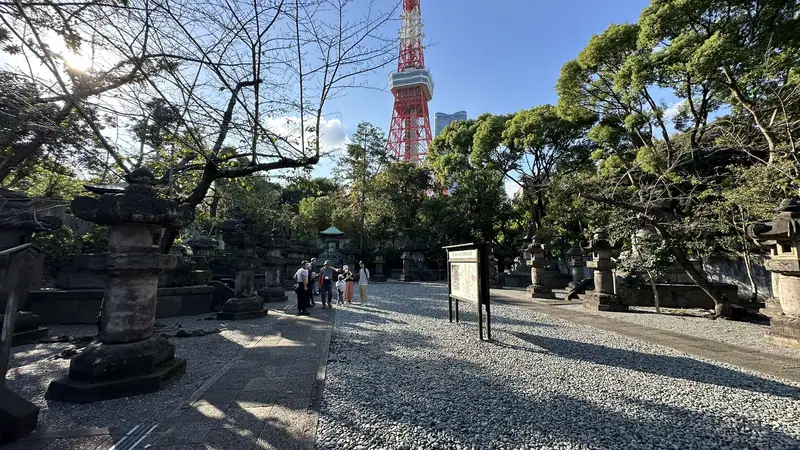
Tap a photo to enlarge it
Zojoji Treasures Gallery and the Taitokuin model
Opened in 2015 beneath Daiden
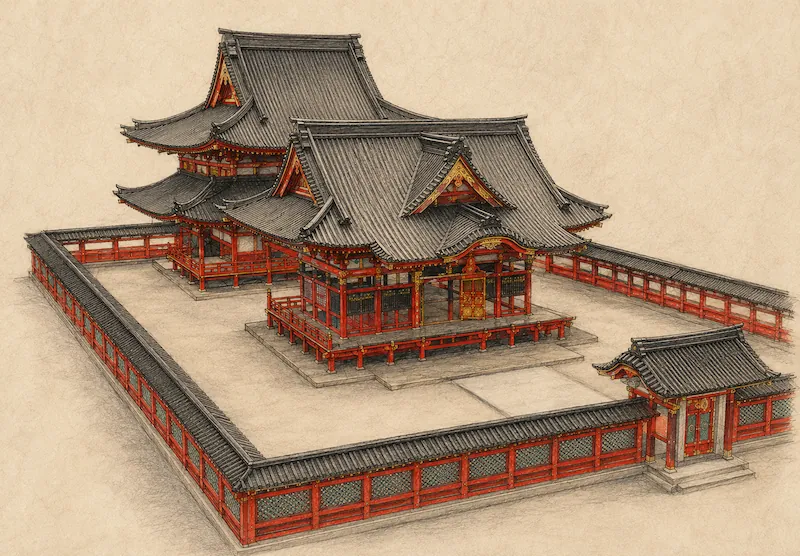
The gallery's centerpiece is a 1:10 model of the mausoleum of the second shogun, Tokugawa Hidetada. It was made for the 1910 Japan-British Exhibition, belongs to the Royal Collection, and is on long-term loan to Zojoji.
What to notice
The image below is an AI-generated interpretation, not a photograph or measured reconstruction of the exhibit. The original model can be seen inside the gallery.
A bit of history: About 150 carpenters and artisans built the model. After the exhibition in London, it was presented to the British Crown, displayed at Kew, then dismantled and stored. It returned to Zojoji on long-term loan in 2014 and went on display after restoration when the gallery opened in 2015.
Former Main Gate of the Taitokuin Mausoleum
Surviving 1632 gate and Important Cultural Property
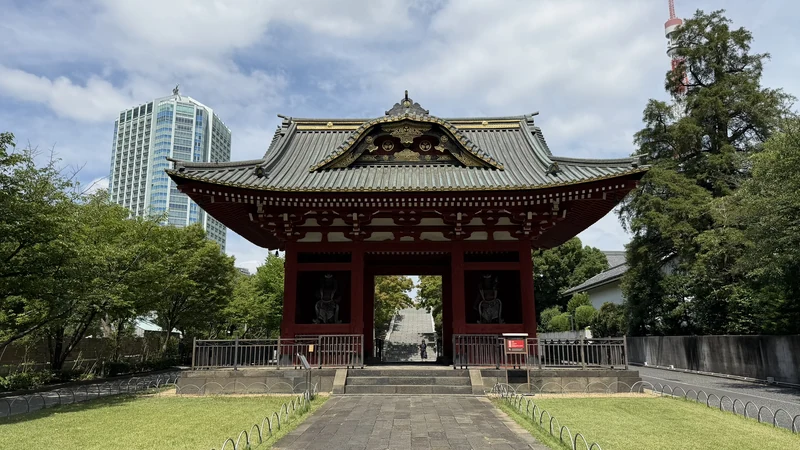
The gate was built in 1632 for the mausoleum of Tokugawa Hidetada. Most of the mausoleum was destroyed in 1945, but this gate survived. The gallery model helps place this surviving gate within the scale of the lost complex.
What to notice
The gate stands beyond the central precinct, so it is best saved for a longer visit.
A bit of history: Zojoji's official English guide says the mausoleum built by Iemitsu for his father is thought to have been a prototype for Nikko Toshogu, later made by the same craftsmen. Together, the model and gate give a sense of the lost mausoleum's scale and decoration.
Source: Zojoji official English guide
Tap a photo to enlarge it
The Prince Park Tower Tokyo on the former Taitokuin Mausoleum grounds
A modern tower over the former mausoleum landscape
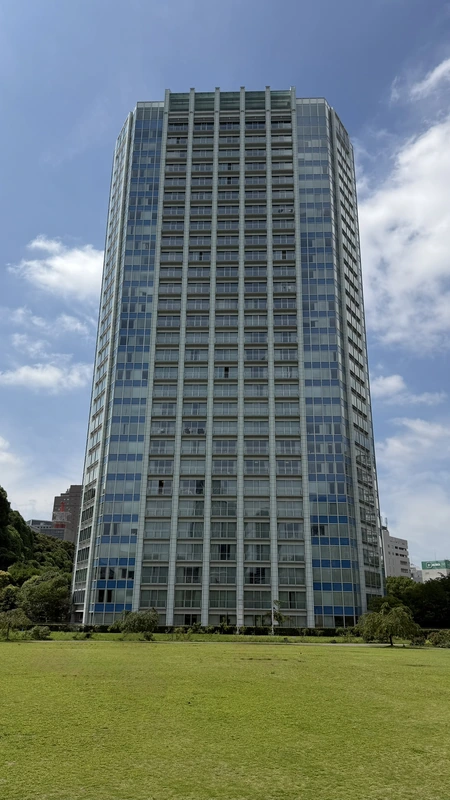
The hotel's official guide says that the extensive Taitokuin Mausoleum of the second shogun, Tokugawa Hidetada, once occupied these grounds. The photograph was taken from Prince Shiba Park on July 11, 2026, looking up toward the hotel.
What to notice
The hotel grounds preserve the setting of the former mausoleum. The main gate remains nearby, and the hotel's official guide notes that a watercourse once crossed the approach.
A bit of history: The high-rise, park, surviving gate, and model help place the vanished compound within today's city. Exact building footprints cannot be determined from the photograph alone.
Enko Daishido
Completed in 2009
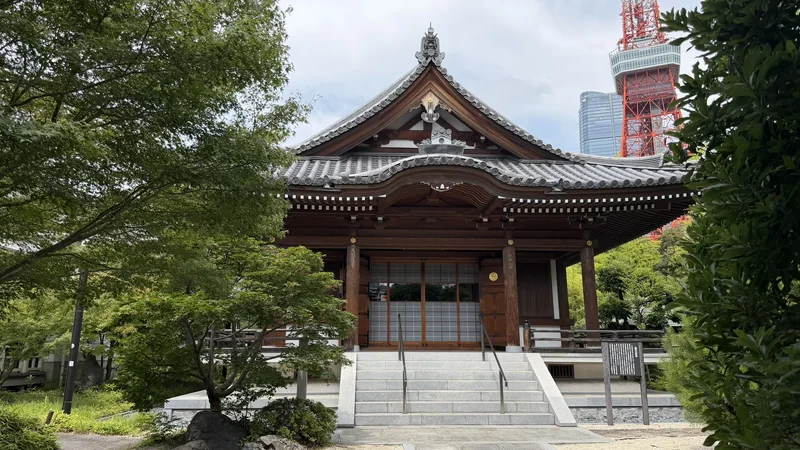
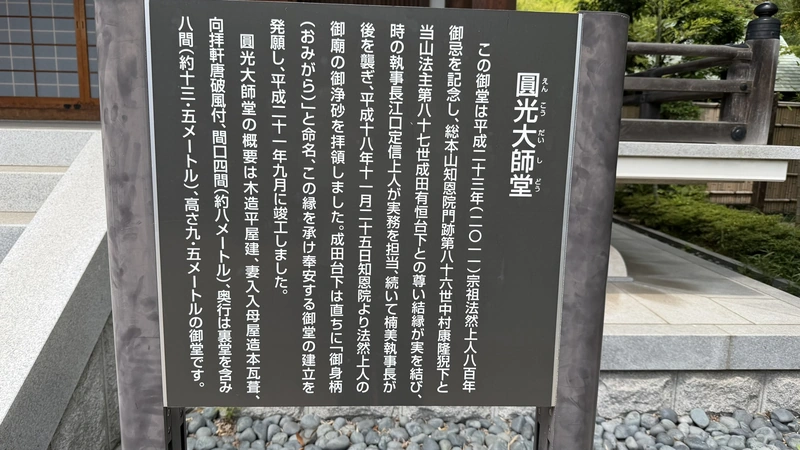
Enko Daishido was completed in 2009 to commemorate the 800th memorial of Honen. It is a modern working temple hall, not a surviving Edo-period mausoleum building.
What to notice
The on-site sign in front of the hall explains why it was built.
A bit of history: In 2006 Zojoji received sacred sand from Honen's mausoleum at Chion-in and named it Migara, literally a bodily keepsake. The sand is enshrined in a sutra-container-shaped five-element pagoda deep inside this hall.
Source: Zojoji official precinct guide
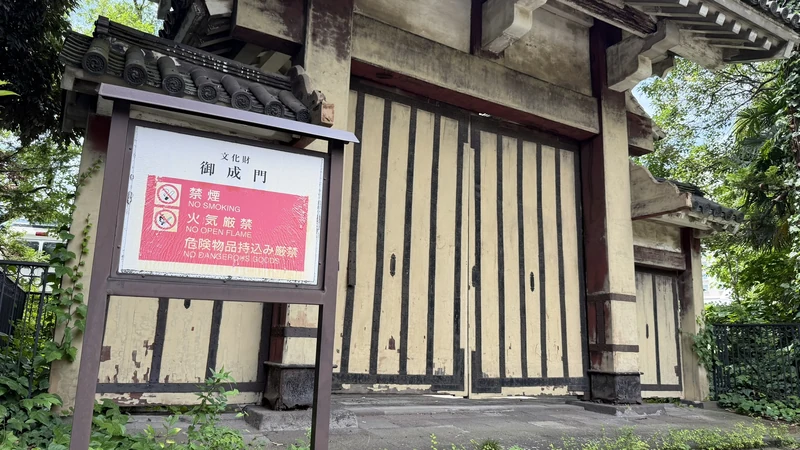
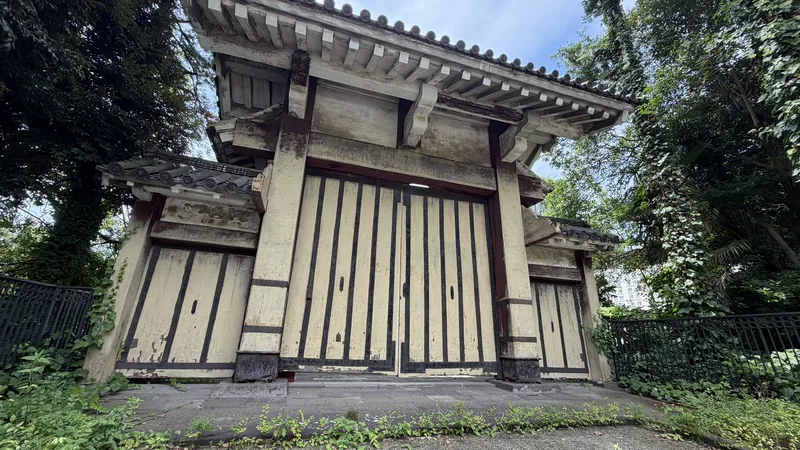
Nitenmon Gate of the Yushoin Mausoleum and Onarimon
A surviving 1717 mausoleum gate and a northern reference point
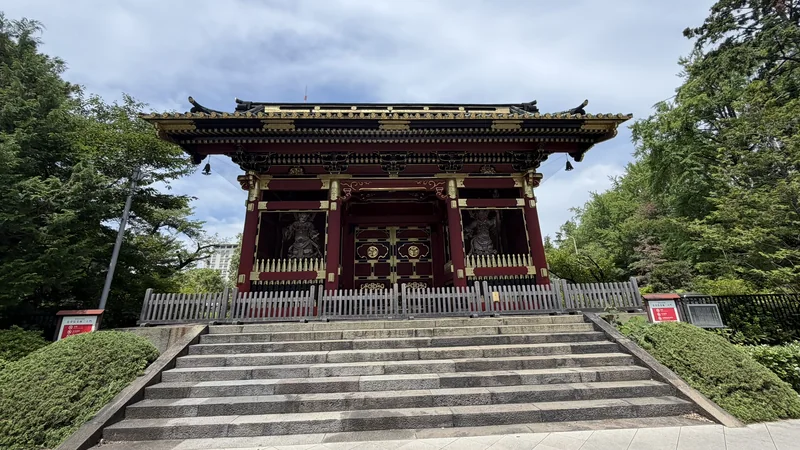
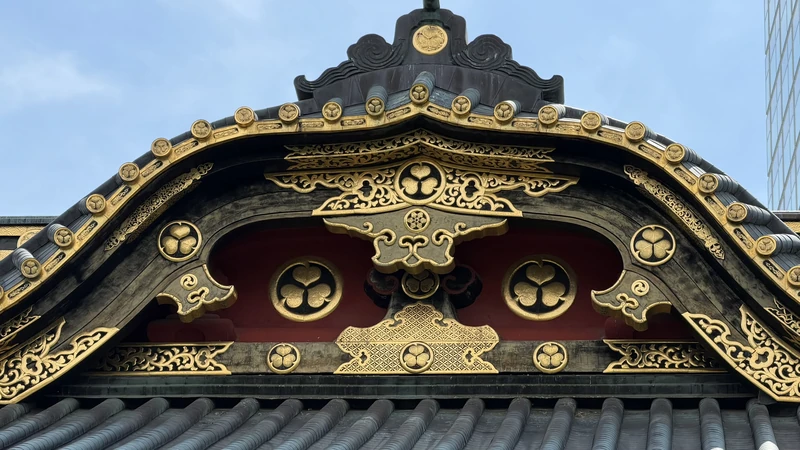
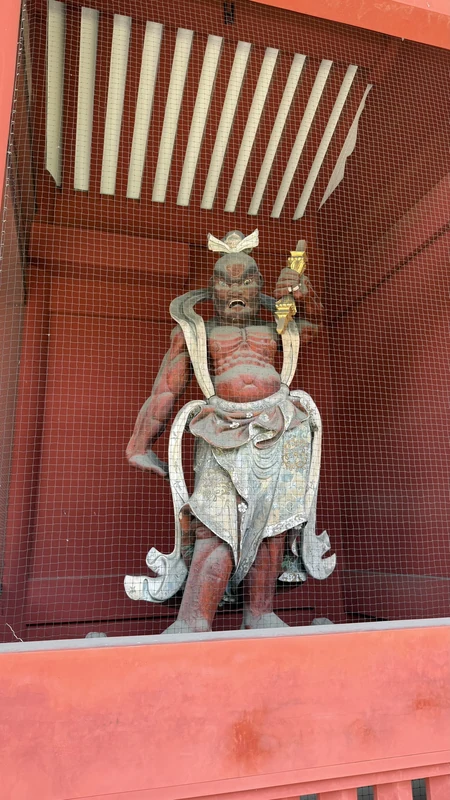
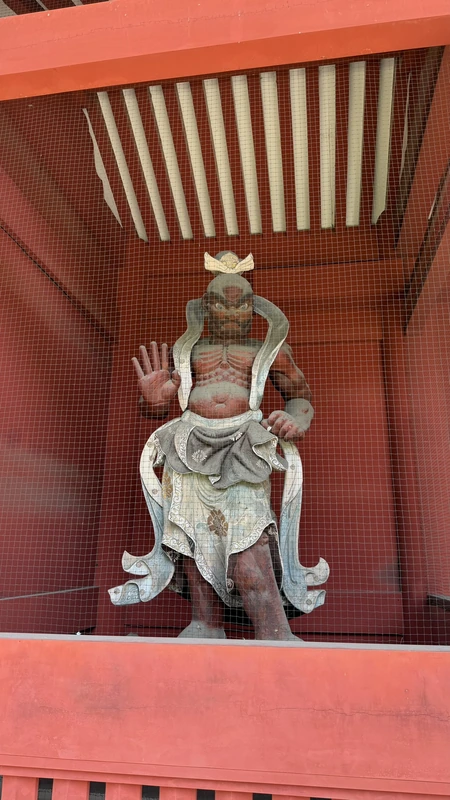
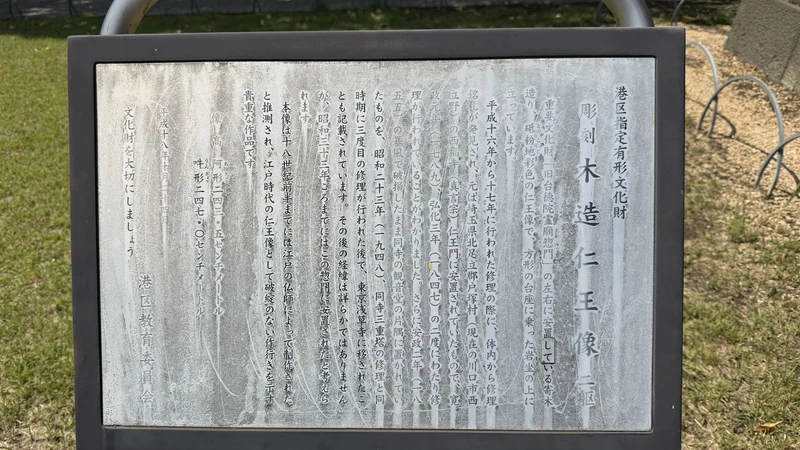
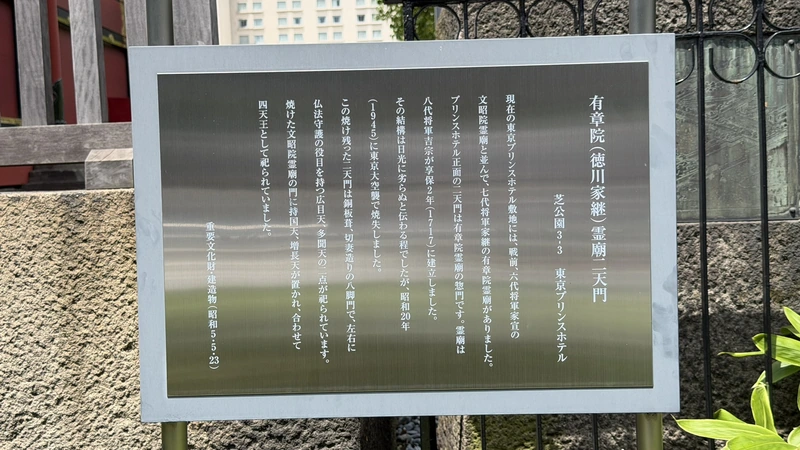
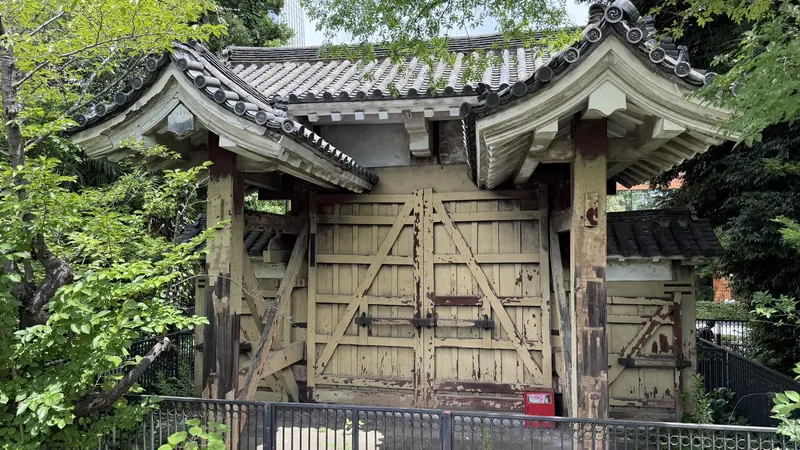
The Nitenmon Gate belonged to the mausoleum of the seventh shogun, Tokugawa Ietsugu. Built in 1717, it survives as an Important Cultural Property. It can be visited together with Onarimon by continuing north from the central precinct.
What to notice
Onarimon is another landmark on this northern walk. Follow current pedestrian routes and crossing points in the surrounding streets.
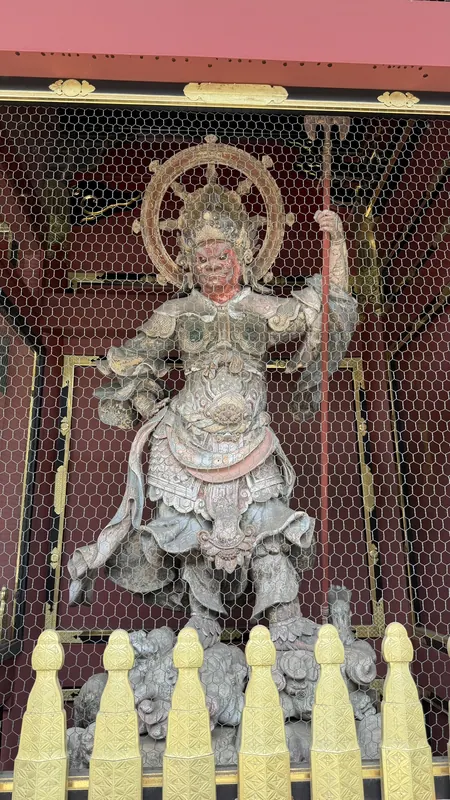
A bit of history: The Minato City Tourism Association identifies the two guardians as Tamonten on the right, protector of the north, and Komokuten on the left, protector of the west. The gate's name literally refers to these two deities, and both figures are visible from the front.
Source: Minato City Tourism Association
Tap a photo to enlarge it
Hours and admission
The details below were checked against Zojoji’s official information on September 5, 2026. Ceremonies, construction, or temporary closures may change them.
| Area | Hours | Closed | Admission |
|---|---|---|---|
| Daiden | 6:00–17:30 | May vary for ceremonies | Temple grounds free |
| Ankokuden, goshuin, and amulets | 9:00–17:00 | May vary for ceremonies | Hall free; devotional items separate |
| Tokugawa cemetery | Weekdays 11:00–15:00; weekends and holidays 10:00–16:00; last entry 15 minutes before closing | Tuesdays, except public holidays | Adults ¥500; high-school age and younger free |
| Zojoji Treasures Gallery | Weekdays 11:00–15:00; weekends and holidays 10:00–16:00 | Tuesdays, open when Tuesday is a public holiday | Adults ¥700; junior/senior high students ¥300; elementary age and younger free |
| Combined cemetery and gallery ticket | During each facility’s entry hours | Follows each facility | ¥1,000 |
Zojoji plans to close the cemetery for about two weeks during 2026. Exact dates had not been announced in the notice published on September 1, 2026. Check the latest notice if the cemetery or gallery is part of your 90-minute plan.
This priority list is based on several visits and is not an official Zojoji itinerary.
Tokyo Tower behind the hall is a memorable view, but leave time to step inside and worship.
The cemetery is behind Daiden and closes earlier than the open grounds, so visit it early if you plan to enter.
Ankokuden is where visitors encounter the Kuro Honzon tradition and receive goshuin or amulets.
The 1:10 model shows the lost complex, while the surviving 1632 gate brings one part of it into the present.
These lie beyond the central route. With only about 30 minutes, prioritize Daiden, the cemetery, and Ankokuden.
Frequently asked questions
Yes. Daiden, Ankokuden, the Tokugawa cemetery, the Treasures Gallery, Kuromon, Suibansha, and other parts of the precinct remain open. If an unobstructed view of Sangedatsumon is your main priority, consider visiting after the restoration.
Allow about 30 minutes for the main precinct, about 60 minutes to compare more buildings and relocated remains, or about 90 minutes with either the cemetery or the gallery. Add more time for both paid areas and the former Taitokuin gate.
Sangedatsumon is the surviving 1622 reconstruction. Daiden was rebuilt in 1974 and Ankokuden was completed in 2011. Kuromon, Suibansha, Danokotsudo, and Inukimon were relocated, while the present Tokugawa cemetery was consolidated after the war.
The entrance is behind Daiden. The cemetery contains the graves of 38 people, including six shoguns; the other Tokugawa shoguns are buried elsewhere.
They have separate admission, but a combined ticket is available. As checked on September 5, 2026, the cemetery costs ¥500 for adults, the gallery ¥700, and the combined ticket ¥1,000.
Daimon Station (A09/E20) is about a five-minute walk from Zojoji. On July 11, 2026, Daimon Gate was visible from Exit A6, and the temple lay straight ahead. Onarimon and Shibakoen stations are slightly closer by the temple’s official walking estimates.
Yes. Zojoji stands between Daimon/Hamamatsucho and Tokyo Tower, with Shiba Toshogu nearby. The 30-, 60-, and 90-minute plans cover Zojoji itself, so allow extra time for the surrounding sights.
☕ Support This Site
Following the Shogun is built on original fieldwork and on-site research.
If you found this guide useful, your support helps keep it going.

You can also support via QR code


comment