


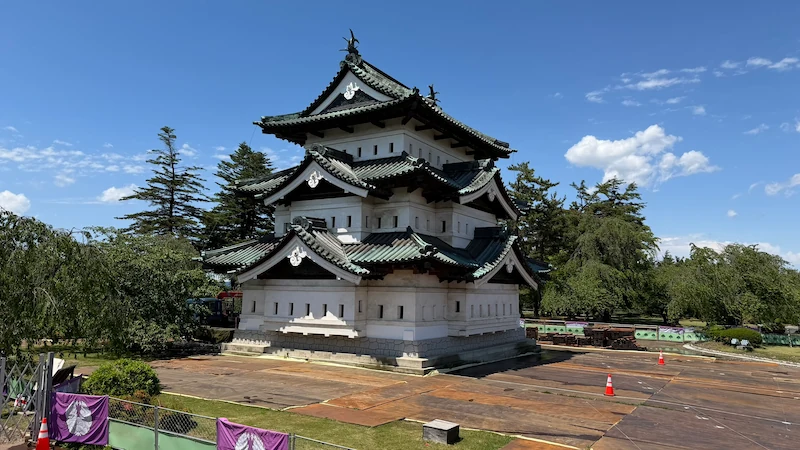
Warlord-Related Sites in Tohoku | Hirosaki Castle, Morioka Castle & the Tsugaru and Nanbu Clans
In Tohoku, you can trace the castle town the Tsugaru clan built in Hirosaki, the stone walls the Nanbu clan left in Morioka, and the history of Toshogu shrines and temples that reflect ties to the Tokugawa family. It's a slightly different history than the central Sengoku narrative — the castles and temples of Tohoku hold the memory of each domain putting down roots in the region.
Castle Towns, Domain Rule, and Warlord-Related Temples of Tohoku
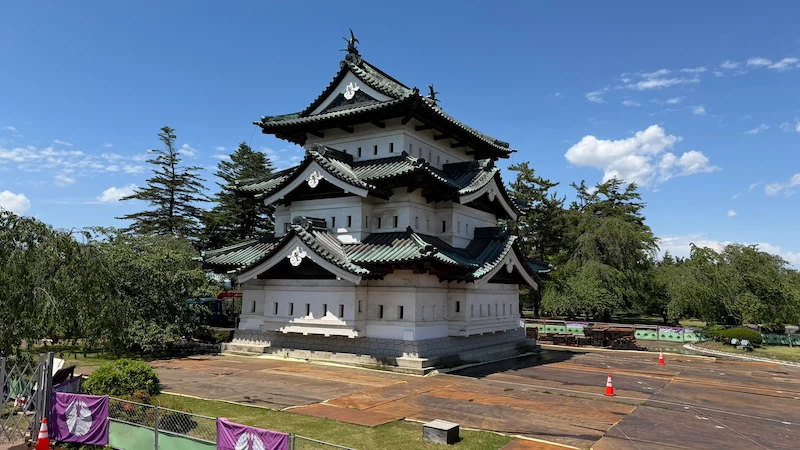
In Tohoku, you can trace the castle town the Tsugaru clan built in Hirosaki, the stone walls the Nanbu clan left in Morioka, and the history of Toshogu shrines and temples that reflect ties to the Tokugawa family. The Tsugaru clan left their mark through Hirosaki Castle, Chosho-ji Temple, Saishoin Temple, and Hirosaki Toshogu, while the Nanbu clan did the same through the Morioka Castle ruins and Morioka Hachimangu Shrine. It's a slightly different history than the central Sengoku narrative — the castles and temples of Tohoku hold the memory of each domain putting down roots in the region.
This page brings together castle ruins, temples and shrines, surviving structures, and warlord-related sites across Tohoku, organized by prefecture. If you're not sure where to start, take a look at the main guide for each prefecture first. For a place like Hirosaki Castle, where the coverage runs across several articles, we've arranged them so you can follow the series in order.
Right now, the articles here focus mainly on Aomori and Iwate. As coverage of Sendai, Aizu, Yamagata, Akita, and other areas grows, this page is set up to be expanded in the same format.
Browse by Prefecture
Aomori | Hirosaki Castle and the Tsugaru Castle Town
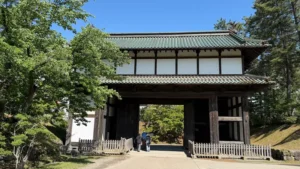
Aomori centers on Hirosaki Castle and the temples and shrines tied to the Tsugaru clan. Walking through the castle's keep, gates, and turrets, Chosho-ji Temple and its temple row, the five-story pagoda at Saishoin Temple, and Hirosaki Toshogu, the shape of the castle town the Tsugaru clan built starts to come into view.
Start Here — Aomori's Main Guides
A Closer Look at Hirosaki Castle
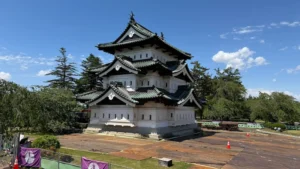
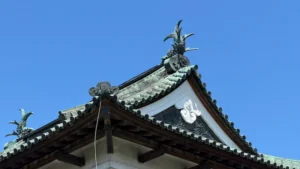
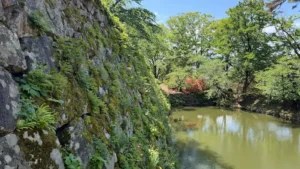
Hirosaki Castle holds one of the precious original keeps still standing in Tohoku. Beyond the keep itself, there's plenty to see — surviving gates and corner turrets, the moat, stone walls, remains around the Honmaru, goshuin-style castle stamps, and even the ongoing stone wall repair work. Start with the visitor's guide for the full picture, then move into the articles on the surviving structures and a walk through the castle grounds.
Start Here — Hirosaki Castle Visitor's Guide: Access, Construction Updates, Castle Stamps, and Time Needed
See All Aomori Articles
Iwate | The Morioka Castle Ruins and the Nanbu Castle Town
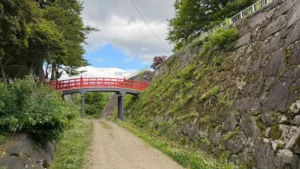
Iwate centers on the Morioka Castle ruins and the history of the Nanbu clan. Walking through the stone walls and remains at Morioka Castle Ruins Park alongside Morioka Hachimangu Shrine, you get a feel for the castle town the Nanbu clan built.
Start Here — Iwate's Main Guides
See All Iwate Articles
Browse by Purpose
Beyond browsing by prefecture, you can also search by type of site. Some articles fit more than one category, but the idea is to let you pick an entry point — castles, temples and shrines, or surviving structures — based on what interests you.
Castles & Castle Ruins
Articles on castles and castle ruins across Tohoku, including Hirosaki Castle and the Morioka Castle ruins. What survives on site — an original keep, gates, turrets, stone walls, moats, and other castle remains — is covered article by article.
Temples & Shrines
Chosho-ji Temple, Saishoin Temple, Hirosaki Toshogu, Morioka Hachimangu Shrine, and other temples and shrines tied to the ruling clans and their castle towns. These offer a different angle on Tohoku's samurai culture than the castle sites do.
Surviving Structures
Articles on historic buildings you can actually see on site today — Hirosaki Castle's keep, gates, and turrets, the five-story pagoda at Saishoin Temple, and the temple buildings at Chosho-ji. Beyond photos, each article also covers where to find the structure and how to take it in on site.
Tokugawa Ieyasu's Sites in Tohoku
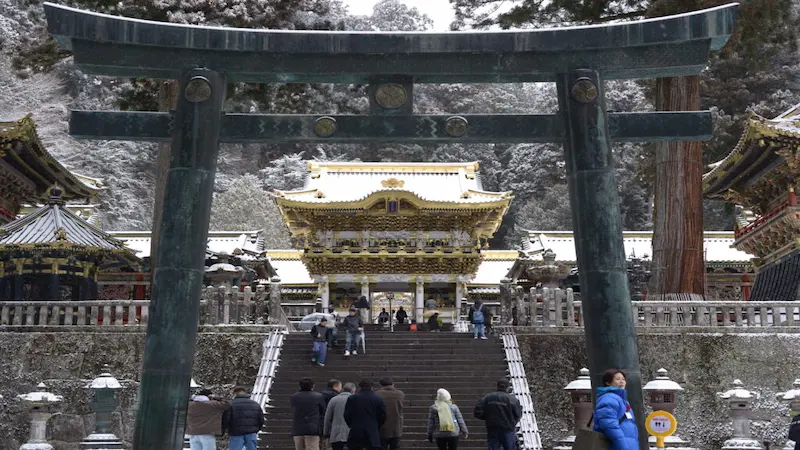
In Tohoku, Toshogu shrines such as Hirosaki Toshogu and the one at Kuroishi Shrine let you trace the relationship between the Edo shogunate and the domains of Tohoku through sites that enshrine Tokugawa Ieyasu. For his sites by figure, see the dedicated Tokugawa Ieyasu guide.
Related Area Guides
Tohoku isn't the only region with Sengoku- and Edo-era castle ruins and warlord-related sites. Depending on where you're headed or who you're interested in, the other area guides are worth a look too.
Frequently Asked Questions
Start with Hirosaki Castle. It's home to a good cluster of surviving features — an original keep, original gates, original turrets, a moat, stone walls, and remains around the Honmaru — making it a rich destination for anyone interested in castle architecture.
Start with the visitor's guide, which covers access, construction updates, castle stamps, and how much time to allow. From there, the articles on surviving structures, a walk through the castle grounds, and the history of Hirosaki Castle will deepen your understanding of what you're seeing on site.
Right now, the articles here focus on the area around Hirosaki in Aomori and around Morioka in Iwate. Coverage of Sendai Castle, Aizuwakamatsu Castle, Yamagata, Akita, and other areas will be added to this page as those articles are published.
Travel time, the nearest station, access, admission fees, and what you'll actually find on site are all covered in the individual articles for each spot. Think of this page as a way to narrow down where to go first — the specifics for planning a visit are in the linked articles.
☕ Support This Site
Following the Shogun is built on original fieldwork and on-site research.
If you found this guide useful, your support helps keep it going.

You can also support via QR code

