


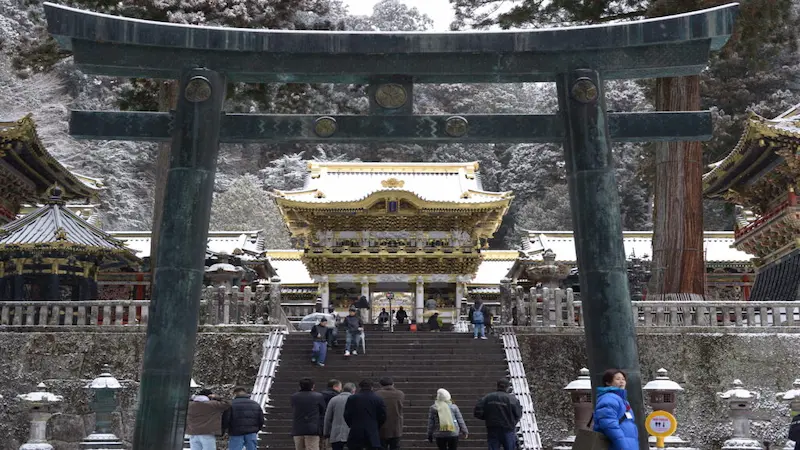
Warlord-Related Sites in Kanto | Edo Castle, Nikko Toshogu, and Tokugawa Ieyasu's Legacy in Tokyo, Nikko & Yokosuka
Kanto is where you can trace the memory of Edo as Tokugawa Ieyasu built it, the Toshogu shrines that enshrine the shogunal line, and the footsteps of Miura Anjin, who arrived in Japan in the early Edo period. Tokyo holds the Edo Castle ruins, Ueno Toshogu, Sensoji Temple, and Kaneiji Temple; Kanagawa carries the memory of Anglo-Japanese exchange in Yokosuka and Uraga; and Tochigi centers on Nikko Toshogu — together they trace the start of the Edo period and the authority of the Tokugawa family.
Edo, Tokugawa, and the History of Modern Tokyo
Kanto is where you can trace the memory of Edo as Tokugawa Ieyasu built it, the Toshogu shrines that enshrine the shogunal line, and the footsteps of Miura Anjin, who arrived in Japan in the early Edo period. Tokyo holds the Edo Castle ruins, Ueno Toshogu, Sensoji Temple, and Kaneiji Temple; Kanagawa carries the memory of Anglo-Japanese exchange in Yokosuka and Uraga; and Tochigi centers on Nikko Toshogu — together they trace the start of the Edo period and the authority of the Tokugawa family.
This page brings together castle ruins, temples and shrines, museums and exhibits, and warlord-related sites across Kanto, organized by prefecture. If you're not sure where to start, take a look at the main guide for each prefecture first. For places like the Edo Castle ruins, Nikko Toshogu, and Miura Anjin's sites, where the coverage runs across several articles, we've arranged them so you can follow the series in order.
If you'd rather explore around a particular figure, the by-figure guides further down the page are a good place to start. Rather than going deep on any one person, this page is built to help you find what's where across Kanto.
Browse by Prefecture
Tokyo | The Edo Castle Ruins, Ueno, and Asakusa
Tokyo centers on the Edo Castle ruins, along with Ueno Toshogu, Kaneiji Temple, and Sensoji Temple, all tied to the Tokugawa family and Edo-period culture. In the heart of modern Tokyo, the politics of the Edo shogunate, temples and shrines, townsperson culture, and the memory of the modern city all overlap.
Start Here — Tokyo's Main Guides
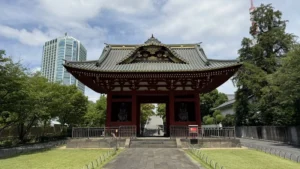
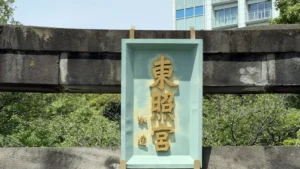
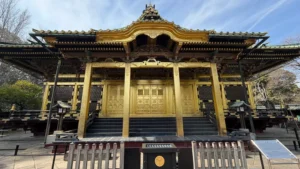

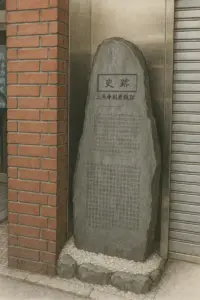
A Closer Look at the Edo Castle Ruins
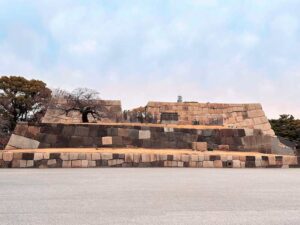
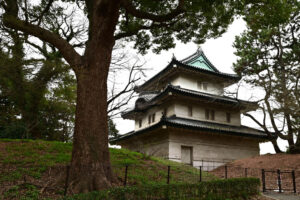
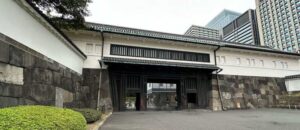
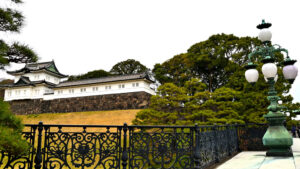
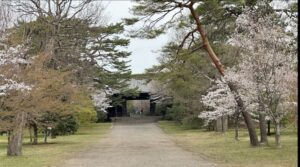
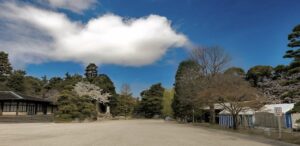
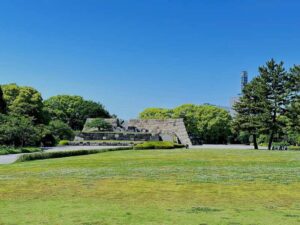
The Edo Castle ruins were the residence of the Tokugawa shoguns, and today survive as the Imperial Palace and the East Gardens — one of the largest historic sites in central Tokyo. Start with the complete guide for the full picture, then move into the detail articles on the Otemon Gate, the Honmaru, Fujimi Yagura, the Ninomaru, the outer grounds, the general public tours, and the Inui-dori public opening, depending on what interests you.
Start Here — Edo Castle Ruins (Imperial Palace): Complete Guide to the East Gardens, Public Tours, and Inui-dori
See All Tokyo Articles
Tochigi | Nikko Toshogu and the Deification of Tokugawa Ieyasu
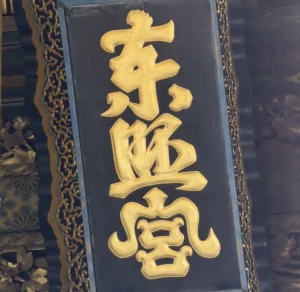
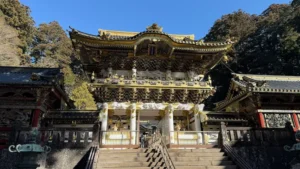
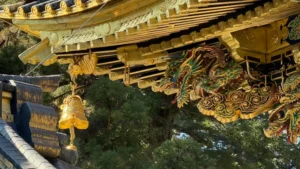
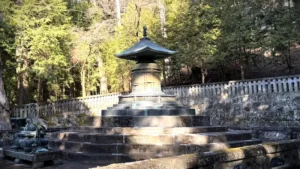
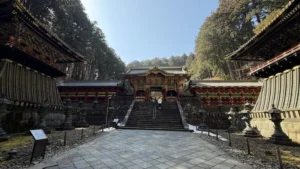
Tochigi centers on Nikko Toshogu, where you can trace how Tokugawa Ieyasu came to be enshrined as a deity. Through the Yomeimon Gate, the Karamon Gate, the inner shrine, the carvings, the main hall, and Taiyuin, you can see how the Edo shogunate expressed Ieyasu's authority.
Start Here — Tochigi's Main Guides
A Closer Look at Nikko Toshogu
Nikko Toshogu rewards visitors who go beyond simply looking at the buildings and carvings, and think about how Ieyasu came to be enshrined as "Tosho Daigongen." The full-site walkthrough, the beginner's guide, and the articles on the treasure hall, Taiyuin, and the special prayer tour are all worth reading together.
Start Here — A First-Timer's Guide to Nikko Toshogu
See All Tochigi Articles
Kanagawa | Miura Anjin and the Memory of Yokosuka & Uraga
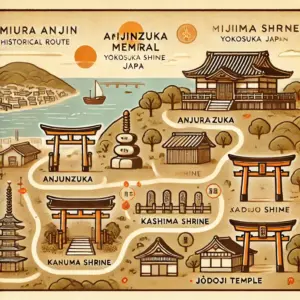
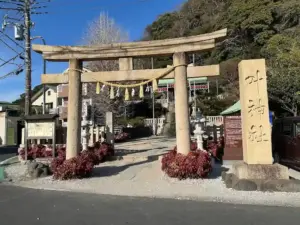
Kanagawa centers on the footsteps of Miura Anjin, who served Tokugawa Ieyasu in the early Edo period. Through the Anjin-zuka mound, Kashima Shrine, and Jodoji Temple in Yokosuka, and the sites around Uraga, you can trace the memory of Ieyasu's diplomacy and of a region that once served as Japan's maritime gateway.
Start Here — Kanagawa's Main Guides
A Closer Look at Miura Anjin's Sites
Miura Anjin's footsteps in Kanto are spread across Tokyo, Yokosuka, and Uraga. Taken together — the site of his residence, his grave, the temples and shrines, and the places tied to the sea — the presence of this foreign navigator who served Tokugawa Ieyasu comes into fuller view.
Start Here — Miura Anjin's Historic Sites
See All Kanagawa Articles
Browse by Purpose
Beyond browsing by prefecture, you can also search by type of site. Some articles fit more than one category, but the idea is to let you pick an entry point — castles, temples and shrines, historic sites and residences, or exhibits — based on what interests you.
Castles & Castle Ruins
Articles on castles and castle-related sites across Kanto, centered on the Edo Castle ruins. What survives on site — gates, turrets, stone walls, gardens, and the remains of outer gates — is covered article by article.
Temples & Shrines
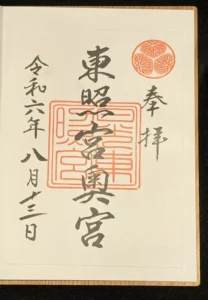
Nikko Toshogu, Ueno Toshogu, Sensoji Temple, Kaneiji Temple, and other temples and shrines tied to the Tokugawa family and Edo-period culture. Main halls, graves, goshuin stamps, and surviving structures are covered article by article.
Historic Sites & Former Residences
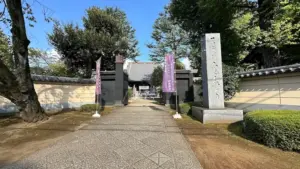
This covers the site of Miura Anjin's residence and other former sites tied to historical figures around Edo and Tokyo — including places where little of the original structure survives. Even a stone marker or a signboard can be a useful entry point into a figure's story or the wider period.
Museums & Exhibits
Museums, treasure halls, VR exhibits, and special openings — these articles help fill in the historical background that castle ruins and temples alone don't always convey, particularly the relationships between figures and the wider context of the era.
Browse by Figure
If reading through the Kanto articles leaves you wanting to go deeper on a particular figure, the by-figure guides are a good next step. These pages cover related sites well beyond Kanto, including Chubu, Kansai, and Tohoku.
Tokugawa Ieyasu
In Kanto, the Edo Castle ruins, Nikko Toshogu, Ueno Toshogu, Sensoji Temple, and Kaneiji Temple are all essential to understanding Ieyasu and the Tokugawa shogunate. For his sites nationwide, see the dedicated Tokugawa Ieyasu guide.
Miura Anjin
In Kanto, Tokyo, Yokosuka, and Uraga are the key places for tracing Miura Anjin's footsteps. For more on him, see the dedicated Miura Anjin guide.

Toyotomi Hideyoshi
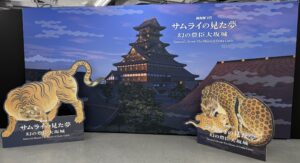
The Kanto articles also touch on Hideyoshi's castle-building through exhibits, including a VR presentation of the long-vanished Osaka Castle held in Shibuya. For his sites nationwide, see the dedicated Toyotomi Hideyoshi guide.
Related Area Guides
Kanto isn't the only region with Sengoku- and Edo-era castle ruins and warlord-related sites. Depending on where you're headed or who you're interested in, the other area guides are worth a look too.
Frequently Asked Questions
Start with the Edo Castle ruins in Tokyo. Once you've got a sense of the place that was the center of the Edo shogunate, it becomes easier to see how it connects to Ueno Toshogu, Kaneiji Temple, Sensoji Temple, and Nikko Toshogu.
If it's your first visit, start with the beginner's guide covering tickets, access, how much time to allow, and a suggested route. If you already have a visit planned, it's worth also reading the full-site walkthrough and the articles on the treasure hall and Taiyuin.
This page covers his sites in Kanto. If you want to see all of his sites by figure, including places outside Kanto such as Ito, use the dedicated Miura Anjin guide instead.
Travel time, the nearest station, access, admission fees, and what you'll actually find on site are all covered in the individual articles for each spot. Think of this page as a way to narrow down where to go first — the specifics for planning a visit are in the linked articles.
☕ Support This Site
Following the Shogun is built on original fieldwork and on-site research.
If you found this guide useful, your support helps keep it going.

You can also support via QR code

