

From Arako to Kiyosu: A Day Among Maeda Toshiie and Oda Nobunaga Sites in Nagoya
A TV drama made me curious about Maeda Toshiie, so I started at his hometown, Arako. This is my record of November 1, 2025: the statue at Arako Station, the shrine on the site of Arako Castle, Maeda Sokunenji Temple, the Tokugawa Art Museum, Sōōji Temple, Shiroyama Hachimangu on the Suemori Castle site, and finally Kiyosu.
Contents
On November 1, 2025, I visited about ten places linked to Maeda Toshiie and Oda Nobunaga, from Arako in Nagoya to Kiyosu. Toshiie later became the founder of the Kaga domain, famous for its 1,000,000-koku rice income, and Arako is where he spent his youth.
This is a visit diary, written in the order I walked, with the train, bus and bike changes included so you can copy the day. Opening hours at historic sites change, so check each official site before you go.
Toshiie’s ties to Hideyoshi are covered in our Toyotomi Brothers! guide. For Ieyasu, another warrior from the Owari-Mikawa region, see the Hamamatsu visit diary.
Key points
| Date | November 1, 2025 (10 places in one day) |
|---|---|
| Transport | Aonami Line, bus, subway, JR, Meitetsu, rental bike and walking |
| Order visited | Arako Station statue, Maeda Family Plum Garden, Fuji Shrine, Toshiie Road, Maeda Sokunenji, Sōōji in Karasumori, Hinomiya Shrine, Tokugawa Art Museum, Sōōji in Kakuōzan, Shiroyama Hachimangu, Shin-Kiyosu Station, Hie Shrine, Kiyosu Castle, Nobunaga Shrine and Kiyosu Park, Gojō Bridge, Kamihata Shrine |
| My mistake | I went to the wrong temple: a different Sōōji with the same name, in Karasumori, instead of the one with the goshuin (temple stamp) I wanted |
| Missed | Arakokannon-ji Temple, which is very close to Arako Castle. Next time |
| Good to know | I reached Kiyosu Castle after closing time and saw it from outside. The “Toshiie and Matsu” information board in Kiyosu had been removed |
Route
I started in Arako, took a bus and the subway to the east side of Nagoya, then went to Kiyosu by JR and Meitetsu in the afternoon.
The stops, in the order I walked them
The narrative is my own experience on November 1, 2025. Facts about each site come from official guides such as Nagoya City’s tourist information, and are added alongside.
Toshiie Maeda’s First-Battle Statue and the Maeda Plum Garden
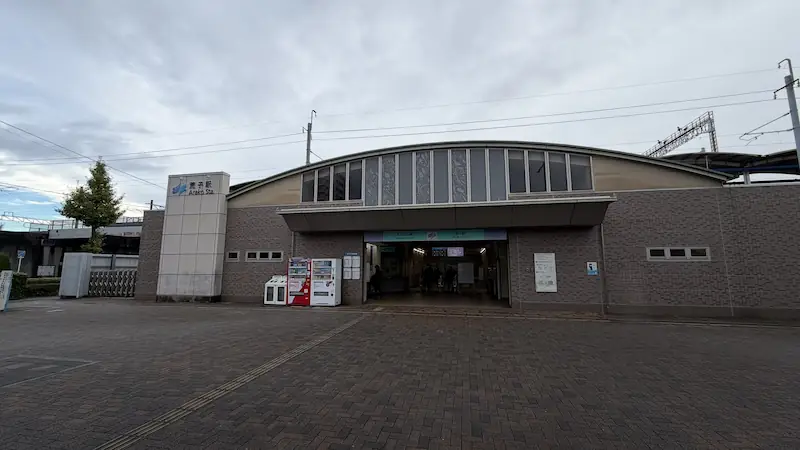
In front of Arako Station on the Aonami Line, you meet Toshiie and his wife Matsu.
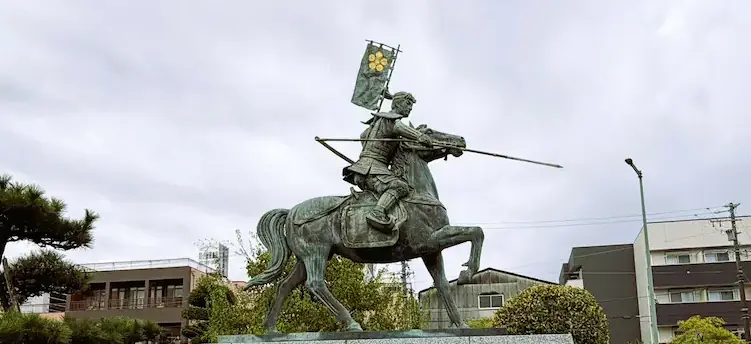
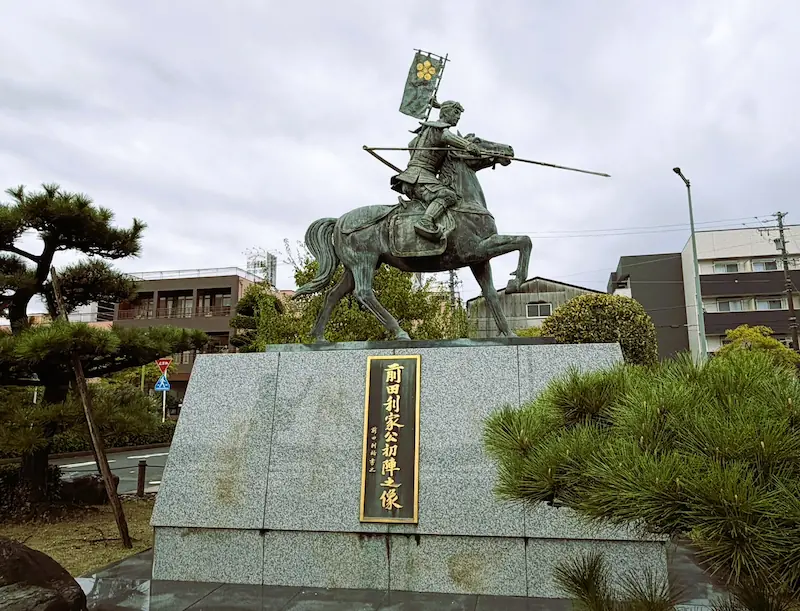
The rotary outside Arako Station holds a statue of Toshiie on horseback, with a statue of his wife Matsu standing as if to see him off. It shows him at his first battle. Nagoya City’s guide says that battle was the Battle of Kayazu, one of Nobunaga’s campaigns to unify Owari Province. Looking up at it, I felt the energy of a young warrior about to ride into the Sengoku period.
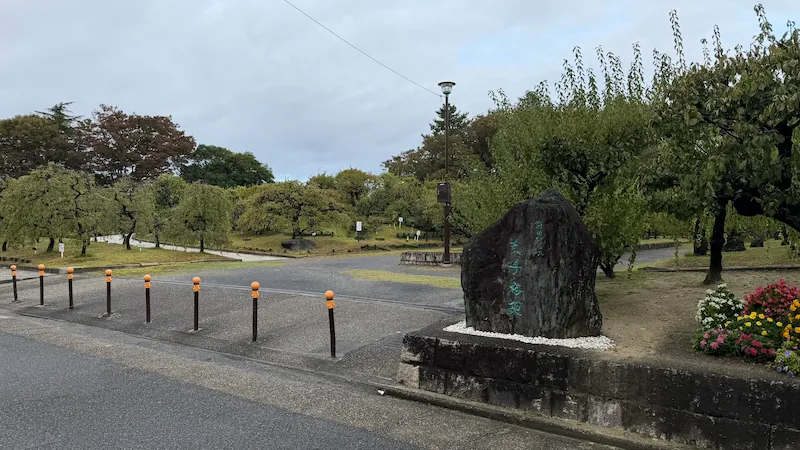
From the station I walked to the “Maeda Family Plum Garden” in Arako Park. It was November, so there was no blossom. The Maeda lords of Kaga used a plum-blossom crest (umebachi-mon), and I was simply happy to see a garden carrying Toshiie’s family name in person.
Tap a photo to enlarge
Fuji Daigongen Tenman Tenjingu Shrine (Arako Castle Site)
A shrine on the site of the castle built by Toshiie’s father.
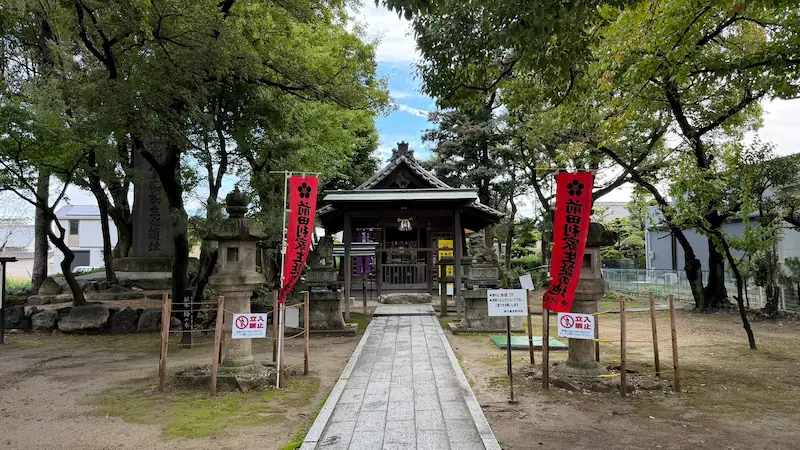
It is about 1.0 km from Arako Station, just under 15 minutes on foot (I took about 20 because I stopped at the plum garden). According to Nagoya City’s tourist guide, Arako Castle was built in the Tenbun era (1532–1555) by Toshiie’s father, Maeda Toshimasa (also called Toshiharu), as a small moated mansion-like castle. Toshiie became its lord in 1569 and is said to have enshrined Fuji Gongen as the castle’s guardian. A stone monument on the grounds marks the “site of Lord Maeda Toshiie’s birth”. The Arako Castle site is generally accepted as his birthplace.
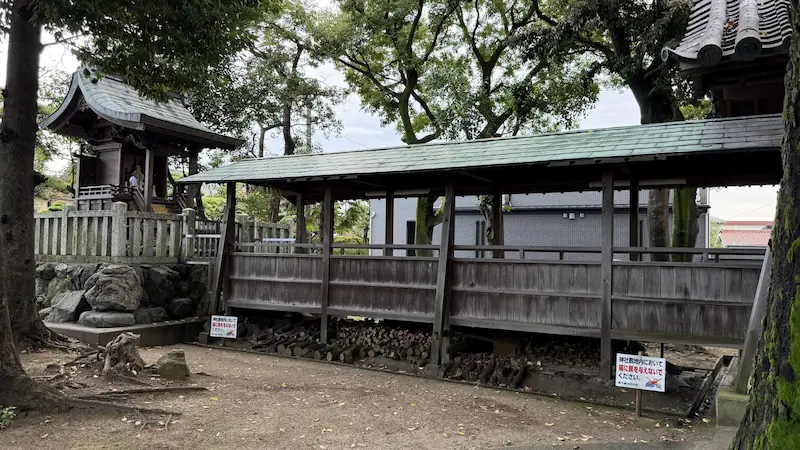
The shrine marker reads “Fuji Daigongen Tenman Tenjingu”. The main hall is in the gongen-zukuri style, which is unusual for a shrine of this size. The enshrined deities are Konohanasakuya-hime and Sugawara no Michizane, whom the Maeda family claimed as an ancestor.
Tap a photo to enlarge
Toshiie Road and Maeda Sokunenji Temple
A “Toshiie Road” on the bus map made me get off early.
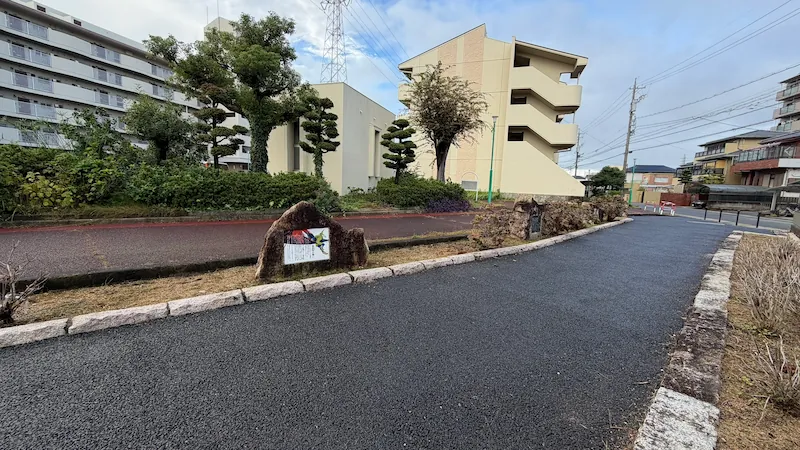
On the bus to Maeda Sokunenji, Google Maps showed a place called “Toshiie Road”. I got off on impulse and found an information sign about Toshiie. Small finds like this make a walk lighter.
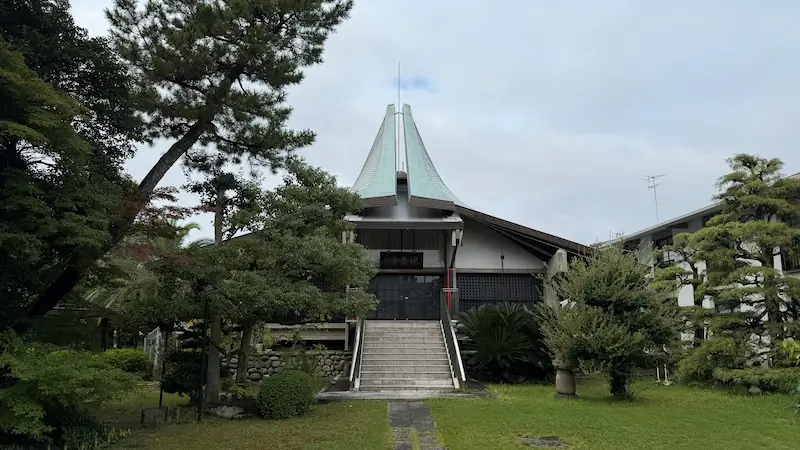
Maeda Sokunenji is a Shin Buddhist (Otani-ha) temple said to stand on the site of Maeda Castle. The temple tradition says Toshiie was born here, so there are two theories for his birthplace, this one and Arako Castle. The tradition also says his uncle, Toshinori (the monk Ikyū), built the temple on the castle site. The grounds were well kept and quiet.
Tap a photo to enlarge
Missed: Arakokannon-ji Temple
Right next to the Arako Castle site, and I walked past.
Arakokannon-ji (Arako Kannon) is a Tendai temple and one of the Four Kannon of Owari. Nagoya City’s guide says it was founded in 729, and that Toshiie had it repaired in 1576. Its pagoda (tahōtō), rebuilt in 1536, is the oldest wooden building in Nagoya and a nationally designated Important Cultural Property. The temple holds more than 1,250 Buddhist statues carved by the monk Enku.
Visiting is free. The gates are open from 7:00 to 17:00, and the reception desk from 9:00 to 16:00. It is about a 10-minute walk from Arako Station. I will see it next time.
Sōōji in Karasumori and Hinomiya Shrine
I reached a different temple with the same name, and was kindly corrected.
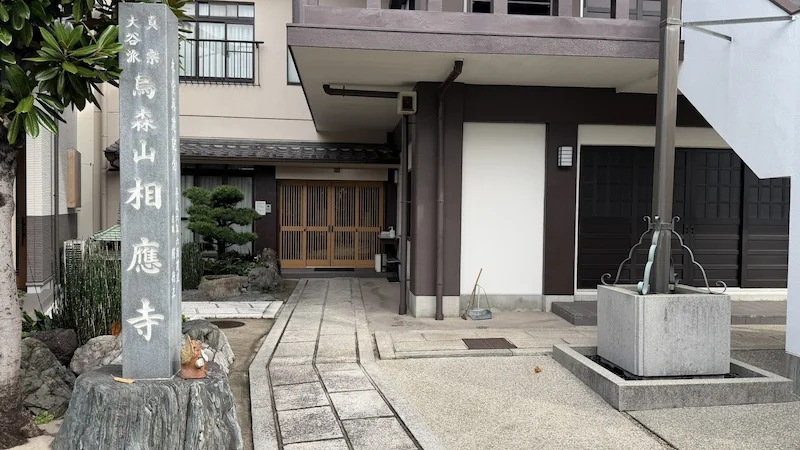
I took the train from Fushiya to Karasumori Station, rented a bike and rode to a temple called Sōōji. When I asked for a goshuin, the priest said that as a Jōdo Shinshū temple it had none. I told him I had heard they had a goshuin of “Okame no Kata”, and he kindly explained that this was a different temple with the same name. Take care not to repeat my mistake.
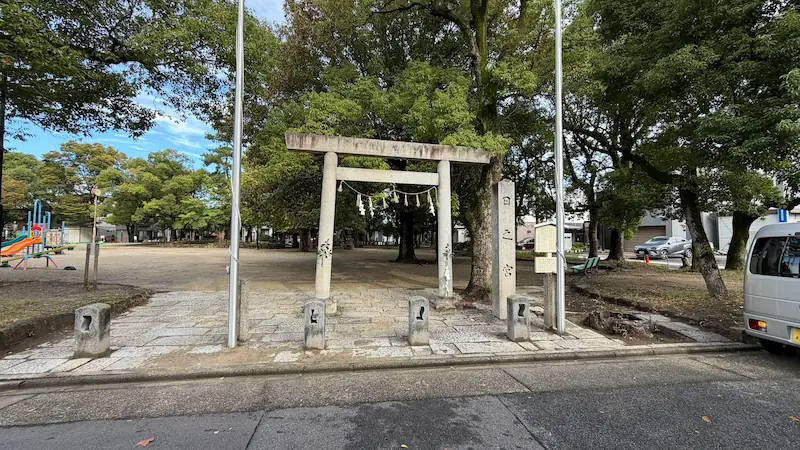
I recovered and cycled to Hinomiya Shrine, a quiet, unstaffed shrine in a corner of a park. The approach was neatly kept. The information sign says Hideyoshi’s mother prayed here, thinking of her son. Knowing that made the history feel suddenly close. I then rode on to Nakamura-kōen Station and returned the bike.
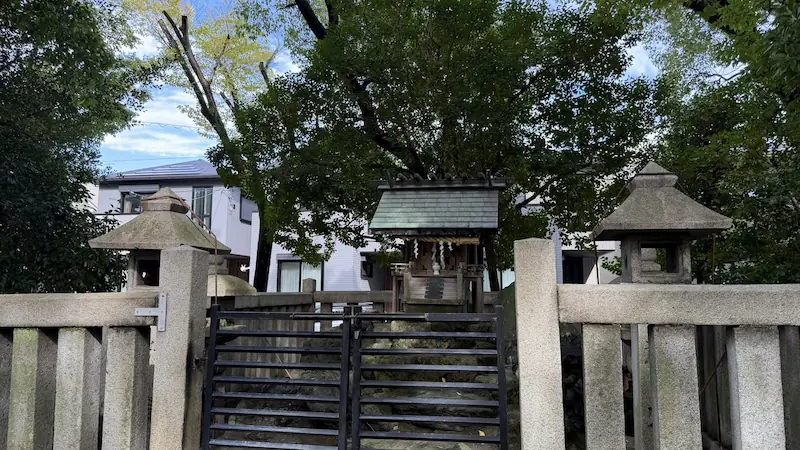
Tap a photo to enlarge
Tokugawa Art Museum
The special exhibition “All the Masterpieces of the Owari Tokugawa Family”.
From Nakamura-kōen Station I took the Higashiyama subway line to Sakae and changed to a bus. The museum was holding a special exhibition for its 90th anniversary, “All the Masterpieces of the Owari Tokugawa Family” (September 13 to November 9, 2025), the first time it used the whole building.
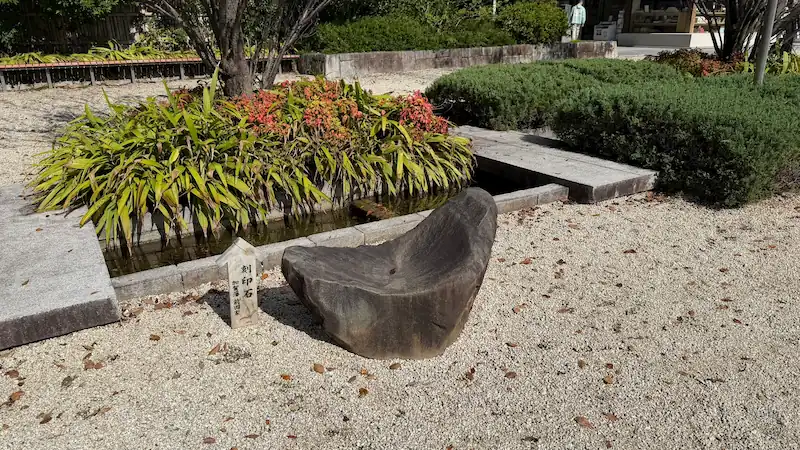
Between the gate and the entrance there was a “Maeda family stone”. Before the TV drama, I would not have noticed it. Now that I cared about Toshiie, this small find made me happy.
Inside, I saw items linked to Ieyasu, portraits, tea utensils of Sen no Rikyū and the armor of Yoshinao, the first lord of the Owari Tokugawa family. They conveyed the depth of daimyo culture handed down from the Sengoku period to the Edo period.
| Address | 1017 Tokugawa-cho, Higashi-ku, Nagoya |
|---|---|
| This special exhibition | September 13 – November 9, 2025 (ended) |
| Hours during the exhibition | 10:00–17:00 (last entry 16:30) |
Hours and exhibitions are those of my visit. Check the official site for current information.
Photos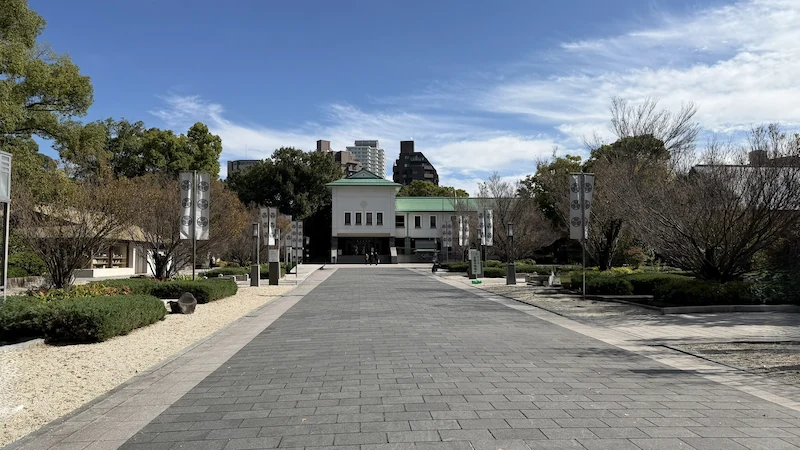
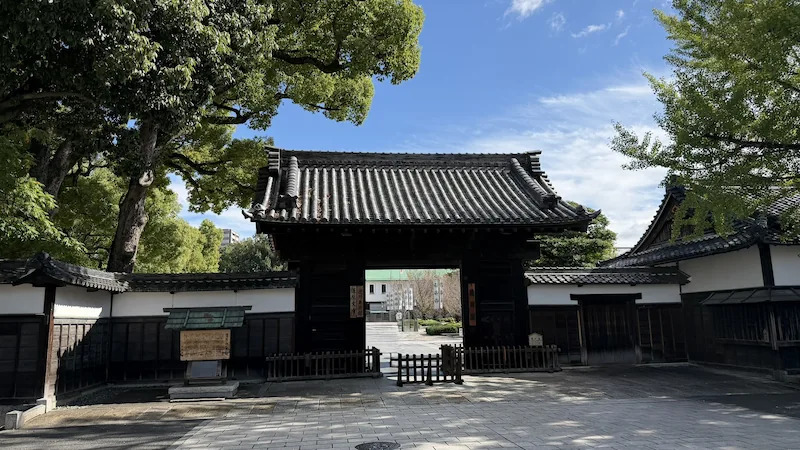
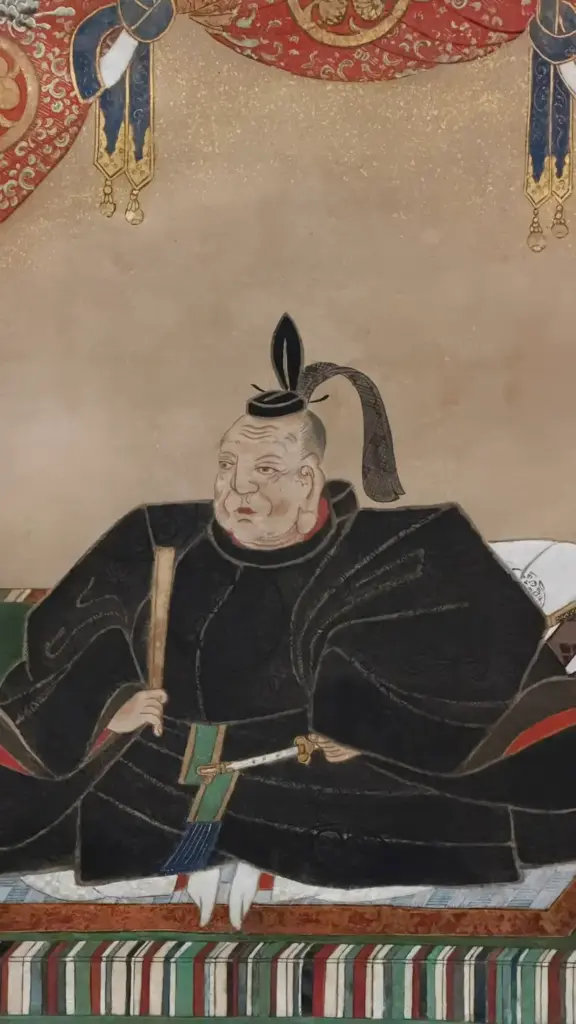
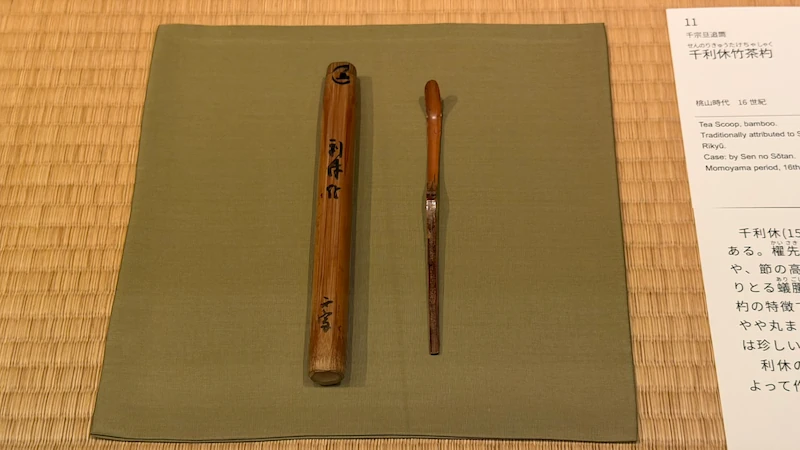
Tap a photo to enlarge
Hōkizan Sōōji Temple (Kakuōzan)
The family temple of Lady Okame (Sōōin).
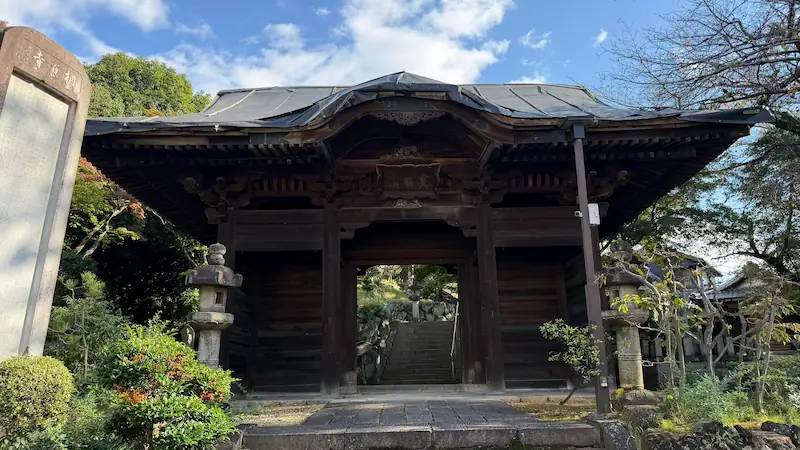
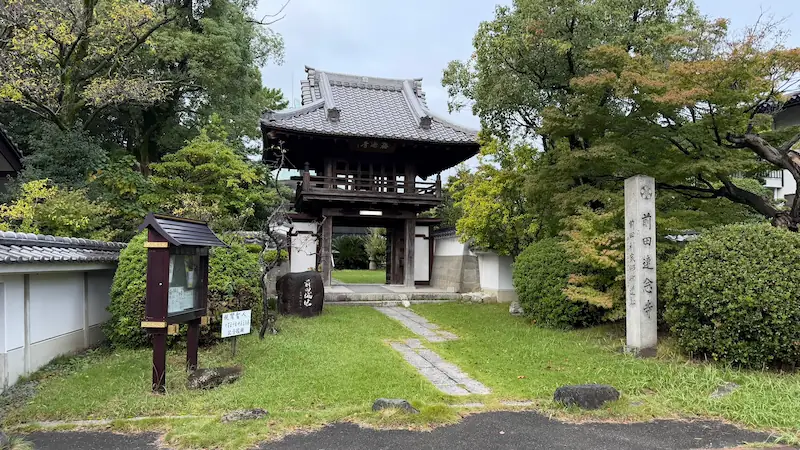
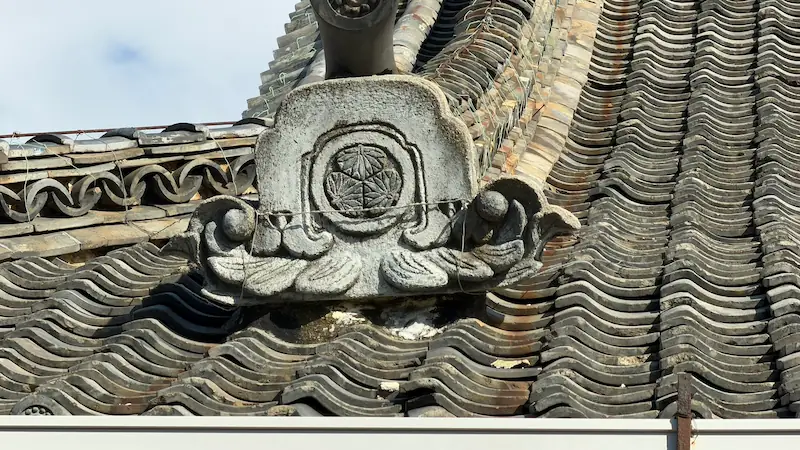
From Ōzone Station I took the Chūō Line to Chikusa, changed to the Higashiyama line and got off at Kakuōzan, then walked. This was my real goal. It is the family temple of “Okame no Kata” (Sōōin), a concubine of Tokugawa Ieyasu and the mother of Yoshinao, first lord of the Owari domain.
The temple sits on high ground, with an imposing gate and a garden beside the stairs. Preparations for an evening event were under way, yet I received a goshuin. I was also lucky to be shown a gold folding screen that is not normally on display, brought out for the event.
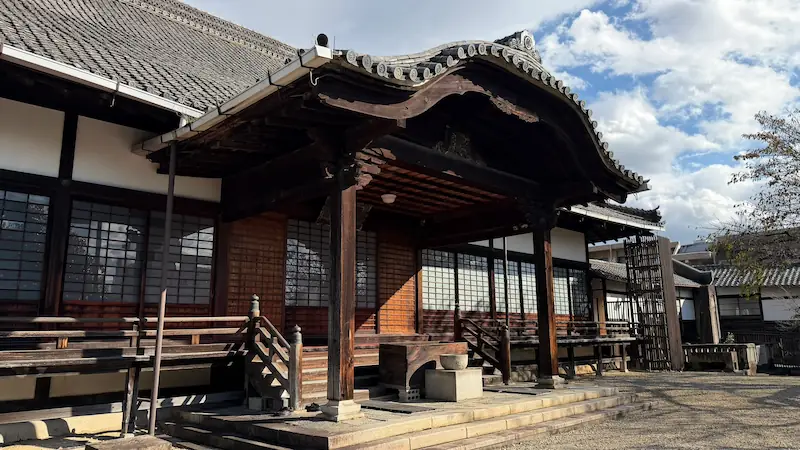
Tap a photo to enlarge
Shiroyama Hachimangu Shrine (Suemori Castle Site)
The site of the castle Nobunaga’s father built and his brother Nobuyuki held.
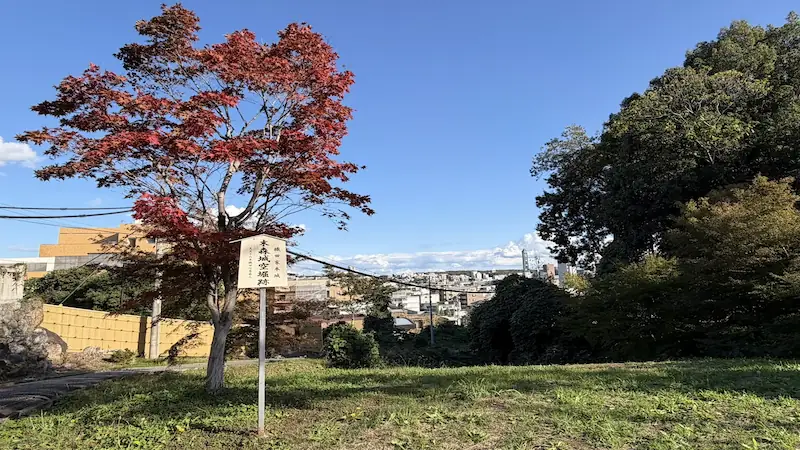
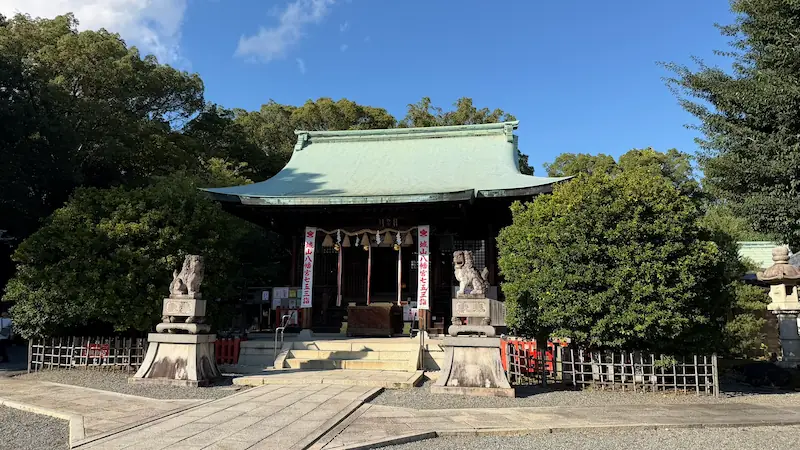
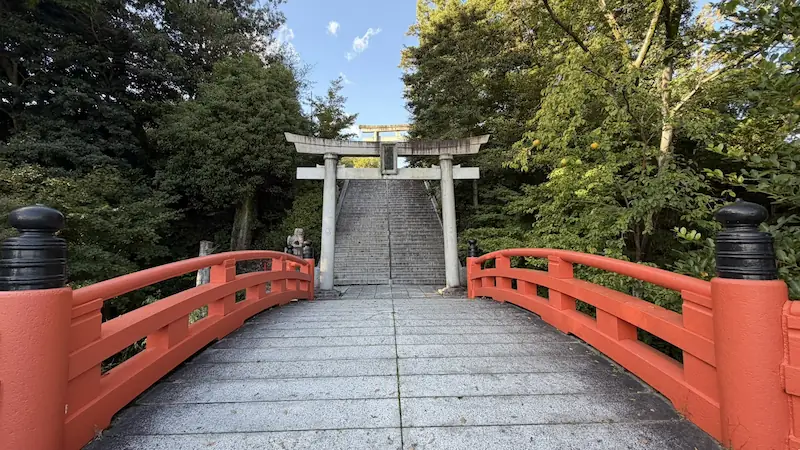
I walked here from Sōōji. Shiroyama Hachimangu stands on the site of Suemori Castle, built by Oda Nobuhide, Nobunaga’s father. After Nobuhide’s death, his son Nobuyuki held it in his struggle against Nobunaga. I was surprised at how naturally the castle site blended into the well-kept grounds.
There were many goshuin that Nobunaga fans would enjoy, including ones of Oichi and Nobunaga, and I had trouble choosing.
Tap a photo to enlarge
Nobunaga Statue at Shin-Kiyosu Station and Hie Shrine
Kiyosu, where Nobunaga’s rise began.
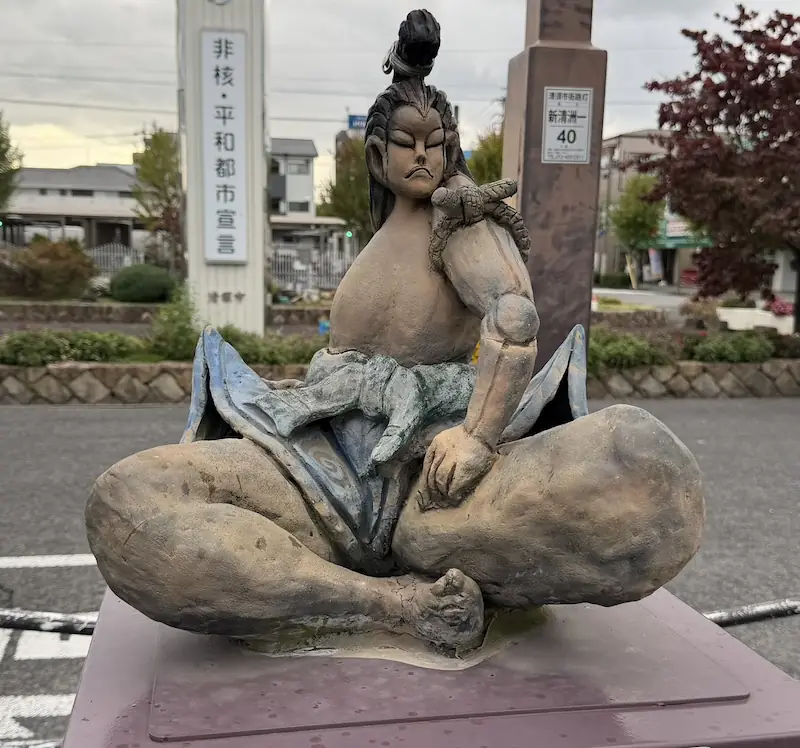
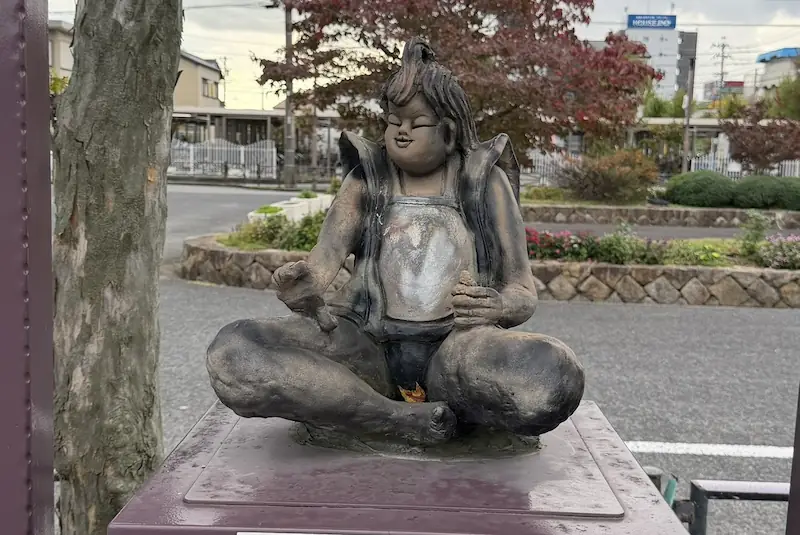
From Kakuōzan I took the Higashiyama line to Nagoya Station, then the Meitetsu Nagoya Main Line to Shin-Kiyosu. A bold statue of the young Nobunaga stands outside the station.
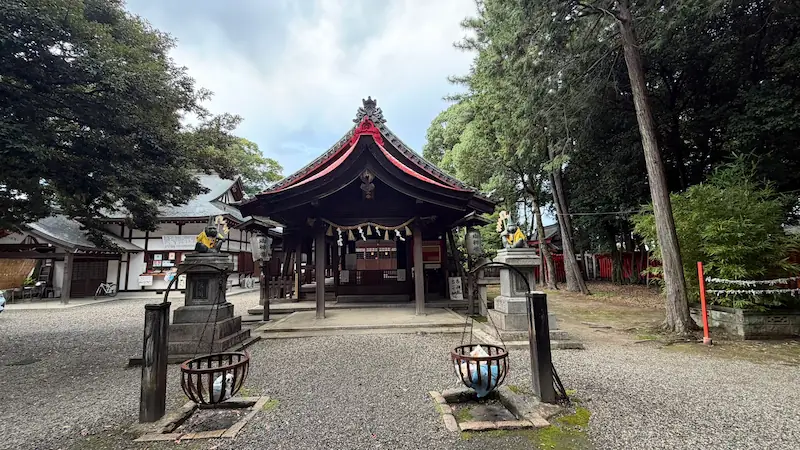
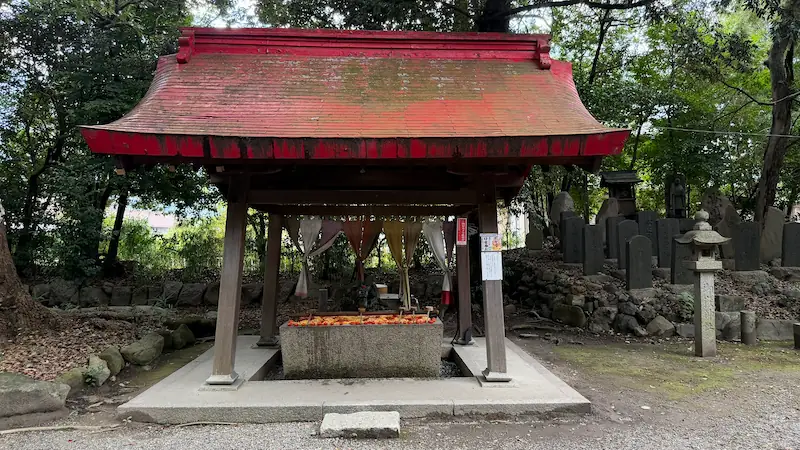
I walked to Hie Shrine and arrived at about 3:50 pm, just before it closed. It is linked to Hideyoshi: his mother is said to have prayed here for an easy birth and to have named him “Hiyoshimaru”. The stone bridge and main hall are worth seeing, and I bought an unusual wooden goshuin book with a cut-out design.
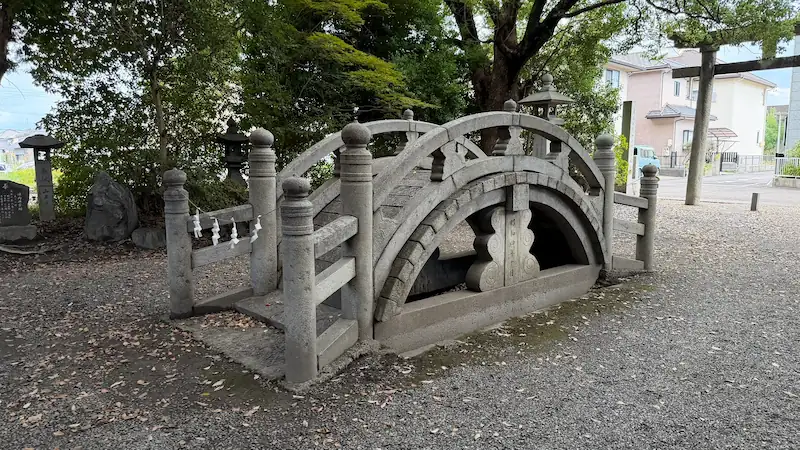
Tap a photo to enlarge
Kiyosu Castle
I missed the last entry and saw it from outside.
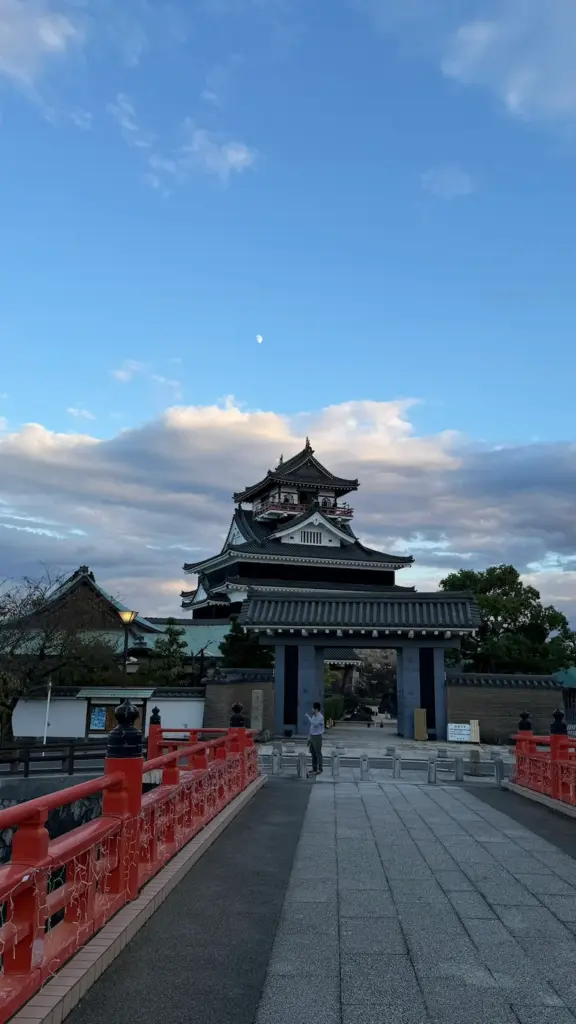
I walked from Hie Shrine to Kiyosu Castle but was too late to enter, so I saw it from outside. The keep is a later reconstruction. Kiyosu thrived as the seat of the Owari provincial governor, and Nobunaga moved here from Nanago Castle (the predecessor on the site of today’s Nagoya Castle) as a step toward unifying Japan. The gardens, walls and the bridge over the river were attractive, and a good spot for photographs. For more history, see our Kiyosu Castle complete guide.
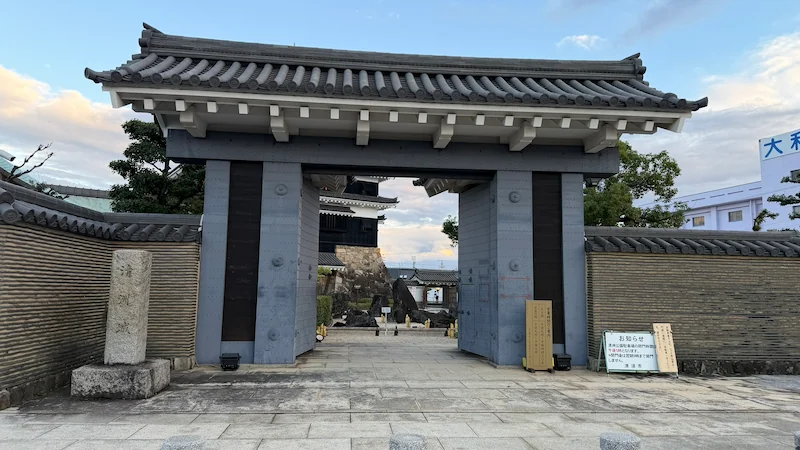
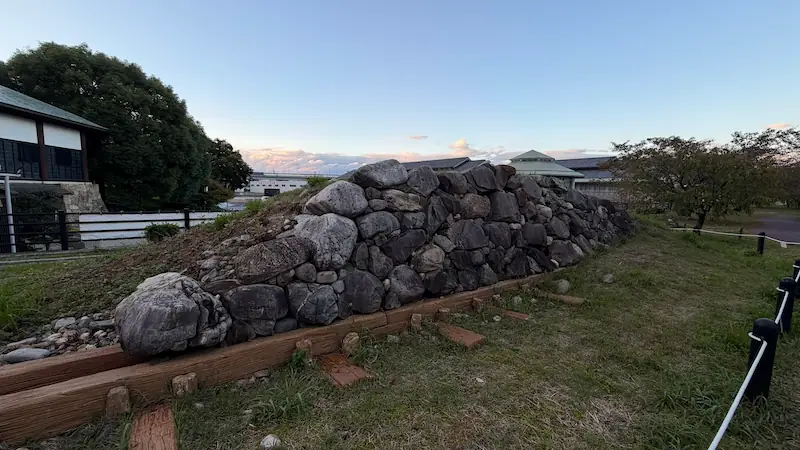
Tap a photo to enlarge
Oda Nobunaga Shrine, Kiyosu Park, Gojō Bridge and Kamihata Shrine
I kept walking around Kiyosu until dark.
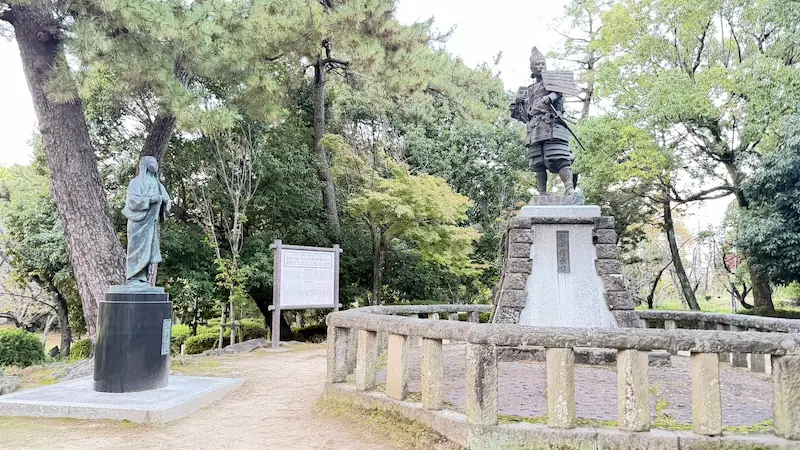
I walked around the Oda Nobunaga Shrine, then crossed the railway to Kiyosu Park, where statues of Nobunaga and his wife Nōhime stand. The guide notes that Nobunaga is looking toward Okehazama.
I went looking for an information board about “Maeda Toshiie and Matsu in Kiyosu” that I had found on Google Maps, but it was gone. I later learned that it had already been removed, and I posted that update to Google Maps.
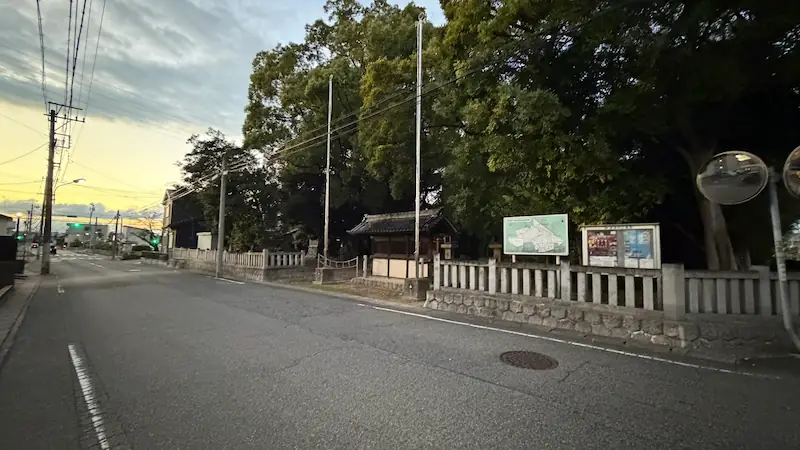
A sign at Gojō Bridge told me that Hideyoshi passed here on his way back from the Odawara campaign and made a donation to Kamihata Shrine. I headed there, but it was already dark, so I took a photo of the entrance and paid my respects from outside.
From Kiyosu Castle to Oda Nobunaga Shrine (on foot)
From Gojō Bridge to Kamihata Shrine (on foot)
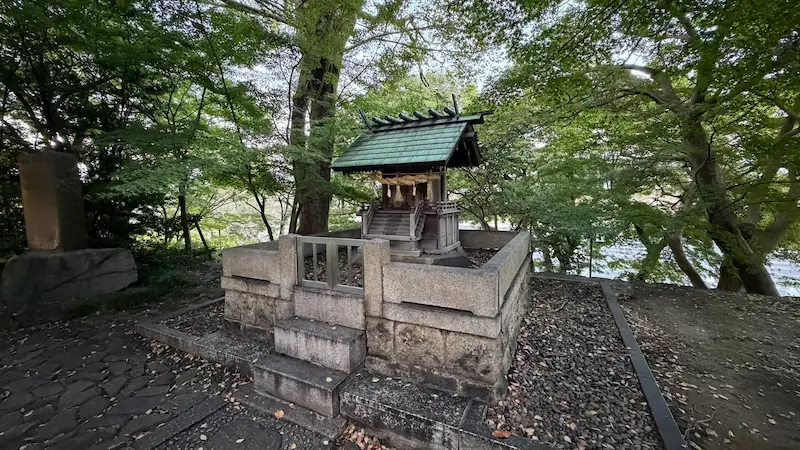
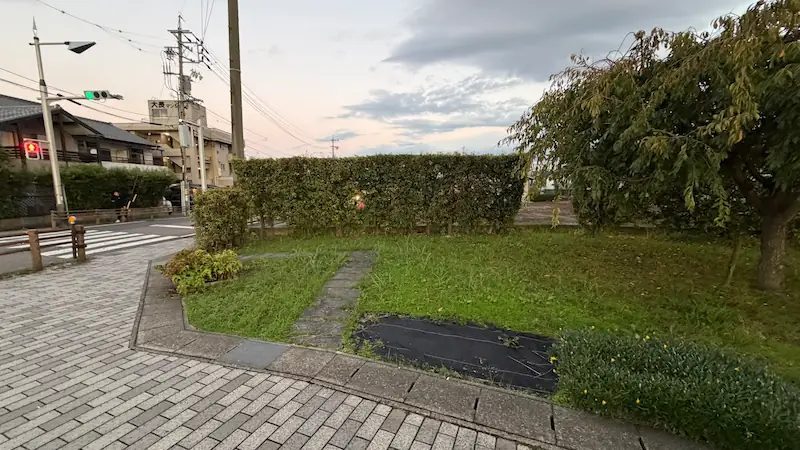
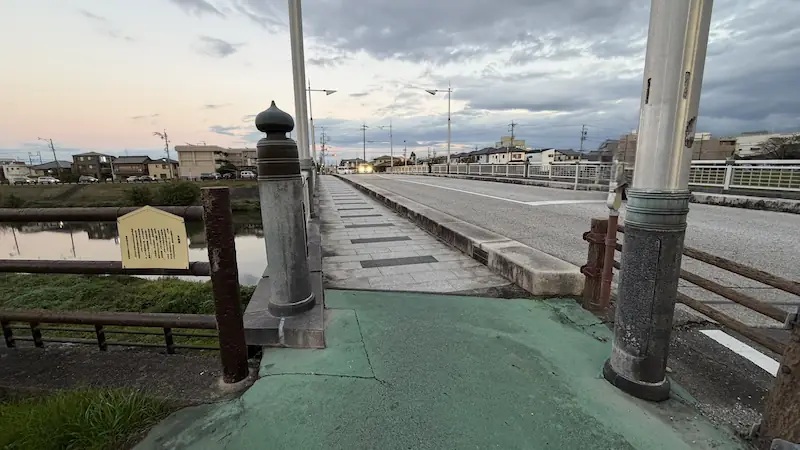
Tap a photo to enlarge
Transport summary
How I moved that day
| Arako | Started at Arako Station on the Aonami Line. Fuji Shrine is about 1.0 km, just under 15 minutes on foot (about 20 with the plum garden) |
|---|---|
| To Maeda Sokunenji | By bus. I got off at “Toshiie Road” and walked to the temple |
| Karasumori and Nakamura Park | Train from Fushiya to Karasumori Station. Rental bike to Sōōji (the wrong one) and Hinomiya Shrine, returned at Nakamura-kōen Station |
| Tokugawa Art Museum | Higashiyama subway line from Nakamura-kōen to Sakae, then a bus |
| Sōōji and Shiroyama Hachimangu | Chūō Line from Ōzone to Chikusa, Higashiyama line to Kakuōzan. Sōōji to Shiroyama Hachimangu is on foot |
| Kiyosu | Higashiyama line from Kakuōzan to Nagoya Station, then the Meitetsu Nagoya Main Line to Shin-Kiyosu. Everything in Kiyosu is on foot |
| End of the day | JR Tokaido Line to my hotel in Ogaki (arrived about 6 pm) |
| Maps | Each stop has a map in its “Map and photos” accordion |
Where to stay
PRThis section contains affiliate links to the booking site Agoda. If you book through them, this site earns a commission. Areas are chosen for ease of travel.
I covered ten places and reached my Ogaki hotel at about 6 pm. With this much moving around, a base near Nagoya Station makes the day easier to plan. Prices vary a lot by date, so I list areas only.
Base here
Nagoya Station
Agoda search area: around Nagoya Station
Good for a day of trains and buses from Arako to Kiyosu.
Find hotels near Nagoya Station on AgodaWhere I stayed
Ogaki
Agoda search area: Ogaki
Handy on the JR Tokaido Line between Nagoya and Gifu.
Find hotels in Ogaki on AgodaCombine with
Gifu Station
Agoda search area: around Gifu Station
Good if you add Gifu Castle or Sunomata to the trip.
Find hotels near Gifu Station on AgodaThe links open with default dates and guest numbers. Check dates, price and cancellation terms on the booking page.
FAQ
The generally accepted view is the Arako Castle site in Nakagawa Ward, Nagoya, now the grounds of Fuji Gongen Shrine. The temple tradition of Maeda Sokunenji (Maeda Nishi-machi, Nakagawa Ward), said to stand on the Maeda Castle site, also says he was born there. I visited both on this day.
Google Maps shows about 1.0 km, just under 15 minutes on foot. I took about 20 because I stopped at the plum garden. Arakokannon-ji is about a 10-minute walk from Arako Station.
No. The family temple of Lady Okame (Sōōin) is Hōkizan Sōōji in Kakuōzan. The temple with the same name in Karasumori is a Jōdo Shinshū temple, and I was told it has no goshuin.
Nagoya City’s tourist guide says the gates are open from 7:00 to 17:00, the reception desk from 9:00 to 16:00, and admission is free. I could not stop by that day. Hours can change, so check the official information.
No. “All the Masterpieces of the Owari Tokugawa Family” ran from September 13 to November 9, 2025 and has ended. Check the museum’s official site for the current exhibition.
I arrived after closing and saw it from outside. Check the official information for current opening hours.
I looked for it on November 1, 2025 and found it had already been removed. I reported this on Google Maps.
I managed it by combining trains, buses, a rental bike and walking. But I ran out of time at Kiyosu Castle and missed Arakokannon-ji, so it is safer not to pack in too much.
Related articles
☕ Support This Site
Following the Shogun is built on original fieldwork and on-site research.
If you found this guide useful, your support helps keep it going.

You can also support via QR code


comment