


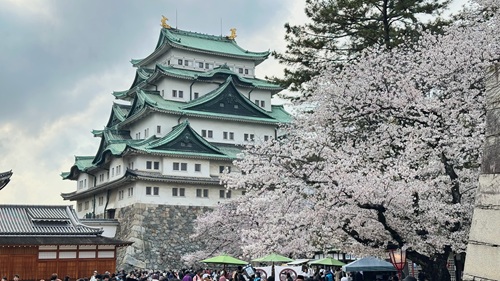
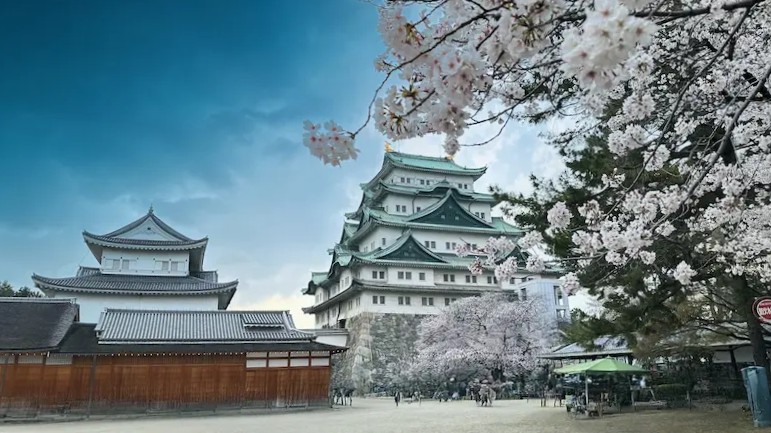
Nagoya Castle Visitor’s Guide: All 5 Areas, 30 Spots Explained
Built starting in 1610 as the seat of the Owari Tokugawa family — the most senior of the Tokugawa clan’s three honored branch houses (Gosanke) — Nagoya Castle carried that prestige throughout the Edo period (1603–1868). This guide walks you through all five areas of the grounds — Ninomaru, Honmaru, Ofukemaru, Nishinomaru, and the outer grounds — covering the golden shachihoko-crowned main keep, the rebuilt Honmaru Palace, and the three corner turrets that have survived intact since the 1600s.
- Nagoya Castle’s essential visitor information (admission, hours, access, and how long to allow)
- A highlight list for all 5 areas — Ninomaru, Honmaru, Ofukemaru, Nishinomaru, and the outer grounds
- Links to the detailed guide for each area
- Practical tips from our own visits (the three surviving corner turrets, the main keep’s current status, a suggested route)
- Frequently asked questions (FAQ)
Basic Information
| Admission (Current) |
Adults ¥500 (through September 30, 2026) / ¥1,000 (from October 1, 2026) Nagoya residents 65+: ¥100 / Junior-high age and under: Free (unchanged after the increase) Groups of 30 or more: ¥450 per adult (current rate)
Internet-researched information — please verify
Nagoya City Council has passed an ordinance revision confirming that, from October 1, 2026, adult admission will rise from ¥500 to ¥1,000 (junior-high age and under remains free). Tickets purchased before the change date can reportedly still be used. Check the official site for the exact group-rate and season-pass pricing. |
|---|---|
| Opening Hours |
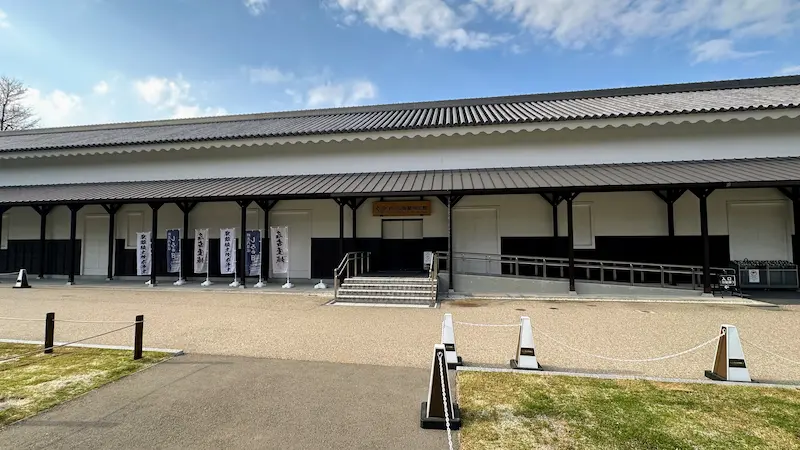
9:00 am – 4:30 pm Last entry to Honmaru Palace and the Nishi-no-Maru Okura Shōhōkan (West Bailey Storehouse Museum) is 4:00 pm. The palace is roughly a 10-minute walk from the main gate or east gate, so allow extra time. Hours are sometimes extended during events such as the cherry blossom festival. |
| Closed | December 29–31 and January 1 Subject to change for special events — check the official site before you visit. |
| Access |
[Subway] Nagoya Castle Station (Meijo Line), Exit 7 — about a 5-minute walk [Subway] Sengencho Station (Tsurumai Line), Exit 1 — about a 10-minute walk [City Bus] Basic Route 2, “Shiyakusho” stop — about a 5-minute walk [Sightseeing Bus] Nagoya Sightseeing Route Bus (Meguru), “Nagoya Castle” stop — right outside [Car] From the Nagoya Expressway loop line, “Marunouchi” exit — about 5 minutes north |
| Getting to Nagoya |
From Kansai International Airport (KIX) Take the JR Haruka Limited Express or the Airport Rapid Service to Shin-Osaka Station, transfer to the Tōkaidō Shinkansen to Nagoya Station, then take the Sakuradori subway line to Hisaya-odori Station and transfer to the Meijo Line to Nagoya Castle Station. Approx. travel time: 2 hr 38 min / Fare: ¥8,540 From Shin-Osaka Station Approx. travel time: 80 minutes / Fare: ¥6,720 |
| Suggested Duration | Honmaru and the Palace only: 1–2 hours / All 5 areas: half a day (3–4 hours) |
| Main Keep (Tenshu) | Closed to interior visitors since 2018 over seismic safety concerns. A wooden reconstruction is planned, but no opening date has been set. The exterior can still be viewed. |
| Parking |
Main Gate lot: 308 spaces (standard cars) Ninomaru East lot: 123 spaces (standard cars) Standard car rate: ¥250 per 30 minutes (no daily maximum)
Internet-researched information — please verify
As of June 1, 2026, both the Main Gate and Ninomaru East lots raised their rate from ¥180 to ¥250 per 30 minutes (confirmed via the official site and local reporting). Check the official site for the latest rates. |
| Inquiries | Nagoya Castle Management Office ― Tel: 052-231-1700 (9:00 am – 5:00 pm) |
The History of Nagoya Castle
Nagoya sits roughly midway between Tokyo and Osaka on the Tōkaidō Shinkansen line, and the castle’s story reaches back to the turbulent Sengoku period. A fortress called Old Nagoya Castle originally stood on this site, built in the early 1500s by Imagawa Ujichika. It was later taken by Oda Nobuhide, father of the famed Oda Nobunaga, who spent part of his youth living there. Once Nobunaga relocated to Kiyosu Castle, Old Nagoya Castle gradually fell out of use.
After his victory at the Battle of Sekigahara in 1600, Tokugawa Ieyasu — now shogun — named his third son, Tokugawa Yoshinao, as feudal lord of the Owari Domain and chose Nagoya, a strategic point along the Tōkaidō highway, as the site for an entirely new castle. The decision was also a practical one: it moved the domain’s capital away from flood-prone Kiyosu to higher, safer ground.
This relocation effort, known as the Kiyosu-goe, moved not just people but entire temples, shops, houses, and building materials from Kiyosu to the new castle town. Some structures were reused outright at the new site — the Seinan Corner Turret is thought by many to have originally been the keep, or a smaller keep, of Kiyosu Castle. Nagoya Castle’s construction was therefore not simply new work, but a direct architectural link between the Sengoku and Edo eras.
Construction began in 1610, and the main keep was completed in 1612. For more than 250 years afterward, Nagoya Castle served as the seat of the Owari Tokugawa family, the most senior of the Tokugawa clan’s three honored branch houses (the Gosanke). Its golden shachihoko ornaments, the Honmaru Palace with its Kanō-school paintings, massive stone walls, and elegant gates and turrets made it a landmark of both military strength and refinement.
In 1945, much of the castle — including the main keep and the palace — was destroyed in air raids during the final months of World War II. The keep was rebuilt in reinforced concrete in 1959, and full restoration of the Honmaru Palace began in 2009. By 2018, the palace had reopened to the public, rebuilt to its historically accurate form.
This guide follows a circular route that starts and ends at Nagoya Castle Station (Meijo subway line), taking you through the castle’s most significant and scenic spots. Whether you’re planning a visit or looking back on one, use it as your reference to the hidden stories, architecture, and cultural value packed into Nagoya Castle’s grounds.
Area-by-Area Guide
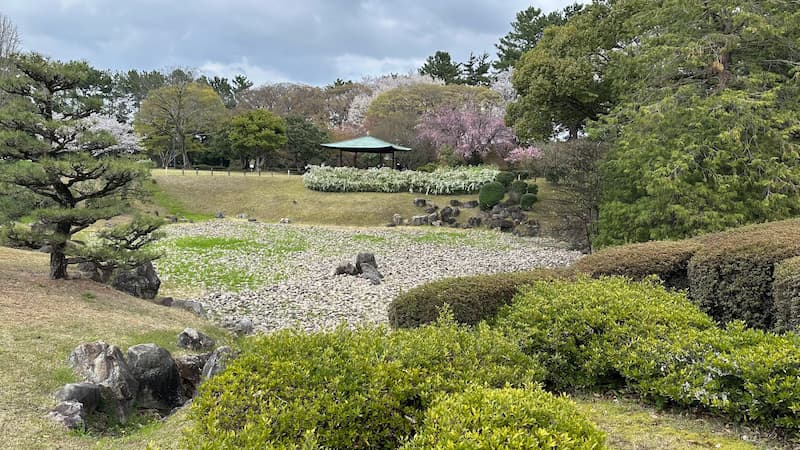
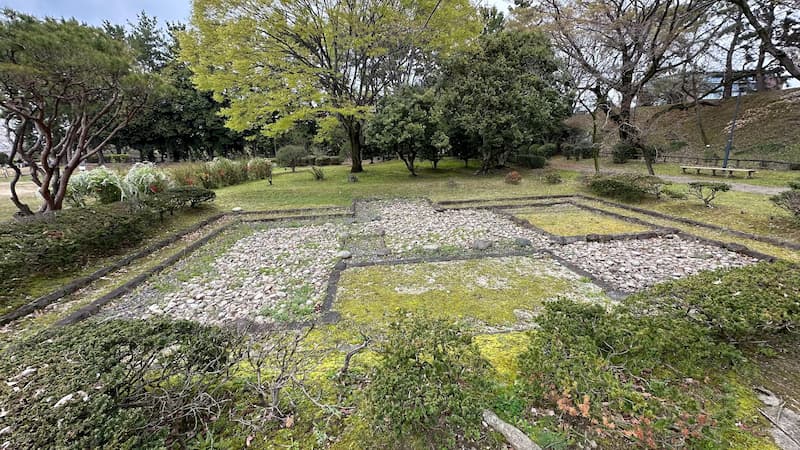
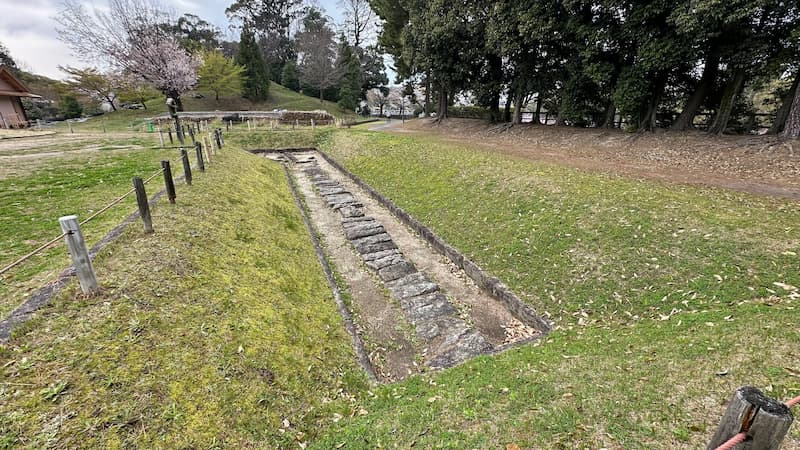
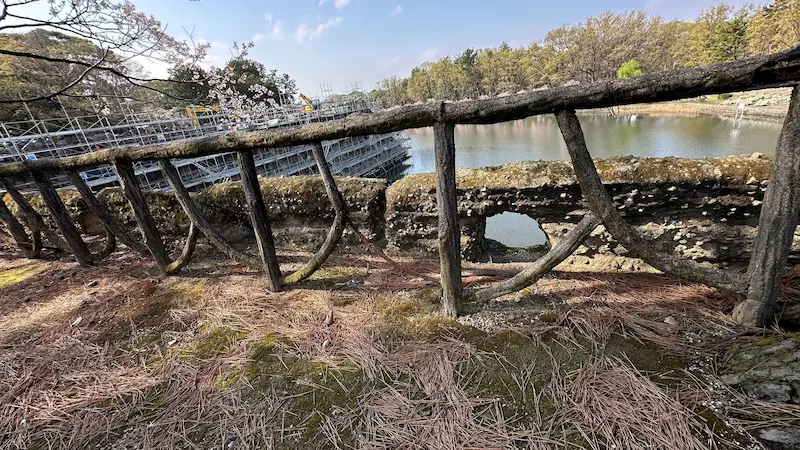
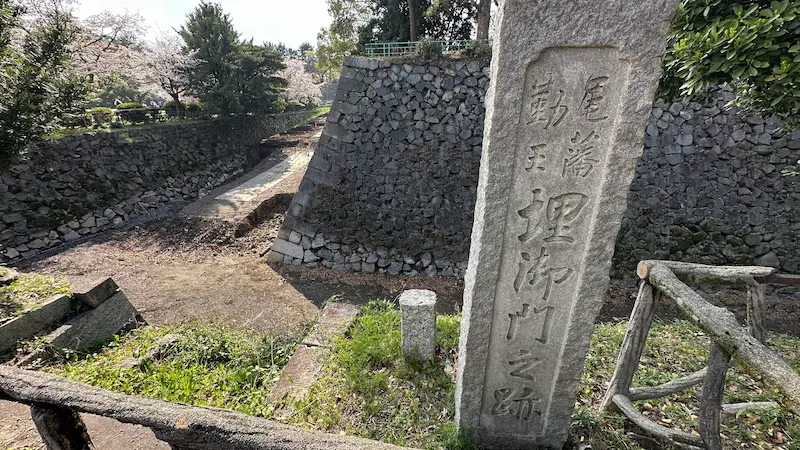
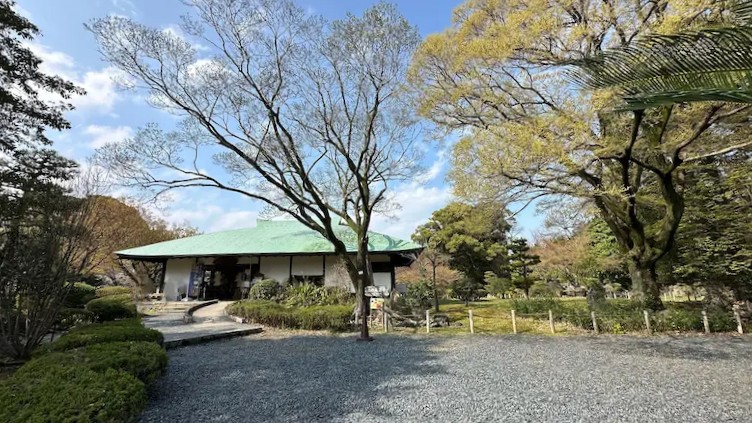
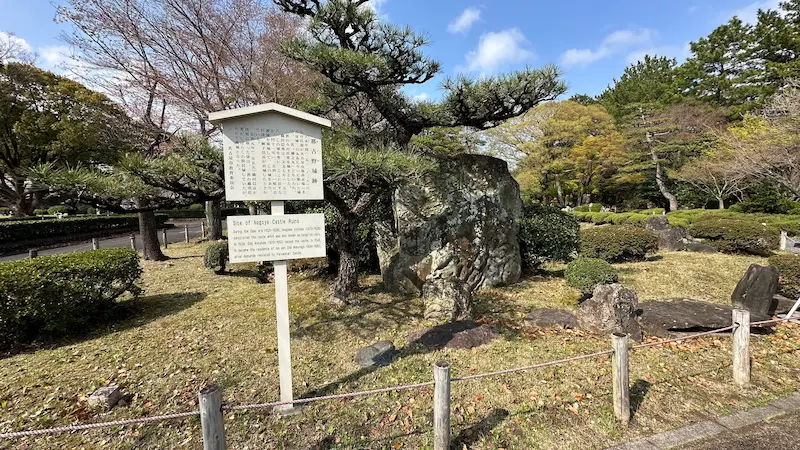
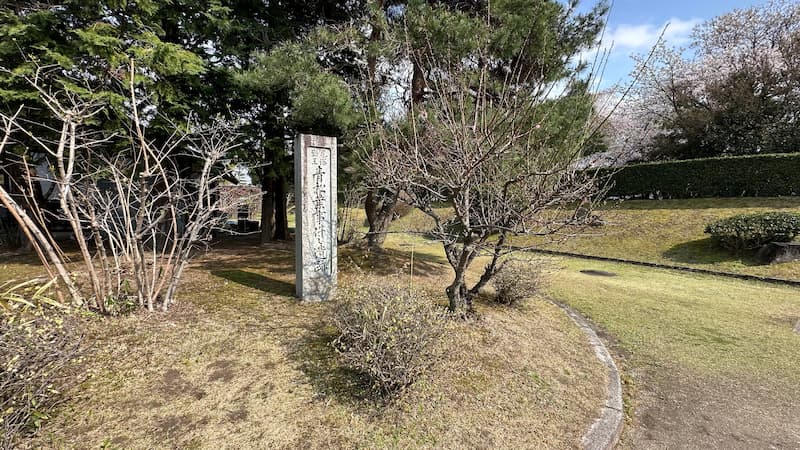
Ninomaru Area
Honmaru Area (Main Keep Area)
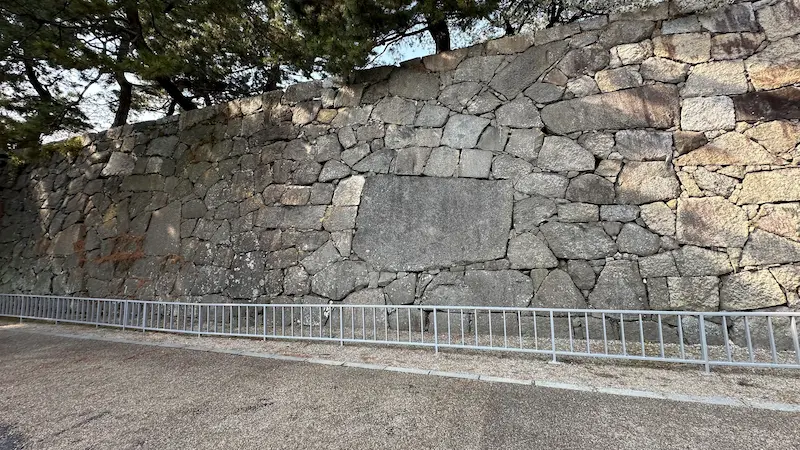
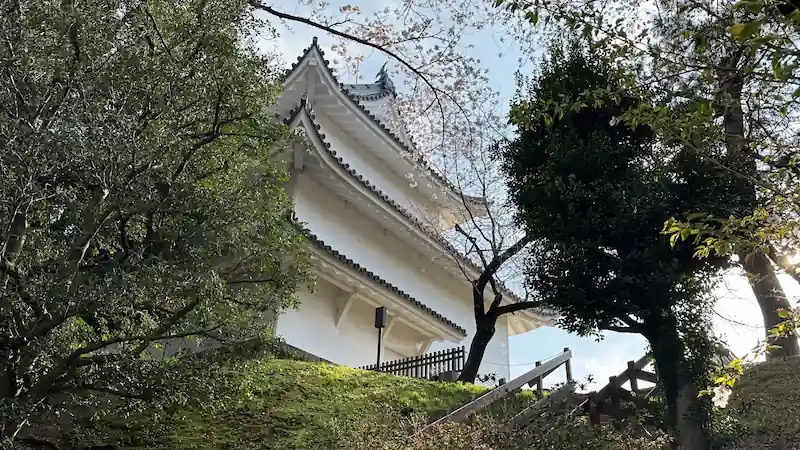
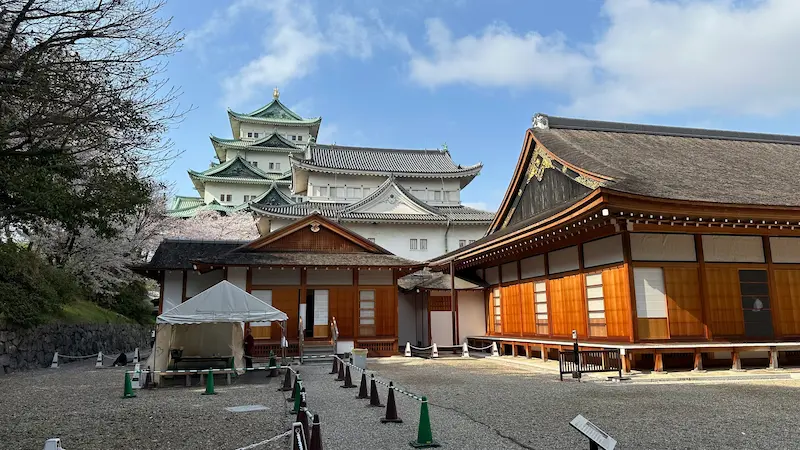
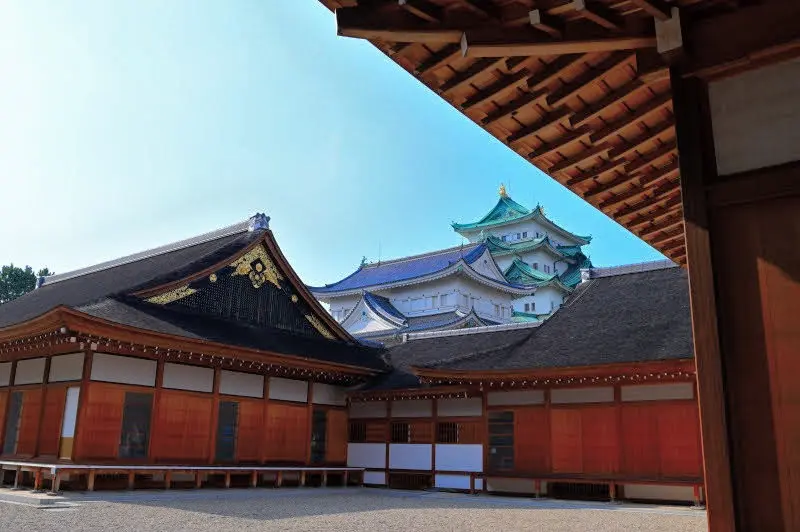 Honmaru Palace
On-site note: the palace was crowded when we visited, and it holds a large number of Kanō-school paintings across a wide floor plan — allow extra time to see it properly.
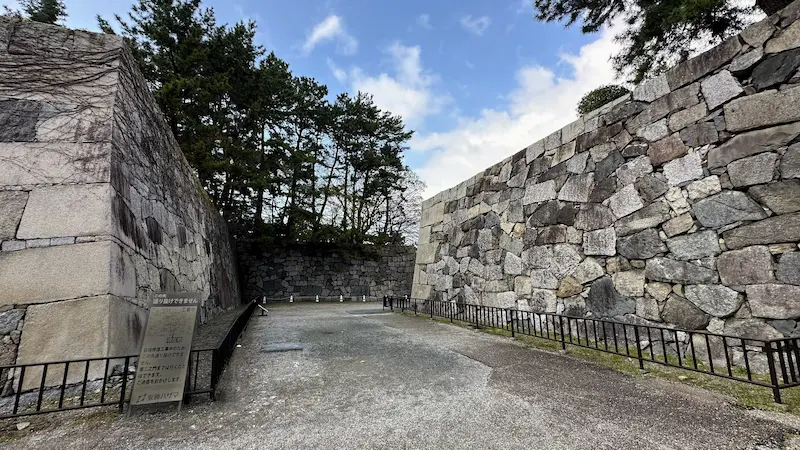
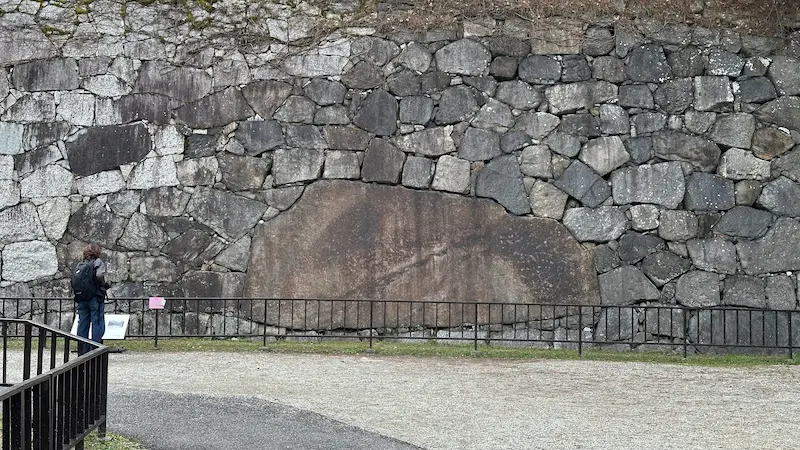
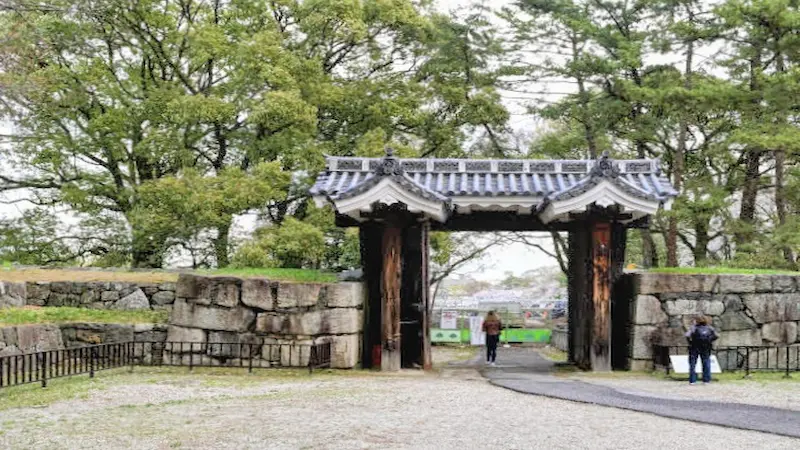 Former Ninomaru East Second Gate
Currently closed to visitors.
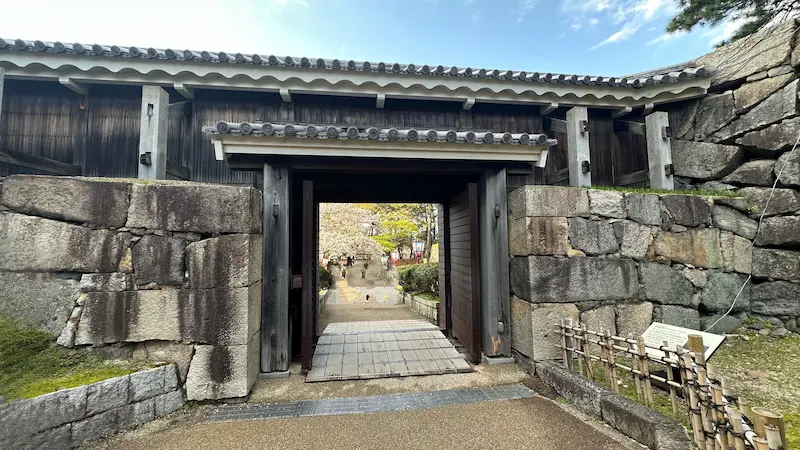
Ofukemaru Area
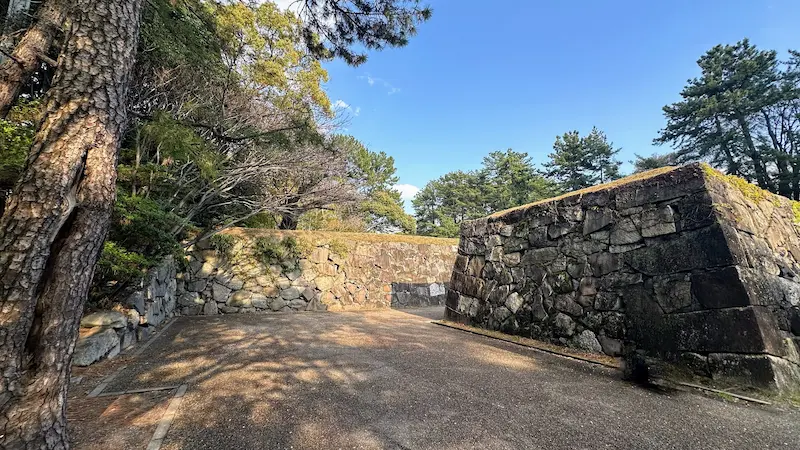
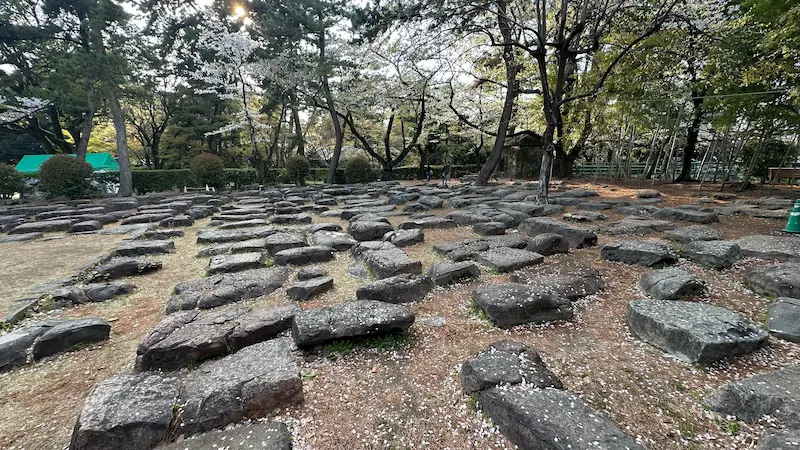
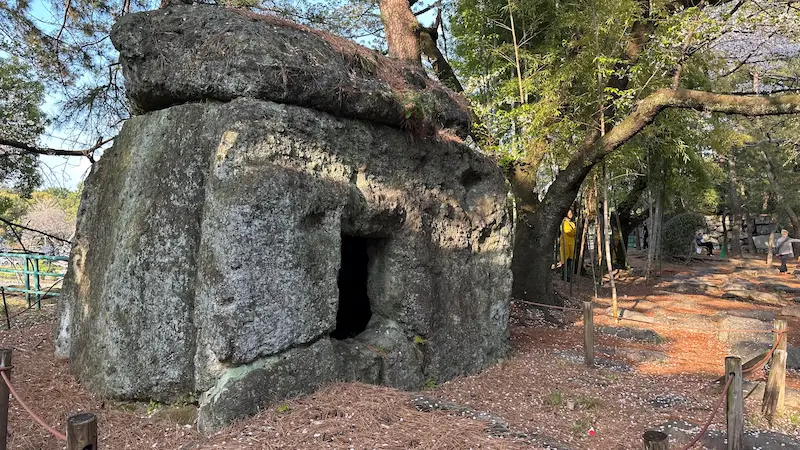
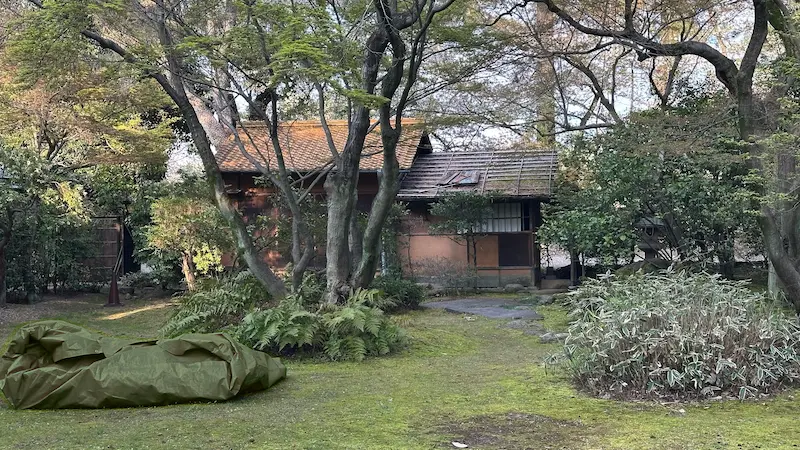
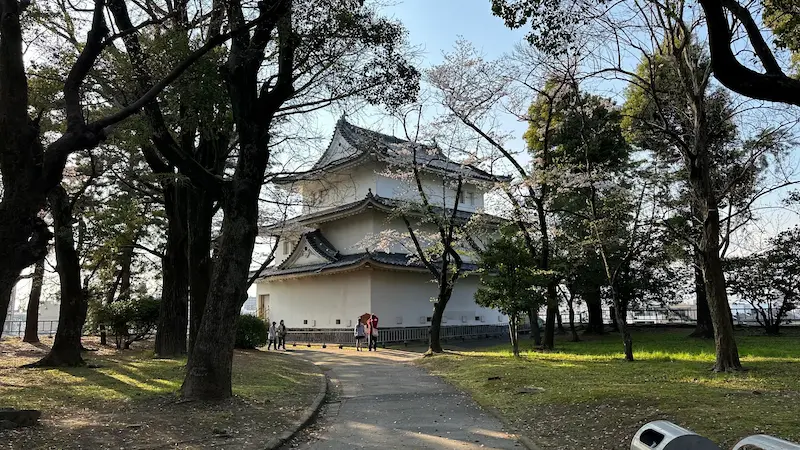
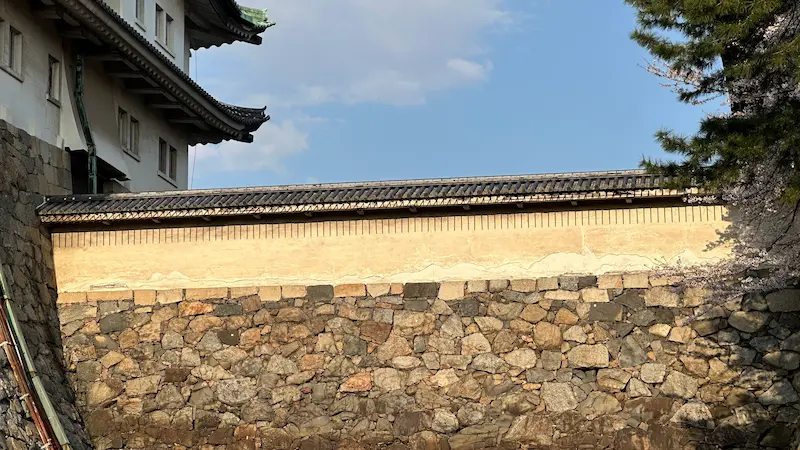
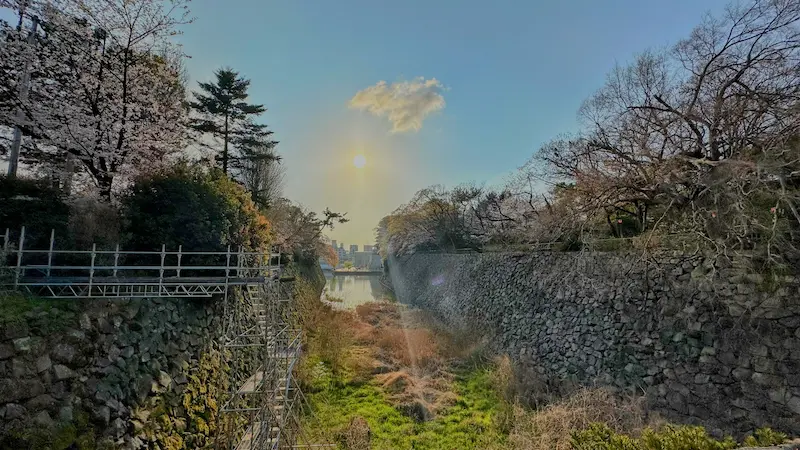
Nishinomaru Area
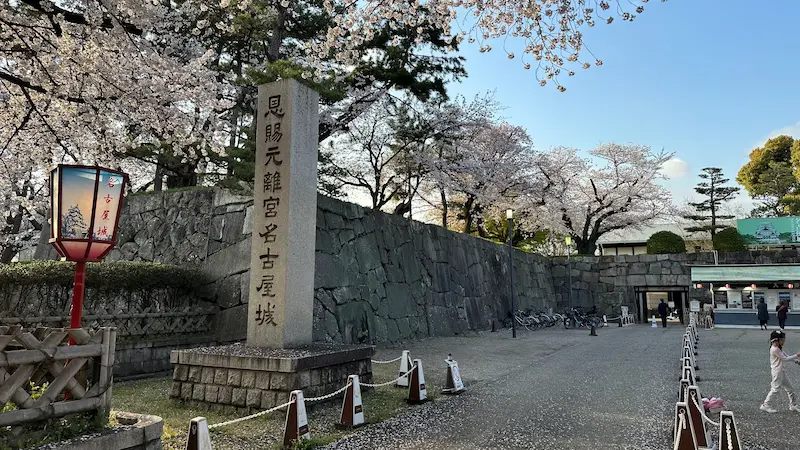
Outer Grounds Area
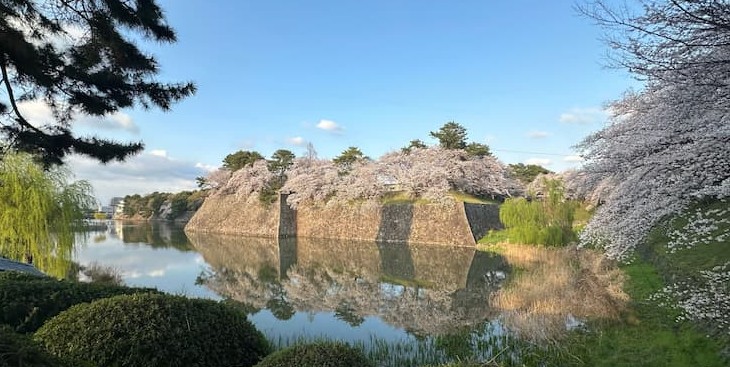
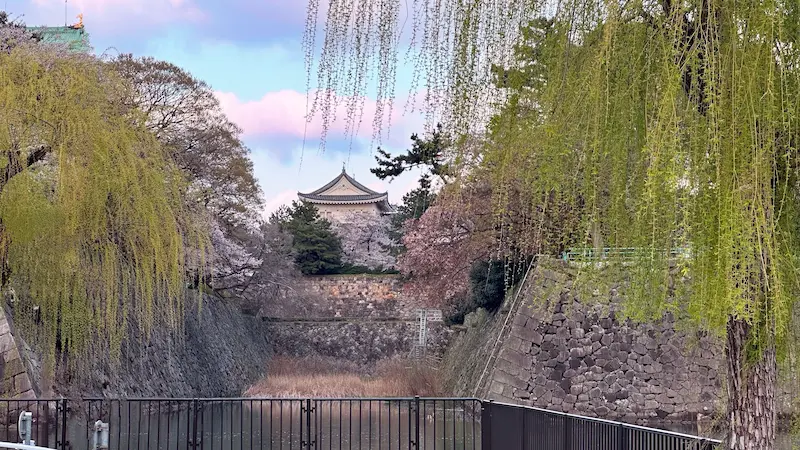
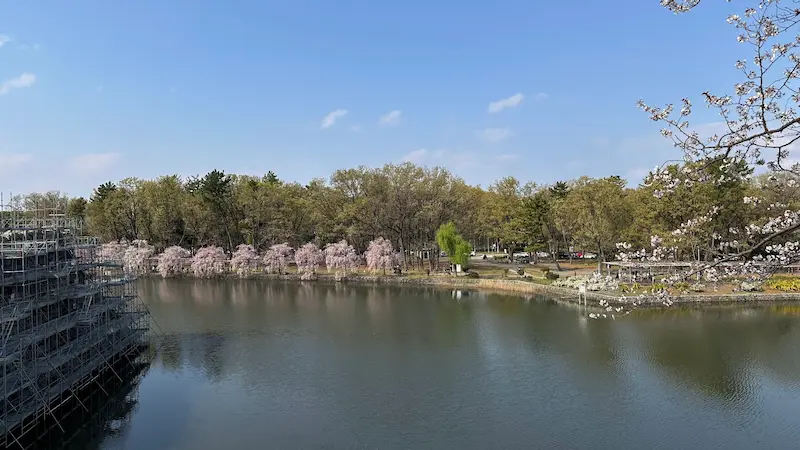
A personal ranking based on repeated on-site visits by the Following the Shogun team (most recently June 2026). This is our own judgment, not the castle’s official recommendation.
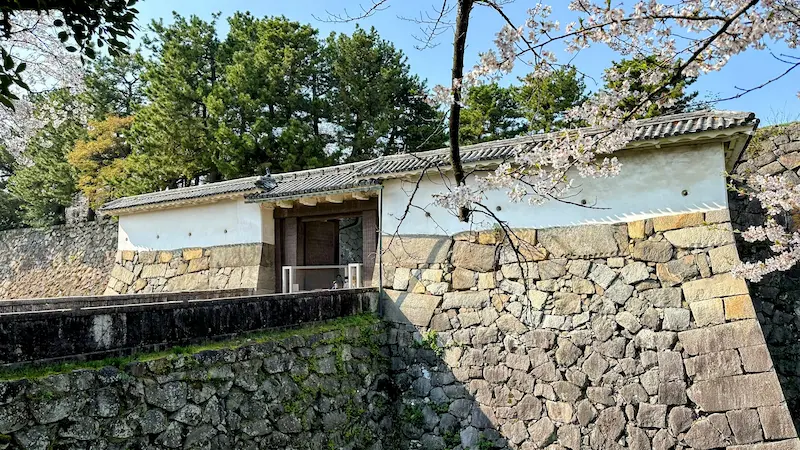
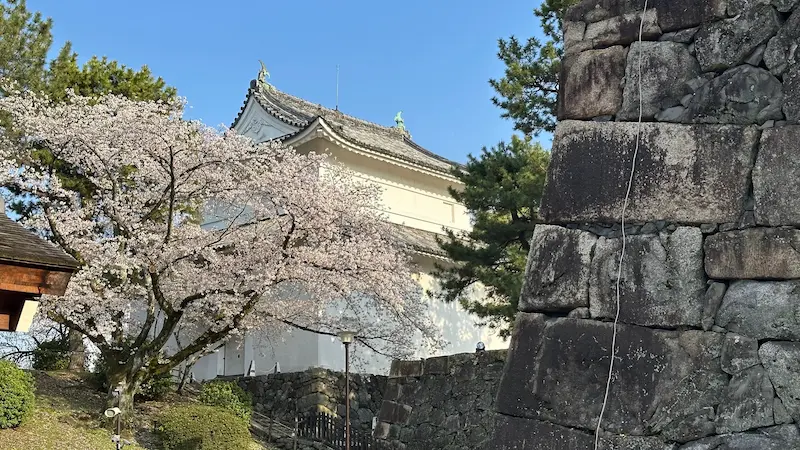
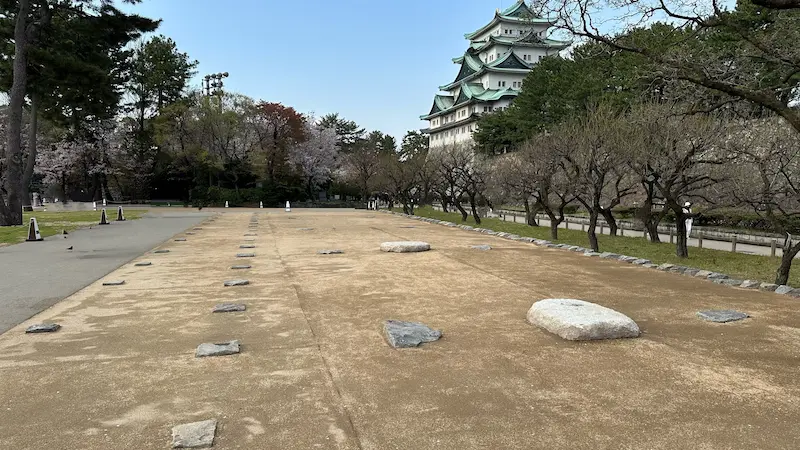
Honmaru Palace (over an hour on its own), the Southeast Turret and Omote Ni-no-mon Gate (both surviving Important Cultural Properties), and the exterior of the main keep. The Honmaru is by far the densest part of Nagoya Castle and will fill two hours by itself. Start with Honmaru Area Vol. 1.
Honmaru Palace and the Nishi-no-Maru Okura Shōhōkan both stop admitting visitors at 4:00 pm (closing 4:30 pm). These are among the very few places at Nagoya Castle where you actually go indoors, so if you are arriving in the afternoon, secure these first.
The Seihoku-sumi Turret — the second-largest three-tiered turret surviving from the Edo period in all of Japan — is easy to miss because it sits well away from the Honmaru. As a genuinely surviving structure it outranks the reconstructed main keep.
The interior has been closed since 2018 over seismic safety concerns. A wooden reconstruction is planned but has no announced opening date. Viewing and photographing the exterior is unrestricted.
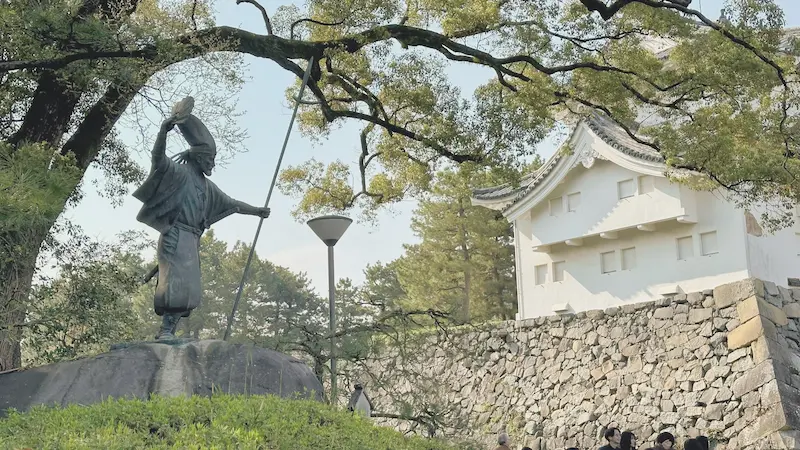
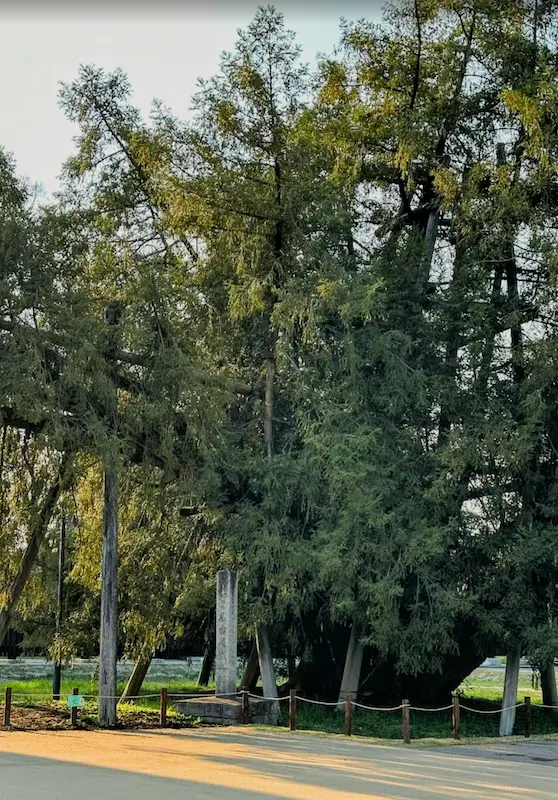
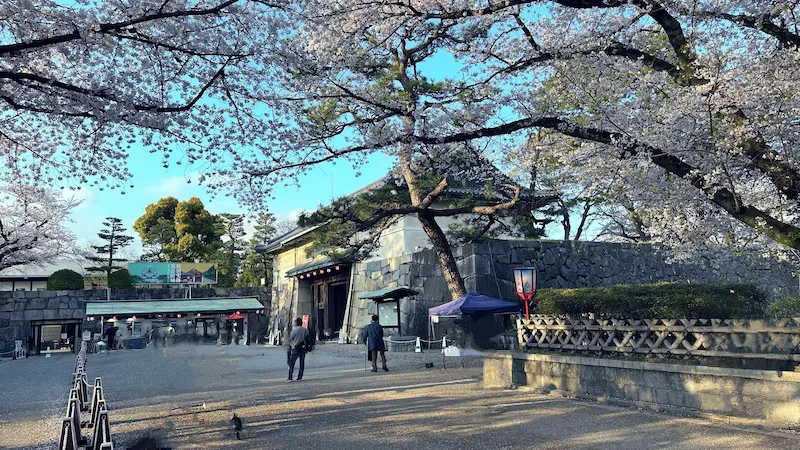
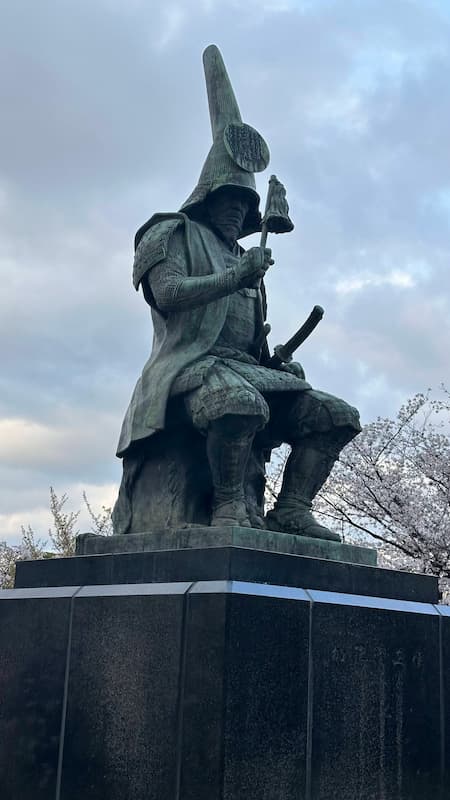
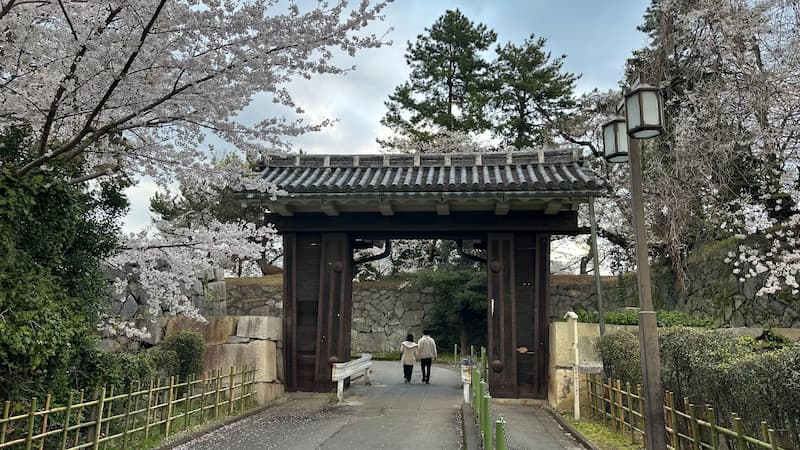
In the outer grounds, the Ōte Ninomon Gate (a surviving Important Cultural Property), the Katō Kiyomasa statue and the Ofuke Moat all sit outside the paid area. A useful fallback if your time or budget is tight, or if you arrive on a day the castle is closed.
Nagoya Castle Guide Full Map
Visiting Tips
When we visited (June 2026), the interior of Honmaru Palace was crowded. It holds a large number of Kanō-school paintings across a wide floor plan, so a thorough look can easily take over an hour. Last entry is 4:00 pm (closing 4:30 pm), which is earlier than you might expect, so plan to arrive with time to spare.
Interior access has been suspended since 2018. You can view the exterior from almost anywhere in the Honmaru area.
The Southeast and Southwest turrets are in the Honmaru area; the Seihoku-sumi (Northwest) Turret is in the Ofukemaru area. They’re spread apart, so check the map as you walk.
Covering the outer grounds as well adds a fair amount of walking distance. Wear comfortable shoes.
Nagoya Castle has previously run trial periods of free admission to areas outside the Honmaru. Whether one is running varies by season, so check the official site before you visit.
FAQ
Current admission is ¥500 for adults, ¥100 for Nagoya residents 65 and older, and free for junior-high age and under. Groups of 30 or more pay ¥450 per adult. Nagoya City Council has passed an ordinance revision confirming a change to ¥1,000 for adults from October 1, 2026 (junior-high age and under stays free). Tickets bought before the change date can reportedly still be used. Check the official site for the latest information before you visit.
No — interior access has been suspended since 2018 due to seismic safety concerns. A wooden reconstruction of the keep is planned, but no public opening date has been announced. You can still view and photograph the exterior.
Focusing on the Honmaru and its palace takes about 1–2 hours. Walking all 5 areas — Ninomaru, Ofukemaru, Nishinomaru, and the outer grounds included — takes about half a day (3–4 hours). The palace holds many Kanō-school paintings and was crowded when we visited, so a thorough look there alone can take over an hour.
The most convenient option is Nagoya Castle Station (Meijo subway line), Exit 7, about a 5-minute walk. You can also use Sengencho Station (Tsurumai Line), Exit 1, about a 10-minute walk, or the Meguru sightseeing bus, which stops right at “Nagoya Castle.”
Normally 9:00 am – 4:30 pm (last entry to Honmaru Palace and the Nishi-no-Maru Okura Shōhōkan is 4:00 pm). Closed December 29–31 and January 1. Hours are sometimes extended during events such as the cherry blossom festival. Check the official site before you visit.
Yes — the Main Gate lot (308 standard-car spaces) and the Ninomaru East lot (123 standard-car spaces). The standard-car rate was raised from ¥180 to ¥250 per 30 minutes as of June 1, 2026, and there’s no daily maximum. Check the official site for the latest rates.
They’re the Southeast, Southwest, and Seihoku-sumi (Northwest) turrets, all of which have survived intact since the Edo period and are all National Important Cultural Properties. The Seihoku-sumi Turret is especially notable — it’s believed to have been reused from the keep, or a smaller keep, of the original Kiyosu Castle. The Southeast and Southwest turrets are in the Honmaru area, while the Seihoku-sumi Turret is in the Ofukemaru area.
Back to the Main Page
← Back to the Following The Shogun main page
☕ Support This Site
Following the Shogun is built on real, on-site reporting.
If this guide was useful, your support means a lot.

You can also scan the QR code to support the site.


comment