


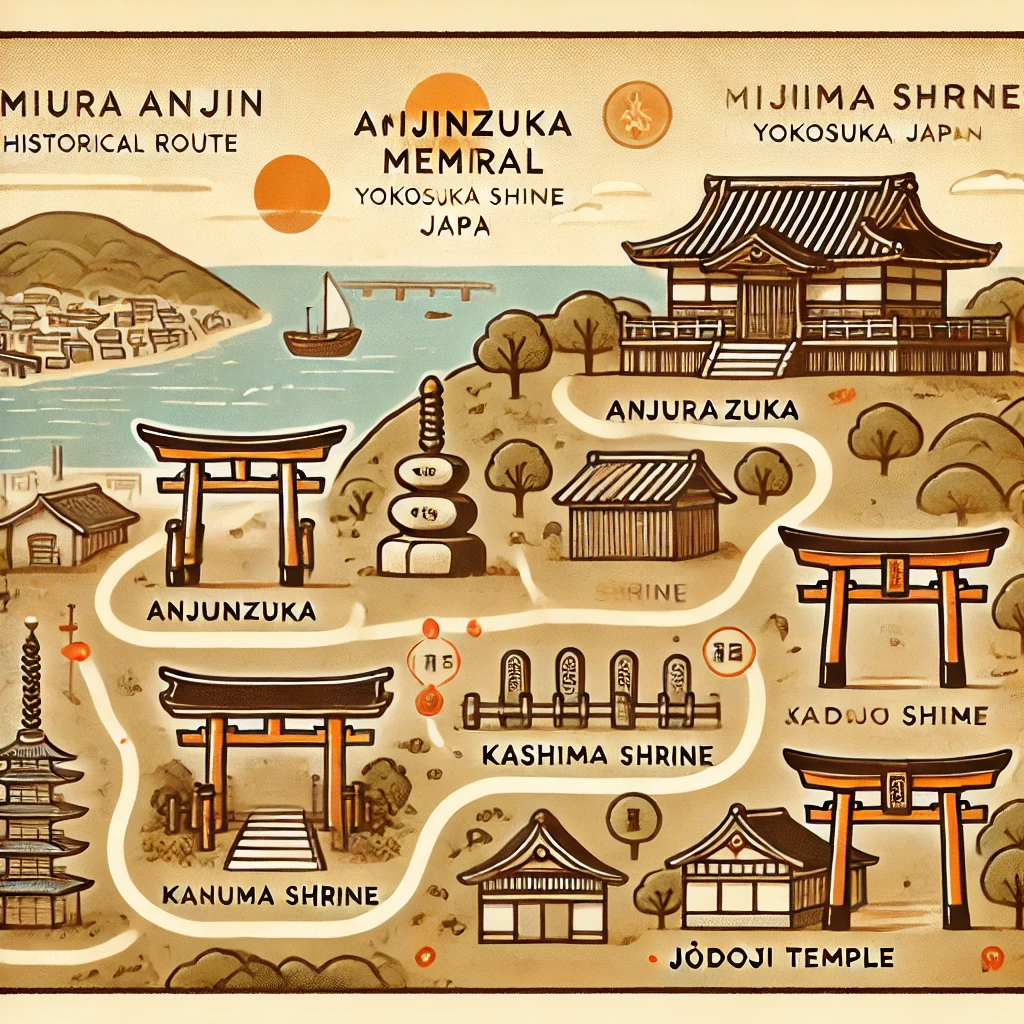
William Adams in Yokosuka: A Self-Guided Walk to Anjinzuka, Kashima Shrine, and Jodoji Temple
Follow the Yokosuka footsteps of William Adams, the first English samurai known in Japan as Miura Anjin, on a compact self-guided walking tour through the places that still preserve his story.
Starting Point: Getting to Anjinzuka Station (KK56)
Follow the Yokosuka footsteps of William Adams, the first English samurai known in Japan as Miura Anjin, on a compact self-guided walking tour through the places that still preserve his story. This guide centers on three essential stops: Anjinzuka, the National Historic Site also known as the Miura Anjin Grave; Kashima Shrine; and Jodoji Temple. It also covers nearby stone waymarkers and viewpoints connected to the route. Admission to Tsukayama Park, where Anjinzuka stands, as well as visits to Kashima Shrine and the grounds of Jodoji Temple, are free, making this an easy half-day walk. Please note that the Adams-related temple treasures at Jodoji are not normally open to the public.
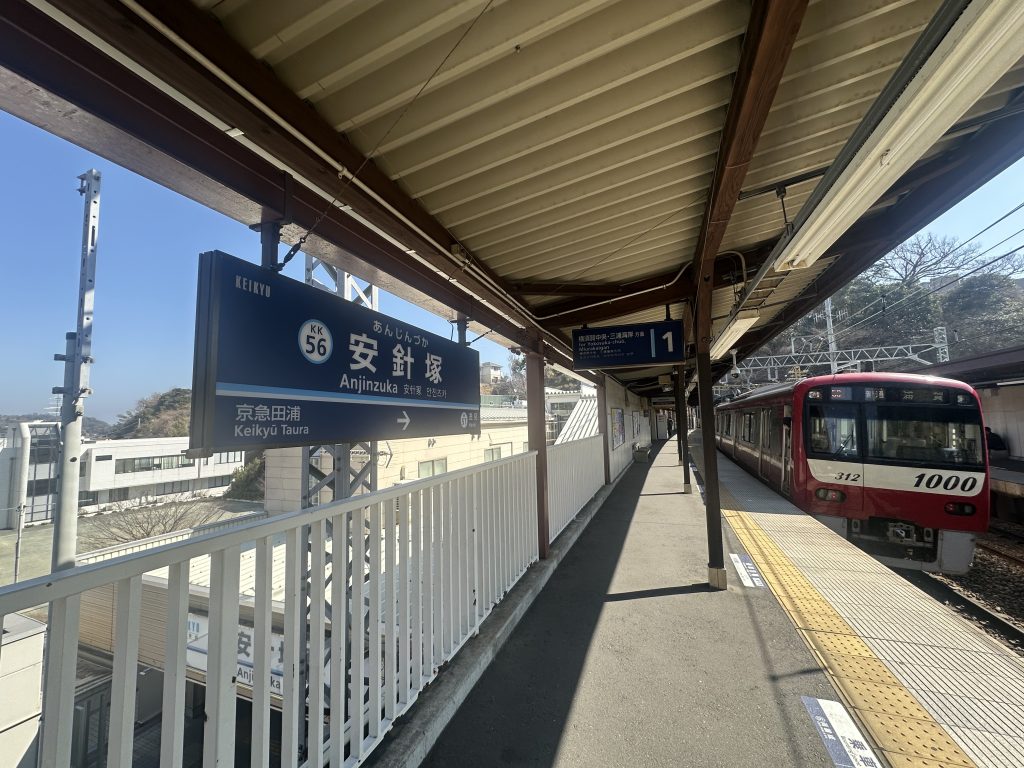
Access to Anjinzuka Station (KK56)
| From Tokyo Station (JY01/JK26) (~1 hour) | Tokyo Station (JY01/JK26) → Shinagawa Station (JR / Keikyu KK01) → Anjinzuka Station (KK56) (Keikyu Line) |
|---|---|
| From Haneda Airport (~1 hour) | Haneda Airport Terminal 1・2 Station (KK17) → Keikyu Kamata Station (KK11) (Keikyu Line) → Anjinzuka Station (KK56) (Keikyu Line) |
| Station Address | 2-32 Nagaura-cho, Yokosuka, Kanagawa |
| Note | The name "Anjinzuka Station (KK56)" comes from the memorial mound known as "Anjin no Tsuka," dedicated to William Adams, or Miura Anjin. From the station, it takes about 25 minutes on foot to reach the Anjinzuka monument. |
Main Sites
Anjinzuka (Memorial Tomb of William Adams and His Wife)
A hilltop memorial to Japan's first Western samurai, overlooking the old approach to Edo
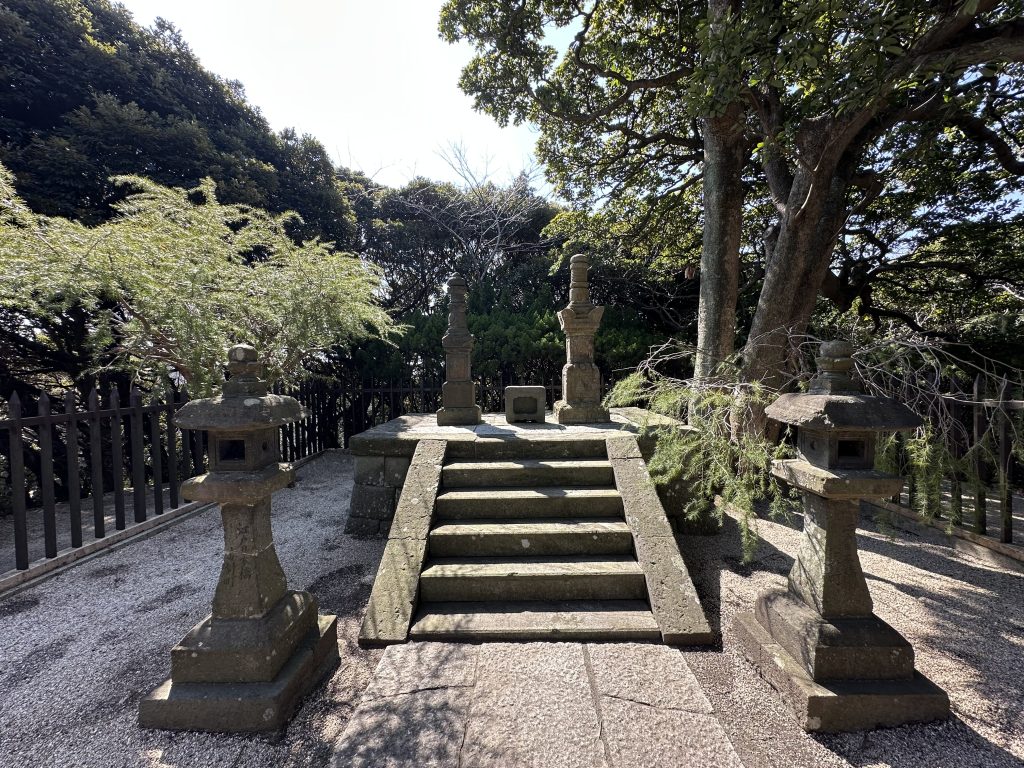
After drifting ashore in Japan in 1600, William Adams, later known as Miura Anjin, earned the trust of Tokugawa Ieyasu. In recognition of his knowledge of diplomacy, shipbuilding, and gunnery, he was granted an estate of 220 to 250 koku in Hemi Village, Miura District, and became a samurai. The memorial towers, known as hokyoin-to, stand on the slope of Tsukayama Park. The tower on the right, made of tuff, is said to be for Adams himself; the one on the left, made of andesite, is said to be for his wife. The site was designated a National Historic Site in 1923. From the park, you can see Yokosuka Port, the Boso Peninsula, and vessels of the Japan Maritime Self-Defense Force. In spring, about 1,000 cherry trees bloom here, and the Anjin Festival Cherry Blossom Viewing Event is held.
Historic Site Details
| Date Built | Early Edo period; the memorial towers are thought to date from the late 1600s or later |
|---|---|
| Builder | Unknown. According to tradition, the memorial was built here in accordance with Adams's wish to face Edo. |
| Structure / Features | Two hokyoin-to memorial towers (right: tuff; left: andesite) |
| Repairs / Restoration | Major restoration in 1906; continued maintenance after designation as a Historic Site in 1923 |
| Current Condition | Well preserved inside Tsukayama Park |
| Loss / Damage | None |
| Cultural Property Status | National Historic Site (designated March 7, 1923) |
| Notes | The hokyoin-to are memorial towers rather than burial graves. They are said to have been erected in a place overlooking Edo, in keeping with Adams's wishes. |
- Hokyoin-to memorial towers: Memorials for Adams and his wife, historically significant for their materials, placement, and symbolism.
- Viewpoint: Look out over Yokosuka Port, the Boso Peninsula, and Japan Maritime Self-Defense Force ships.
- Seasonal highlight: In spring, the park becomes a cherry blossom destination with about 1,000 trees, lanterns, and nighttime illuminations.
Trivia
- A meaningful setting: According to tradition, the memorial towers were not built as burial graves but as a place where Adams could symbolically look toward Edo.
- The station name: "Anjinzuka Station (KK56)" takes its name from this memorial. The site was restored in 1906 against the backdrop of the Anglo-Japanese Alliance.
- A figure of global history: Adams built Japan's first Western-style sailing ships and had a major influence on Ieyasu's diplomacy and overseas trade policies.
Address
Inside Tsukayama Park, Nishihemicho 3-chome, Yokosuka, Kanagawa
Access
About 25 minutes on foot from Keikyu Anjinzuka Station (KK56) or Hemi Station (KK57). The route includes slopes and stairs. Some map apps may show the walk as around 20 minutes.
Parking
Official tourism information lists no parking. Public transportation is recommended.
Suggested Visit Time
Quick visit: about 10 minutes / Deeper visit: about 30 minutes
Admission
Free (inside Tsukayama Park)
Open the map to check the walking route from Anjinzuka Station (KK56) to Anjinzuka.
Kashima Shrine (Nishihemicho, Yokosuka)
The guardian shrine of the Hemi district, rebuilt by William Adams's son
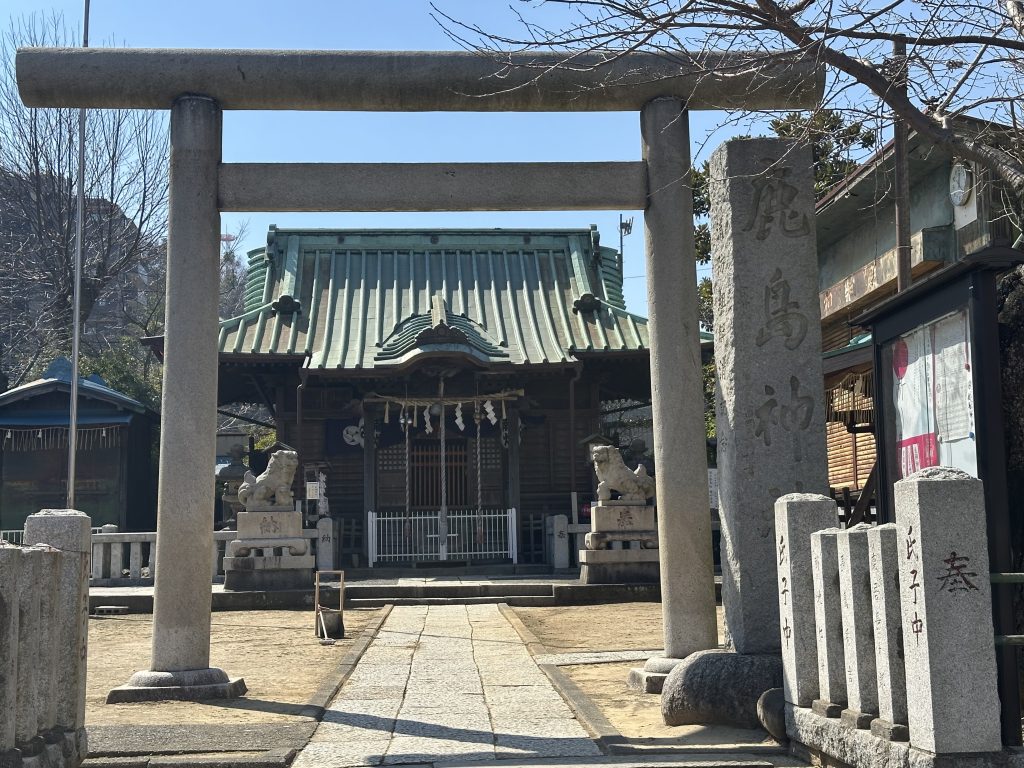
Kashima Shrine was founded in Oei 17 (1410), when Miura Totomi-no-kami enshrined the deity from Kashima Jingu in Hitachi Province here as the guardian of the former Hemi Village. A ridge tag from the shrine building also records the date Oei 17. Records also preserve a ridge tag stating that in Kanei 13 (1636), Joseph, the son of William Adams, rebuilt the shrine building, underscoring the site's deep connection with the Anjin family. Jodoji Temple stands immediately to the left of the shrine and can be reached in about one minute on foot.
Historic Site Details
| Date Built | Oei 17 (1410) |
|---|---|
| Founder | Miura Totomi-no-kami |
| Structure / Features | Shinmei-zukuri shrine building; carvings by Goto Kisaburo, a disciple of Goto Yoshimitsu |
| Repairs / Restoration | Ridge tag from Tensho 2 (1574); rebuilding by Adams's son in Kanei 13 (1636); relocation and reconstruction at the present site in Meiji 28 (1895) |
| Current Condition | Well preserved. Maintained as a Meiji-period shrine building with its carvings intact |
| Loss / Damage | The former shrine building is said to have burned down in Meiji 24 (1891) |
| Shrine Rank / Listings | Former rank: Designated Village Shrine. Now listed in the shrine information of the Kanagawa Prefecture Association of Shinto Shrines |
| Notes | Strongly associated with the former site of the Miura Anjin residence in the Hemi area |
- Old ridge-tag tradition: Records note that in Kanei 13 (1636), Joseph, Adams's son, rebuilt the shrine building.
- Architectural carving: The shrine's carvings by Goto Kisaburo belong to the same artistic lineage as those at Nishi-Kano Shrine in Uraga.
- Goshuin stamp: The shrine stamp bearing the name Anjin is popular among visitors.
- Anjin Festa: Held in spring and autumn around the shrine, Jodoji Temple, and the surrounding area, with local festival music and market stalls.
Trivia
- A guardian shrine on the former estate: Local historical records describe the shrine as standing on the former site of Anjin's residence.
- Fire and reconstruction: The old shrine building is said to have burned down in Meiji 24 (1891), after which the shrine was relocated and rebuilt at its current site.
- Anjin on the goshuin: The shrine's goshuin stamp featuring Anjin's name is especially popular.
Address
2-70 Nishihemicho, Yokosuka, Kanagawa
Access
About 16 minutes on foot from Anjinzuka (about 1.1 km)
Suggested Visit Time
Quick visit: about 10 minutes / Deeper visit: about 20 minutes
Admission
Free
Open the map to check the walking route from Anjinzuka to Kashima Shrine.
Jodoji Temple (Nishihemicho, Yokosuka)
The family temple preserving Anjin's devotional image, palm-leaf scriptures, and a returned temple bell
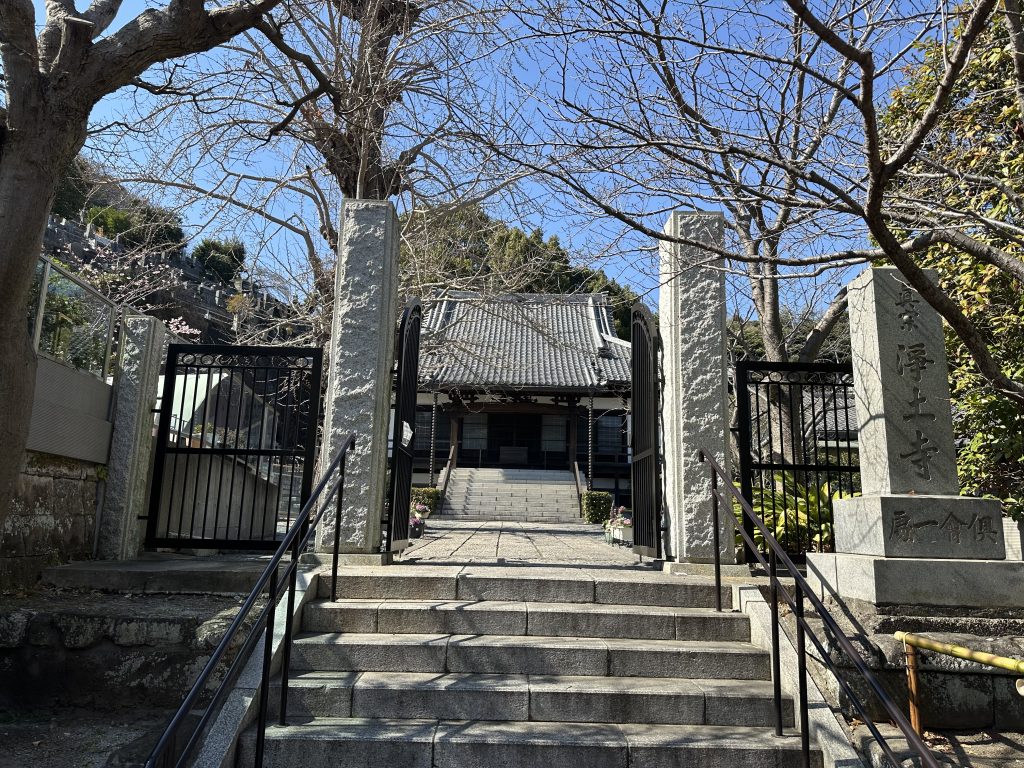
Jodoji Temple, affiliated with the Jodo Shinshu Hongwanji school, is known as the family temple of Miura Anjin, or William Adams, and stands at the heart of Hemi Village, the estate granted to him by Tokugawa Ieyasu. The main hall is a wooden structure rebuilt in 1712, during the Shotoku era. The temple preserves Adams-related treasures, including a bronze standing statue of Kannon said to have been his personal devotional image and designated an Important Cultural Property by Yokosuka City, as well as palm-leaf Buddhist scriptures said to have been brought back from Southeast Asia through his red-seal ship trade. These treasures, however, are not normally open to the public.
Historic Site Details
| Date Founded | Late Heian to early Kamakura period; exact founding date unknown |
|---|---|
| Founder | Hatakeyama Shigetada (according to tradition) |
| Structure / Features | Main hall: mid-Edo-period wooden single-story building, rebuilt in 1712 |
| Repairs / Restoration | Fire in 1688, rebuilt in 1712; seismic reinforcement and foundation strengthening in the late Showa period |
| Current Condition | Well preserved |
| Loss / Damage | Damaged by fire in 1688 |
| Cultural Property Status | City-designated Important Cultural Properties, including Anjin's devotional Kannon statue |
| Notes | Family temple of Miura Anjin. The grounds preserve a temple bell and other treasures. Annual observances include Anjin memorial services and Anjin Festa events. |
- Devotional Kannon statue: A bronze Kannon image said to have been personally venerated by Adams. About 30 cm tall and designated an Important Cultural Property by Yokosuka City.
- Palm-leaf Buddhist scriptures: Buddhist texts inscribed on plant leaves, said to have been brought from Southeast Asia, reflecting Adams's links to red-seal ship trade.
- Temple bell: Taken to the United States after World War II and later returned as a symbol of friendship between Japan and America.
Trivia
- The family temple of Japan's first foreign-born lord: Records preserved in the main hall state that in 1615, Adams instructed villagers within his estate to become parishioners of the temple, an unusually rare case in Japanese history.
- Anjin memorial service and festival: In spring, a memorial service is held; in autumn, Anjin Festa brings music, markets, and community activity to the area.
- The returned bell: The temple bell was requisitioned near the end of World War II, recovered by U.S. forces, and later returned from America, making it a valued symbol of Japan-U.S. friendship.
Address
1-11 Nishihemicho, Yokosuka, Kanagawa
Access
About 2 minutes on foot from Kashima Shrine (130 m)
Suggested Visit Time
Quick visit: about 10 minutes / Deeper visit: about 30 minutes
Admission
Free
Open the map to check the walking route from Kashima Shrine to Jodoji Temple.
Other Stops: Stone Waymarkers and Parks
These stops are not essential, but they are included here for visitors who want to find every spot and waymarker connected with the name Anjin. Many are easy to miss if you are not looking for them, so it is worth checking them before your visit.
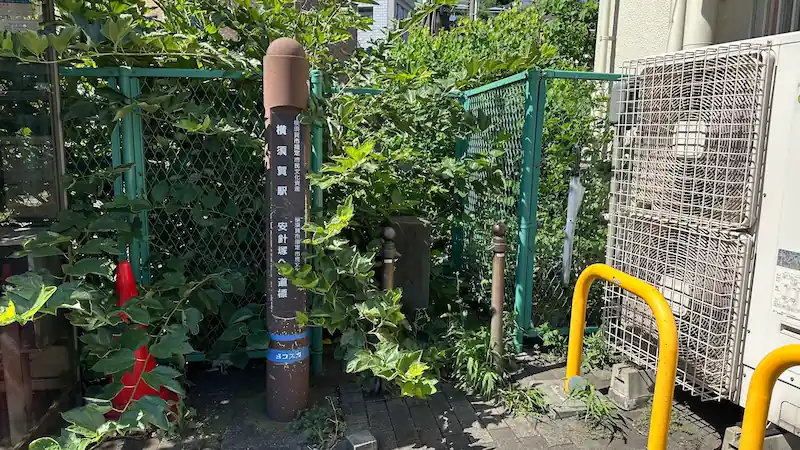
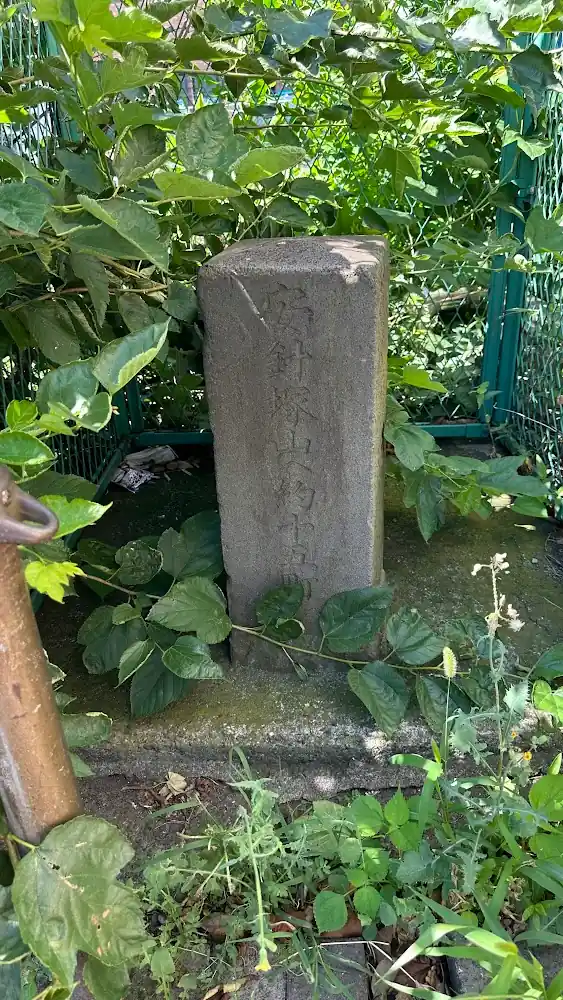
Stone Waymarker to Anjinzuka ① (Beside JR Yokosuka Station (JO03))
This waymarker stands beside JR Yokosuka Station (JO03). Bicycles are often parked in front of it, and it may be partly hidden by plants, so look carefully if you plan to find it.
Stone Waymarker to Anjinzuka ② (Beside a Main Road)
This waymarker stands beside a fairly large road. It is also easy to overlook unless you know it is there.
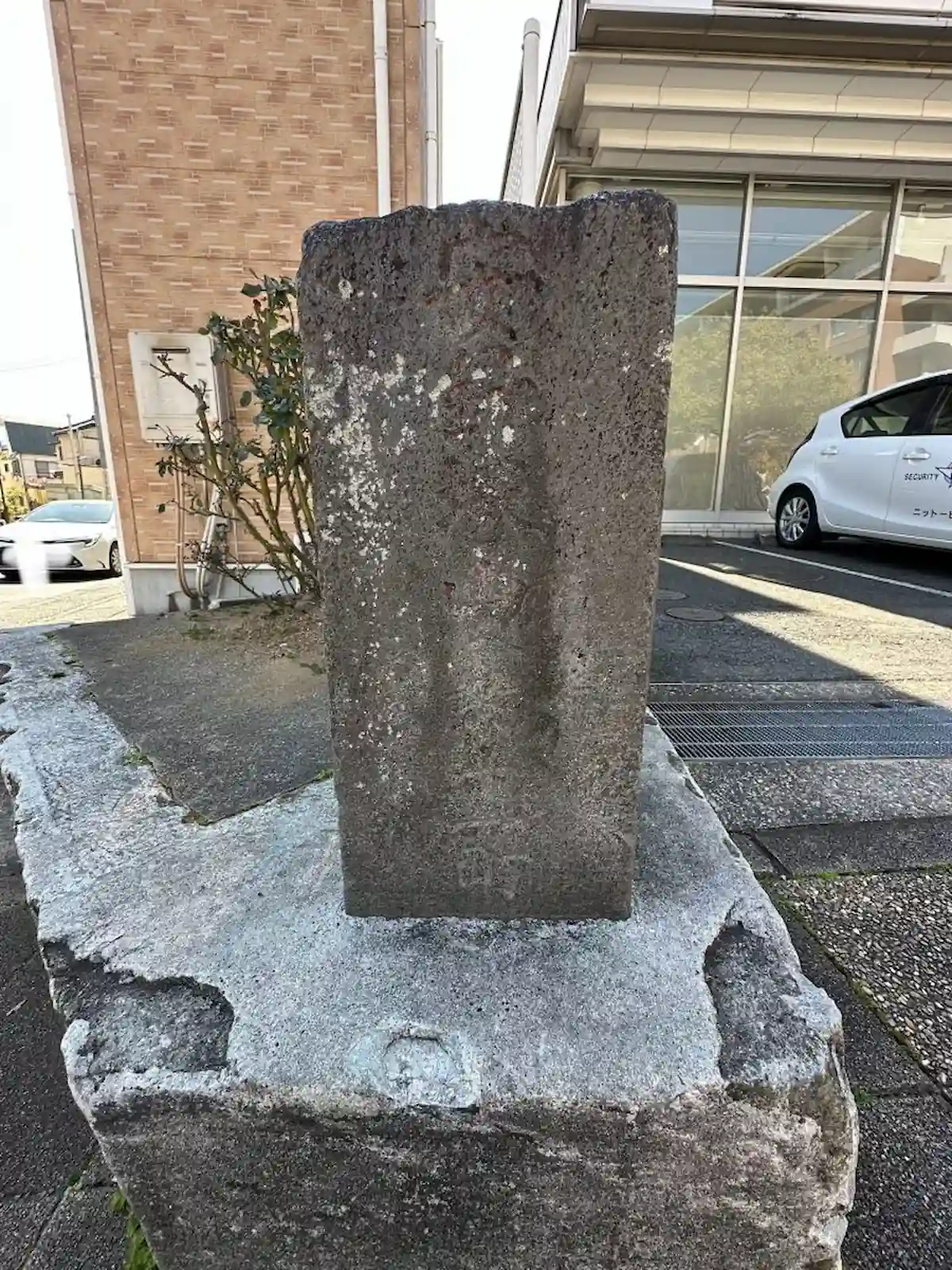
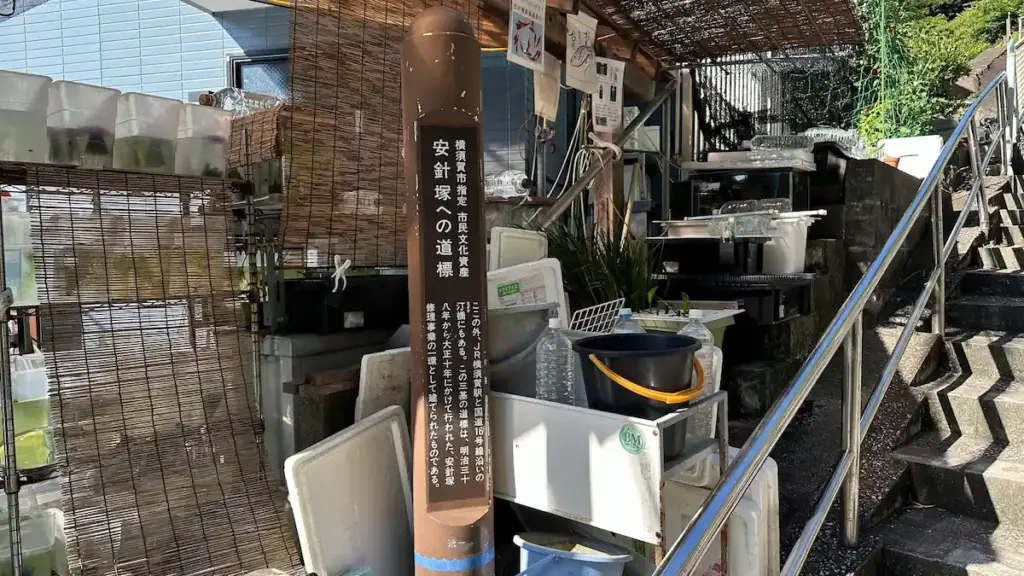
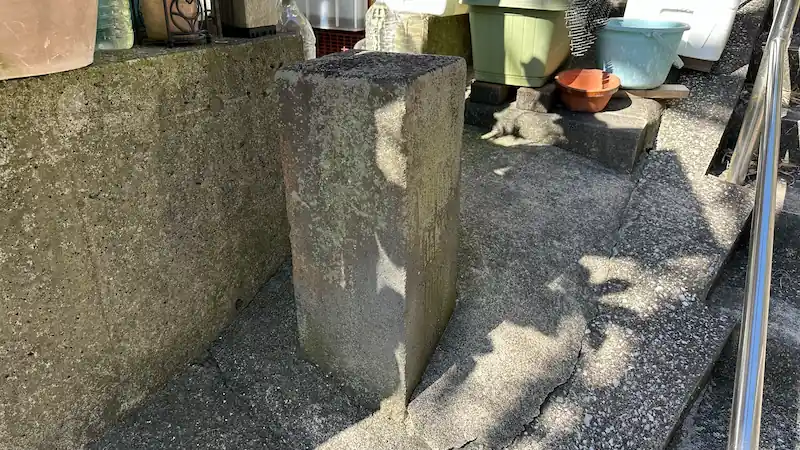
Stone Waymarker to Anjinzuka ③ (Between Kashima Shrine and Anjinzuka)
This waymarker stands between Kashima Shrine and Anjinzuka. There is a nearby tunnel that cars cannot pass through; head for that tunnel, and you will find the marker beside the stairs.
Anjindai Park
This park carries the name "Anjin," but it does not appear to have a direct historical connection to Miura Anjin. Still, from the viewpoint at the back of the park, you may be able to see ships and harbor scenery toward Yokosuka Port.
Why This Tour Is Worth Taking
- Visit sites connected to Miura Anjin, the historical figure often associated with John Blackthorne in SHŌGUN
- Walk through places where early encounters between Japan and the West took shape
- A compact route that can be completed in half a day
- Free admission and free shrine or temple visits at all main stops
Full Route Map of All Sites
Frequently Asked Questions (FAQ)
The three main sites are Anjinzuka, also known as the Miura Anjin Grave and designated a National Historic Site, Kashima Shrine, and Jodoji Temple. Nearby, you can also find three stone waymarkers leading to Anjinzuka and Anjindai Park.
Anjinzuka is located inside Tsukayama Park in Nishihemicho 3-chome, Yokosuka, Kanagawa. The nearest station is Anjinzuka Station (KK56) on the Keikyu Main Line, about a 25-minute walk, roughly 1.0 km, from the site. From Tokyo Station (JY01/JK26), the trip takes about one hour via Shinagawa Station.
Yes. It is about a 16-minute walk, roughly 1.1 km, from Anjinzuka to Kashima Shrine, and about a 2-minute walk, 130 m, from Kashima Shrine to Jodoji Temple. The three sites can be visited together as a half-day walking tour.
Yes. Jodoji Temple preserves items associated with Adams, including a bronze standing statue of Kannon said to have been his personal devotional image and palm-leaf Buddhist scriptures. These treasures are not normally open to the public, so please check in advance for viewing availability or special opening dates.
Admission to Tsukayama Park, where Anjinzuka is located, as well as visits to Kashima Shrine and the grounds of Jodoji Temple, are free. However, the Adams-related treasures at Jodoji are not normally open to the public, so please check opening dates and viewing conditions in advance.
Back to the Miura Anjin Page

Back to the Main Page

☕ Support Following the Shogun
Following the Shogun is built on original fieldwork and on-site research.
If you find the content useful, your support helps keep it going.

You can also support via QR code


comment