



Toyotomi Brothers! Filming Locations & Historic Sites Map Index | Kiyosu, Okehazama, Odani Castle & More
A map index of the castles, battlefields, and historic sites featured in NHK's taiga drama Toyotomi Brothers!
- Limited-Time Taiga Drama Exhibition Halls
- Featured Locations
- Nagoya — Nakamura
- Kiyosu Castle
- Sites Connected to the Battle of Okehazama
- Komakiyama Castle
- Inuyama Castle
- Unuma Castle Ruins
- Sunomata Ichiya Castle (Sunomata Castle)
- Gifu Castle (formerly Inabayama Castle)
- Odani Castle Ruins
- Toragozenyama Castle Ruins
- Anegawa Battlefield
- Yokoyama Castle Ruins
- Nagahama
- Azuchi Castle
- Himeji Castle
- Takeda Castle Ruins
- Locations That May Appear Later (Based on the Historical Timeline)
- Recommended Reading to Deepen Your Enjoyment of the Drama
- Trivia & Extra Notes
- Frequently Asked Questions
- Related Warlord Pages
Limited-Time Taiga Drama Exhibition Halls
Each of the towns connected to the drama is hosting its own limited-time Taiga Drama Exhibition Hall (大河ドラマ館) — a temporary exhibition covering the drama's historical background, characters, costumes, and props. Opening dates and hours differ by venue, so it's worth checking the details before you visit.
| Venue | Toyotomi Brothers! Nagoya Nakamura Taiga Drama Hall |
|---|---|
| Location | Toyotomi Museum, inside Nakamura Park (23-1 Konoshitayashiki, Nakamura-cho, Nakamura Ward, Nagoya) |
| Dates | January 24, 2026 (Sat) – January 11, 2027 (Mon, public holiday) Currently open Open daily in principle (temporary closures possible) |
| Hours | 9:00 AM – 5:00 PM (last entry 4:30 PM) |
| Admission | Adults ¥800 / Elementary & Junior High Students ¥400 |
| Website | City of Nagoya: Toyotomi Brothers! Nagoya Nakamura Taiga Drama Hall (official page, Japanese) |

| Venue | Toyotomi Brothers! Kita-Omi Nagahama Taiga Drama Hall |
|---|---|
| Location | Sokaisho Hall, Daitsuji Temple, Nagahama Betsuin (32-9 Motohama-cho, Nagahama, Shiga Prefecture) |
| Dates | February 1, 2026 (Sun) – December 20, 2026 (Sun) Currently open Open daily in principle (temporary closures possible at the organizer's discretion) |
| Hours | 9:00 AM – 5:00 PM (last entry 4:30 PM) |
| Admission | Adults ¥600 / Elementary & Junior High Students ¥300 |
| Website | Toyotomi Brothers! Kita-Omi Nagahama Taiga Drama Hall (official site, Japanese) |
| Venue | Toyotomi Brothers! Yamato Koriyama Taiga Drama Hall |
|---|---|
| Location | 1st Floor Exhibition Room, DMG MORI Yamato Koriyama Castle Hall (211-3 Kitakoriyama-cho, Yamatokoriyama, Nara Prefecture) |
| Dates | March 2, 2026 (Mon) – January 22, 2027 (Fri). Closed for New Year holidays: December 28, 2026 (Mon) – January 4, 2027 (Mon) |
| Hours | 9:00 AM – 5:00 PM (last entry 4:30 PM) |
| Admission | Adults ¥600 / Elementary & Junior High Students ¥300 |
| Website | Toyotomi Brothers! Yamato Koriyama Taiga Drama Hall (official site, Japanese) |

Featured Locations
Nagoya — Nakamura
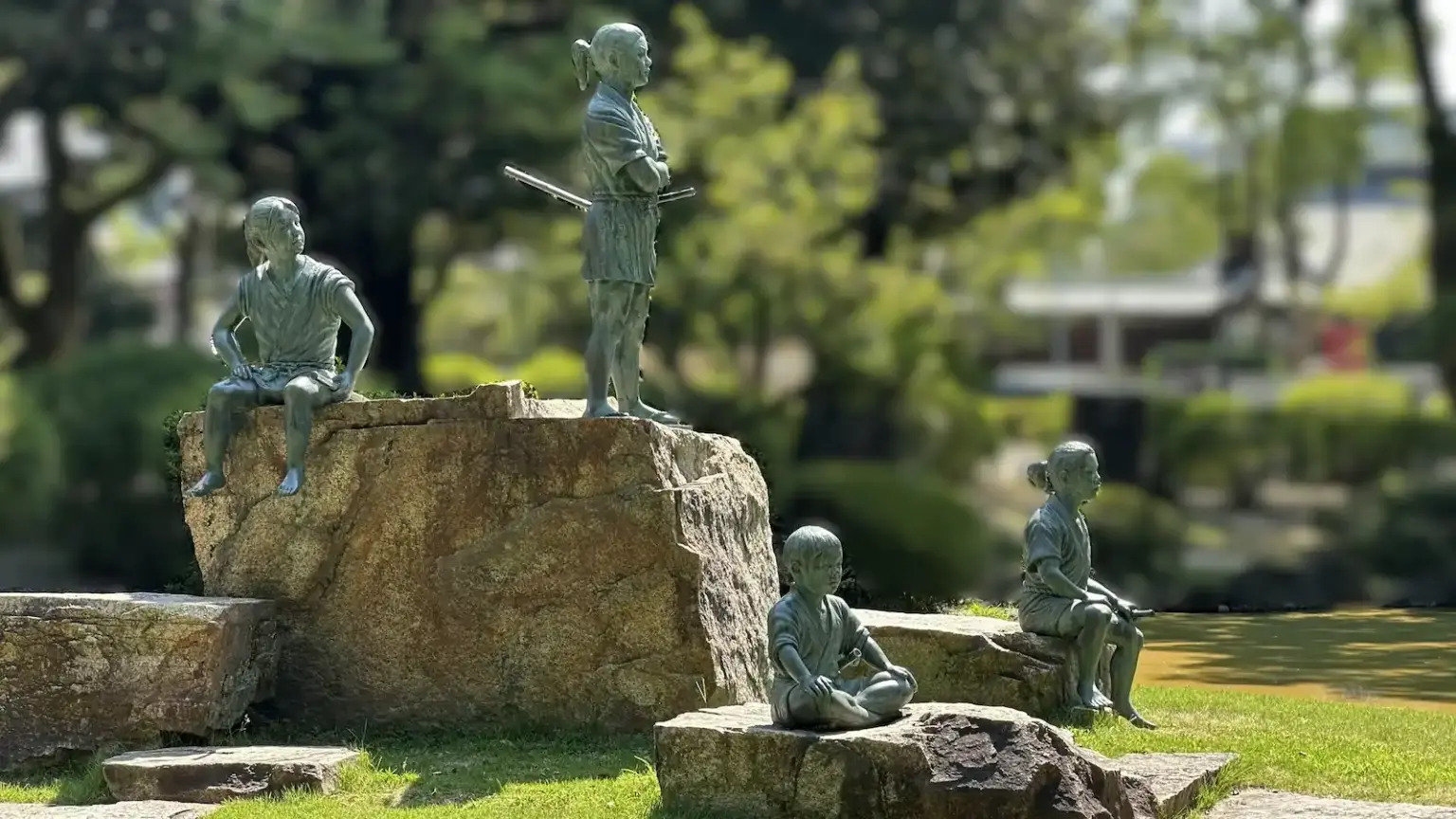
Traditionally regarded as the birthplace of the Toyotomi brothers, Hideyoshi and Hidenaga. Nakamura Park is home to Toyokuni Shrine, a monument marking Hideyoshi's birthplace, and the Toyotomi Museum (which also houses the Taiga Drama Exhibition Hall).
Nakamura Park is about 30 minutes from Nagoya Station by train or bus (travel time varies with transfers and waiting).
This is the site traditionally identified as the birthplace of the Toyotomi brothers, Hideyoshi and Hidenaga. Nakamura Park contains Toyokuni Shrine, dedicated to Hideyoshi, a stone monument marking his birthplace, and the Toyotomi Museum, which also houses the Taiga Drama Exhibition Hall in the same building — an efficient stop that combines a historic site with the drama exhibition. It's about a 10-minute walk from Nakamura-koen Station on the Nagoya subway.
Kiyosu Castle
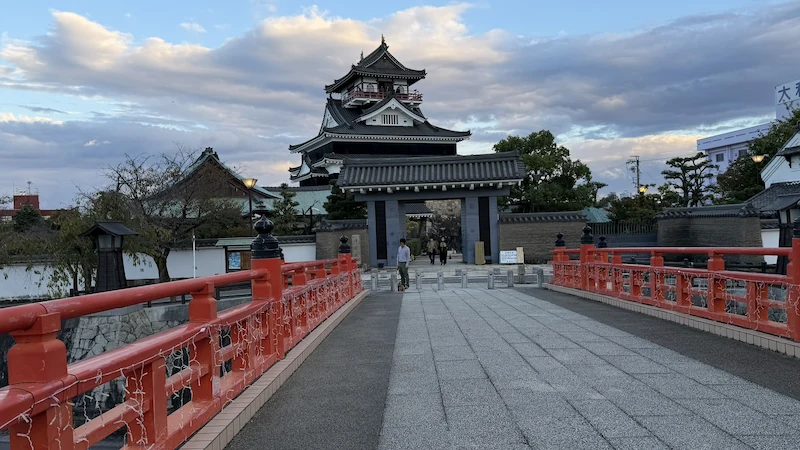
Kiyosu was the castle town Oda Nobunaga used as his base around the time of the Battle of Okehazama. It's also where Hideyoshi and Hidenaga first entered Nobunaga's service.
Kiyosu Castle is about 30 minutes from Nagoya Station by train and on foot (travel time varies with transfers and waiting).
Kiyosu was the castle town Oda Nobunaga used as his base around the time of the Battle of Okehazama (1560). The current keep is a non-original structure rebuilt in 1989, but sections of the moat and earthworks still hint at the original layout. It's an important setting early in the drama, and the place where Hideyoshi and Hidenaga first entered Nobunaga's service. Inside the keep, the Kiyosu Castle Nobunaga Memorial Hall covers the background to the Battle of Okehazama.
Sites Connected to the Battle of Okehazama
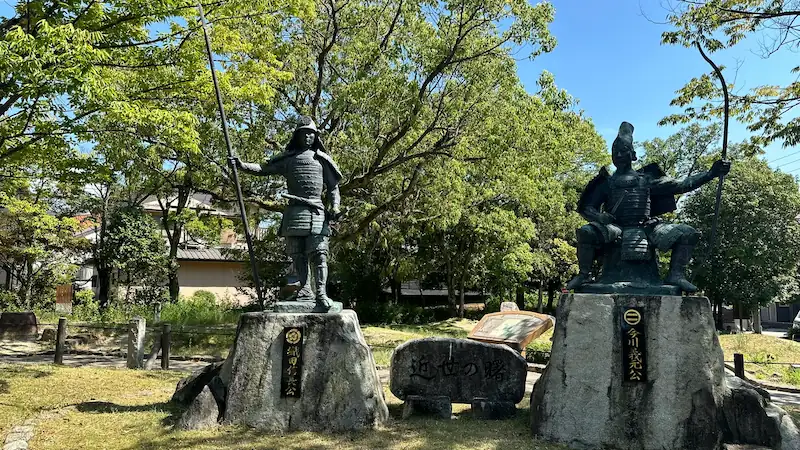
The site of the 1560 battle in which Oda Nobunaga defeated and killed the powerful warlord Imagawa Yoshimoto. Related sites are split between the city of Nagoya and neighboring Toyoake.
The Okehazama Battlefield is about 35 minutes from Nagoya Station by train and on foot (travel time varies with transfers and waiting).
Okehazama was the site of Nobunaga's 1560 defeat of Imagawa Yoshimoto, a decisive battle that reshaped the balance of power in the region and set the historical stage for the drama. Several related sites still survive today. Confusingly, two different places both use the name "Okehazama Battlefield" — one in Nagoya and one in Toyoake — and each offers a different experience.
Okehazama Battlefield
Nobunaga's March Route from Kiyosu to Okehazama
A step-by-step guide to the route Nobunaga's forces are believed to have taken from Kiyosu Castle to the Okehazama battlefield on the day of the battle. (English guide coming soon — see the Japanese version for now.)
Odaka Castle Ruins, Defended by a Young Tokugawa Ieyasu

Komakiyama Castle
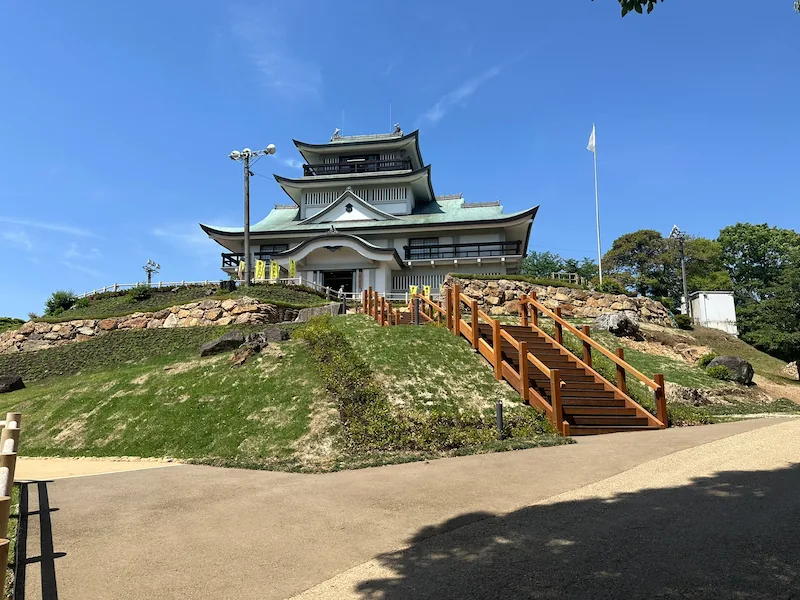
The first full-scale castle Nobunaga built. It later served as a camp for Tokugawa Ieyasu's forces during the Battle of Komaki and Nagakute. The history museum at the summit offers sweeping views over the Nobi Plain.
Komakiyama Castle is roughly 40-60 minutes from Nagoya Station by train and on foot, depending on the route and time of day.
This was the first full-scale castle Nobunaga built, and he used it as a base for his campaign against Inabayama Castle (present-day Gifu Castle). Later, during the Battle of Komaki and Nagakute (1584), it served as a camp for Tokugawa Ieyasu's forces. Today the entire hill is preserved as a historical park, and the history museum at the summit offers sweeping views across the Nobi Plain. The Battle of Komaki and Nagakute was one of the few times Hideyoshi and Ieyasu faced each other directly on the battlefield, making it an important turning point in the drama.
Inuyama Castle
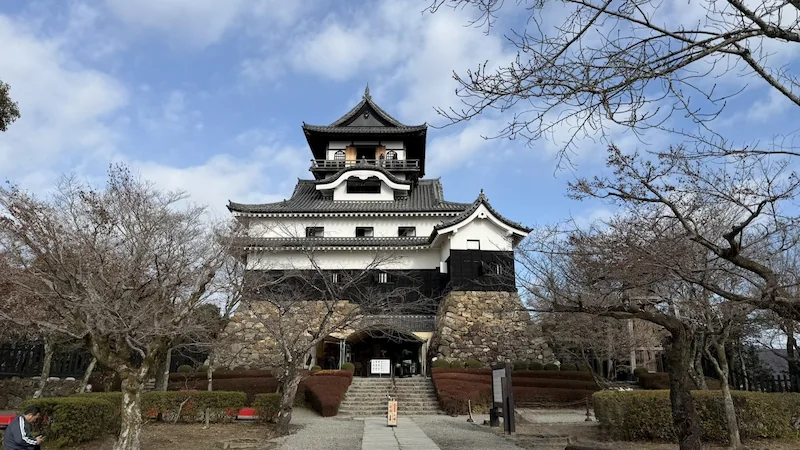
One of only a handful of castles in Japan with an original keep still standing, designated a National Treasure. It served as a base for Hideyoshi's forces during the Battle of Komaki and Nagakute.
From Nagoya Station, it's about 30 minutes to Inuyama Station on the Meitetsu (Nagoya Railroad) line, depending on the time of day.
From Inuyama Station, it's roughly a 25-minute walk to Inuyama Castle.
Inuyama Castle is one of only a handful of castles in Japan with its original keep still standing, and it's designated a National Treasure. The castle is associated with Oda Nobuyasu, Nobunaga's uncle, and it served as a base for Hideyoshi's forces during the Battle of Komaki and Nagakute. Built on a bluff above the Kiso River, the keep offers commanding views, and the old castle town below retains much of its historic atmosphere — making this a good half-day excursion.
Unuma Castle Ruins
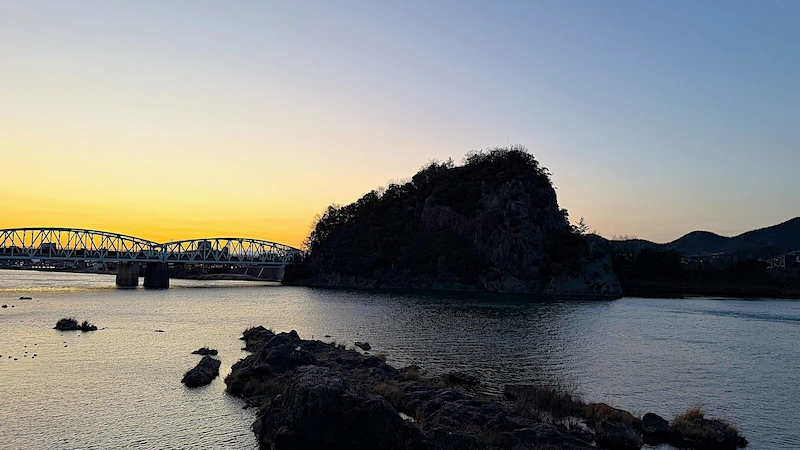
This castle played a key role in guarding the Kiso River from the west during Nobunaga's campaign to capture Inabayama Castle (present-day Gifu Castle). The ruins are now closed to the public.
From Nagoya Station, it's about 30-40 minutes to Shin-Unuma Station on the Meitetsu line, depending on the time of day.
From Shin-Unuma Station, the castle ruins are only about a 3-minute walk away — but note that the site itself is closed to visitors.
This castle played a key role in controlling the Kiso River from the west during Nobunaga's campaign to capture Inabayama Castle (present-day Gifu Castle). The site is closed to visitors today, but you can still get a sense of its former layout from the base of the hill. It's close enough to combine with a visit to Inuyama Castle.
Sunomata Ichiya Castle (Sunomata Castle)
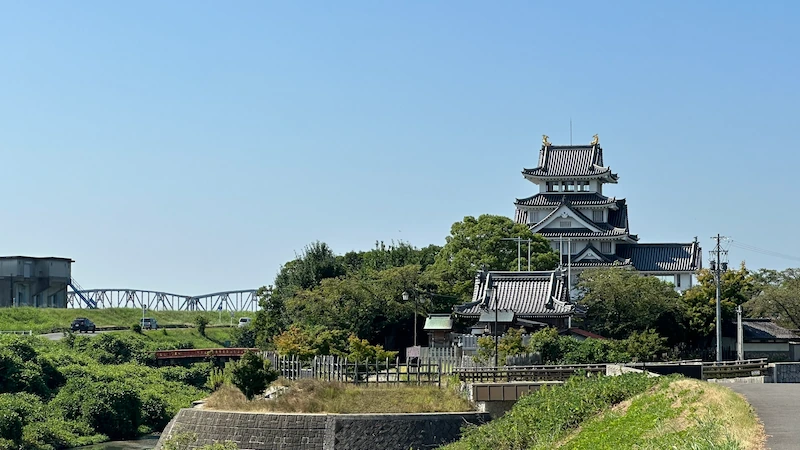
Legend holds that Hideyoshi built this castle in a single night on Nobunaga's orders. It's remembered as a symbolic turning point in Hideyoshi's rise from humble origins to power.
The standard route is Nagoya Station to Gifu Station by JR train, then bus or car into Sunomata (travel time varies by season and time of day).
By public transit, get off at the Sunomata bus stop and walk toward the Taiko Shusse Bridge (太閤出世橋) as a landmark — this route is easy to follow.
If driving, check the locking hours of the Saigawa Sakura Park parking lot in advance so an evening visit doesn't get derailed.
Legend holds that Hideyoshi built this castle in a single night on Nobunaga's orders — hence its popular name, Sunomata Ichiya-jo ("Sunomata One-Night Castle"). Historians have found no evidence that a keep actually stood here at the time; the reconstructed keep visitors see today was built in 1991, modeled on the keep of nearby Ogaki Castle. The site is often described as the place where Hideyoshi's rise to power began, and it can be combined with a visit to Ogaki Castle to explore other Hideyoshi-related sites in the Gifu/Seino area.
Gifu Castle (formerly Inabayama Castle)
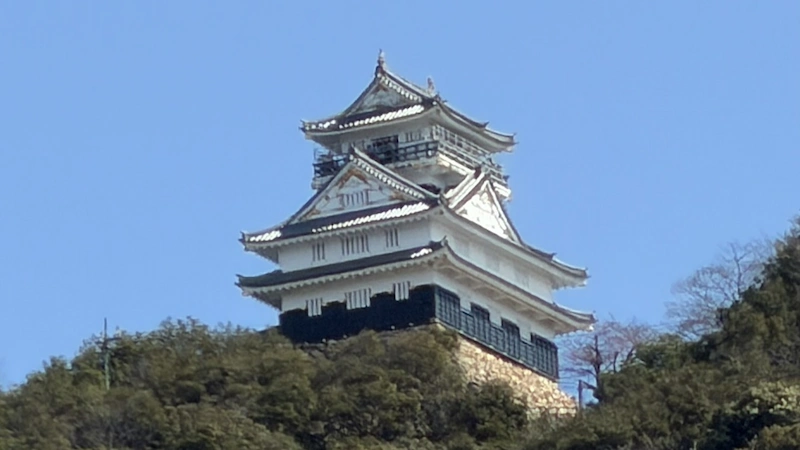
Nobunaga's main castle until he built Azuchi Castle, and an early base where the Toyotomi brothers served him. Reachable by ropeway.
The standard route is Nagoya Station to Gifu Station by JR train, then bus to the Gifu Park-mae stop and a ropeway up the mountain (travel time varies by season and time of day).
Nobunaga used this castle as his main base until he built Azuchi Castle. It was originally built by the warlord Saito Dosan as Inabayama Castle; Nobunaga renamed it Gifu Castle after capturing it in 1567. It was an early base where Hideyoshi and Hidenaga served Nobunaga, making it essential to understanding the drama's early episodes. The current keep is a reconstruction, but it sits at the summit of Mount Kinka and commands a striking view over the Nagara River and the Nobi Plain. A ropeway carries visitors most of the way up the mountain.
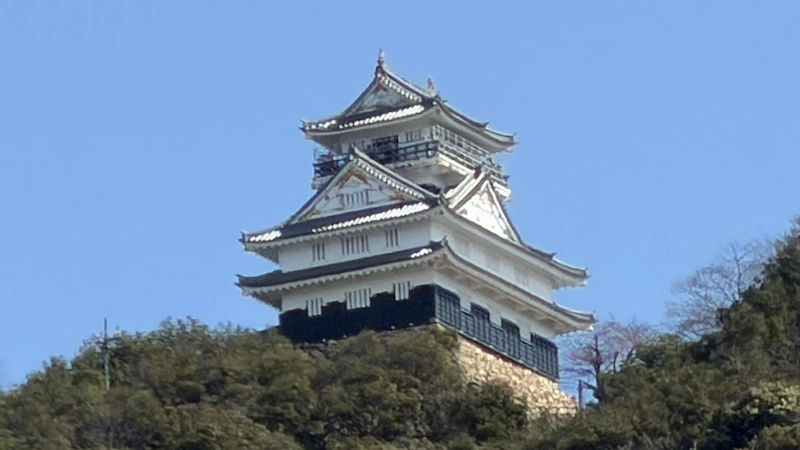
Odani Castle Ruins
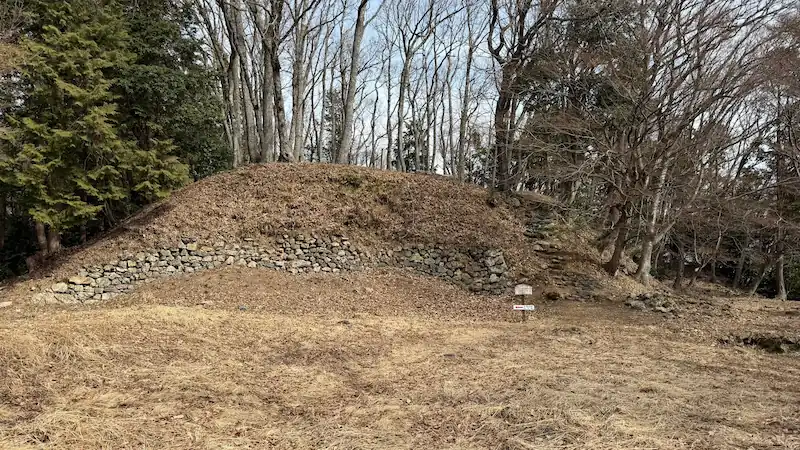
The stronghold of three generations of the Azai clan, and the site where Nobunaga brought about the clan's downfall. It's also the birthplace of the three Azai sisters.
From Kawake Station, it's about a 30-minute walk to the trailhead. From the Sengoku Guide Station at the base, allow about 40 minutes to the Bansho (guardhouse) ruins, then another 30 minutes on to the main enclosure (honmaru) — roughly 70 minutes one way in total. There are no shops or restrooms on the mountain, so non-slip footwear is essential.
From Kyoto Station to Kawake Station: take the Shinkansen to Maibara, then the Hokuriku Line — about 50 minutes total.
Odani Castle was the mountain stronghold of three generations of the Azai clan, and it was here that Nobunaga brought about the clan's destruction. It's also the birthplace of the three Azai sisters — Chacha, Ohatsu, and Oe — who each went on to marry major historical figures. The site appears in the drama in connection with Nobunaga's campaign against the Azai. Today it's a well-marked hiking trail, with about 70 minutes of walking to reach the main enclosure. It's worth stopping at the Sengoku Guide Station at the base to pick up a trail map before climbing.
Toragozenyama Castle Ruins
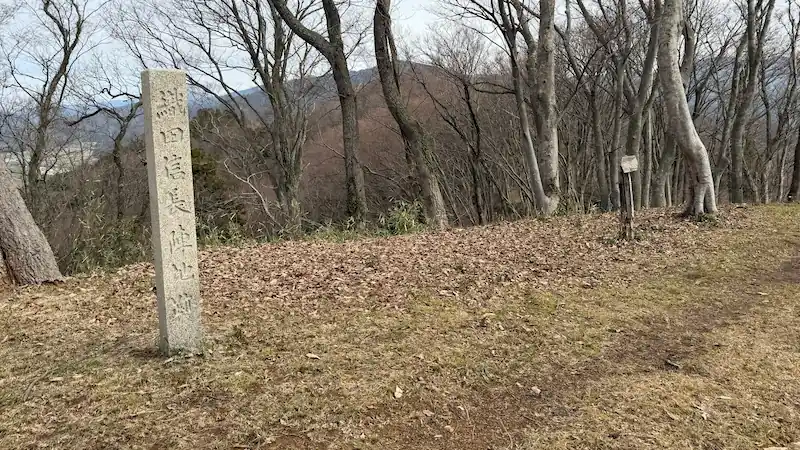
The mountain camp Nobunaga and Hideyoshi built to besiege Odani Castle. It sits directly across the valley from Odani Castle Ruins — visiting both together makes it far easier to picture the siege.
From Torahime Station, it's about a 15-minute walk to the trailhead. Allow roughly 1 to 1.5 hours round trip. This is a mountain trail, so trekking shoes are recommended.
From Kyoto Station to Torahime Station: take the Shinkansen to Maibara, then the Hokuriku Line — about 45 minutes total.
Nobunaga and Hideyoshi established a siege camp here while surrounding Odani Castle. Toragozenyama sits directly across the valley from Odani Castle Ruins, and visiting both sites together makes the layout of the Azai siege much easier to understand. A maintained trail makes for a 1 to 1.5-hour round-trip hike. It's worth combining with Odani Castle Ruins as a half-day to full-day itinerary.
Anegawa Battlefield
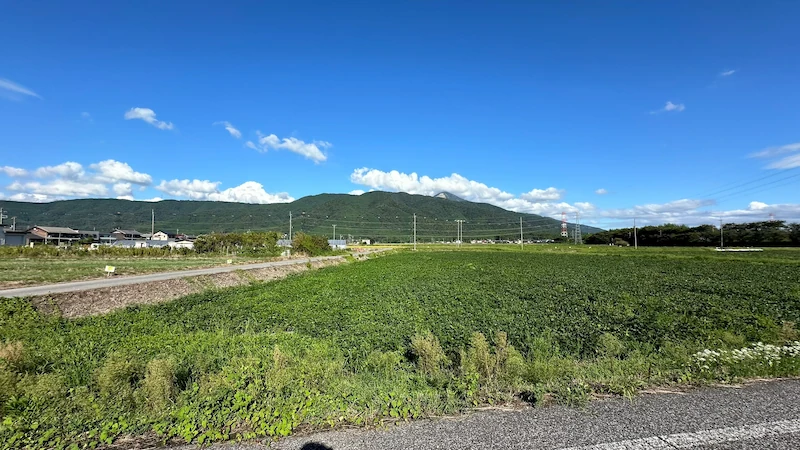
The site of the 1570 battle between the combined Azai-Asakura forces and the allied armies of Nobunaga and Ieyasu. Easily reached from Nagahama Station by rental bicycle.
From Nagahama Station, it's about 20-30 minutes by rental bicycle. Allow about an hour if you plan to visit the stone monuments and related sites on site.
From Kyoto Station to Nagahama Station: take the Shinkansen to Maibara, then the Hokuriku Line — about 40 minutes total.
This was the site of the 1570 Battle of Anegawa, fought between the combined forces of the Azai and Asakura clans and the allied armies of Nobunaga and Ieyasu. Several stone monuments and information boards are scattered across the battlefield, and cycling between them is a good way to trace how the fighting unfolded. Easy access by rental bicycle from Nagahama Station is one of the site's biggest draws.
Yokoyama Castle Ruins
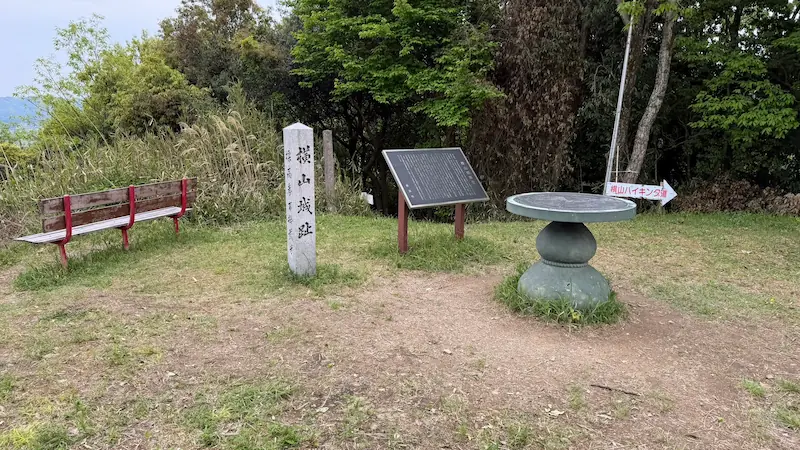
The mountain castle where Hideyoshi received his first posting as castle keeper. It also served as one of Nobunaga's camps during the campaign against the Azai clan.
Ohara Kannon-ji Temple, at the base of the mountain, is about 15 minutes from Nagahama Station by taxi or rental car. From the temple, it's a 40 to 50-minute walk up the mountain trail to Yokoyama Castle Ruins.
From Kyoto Station to Nagahama Station: take the Shinkansen to Maibara, then the Hokuriku Line — about 40 minutes total.
Hideyoshi received his first posting as jouban — the officer responsible for managing a castle — at this mountain castle, a major early step in his career. It also served as one of Nobunaga's camps during the campaign against the Azai clan, and it appears in the drama in that role. Today it's a hillside ruin with the remains of several enclosures (kuruwa) still visible. The trail from Ohara Kannon-ji Temple at the base is maintained but still requires proper hiking gear. Worth combining with other castle ruins in the Nagahama area.
Nagahama
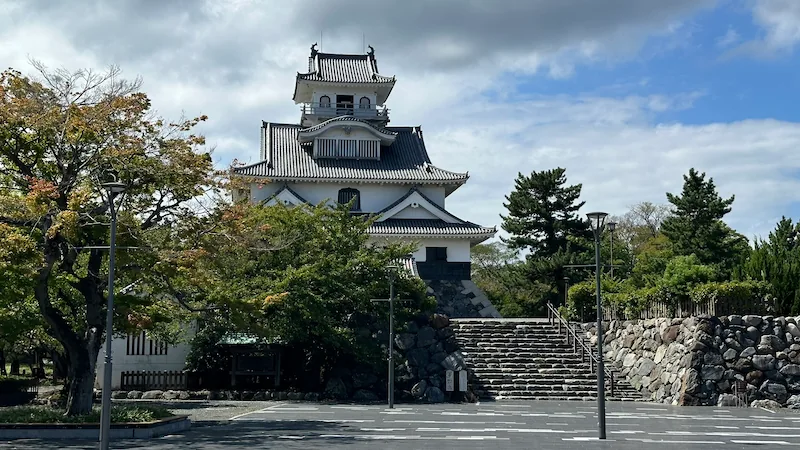
After the fall of the Azai clan, Hideyoshi became lord of Nagahama Castle — his first posting as a daimyo with a castle of his own. The former castle site is now a history museum.
From Kyoto Station, Nagahama is about 40 minutes away by regular (non-Shinkansen) train, depending on the time of day.
From Nagoya Station, Nagahama is about 50-60 minutes away by Shinkansen, depending on transfers and time of day.
After the fall of the Azai clan, Hideyoshi was made lord of Nagahama Castle and given control of the surrounding region — his first time governing as a daimyo with a castle of his own. The former castle site is now open as a history museum, with exhibits covering the Toyotomi era. The area's Taiga Drama Exhibition Hall is also currently open in Nagahama.
Azuchi Castle
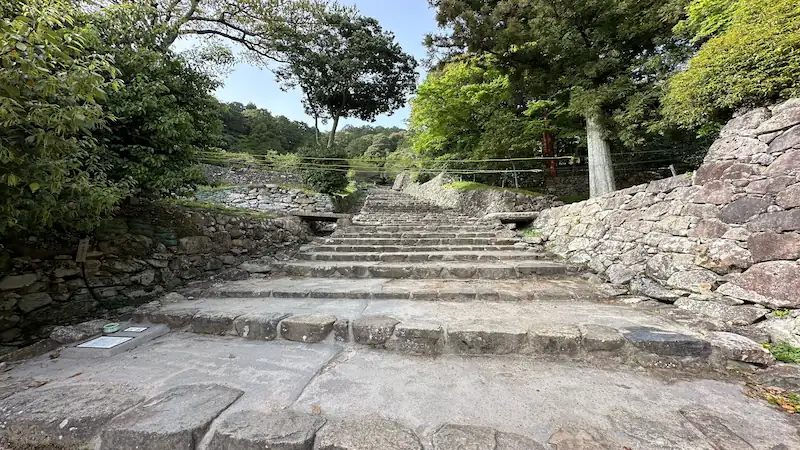
The renowned castle Oda Nobunaga built as his base for unifying Japan. Stone walls, the main approach road, and the keep foundation survive, with sweeping views over Lake Biwa from the summit.
From Kyoto, Azuchi is about 40 minutes away by train. From Azuchi Station, continue by taxi or rental bicycle.
From Nagoya, Azuchi is about 1 hour 10 minutes away by Shinkansen. From Azuchi Station, continue by taxi or rental bicycle.
Azuchi Castle was the castle Nobunaga built as his base for unifying Japan, and it had a major influence on the later development of Japanese castle architecture. Since Hideyoshi rose rapidly through the ranks as Nobunaga's retainer during this period, Azuchi is likely to appear in Toyotomi Brothers! as an important setting for Hideyoshi's growth under Nobunaga's rule. The site preserves stone walls, the main approach road, and the foundation of the former keep, and the summit offers sweeping views over Lake Biwa. Comfortable walking shoes are essential, and the site pairs well with a half-day visit to the nearby Azuchi Castle Archaeological Museum and Nobunaga no Yakata, a full-scale reconstruction of the keep's upper floors.
Himeji Castle
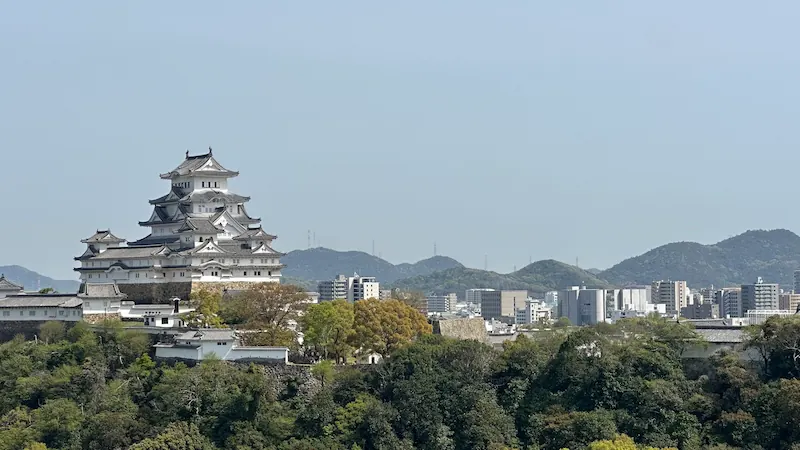
A National Treasure and UNESCO World Heritage Site, largely rebuilt by Ikeda Terumasa in the early 17th century. The main keep, three smaller keeps, gates, turrets, and earthen walls all survive together, and the castle's brilliant white exterior has earned it the nickname "White Egret Castle."
JR Himeji Station is about 30 minutes from Shin-Osaka Station on the Sanyo Shinkansen.
Himeji Castle is about a 20-minute walk from either JR Himeji Station or the nearby Sanyo Himeji Station (a separate, private-railway station of the same name).
Himeji Castle traces its origins to a fortification built on Himeyama hill by the Akamatsu clan. In 1580, the retainer Kuroda Yoshitaka presented the castle to Hashiba (Toyotomi) Hideyoshi, who built a three-story keep here as a base for his campaign into the Chugoku region. After the Battle of Sekigahara (1600), the new lord, Ikeda Terumasa, undertook a major rebuilding starting in 1601, completing the connected multi-keep complex seen today in 1609.
The castle as it stands today largely dates to this early 17th-century rebuilding. Its main keep is linked to three smaller keeps by connecting corridors, and gates, turrets, earthen walls, and stone walls survive together as a complete complex — a rarity among Japanese castles. It was designated a National Treasure in 1951 and inscribed as a UNESCO World Heritage Site in 1993. The Sannomaru Plaza area can be visited free of charge, but an admission ticket is required to enter the paid area containing the main keep.
Complete Guide to Himeji Castle
Takeda Castle Ruins
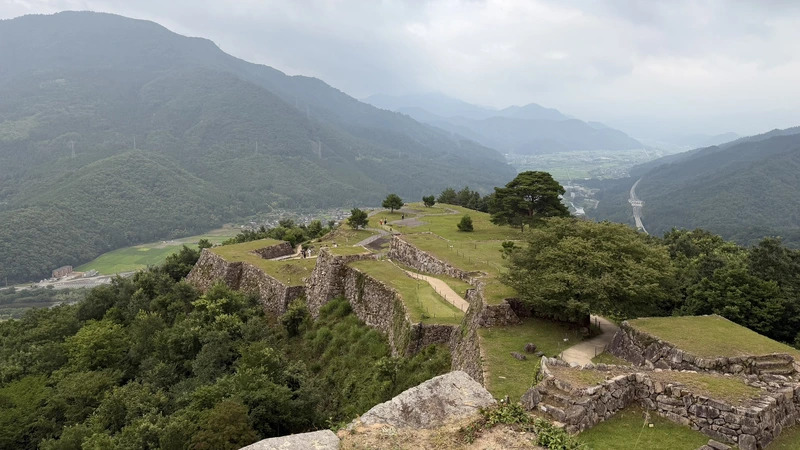
Said to have been built by the Ota-gaki clan on the orders of Yamana Sozen — and later a castle where Toyotomi Hidenaga himself served as keeper. Its dramatic stone walls have made it famous as the "castle in the sky" when seen above a sea of morning cloud.
The typical route to JR Takeda Station is Shin-Osaka to Himeji Station on the Sanyo Shinkansen, then a transfer to the JR Bantan Line. Total travel time is roughly 2 hours 20 minutes to 3 hours, depending on train connections.
From JR Takeda Station, it's about a 40-minute walk to the castle ruins via either the Ekiura Trail (behind the station) or the Hyomai Shrine Trail. The Hyomai Shrine Trail is steep, and the Ekiura Trail also includes unpaved mountain paths and stone steps.
Takeda Castle is said to have been built around 1443 by the Ota-gaki clan on the orders of Yamana Sozen, the shugo (military governor) of Tajima Province (roughly present-day northern Hyogo Prefecture). The Ota-gaki clan controlled the castle for generations until Hashiba (Toyotomi) Hideyoshi's invasion of Tajima ended their rule in 1580. Hideyoshi's younger brother, Hidenaga, then served as castle keeper, followed by Kuwayama Shigeharu, before Akamatsu Hirohide took up residence in 1585 with a domain valued at 20,000 koku. The imposing stone walls that survive today are believed to date largely from Hirohide's time.
After the Battle of Sekigahara in 1600, Akamatsu Hirohide was held responsible for burning the castle town during the siege of Tottori Castle and was ordered to commit suicide; Takeda Castle was abandoned soon after. No original buildings remain today, but the stone walls and building platforms of the main enclosure, the keep foundation, the second and third enclosures, and the Kitasenjo and Minamisenjo terraces all survive across the summit. The site was designated a National Historic Site in 1943. An admission fee is required, and visiting hours change by season. The castle is closed for winter each year from roughly January 4 through the end of February, so check the latest opening schedule before you go.
Complete Guide to Takeda Castle Ruins
Locations That May Appear Later (Based on the Historical Timeline)
Osaka Castle
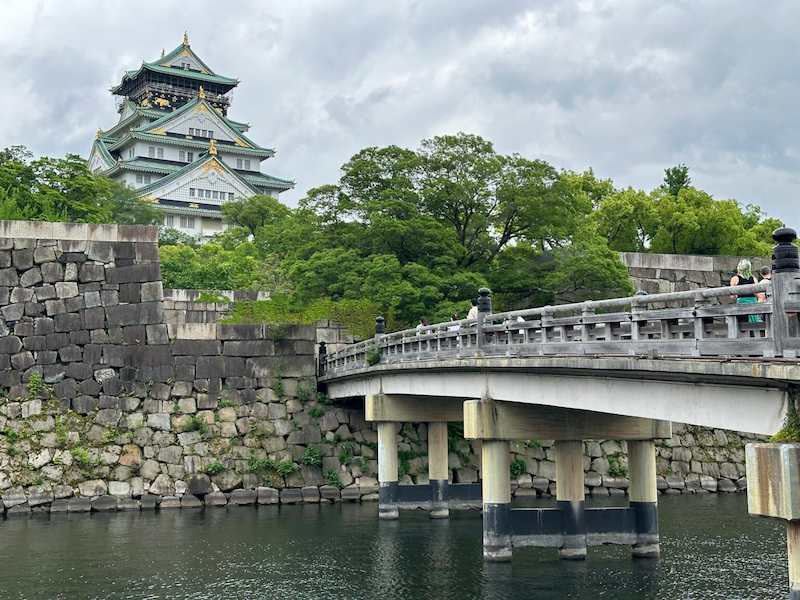
The castle Toyotomi Hideyoshi built as his base for unifying Japan. The stone walls and moats visible today were rebuilt by the Tokugawa shogunate; visitors can also see the surviving Important Cultural Property structures and the keep, reconstructed in 1931.
From JR Osaka Station, it's about 10 minutes to Osakajokoen Station with no transfers, on the outer loop of the Osaka Loop Line.
From JR Osakajokoen Station, it's about a 20-minute walk to Osaka Castle's main keep.
Toyotomi Hideyoshi began building Osaka Castle in 1583 as his base for unifying Japan. The Toyotomi-era castle fell during the Summer Siege of Osaka in 1615, and the Tokugawa shogunate rebuilt it from the ground up starting in 1620. As a result, the stone walls, moats, main gate, and turrets visible above ground today mostly date from the Tokugawa-era reconstruction rather than Hideyoshi's original castle.
The current keep is the third to stand on this site, following the Toyotomi and Tokugawa-era towers. It was rebuilt in 1931 with donations from local citizens, and now houses a history museum focused on Osaka Castle and the Toyotomi period. Entry to Osaka Castle Park is free, but the keep and the Nishinomaru Garden require admission. The keep ticket also covers entry to the Osaka Castle Toyotomi Stone Wall Museum, where a section of the original Toyotomi-era stone wall, buried beneath the current castle, is on display.
Complete Guide to Osaka Castle
Yamato Koriyama
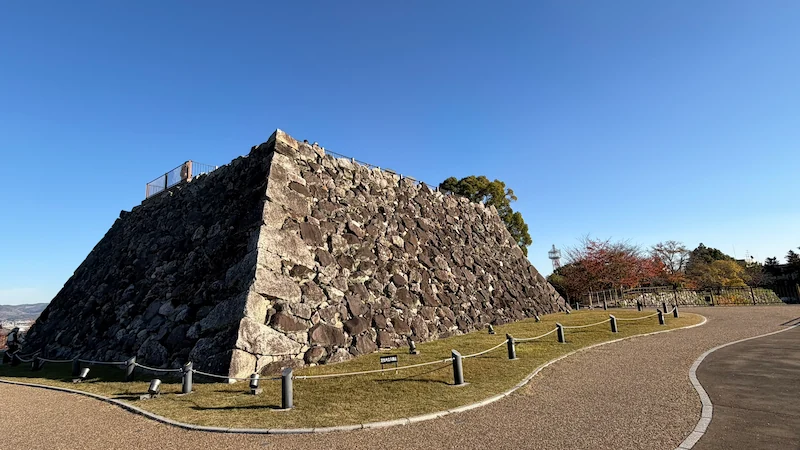
The area where Toyotomi Hidenaga made his home in his later years. The stone foundation of the former keep still survives, and the Taiga Drama Exhibition Hall is within walking distance of Kintetsu Koriyama Station.
Kintetsu Koriyama Station is about 50 minutes from Kyoto Station by train.
From Kintetsu Koriyama Station, it's about an 11-minute walk to Koriyama Castle Ruins.
This is the area where Toyotomi Hidenaga made his home in his later years. As a major daimyo governing Yamato, Kii, and Izumi provinces, he developed Koriyama Castle and administered Yamato Province (present-day Nara Prefecture) from here. The stone foundation of the former keep still survives today. The castle ruins are open to the public free of charge as a historical park, and the Taiga Drama Exhibition Hall is also within walking distance of Kintetsu Koriyama Station.
Yamato Koriyama Castle Ruins Guide
Guide to Hidenaga-Related Sites Around Yamato Koriyama
Wakayama Castle
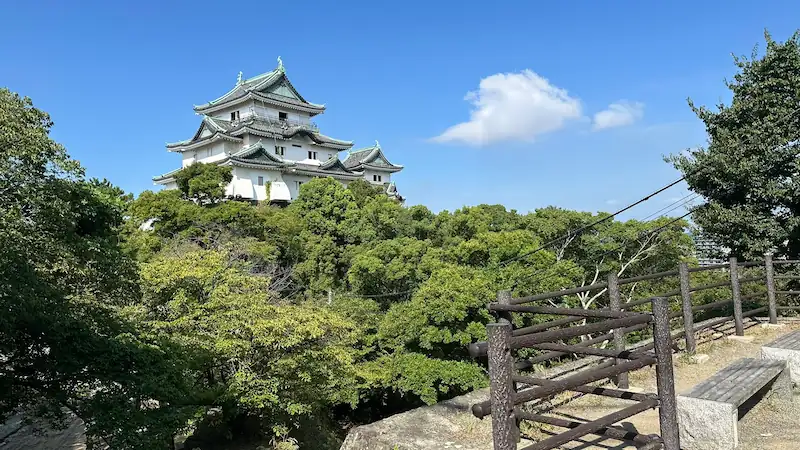
The castle Hidenaga built on Hideyoshi's orders. Its stone walls and moat still preserve their original scale, and it's an increasingly popular pairing with Yamato Koriyama for visitors tracing Hidenaga's legacy.
JR Wakayama Station is about 1 hour 30 minutes from Osaka Station by train.
From JR Wakayama Station, it's about a 10-minute bus ride to Wakayama Castle.
Hidenaga led the construction of Wakayama Castle on Hideyoshi's orders, and placed his retainer Kuwayama Shigeharu in charge as castle keeper. The current keep is a postwar reconstruction following wartime destruction, but the stone walls and moat still preserve their original scale. The castle park can be explored free of charge, with an admission fee required to enter the keep. Good access from both Osaka and Nara adds to its appeal, and it's increasingly paired with Yamato Koriyama by visitors tracing Hidenaga's legacy.
Recommended Reading to Deepen Your Enjoyment of the Drama
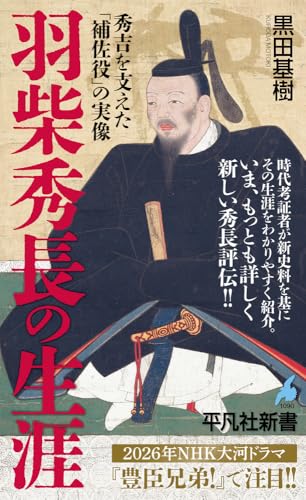
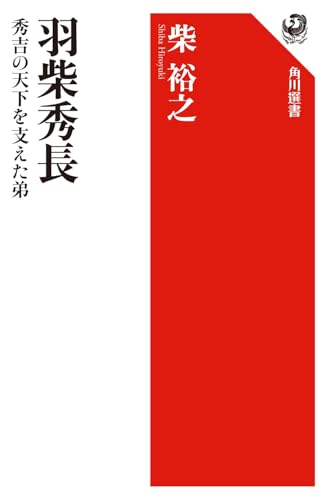
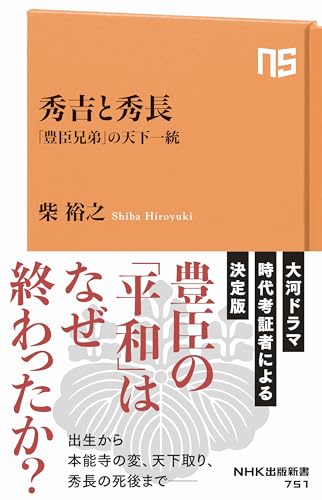
If you'd like to go a little deeper into Toyotomi Brothers!, the books by Kuroda Motoki and Shiba Hiroyuki — the historians who served as the drama's history advisors — are worth a look. Reading the work of the scholars behind the show's historical research helps make sense of the characters and the shifting balance of power between clans, and makes early settings like Kiyosu easier to follow. Note: these are Japanese-language books with no English translation currently available.
Here's a selection of related books that make good background reading before or during the broadcast. Feel free to pick out whichever ones catch your interest.



Trivia & Extra Notes
A running list of interesting details we've come across while researching the Toyotomi brothers.
· Nao (played by Shiraishi Sei) is a fictional character with no real historical counterpart.
· Yokokawa Jinnai (played by Katsumura Masanobu) is a fictional character with no real historical counterpart.
· Ryoun Osho (played by Tanaka Yoji) is a fictional character with no real historical counterpart.
· Filming for Toyotomi Brothers! reportedly also took place at the Studio Sedic Shonai Open Set, an outdoor filming location in Yamagata Prefecture built to resemble Edo-period townscapes.
· According to NHK, filming for the series began at Zuihozan Honzan Jionji, a historic temple in Yamagata Prefecture.
· Accounts vary, but the "50 kan" bonus mentioned in the drama would have been an extraordinary sum — equivalent to more than 30 years of an ashigaru (foot soldier)'s annual income, or tens of millions of yen (several hundred thousand US dollars) in today's money.
· Honkoku-ji Temple, the setting of the Honkoku-ji Incident, originally stood near Rokujo-Horikawa in Kyoto, but was relocated to its current site in Misasagi, Yamashina Ward, Kyoto, in 1971.
· The unusual character 圀 in the temple's name was originally the common character 国 ("country"). The temple adopted the rarer character after receiving patronage from Tokugawa Mitsukuni — the famous "Mito Komon" — whose own name used that same character.
Frequently Asked Questions
Related Warlord Pages

☕ Support This Site
Following the Shogun is built on firsthand, on-the-ground research in Japan.
If you've found this useful, your support helps keep the site going.

You can also support via the QR code


comment