


Toyotomi Hideyoshi: Historic Sites, SHOGUN Context & Travel Guide
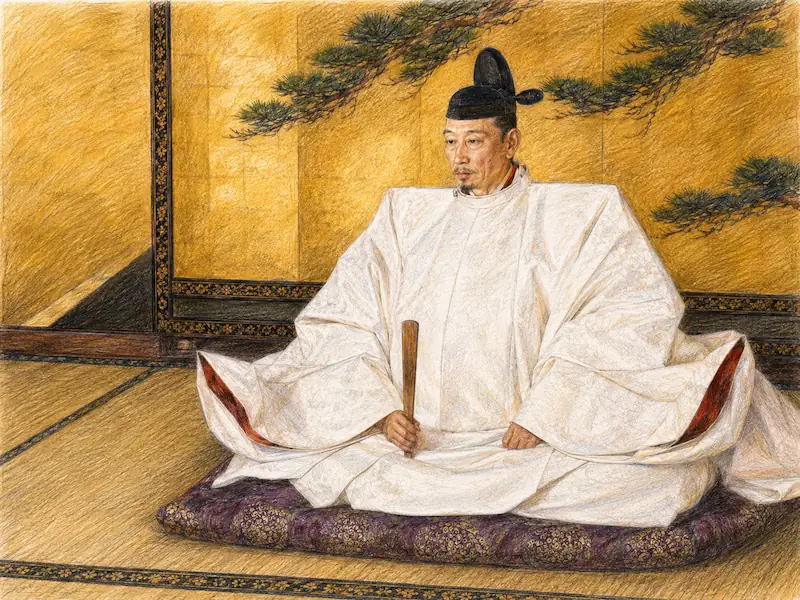
Toyotomi Hideyoshi (1537–1598) rose from a peasant foot soldier to become the most powerful man in Japan. This hub covers his historic sites across Japan, the SHŌGUN drama connection, and firsthand travel guides for every location.
The Model for “Taiko-Denka” in the Drama SHOGUN
In FX’s award-winning drama SHŌGUN, the character known as “Taikō-Denka” — the powerful ruler whose death sets the story in motion — was modeled after the real-life warlord Toyotomi Hideyoshi. In the series, his name is changed to Nakamura Hidetoshi, but the historical parallels are close: a man of low birth who unified Japan, held the title of regent (not shogun), and left behind a Council of Regents to protect his young heir. Understanding Hideyoshi makes SHŌGUN significantly richer — and visiting his real historic sites brings the drama to life in a way no screen can match.
Why couldn’t Hideyoshi become Shogun? The title of Shogun was restricted to those who could claim descent from the Minamoto clan. Hideyoshi, born of peasant stock, could not meet this requirement. Instead, he took the title of Taiko — retired regent — making him the de facto ruler of Japan without the formal military title. This detail sits at the heart of the power struggle depicted in SHŌGUN.
What This Hub Covers
This hub page is the main index for all Following the Shogun content related to Toyotomi Hideyoshi. It includes:
- Travel guides — how to visit the historic sites connected to Hideyoshi’s life and campaigns, with access information, what remains today, and highlights for each location
- Travel journals — firsthand visit reports and personal site explorations
- Character profile — a dedicated profile page covering Hideyoshi’s life, rise, and historical legacy
- SHŌGUN drama connection — how the real history maps onto the FX series
New to Hideyoshi? Start with the character profile below, then explore the travel guides for the sites most directly connected to his story — Osaka Castle, Odani Castle Ruins, and the Anegawa Battlefield are strong starting points for first-time visitors.
Profile
Read the full character profile of Toyotomi Hideyoshi — his origins, his rise under Oda Nobunaga, how he unified Japan, and why his legacy endures today.
Travel Guide
Tokyo
Aichi
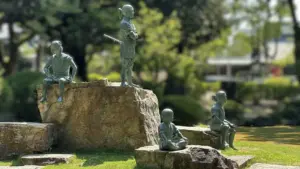
Gifu
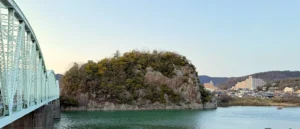
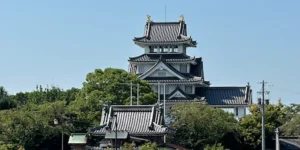
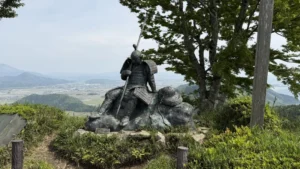
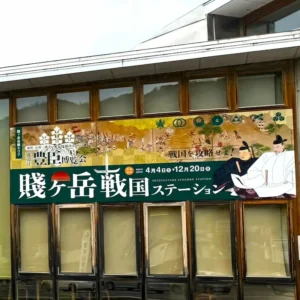
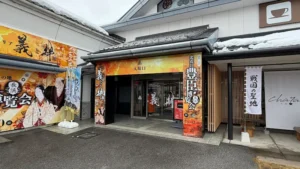
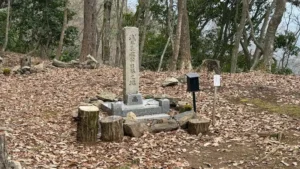
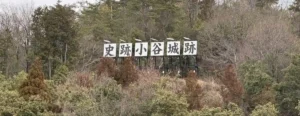
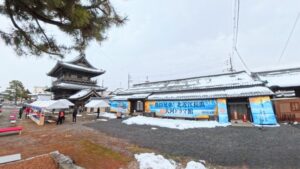
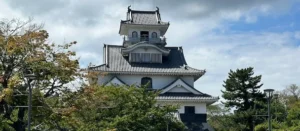
Shiga

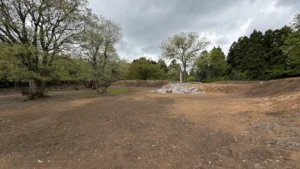

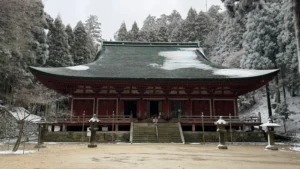
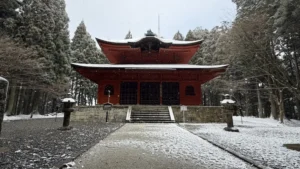
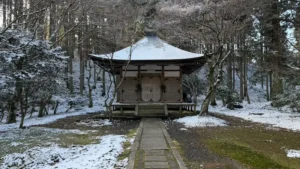
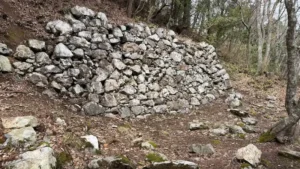
Kyoto
Osaka
Hyogo
Travel Journal
Personal site visit reports and field explorations — a closer look at what it feels like to stand in the places where Hideyoshi’s history happened.

The Best Sites to Visit — A Firsthand Assessment
One honest challenge with Hideyoshi’s historic sites: very few structures he actually built have survived intact. Most were later rebuilt or significantly altered under Tokugawa rule. With that context in mind, here are the two sites that offer the strongest overall visitor experience among the locations in this hub.
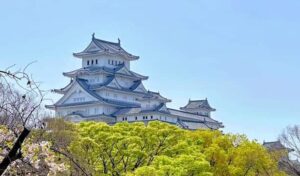
Himeji Castle
Japan's most complete castle complex — keeps, turrets, connecting corridors and walls all survive together
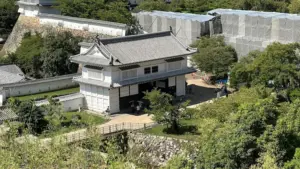
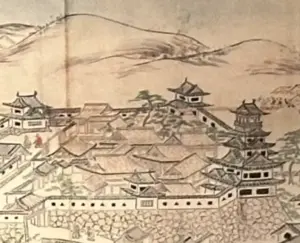
Himeji Castle is the most rewarding site to visit among all the locations connected to Hideyoshi's story — not because Hideyoshi built it (the standing structures were constructed under Tokugawa direction after him), but because it offers something rare: a castle that survives as a complete system. The main keep, subsidiary turrets, connecting corridors, and extensive earthen walls all remain, letting you experience what a working castle complex actually felt like. That comprehensiveness is what sets Himeji apart from most other castle sites in Japan.
See the individual travel guide in this hub for access information and visitor details.
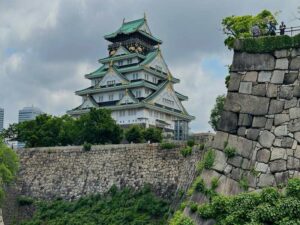
Osaka Castle
The most famous Hideyoshi landmark — the stone walls, moat, and monumental stones are the real draw
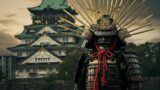
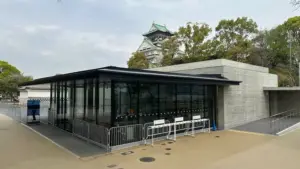
Osaka Castle is the site most visitors associate with Hideyoshi, and while the current tower is a 20th-century reconstruction built on Tokugawa foundations, the grounds retain genuine historical weight. The massive stone walls, the broad moat, and the enormous foundation stones — some weighing hundreds of tonnes — give a strong sense of the ambition that went into the original construction. The castle interior functions as a museum covering both the Toyotomi and Tokugawa periods. Worth visiting for the scale and atmosphere alone.
See the individual travel guide in this hub for access information and visitor details.
From History to Screen: Meet Taiko

Frequently Asked Questions
In FX’s SHŌGUN, the character known as the Taiko (Taikō-Denka) is called Nakamura Hidetoshi in the series. He is based on the real historical figure Toyotomi Hideyoshi (1537–1598), one of Japan’s three great unifiers. The drama begins just after the Taiko’s death, and the power struggle that follows reflects the real events leading up to the Battle of Sekigahara in 1600.
The title of Shogun was traditionally restricted to those who could claim descent from the Minamoto clan. Hideyoshi, born of peasant parents, could not meet this requirement. Instead, he held the title of regent (kampaku) and later retired regent (Taiko), which gave him effective rulership of Japan without the formal Shogun title. This is a key reason why the drama is titled SHŌGUN — Toranaga (based on Tokugawa Ieyasu) is the one who ultimately achieves that title.
Several significant sites connected to Hideyoshi remain visitable today. Osaka Castle is the most famous — the current structure is a reconstruction, but the castle grounds and stone walls preserve the scale of Hideyoshi’s original construction. The ruins of Odani Castle in Shiga Prefecture, the Anegawa Battlefield, and various sites in the Nagahama area of Shiga are also directly linked to his campaigns. Toyokuni Shrine in Kyoto is dedicated to Hideyoshi and is open to visitors. This hub covers the key sites with detailed travel guides.
Yes, for visitors interested in Japanese history or the SHŌGUN drama, the sites covered in this hub offer a compelling combination of accessible landmarks and lesser-known ruins. Osaka Castle is suitable for all visitors including first-timers. Sites such as the Odani Castle ruins and Anegawa Battlefield are better suited to visitors with a specific interest in Sengoku-period history. Most sites can be reached as day trips from Osaka, Kyoto, or Nagoya. Individual travel guides on this hub include access and visitor information for each location.
Osaka and Kyoto are the most practical bases. Osaka Castle is in the city centre. Sites in Shiga Prefecture (Odani Castle ruins, Nagahama, Anegawa Battlefield) are accessible by train from both Osaka and Kyoto via the JR Biwako Line. Nagoya is a useful base for sites in the Aichi area connected to Hideyoshi’s early career. See the individual travel guides in this hub for specific access information and travel times.
Himeji Castle offers the most complete castle experience among the sites in this hub. While the standing structures were built under Tokugawa direction rather than by Hideyoshi himself, the complex is unique in that the main keep, subsidiary turrets, connecting corridors, and extensive walls all survive together — giving visitors a genuine sense of how a castle functioned as a whole. Osaka Castle is the most famous Hideyoshi-associated site and is worth visiting for its massive stone walls, moat, and the monumental foundation stones that remain from the original Toyotomi-era construction, even though the tower itself is a 20th-century reconstruction built on Tokugawa foundations.
☕ Support This Site
Following the Shogun is built on original fieldwork and on-site research.
If you found this guide useful, your support helps keep it going.

You can also support via QR code

