


NHK Taiga Drama Exhibition "Toyotomi Brothers!"
Nagoya Venue — A First-Hand Report
The Nagoya venue closed on June 14, 2026. This report is based on a personal visit and is intended to help those planning to attend the Osaka or Tokyo venues.
The NHK Taiga Drama Special Exhibition "Toyotomi Brothers!" closed at the Nagoya venue (Tokugawa Art Museum and Nagoya City Hosa Library) on June 14, 2026. This article is a first-hand report from a visit to the Nagoya venue, written to help those considering attending the Osaka or Tokyo venues.
Both venues are open for regular visits. Opening hours and closed days can change, so please check the official website before you go.
The NHK Taiga Drama Special Exhibition "Toyotomi Brothers!" traces the era of Toyotomi Hideyoshi and his younger brother Hidenaga through historical artifacts gathered from museums and temples across Japan — letters, portraits, folding screens, armor, and more. The Nagoya venue ran from April 18 to June 14, 2026, at the Tokugawa Art Museum and Nagoya City Hosa Library.
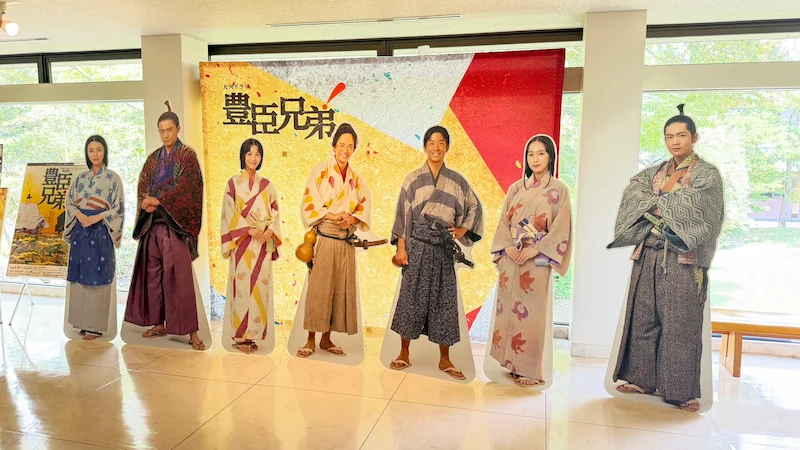
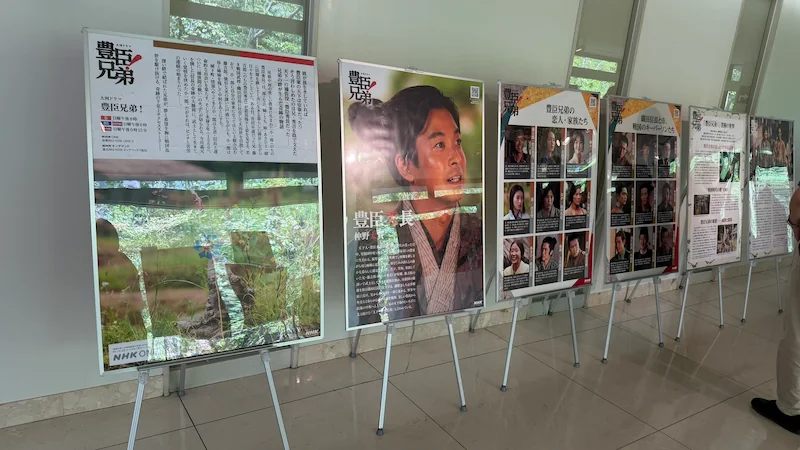
This is not an exhibition about the actors, costumes, or production of the NHK drama. The focus is entirely on genuine historical artifacts from the Toyotomi period. If you are looking for drama-related content — cast appearances, behind-the-scenes material, life-size panels — the Taiga Drama Kan venues in Nagoya Nakamura, Kitaomi Nagahama, and Yamato Koriyama are the right destinations.
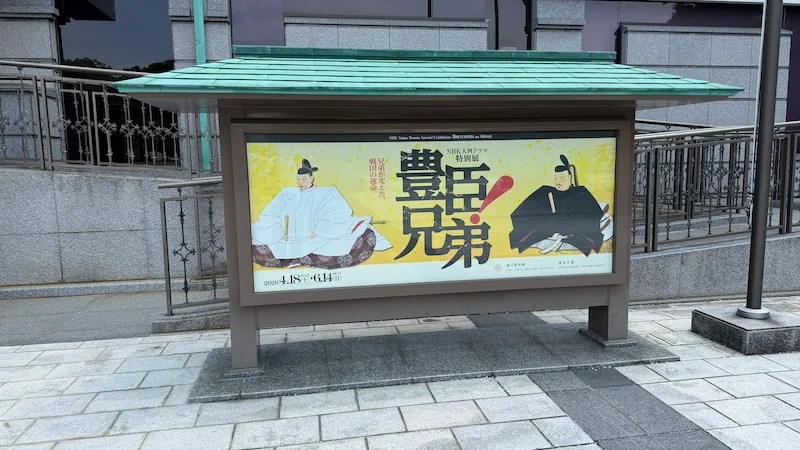
| Nagoya Venue | Closed June 14, 2026 |
|---|---|
| What Was on Display | Approx. 140 historical artifacts — letters, portraits, battle screens, armor, and more |
| Time Spent (Nagoya, special exhibition only) | Approx. 1 hour 40 minutes |
| Audio Guide (Nagoya venue) | Available for a fee — 19 chapters |
| Tokugawa Art Museum / Hosa Library | Open for regular visits — check official site |
| Getting There from Nagoya Station | City bus (Kikan Line 2) or sightseeing bus "Meguru" |
| Combining with Nagoya Castle | Reachable by bus from the museum |
- Who Is This Exhibition For?
- What Was on Display at the Nagoya Venue
- Is It Beginner-Friendly? How Long Does It Take?
- What the Audio Guide Revealed About Hidenaga
- Getting There
- What You Can See at the Tokugawa Art Museum and Hosa Library Now
- Seeing a Toyotomi Exhibition at a Tokugawa Museum
- What to Know Before the Osaka or Tokyo Venue
- Frequently Asked Questions
- Related Sites and Further Reading
Who Is This Exhibition For?
This exhibition is for anyone who wants to understand the Toyotomi period through actual historical material — letters, portraits, battle screens, armor — rather than through drama productions or popular media.
Artifacts connected to Hideyoshi and Hidenaga are scattered across temples, shrines, and museums throughout Japan. Having around 140 of them in one place is uncommon. At the Nagoya venue, it was possible to stand in front of screens depicting the Battle of Shizugatake and the siege of Bicchu Takamatsu Castle and see the campaigns that shaped the Toyotomi rise to power in physical form.
The exhibition also included portraits of Tokugawa Ieyasu and Todo Takatora, which helped place the Toyotomi brothers within a broader network of figures from the same era.
If you are hoping to see the NHK drama cast, costumes, or production stills, this exhibition is not that. For drama-focused content, the Taiga Drama Kan venues are the right places to visit.
What Was on Display at the Nagoya Venue
The following is a record of a personal visit to the Nagoya venue, which has since closed. The Osaka and Tokyo venues may differ in content, exhibition periods, and which items are on display in the first or second half of the run.
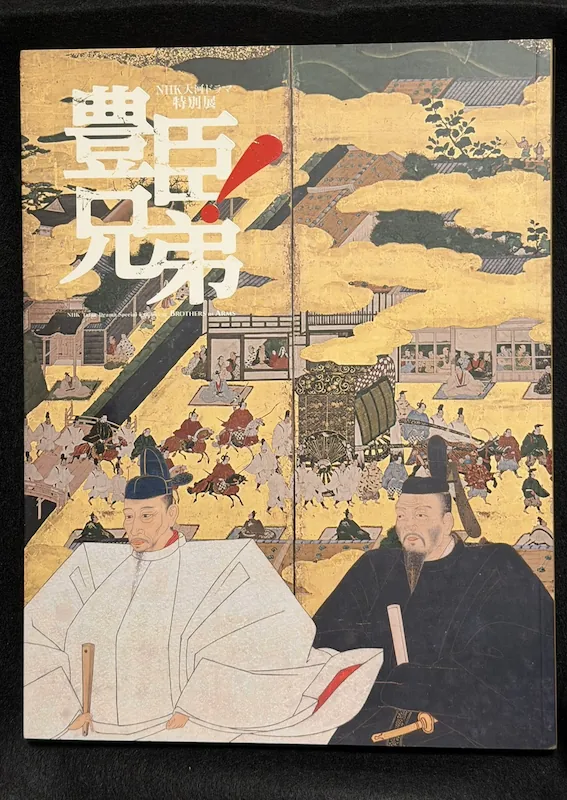
At the Nagoya venue, the exhibition opened with portraits of Hideyoshi and Hidenaga placed side by side — a clear signal that this was a story about both brothers, not just the more famous of the two. Battle screens followed, then documentary materials related to specific campaigns, with portraits of associated figures interspersed throughout.
Among the portraits, one of Tokugawa Ieyasu included a depiction of a dog, which the exhibition text connected to his posthumous deification — an unexpected detail that added texture to the display.
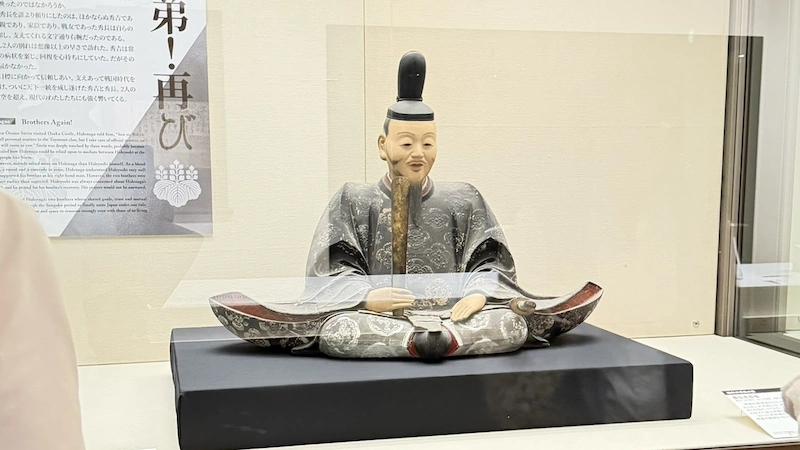
Toward the end of the exhibition, a photography-permitted area featured a statue of Toyotomi Hidenaga alongside a copy of the Ehon Taikoki, an illustrated chronicle of Hideyoshi's life.
Is It Beginner-Friendly? How Long Does It Take?
At the Nagoya venue, the sequence moved from portraits to battle screens to documentary materials in a way that was easy to follow even without prior knowledge of the period. It built naturally from faces to events to context, which made it accessible for first-time visitors to this subject.
At the Nagoya venue, a paid audio guide was available — 19 chapters in total. Listening while walking through the exhibition added layers that would have been easy to miss from the labels alone.
Audio guides and other visitor services vary by venue. Check the official page for the Osaka or Tokyo exhibition before you go.
What the Audio Guide Revealed About Hidenaga
The audio guide at the Tokugawa Art Museum venue was not a straightforward description of individual exhibits. It told the story of the Toyotomi brothers as a connected historical narrative, moving through the arc of their rise together.
What came through most clearly was how the audio guide presented Hidenaga — not as a loyal younger brother standing in the background, but as someone who ran military campaigns, handled diplomatic negotiations, administered domains, managed ceremony and ritual, and served as the operational center of the Toyotomi government. Where Hideyoshi moved fast and took risks, the guide showed Hidenaga steadying things — with the Mori, the Tokugawa, the Shimazu, and the Hojo — and making the unification workable in practice.
The guide used portraits, letters, battle maps, castle-related artifacts, gilded roof tiles, weapons, tea utensils, and Noh-related items to carry the story forward — from their origins in poverty through service to Nobunaga, through the construction of Osaka Castle, Jurakudai, and Yamato Koriyama, to Hidenaga's final years managing the regime while in poor health.
The human dimension came through as well. The guide described how Hidenaga handled post-battle administration, managed relations with temples and shrines, arranged receptions for visiting lords, and served as the channel between Hideyoshi and the wider world of daimyo politics. The phrase used — that he was the lubricant that kept the machine running — was apt.
At the Nagoya venue, the audio guide was worth using. It answered two questions that the objects alone left open: why was Hideyoshi's unification actually possible, and what exactly did Hidenaga do? If an audio guide is available at the Osaka or Tokyo venue, it may add the same kind of context.
Getting There
ACCESS — Tokugawa Art Museum / Nagoya City Hosa Library
| Nearest bus stop | Tokugawa-en Shindekirachi (City Bus Kikan Line 2) — 3 min walk |
|---|---|
| Sightseeing bus Meguru | From Nagoya Station Bus Terminal Stop 11 — approx. 30 min |
| JR Chuo Line | Ozone Station, south exit — approx. 10 min walk |
| Subway Meijo Line | Ozone Station (M12), Exit E5 — approx. 15 min walk |
| Subway Sakuradori Line | Kurumamichi Station (S07) — approx. 15 min walk |
| From Nagoya (Shinkansen) | Nagoya Station is the Shinkansen gateway — take the city bus from there |
| Opening hours | 10:00–17:00 (last entry 16:30) |
| Closed | Mondays (or the following Tuesday if Monday is a holiday); additional closures for exhibition changeovers and year-end |
| Note | Hours and closed days are subject to change. If combining with Nagoya Castle, check bus times in advance — both are reachable by city bus from Nagoya Station. |
| Recommended route | From Nagoya Station, the city bus (Kikan Line 2) or the Meguru sightseeing bus is usually the most direct option for visitors without a car. |
| On-site difficulty | Low. The Tokugawa Art Museum and Hosa Library are on the same grounds and connected by a covered corridor. Allow extra time if you also plan to visit Tokugawaen Garden next door. |
What You Can See at the Tokugawa Art Museum and Hosa Library Now
The special exhibition has ended, but both venues remain open for regular visits.
Tokugawa Art Museum
Collection of the Owari Tokugawa family — armor, tea utensils, Noh costumes, swords, and paintings
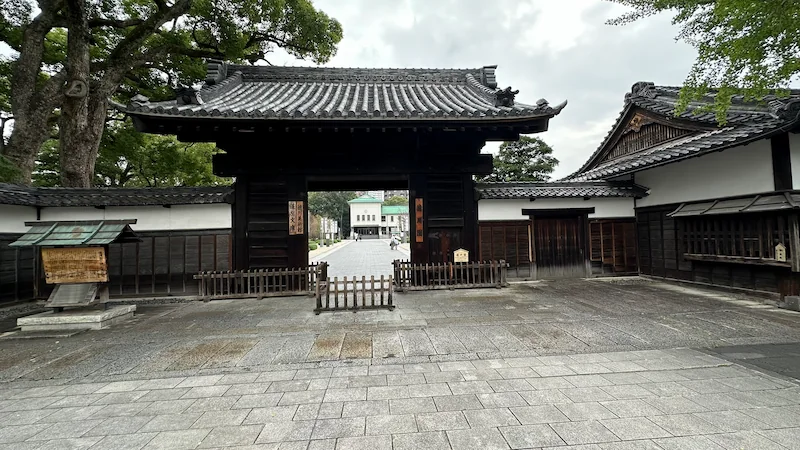
The Tokugawa Art Museum holds the collection of the Owari Tokugawa family — one of the three senior Tokugawa branch families established after the founding of the Edo shogunate. The permanent collection includes Noh costumes, armor, swords, tea utensils, and paintings that span the full breadth of Japanese court and warrior culture.
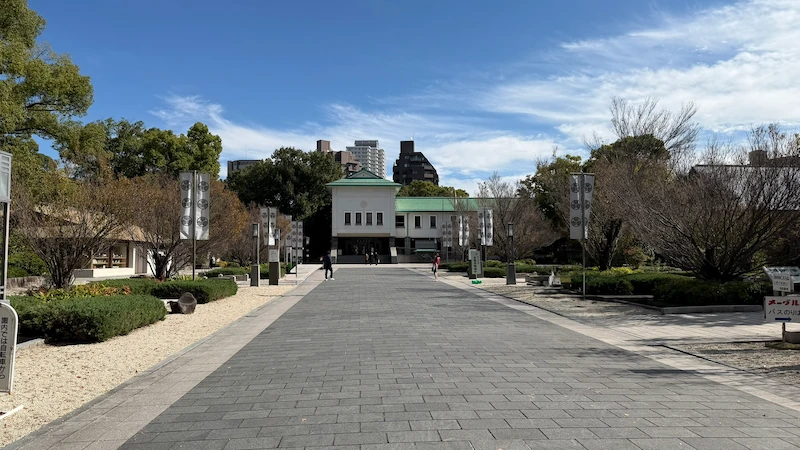
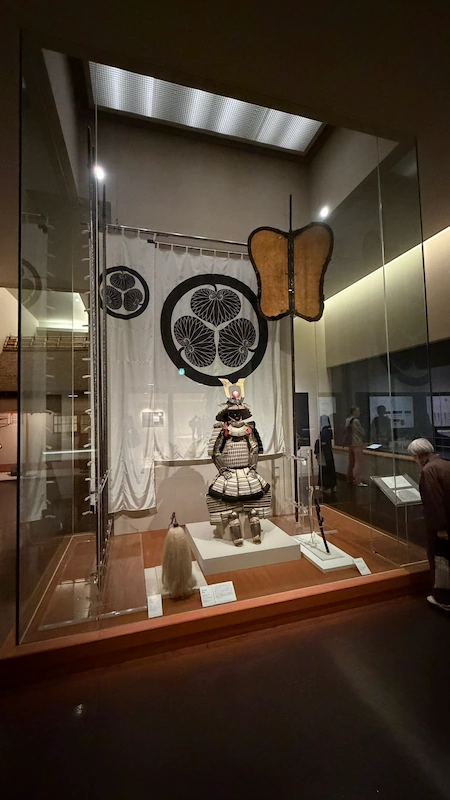
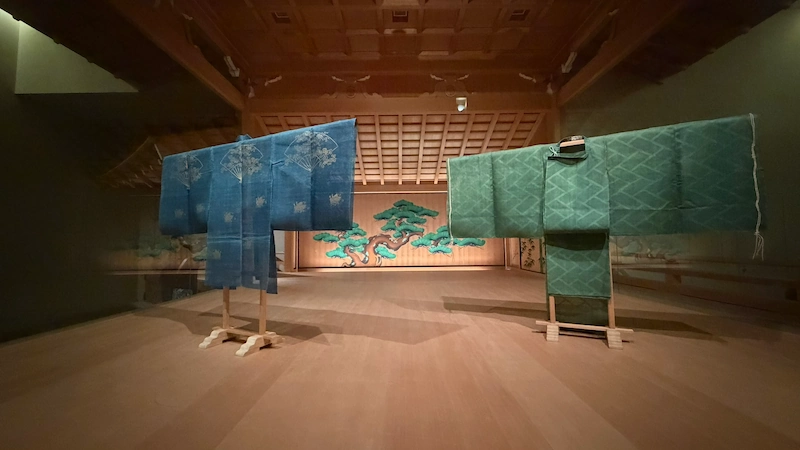
The permanent collection rotates. Check the museum's official website for what is currently on display before your visit.
Nagoya City Hosa Library
Repository of the Owari Tokugawa family's book collection
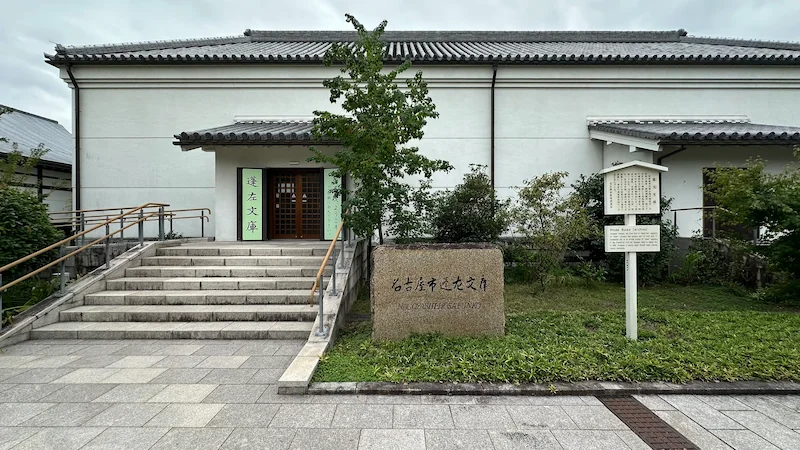
The Nagoya City Hosa Library holds the book collection of the Owari Tokugawa family. The name "Hosa" derives from a historic term for Nagoya used during the Edo period. The library's exhibition room is connected to the main Tokugawa Art Museum building by a corridor, so both can be visited in one trip without going back outside.
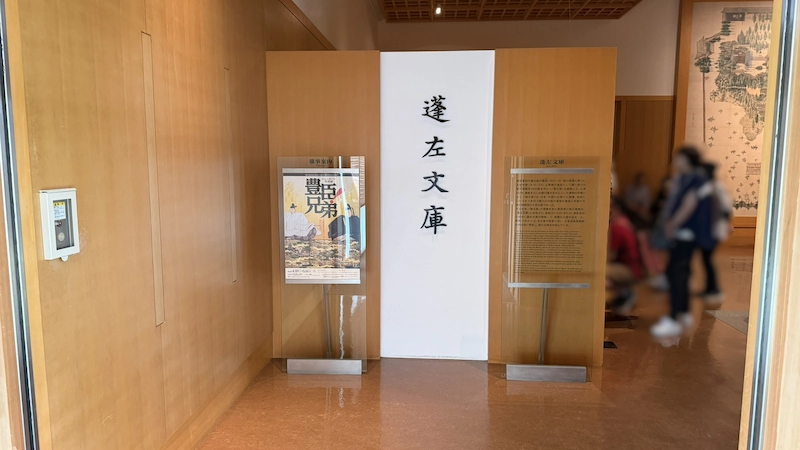
Seeing a Toyotomi Exhibition at a Tokugawa Museum
The Tokugawa Art Museum holds the legacy of a family that came to power after the Toyotomi regime ended. Hideyoshi and Hidenaga lived in the same era as Ieyasu, and the exhibition made this visible — their portraits hung in the same room, separated by only a few decades of history that divided winner from loser.
Seeing the Toyotomi brothers' letters and images in a building shaped by the family that succeeded them gives the material a particular weight. The Owari Tokugawa collection exists partly because the Toyotomi did not survive — and the exhibition inside it reminded visitors of what was lost when Hidenaga died in 1591, four years before Hideyoshi, leaving the regime without its steadiest hand.
What to Know Before the Osaka or Tokyo Venue
Toyotomi Hidenaga is not a figure most visitors will know before walking in. The exhibition is structured so that you can follow the story without prior knowledge, but knowing the basics helps.
Hidenaga was Hideyoshi's younger brother — his full brother by the same mother, which mattered in a world where half-siblings and adopted relatives filled most political roles. He was present at the major campaigns: the siege of Bicchu Takamatsu, the Battle of Shizugatake, the invasions of Shikoku and Kyushu. He governed Yamato Province and managed Osaka Castle's administration while Hideyoshi was elsewhere. A passing familiarity with these events will make the screens and letters considerably more readable.
The content at the Osaka and Tokyo venues will overlap with Nagoya but is not identical. Exhibition periods are split into first and second halves, with some items rotating mid-run.
NHK Taiga Drama Special Exhibition "Toyotomi Brothers!" — Nagoya Venue
| Venue | Tokugawa Art Museum and Nagoya City Hosa Library |
|---|---|
| Dates | April 18 – June 14, 2026 (closed) |
| Admission (Nagoya) | General ¥2,000 / High school and university students ¥1,200 / Junior high school and under free |
| Items on Display | Approx. 140 |
This is a record of the Nagoya venue only. Admission, dates, and content at the Osaka and Tokyo venues will differ — check each venue's official information.
Frequently Asked Questions
Related Sites and Further Reading
The area around Nagoya has several sites connected to the Toyotomi period. Nakamura Park and the Toyokuni Shrine to the northwest mark the neighborhood traditionally associated with Hideyoshi's birth. Nagoya Castle, reachable by city bus from the museum, was begun in 1610 under Tokugawa Ieyasu for his ninth son, Yoshinao, and later became the seat of the Owari Tokugawa family.
Inuyama Castle, Komakiyama Castle site, and Kiyosu Castle are all within reach of Nagoya and cover the Oda–Toyotomi–Tokugawa transition at a more hands-on level.
☕ Support This Site
Following the Shogun is built on first-hand research and field visits.
If this article helped you plan your trip, your support is appreciated.

Scan to support via QR code


comment