


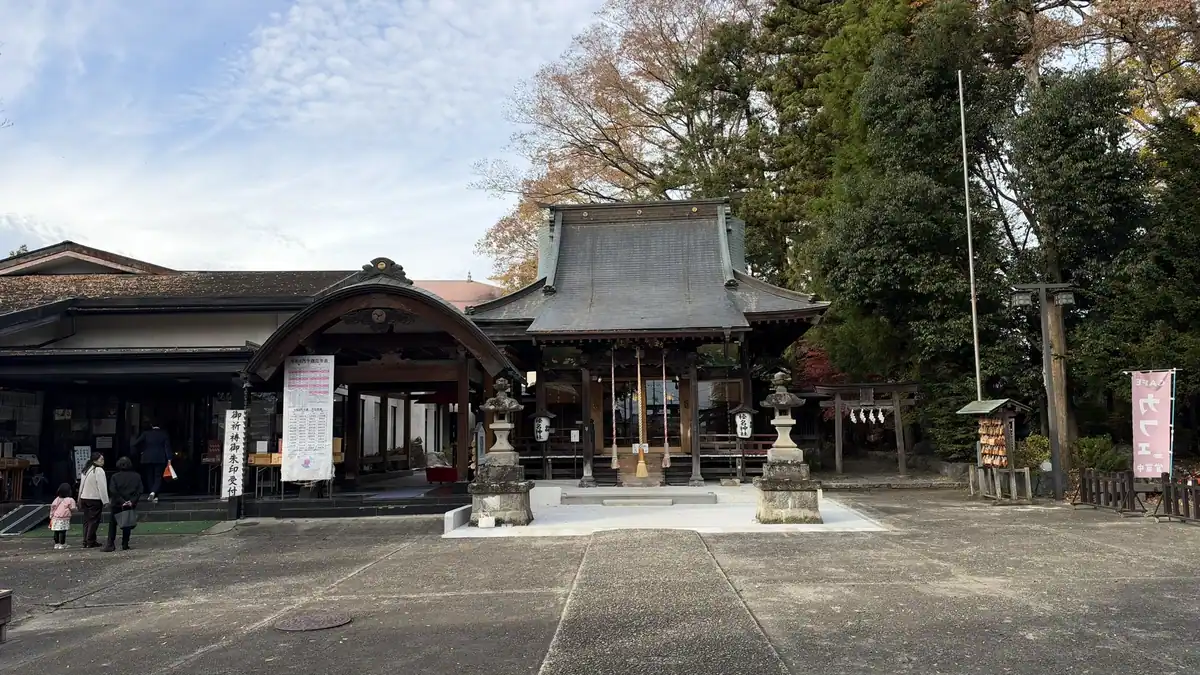
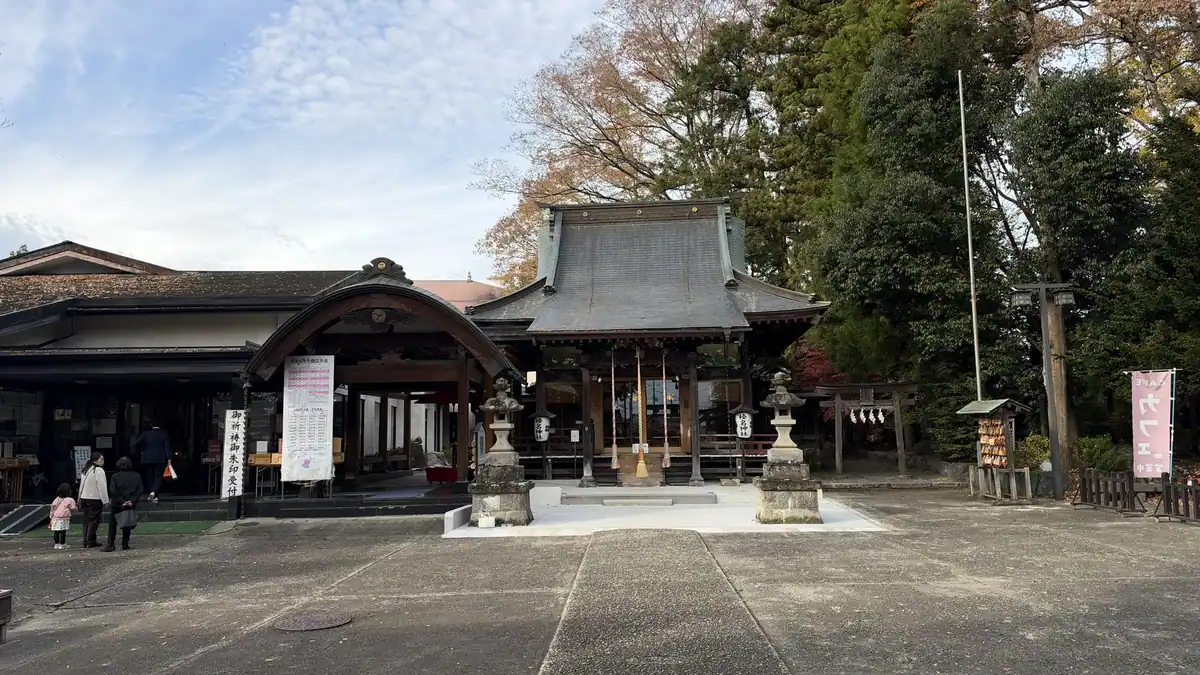
Shogakuji Temple and Haruna Shrine in Numata: Komatsuhime's Grave, a Shrine Rebuilt by Sanada Nobuyuki, Goshuin and Parking
This guide covers two small sacred sites in Numata, a city in Gunma Prefecture north of Tokyo. Shogakuji, a Pure Land Buddhist temple, holds the grave of Komatsuhime, daughter of the famous general Honda Tadakatsu and wife of Sanada Nobuyuki, lord of Numata Castle. Haruna Shrine is the Numata shrine that Nobuyuki rebuilt in 1615; it is not the well-known Haruna Shrine on Mt. Haruna in Takasaki. I drove to both on November 14, 2026, spending about 10 minutes at Shogakuji and about 25 minutes at Haruna Shrine, including the wait for my goshuin.
If you search for “Haruna Shrine”, you will mostly find the large mountain shrine on Mt. Haruna in Takasaki, a different place, roughly an hour's drive away. The shrine in this guide is in Harunamachi, Numata.
A quick note on the two kinds of sacred sites: a jinja (shrine) belongs to Shinto, Japan's native religion, and you pass under a torii gate to enter; a tera (temple) is Buddhist and is entered through a sanmon gate. What stayed with me most were Komatsuhime's grave at Shogakuji and the carvings on the sanctuary at Haruna Shrine: come to Shogakuji for the grave, and to Haruna Shrine for the carvings.
| Shogakuji | Pure Land (Jodo) Buddhist temple. Komatsuhime's grave, a gate from around 1860, an umbrella pine. My visit: about 10 minutes. From Numata Station: bus about 3 minutes plus 4 minutes on foot |
|---|---|
| Haruna Shrine | Shinto shrine in Harunamachi, Numata. Rebuilt by Sanada Nobuyuki, carved sanctuary, Memeyoshi-sama stone, goshuin. My visit: about 25 minutes including the goshuin wait. About 8–10 minutes on foot from Numata Station |
| Fees | Shogakuji's grounds are open to visitors; Haruna Shrine charges no entry fee. Goshuin offerings are separate (usually 500 yen each per the notice) |
In this guide
Shogakuji: Komatsuhime's grave, the gate and the umbrella pine
Shogakuji is a temple of the Jodo (Pure Land) school of Buddhism at 938 Kajimachi, Numata. Visitors are free to walk the grounds, and there is a car park (Numata tourism association).
Komatsuhime's grave: the Grave of Dairen-in-den
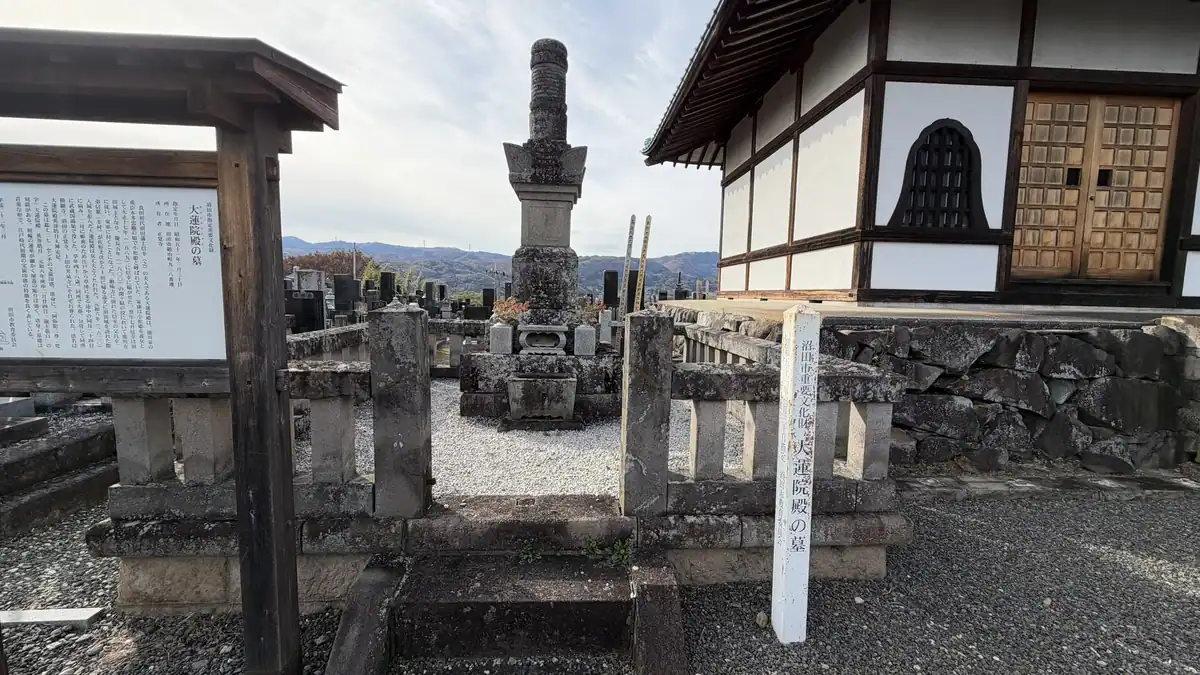
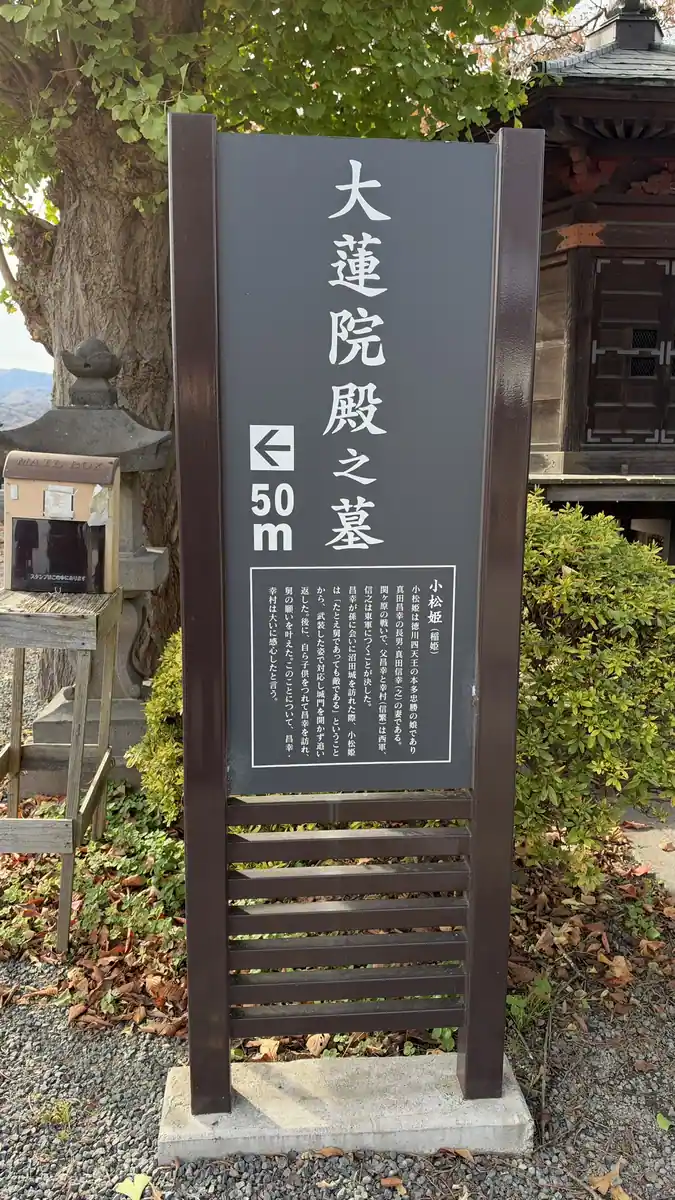
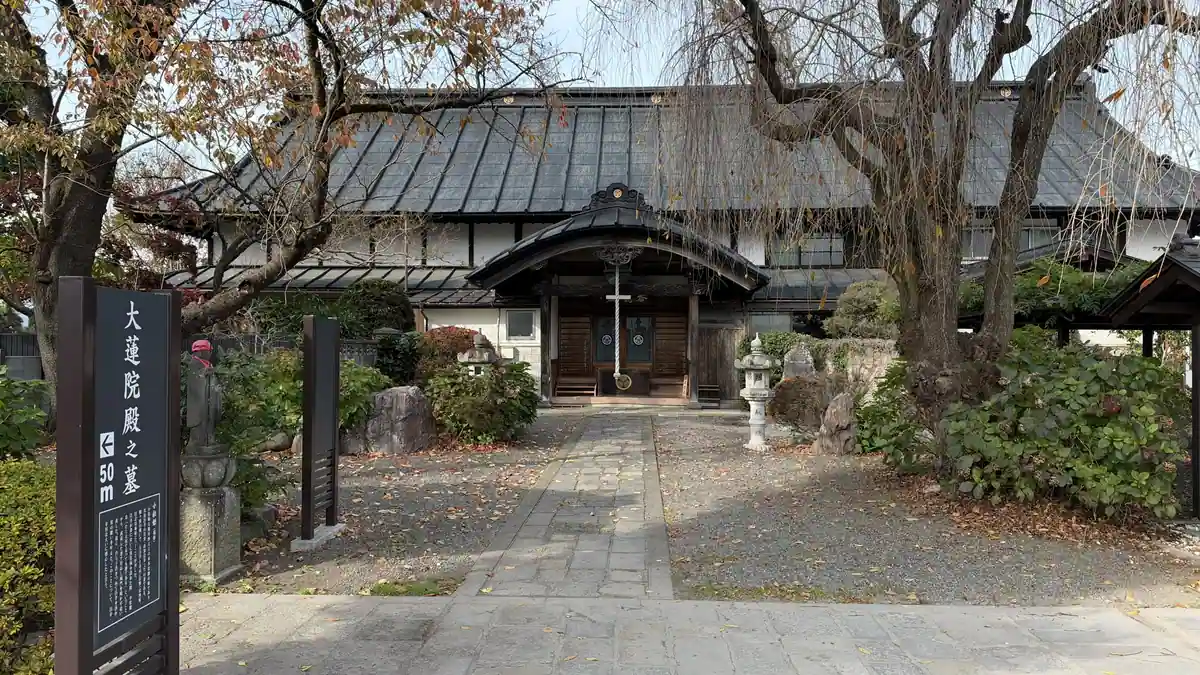
Inside the cemetery, a signpost reads “Grave of Dairen-in-den”, with an arrow pointing left and “50m”. Follow it and you reach a grave enclosed by a stone fence, with an information board to its left.
Dairen-in-den is Komatsuhime's Buddhist posthumous name, the name given to a person after death in Japanese Buddhism. Her grave is a hokyointo, a type of Buddhist stone pagoda, about 2.7 m tall, carved with that name and the year 1620; Numata City designated it an Important Cultural Property in 1976.
Komatsuhime died in 1620 at Konosu, on the way from Edo (today's Tokyo) to the hot springs of Kusatsu, aged 48. After cremation, her remains were divided among three temples: Shoganji in Konosu, Shogakuji in Numata, and Hosenji in Ueda.
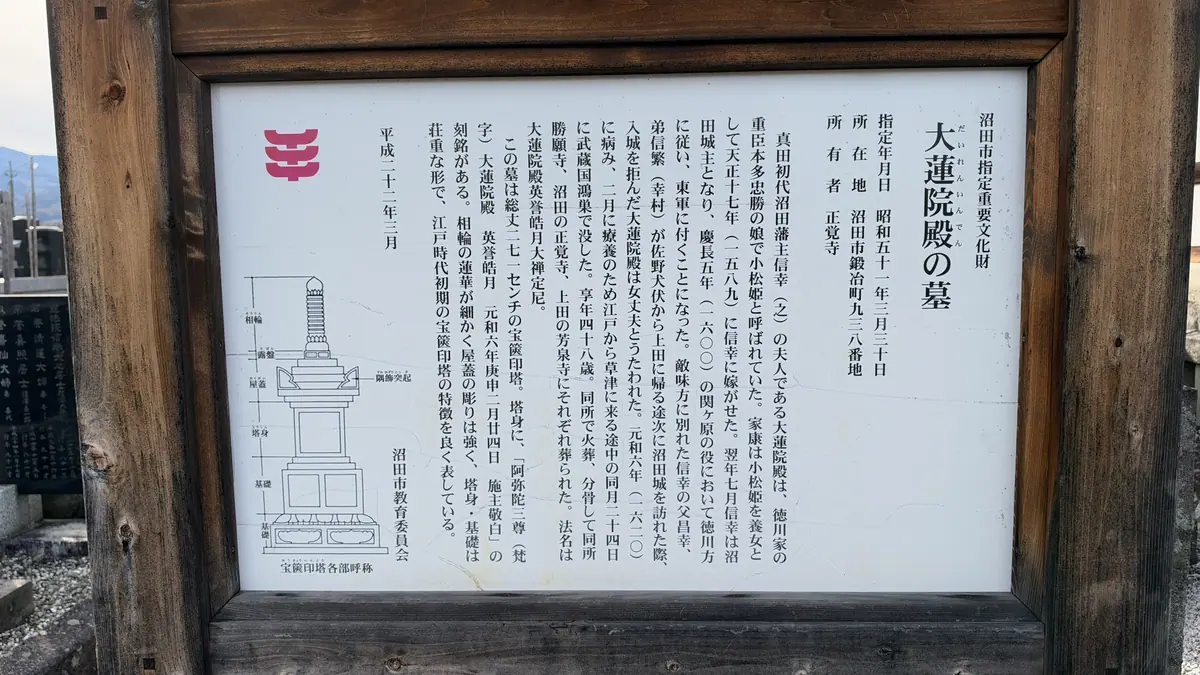
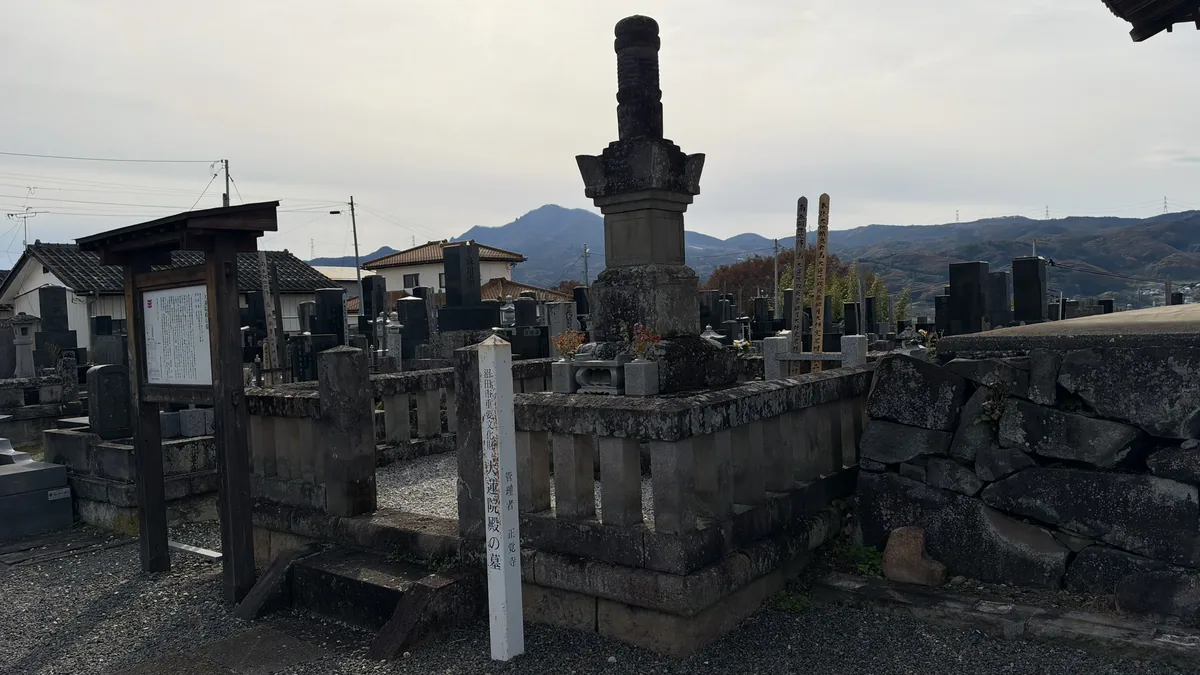
Tap a photo to enlarge
The gate and the grounds: a gate from around 1860 and the umbrella pine
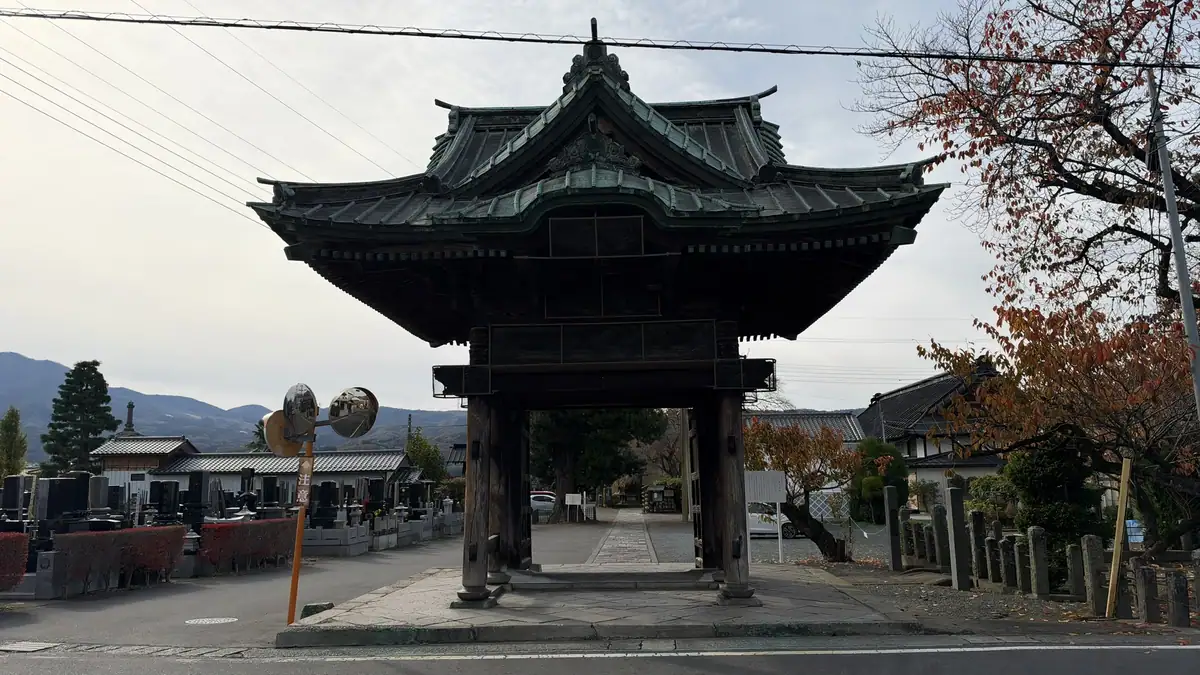
I photographed the gate from inside the grounds. Its roof sweeps upward, and carvings are layered over the posts and beams. Numata City's records describe it as a four-legged gate with a hip-and-gable roof, thought to date from 1860; it is a Numata City Important Cultural Property. It was built about 240 years after Komatsuhime's death in 1620.
The ridge ornament carries the standing-hollyhock crest of the Honda family, Komatsuhime's birth family, and the carvings bear the name of a carver from Nitta District, Horinsai (Numata City).
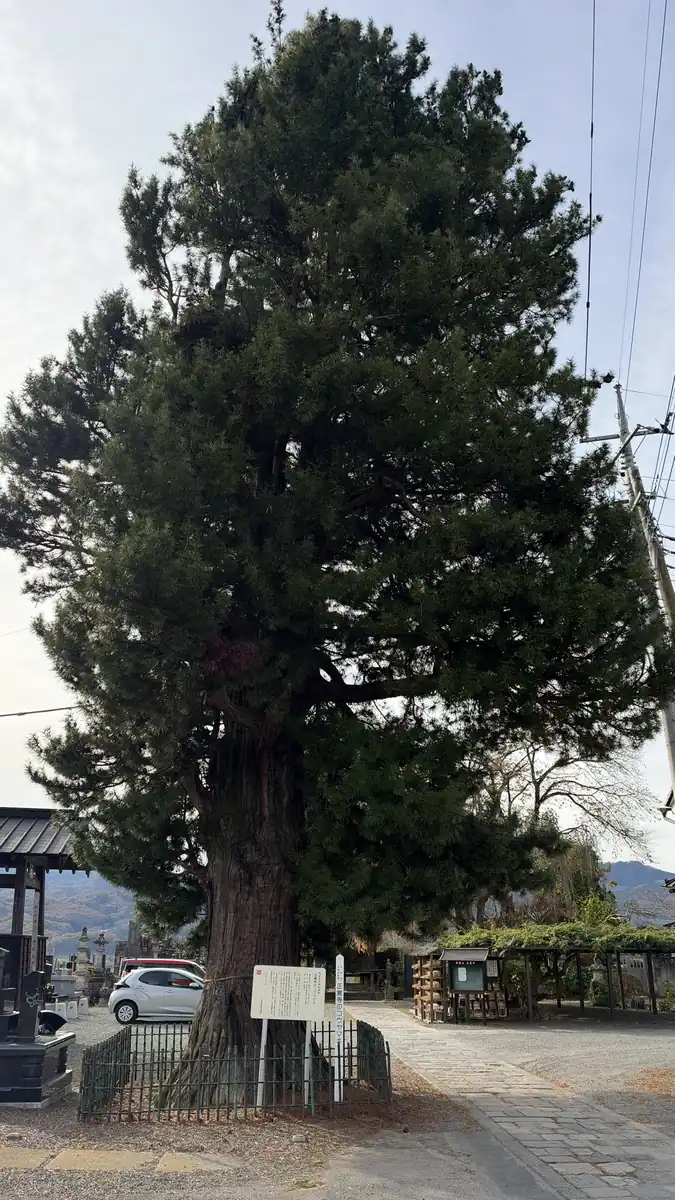
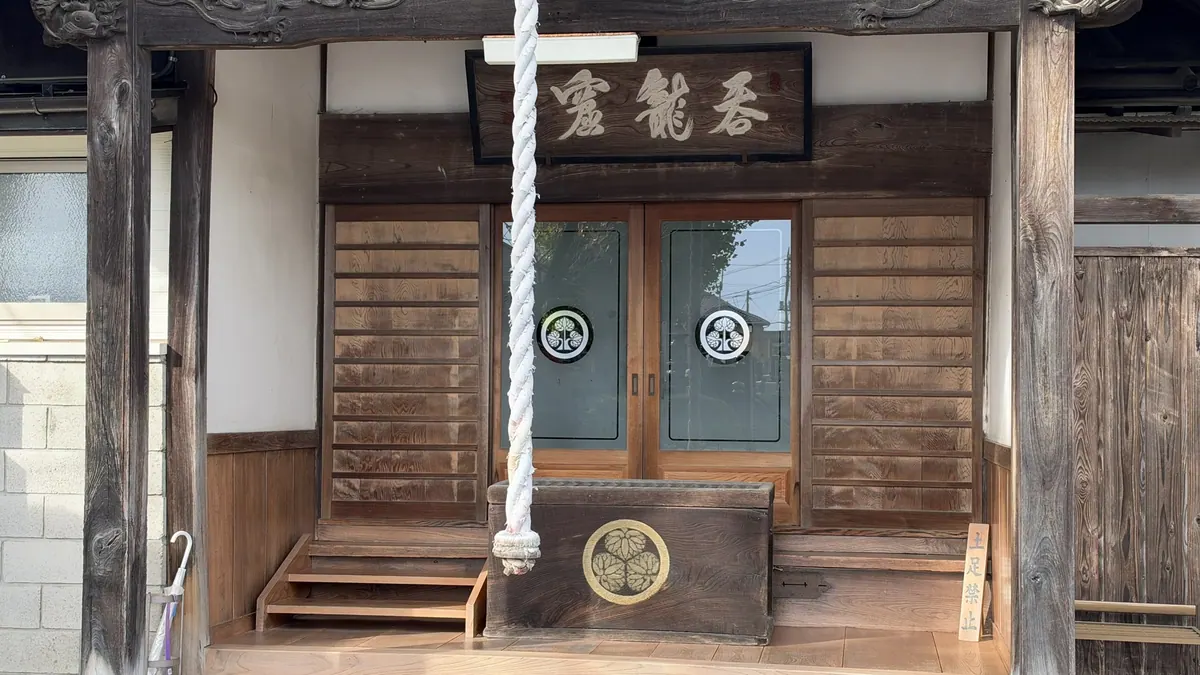
In the grounds stands an umbrella pine (koyamaki) designated a Numata City Natural Monument in 1976. Beside the stone-paved approach to the main hall is Donryu Hall, with the hollyhock crest on its doors and offering box.
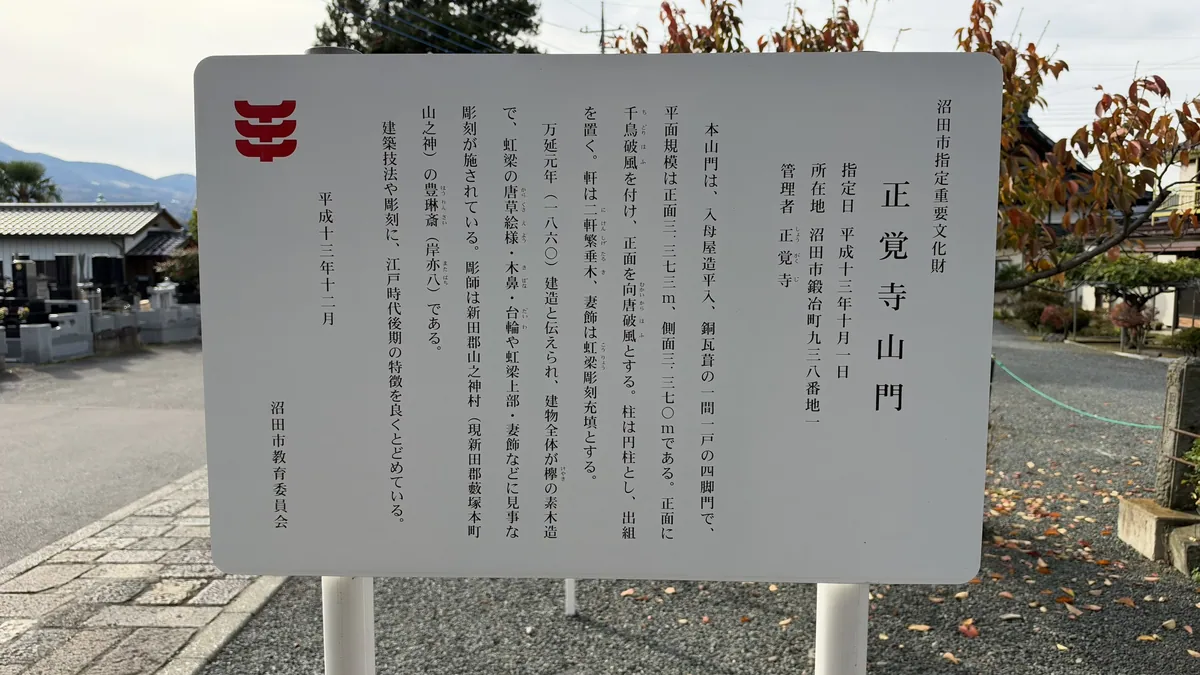
Tap a photo to enlarge
Haruna Shrine: Sanada Nobuyuki's shrine and its carvings
Haruna Shrine is at 2851 Harunamachi, Numata. According to information from the shrine published on Hotokami, a Japanese shrine-and-temple website, there is no entry fee. You can walk the grounds freely, and goshuin are issued at the shrine office.
According to the shrine's website, in 1529 Numata Akiyasu, as he built Kurauchi Castle (later Numata Castle), gathered several deities into one shrine and built it on the present site. Successive lords of the castle, of the Numata, Sanada, Honda and Toki families, all worshipped here. The main sanctuary enshrines four deities: Haniyamahime, Yamato Takeru, Sugawara no Michizane and Takeminakata.
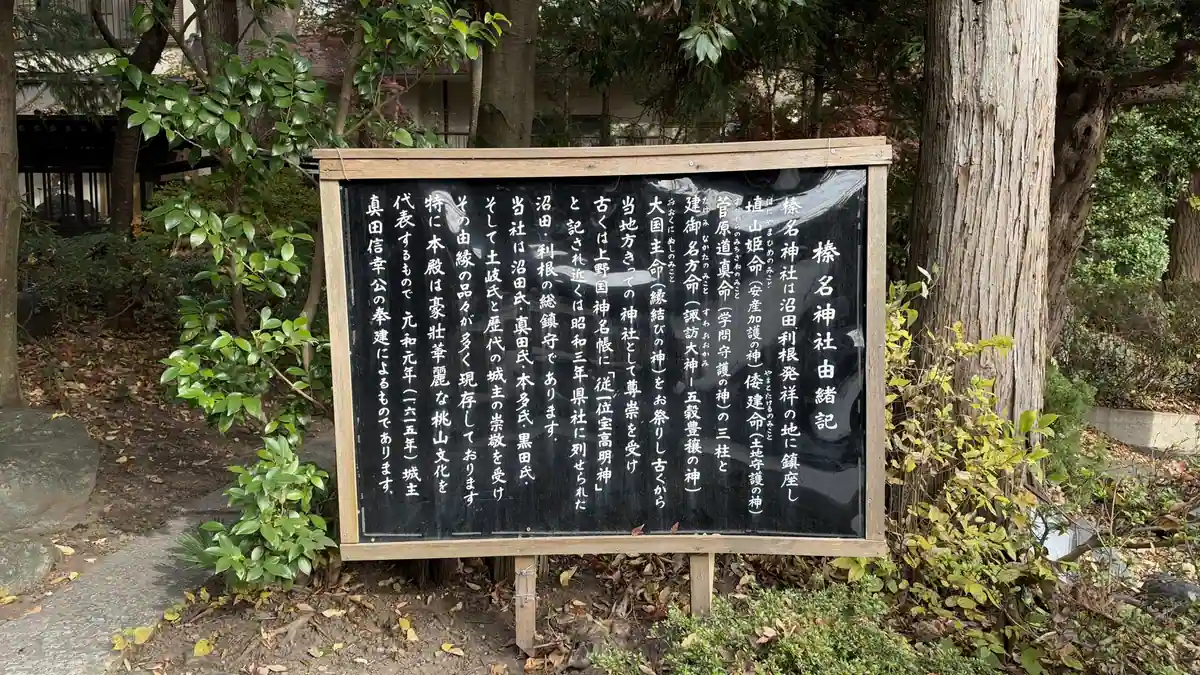
The website also says that in 1615 Sanada Nobuyuki rebuilt the shrine and painted his family crest, the six coins (rokumonsen), above the sanctuary doors. The six coins are commonly explained, though not on the shrine's website, as the fare for crossing the river to the afterlife, a sign that the Sanada fought ready to die. The history board in the grounds calls the sanctuary “a representative work of the bold and splendid Momoyama style”, built by the lord Sanada Nobuyuki (the board uses his earlier spelling: he later changed one character of his name, but it is still read Nobuyuki). I could not confirm when each of the present carvings was made.
The torii and the worship hall at the top of the steps
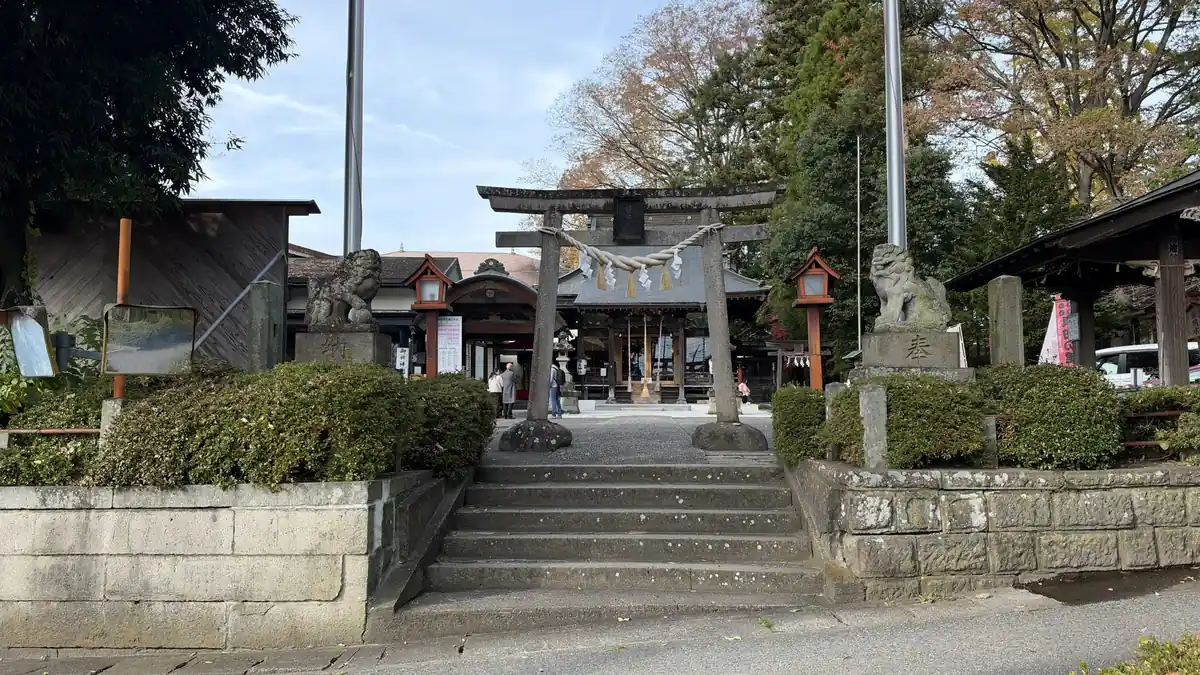
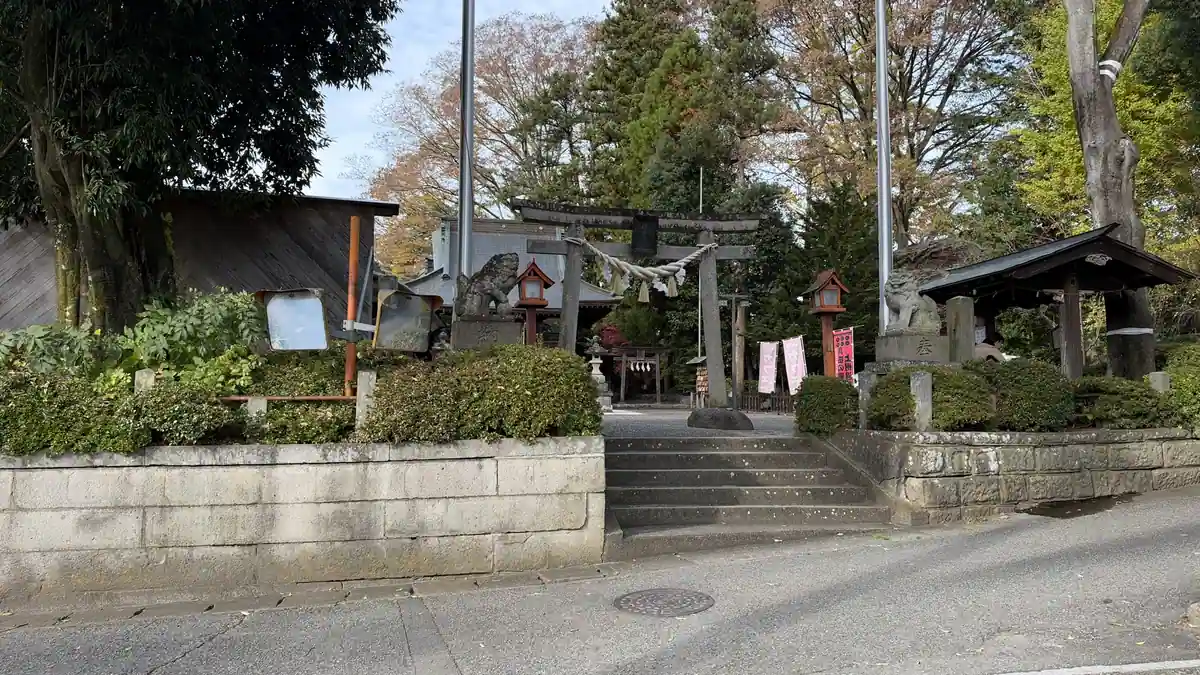
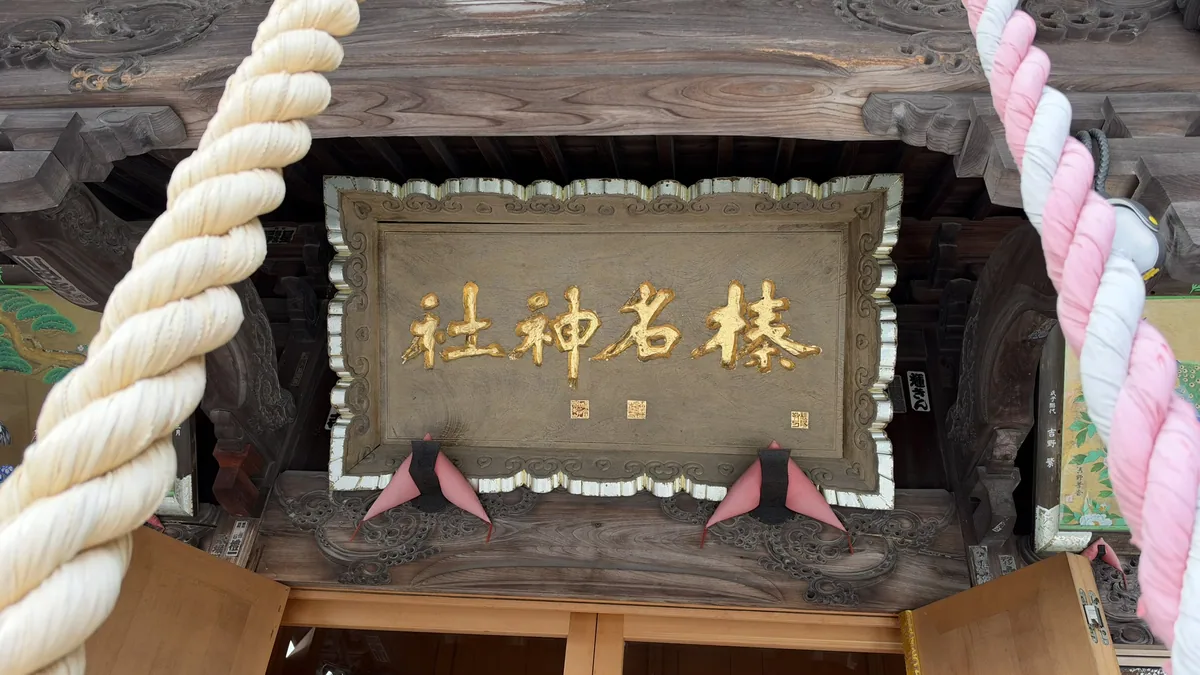
From the road, stone steps lead up between a pair of guardian lion-dogs (komainu) to the torii gate. Beyond it, in the forecourt, the worship hall stands to the right and the shrine office building to the left. The plaque on the worship hall bears the shrine's name in gold.
Tap a photo to enlarge
The carvings on the outside of the main sanctuary
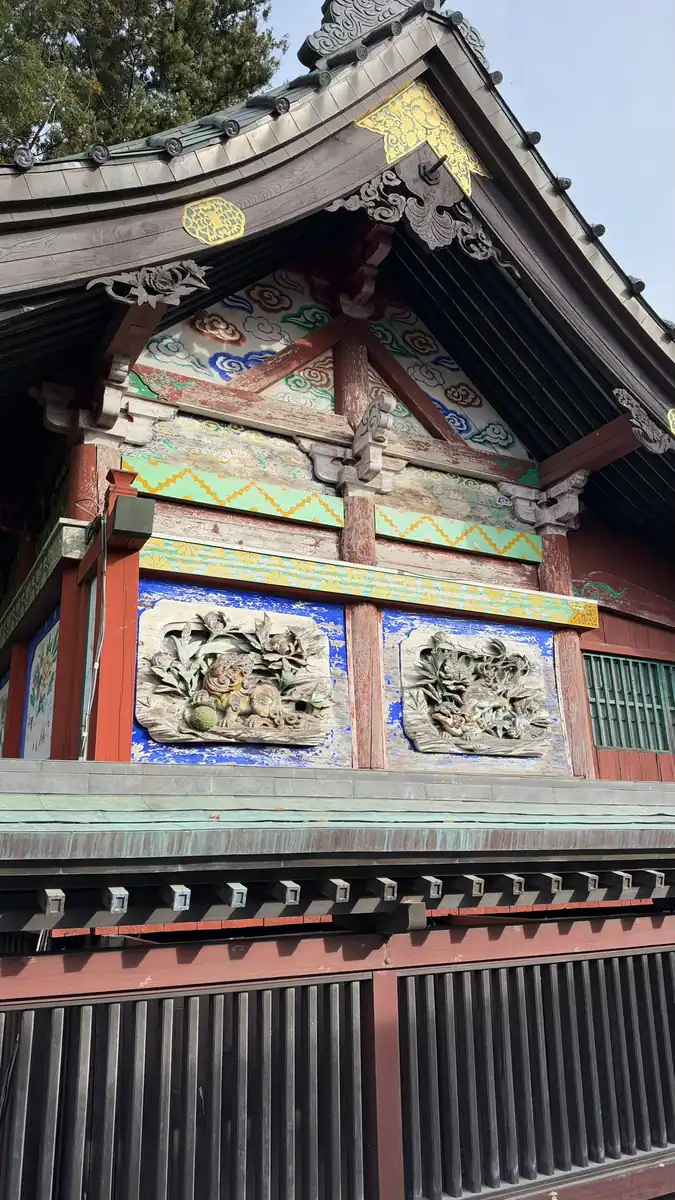
What impressed me most were the carvings. Walk around to the outside of the main sanctuary, and painted carvings and beams continue layer upon layer from under the roof down the walls.
Memeyoshi-sama: the carved stone behind the sanctuary
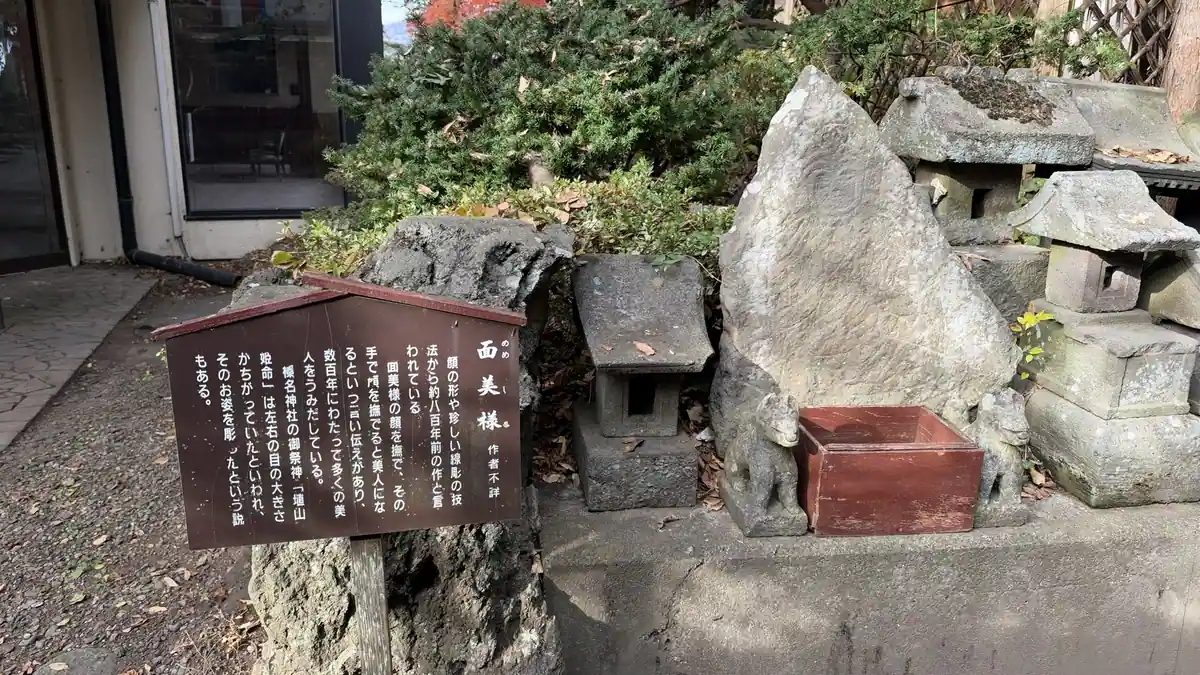
Memeyoshi-sama is a stone behind the main sanctuary with a face carved in outline. The sign beside it says the carver is unknown and that, judging by the shape of the face and the unusual line-carving technique, it is said to be about 800 years old. Local tradition says that if you stroke the face and then your own, you will become beautiful, and there is a Memeyoshi-sama goshuin too.
Goshuin at Haruna Shrine: types, offerings and waiting time
A goshuin is a seal stamp with brushed calligraphy that shrines and temples give to worshippers, traditionally collected in a special book (goshuincho). You pay an offering, called hatsuhoryo at shrines, rather than a price. According to the notice at the shrine office (November 14, 2026), goshuin are given from 9:30 to 17:00, and the hours may change on festival days.
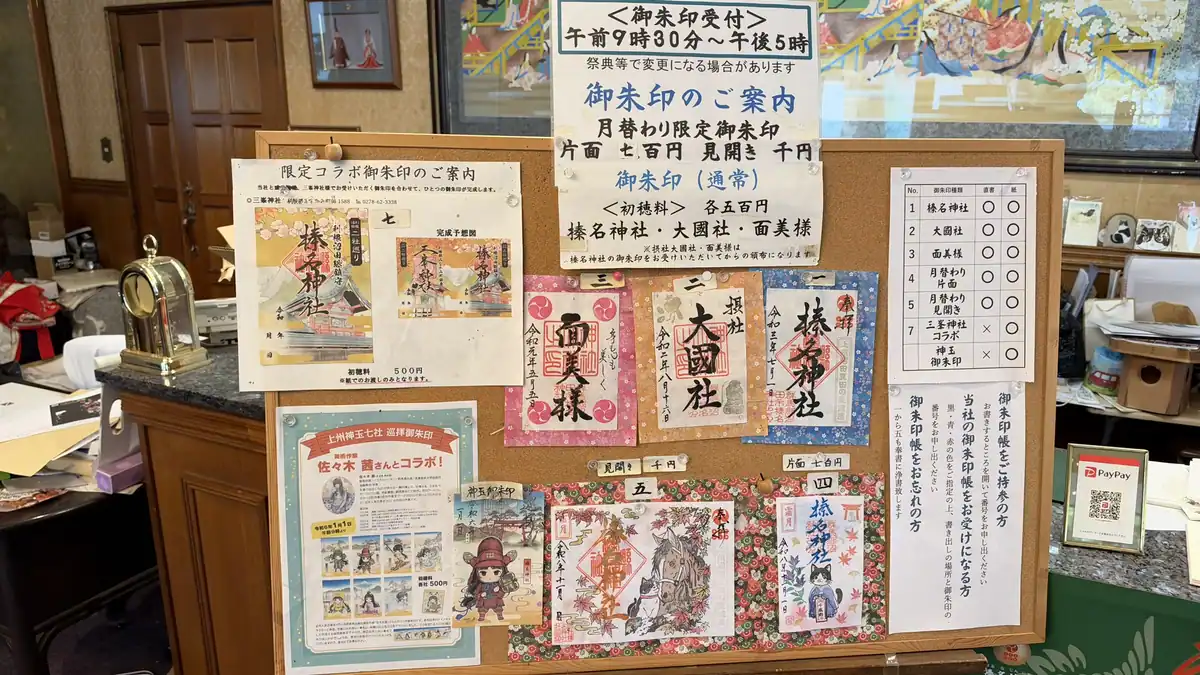
On November 14, 2026, the notice listed three regular goshuin, for Haruna Shrine, Okuni-sha and Memeyoshi-sama, at 500 yen each, and a monthly limited edition at 700 yen (one page) or 1,000 yen (two-page spread). The Okuni-sha and Memeyoshi-sama goshuin are given after the Haruna Shrine one. Some types can be written directly in your book or on a sheet of paper, and some, such as a collaboration with Mitsumine Shrine, come only on paper. The notice said the three regular types and the monthly ones can be received on paper if you have no book.
I received the regular Haruna Shrine goshuin (No. 1 on the notice) on paper. The wait was about 10 minutes in all until I collected it, about 8 of them between handing in my request and getting it back. It takes longer when busy, so leave some time in your plans.
The types, offerings and hours above are from the notice on November 14, 2026. Check the shrine's current information before you go.
How long I spent: about 35 minutes for both
I drove to Shogakuji first, then Haruna Shrine. My time at each:
| Shogakuji | About 10 minutes: Komatsuhime's grave, the gate and the grounds |
|---|---|
| Haruna Shrine | About 25 minutes: worship, the carvings, Memeyoshi-sama and the goshuin, including about 10 minutes of waiting |
| Total | About 35 minutes, plus the short drive between the two |
The bus stop for Shogakuji, “Terrace Numata / City Hall”, is named after Terrace Numata, the civic building that also houses the Numata City History Museum. The museum is in Terrace Numata, not in Numata Park (the Numata Castle site). It displays copies of lacquerware that Komatsuhime used; the originals belong to Shogakuji, where her grave is. The Sanada castle sites in nearby Minakami are covered in our Ogawa Castle guide.
Getting there and parking
The nearest station is Numata on the JR Joetsu Line. The shinkansen does not stop there: from Tokyo, change at Takasaki to the Joetsu Line. From Jomo-Kogen Station on the Joetsu Shinkansen, buses to the town center take about 40 minutes (Numata City). The town center sits on a river terrace about 80 m above Numata Station, according to the city, so expect some uphill walking from the station. Japan-Guide lists the shinkansen to Jomo-Kogen as covered by the Japan Rail Pass; the local buses are not JR services. On the Joetsu Shinkansen, not every train called Toki stops at Jomo-Kogen; some pass straight through. I only noticed from an announcement on board, and it was in Japanese, so check that your train stops at Jomo-Kogen before you get on (the Tanigawa trains normally stop there).
For Shogakuji, take the bus from Numata Station to “Terrace Numata / City Hall” (about 3 minutes) and walk about 4 minutes (350 m). For Haruna Shrine, the shrine's website gives about 8 minutes on foot from the east exit of Numata Station, and the Numata tourism association about 10 minutes (800 m). I drove, so I did not walk these routes.
Getting to Shogakuji and Haruna Shrine
| Addresses | Shogakuji: 938 Kajimachi, Numata. Haruna Shrine: 2851 Harunamachi, Numata |
|---|---|
| From Numata Station (Shogakuji) | Bus about 3 minutes to Terrace Numata / City Hall, then about 4 minutes on foot (350 m) |
| From Numata Station (Haruna Shrine) | About 8 minutes on foot from the east exit (shrine website); about 10 minutes, 800 m (Numata tourism association) |
| From Jomo-Kogen Station | About 40 minutes by bus to the town center, plus the wait for the bus and the walk from the stop |
| By car | Shogakuji: about 10 minutes (4 km) from Numata IC. Haruna Shrine: about 11 minutes (5 km) from Numata IC (Numata tourism association); the shrine's website says about 10 minutes from Numata IC or Showa IC |
| Parking (Shogakuji) | Available. Drive in on the left side of the gate as you face it |
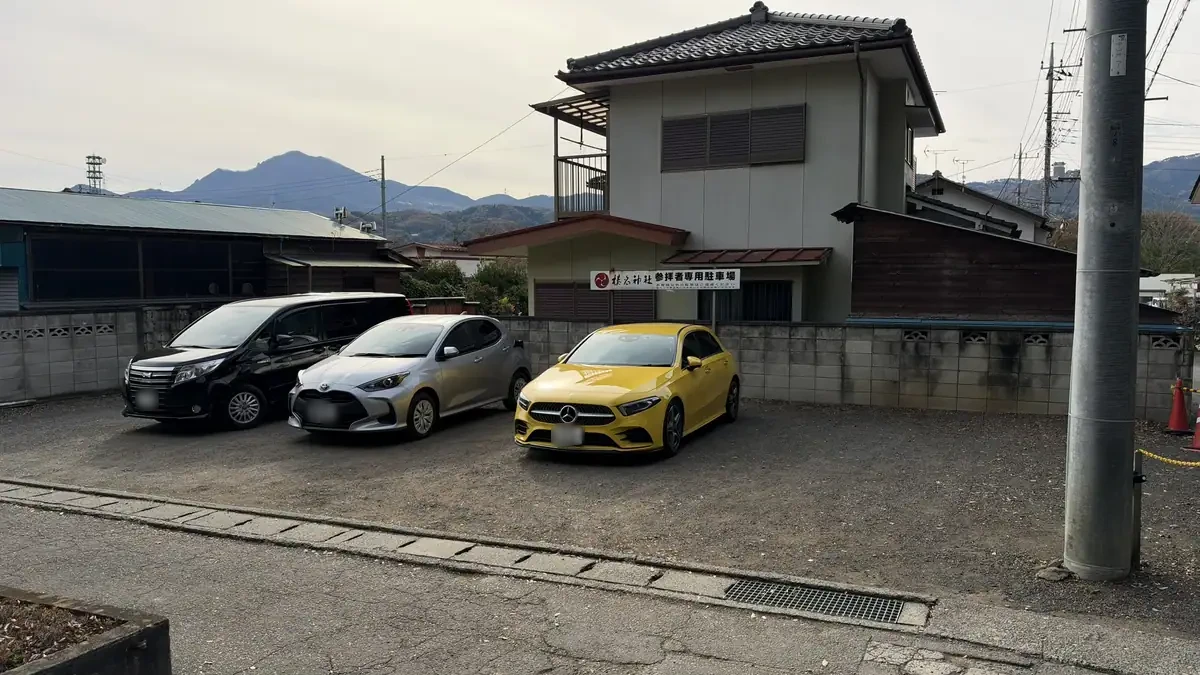
| Parking (Haruna Shrine) | 40 spaces according to the shrine's website. On my visit the car park beside the grounds was full and I used another one |
| Goshuin | 9:30–17:00 (notice on site; may change on festival days) |
Driving in Japan with a foreign license
| What you need | An International Driving Permit issued under the 1949 Geneva Convention, plus your home license and passport. Permits issued under other conventions, such as the 1968 Vienna Convention, are not accepted. Licenses from Switzerland, Germany, France, Belgium, Monaco and Taiwan need an official Japanese translation instead (JAF, Eki Rent-A-Car) |
|---|---|
| Time limit | Up to one year from your entry into Japan (JAF) |
| Rental at Jomo-Kogen | Eki Rent-A-Car's Jomo-Kogen office is in the parking area under the elevated tracks in front of the station, open 8:00–19:00 (checked November 15, 2026). Eki Rent-A-Car has an English booking site |
| Car sharing | I used a Times Car car-share car from Jomo-Kogen Station. Times Car does not accept foreign or international driving licenses for membership, so visitors from abroad should book a rental car instead |
| Other rentals | You can also search rental cars on Rakuten Travel (Rakuten Travel car rental, PR; Japanese-language site) |
| On the road | Japan drives on the left |
Shogakuji
Haruna Shrine (Numata)
Maps: Google Maps. Shogakuji and Haruna Shrine are in different places; the car park I used at the shrine is shown below.
Shogakuji's car park confused me for a moment. You see the gate from the road, but the car park is reached by driving in on the left side of the gate as you face it; you do not need to go through the gate.
Haruna Shrine also has a car park beside the grounds, but on November 14, 2026, it had few spaces and was full. A sign there pointed to another car park, so I followed it and parked in an area marked “Haruna Shrine worshippers' parking”. The map below shows where I parked.
The car park I used at Haruna Shrine
The pin is at 3271-4 Harunamachi, which differs from the shrine's address (2851 Harunamachi). Check the conditions of use on the signs at the car park.
Komatsuhime, Sanada Nobuyuki and the two sites
Komatsuhime was the daughter of Honda Tadakatsu, one of Tokugawa Ieyasu's leading generals, and married Sanada Nobuyuki (at the time he wrote his name with a different second character; the reading is the same) in 1589 as Ieyasu's adopted daughter. Nobuyuki was lord of Numata Castle.
At the Battle of Sekigahara in 1600, Nobuyuki fought on Ieyasu's side, while his father Masayuki and younger brother Nobushige (better known as Yukimura) fought against him. The signpost at Shogakuji tells a story: when Masayuki came to Numata Castle hoping to see his grandchildren, Komatsuhime met him in armor and turned him away without opening the gate. Later, it says, she took the children to visit him and granted his wish. These are local stories, also told by the Numata tourism association.
Episode 36 of NHK's 2016 historical drama Sanada Maru also shows Komatsuhime (called Ina in the drama) facing Masayuki and Nobushige when they stop at Numata Castle; that scene is the drama's version, not a record of what happened. For more on the Sanada family, see our guide to the Sanada Maru taiga drama.
Guides to the Numata and Minakami sites
The other places I visited on the same day, November 14, 2026, each have their own guide.
 Day-trip routeA day by car around Numata and Minakami8 stops from Jomo-Kogen Station: the order, the timings, and the train and car costsSee the route →
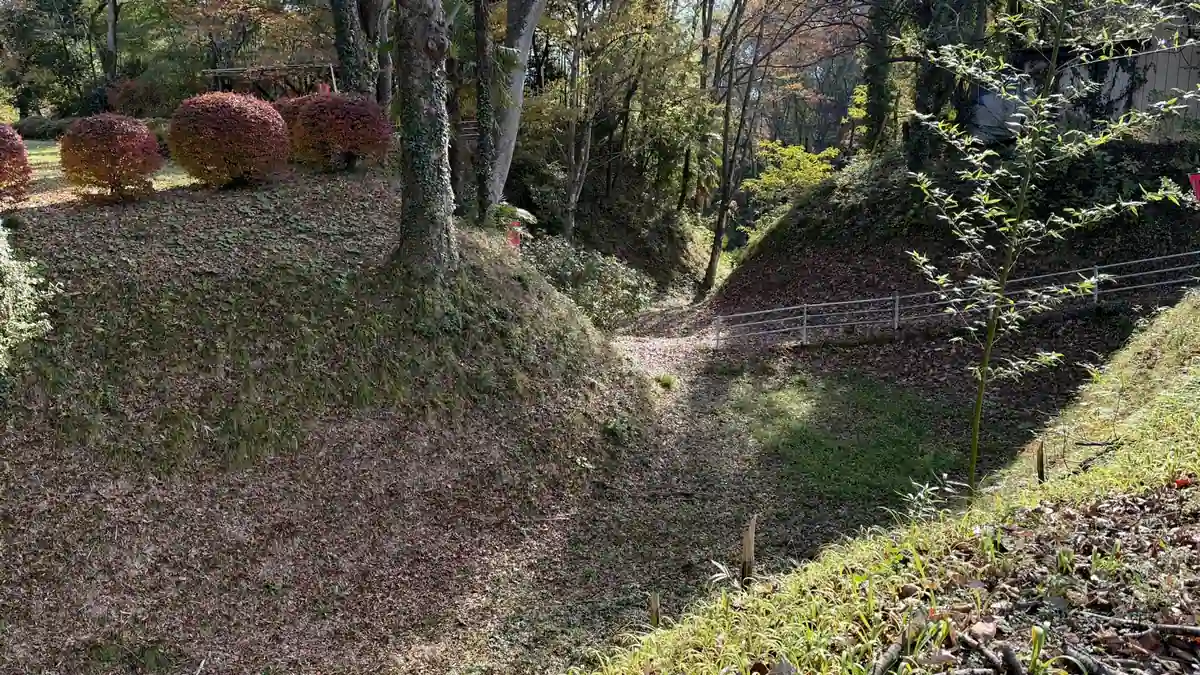 Castle ruins | MinakamiOgawa Castle RuinsThe dry moat, the main enclosure and how to get thereSee the guide →
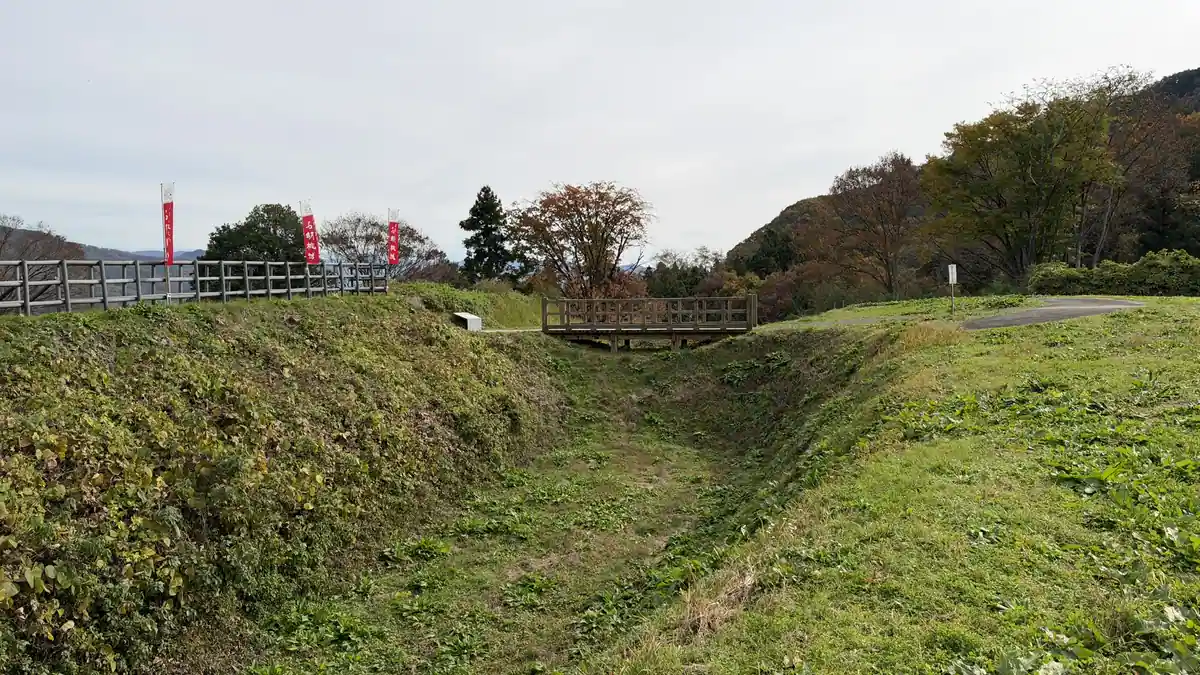
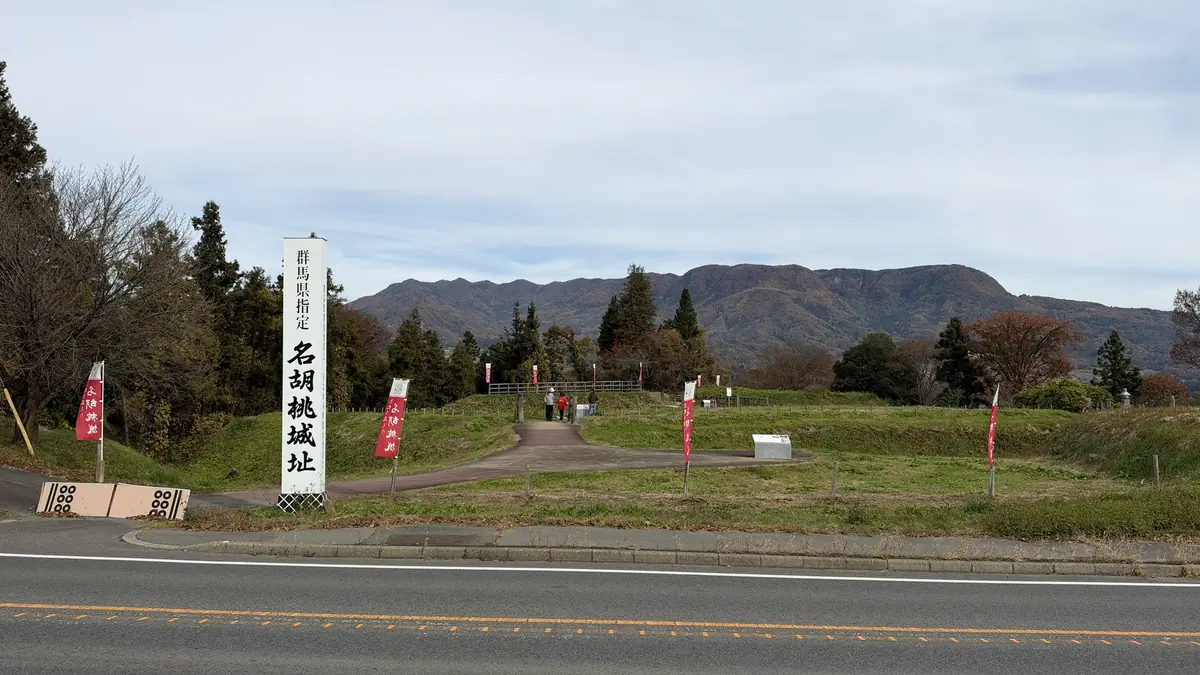 Castle ruins | MinakamiNagurumi Castle RuinsEnclosures, dry moat and wooden bridge. The free guide and the castle stampsSee the guide →
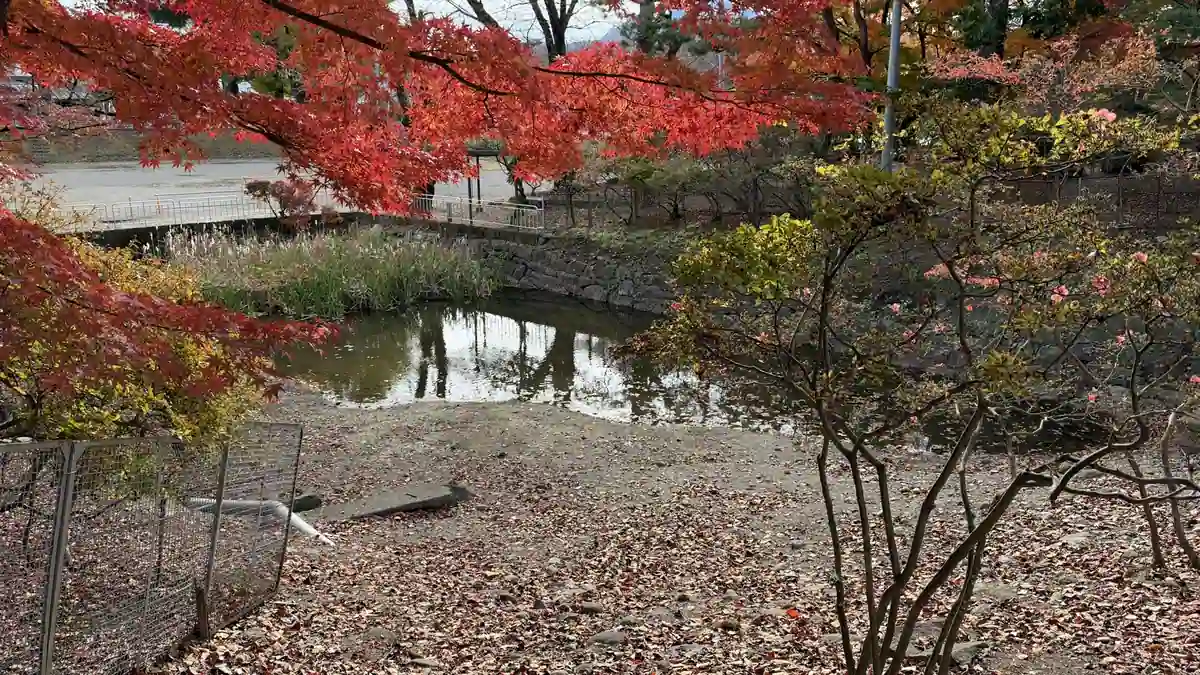 Castle ruins | NumataNumata Castle Ruins (Numata Park)The main-enclosure moat, the west turret's stone wall and the rebuilt bell tower. The history museum and the multi-site passSee the guide →
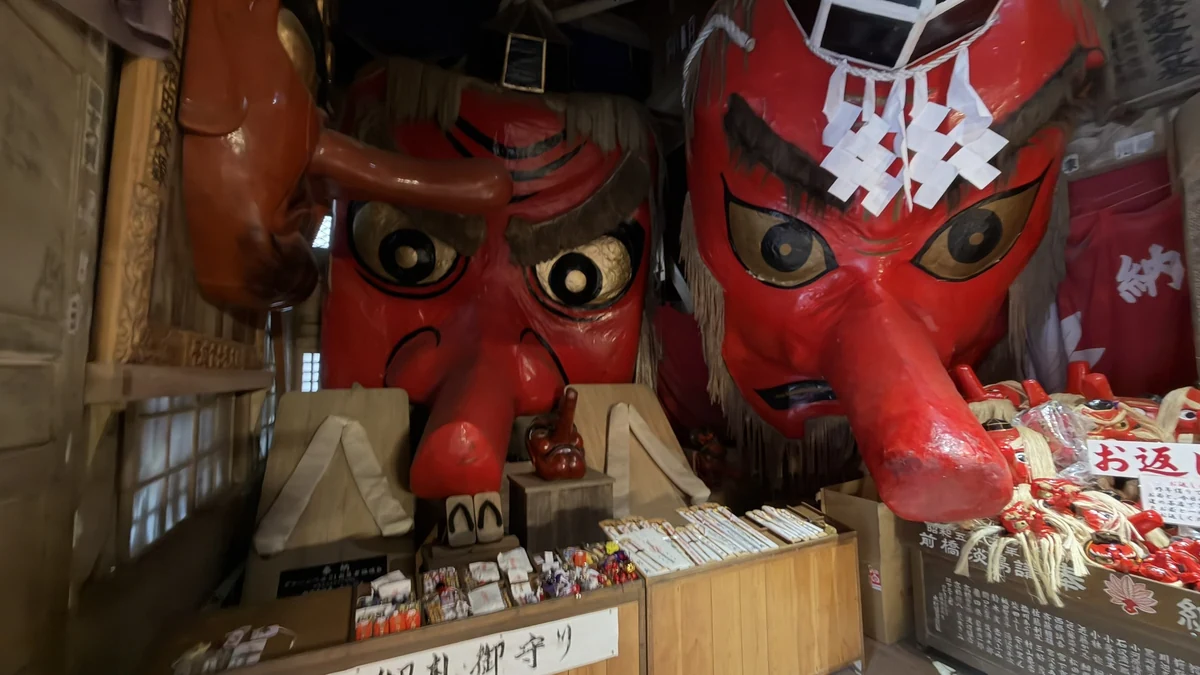 Temple | NumataKashozan Mirokuji TempleThe giant tengu masks, and the hollyhock and paulownia crests on the main hall. Notes on the mountain road and busesSee the guide →
Tours and activities around Numata
PRThis section contains affiliate links to KKday. If you book through them, this site earns a commission.
KKday lists tours and activities in and around Numata. Check the details, prices and dates on the KKday page.
KKday
Numata travel guide
KKday's page for Numata, Gunma, in English, where you can browse tours and activities.
See on KKdayWhere to stay before or after Shogakuji and Haruna Shrine
PRThis section contains affiliate links to Agoda, Jalan, Rakuten Travel and Yahoo! Travel Japan. If you book through them, this site earns a commission.
If you want to keep sightseeing in Numata the next day, stay in town; for a hot-spring night, Oigami Onsen is the base. Check prices and availability for your dates on each site.
Search Numata
Hotels in Numata
Central Numata
For travelers who want to keep exploring central Numata the next day. Numata Station is about 80 m below the town center, so if you are on foot, check the slope to your hotel on a map.
Agoda searches Numata; Jalan and Rakuten Travel search "Numata"; Yahoo! Travel covers the Minakami, Oze and Numata area. Not every property is close to the two sites. Jalan, Rakuten Travel and Yahoo! Travel are Japanese-language sites; your browser's translation feature can help.
Browse Numata hotels on AgodaBrowse Numata hotels on JalanBrowse Numata hotels on Rakuten TravelBrowse Minakami, Oze & Numata hotels on Yahoo! Travel JapanHotel in town
Hotel Route-Inn Numata
Nishikurauchi-machi, Numata
According to the hotel, it is about 18 minutes on foot (5 by car) from Numata Station and about 8 minutes by car from Numata IC. It has a large bath, and breakfast is a free buffet (Jalan listing).
Check the route from the hotel to Shogakuji and Haruna Shrine on a map. Jalan, Rakuten Travel and Yahoo! Travel are Japanese-language sites; your browser's translation feature can help.
Check rates on AgodaCheck rates on JalanCheck rates on Rakuten TravelCheck rates on Yahoo! Travel JapanHot-spring inn
Ginshotei Awashima (Oigami Onsen)
603 Oigami, Tone-machi, Numata. About 20 minutes by car from Numata IC
A traditional Japanese inn (ryokan) at Oigami Onsen. It runs a free shuttle (reservation required) from Jomo-Kogen and Numata stations.
Reserve the shuttle by 16:00 the day before. Pickups leave Jomo-Kogen Station at 14:00 and Numata Station at 14:20; drop-offs leave Oigami Onsen at 10:00 and Numata Station at 10:40, and reach Jomo-Kogen Station at 11:00 (inn website). Plan your sightseeing around the shuttle times. Jalan, Rakuten Travel and Yahoo! Travel are Japanese-language sites; your browser's translation feature can help.
Check rates on AgodaCheck rates on JalanCheck rates on Rakuten TravelCheck rates on Yahoo! Travel JapanBefore booking, check the dates, number of guests, total price and cancellation terms.
FAQ
No. The shrine in this guide is at 2851 Harunamachi, Numata. The large Haruna Shrine on Mt. Haruna is in Takasaki, a different place with its own hours and information.
In the grounds of Shogakuji, 938 Kajimachi, Numata. It is known as the Grave of Dairen-in-den, a stone pagoda designated a Numata City Important Cultural Property. Her remains were also buried at Shoganji in Konosu and Hosenji in Ueda; Shogakuji is one of the three.
No. Numata City's records date it to around 1860, about 240 years after her death in 1620. It is a Numata City Important Cultural Property.
On my visit, Shogakuji took about 10 minutes and Haruna Shrine about 25 minutes, including about 10 minutes waiting for my goshuin, plus a short drive between them.
Shogakuji has Komatsuhime's grave, the gate and an umbrella pine. Haruna Shrine has a carved and painted sanctuary, the Memeyoshi-sama stone, and goshuin.
A goshuin is a seal stamp with brushed calligraphy given to worshippers, usually collected in a special book. On November 14, 2026, the shrine's notice gave hours of 9:30–17:00 (may change on festival days), 500 yen each for the regular types, and 700 yen (one page) or 1,000 yen (two pages) for the monthly edition. You can receive them on paper if you have no book. I waited about 10 minutes.
At Shogakuji, drive in on the left side of the gate as you face it. At Haruna Shrine, the car park beside the grounds was full on November 14, 2026, and I followed a sign to a separate worshippers' car park. The shrine's website says it has 40 spaces.
Haruna Shrine is about 8 minutes on foot from the east exit of Numata Station (shrine website), or about 10 minutes (Numata tourism association). For Shogakuji, take a bus about 3 minutes to Terrace Numata / City Hall and walk about 4 minutes. I drove, so I did not walk these routes.
You need an International Driving Permit issued under the 1949 Geneva Convention, with your home license and passport; licenses from Switzerland, Germany, France, Belgium, Monaco and Taiwan need an official Japanese translation instead (JAF). Times Car car-sharing does not accept foreign licenses, so book a rental car, for example at Eki Rent-A-Car's Jomo-Kogen office (8:00–19:00).
It is a local story, told on the signpost at Shogakuji and by the Numata tourism association. The scene in episode 36 of the drama Sanada Maru is a dramatization, not a record of what happened.
Sources
Locations, access and history were checked on the official pages below on November 15, 2026, and the driving-license rules on November 16, 2026. The state of the grounds, the goshuin notice, the time I spent and my impressions are from my visit on November 14, 2026. Hours and fees can change, so check them before you go.
- Numata tourism association: Shogakuji (Japanese)
- Numata tourism association: Haruna Shrine (Japanese)
- Haruna Shrine (official): History (Japanese)
- Haruna Shrine (official): Access (Japanese)
- Hotokami: Haruna Shrine, Numata (Japanese)
- Numata City: cultural properties, Grave of Dairen-in-den (Japanese)
- Numata City: cultural properties, Shogakuji gate (Japanese)
- Numata City: cultural properties, Shogakuji umbrella pine (Japanese)
- Numata City: cultural property pages (Japanese)
- Ueda City: Sanada Highway, Numata (Japanese)
- Hotel Route-Inn Numata: around the hotel (Japanese)
- Ginshotei Awashima: Access (Japanese)
- Japan-Guide: Getting to Minakami
- JAF: Driving in Japan with a foreign license
- Eki Rent-A-Car: Driver's license (English)
- Eki Rent-A-Car: Jomo-Kogen office (Japanese)
- Times Car: Membership (Japanese)


comment