

Support Following the Shogun フロントページへ戻る

Ieyasu Travel Guide Detailed

スポンサーリンク
Kansai

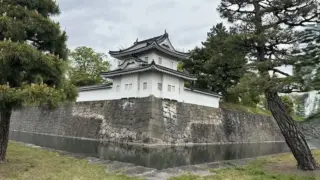
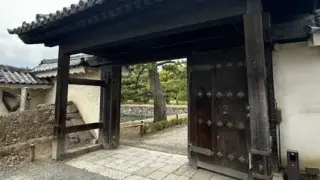
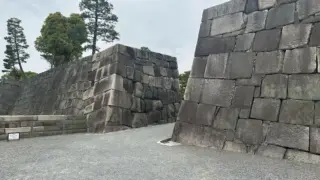
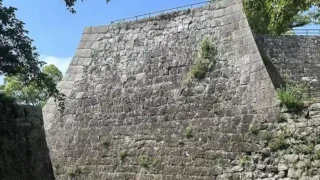
Okaguchi Gate and the Matsu-no-maru Walls: Walking Wakayama Castle’s Outer Bailey

Walk Wakayama Castle's outer bailey in order: 11 spots led by Okaguchi Gate, a surviving 1621 gate, and the high Matsu-no-maru wall. Allow 60 to 90 minutes.
Kansai

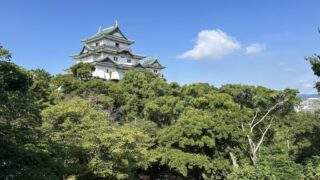
Wakayama Castle’s Keep and Honmaru: Reading the Linked-Keep Complex on Foot

Wakayama Castle's keep is counted among Japan's three great linked-keep complexes. Six honmaru spots, seven 360° panoramas, ¥410 adult entry, open 9:00–17:30.
Kansai

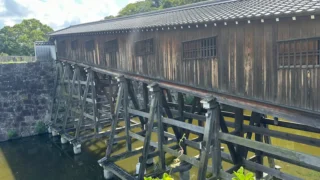
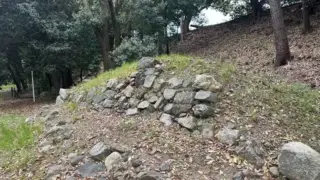
Momijidani Garden and the Onbashi Corridor Bridge: The Complete Guide to Wakayama Castle’s Nishinomaru

Momijidani Garden is free and nationally designated; the Onbashi Corridor Bridge is walked with shoes off. Four spots, 45–60 minutes; maples peak late November.
Kansai

Nijo Castle: Outer Castle Area Northeast Corner Turret Site, North Site, Southwest Corner Turret & West Otemon Gate

The surviving Southwest Corner Turret, the West Otemon Gate, two lost turret sites and the Heian-era Nijo Castle North archaeological site.
Kansai

Nijo Castle: Seiryu-en Garden & North Area #3 Seiryu-en Garden, the Weeping Pagoda Tree & North Otemon Gate

Seiryu-en's hybrid Japanese-Western garden, the rare Weeping Pagoda Tree, and the North Otemon Gate that linked the castle to the Kyoto Shoshidai.
Kansai

Nijo Castle: Seiryu-en Garden & North Area #2 Northwest Earthen Storehouse (Rice Storehouse) & Kōuntei

A fireproof Edo-period storehouse and a sukiya teahouse moved from the Sumino-kura Ryōi residence — the two quietest stops in Seiryu-en Garden.
Kansai

Nijo Castle: Seiryu-en Garden & North Area #1 Naruko Gate, North Middle Partition Gate & the Northwest Corner Turret Site

The Naruko Gate paired with the Momoyama Gate, the buried-style North Middle Partition Gate, and the turret site lost in the 1788 Great Tenmei Fire.
Kansai

Nijo Castle: West & South Areas Former Nijo Castle Walls, the Plum Grove & Sakura Garden

Stone walls relocated from Oda Nobunaga's Nijo Castle, a plum grove and cherry garden, and two defensive gates — five quiet spots most visitors walk past.
Kansai

Nijo Castle: Honmaru Area 2 Tenshukaku Ruins, the Honmaru West Koguchi & West Bridge

Climb the keep base Emperor Go-Mizunoo ascended in 1626, then the masugata West Koguchi and West Bridge. 2026 marks the visit's 400th anniversary.
Kansai

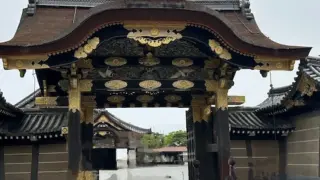
Nijo Castle: Ninomaru Palace AreaKaramon Gate, the National Treasure Palace & Special Scenic Garden

The National Treasure palace where the shogunate ended in 1867, the gilded Karamon Gate and the Special Scenic garden. Allow 1–2 hours; photos and maps.
スポンサーリンク