


17 Things to See Around Azuchi Castle | Museums, Ruins and a Cycling Route
The area around Azuchi Station holds far more than the ruins of Azuchi Castle itself — sites connected to Oda Nobunaga are clustered within easy walking distance: the Jonavikan visitor center, ideal preparation before you climb the castle mound; Dodobashiguchi, the entrance to the approach path that led from the castle town, through Sōken-ji Temple, to the main enclosure; the ruins of Japan's first Christian seminary; and Nobunaga no Yakata Museum, home to a full-scale reconstruction of the castle tower. With a rental bicycle, you can combine the castle ruins and the main spots around the station even in half a day. If you want to spend real time at the Archaeological Museum or the Nobunaga no Yakata museum, it's worth setting aside a full day.
The area around Azuchi Station holds far more than the ruins of Azuchi Castle itself — sites connected to Oda Nobunaga are clustered within easy walking distance: the Jonavikan visitor center, ideal preparation before you climb the castle mound; Dodobashiguchi, the entrance to the approach path that led from the castle town, through Sōken-ji Temple, to the main enclosure; the ruins of Japan's first Christian seminary; and Nobunaga no Yakata Museum, home to a full-scale reconstruction of the castle tower. With a rental bicycle, you can combine the castle ruins and the main spots around the station even in half a day. If you want to spend real time at the Archaeological Museum or the Nobunaga no Yakata museum, it's worth setting aside a full day. This page introduces all 17 sites in Azuchi town, with maps and photos.
- A Suggested Route Through the Best Sites (Rental Bicycle Recommended)
- Site-by-Site Guide
- ① Jonavikan Visitor Center
- ② Outer Moat Deck 1 & 2
- ③ Dodobashiguchi
- ④ Dodobashi Bridge
- ⑤ Kenko-no-Tsuji Crossroads
- ⑥ Shingu Taisha Shrine
- ⑦ Ikutsuhikone Shrine
- ⑧ Azuchi Seminario Ruins
- ⑨ Ume-no-kawa
- ⑩ The Oda Nobunaga Statue at Azuchi Station
- ⑪ Traditional Site of Akechi Mitsuhide's Mansion
- ⑫ Azuchi Castle Museum
- ⑬ Shiga Prefectural Azuchi Castle Archaeological Museum
- ⑭ Former Miyaji Residence
- ⑮ Azuchi Castle Tenshu: Nobunaga no Yakata Museum
- ⑯ The "Tenka Fubu" Song Monument
- ⑰ Jogon-in Temple
- Frequently Asked Questions (FAQ)
- Continue to the Main Castle Area
- Nobunaga-Related Temples Farther Afield
- Back to the Complete Azuchi Castle Guide
A Suggested Route Through the Best Sites (Rental Bicycle Recommended)
⑫ Azuchi Castle Museum (by the station, ¥200, 30 min)
↓ about 5 min, south exit to north exit
⑩ Photo stop at the Oda Nobunaga statue
↓ about 2 min
Near Azuchi Station's north exit (rent a bicycle here)
↓ about 7 min
⑧ Seminario ruins (10 min)
↓ about 3 min
③ Dodobashiguchi, ⑤ Kenko-no-Tsuji, ⑥ Shingu Taisha (30 min)
↓ about 3 min
① Jonavikan (¥200, 20 min) → climb to the Azuchi Castle ruins (¥700, 1.5–2 hours)
(Continuing from ① Jonavikan → the Azuchi Castle ruins climb)
↓ about 7 min
⑬ Archaeological Museum (¥600, 1–1.5 hours)
↓ 4 min walk
⑭ Former Miyaji Residence (15 min)
↓ 5 min walk
⑮ Nobunaga no Yakata (¥610, 30–45 min)
↓ about 15 min
⑰ Jogon-in Temple (15–30 min)
↓ about 5 min
Azuchi Station (return the bicycle)
Several rental-bicycle shops operate around Azuchi Station's north exit, and there is bicycle parking near the entrance to the castle ruins. Note that both the Archaeological Museum and Nobunaga no Yakata close on Mondays (or the following day if Monday is a holiday). If you're arriving by car, there is a parking area for roughly 20 vehicles in front of the Azuchi Castle ruins.
Site-by-Site Guide
① Jonavikan Visitor Center
A guidance hall worth visiting before you climb — knowing what to look for changes how you see the ruins
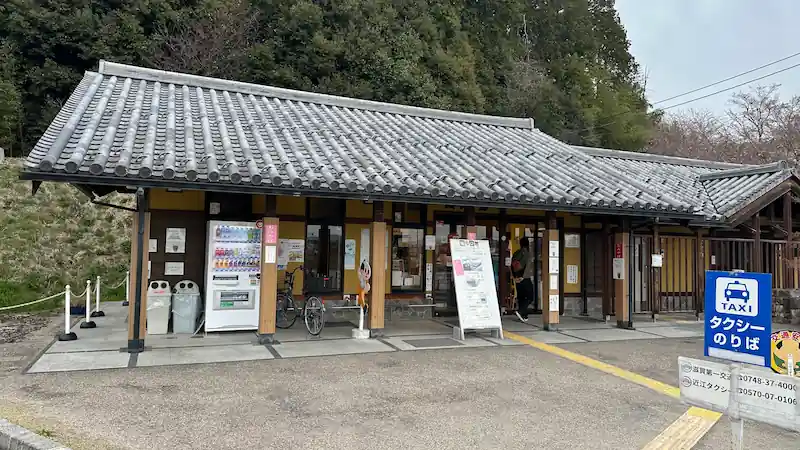
Jonavikan (城なび館) is a visitor center located near the entrance to the Azuchi Castle ruins, introducing the castle's history and highlights before you climb. Inside, you can watch a roughly 3-minute VR digest video reconstructing Azuchi Castle. It's short, but useful for getting an overall sense of the castle before you climb up to the ruins. The Ōmihachiman City official page for the visitor center has more details. The center also sells original goods and local specialty products, and has a free rest area where tea is offered.
Tap any photo to enlarge
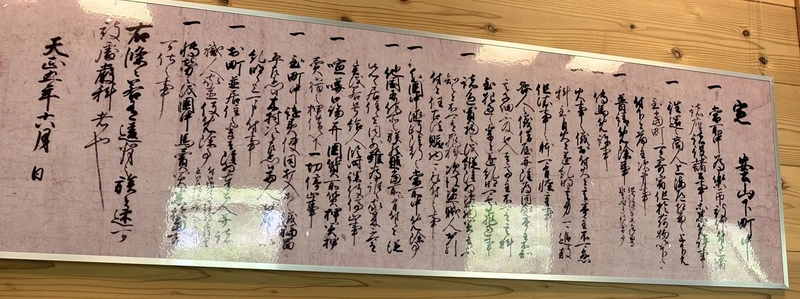
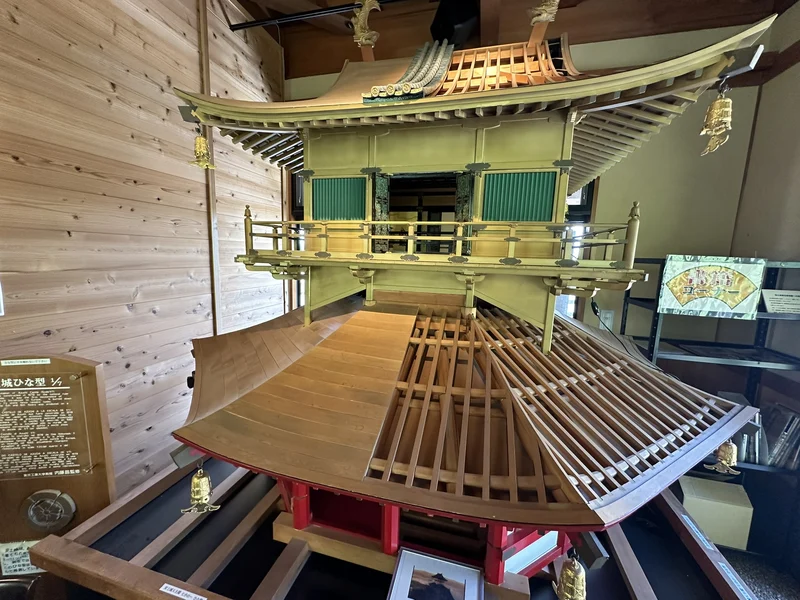
- Exhibits on Azuchi Castle: Panel displays and models here help you build up your understanding before you start climbing.
- Shop: The shop carries books and goods related to Azuchi Castle and Oda Nobunaga, as well as local Azuchi specialty products.
- Rest area: A free-tea rest area where you can take a break before or after the climb.
Quick visit: about 10 min / Unhurried: about 20 min
🗺 Address: Shimotoyoura, Azuchi-cho, Omihachiman, Shiga
🚶 Access: About 1 minute (roughly 36 m) from the Azuchi Castle ruins
Recommendation Rating: Historical value: ★★ / Visual appeal: ★ / Experience value: ★★
| Opening Hours | 9:00 AM – 5:00 PM |
|---|---|
| Admission | Adults ¥200; elementary/middle school students ¥100; free for younger children |
| Closed | Mondays (except holidays), the day after a holiday, and the New Year holiday period |
| Official Website | Omihachiman City official site (Japanese) |
- Prep before you climb: As the guidance facility for the castle ruins, Jonavikan's job is to introduce visitors to the history and appeal of Azuchi Castle.
- VR digest video: A roughly 3-minute VR digest video reconstructing Azuchi Castle gives you a visual introduction to the castle's history.
- Free walking-stick rental: Walking sticks for the climb are available for free at the counter — well worth using, since the stone stairways up the mountain get steep.
② Outer Moat Deck 1 & 2
A walking deck that puts you right up against the outer moat's structure
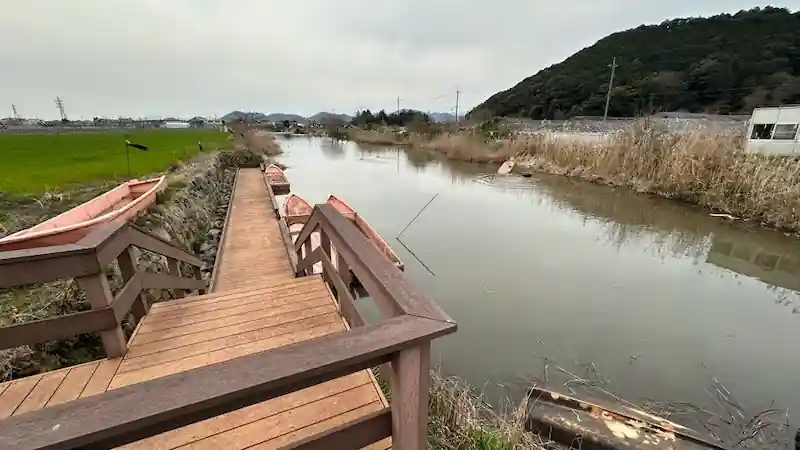
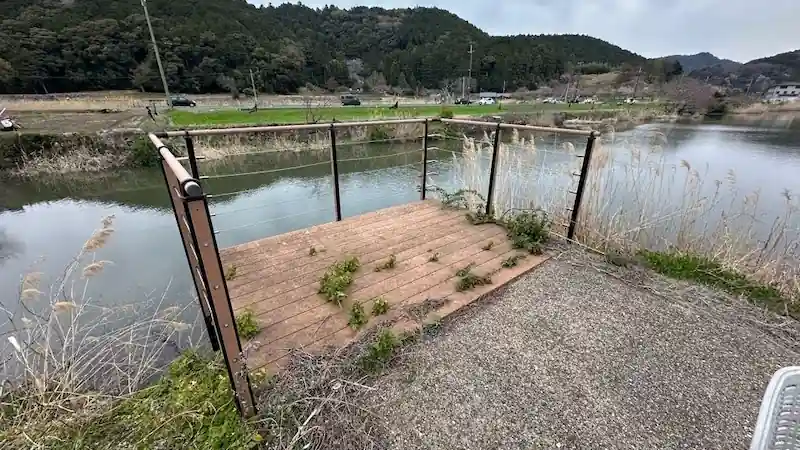
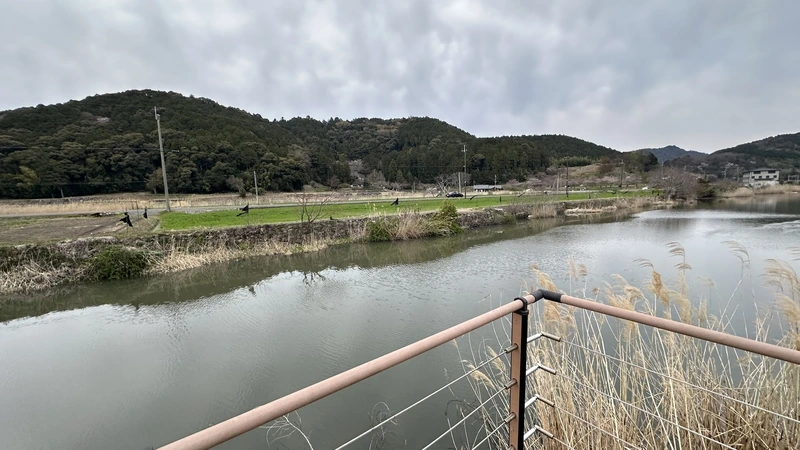
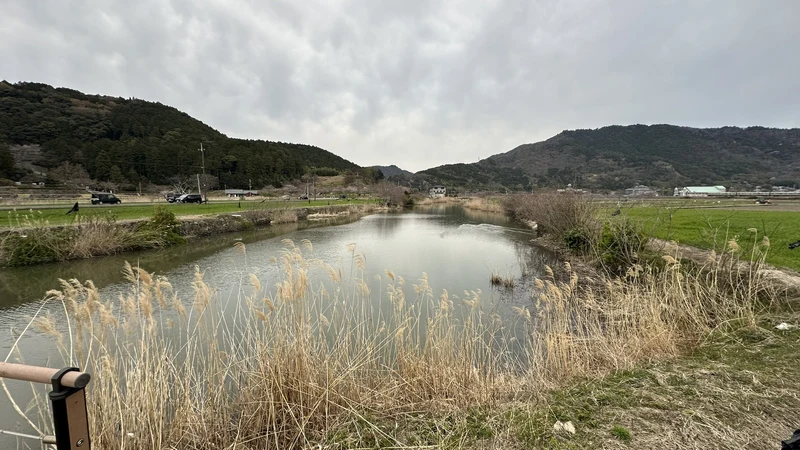
The "outer moat deck," near the Azuchi Castle ruins, is a viewing deck built along part of the former outer moat. Looking at the present-day waterway and terrain, you can picture how a moat once ran around the base of Mt. Azuchi. There are two sections, Deck 1 and Deck 2, both offering a close-up sense of the castle's scale.
Tap any photo to enlarge
- Outer moat remains: A wooden viewing deck lets you get a close look at the outer moat of Azuchi Castle.
- Stone walls and moat remains: A walking path that brings you close to the castle's stone walls and moat remains.
Quick visit: about 10 min / Unhurried: about 20 min
🗺 Address: Azuchi-cho, Omihachiman, Shiga
🚶 Access: 3 minutes (210 m) from Jonavikan to Deck 2; 7 minutes (550 m) from Deck 2 to Deck 1
Recommendation Rating: Historical value: ★★★ / Visual appeal: ★ / Experience value: ★★
| Built | 1576–1579 |
|---|---|
| Built by | Oda Nobunaga |
| Cultural Property Status | Special Historic Site (designated 1952) |
- Scale of the outer moat: The outer moat played an important role as part of Azuchi Castle's defensive line.
- Walking path: The deck has been built out for visitors so you can view the remains as you walk.
③ Dodobashiguchi
The entrance to the castle town's approach path — the steep Umagaeshizaka slope tells you everything about the castle's defenses
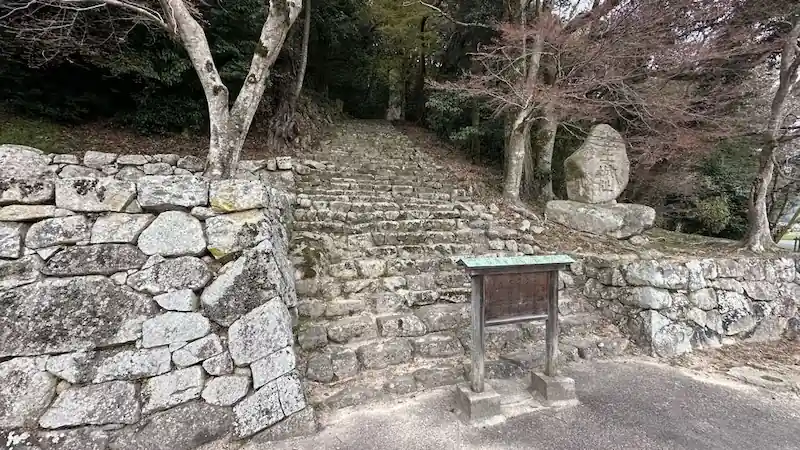
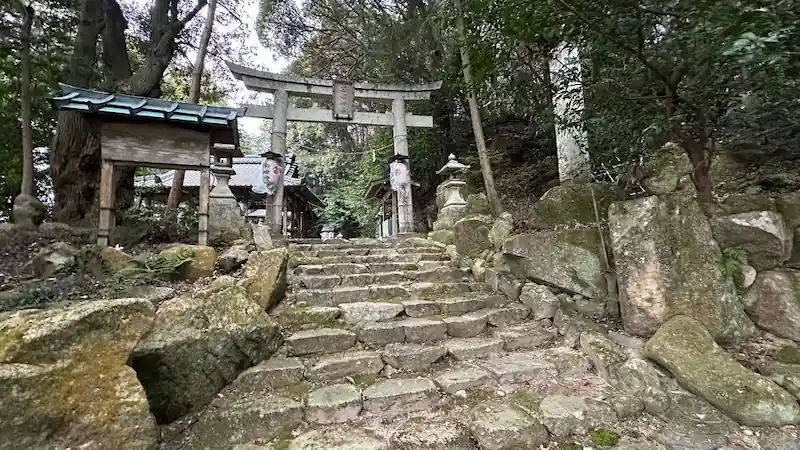
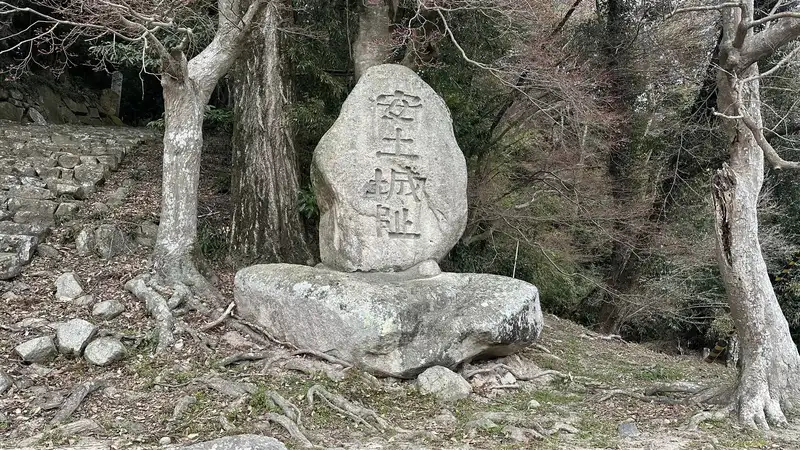
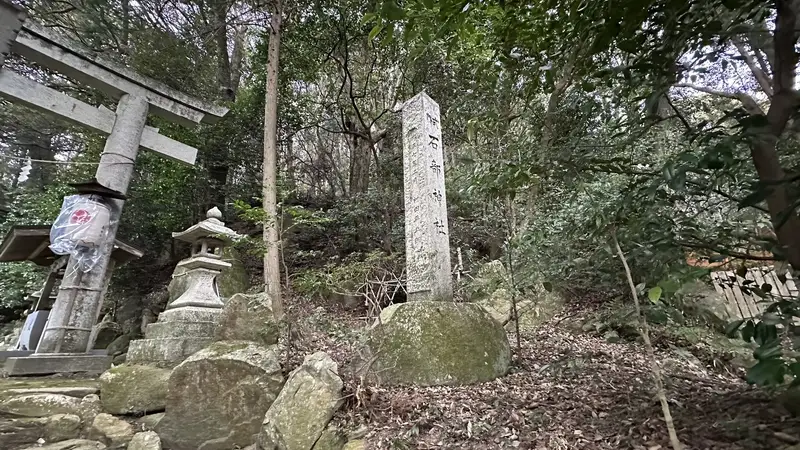
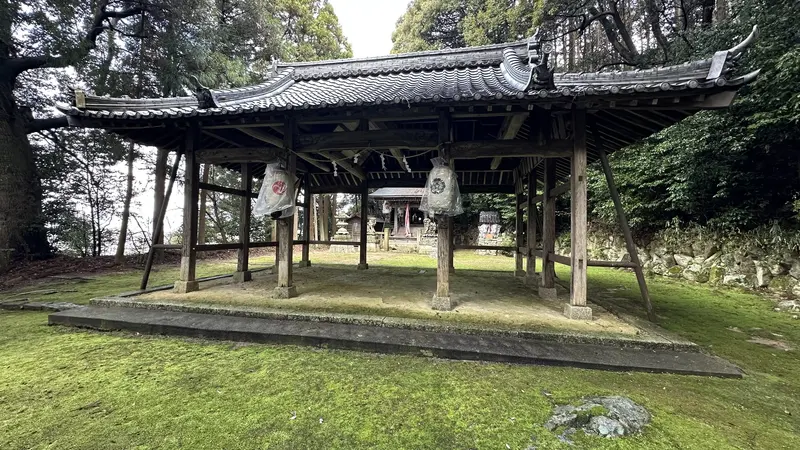
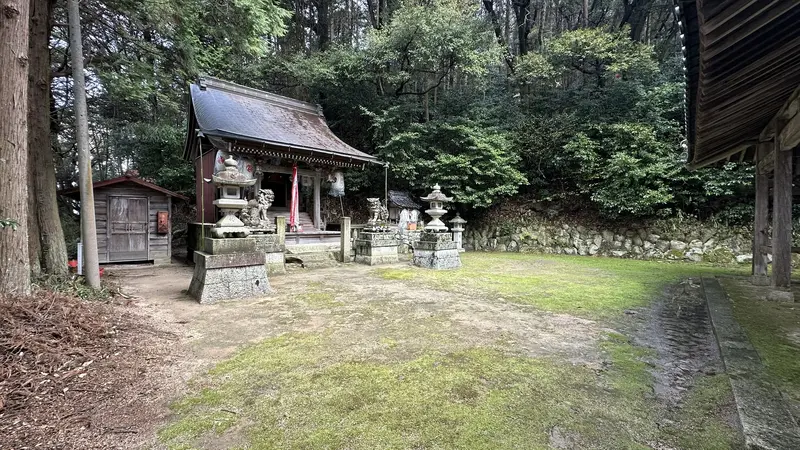
Dodobashiguchi (百々橋口) is the entrance to the approach path that led from the castle town, through Sokenji Temple, to the main enclosure. The path is thought to have been a main route used by retainers heading up to the castle, and since it led through Sokenji Temple's precincts toward the main enclosure, it may have seen everyday foot traffic from people who worked within the castle. Today, general access up to the castle from Dodobashiguchi is restricted, and the main route in is via Otemichi instead. The stone stairway at Dodobashiguchi is steep and known as "Umagaeshizaka," or "the slope that turns horses back." Partway up the stone steps is Ishibe Shrine, home to a National Treasure — a seated wooden Yakushi Nyorai (Medicine Buddha) statue in its shrine cabinet (zushi). Public viewing is limited, so if you'd like to see it, it's worth checking in advance whether it's on view during a regular visit.
Tap any photo to enlarge
- The Dodobashiguchi stairway: The steep stone steps, also known as "Umagaeshizaka," still convey the defensive design of the time.
- Sokenji Temple's Nio Gate: the Nio Gate you reach as you follow the Dodobashiguchi path is a historically valuable structure.
- Ishibe Shrine: A small, historic shrine partway up the stairway, home to a National Treasure — a seated wooden Yakushi Nyorai statue kept in its shrine cabinet (zushi), with limited public viewing.
- Seasonal highlights: Cherry blossoms in spring and autumn foliage make for a striking combination with the historic remains.
Quick visit: about 15 min / Unhurried: about 30 min
🗺 Address: Shimotoyoura, Azuchi-cho, Omihachiman, Shiga
🚶 Access: About 5 minutes (roughly 350 m) from the Azuchi Castle ruins
Recommendation Rating: Historical value: ★★★ / Visual appeal: ★★ / Experience value: ★★
| Built | 1576–1579 |
|---|---|
| Built by | Oda Nobunaga (chief construction magistrate: Niwa Nagahide) |
| Structure/Features | Stone stairway up the mountainside; stonework using both nozura-zumi (rough-cut) and sangi-zumi (corner-post) techniques |
| Condition Today | The stairway and stonework survive; some sections are closed to climbers |
| Cultural Property Status | The Azuchi Castle ruins are a National Special Historic Site |
- The castle-town approach: Dodobashiguchi is thought to have been a main route connecting Mt. Azuchi and the castle town, used by retainers heading up to the castle.
- Umagaeshizaka: The name "Umagaeshizaka" ("horse-turning slope") comes from the fact that the steep stone steps made it impossible to climb on horseback.
- Tokutomi Sohō's involvement: The historian Tokutomi Sohō is known for having provided the calligraphy for the "Dodobashiguchi" stone marker and for his efforts toward preserving Azuchi hill.
④ Dodobashi Bridge
A stone bridge that once crossed the outer moat in Nobunaga's day — gateway to the castle-town approach path
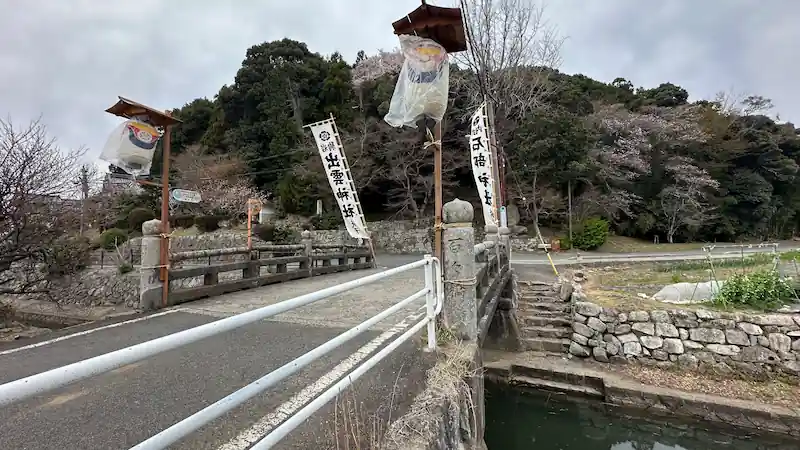
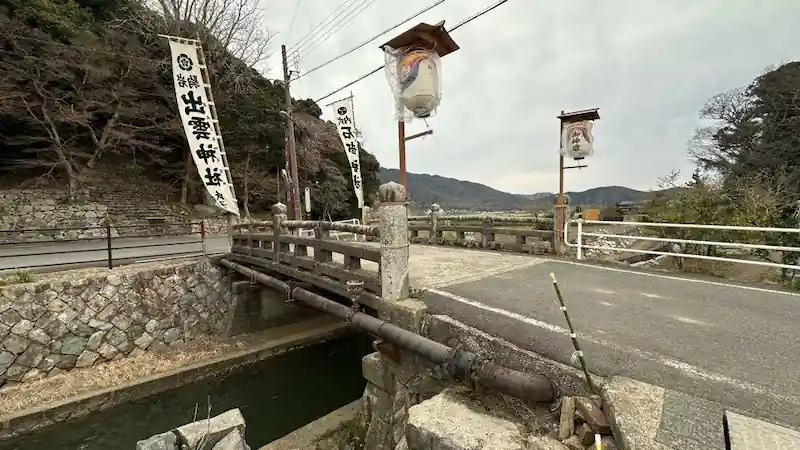
Dodobashi is a stone bridge that once crossed Azuchi Castle's outer moat, standing at the entrance to the approach path known as Dodobashiguchi, which led from the castle town, through Sokenji Temple, to the main enclosure. The bridge you see today was rebuilt in Showa 32 (1957), but it still evokes the feel of the climbing route used since Nobunaga's time.
Tap any photo to enlarge
- Dodobashiguchi (climbing route): This back route was used by Nobunaga, his retainers, and ordinary townspeople alike for visits and for climbing to the castle.
- Bridge and railing design: The gibboshi-style (onion-dome) newel posts and concrete construction still carry a traditional feel.
- Seasonal highlights: Cherry blossoms in spring and autumn foliage color the stone steps and hillside beautifully.
Quick visit: about 5 min / Unhurried: about 20 min
🗺 Address: Shimotoyoura, Azuchi-cho, Omihachiman, Shiga
🚶 Access: Right in front of Dodobashiguchi
Recommendation Rating: Historical value: ★★★ / Visual appeal: ★★ / Experience value: ★
| Built | Around Nobunaga's time (16th century) |
|---|---|
| Structure | A stone bridge, rebuilt in concrete in Showa 32 (1957) |
| Notes | A Meiji–early Showa era "Home Ministry" historic-site boundary marker still stands at the bridge's west end |
- A crowded New Year's visit: The Shinchō Kōki (a contemporary chronicle of Nobunaga's life) records that during a New Year's visit to the castle, an earthen wall near this bridge collapsed under the crowd, causing deaths and injuries.
- Home Ministry marker: A "Home Ministry" historic-site boundary marker from the Meiji to early Showa era still stands at the bridge's west end.
- Tokutomi Sohō's involvement: Tokutomi Sohō is known for having provided the calligraphy for the "Dodobashiguchi" stone marker and for his efforts toward preserving Azuchi hill.
⑤ Kenko-no-Tsuji Crossroads
A crossroads from Nobunaga's castle town — a memory of the old highway
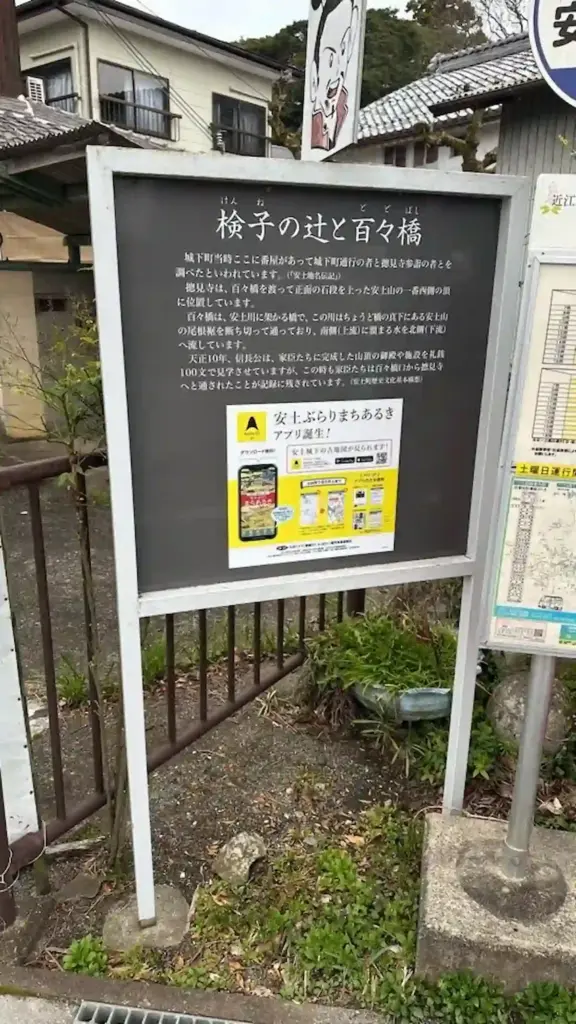
At Kenko-no-Tsuji, a stone marker records the layout of Azuchi's former castle-town streets. Walking the narrow lane here today, you can trace how the old town's layout has carried through into the modern streetscape.
- Stone marker: A signpost marking the old castle-town road network, adding historical context to your walk.
- Old streetscape nearby: Edo-period-and-later townhouses and narrow lanes continue in the area, evoking the streetscape of the past.
Quick visit: about 5 min / Unhurried: about 10 min
🗺 Address: Azuchi-cho, Omihachiman, Shiga
🚶 Access: 1 minute (about 50 m) from Dodobashi Bridge
Recommendation Rating: Historical value: ★★ / Visual appeal: ★ / Experience value: ★
- Layout of the old castle town: The stone marker here records the layout of Azuchi's former castle-town streets, letting you trace how the old town plan carries through into today's streetscape.
- Seminario ruins nearby: Close by is the ruined site of the "Seminario," the plot of land Nobunaga granted for a church — a trace of cross-cultural exchange.
⑥ Shingu Taisha Shrine
A historic shrine tied to Nobunaga's bamboo sumo — the legendary origin of "East" and "West"
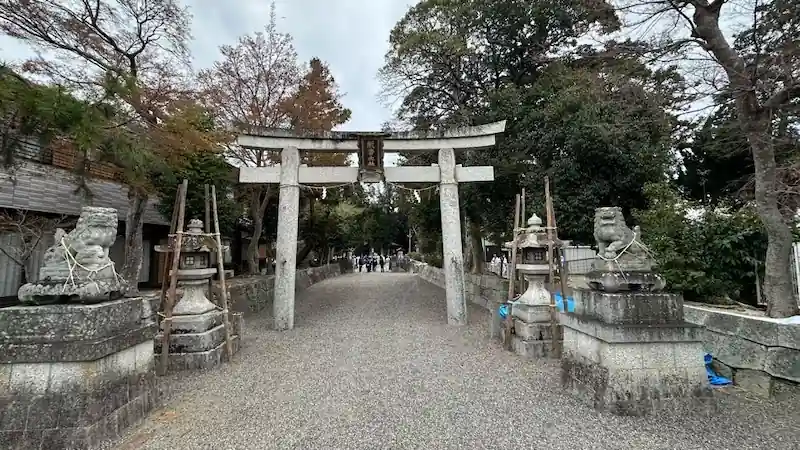
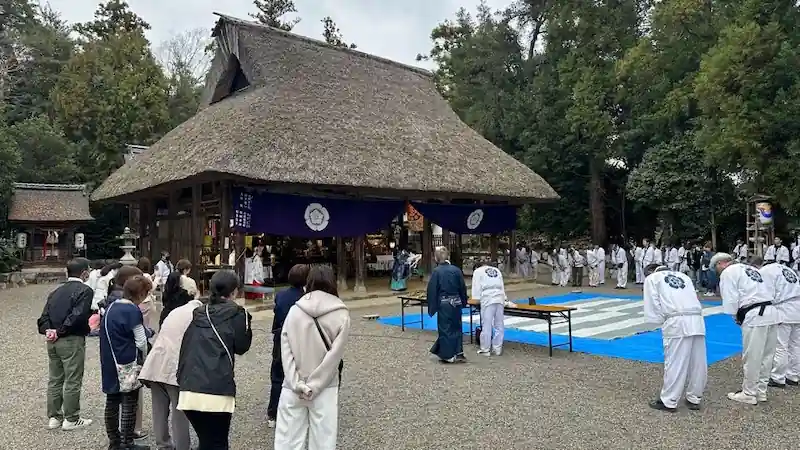
Shingu Taisha is a historic shrine in Azuchi-cho, Omihachiman, carrying strong traditions linked to Oda Nobunaga. It's said to be the birthplace of "bamboo sumo," a contest Nobunaga was fond of holding, and the shrine grounds include a votive picture and a monument commemorating that history. The shrine's earthen-floor worship hall, with its thatched (reed) roof, is a distinctive feature.
Tap any photo to enlarge
- Thatched-roof earthen worship hall: A reed-thatched shrine building that's unusual even locally, with real traditional architectural appeal.
- Bamboo sumo votive picture: A powerful ema (votive picture) that keeps alive the story of Nobunaga holding bamboo sumo bouts here.
- Bamboo sumo monument: A monument that passes the old tradition on to later generations; a reenactment of the bamboo sumo bouts is held during the Azuchi Nobunaga Festival.
- Seasonal highlights: At the "Azuchi Nobunaga Matsuri" (first Sunday of June), a bamboo sumo reenactment and a samurai procession take place.
Quick visit: about 10 min / Unhurried: about 30 min
🗺 Address: 3319 Shimotoyoura, Azuchi-cho, Omihachiman, Shiga
🚶 Access: 2 minutes (130 m) from Kenko-no-Tsuji
Recommendation Rating: Historical value: ★★★ / Visual appeal: ★★ / Experience value: ★★
- An origin story for "East" and "West": Local tradition holds that Nobunaga gave the surnames "Higashi" (East) and "Nishi" (West) to two men whose bamboo-sumo match ended without a clear winner. Whether this is directly connected to today's East/West divisions in professional sumo isn't clear, but it's a distinctly Azuchi story about Nobunaga and sumo.
- The votive picture's artist: The ema was painted by a local artist, Eiichi Shiotani, and dedicated by descendants of the Higashi and Nishi families.
- Recorded by Fróis: Nobunaga's fondness for sumo is also recorded in the Jesuit missionary Luís Fróis's History of Japan.
⑦ Ikutsuhikone Shrine
The historic shrine where Nobunaga prayed for the castle's safe construction
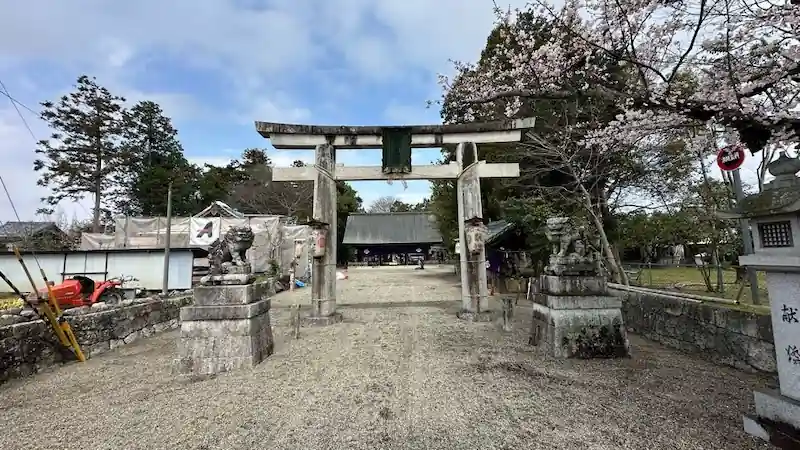
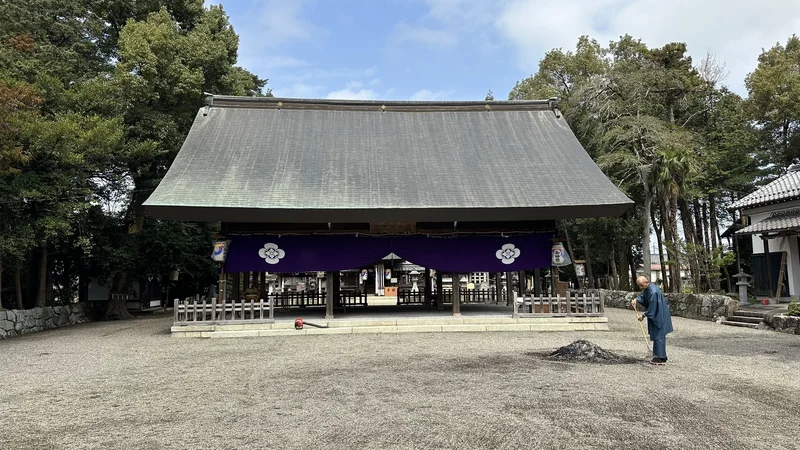
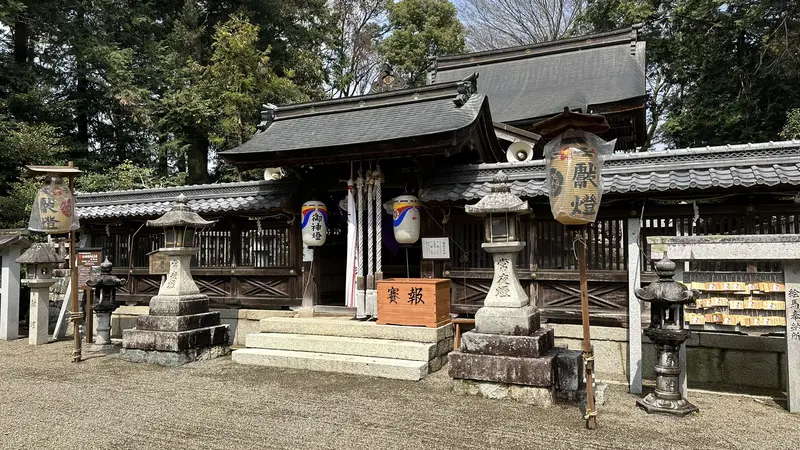
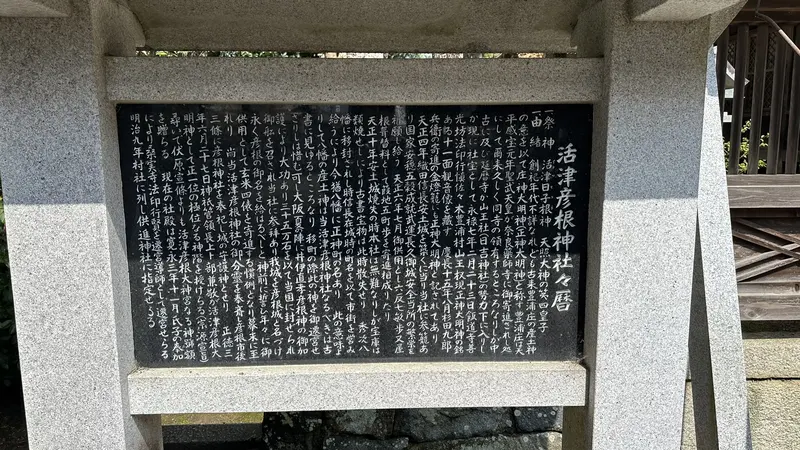
Ikutsuhikone Shrine is a historic shrine in Azuchi-cho, Omihachiman, enshrining the deity Ikutsuhikone-no-Mikoto. In 1576 (Tenshō 4), as construction began on Azuchi Castle, Oda Nobunaga is said to have visited the shrine to pray for national peace, a good harvest, military fortune, and the castle's safety, making a dedication at the time.
Tap any photo to enlarge
- Main hall (sangen-sha nagare-zukuri style): Built around the Kan'ei era (circa 1626), designated a City Important Cultural Property.
- Offering hall, corridor, and worship hall: A calm, understated atmosphere that evokes Nobunaga's era.
- Seasonal highlights: During the Azuchi Nobunaga Matsuri (first Sunday of June), a samurai procession passes in front of the shrine.
Quick visit: about 20 min / Unhurried: about 45 min–1 hour
🗺 Address: 4272 Shimotoyoura, Azuchi-cho, Omihachiman, Shiga
🚶 Access: About 5 minutes on foot from Shingu Taisha
Recommendation Rating: Historical value: ★★★ / Visual appeal: ★★ / Experience value: ★★
| Founded | Unknown (ancient–medieval period) |
|---|---|
| Deity Enshrined | Ikutsuhikone-no-Mikoto |
| Cultural Property Status | City Important Cultural Property (main hall: sangen-sha nagare-zukuri style) |
- Origin of the name "Hikone": Some believe the place name "Hikone" (of Hikone City) derives from the deity Ikutsuhikone-no-Mikoto enshrined here.
- Ii Naotaka's devotion: Ii Naotaka, lord of Hikone Castle, is also said to have revered this shrine and invited a divided spirit of the deity to Hikone Castle.
- Carrying on after the castle's destruction: The shrine holds a tradition that its storehouse burned and old documents were lost when Azuchi Castle burned. The current main hall dates from the Edo period, and its continued presence here shows how the shrine has carried on at this site even after the castle's destruction.
⑧ Azuchi Seminario Ruins
Japan's first Christian seminary — where Nobunaga met a foreign culture
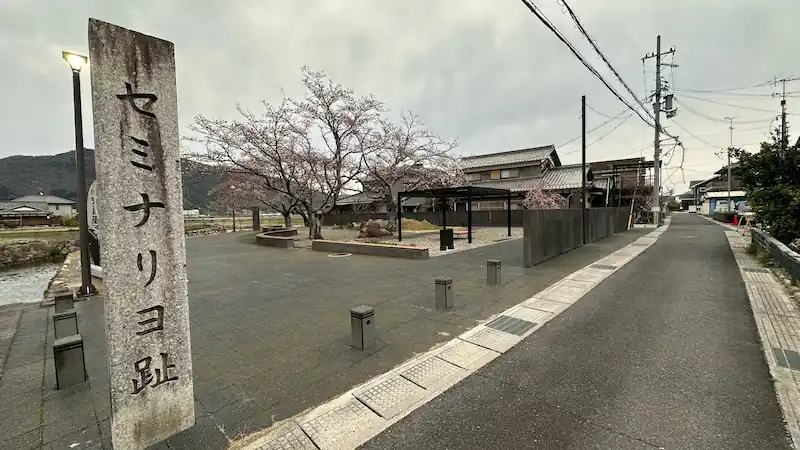
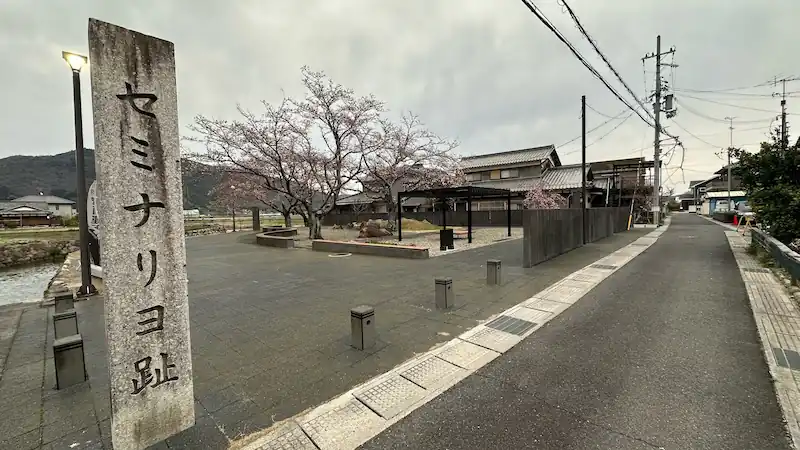
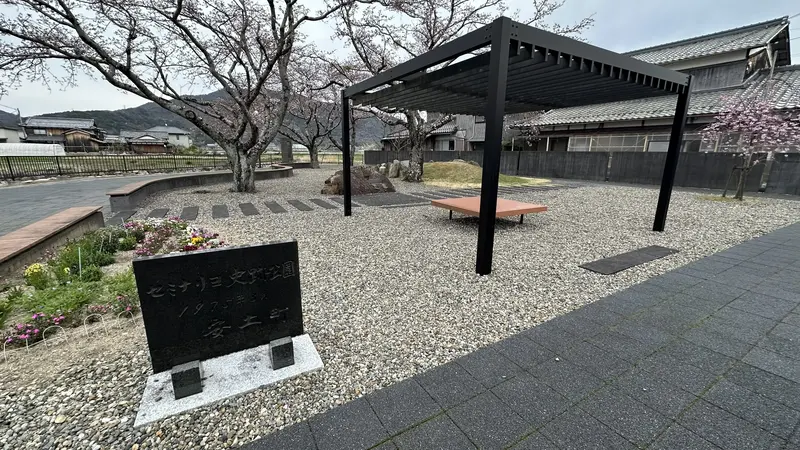
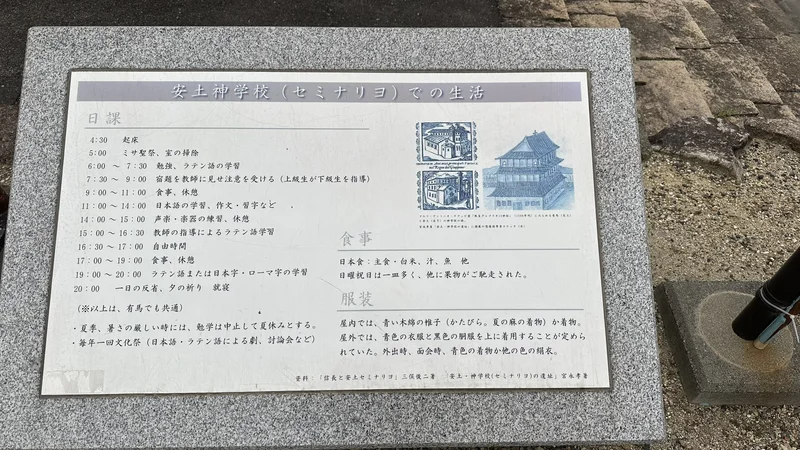
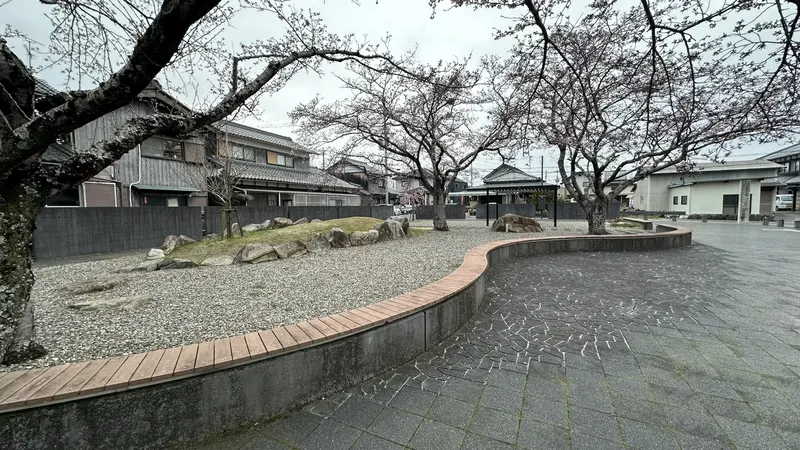
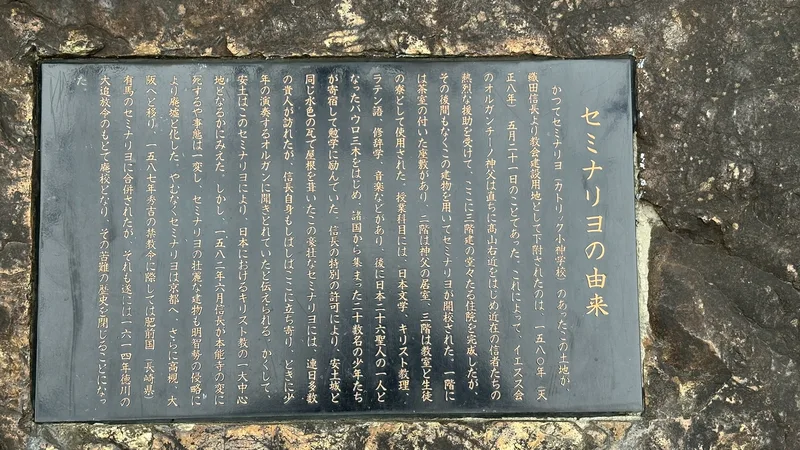
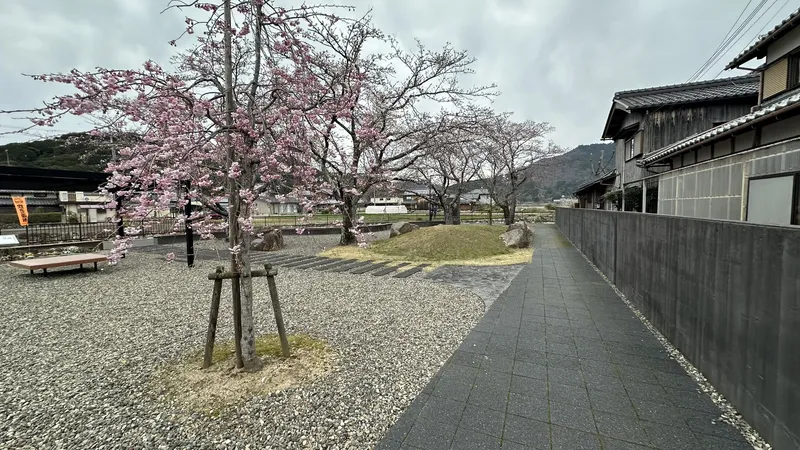
The seminario is generally dated to around 1580–81, established by the Jesuit missionary Organtino as Japan's first school for young Christian converts. Today's historic park was developed on one traditionally identified site, but excavation hasn't confirmed any building remains there, and other locations have also been proposed. That uncertainty is part of what makes it such an evocative spot — you're left imagining exactly where in the castle town these boys studied and played music. Records say Nobunaga himself visited and listened to the students play the organ — a small but telling glimpse of the cultural exchange that took place here.
Tap any photo to enlarge
- Stone monument and information panels: Detailed panels cover the history connected to Father Organtino and Paulo Miki, among others.
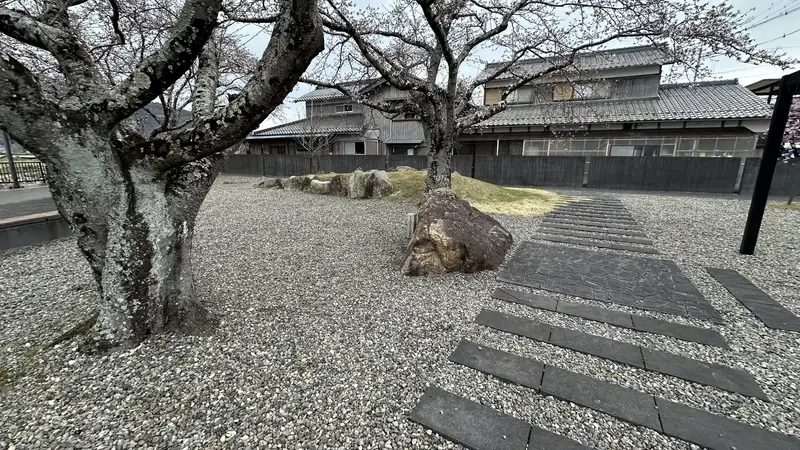
- A quiet, well-kept park: Cherry trees and the traces of a former waterway make this a pleasant spot for a quiet stroll.
- Seasonal highlights: In spring, the park is filled with soft cherry-blossom color.
Quick visit: about 10 min / Unhurried: about 30 min
🗺 Address: 2753 Shimotoyoura, Azuchi-cho, Omihachiman, Shiga
🚶 Access: 6 minutes (about 400 m) from Kenko-no-Tsuji
Recommendation Rating: Historical value: ★★★ / Visual appeal: ★★ / Experience value: ★★
| Built | Circa 1580–81 (Tenshō 8–9) |
|---|---|
| Built by | Father Organtino (Society of Jesus), with Nobunaga's support |
| Destroyed | 1582 |
| Condition Today | A historic park developed on one traditionally identified site; the exact location isn't archaeologically confirmed, and other sites have also been proposed |
- Japan's first seminary: The school taught a broad curriculum — Japanese, Latin, and music among other subjects — and its students included Paulo Miki and many other boys.
- A waterside spot in the castle town: The seminary was built on reclaimed land at the edge of an inlet, and the waterway was also used for access to the school buildings.
- Nobunaga and the organ: An anecdote holds that Nobunaga enjoyed listening to a student play the organ, a small window into the cross-cultural exchange happening here at the time.
⑨ Ume-no-kawa
The famous spring water used at Nobunaga's tea gatherings — the story of Takei Sekian's tea service
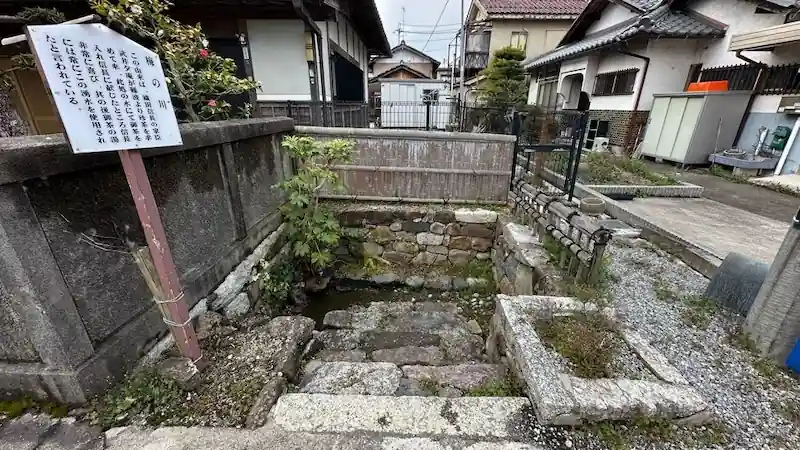
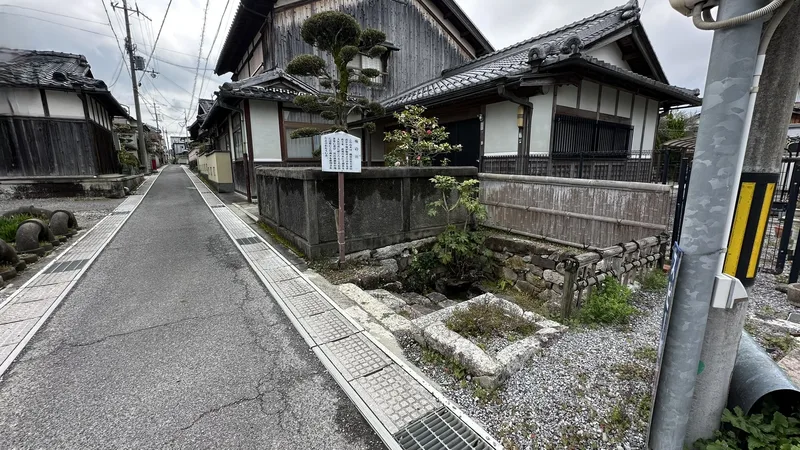
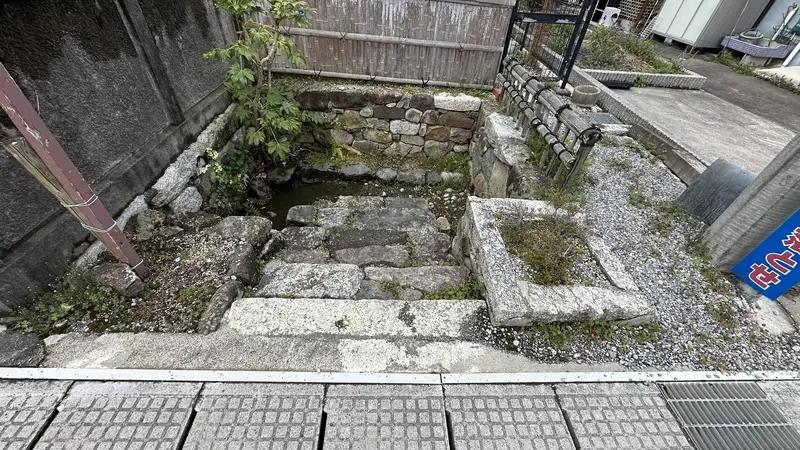
"Ume-no-kawa" was once a spring in Azuchi's castle town, known for an anecdote in which Oda Nobunaga had its water used at his tea gatherings. According to the story, his retainer Takei Sekian brewed an unusual tea with this water and presented it to Nobunaga, who was so pleased that he favored this water for his tea ceremonies from then on. The spring itself has largely dried up today, but the stonework that once framed it survives.
Tap any photo to enlarge
- The stonework spring mouth: A modest but historically rich remnant of a water source dating to the Sengoku period.
- Information panel: A signboard recounts the story connecting Nobunaga to this spring.
Quick visit: about 3 min / Unhurried: about 10 min
🗺 Address: Azuchi-cho, Omihachiman, Shiga
🚶 Access: 6 minutes (400 m) on foot from Azuchi Station
Recommendation Rating: Historical value: ★★★ / Visual appeal: ★ / Experience value: ★
- Nobunaga's tea ceremony: Passed down as a famous water tied to Nobunaga's love of tea, a small window into Sengoku-era culture.
- Takei Sekian's tea: Takei Sekian, remembered as a tea master, is said to have used this water to brew tea for Nobunaga, helping shape his taste for the tea ceremony.
⑩ The Oda Nobunaga Statue at Azuchi Station
Nobunaga greets you at Azuchi's gateway — the starting point of the journey
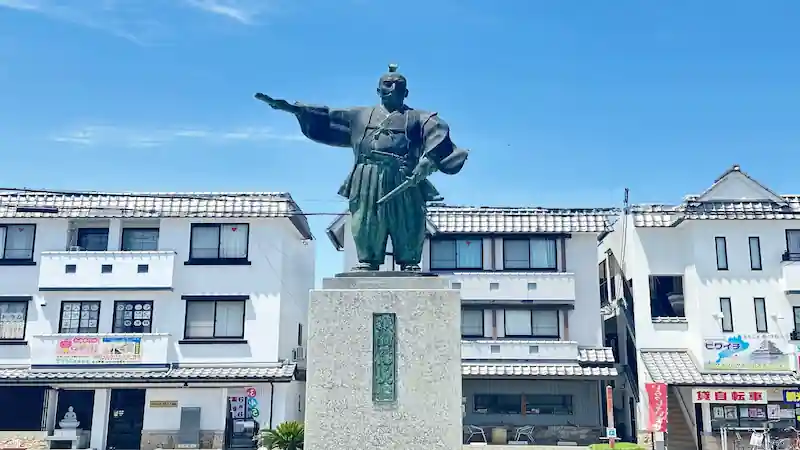
Right outside the north exit of JR Azuchi Station stands a bronze statue of Oda Nobunaga. It's the first landmark most travelers see when they arrive in Azuchi, and a popular photo spot to kick off a visit.
- The Nobunaga statue: An imposing bronze statue right outside the station, a great spot for a photo.
Quick visit: about 3 min / Unhurried: about 5 min
🗺 Address: Kamitoyoura, Azuchi-cho, Omihachiman, Shiga
🚶 Access: Right outside Azuchi Station's north exit
Recommendation Rating: Historical value: ★ / Visual appeal: ★★ / Experience value: ★
- The start of your trip: This is usually the first Nobunaga-related sight travelers encounter in Azuchi, and a common stop before picking up a rental bicycle.
⑪ Traditional Site of Akechi Mitsuhide's Mansion
The trace the man behind the Honnoji Incident left behind in Azuchi
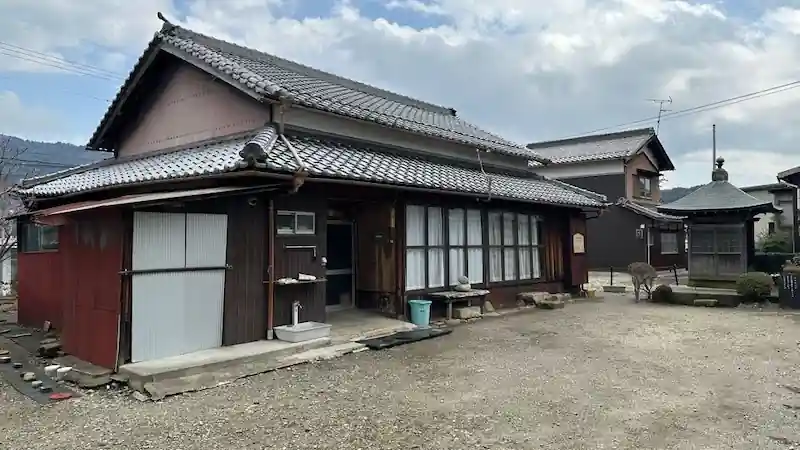
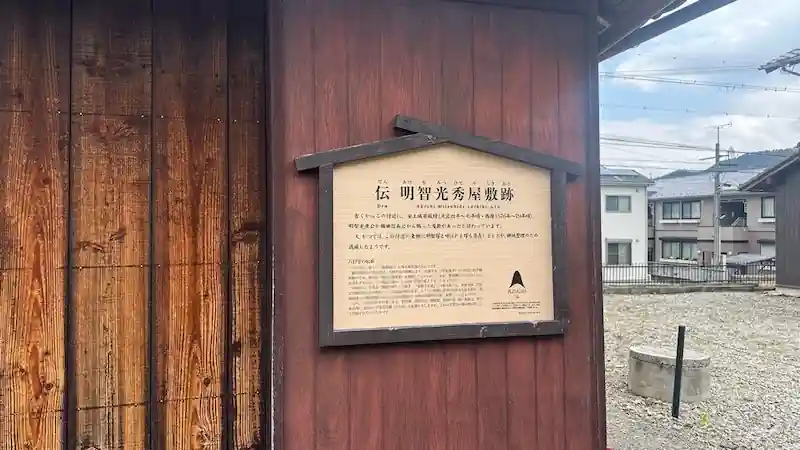
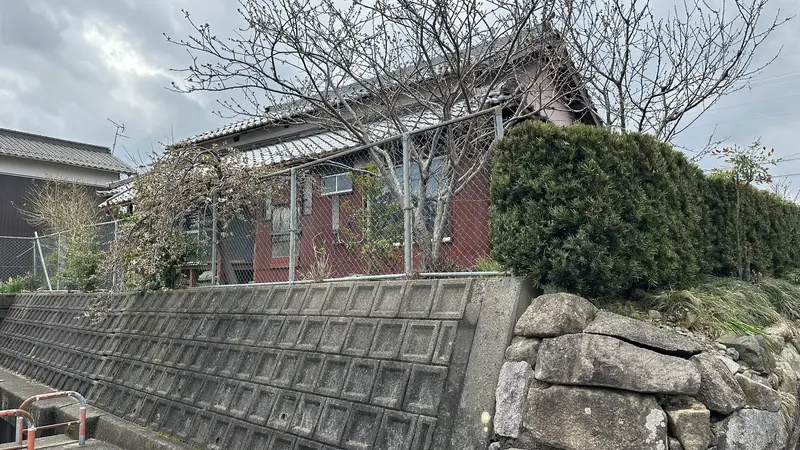
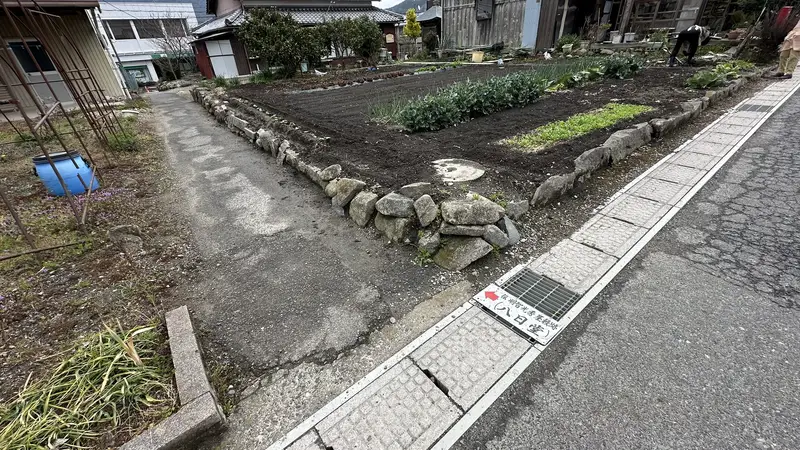
About a 7-minute walk from Azuchi Station, this is a site traditionally said to have held Akechi Mitsuhide's mansion — the same Mitsuhide who killed Nobunaga in the 1582 Honnoji Incident. There's little more than a stone marker and information panel here, but if Mitsuhide really did commute to Azuchi Castle from this spot, it lets you picture the physical closeness of the two men during the period when Mitsuhide and Nobunaga were closest.
Tap any photo to enlarge
- Stone marker and information panel: A stone monument and historical panel mark the site of Mitsuhide's former residence.
- Distance from the castle: The residence's distance from Azuchi Castle offers a clue for thinking about the lord-retainer relationship between Nobunaga and Mitsuhide.
Quick visit: about 5 min / Unhurried: about 15 min
🗺 Address: 1093 Kamitoyoura, Azuchi-cho, Omihachiman, Shiga
🚶 Access: 7 minutes (500 m) from Azuchi Station
Recommendation Rating: Historical value: ★★ / Visual appeal: ★ / Experience value: ★
- The man behind the Honnoji Incident: That Mitsuhide, the retainer who killed Nobunaga, also kept a residence in Azuchi shows how significant his standing was.
⑫ Azuchi Castle Museum
A striking 1:20-scale model of the castle tower — a history stop right at the station
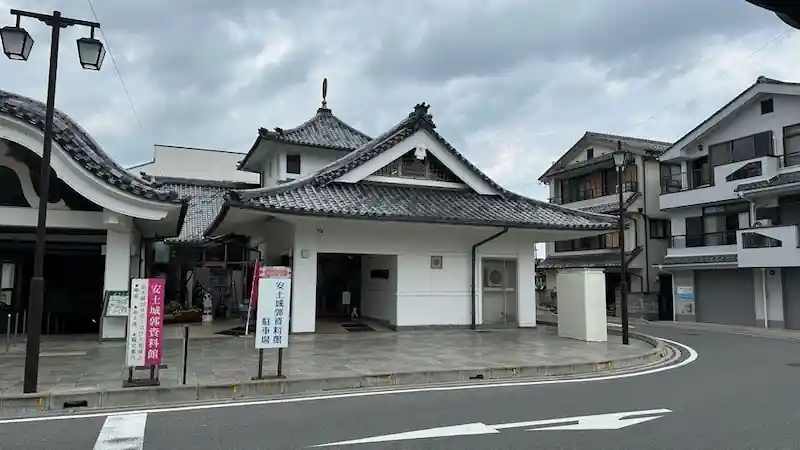
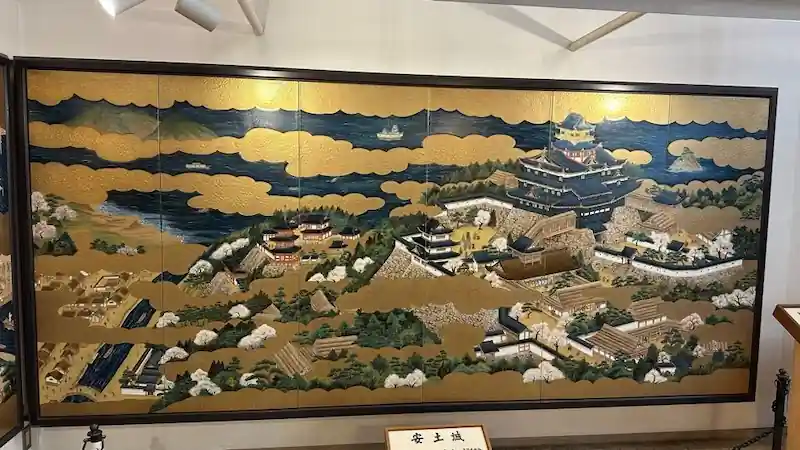
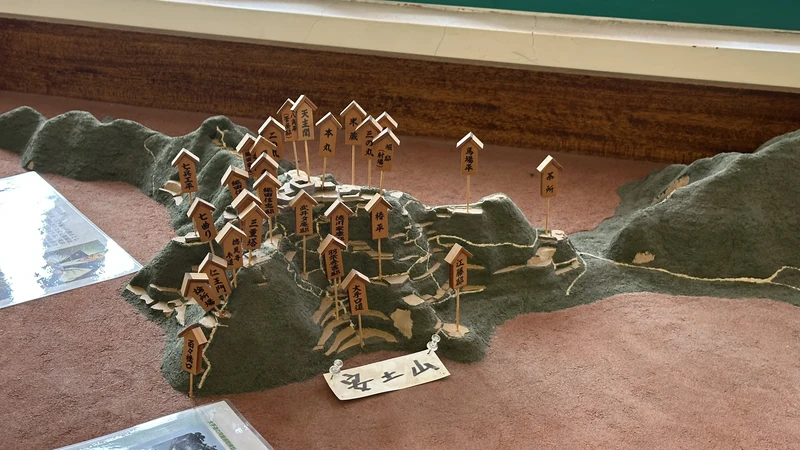
The Azuchi Castle Museum sits right across from JR Azuchi Station. Its centerpiece is a finely detailed 1:20-scale model of Azuchi Castle, split down the middle so you can see the layout and decoration of each floor up close.
Tap any photo to enlarge
- 1:20-scale model of Azuchi Castle: A finely detailed model that lets you observe the castle's internal structure.
- Historical exhibits: A range of valuable materials relating to Oda Nobunaga and Azuchi Castle.
Quick visit: about 30 min / Unhurried: about 1 hour
🗺 Address: 700 Konaka, Azuchi-cho, Omihachiman, Shiga
🚶 Access: Right across from JR Azuchi Station
Recommendation Rating: Historical value: ★★ / Visual appeal: ★★★ / Experience value: ★★
| Admission | Adults ¥200; students ¥150; children ¥100 |
|---|---|
| Opening Hours | 9:00 AM – 5:00 PM (last entry 4:30 PM) |
| Official Website | Official site (Japanese) |
- Right at the station: Directly across from JR Azuchi Station, making it an easy stop either before or after your visit to the castle ruins.
- A split-open model: The model is divided down the middle, letting you examine the internal structure of each floor in detail.
⑬ Shiga Prefectural Azuchi Castle Archaeological Museum
A full-scale museum that reveals the complete picture of Azuchi Castle
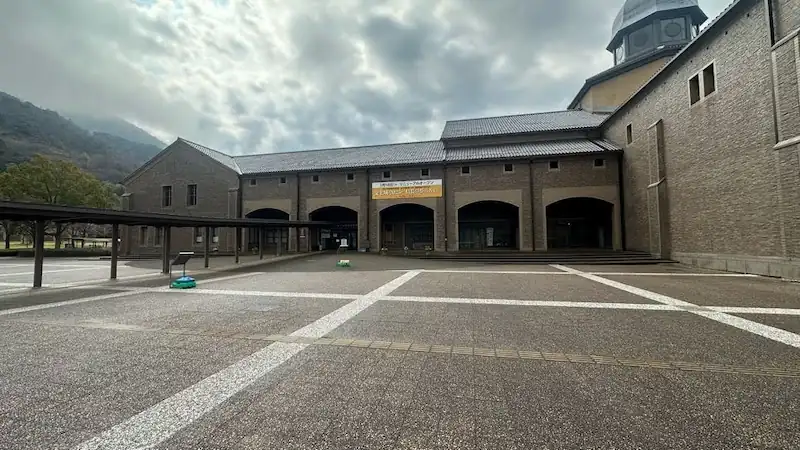
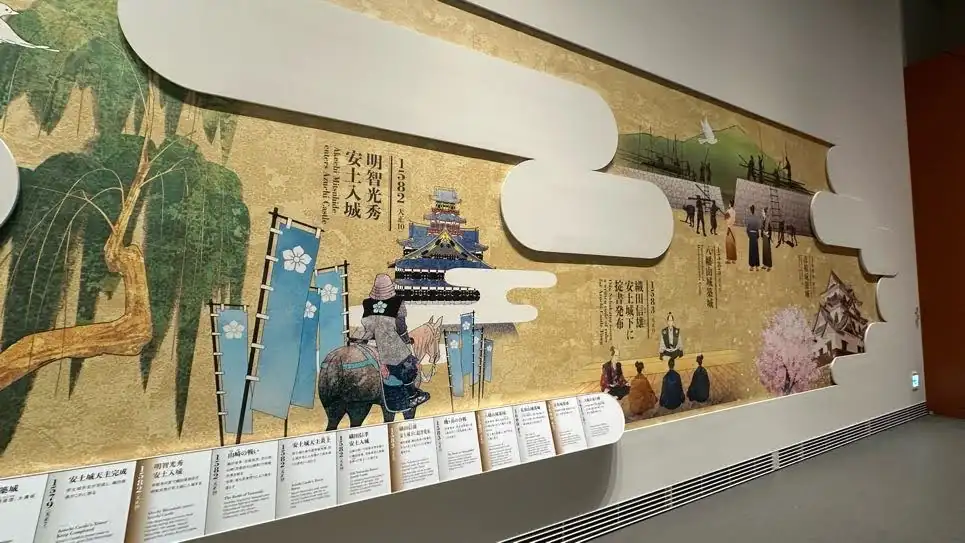
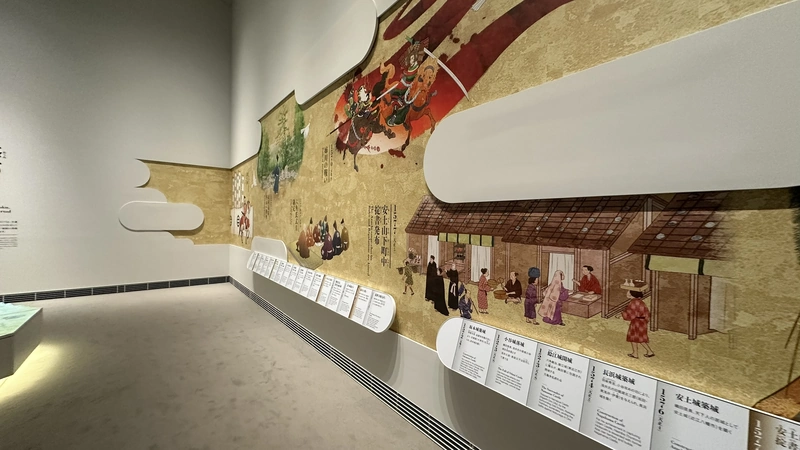
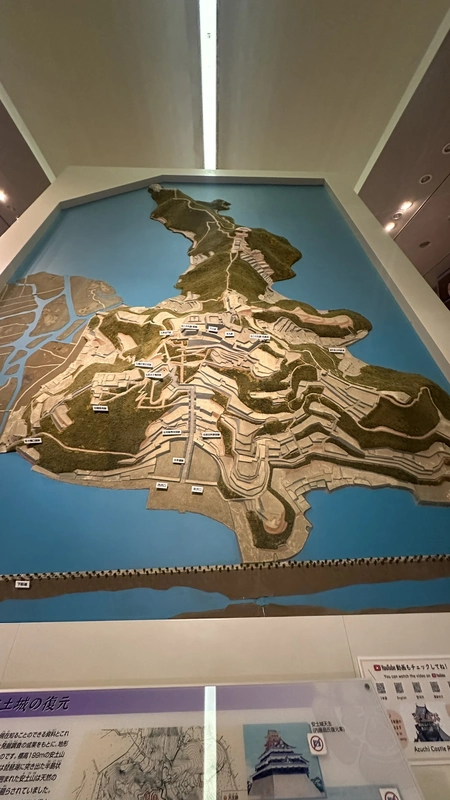
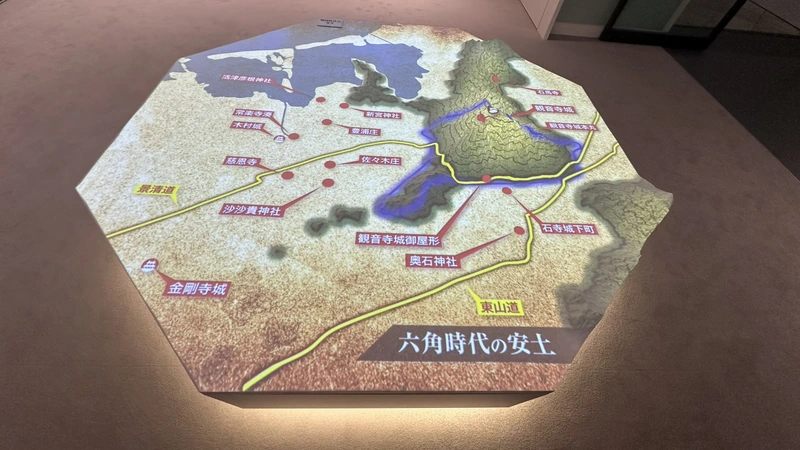
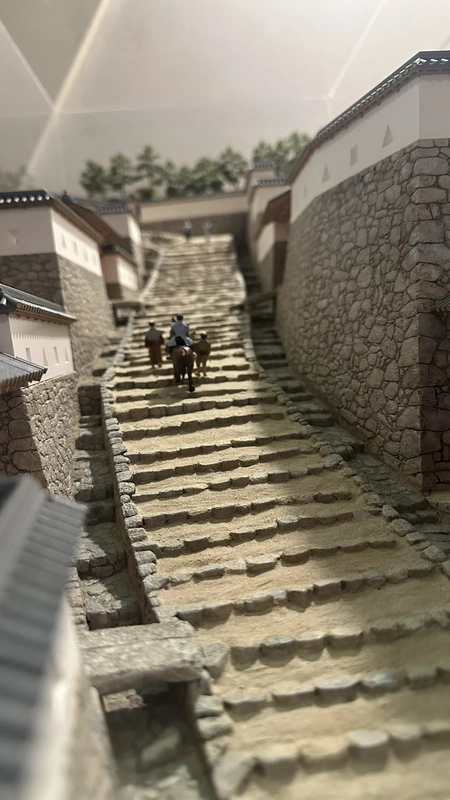
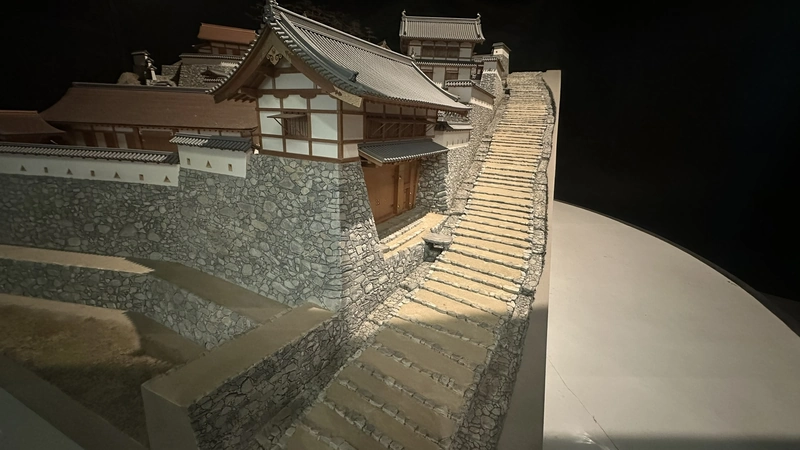
The Shiga Prefectural Azuchi Castle Archaeological Museum is a full-scale facility for learning about Azuchi Castle and the Sengoku period more broadly. It displays a reconstructed model of the castle and excavated artifacts, and screens a high-definition CG reconstruction video of Azuchi Castle. There are also exhibits and hands-on activities that children can enjoy.
Tap any photo to enlarge
- First permanent gallery: Reconstructed models and excavated artifacts of Azuchi Castle, introducing daily life at the time and the traces Nobunaga left behind.
- Second permanent gallery: Materials on Sengoku-period Omi Province, including Kannonji Castle and Odani Castle.
- Special and feature exhibitions: Themed exhibitions are held for limited periods throughout the year.
Quick visit: about 1 hour / Unhurried: about 2 hours
🗺 Address: 6678 Shimotoyoura, Azuchi-cho, Omihachiman, Shiga
🚶 Access: About 25 minutes on foot from JR Azuchi Station, or about 10 minutes by rental bicycle
Recommendation Rating: Historical value: ★★★ / Visual appeal: ★★★ / Experience value: ★★★
| Admission | Permanent exhibition: adults ¥600, university students ¥360, free for elementary/middle school students. Prices may differ during special or feature exhibitions. |
|---|---|
| Opening Hours | 9:00 AM – 5:00 PM (last entry 4:30 PM) |
| Closed | Mondays (or the following day if Monday is a holiday) |
| Official Website | Official site (Japanese) |
- CG reconstruction video: A high-definition, fully CG reconstruction of Azuchi Castle is screened here.
- A castle that vanished: Construction of Azuchi Castle began in 1576, and the tenshu (main tower) was completed in 1579. Only about 3 years later, in 1582, the tenshu and honmaru (main bailey) were destroyed by fire — one reason the castle is sometimes described as a "phantom castle."
⑭ Former Miyaji Residence
A mid-Edo-period farmhouse — a National Important Cultural Property
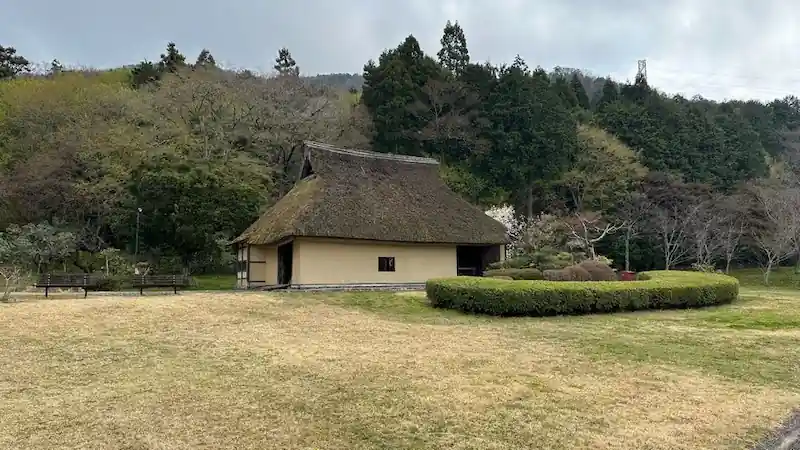
The Former Miyaji Residence was built in Hōreki 4 (1754) in the "Yogo-style" farmhouse tradition distinctive to the northern Lake Biwa region, and is designated a National Important Cultural Property. It originally stood in Kunitomo-cho, Nagahama, and has since been relocated and preserved within the Omi Fudoki-no-Oka historical park.
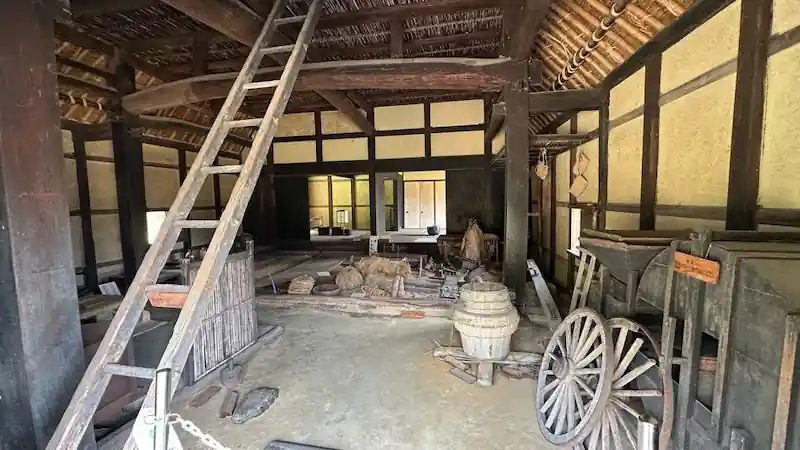
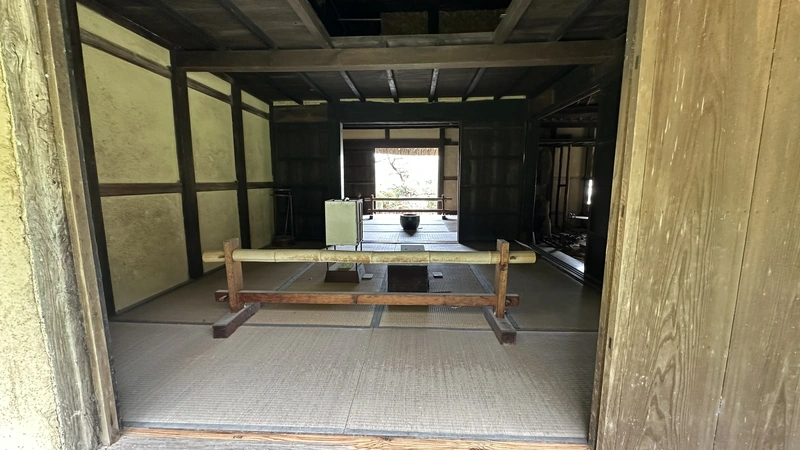
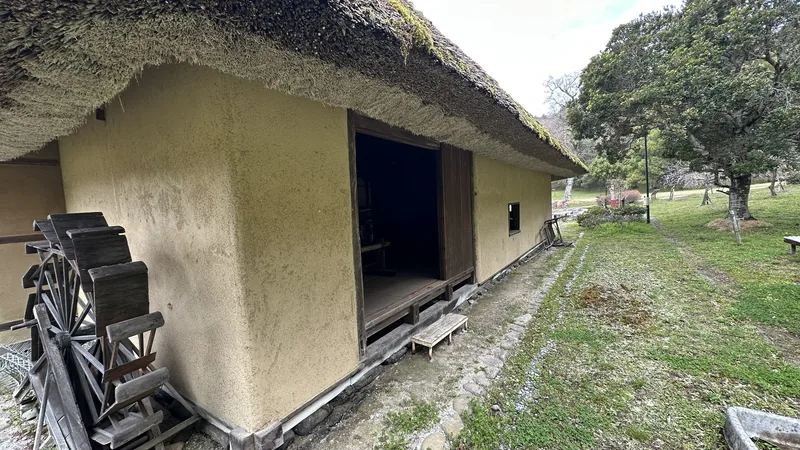
Tap any photo to enlarge
- The Former Miyaji Residence: A close-up look at mid-Edo-period farmhouse architecture.
- Omi Fudoki-no-Oka: The park also includes other relocated and preserved buildings, such as the former Yanagihara school building and the former Azuchi police substation.
Quick visit: about 15 min / Unhurried: about 30 min
🗺 Address: 6678 Shimotoyoura, Azuchi-cho, Omihachiman, Shiga
🚶 Access: 2 minutes on foot from the Shiga Prefectural Azuchi Castle Archaeological Museum
Recommendation Rating: Historical value: ★★ / Visual appeal: ★★ / Experience value: ★★
| Built | Hōreki 4 (1754) |
|---|---|
| Structure | Irimoya-style (hip-and-gable) roof, thatched, with a gable entrance |
| Cultural Property Status | National Important Cultural Property (designated 1968) |
- A town of gunsmiths: The house originally stood in Kunitomo-cho, Nagahama, a town famous for its gunsmiths.
- A cluster of relocated buildings: Omi Fudoki-no-Oka also preserves the former Yanagihara school building and the former Azuchi police substation, both relocated here.
⑮ Azuchi Castle Tenshu: Nobunaga no Yakata Museum
The power of a full-scale reconstructed castle tower — once the centerpiece of Japan's pavilion at Expo '92 Seville
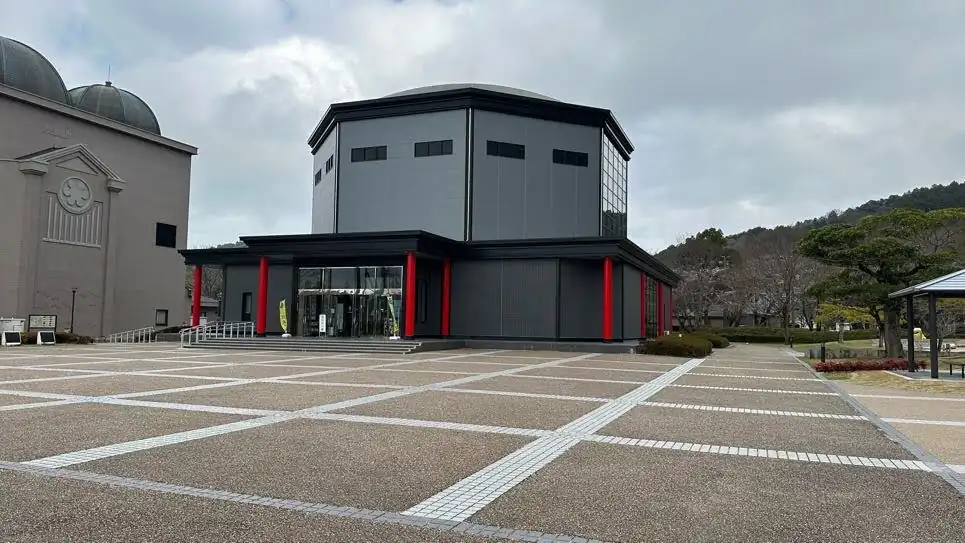
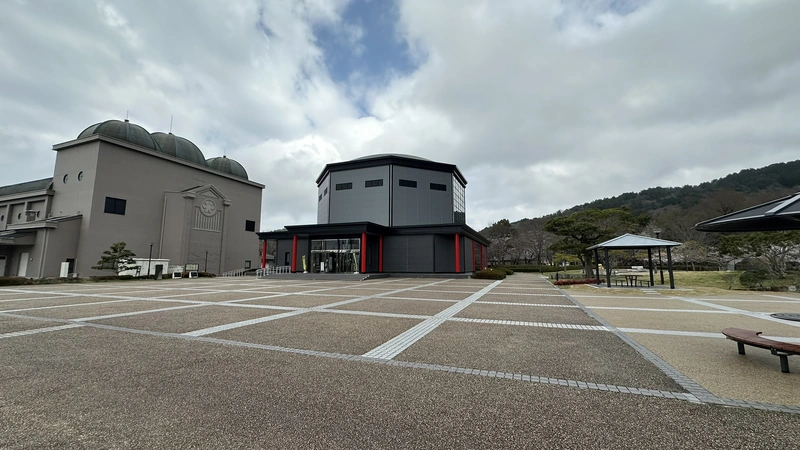
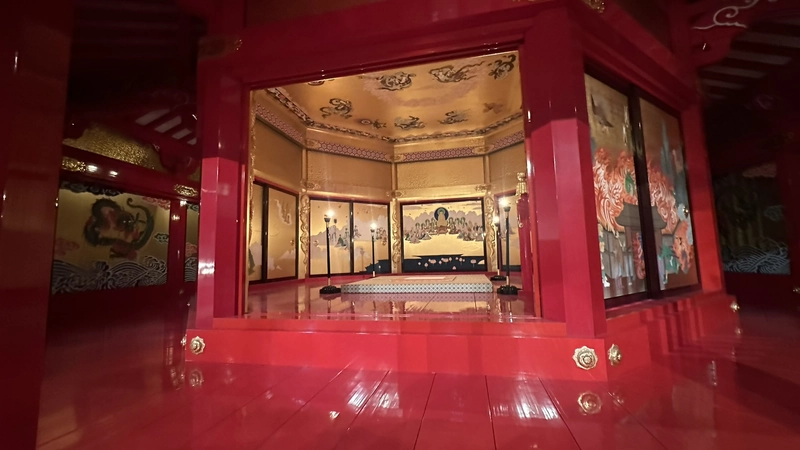
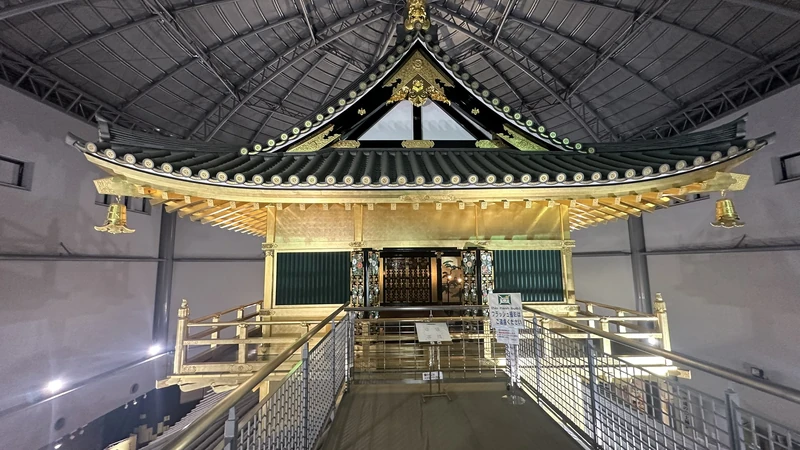
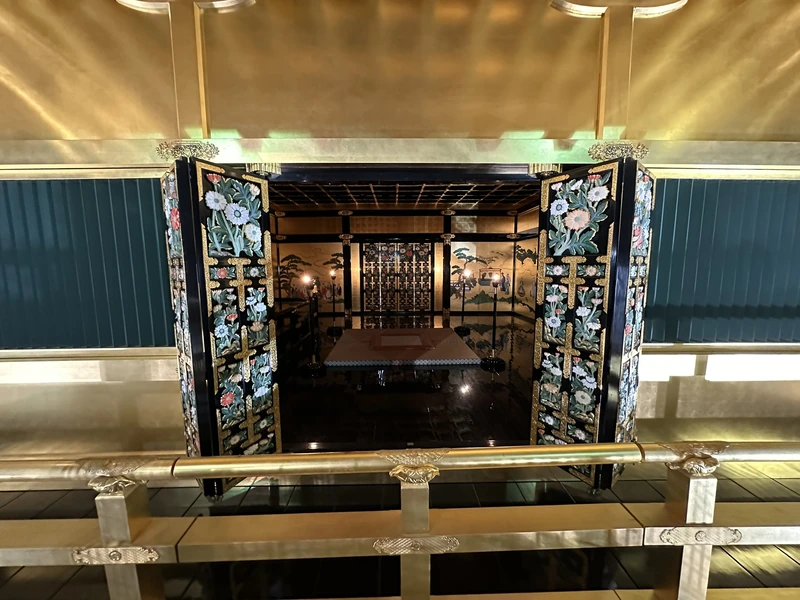
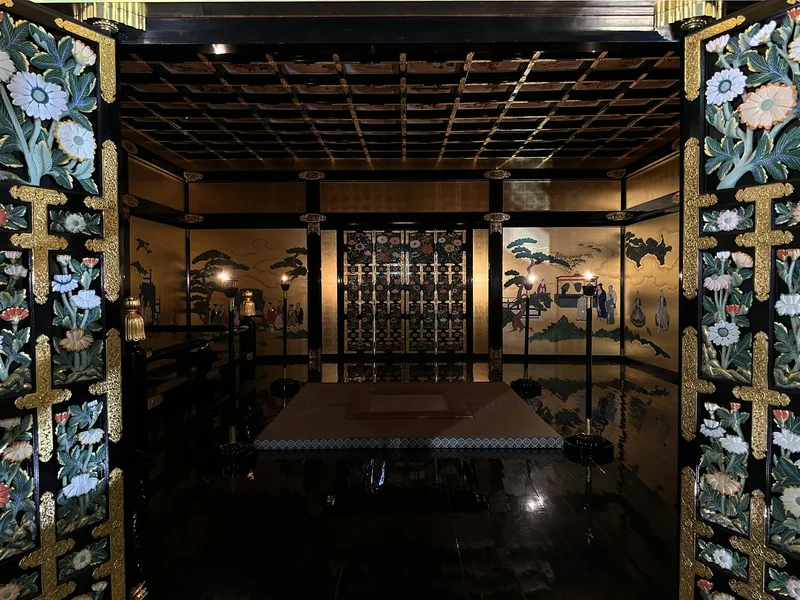
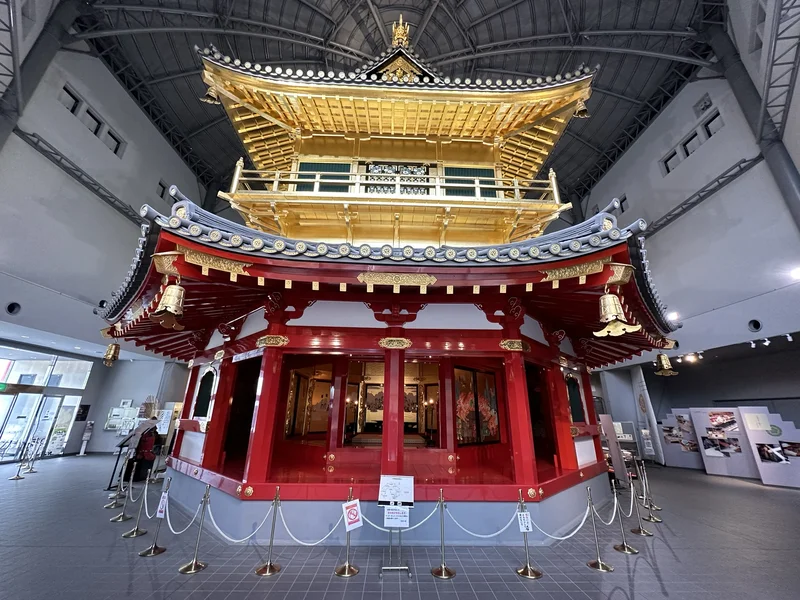
Nobunaga no Yakata Museum houses a full-scale reconstruction of the top two floors (the 5th and 6th) of the Azuchi Castle tenshu, or main tower. It was displayed as the centerpiece exhibit of the Japan Pavilion at the 1992 Seville World's Fair (Expo '92). After the expo ended, it was relocated to Azuchi, where the full-scale 5th and 6th floors can still be seen today. A VR theater lets you experience Azuchi Castle through video as well.
Tap any photo to enlarge
- Reconstructed tenshu: The 5th and 6th floors of the tenshu are reproduced at full scale as one research-based reconstruction proposal.
- Azuchi Castle VR Theater: A roughly 15-minute short film, "Splendor: Azuchi Castle," screened on a 200-inch display.
- Special exhibitions: Limited-time exhibitions related to Azuchi Castle and the Sengoku period.
Quick visit: about 30 min / Unhurried: about 1 hour
🗺 Address: 800 Kuwanomidera, Azuchi-cho, Omihachiman, Shiga
🚶 Access: About 25 minutes on foot from JR Azuchi Station; about 20 minutes by car from the Ryuo Interchange
Recommendation Rating: Historical value: ★★★ / Visual appeal: ★★★ / Experience value: ★★★
| Admission | General ¥610; students ¥350; elementary/middle school students ¥170 |
|---|---|
| Opening Hours | 9:00 AM – 5:00 PM (last entry 4:30 PM) |
| Official Website | Official site (Japanese) |
- Expo '92 Seville: This reconstruction was displayed as the centerpiece exhibit of the Japan Pavilion at the 1992 Universal Exposition in Seville, Spain, before being relocated to Azuchi after the expo ended.
- VR theater: Enjoy footage of Azuchi Castle recreated using the latest visual technology.
⑯ The "Tenka Fubu" Song Monument
Nobunaga's ambition, set to music by Ichiro Toba — a monument on the Spain Plaza
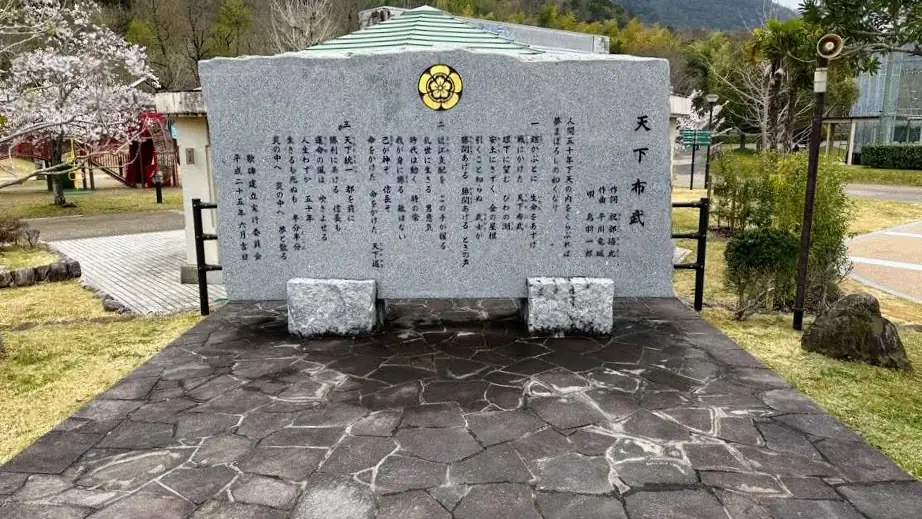
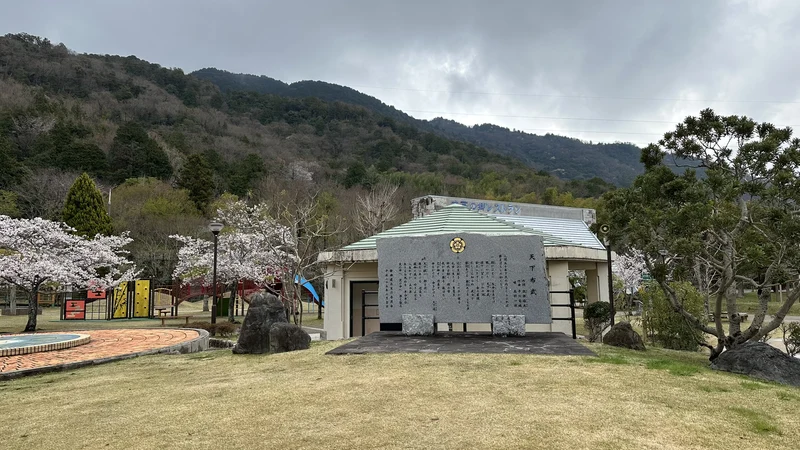
The "Tenka Fubu" song monument stands on the Spain Plaza, just east of Nobunaga no Yakata Museum. It was unveiled on June 5, 2011, to commemorate the enka song "Tenka Fubu," performed by singer Ichiro Toba. The monument is inscribed with the song's lyrics, passing on Nobunaga's ambition and history to visitors.
Tap any photo to enlarge
- The song monument: A stone monument inscribed with the lyrics of "Tenka Fubu," performed by Ichiro Toba.
- Spain Plaza: With benches and greenery, it also makes for a pleasant rest stop.
Quick visit: about 5 min / Unhurried: about 15 min
🗺 Address: 800 Kuwanomidera, Azuchi-cho, Omihachiman, Shiga
🚶 Access: 1 minute on foot from Nobunaga no Yakata Museum
Recommendation Rating: Historical value: ★ / Visual appeal: ★ / Experience value: ★
| Erected | June 5, 2011 |
|---|---|
| Associated Figure | Ichiro Toba |
- Tenka Fubu: "Tenka Fubu" ("Rule the Realm by Force") is the phrase Nobunaga began using on his personal seal after he made Gifu Castle his base.
⑰ Jogon-in Temple
The Jodo-sect temple Nobunaga founded — stage of the famous Azuchi Religious Debate
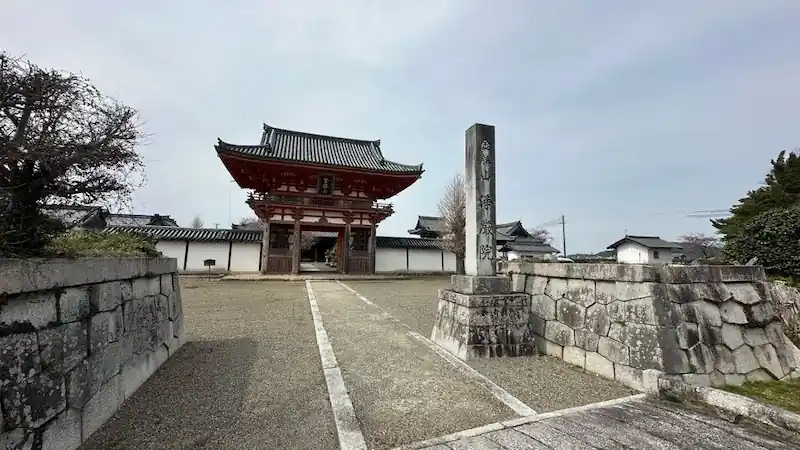
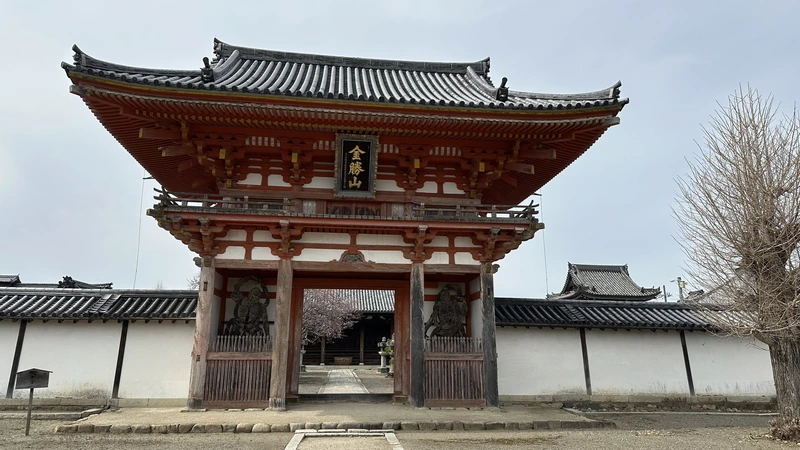
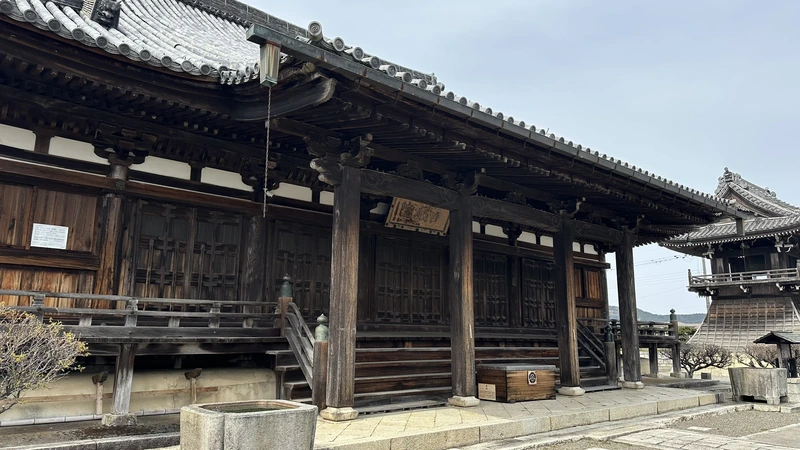
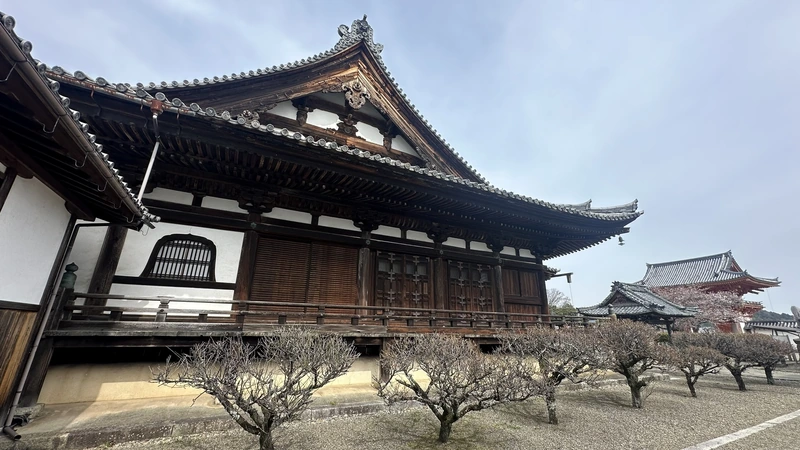
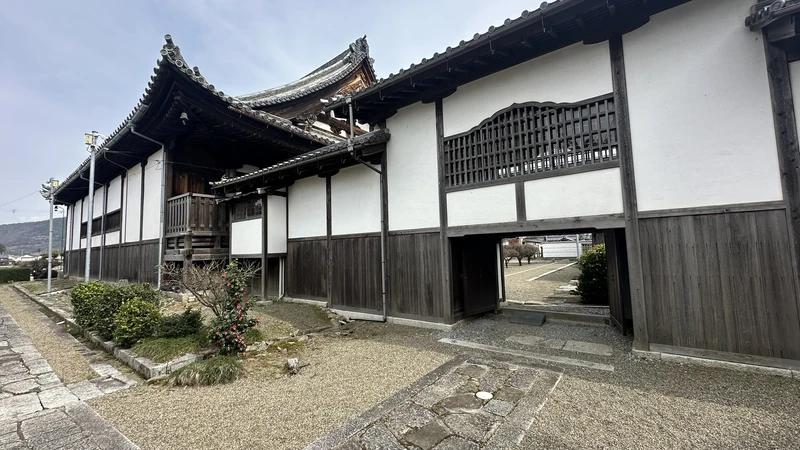
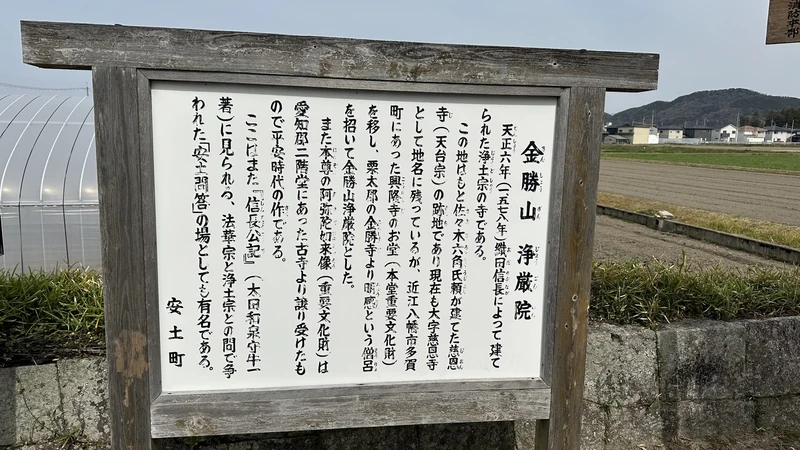
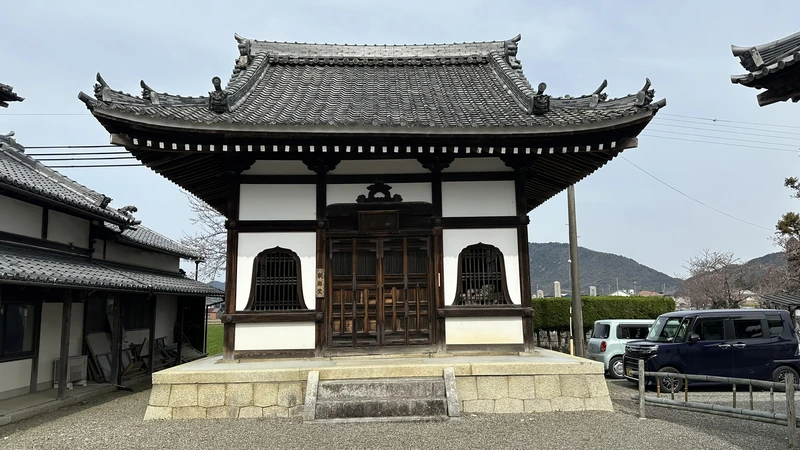
Jogon-in is a Jodo-sect (Pure Land) Buddhist temple that Oda Nobunaga founded in Tenshō 5 (1577) on the former grounds of Jion-ji, the ancestral temple of the Omi Sasaki-Rokkaku clan. It's known as the setting for the "Azuchi Religious Debate" (Azuchi Shūron), a formal doctrinal dispute held between the Jodo and Nichiren sects. The temple grounds include an Important Cultural Property main hall and two-story gate, and its principal image, a wooden seated statue of Amida Nyorai, is also designated an Important Cultural Property.
Tap any photo to enlarge
- Main hall: Built in the late Muromachi period, designated an Important Cultural Property.
- Two-story gate: Also an Important Cultural Property, preserving the architectural style of the late Muromachi period.
- Contemporary art exhibitions: Jogon-in sometimes hosts contemporary art exhibitions inside its historic halls. Since the schedule varies from year to year, check current information before your visit.
Quick visit: about 30 min / Unhurried: about 1 hour
🗺 Address: 744 Jionji, Azuchi-cho, Omihachiman, Shiga
🚶 Access: About 10 minutes (roughly 700 m) on foot from JR Biwako Line's Azuchi Station
Recommendation Rating: Historical value: ★★★ / Visual appeal: ★★★ / Experience value: ★★
| Founded | Tenshō 5 (1577) |
|---|---|
| Founder | Oda Nobunaga |
| Sect | Jodo sect (mountain name: Konshozan) |
| Cultural Property Status | Main hall and two-story gate: National Important Cultural Properties |
- The Azuchi Religious Debate: As the stage for the doctrinal debate between the Jodo and Nichiren sects, this temple played an important role in Sengoku-period religious history.
- Blending with contemporary art: Jogon-in sometimes hosts contemporary art exhibitions inside its historic halls; check current information before your visit, since the schedule varies from year to year.
- Nobunaga's religious policy: That Nobunaga founded the temple and presided over the Azuchi Religious Debate makes it a window into how Sengoku-period warlords managed religious affairs.
Frequently Asked Questions (FAQ)
Yes — several rental-bicycle shops operate around the north exit of Azuchi Station. A bicycle makes it far easier to cover the castle ruins (a 20-minute walk, or 10 minutes by bike), the Archaeological Museum, and Nobunaga no Yakata Museum. To visit the Azuchi Castle ruins themselves, park your bicycle in the bicycle parking area near the ruins' entrance and continue on foot for the climb.
Yes — the two facilities are close to each other, and visiting them together is a good approach. Plan for a combined 2–3 hours. Note that both are closed on Mondays (or the following day if Monday is a holiday). Visiting either before or after the castle ruins helps deepen your understanding of what you're seeing.
General access up to the castle from Dodobashiguchi is currently restricted; the main route in is via Otemichi. The Dodobashiguchi stairway itself (Umagaeshizaka) can still be visited, and partway up you'll find Ishibe Shrine, home to a National Treasure wooden seated statue of Yakushi Nyorai.
The original building burned down in 1582, so what remains today is a stone monument, information panels, and a park. Traces of a former waterway can be identified from the panels on site. As the site of Japan's first Christian seminary, it carries real historical significance and is a valuable spot for thinking about Nobunaga's relationship with religion at the time.
Jonavikan is a visitor center near the entrance to the Azuchi Castle ruins, with ¥200 admission. It offers panel exhibits, a DVD screening, and original goods for sale relating to Azuchi Castle. Based on more than five visits, we'd strongly recommend stopping here before you climb if it's your first time at Azuchi Castle. Understanding the castle's history and layout beforehand makes a real difference in how the stone walls and foundation stones read once you're up there.
The Azuchi Castle Museum (by the station, ¥200 admission) is a small, easy stop whose centerpiece is a 1:20-scale model of the tenshu. The Shiga Prefectural Azuchi Castle Archaeological Museum (¥600 admission) is a full-scale facility with excavated artifacts, reconstructed models, and CG video from Azuchi Castle. If you have time, visit both; if you're short on time, the Azuchi Castle Museum alone is still worthwhile.
The temple grounds are normally open, and you can view the Important Cultural Property main hall and two-story gate from the outside. Jogon-in also sometimes hosts contemporary art exhibitions inside its historic halls, offering a distinctive blend of Nobunaga-era history and contemporary art; since the schedule varies from year to year, check current information before your visit. It's about a 10-minute walk from Azuchi Station, making it a convenient stop on your way back.
Continue to the Main Castle Area
▶ Walking Otemichi: Hideyoshi & Toshiie's Residence Ruins and 7 Hidden Historic Sites — a detailed guide to the Otemichi area, which you can walk straight into after climbing the castle
▶ The Tenshudai, Honmaru & Nobunaga's Mausoleum: A 10-Spot Walking Guide to the Castle's Core — a walking-order guide to the castle's innermost core area
Nobunaga-Related Temples Farther Afield
▶ Wider-Area Guide (Chokoji, Saikoji & Kotakuji) — a guide to Nobunaga-related temples located outside Azuchi town
Back to the Complete Azuchi Castle Guide
☕ Support This Site
Following the Shogun is built on first-hand, on-the-ground research.
If you've found this guide useful, your support helps keep it going.

You can also support the site by scanning this QR code
The information on this site is current as of March 2026. Opening hours and admission fees for each facility are subject to change. Please check each facility's official website for the latest information. Please refrain from reproducing the photos on this page without permission.
Back to the Main Page



comment