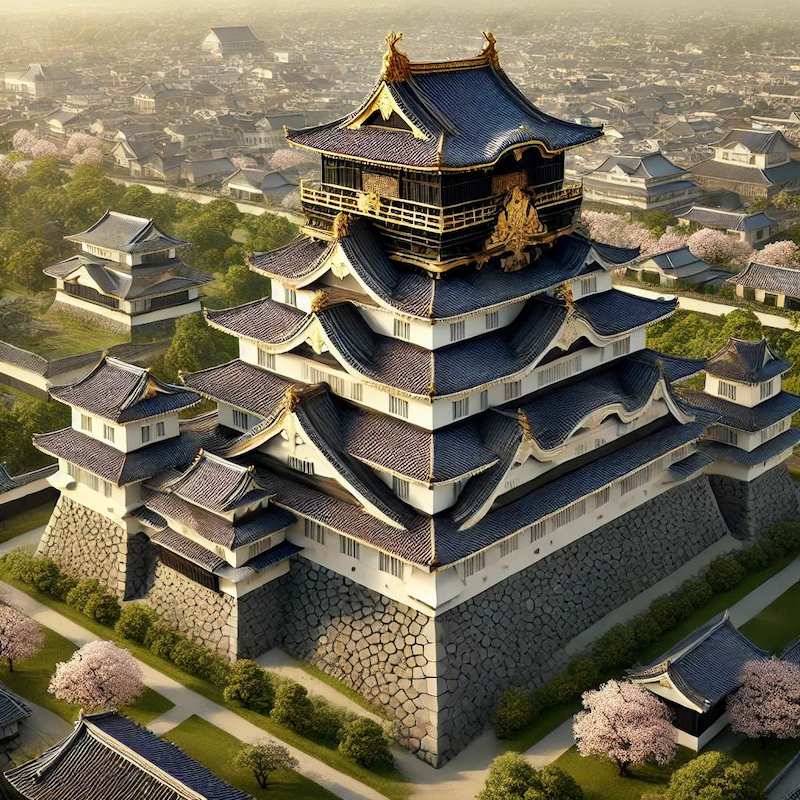
Edo Castle Ruins (Imperial Palace) — Complete Guide to the East Gardens, Public Tour, and Inui Street
This hub guide covers the Imperial Palace East Gardens in five areas, from Otemon Gate to the Tenshudai Keep Base, and also includes the Imperial Palace public tour and the special Inui Street public opening, both of which allow access to areas normally closed to the public. It is designed for first-time visitors and serious history lovers alike.
Edo Castle was a vast castle complex expanded on a massive scale after Tokugawa Ieyasu entered Edo, especially during the eras of the second shogun, Hidetada, and the third shogun, Iemitsu. After the establishment of the Edo shogunate in 1603, it served as the residence of the Tokugawa shoguns and the center of shogunal government. After the Meiji Restoration, the site became the Imperial Palace, and the eastern areas corresponding to the former Honmaru, Ninomaru, and Sannomaru have been open to the public since 1968 as the Imperial Palace East Gardens.
The main keep burned down in the Great Fire of Meireki in 1657 and was never rebuilt. Even so, many original Edo-period remains still convey the structure of the castle, including the stone base of the keep, Otemon Gate, Fujimi-yagura Turret, Hyakunin-bansho Guardhouse, and the Matsu-no-Oroka Corridor Site.
This guide introduces the Imperial Palace East Gardens in five areas and also brings together information on the Imperial Palace public tour and the Inui Street public opening, which let visitors walk through normally restricted parts of the Imperial Palace. First-time visitors should use it together with the full map.
Three Ways to Experience Edo Castle
| Experience | When | Reservation | Time Needed | Best For |
|---|---|---|---|---|
| 🏰 East Gardens Self-guided / Free |
Tue – Sun Year-round |
Not needed | 1 – 3 hours | Gates, turrets, Tenshudai, gardens — the main castle remains |
| 🚶 Imperial Palace Public Tour Guided / Free / ID required |
Tue – Sat (closed Sundays, Mondays, most national holidays, and New Year holidays) Year-round |
Advance online booking or same-day walk-in (Kikyo-mon Gate, 300 tickets, 9:00 a.m. / 12:30 p.m.) |
~75 min | Normally closed areas: Nijubashi, Fushimi Yagura, East Court |
| 🌸 Inui Street Self-guided / Free |
Spring & Autumn only |
Not needed | 30 – 60 min | Cherry blossoms / autumn foliage along a rarely opened inner route |
※ East Gardens are closed Mon & Fri (except national holidays) and Dec 28 – Jan 3. The Imperial Palace Public Tour is also closed on Sundays, Mondays, and national holidays; advance online booking is recommended. Always check the Imperial Household Agency website before visiting.
Imperial Palace East Gardens Section
How to Use This Guide
Full Guide: All 5 Areas, 35 Spots — With Complete Historical Background
For repeat visitors, serious history enthusiasts, or anyone who wants to go beyond the highlights. The sections below cover every part of the East Gardens in detail, plus the Imperial Palace Public Tour and the seasonal Inui Street opening.
Imperial Palace East Gardens | Guide to the 5 Areas
The Imperial Palace East Gardens are spacious, so this guide divides them into five areas based on their character and location. Review the features of each area before planning your walking route.
Otemon Gate Area
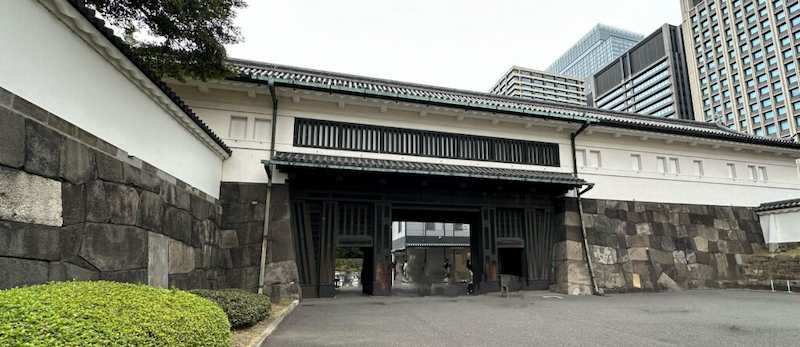
This is the first area you pass through when entering Edo Castle from Otemon Gate, the castle’s formal front gate. It was a dignified space used by daimyo and shogunal retainers on their way to the castle. The masugata defensive layout, formed by the Koraimon gate and the reconstructed Ote-watari-yagura Gate, gives a clear sense of the strict security system of the time. The long Hyakunin-bansho Guardhouse is another major highlight. The Museum of the Imperial Collections is currently temporarily closed for construction of its new facility. Full reopening is scheduled for autumn 2026. Admission, booking rules, and opening dates may change after reopening, so please check the official museum website before visiting.
Fujimi-yagura Turret Area
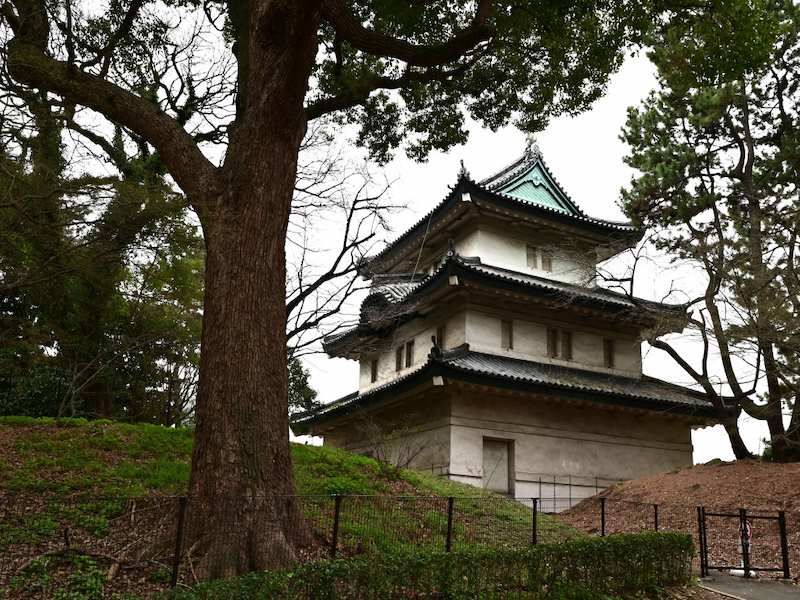
This central area is home to Fujimi-yagura, the only surviving three-story turret of Edo Castle. After Edo Castle’s main keep burned down, it served as an important historic building from which the shogun is said to have viewed Mount Fuji. The Matsu-no-Oroka Corridor Site is also essential for history lovers, as it was the scene of the 1701 sword attack that led to the story of the Forty-seven Ronin.
Honmaru Area
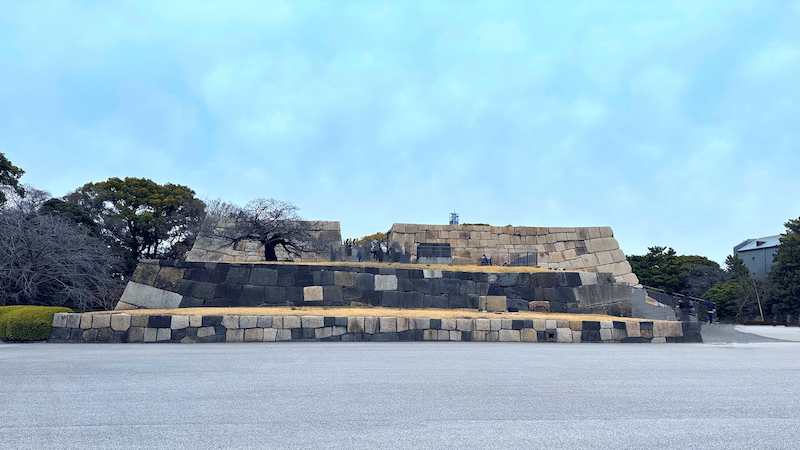
This was the core of Edo Castle, where the Tokugawa shoguns conducted affairs of government. The broad Honmaru Site is now an open lawn, with ground markings that help convey the scale of the former Ooku women’s quarters and Omote Palace. The stone walls of the Tenshudai Keep Base still survive, and visitors can climb to the top. From there, you can look widely across the castle grounds, making it one of the best places to grasp the scale of Edo Castle.
Ninomaru Area
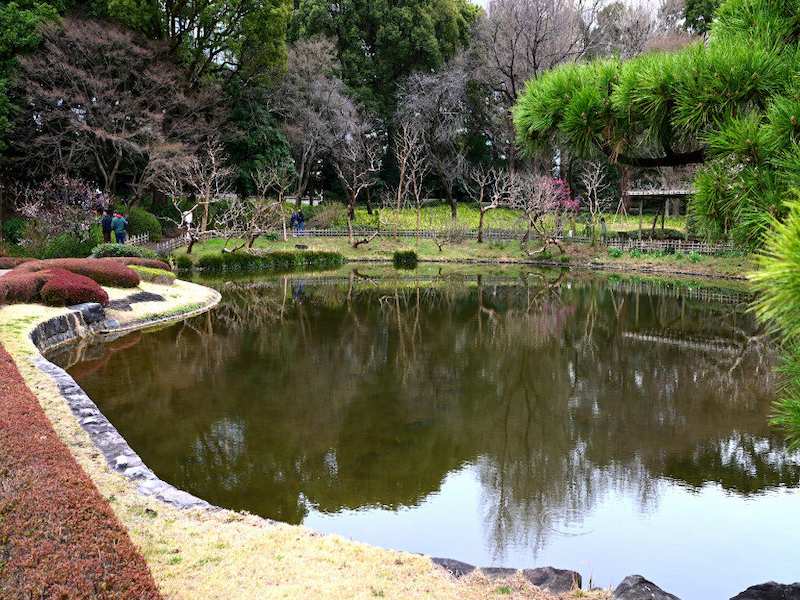
This area is known for the calm atmosphere of Ninomaru Garden, as well as Hirakawa Gate and Hirakawa Bridge. Ninomaru Garden recreates the spirit of an Edo-period stroll garden and offers seasonal plantings throughout the year. Hirakawa Gate was also known as Otsubone-mon because it served as a service gate for women attendants connected with the Honmaru Ooku, and it was also called the Impure Gate because it was used when the dead or criminals were taken out of the castle. It is a historically rich gate for understanding movement inside Edo Castle.
Outer Grounds
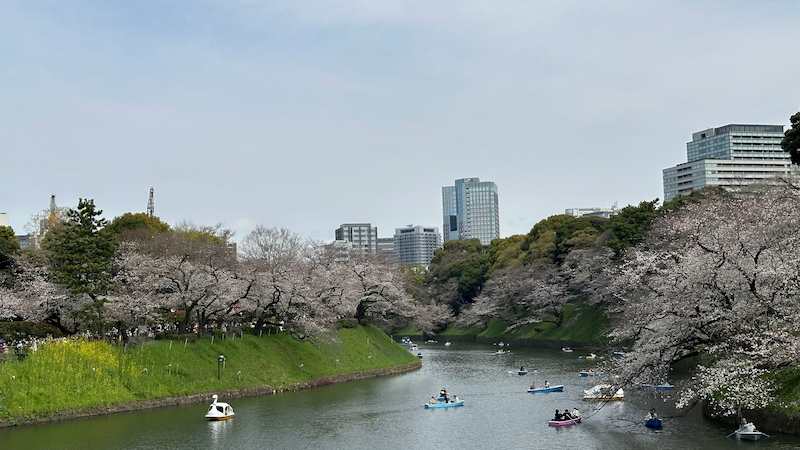
This area follows gates, moats, and shrines scattered around the outer perimeter of the Imperial Palace East Gardens. Sakuradamon Gate is known as the site of the 1860 Sakuradamon Incident, the assassination of Ii Naosuke, chief minister of the Tokugawa shogunate. Chidorigafuchi is also famous as one of Tokyo’s great cherry-blossom spots. Many sites in the Outer Grounds can be visited without entering the East Gardens, making the area easy to explore even when time is limited.
Full Map | Check the Relationship Between the 5 Areas
The map below shows how the five areas relate to one another. The Otemon Gate Area, Fujimi-yagura Turret Area, and Honmaru Area can be visited in sequence. The Ninomaru Area and Outer Grounds are somewhat farther apart, so it is best to plan your route in advance.
Access
| Address | 1-1 Chiyoda, Chiyoda City, Tokyo |
|---|---|
| From Tokyo Station | About 15 minutes on foot from the Marunouchi North Exit (JR lines including Shinkansen). The most convenient gateway for visitors arriving from Kyoto, Osaka, or other Shinkansen cities. |
| Nearest Stations | About 5 minutes on foot from Exit C13a of Otemachi Station (M18/T09/C11/Z08, Tokyo Metro lines) / About 5 minutes from Takebashi Station (T08, Tozai Line) / About 10 minutes from Exit 6 of Nijubashimae Station (C10, Chiyoda Line) |
| Entrances | Otemon Gate, main entrance; Hirakawa Gate; and Kitahanebashi-mon Gate |
| Opening Hours | Hours vary by season. March 1 to April 14 and September: 9:00 a.m. to 5:00 p.m.; April 15 to the end of August: 9:00 a.m. to 6:00 p.m.; October: 9:00 a.m. to 4:30 p.m.; November to February: 9:00 a.m. to 4:00 p.m. Entry is until 30 minutes before closing in all seasons. |
| Closed Days | Mondays and Fridays; December 28 to January 3; and days affected by official events. The gardens are open on national holidays other than the Emperor’s Birthday, and if Monday is a holiday and the gardens are open, they are closed on Tuesday. |
| Admission | Free. Visitors receive an admission token on entry. |
| Notes | The gardens may close temporarily for Imperial Household events and ceremonies. Please check the official Imperial Household Agency website for the latest information. |
Imperial Palace Public Tour & Inui Street Tour Section
When visiting the Imperial Palace East Gardens, consider adding these two special public-access experiences, which let you walk through parts of the Imperial Palace normally closed to the public. They offer different angles on Edo Castle’s remains, moats, and surviving buildings.
Frequently Asked Questions
Are the Imperial Palace East Gardens and the Edo Castle Ruins the same place?▼
Is there an admission fee?▼
When are the gardens closed?▼
How long does it take to see everything?▼
Can you still see Edo Castle’s main keep?▼
Where is the Matsu-no-Oroka Corridor Site, known from Chushingura and the Asano Takumi-no-kami incident?▼
Are Sakuradamon Gate and Chidorigafuchi inside the Imperial Palace East Gardens?▼
Are there restaurants or cafés inside the Imperial Palace East Gardens?▼
What is the connection between Tokugawa Ieyasu and Edo Castle?▼
Can I visit Edo Castle as a day trip from Kyoto or Osaka?▼
Tokugawa Ieyasu Related Page
The Edo Castle Ruins are part of our series on places connected with Tokugawa Ieyasu. For Ieyasu’s life and other related sites, see the page below as well.

Back to Main Page

※ Opening hours and closed days may change. Before visiting, please check the official Imperial Household Agency website.
※ This page is a historical travel guide created by Following the Shogun.


comment