


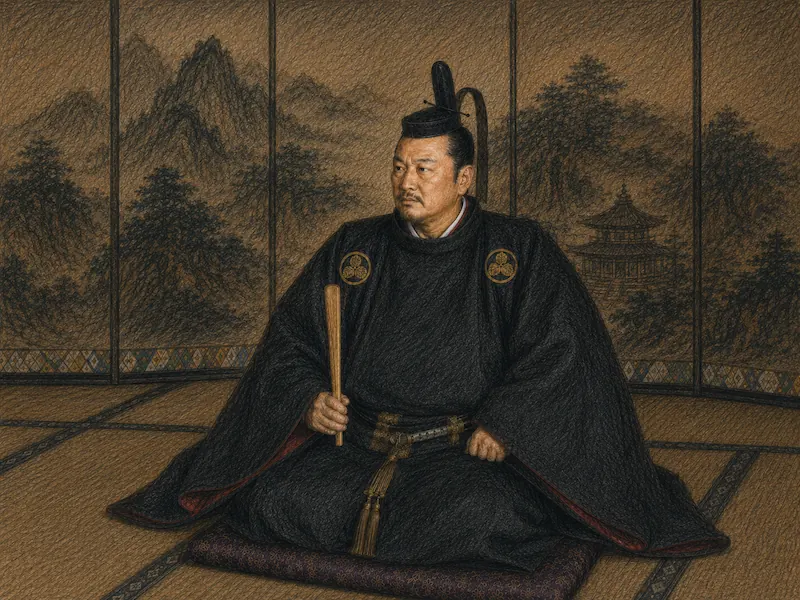
Yes — Yoshii Toranaga is based on Tokugawa Ieyasu (1543–1616), the warlord who ended Japan’s century of civil war and founded the Edo Shogunate. The connection is widely recognized in discussions of the drama, though Shōgun is historical fiction: Toranaga is an adaptation of Ieyasu, not a one-to-one biography.
Ieyasu’s story did not end with the drama. He left behind real places you can visit in Japan today — castles, shrines, and battlefields spread from Aichi to Nikko. This hub covers them all.
- What This Hub Covers
- Where to Start
- Profile
- Travel Guide
- Travel Journal
- Ueno Toshogu Shrine “Kinshikiden” Special Door OpeningBeyond the Doors Usually Kept Closed
- Exploring the Sengoku Heritage of Mino and Ōmi: From Nangū Taisha to Azuchi Castle and the Azuchi Castle Archaeological Museum (Travel Log)
- A Journey Through Nagoya’s Samurai Past: From Arako’s Toshiie Maeda Statue to Sōōji Temple and the Tokugawa Museum
- August 2025: Nikko Toshogu Shrine – Special Prayer Tour in the Shogun’s Seated Chamber | Travel Diary
- Special Report: Exclusive Access to Himeji Castle’s Hishi-no-Mon Gate
- A Historical Journey Through Kaneiji Temple: Walking Among the Resting Places of the Tokugawa Shoguns
- A Midsummer Return to Hamamatsu: A Day Exploring Landmarks Linked to Tokugawa Ieyasu
- Joining the Public Opening of Inui Street at the Imperial Palace — A Special Morning Woven with History and Nature
What This Hub Covers
The pages in this hub fall into three broad groups:
- Castles and strongholds — Okazaki Castle (his birthplace), Hamamatsu Castle (his base during the wars), Nagoya Castle, and Edo Castle (now the Imperial Palace, Tokyo)
- Shrines and mausoleums — Kunozan Toshogu in Shizuoka (his first burial site), Nikko Toshogu (UNESCO World Heritage Site), Ueno Toshogu in Tokyo, and related Toshogu shrines across Japan
- Battlefields and related sites — Anegawa Battlefield and other sites connected to the conflicts that shaped Ieyasu’s rise
Note on what physically remains: Some of these sites preserve original Edo-period structures (Nikko Toshogu, Kunozan Toshogu, Ueno Toshogu). Others are modern reconstructions on historic ground (Okazaki Castle, Hamamatsu Castle, Nagoya Castle). Each guide on this hub makes clear which category a site falls into.
Where to Start
If you watched Shōgun and want to understand the real Ieyasu: Start with the Profile page below, then visit the Yoshii Toranaga character guide at the bottom of this page.
If you are planning a trip to Japan and want to visit real sites: The Travel Guide section below covers the major locations with access information, photos, and on-site field notes. Nikko Toshogu is the most visited and visually spectacular site. Kunozan Toshogu in Shizuoka offers a less crowded alternative with dramatic hilltop scenery. Okazaki Castle is the natural starting point for understanding Ieyasu’s early life.
If you want depth on a specific period or battle: The Travel Journal section covers field visits with more personal historical context.
Profile
Travel Guide
Aomori
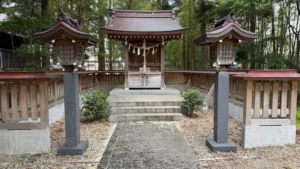
Former Hirosaki Toshogu and Kuroishi Shrine: Two Places, One Story
Ibaraki
Tokyo
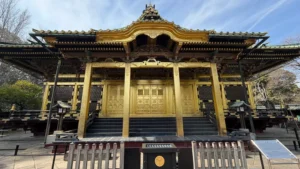
Ueno Toshogu: The Golden Tokugawa Shrine Hidden in Ueno Park — and Whether the ¥700 Paid Area Is Worth It

Sensō-ji Beyond Kaminarimon: The Surviving Edo-Period Buildings Most Visitors Walk Past
Aichi
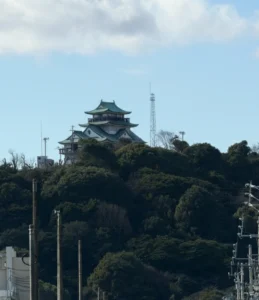
The Complete Komakiyama Castle Travel Guide
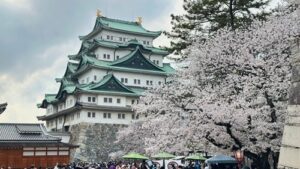
Nagoya Castle – Table of Contents
Shiga
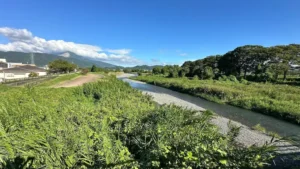
Anegawa Battlefield—Free Admission, Cycling Highlights, and Complete Access Guide
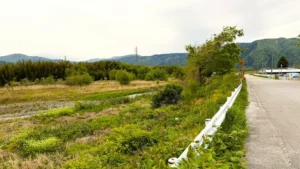
A Complete Field Record of the Anegawa Battlefield Signboards|Nos. 1–15, Historic Site Data, and Panoramic Photos Included
Kyoto
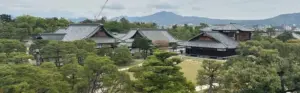
The Definitive Guide to Nijo-jo Castle
Osaka
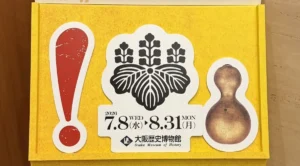
NHK Taiga Drama Special Exhibition “Toyotomi Brothers!” Osaka Complete Guide
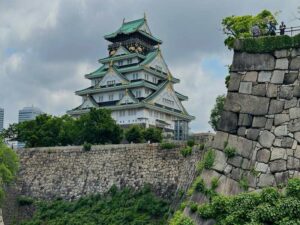
Osaka Castle Park: All 4 Areas Explored – Spots, History & Visitor Guide
Hyogo
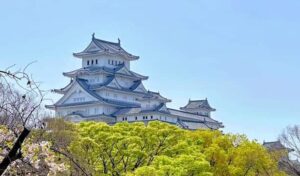
Overview Page Introduction (for “Himeji Castle”)
Travel Journal
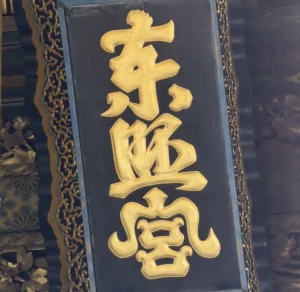
Ueno Toshogu Shrine “Kinshikiden” Special Door OpeningBeyond the Doors Usually Kept Closed

Exploring the Sengoku Heritage of Mino and Ōmi: From Nangū Taisha to Azuchi Castle and the Azuchi Castle Archaeological Museum (Travel Log)
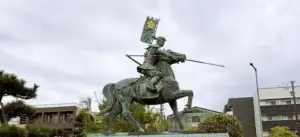
A Journey Through Nagoya’s Samurai Past: From Arako’s Toshiie Maeda Statue to Sōōji Temple and the Tokugawa Museum
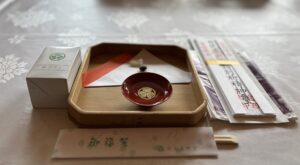
August 2025: Nikko Toshogu Shrine – Special Prayer Tour in the Shogun’s Seated Chamber | Travel Diary
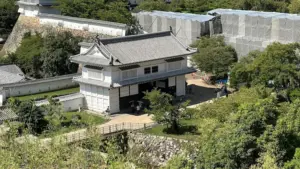
Special Report: Exclusive Access to Himeji Castle’s Hishi-no-Mon Gate
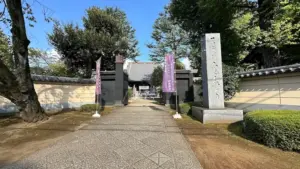
A Historical Journey Through Kaneiji Temple: Walking Among the Resting Places of the Tokugawa Shoguns
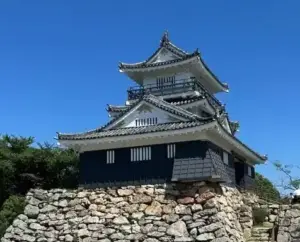
A Midsummer Return to Hamamatsu: A Day Exploring Landmarks Linked to Tokugawa Ieyasu
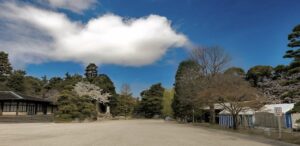
Joining the Public Opening of Inui Street at the Imperial Palace — A Special Morning Woven with History and Nature
From History to Screen: Meet Yoshii Toranaga

Frequently Asked Questions
Is Yoshii Toranaga based on a real person?
Yes. In many analyses of the drama Shōgun, the character of Yoshii Toranaga is described as closely inspired by the historical figure Tokugawa Ieyasu (1543–1616), the warlord who unified Japan and founded the Edo Shogunate. However, Shōgun is historical fiction: events and characterizations are dramatized, and it is best understood as an adaptation rather than a biography. For a fuller discussion, see the Yoshii Toranaga character guide linked above.
What physical sites connected to Tokugawa Ieyasu can I visit today?
Several major sites survive or are commemorated across Japan. Nikko Toshogu Shrine in Tochigi Prefecture is a UNESCO World Heritage Site where Ieyasu is enshrined; its Yomeimon Gate and surrounding buildings are original Edo-period structures. Kunozan Toshogu in Shizuoka is his first burial site and predates Nikko. Okazaki Castle in Aichi Prefecture marks his birthplace, though the current castle tower is a modern reconstruction. Ueno Toshogu Shrine in Tokyo preserves original Edo-period architecture. The guides on this hub cover each site with access information and photos.
Are the sites original or reconstructed?
It depends on the site. Nikko Toshogu, Kunozan Toshogu, and Ueno Toshogu preserve original Edo-period structures and are designated National Treasures or Important Cultural Properties. Okazaki Castle, Hamamatsu Castle, and Nagoya Castle have modern reconstructed towers built in the 20th century, though in several cases the castle grounds and some stone walls are original. Each guide on this hub makes this clear for the specific site it covers.
Which site is best for a first-time visitor?
Nikko Toshogu is the most internationally recognized and visually dramatic site connected to Ieyasu. It is a UNESCO World Heritage Site, about two hours from Tokyo, and works well as a day trip. For visitors already in the Nagoya or Shizuoka area, Okazaki Castle (birthplace) and Kunozan Toshogu (first burial site) offer strong historical context with fewer crowds.
Can I visit Ieyasu’s sites as a day trip from Tokyo?
Yes. Nikko Toshogu is approximately two hours from Tokyo by Shinkansen or limited express train and is the most popular Ieyasu-connected day trip from the capital. Ueno Toshogu is within Ueno Park in central Tokyo and requires no travel at all. Sites further afield — Kunozan Toshogu in Shizuoka, Okazaki Castle in Aichi — are better suited to a multi-day itinerary or a trip via the Tokaido Shinkansen.

