


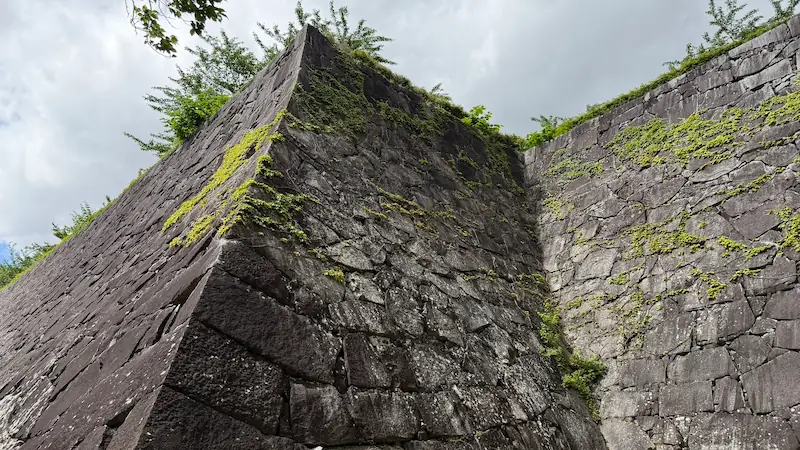
Stone walls, Nanbu clan history, and a castle-town walk to an active shrine. No castle tower survives, but the layered granite walls and the old tower base remain.
Morioka Castle is not a reconstructed castle with a towering keep. What remains today are stone walls, the sites of the main and secondary baileys, a surviving storehouse, a historic time bell, and an impressive boulder with centuries of tradition behind it. The castle tower no longer exists.
What makes a visit to Morioka Castle memorable is the combination of these remains — the high, layered stone walls built by the Nanbu clan — with a walk along an old castle-town road to Morioka Hachimangu Shrine, a Nanbu-related shrine that has been active since 1680.
This guide covers the castle ruins, how to reach them, the walk to Morioka Hachimangu Shrine, and how the museum fits in.
At a Glance: Morioka Castle Ruins Park and Morioka Hachimangu
| Item | Details |
|---|---|
| Castle tower | None — stone walls and ruins only |
| Stone walls | ◎ Granite walls around each former bailey |
| Time needed | Castle only: ~1 hr / With museum: 2+ hrs Including Hachimangu (walk + visit): 3+ hrs |
| From Morioka Stn | 15–20 min walk / ~10 min by loop bus |
| Castle seal (gojoin) | Available at the museum (confirmed May 29, 2026) |
| Parking | Underground lot available (93 spaces) |
| Morioka Hachimangu | ~20 min walk from the castle. Est. 1680 by Nanbu Shigenobu |
| Best for | Castle ruins, stone walls, Nanbu clan history, castle-town walk |
Is Morioka Castle Worth Visiting?
Yes — particularly if you are interested in Japanese castle ruins, Nanbu clan history, or combining historical sites in a single walk.
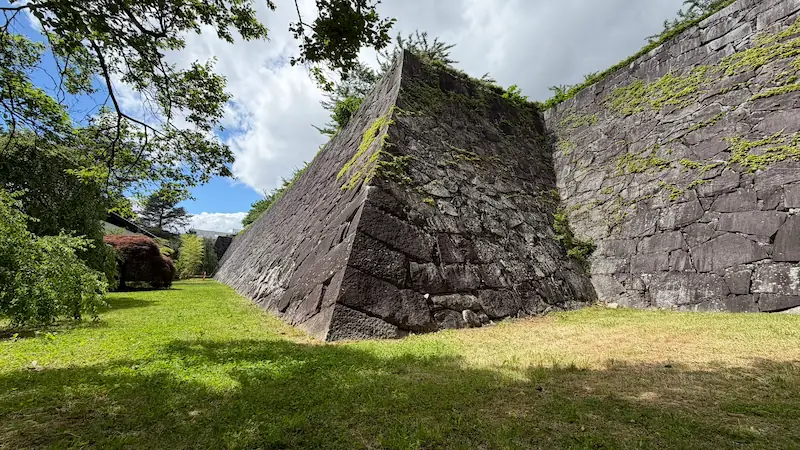
The stone walls are well preserved and rise in layers across the site. The scale is something photos don't fully convey — it's worth seeing in person.
The Hikokura storehouse is the only structure connected to the original castle that still stands (it was relocated in 1989). The former tower base gives a clear sense of where the castle's highest point once was. The time bell and Eboshi-iwa Rock add character to the visit.
Combining the castle with Morioka Hachimangu Shrine adds meaningful context — the shrine was established by Nanbu Shigenobu as part of the same castle-town development. Walking the old road between the two sites helps bring the castle-town atmosphere to life.
If you enjoy museum visits, the Morioka History and Culture Museum is excellent for background on the Nanbu clan and Morioka's history. The exhibits are primarily in Japanese, but the context it provides is worthwhile.
Getting There: Walk or Loop Bus from Morioka Station
Getting There
| Nearest station | JR Morioka Station (Tohoku Shinkansen / Akita Shinkansen / Tohoku Line) |
|---|---|
| From Tokyo | Tohoku Shinkansen Hayabusa or Komachi — about 2 hrs 15 min depending on the train |
| Walk from station | About 15–20 minutes on foot |
| Loop bus | Dendenmushi City Loop Bus — about 10 min. Right loop: platform 15 / Left loop: platform 16 (at time of visit — confirm before going) |
| By car | Underground parking lot: 93 spaces. Entry/exit 7:00–22:00. Rates subject to change — check official information before visiting. |
| Recommended transport | Walk or loop bus from Morioka Station to the castle. The castle grounds themselves are foot-only — no vehicles inside. |
| On-site difficulty | Stone steps and slopes throughout the park. Comfortable walking shoes are essential. Some paths are unpaved — dry weather makes it easier. The walk to Morioka Hachimangu via Miyako Kaido is mostly flat street-level road. |
| Museum access | About 4 min walk from bus stop "Kencho / Shiyakusho-mae" or "Morioka Castle Ruins Park" |
Morioka Castle Ruins Park location
The Nanbu Clan and Morioka Castle
Why Was Morioka Castle Built Here?
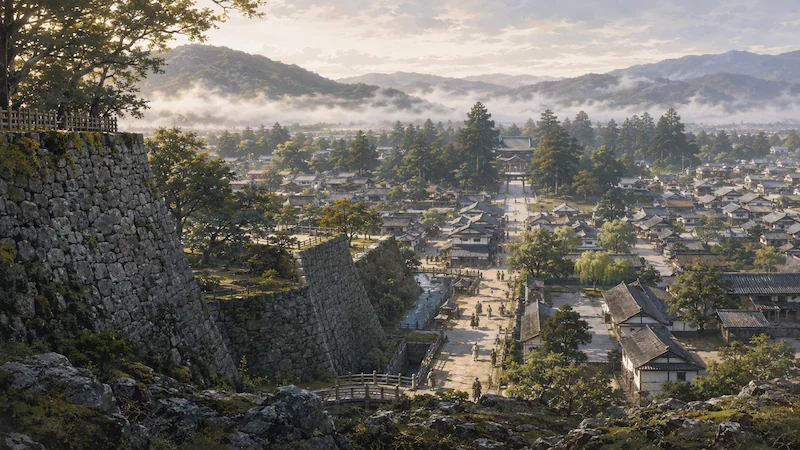
Morioka Castle was the seat of the Nanbu clan, a warrior family that had controlled large parts of what is now Iwate Prefecture since the medieval period. Nanbu Nobunao aligned with Toyotomi Hideyoshi and began construction of the new castle around 1597–1598. Work continued under subsequent generations — Nanbu Toshitada and Nanbu Shigenobu — and by around 1633, when Nanbu Shigenobu moved into the completed castle, the main structure was largely finished. The castle is also sometimes referred to as Kōzukata Castle or Fukugata Castle.
Why Did the Castle Tower Disappear?
The tallest structure within the castle complex was a three-story turret. After 1842 (Tempō 13), this turret came to be referred to as the "tenshu" (castle tower). The building itself no longer survives. In 1874 (Meiji 7), most of the castle's buildings were demolished. The site was opened to the public as Iwate Park in 1906 and designated a National Historic Site in 1937.
Why Visit Morioka Hachimangu Together with the Castle?
In 1680, Nanbu Shigenobu established Morioka Hachimangu Shrine as part of the development of the castle town east of the castle. The road connecting the castle and the shrine — the old Miyako Kaido — still exists today, making it easy to walk between the two sites. The current shrine buildings date from 1997.
What Can You Learn at the Museum?
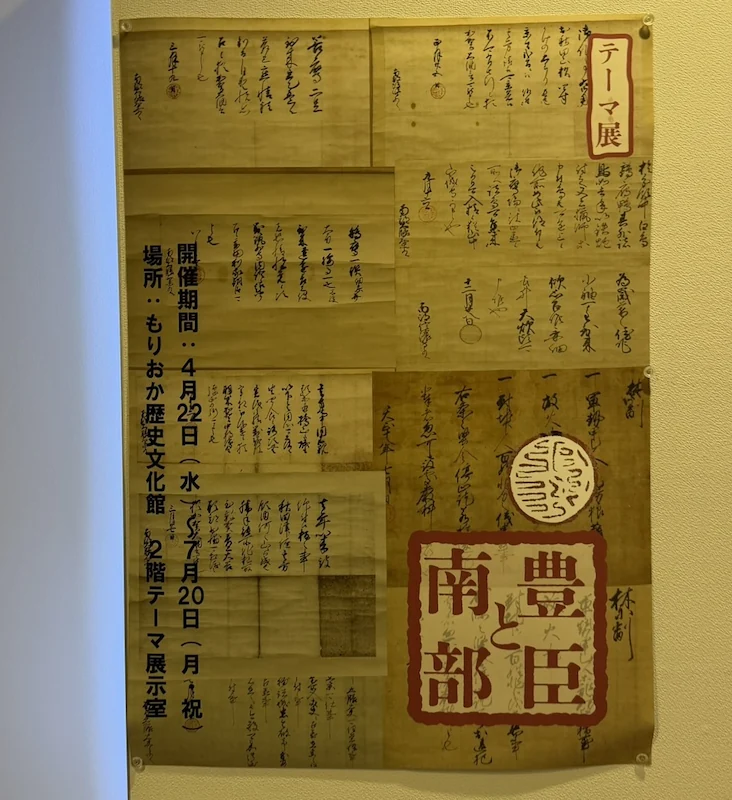
The Morioka History and Culture Museum, located just outside the castle ruins park, covers the history of the Nanbu clan, Morioka Castle, and the castle town. During the visit, there was an exhibition on the Toyotomi clan and the Nanbu clan's relationship — a useful overview of how the Nanbu navigated the political shifts of late-16th-century Japan. Exhibition content changes, so check current programming before your visit. Note: exhibits are primarily in Japanese.
Timeline (Overview)
| c. 1597/1598 | Nanbu Nobunao begins construction of the new castle |
|---|---|
| c. 1633 | Nanbu Shigenobu enters the completed castle |
| 1680 | Nanbu Shigenobu establishes Morioka Hachimangu Shrine |
| 1842 (Tempō 13) | The three-story turret begins to be called the tenshu (castle tower) |
| 1874 (Meiji 7) | Most castle buildings are demolished |
| 1906 (Meiji 39) | Site opens as Iwate Park |
| 1937 (Shōwa 12) | Designated a National Historic Site |
| 1997 | Morioka Hachimangu Shrine is rebuilt |
Note: Some dates vary slightly depending on the source.
Key Nanbu Clan Figures Connected to Morioka Castle
- Nanbu Nobunao: Submitted to Toyotomi Hideyoshi; began construction of Morioka Castle around 1597–1598
- Nanbu Toshitada: Continued castle development
- Nanbu Shigenobu: Entered the completed castle around 1633; established Morioka Hachimangu in 1680
- Nanbu Toshinaga: Meiji-era Nanbu clan officer; commemorated by the equestrian statue pedestal in the Honmaru area
What Remains Today
| What remains | Type | Notes |
|---|---|---|
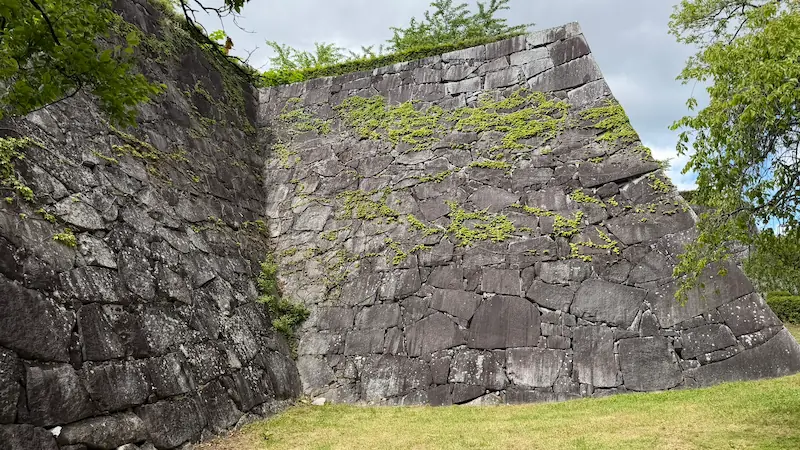
| Stone walls | Surviving ruins | The most prominent visible remains. Morioka granite walls encircle the former baileys |
| Honmaru / Ninomaru / Sannomaru | Former bailey sites | The three main enclosures; no buildings survive |
| Sanka Yagura / Tenshu base | Ruins | Stone base of the former three-story turret (called tenshu from 1842). No building survives. |
| Hikokura storehouse | Surviving / relocated building | The only surviving structure connected to the original castle. Relocated to current site in 1989. |
| Jisho bell (Time bell) | Surviving / relocated | Marked time for the castle town. Originally set in 1679, moved after the Meiji Restoration. |
| Eboshi-iwa Rock | Surviving | A boulder shaped like a traditional court hat. Regarded as a sacred spot within the castle during the Edo period. |
| Equestrian statue pedestal | Modern monument (partial) | Pedestal of a Nanbu Toshinaga statue. The bronze statue was collected during wartime — only the pedestal remains. |
| Tsuru-ga-ike / Kame-ga-ike ponds | Park landscape | Pond features that contribute to the ruins atmosphere |
| Baba riding ground / Awajimaru | Former site | Site of a historical horse-riding area within the castle |
| Kurumamon gate site | Former site | Site of the main gate of the Ninomaru enclosure |
| Stone quarry traces | Ruins | Traces of where granite was quarried for the walls, including drill-mark holes |
Detailed Spot Guide
Morioka Castle Ruins Park: Overview 🎥 360°
Morioka Castle Ruins Park occupies a central position in Morioka city. The site rises in tiers — the Sannomaru (outer bailey), Ninomaru (second enclosure), and Honmaru (main enclosure) — each separated by stone walls. The park involves slopes and stone steps, so comfortable footwear is worth planning for.
Stone Walls
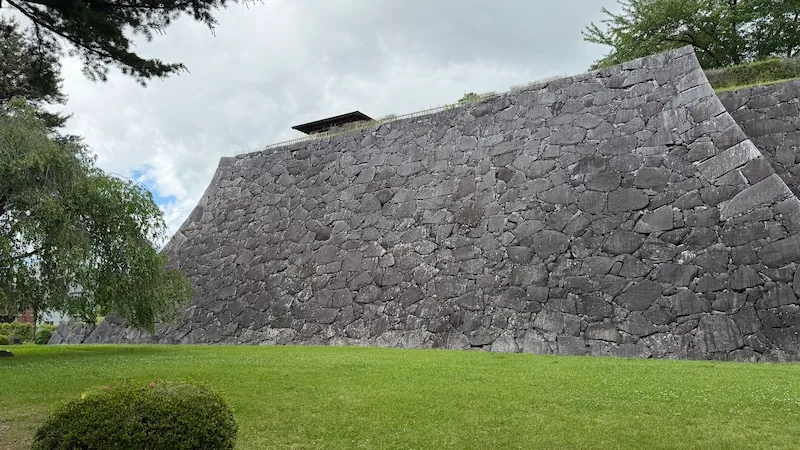
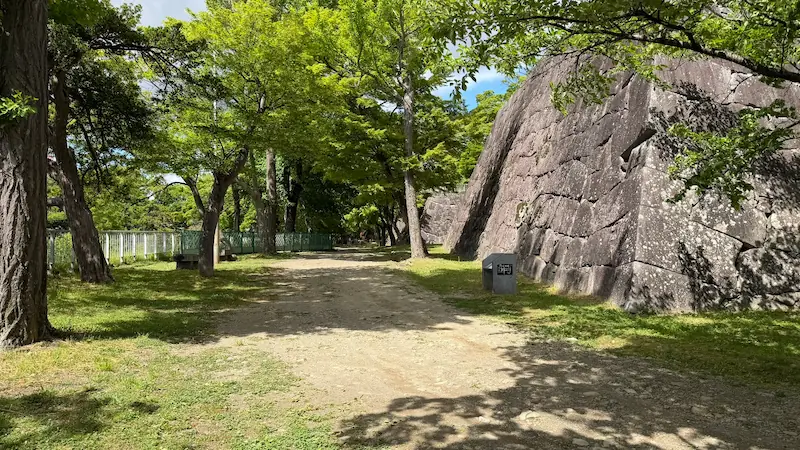
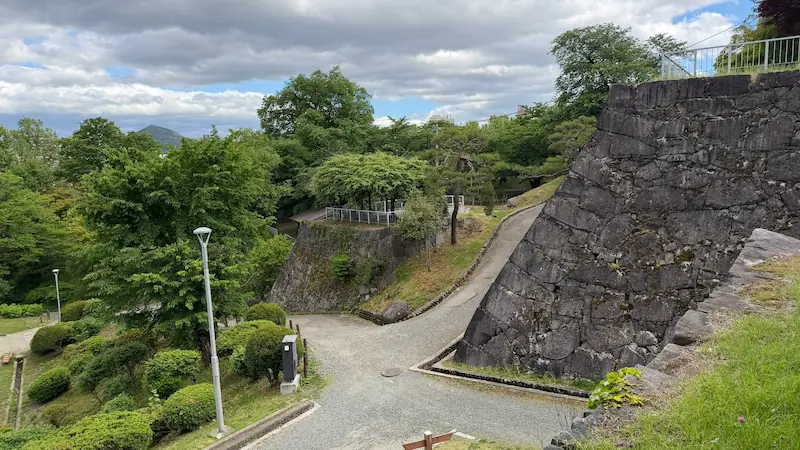
The stone walls are the defining feature of Morioka Castle as it exists today. Built from Morioka granite, they wrap around each enclosure and vary in height across the site. Some sections have been restored in recent decades — the overall scale is still impressive. The height of the walls is something photographs tend to underrepresent: standing at the base and looking up gives a much better sense of scale.
Stone Walls and Stone Quarry Traces
The walls are built from locally quarried Morioka granite. Since 1984, the city has carried out ongoing research and restoration. Some sections are restored stonework rather than original.
At the stone quarry site (ishicho-ba) within the grounds, you can see drill-mark holes (yuana) left from when the stone was cut — a direct record of how the raw material for the walls was prepared.
An inscribed magistrate's stone (fusin bugyo meiseki) is also associated with the stonework — refer to the on-site guidemap for its location.
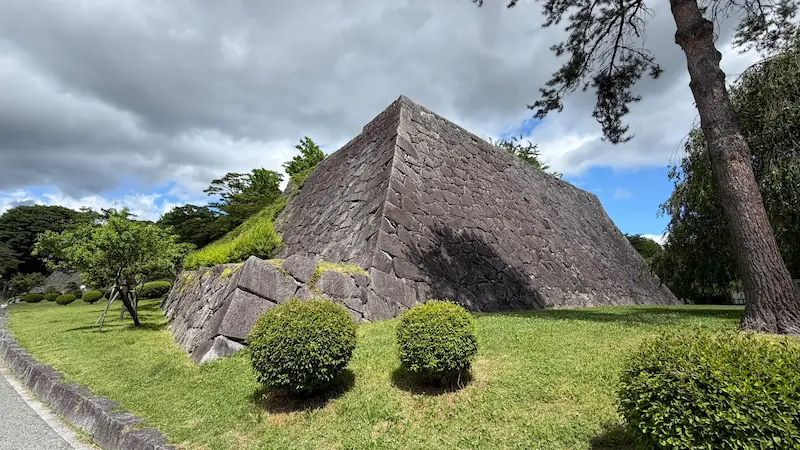
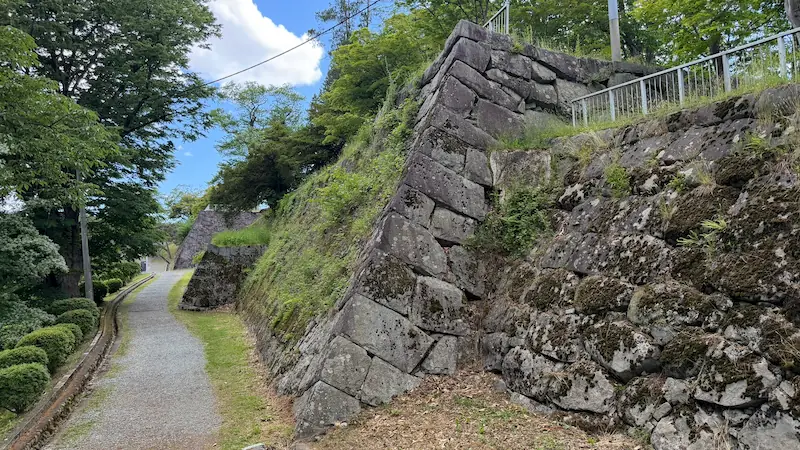
Tap to enlarge
Sanka Yagura / Tenshu Base 🎥 360°
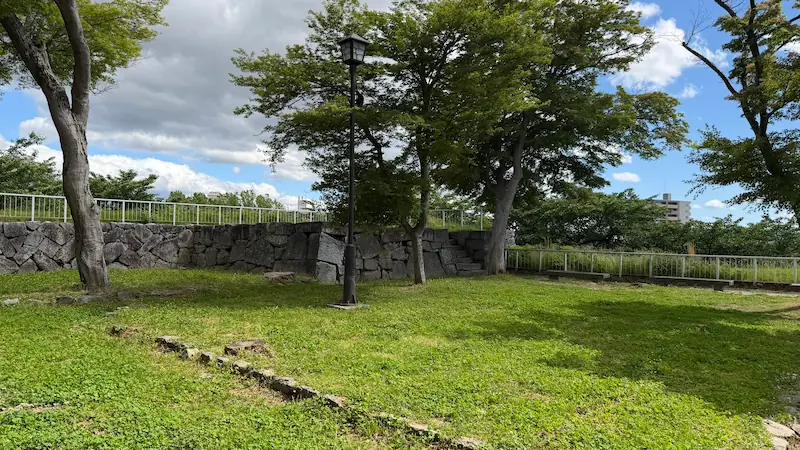
The Sanka Yagura base sits at the highest point within the castle grounds. According to the on-site guidemap, the castle's three-story turret stood here, and after 1842 it was referred to as the tenshu (castle tower). The building no longer exists. This base is where visitors get a clear view of the castle layout below — and a concrete understanding of what "Morioka Castle has no surviving castle tower" means in practice.
- The view from here is one of the most open spots in the park. To be clear: this is not a surviving castle tower — it is the stone base of a building that no longer exists. Seeing the base in person makes that distinction very easy to understand.
Hikokura Storehouse
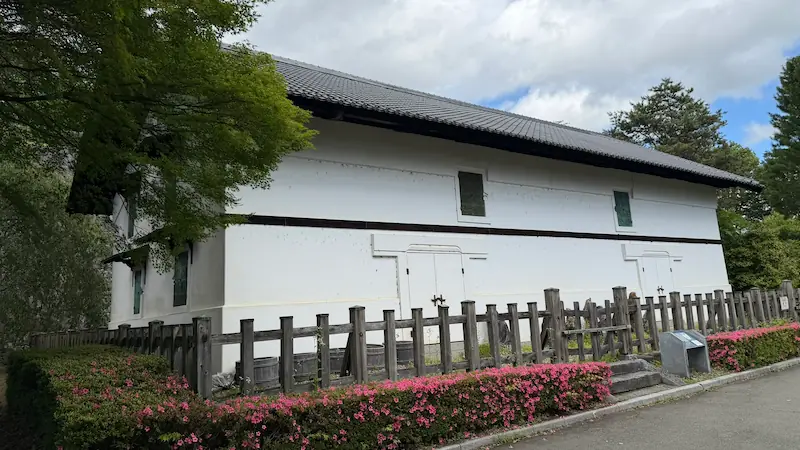
The Hikokura storehouse is described in the official guidemap as the only surviving building that was once part of Morioka Castle. It was relocated in 1989 (Heisei 1) to its current position. The storehouse sits slightly off the main path — check the guidemap or ask at the museum before heading into the park if you want to make sure you find it.
| Status | Only surviving structure connected to Morioka Castle |
|---|---|
| Relocated | 1989 (Heisei 1) |
| Location | Slightly off the main path; check the guidemap or ask at the museum |
Time Bell (Jisho Bell)
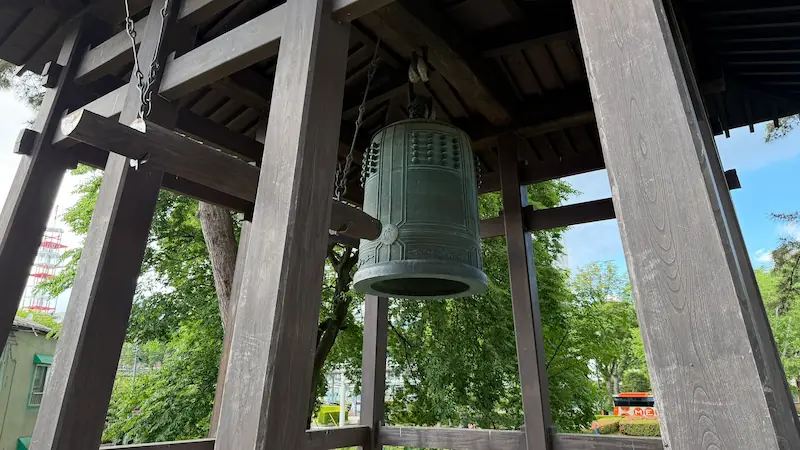
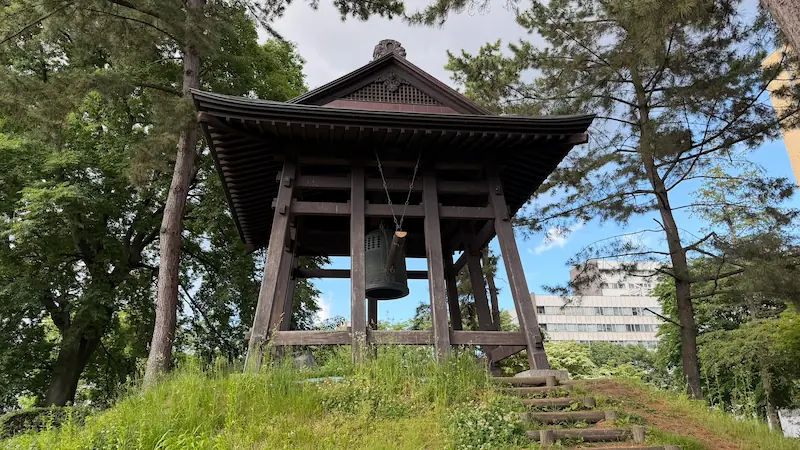
The time bell (jisho) marked the hours for the castle town. According to the guidemap, it was first installed in 1679 in the Sannohe area, then relocated to its current position after the Meiji Restoration. The bell stands in the park as a reminder that the castle was not just a military structure but the center of a functioning town.
| Installed | 1679, in the Sannohe area (per the guidemap) |
|---|---|
| Moved | Relocated to its current position after the Meiji Restoration |
| Role | Marked the hours for the castle town |
Full view
Eboshi-iwa Rock
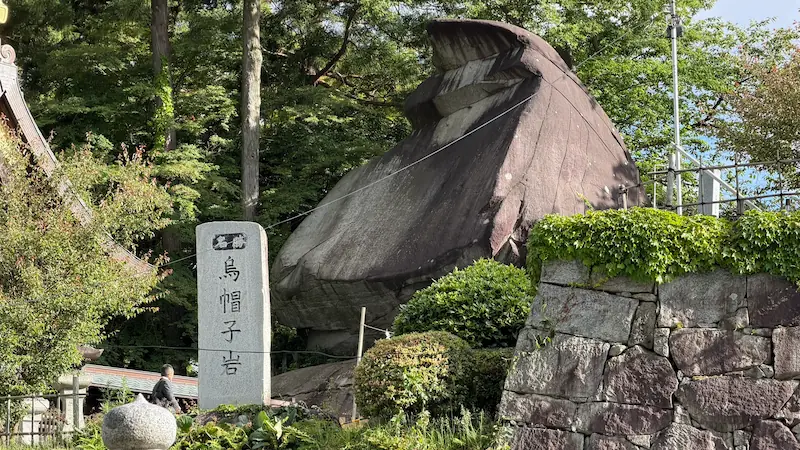
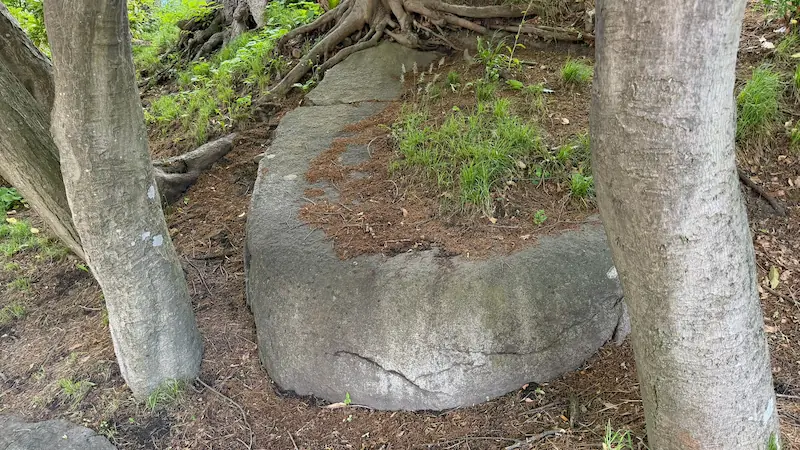
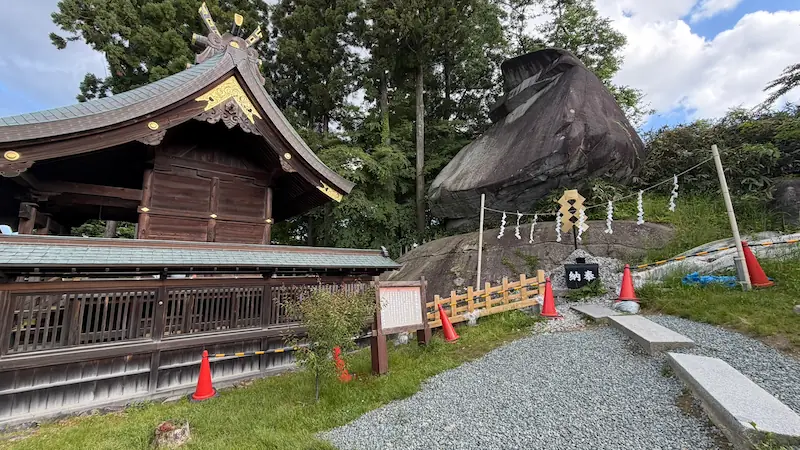
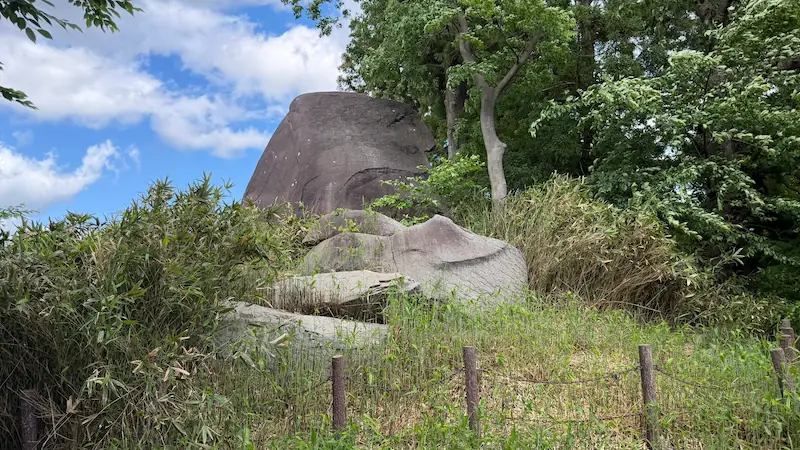
Eboshi-iwa is a granite boulder shaped like an eboshi — a traditional Japanese court hat. According to the guidemap, the area around the rock was home to a Hachimangu shrine during the Edo period, making it one of the most sacred spots within the castle grounds. The rock has presence in the landscape and is one of the more distinctive things to look for while walking the grounds.
| Shape | Granite boulder shaped like an eboshi, a traditional court hat |
|---|---|
| Edo period | A Hachimangu shrine stood nearby; one of the most sacred spots in the castle (per the guidemap) |
| Location | Within the Sannomaru section |
Close-up and surroundings
Tap to enlarge
Honmaru Site 🎥 360°
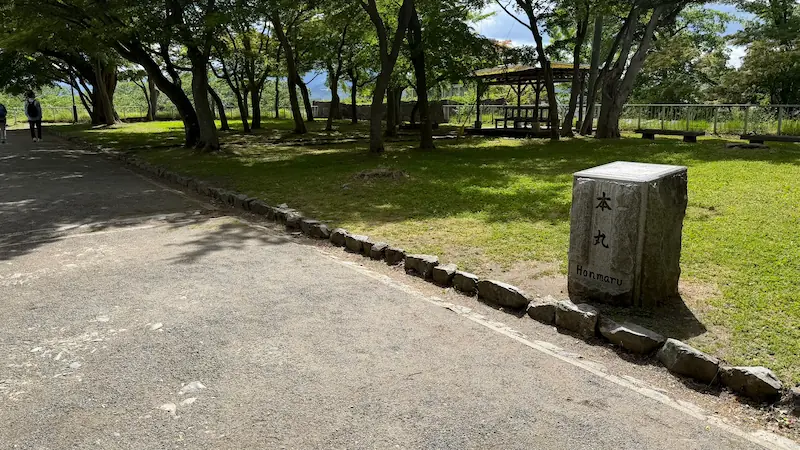
The Honmaru (main enclosure) is where the central buildings of Morioka Castle once stood. It is now open ground, with the Sanka Yagura base and the equestrian statue pedestal within it. No original buildings remain.
Nanbu Lieutenant Equestrian Statue Pedestal
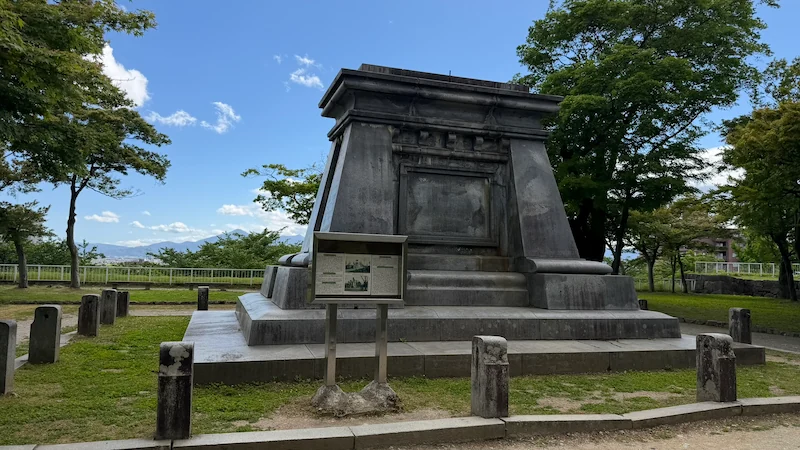
The stone pedestal in the Honmaru area once supported a bronze equestrian statue of Nanbu Toshinaga (a Nanbu clan officer). The statue was collected for the war effort during World War II and no longer exists. Only the pedestal remains — a quiet marker of more recent history within an older setting.
| Statue | Bronze equestrian statue of Nanbu Toshinaga, erected 1908 |
|---|---|
| Fate | Collected for the war effort during World War II |
| Today | Only the pedestal remains, in the Honmaru area |
Ninomaru, Toun Bridge and Kurumamon Gate Site 🎥 360°
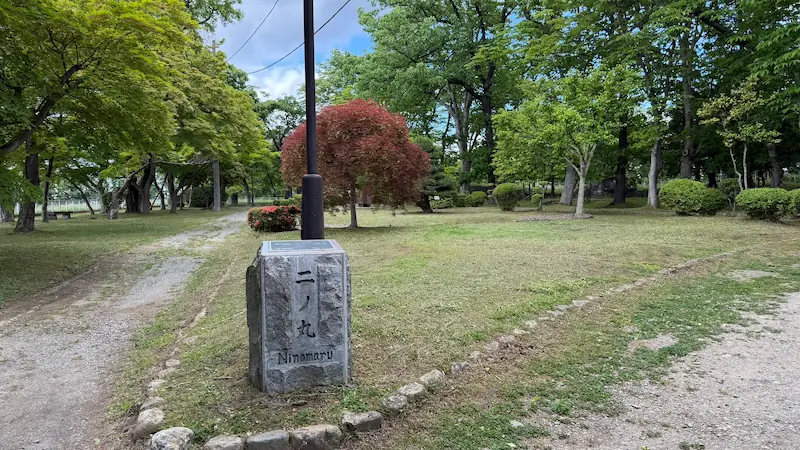
The Ninomaru (second enclosure) connects to the Honmaru via the Toun Bridge. The bridge crosses over a lower stone-walled area, giving a clear view of the layered stone walls. This is one of the more photogenic spots in the park. The Kurumamon gate site marks where the main gate of the Ninomaru once stood.
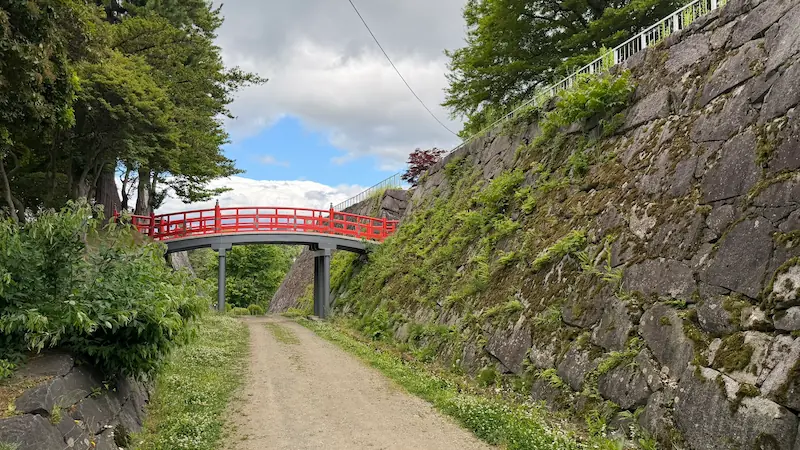
Kurumamon gate site
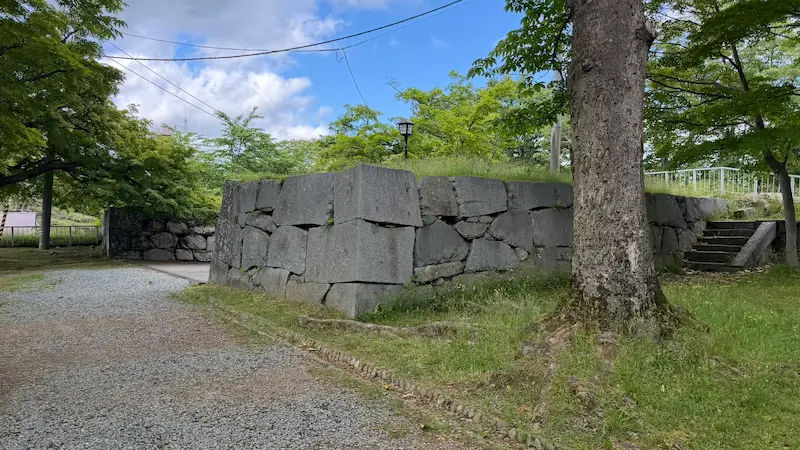
Sannomaru Site / Eboshi-iwa Area
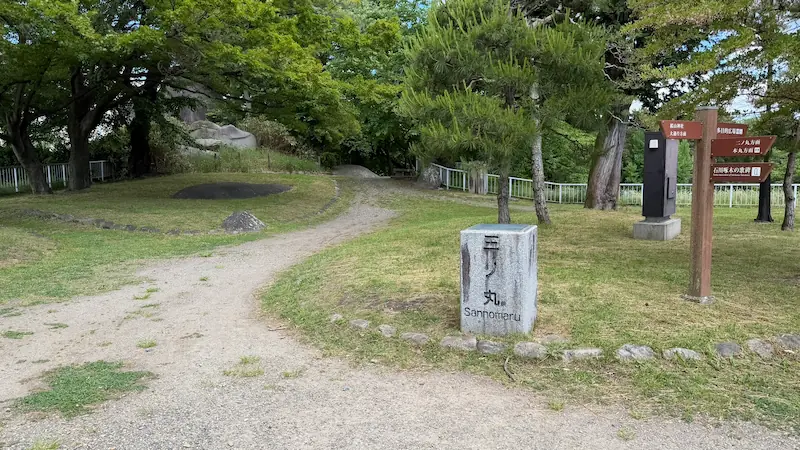
The Sannomaru is the outer enclosure of the castle. Eboshi-iwa Rock sits within this section.
| Role | Former outer enclosure |
|---|---|
| Notable feature | Eboshi-iwa Rock |
Ponds: Tsuru-ga-ike and Kame-ga-ike 🎥 360°
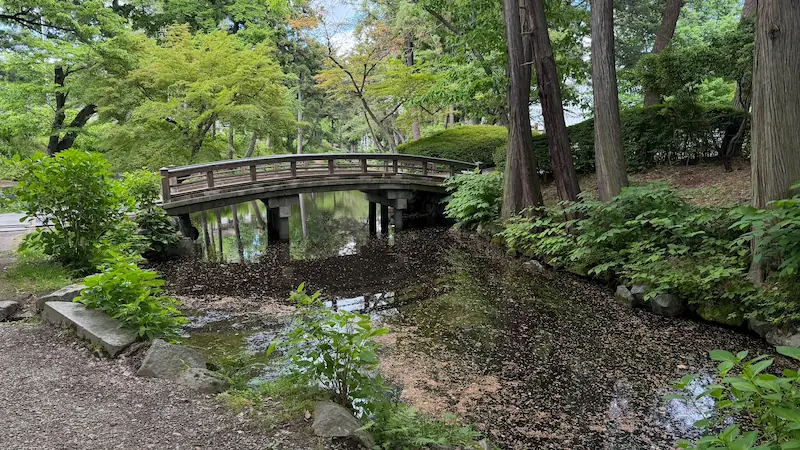
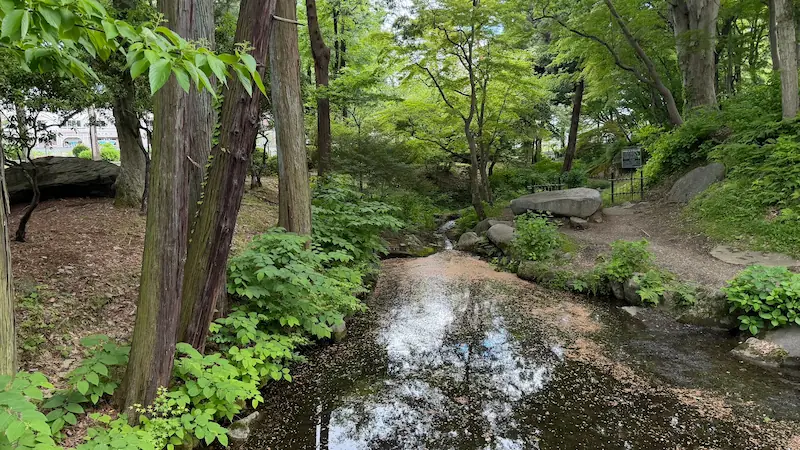
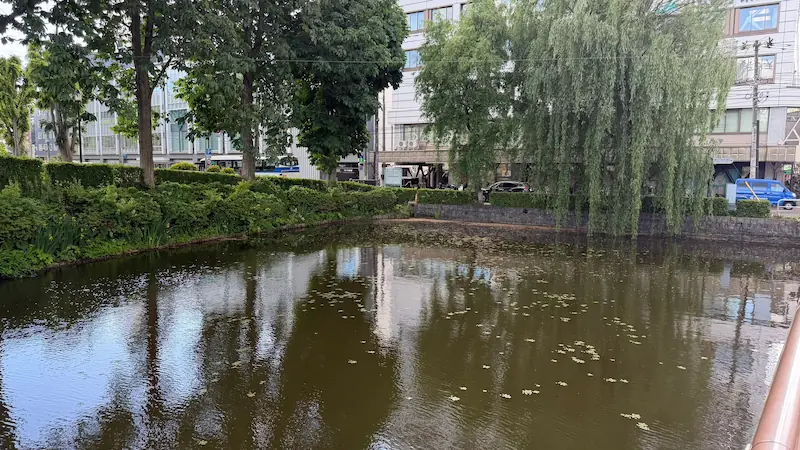
The two ponds contribute to the atmosphere of the ruins park. They are quiet rest points within the larger site.
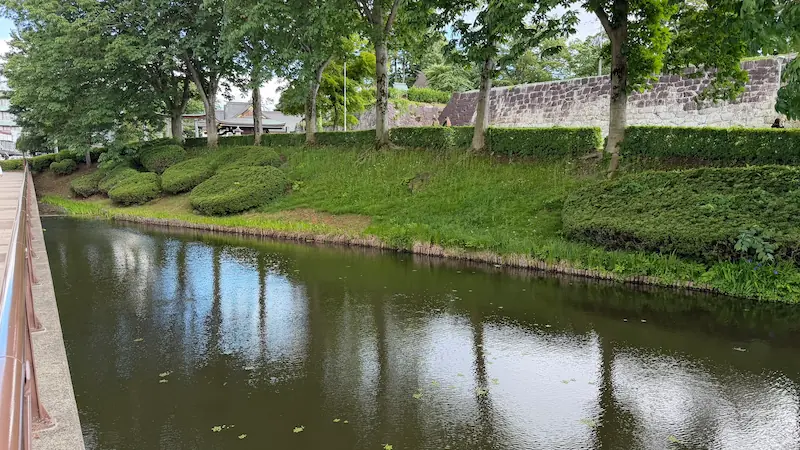
Tsuru-ga-ike Pond
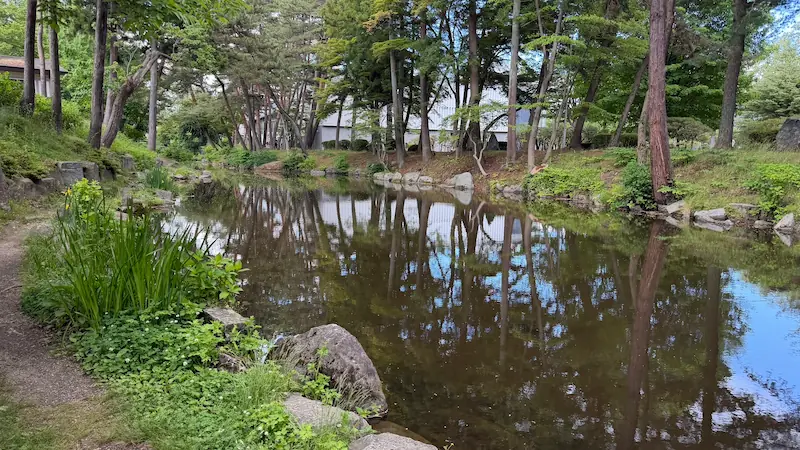
Kame-ga-ike Pond
Awajimaru and Baba Riding Ground
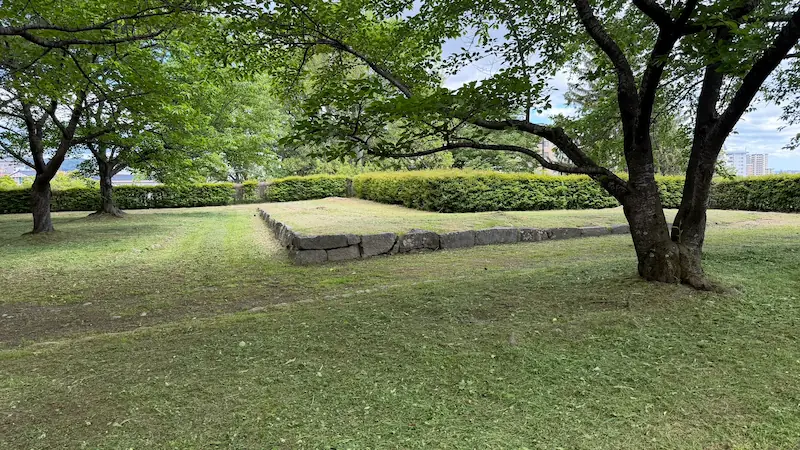
Awajimaru is a secondary enclosure within the castle. Inside it lies the Baba riding ground site — where horse-riding ceremonies took place during the Edo period. The area is now part of the public park.
More photos
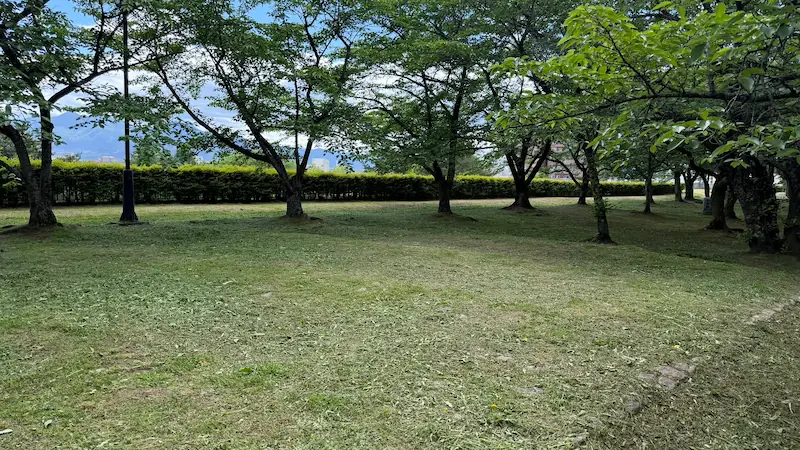
Tap to enlarge
Morioka History and Culture Museum
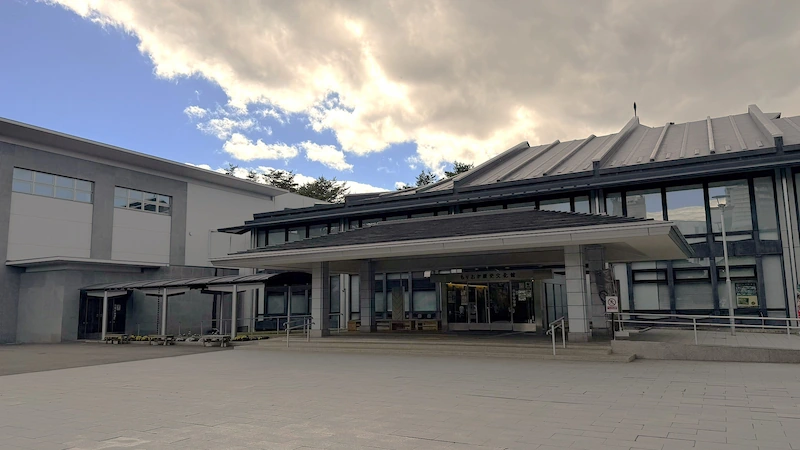
The Morioka History and Culture Museum is steps from the castle ruins park. It covers the history of the Nanbu clan, Morioka Castle, and castle-town life. The museum is clean and well laid out — exhibits are comprehensive and worth the time. The museum is a good companion to the castle visit, particularly if you want to understand the background before or after walking the site. Note: exhibits are primarily in Japanese.
During the visit on May 29, 2026, there was a special exhibition titled "Toyotomi and the Nanbu Clan", examining the relationship between the Toyotomi administration and the Nanbu domain. The museum also has a strong collection of armor and helmets — including a replica of Kuroda Kanbei's (Yoshitaka's) gōsunari helmet.
Hours and admission
| Opening hours | Apr – Oct: 9:00–19:00 (2F admission until 18:30) Nov – Mar: 9:00–18:00 (2F admission until 17:30) |
|---|---|
| Closed | 3rd Tuesday of each month (following day if public holiday) Year-end/New Year: Dec 31 – Jan 1 |
| Admission (1F) | Free |
| Admission (2F exhibition) | Individual: adult ¥450, high school ¥300, child / junior high ¥150 Group (20+): adult ¥360, high school ¥240, child / junior high ¥120 |
Photos from the visit
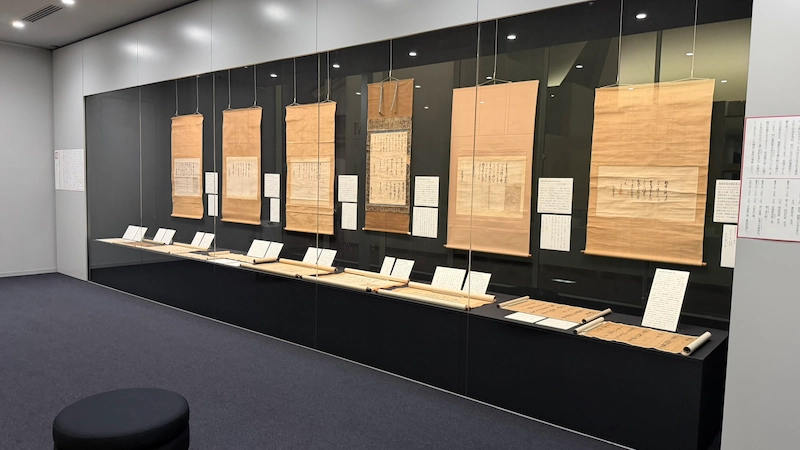
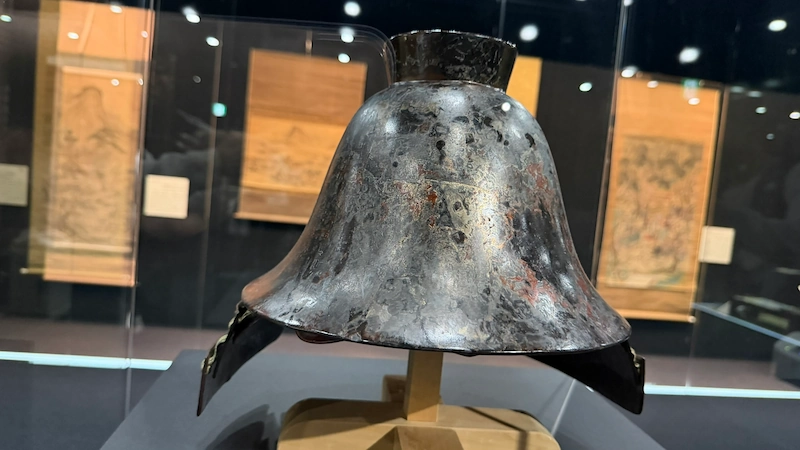
Tap to enlarge
According to the exhibition, Kuroda Kanbei (Yoshitaka) gave this helmet to his retainer Kuriyama Yasuyasu (Rian). It passed to Yasuyasu's son Kuriyama Toshiaki, but in 1632 a conflict with the Kuroda clan (the Kuroda Disturbance) led the shogunate to exile Toshiaki to the Morioka domain. The Morioka domain lord Nanbu Shigenao treated Toshiaki generously, and Toshiaki died in Morioka. His descendants became retainers of the Morioka domain, and the helmet was eventually given to the Nanbu family by the Kuriyama family.
Based on the exhibition seen during the visit. Exhibition content is subject to change.
Nearby: Sakurayama Shrine
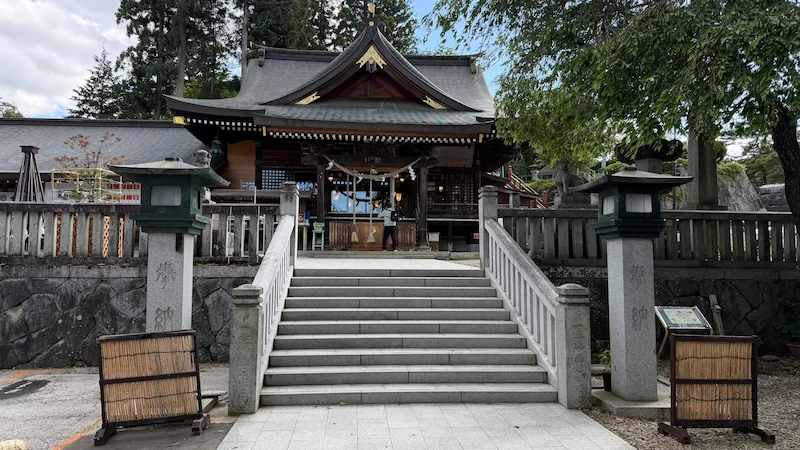
Sakurayama Shrine is a Nanbu-related shrine located near the castle ruins park. It is a separate site from Morioka Hachimangu Shrine — the two are sometimes confused. A possible stop while walking the castle area.
| Reception hours | 9:00 AM – 5:00 PM |
|---|---|
| Note | Hours are subject to change. Check the official site before visiting. |
A personal ranking based on this guide’s own notes, not an official recommended order.
The defining feature of the castle today: Morioka granite walls wrap each enclosure, and the guide notes their height is underrepresented in photographs.
The highest point in the castle grounds and one of the most open views in the park. It is the stone base of the former three-story turret, not a surviving tower.
The only surviving structure connected to the original castle (relocated in 1989), but it sits slightly off the main path.
An active shrine established in 1680, about a 20-minute walk from the castle. It adds roughly 40 minutes in total (walk each way plus about 20 minutes at the shrine).
The outer enclosure has no standing structures; the main thing to find there is Eboshi-iwa Rock, which has its own entry.
Morioka Hachimangu Shrine
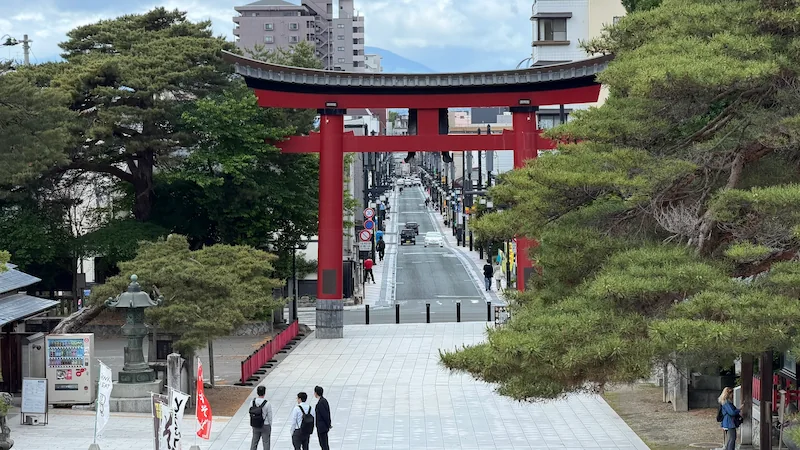
Morioka Hachimangu Shrine: Torii, Approach and Precincts 🎥 360°
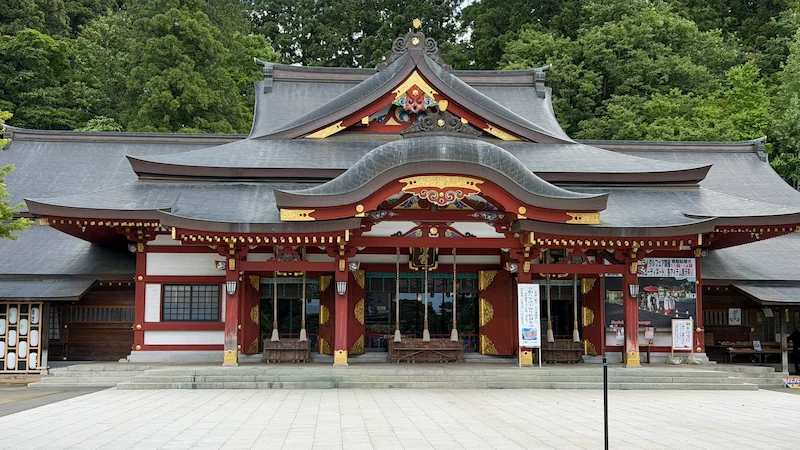
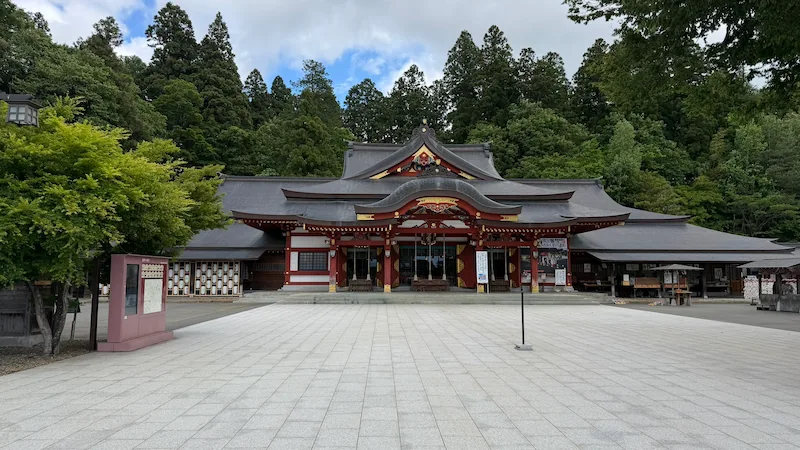
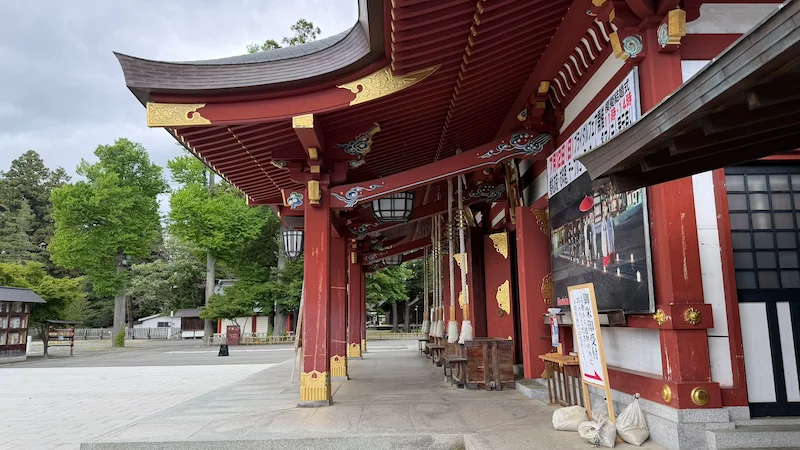
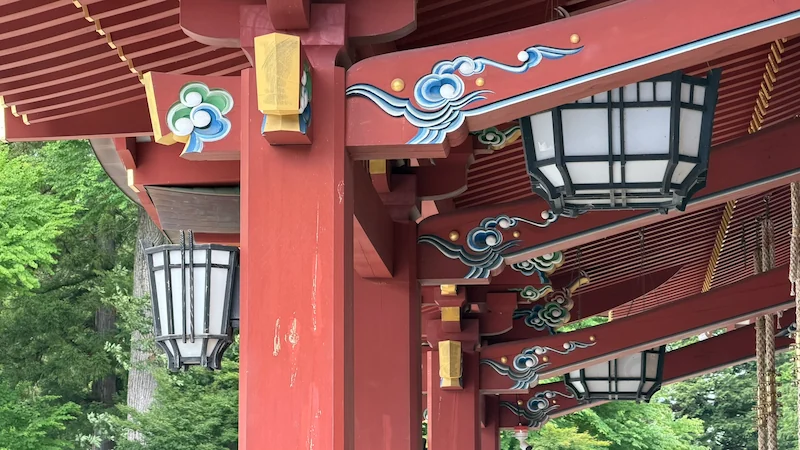
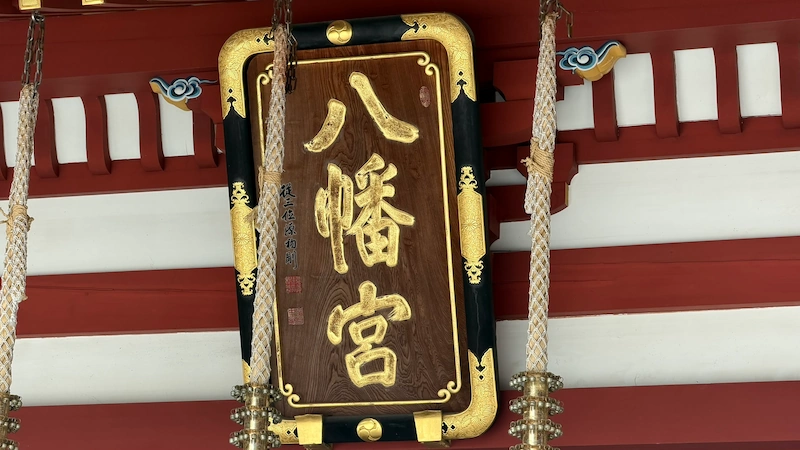
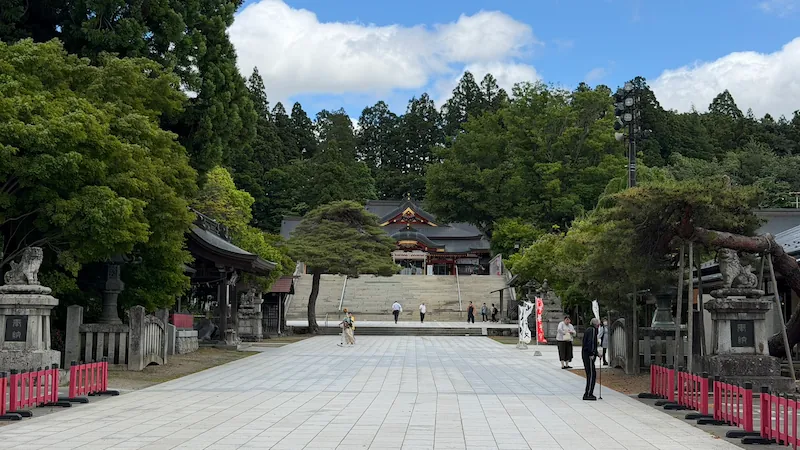
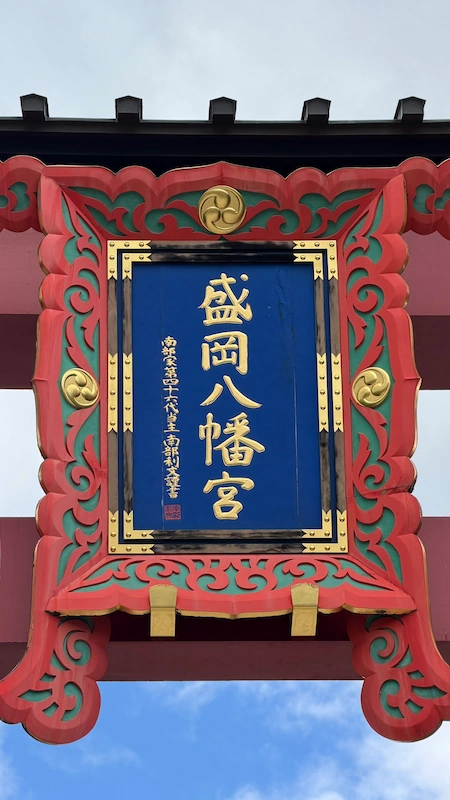
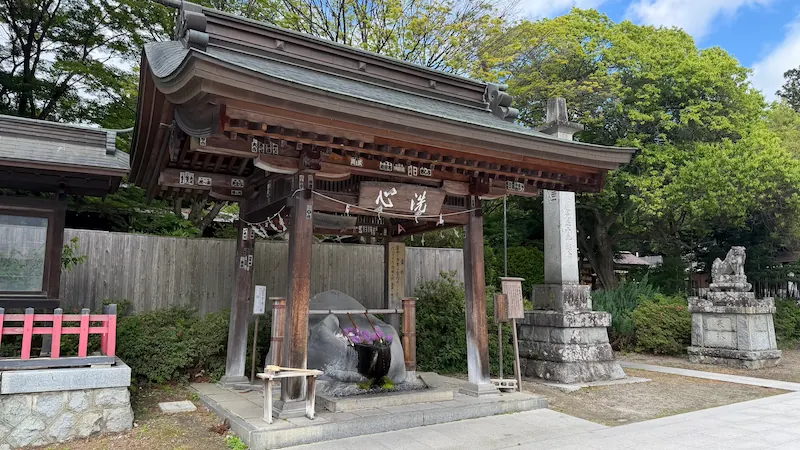
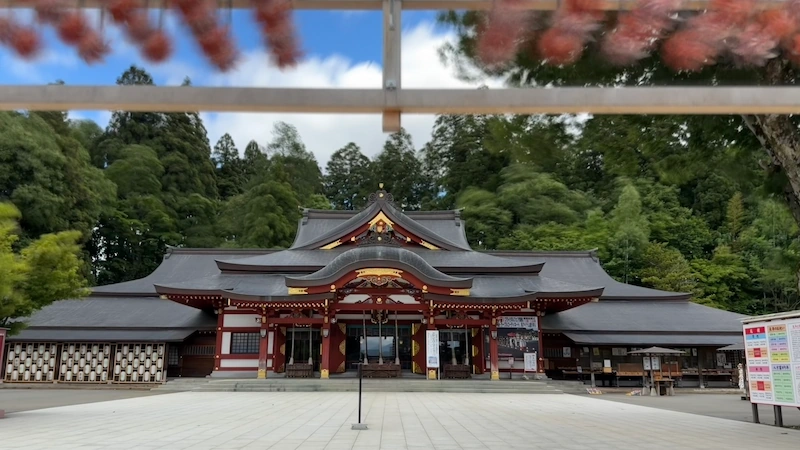
Morioka Hachimangu Shrine is not part of the castle site. It is a separate location, about a 20-minute walk from Morioka Castle Ruins Park along the old Miyako Kaido road. The shrine was established in 1680 by Nanbu Shigenobu as part of the castle-town layout. The current shrine buildings date from December 1997, when the shrine was rebuilt.
The large torii gate and the path leading to the worship hall are well maintained. The shrine gives a strong sense of an active, living religious site — quite different in atmosphere from the stone-and-earth ruins of the castle. Visiting both in one trip lets you experience two sides of what Morioka was under the Nanbu clan.
Goshuin at Morioka Hachimangu
A goshuin stamp was available at Morioka Hachimangu during the visit on May 29, 2026.
| Established | 1680 by Nanbu Shigenobu |
|---|---|
| Current buildings | Rebuilt December 1997 |
| Distance | About a 20-minute walk from the castle ruins park along the old Miyako Kaido |
| Goshuin reception hours | 9:00 AM – 5:00 PM |
| Note | Hours are subject to change. Check with the shrine before visiting. |
Shrine gallery
Tap to enlarge
Suggested Route
Starting from Morioka Station, there are two natural orderings for the day:
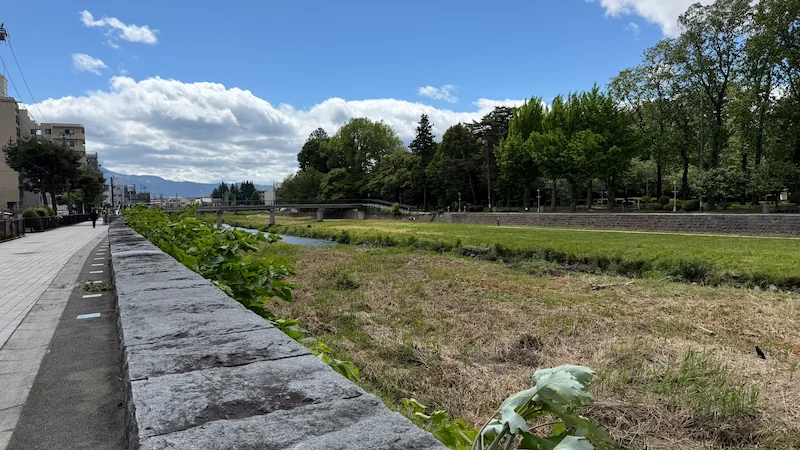
Either way, the walk between castle and shrine along the Miyako Kaido takes about 20 minutes. The route is mostly flat and passes through a street-level town area. Shops are dotted along the way.
Walking route map: Morioka Castle Ruins Park ↔ Morioka Hachimangu Shrine (via Miyako Kaido)
Goshuin, Gojoin and the 100 Famous Castles Stamp
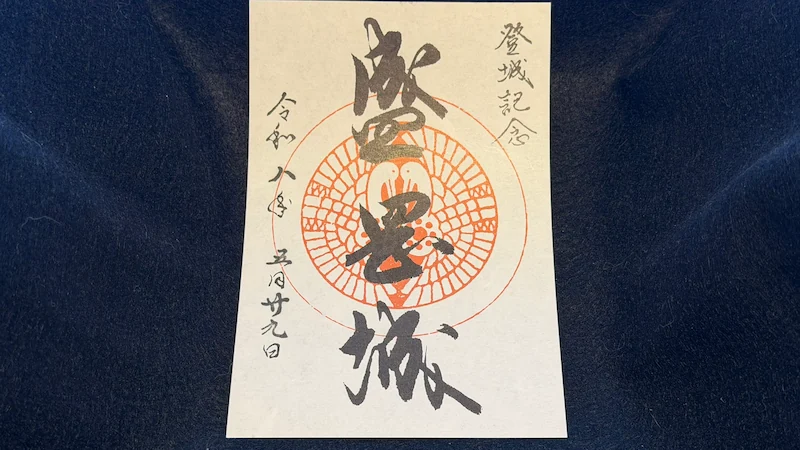
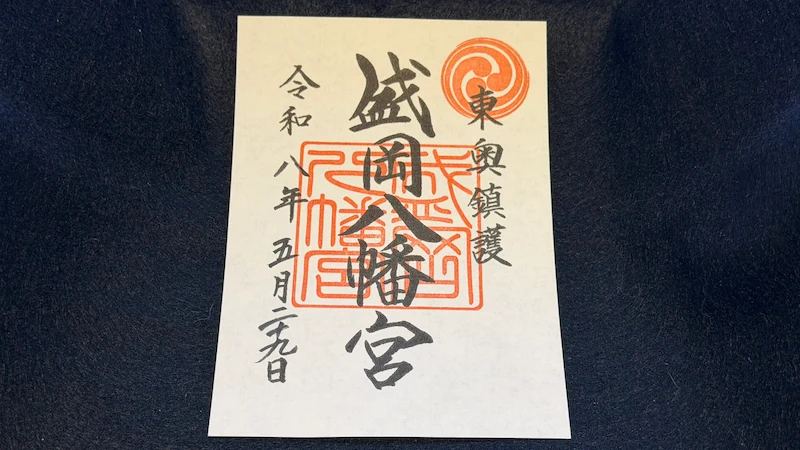
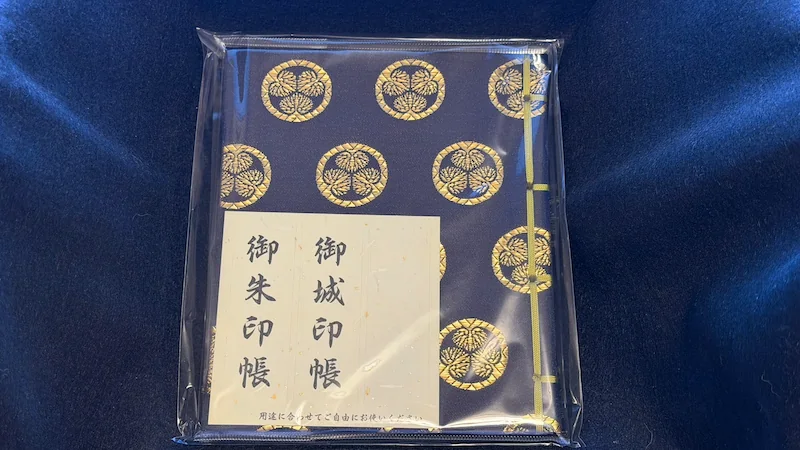
During the visit, a gojoin castle seal for Morioka Castle was available at Morioka History and Culture Museum, and a goshuin was available at Morioka Hachimangu Shrine. A gojoin notebook (gojoin-cho) was also available at the museum.
Context and Trivia
The guidemap describes Eboshi-iwa as one of the most sacred spots within the castle, with a Hachimangu shrine once standing nearby during the Edo period. While the precise historical details are difficult to confirm, the rock's presence and tradition give the castle grounds an additional layer of meaning.
Visitors sometimes ask if Morioka Castle had a castle tower. Technically it had a three-story turret (sanka yagura), which came to be referred to as "tenshu" (castle tower) from 1842 onward. The structure was never a large castle keep of the kind seen at Himeji or Osaka. The building itself is gone — what you see today is the stone base where it stood.
The Hikokura storehouse was moved to its current location in 1989. It is the only surviving structure with a direct connection to the original castle. This makes it genuinely significant within a site where all other buildings were demolished in 1874.
Where to Stay
The Morioka Station area is the natural base. It works well whether you're heading north to Aomori, south to Sendai, or making Morioka a dedicated stop. Accommodation options are available close to the station.
Frequently Asked Questions
No. The castle tower (the three-story turret referred to as the tenshu) no longer exists. The stone base where it once stood — the Sanka Yagura / Tenshu base — remains and is one of the main things to see. The building itself was demolished in 1874.
Stone walls, the sites of the Honmaru, Ninomaru, and Sannomaru baileys, the former tower base, the Hikokura storehouse (surviving but relocated), the time bell, Eboshi-iwa Rock, and the equestrian statue pedestal. The two ponds also add to the atmosphere.
Yes — particularly for those interested in castle ruins, stone-wall architecture, and Nanbu clan history. Combining it with Morioka Hachimangu Shrine and the Morioka History and Culture Museum makes for a full and satisfying half-day.
About 1 hour for the castle grounds alone. 2+ hours if you include the museum. Adding Morioka Hachimangu means an extra ~40 minutes in total (20 min walk each way + ~20 min at the shrine). Budget 3+ hours for the full castle-to-shrine route.
About 15–20 minutes on foot, or about 10 minutes by the Dendenmushi loop bus. Finding the correct bus stop at Morioka Station can be confusing — check the stop number in advance (right-loop: platform 15, left-loop: platform 16, as of the visit).
Yes. The walk between the two via the old Miyako Kaido road takes about 20 minutes each way. The combined route is manageable as a half-day walk from Morioka Station.
It is a surviving building connected to the original castle, but it was relocated — the guidemap describes it as having been moved in 1989 to its current position. It is the only surviving structure from Morioka Castle in this sense.
Morioka Hachimangu is a Shinto shrine established in 1680 by Nanbu Shigenobu. It is not part of the castle site — it is a separate location about 20 minutes away on foot. The current shrine buildings date from 1997.
Yes. The site is open and walkable independently. The official guidemap — available at the museum or on-site — is helpful for navigating the ruins and understanding what you are looking at.
The 1F is free. The 2F exhibition costs ¥450 for adults, ¥300 for high school students and ¥150 for children and junior high students; groups of 20 or more pay ¥360, ¥240 and ¥120.
During the visit on May 29, 2026, the gojoin castle seal and the 100 Famous Castles stamp were available at the Morioka History and Culture Museum. The museum’s regular closed days affect both, so check current information before you go.
There is an underground parking lot with 93 spaces, open for entry and exit from 7:00 to 22:00. Rates are subject to change, and the castle grounds themselves are foot-only.
Official Sites
If this guide was useful, you can support the site here.

Scan the QR code to support


comment