


Arioka Castle Ruins: A Half-Day Walk in Itami
There is no keep and no gate here. What survives beside JR Itami Station is the core of the castle where Araki Murashige turned against Oda Nobunaga in 1578, and where the strategist Kuroda Kanbei was held prisoner. Restored stone walls and marked foundations show the centre; an earthen rampart in a shrine precinct 1.5 km north shows how far the fortified town once reached.
On this page
- Is it worth visiting, and what remains
- Getting there from Osaka
- Murashige, Kanbei's captivity and the end of the castle
- 1. Remains and restored features in the main enclosure
- 2. Northern defenses and shrine buildings
- 3. Remembering Murashige at Kosonji Temple
- 4. Excavated objects and history displays
- Planning the walk
- The Arioka Castle goshuin
- Frequently asked questions
Visiting Arioka Castle and three nearby historic stops from Osaka
Set your expectations before you go. Arioka Castle is a ruin, not a reconstructed castle you can walk into. There is no tower, no gate and no museum on site — just a small park of lawn, stone walls and interpretive panels a minute from the station ticket gates. Whether the trip is worth making depends on what you want from it. If you want a photogenic castle keep, go to Himeji. If you want to understand how a Sengoku-period warlord fortified an entire town, and to stand where one of the most famous captivities in Japanese history took place, Itami rewards about two hours.
Four places in Itami relate to the castle, and they are useful to keep apart in your mind, because they belong to different centuries and different kinds of evidence.
Photos from the visit: the main enclosure, Inano Shrine and Itami City Museum
The castle core
Remains and restored features
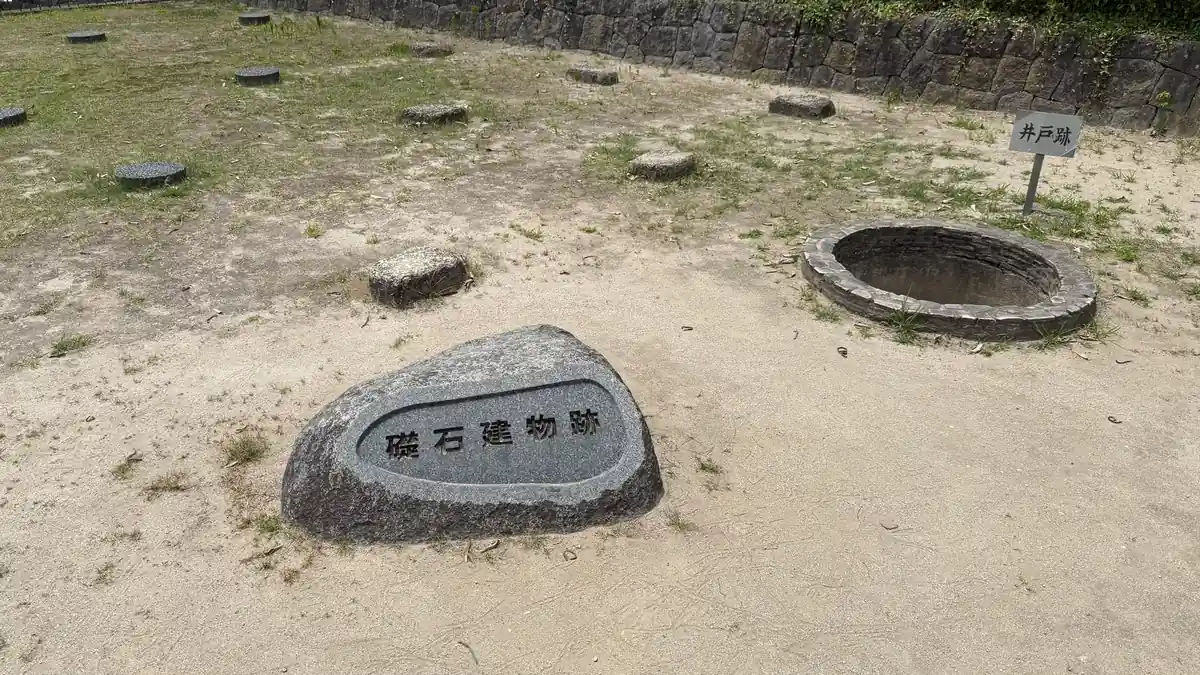
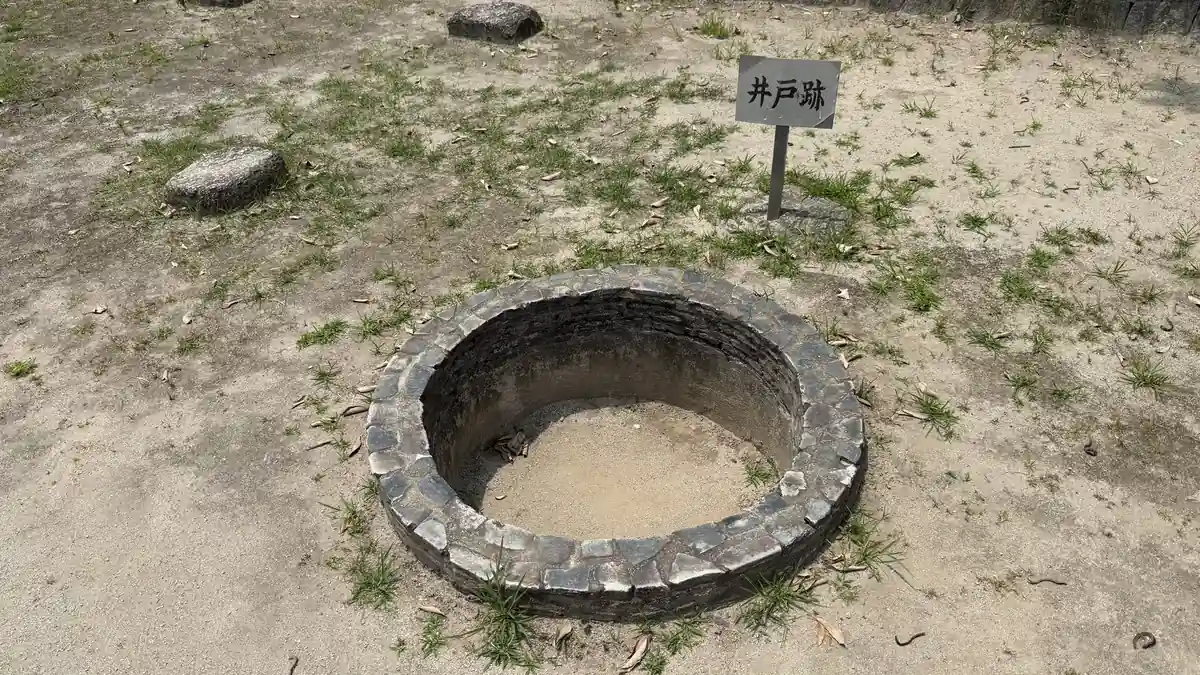
The historical park beside JR Itami Station: building foundations and a stone-lined well restored from excavation results, the main-enclosure stone wall restored facing the north-side steps, and masonry that reuses carved Buddhist stonework.
The northern edge
Inano Shrine and Kishi Fort
An earthen rampart and moat traces from the fort that guarded the north end of the fortified town, inside a shrine precinct. The shrine buildings themselves are Edo-period, not military.
Later memory
Kosonji Temple
A Soto Zen temple south of the station whose mountain name means "old castle mountain". The temple says it enshrines a memorial tablet for Araki Murashige. The buildings are not relocated castle architecture.
The evidence
Museum displays
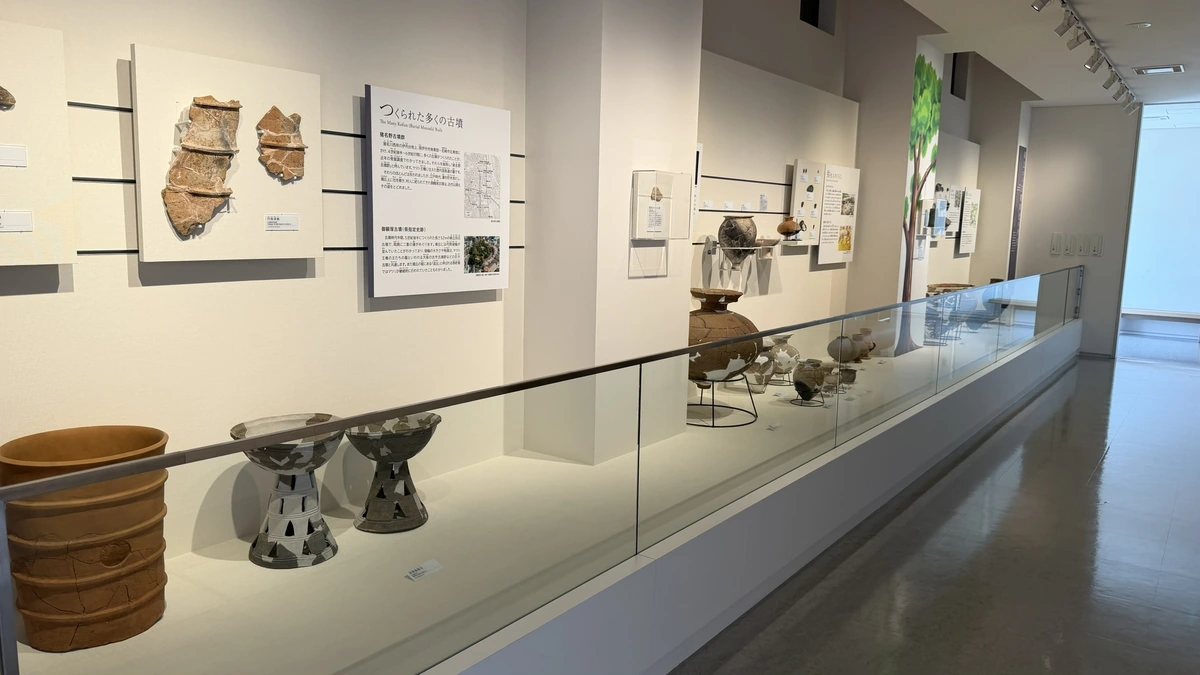
Itami City Museum's free permanent history gallery: pottery excavated from the castle and town, and panels explaining Murashige and the layout of the fortified town.
| Castle ruins only | 15–20 minutes for the restored features and the panels. Enough to see where the centre of the castle stood and what was rebuilt. Easy to fit into a train connection. |
|---|---|
| All four stops | About two hours including walking. You come away understanding that this was a town wrapped in walls, not just a fort, and you see the objects that were dug out of it. |
Getting to the castle ruins, Kosonji Temple, Inano Shrine and the museum
Osaka is the practical base. Itami City Museum's own English guidance is to take the JR Takarazuka Line to JR Itami Station — 16 minutes from Osaka Station, and the same line from Shin-Osaka Station if you are arriving by Shinkansen. Service patterns and transfers vary by train, so check the timetable on the day. Itami is also close to Osaka International Airport (Itami Airport), which is a short bus ride away.
From Shin-Osaka Station to Arioka Castle Ruins
| Nearest stations | JR Itami Station (Fukuchiyama Line, branded "JR Takarazuka Line" — station number JR-G52) / Hankyu Itami Station (Hankyu Itami Line — station number HK-20) |
|---|---|
| Practical Shinkansen station | Shin-Osaka Station |
| Getting between the four spots | All on foot — there is no public transport connection between them. |
| Recommended route | Take the JR Takarazuka Line from Shin-Osaka or Osaka Station to JR Itami Station, then walk to all four spots from there. |
| Arioka Castle Ruins | Itami 1-chome, Itami City, Hyogo. Immediately west of JR Itami Station; 12 minutes' walk east from Hankyu Itami Station according to regional tourism guidance. |
| Kosonji Temple | 1-15-2 Itami, Itami City, Hyogo. The temple states 2 minutes' walk from JR Itami Station, 10 minutes from Hankyu Itami Station. |
| Itami City Museum | 2-5-20 Miyanomae, Itami City, Hyogo. About 9 minutes' walk from either JR Itami or Hankyu Itami Station. |
| Inano Shrine | Miyanomae 3-chome, Itami City, Hyogo. About 10 minutes' walk from Hankyu Itami Station, about 14 minutes from JR Itami Station. The Kishi Fort rampart is further into the precinct, to the northwest. |
One practical warning. There are two separate stations called Itami, about 700 metres apart: JR Itami and Hankyu Itami, on different railway networks. The walking times above all run from a station to a single site — the museum and the shrine are times walked on the July 2026 visit, the other two come from official and regional guidance — so adding them together will not give you the time between sites. When you search for directions, make sure the app has the right Itami.
Araki Murashige, Kanbei's captivity and the end of the castle
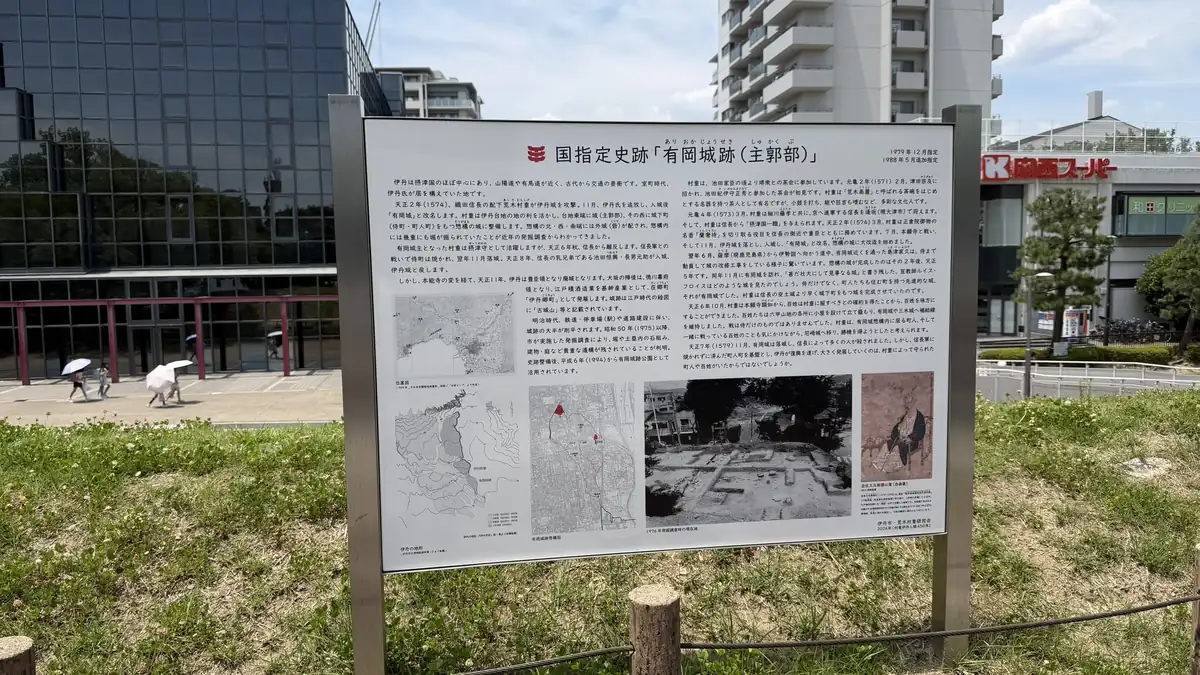
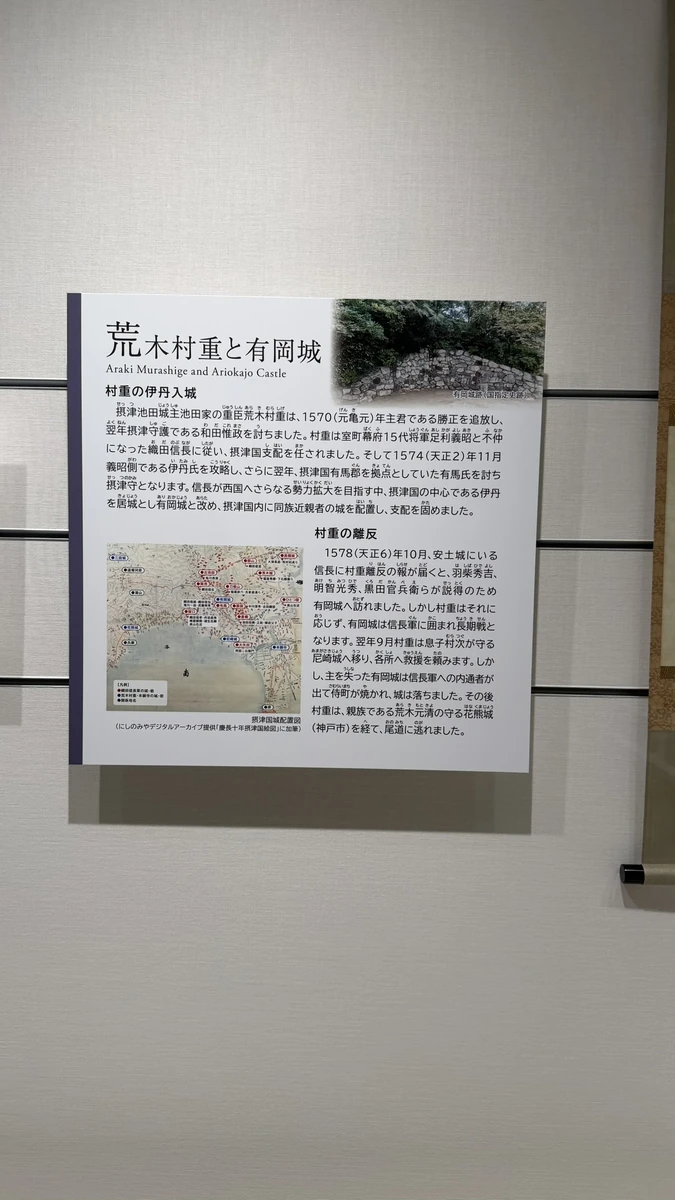
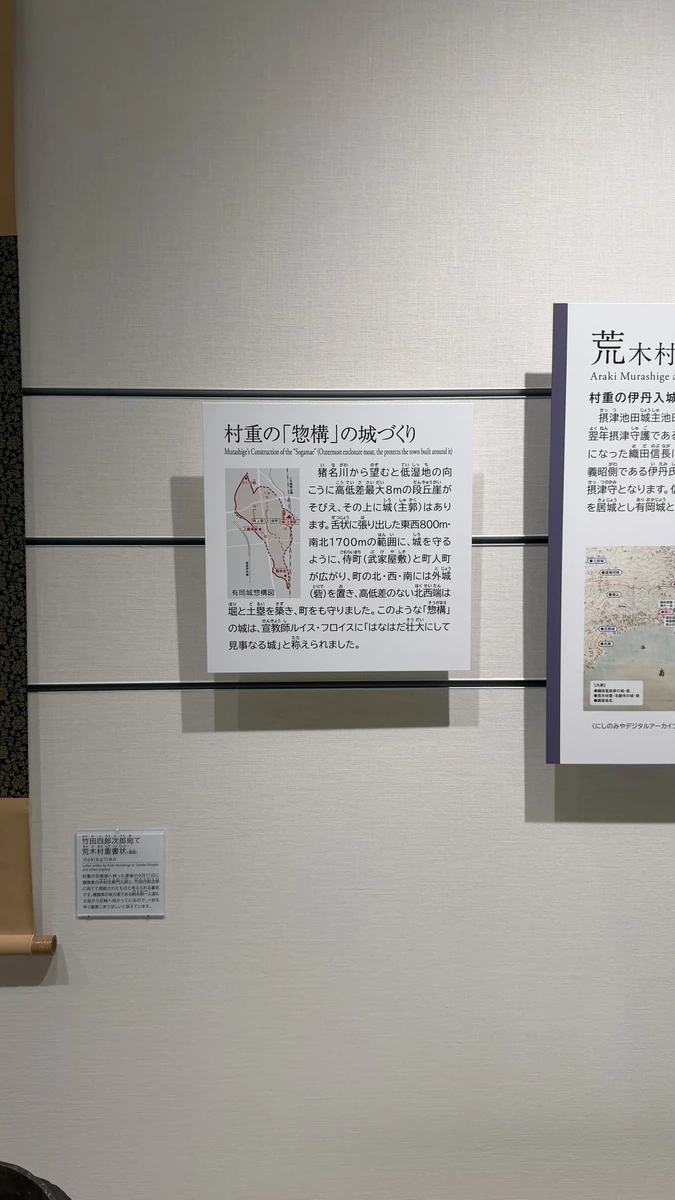
The Itami family held a castle on this spot first. In the eleventh month of 1574, Araki Murashige — then a commander serving the warlord Oda Nobunaga — took the castle from them, renamed it Arioka and rebuilt it on a far larger scale. What he built was not a fort with a town beside it. He enclosed an area roughly 800 metres east to west and 1,700 metres north to south inside moats and earthen ramparts, putting the castle and the whole town within the defences. Three outlying forts — Kishi, Jorozuka and Hiyodorizuka — covered the north, west and south.
In 1578 Murashige turned against Nobunaga. The conventional account holds that a subordinate of Murashige's had been secretly selling provisions to the hostile Ishiyama Honganji temple during the siege against it, that this reached Nobunaga's ears, and that Murashige rebelled reluctantly rather than face Nobunaga's questioning. Other accounts point out that a document is said to survive showing Murashige had already allied with the Honganji side on the 17th of the tenth month — four days before word of his revolt is recorded as reaching Nobunaga on the 21st (in the chronicle Shincho Koki) — suggesting a more deliberate break with Nobunaga rather than a panicked one.
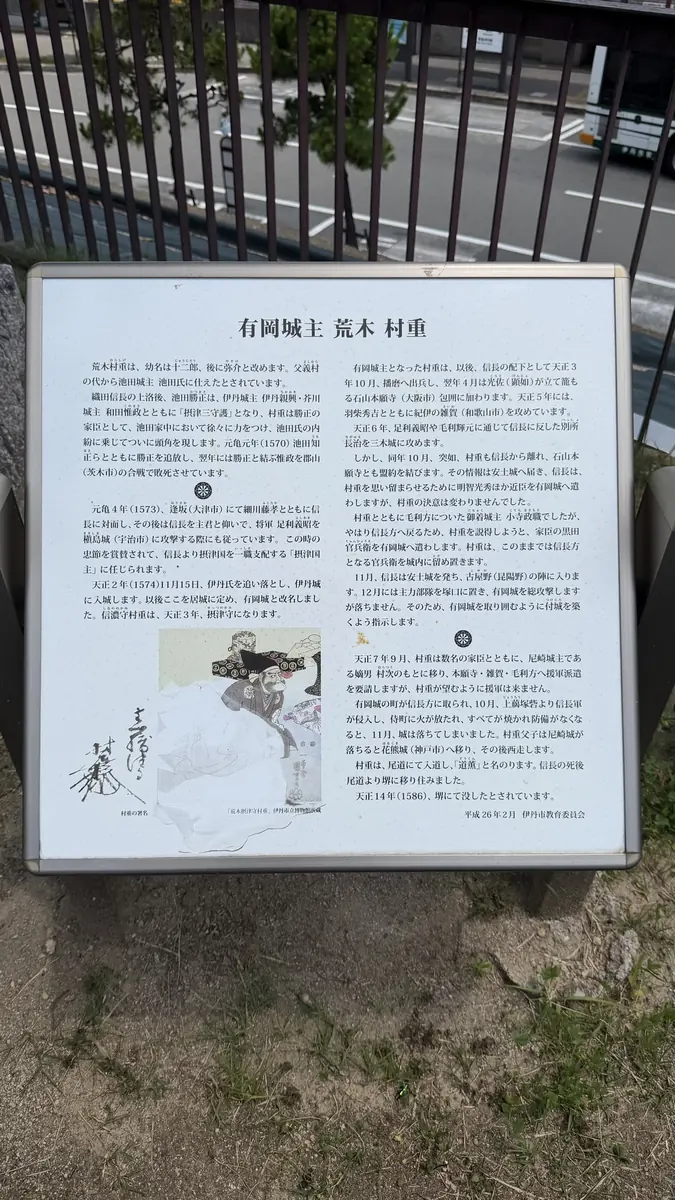
Kuroda Kanbei, a strategist serving Nobunaga's side, entered Arioka to talk Murashige out of the revolt and was imprisoned inside the castle instead. A secret order is said to have reached Murashige from Kodera Masamoto, Kanbei's own lord, instructing that Kanbei be killed as soon as he arrived at Arioka; Murashige is instead said to have valued Kanbei's ability, choosing to hold him deep inside the castle under guards he trusted rather than have him killed. Fukuoka City Museum's account describes the captivity as lasting roughly a year. Murashige moved to Amagasaki in the ninth month of 1579, and Arioka fell in the eleventh month of the same year. Kanbei is said to have been rescued by Kuroda retainers when the castle fell.
Murashige's move to Amagasaki, leaving his family and retainers behind at Arioka, is sometimes described as flight. Other accounts note that after reaching Amagasaki he sent urgent letters asking for reinforcements from Saika-shu leaders and from a Mori commander, arguing this was an attempt to regroup and break the deadlock rather than simple escape. Nobunaga responded by redeploying troops against Amagasaki and, separately, by winning over a defector inside Arioka, stripping the castle of its defenders before it fell in the eleventh month of 1579. Nobunaga's retribution was severe: the execution of the Araki clan is described in local tourism material as one of the largest mass executions of his career. Murashige himself kept fighting on the Mori side for a time, then fled to Onomichi (in what is now Hiroshima Prefecture) in 1580. After Nobunaga's death he served Toyotomi Hideyoshi as a tea master, and he is said to have died in Sakai in 1586.
The castle outlived the siege by only a few years. Ikeda Motosuke moved in during 1580, and when he was transferred in 1583 the castle was abandoned. Itami City announced in November 2013 that it had confirmed a letter, dated 1583, written by Kanbei to Murashige — by then living as a tea man under the name Dokun — and held by Shokoku-ji Koden-in temple in Kyoto. According to the city, the letter reports progress on a matter of temple land that Dokun had asked Kanbei to help with, and adds that Dokun hoped to see Kanbei if he ever accompanied Hideyoshi to Himeji, suggesting the two men did not simply remain enemies after the castle fell.
The site then lost more ground in the modern era: railway construction in the Meiji period cut away the eastern side of the main enclosure, which is why today's park is narrow and drops off sharply to the east. Excavation of the main enclosure began in 1975, and the site was designated a National Historic Site in December 1979, with an addition in May 1988. The restoration work you see — stone facing on the ramparts, building foundations, the well and moat traces — was carried out between the 1983 and 1993 fiscal years.
1. Remains and restored features in the main enclosure
Arioka Castle Ruins Historical Park
The centre of the castle, set out on the ground as excavation found it
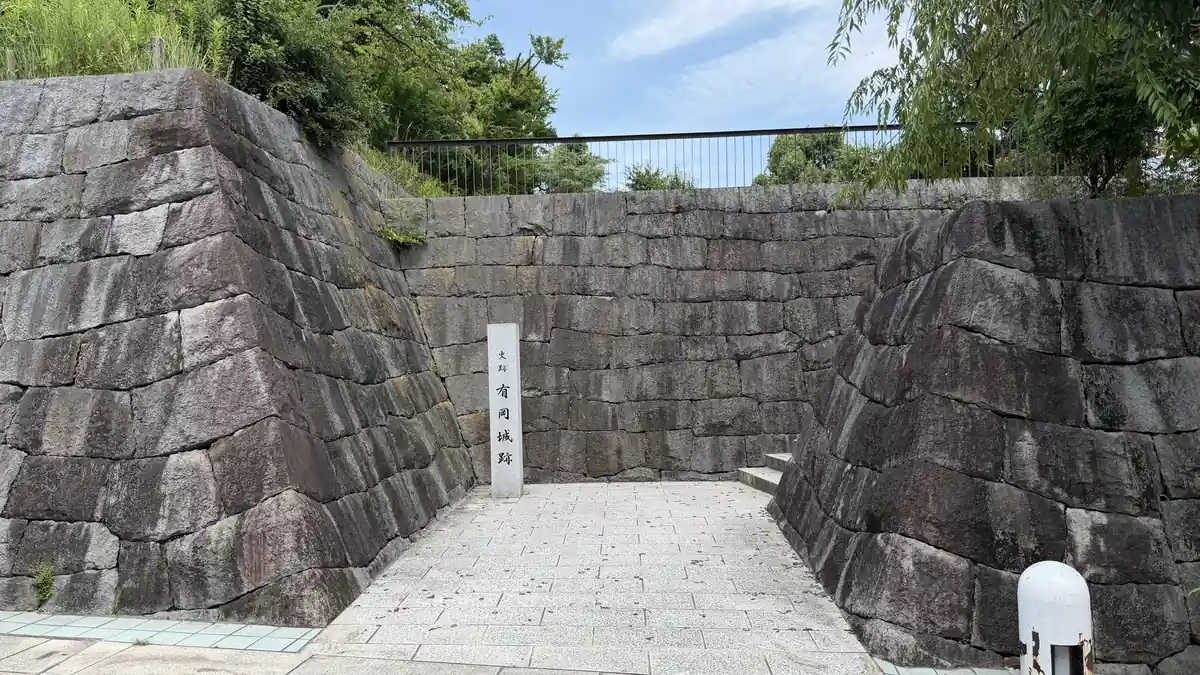
Leave the station ticket gates, turn west, and the park appears immediately alongside the railway. A short flight of steps rises between stone walls past a pillar reading "Historic Site: Arioka Castle Ruins", and the flat ground at the top is the main enclosure. Foundation stones mark out where buildings once stood, a circle of stonework marks a well, and low stone walls and raised earth run around the edge.
Most of what is visible was restored between 1983 and 1993 on the basis of the excavations. That does not make it merely modern. The Hyogo Prefectural Museum of History notes that the walls include stone reused from Buddhist monuments — carved pieces pressed into service as building material by a lord in a hurry. According to Itami City, only the main-enclosure stone wall facing the steps on the park's north side is a restoration of the castle's stone wall; the other stone walls visible in the park are retaining walls built when the park itself was constructed. The building foundations, well and moat traces shown around the park are restorations displayed at their excavated positions.
What to look for
- The main-enclosure stone wall restored facing the steps on the park's north side, with reused Buddhist stonework set among it (other stone walls in the park are retaining walls built during the park's construction, not restorations)
- Building foundations marked by stones on the lawn, and a circular stone-lined well
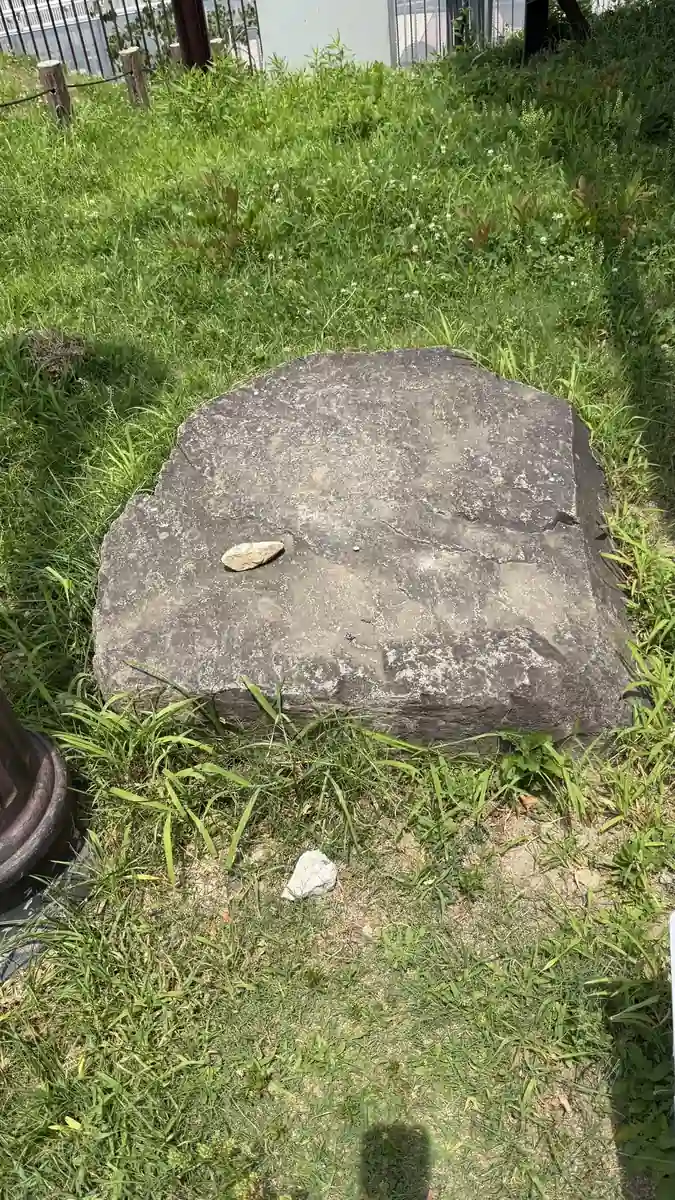
- A large stepping stone found in excavation, which the on-site panel dates to the Itami family's occupation, before Murashige arrived
- A stone carved with a waka poem attributed to a lord of the Itami family
- A panel about the story that Kanbei drew strength from wisteria visible from his cell, and the wisteria trellis planted later in its memory
- The terrace slope on the east side, a natural landform used for defence, ending where the railway cut the site
Photos from the site
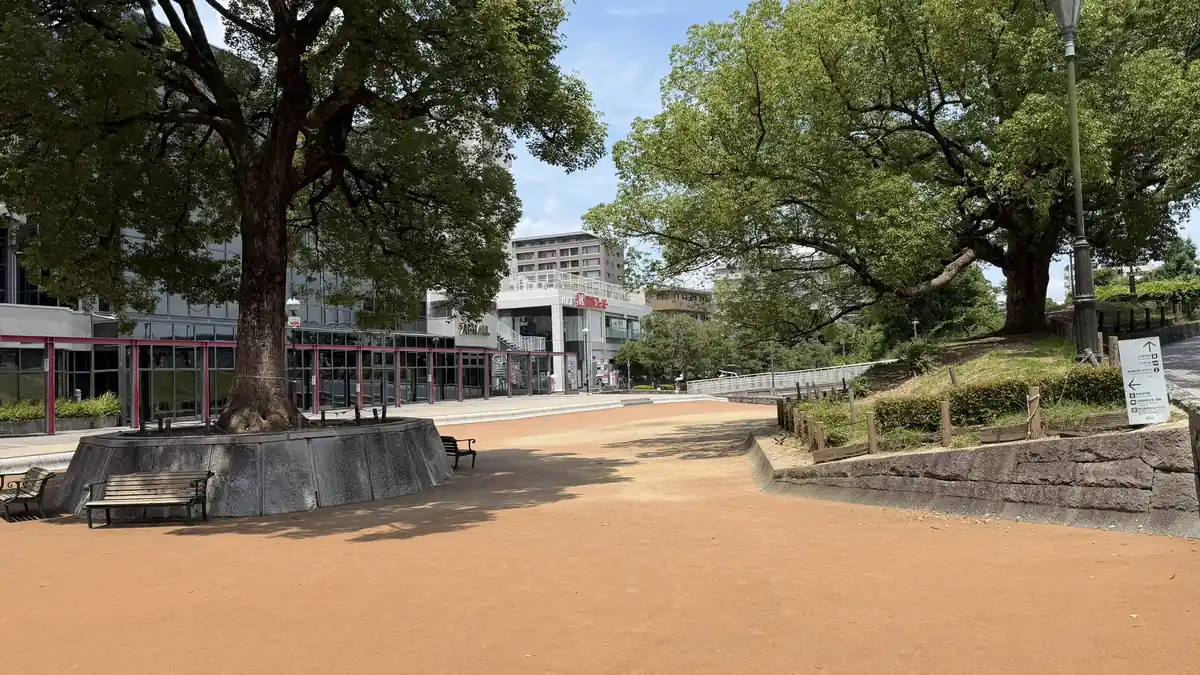
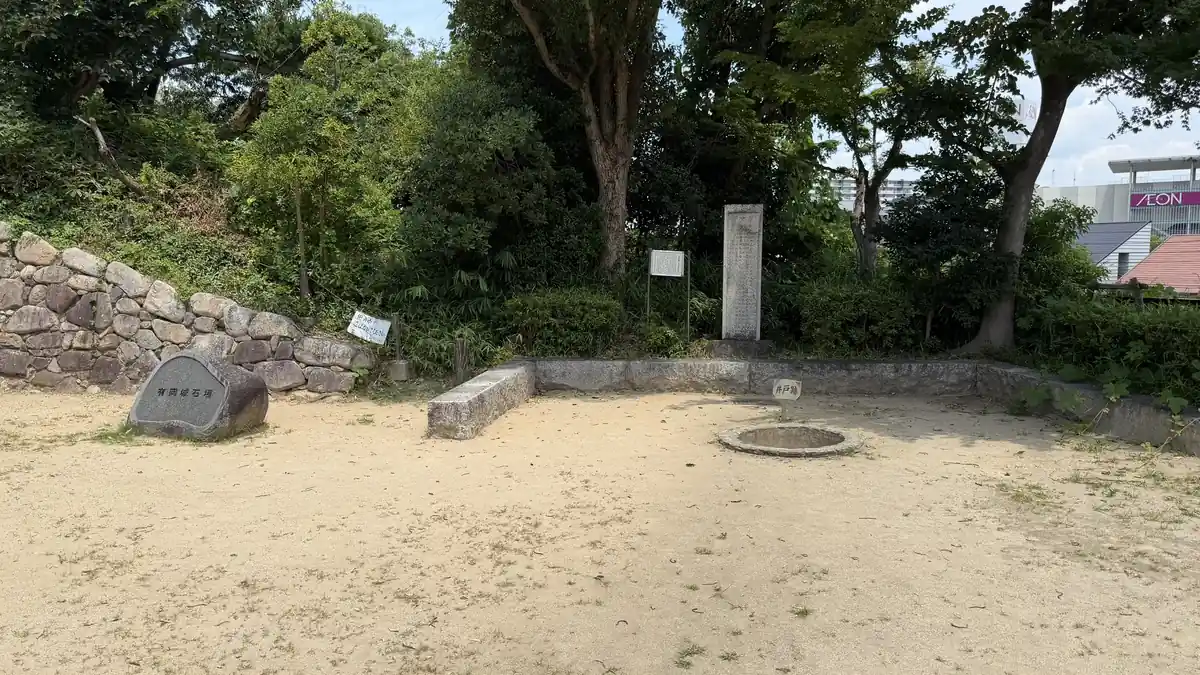
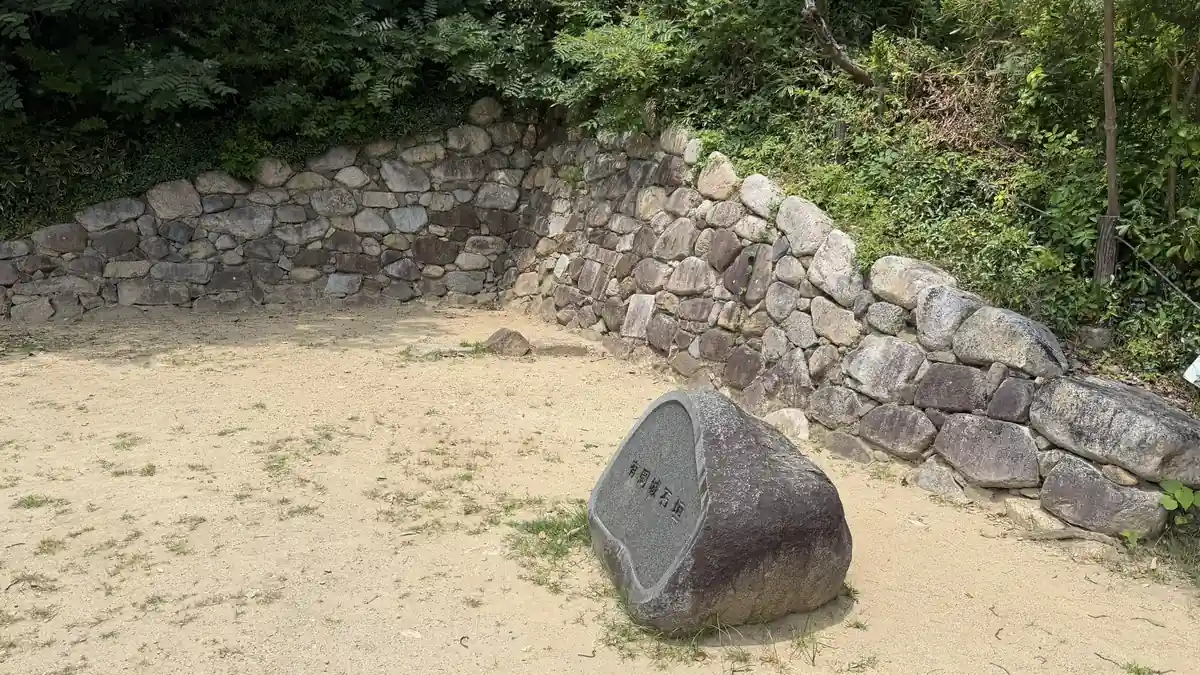
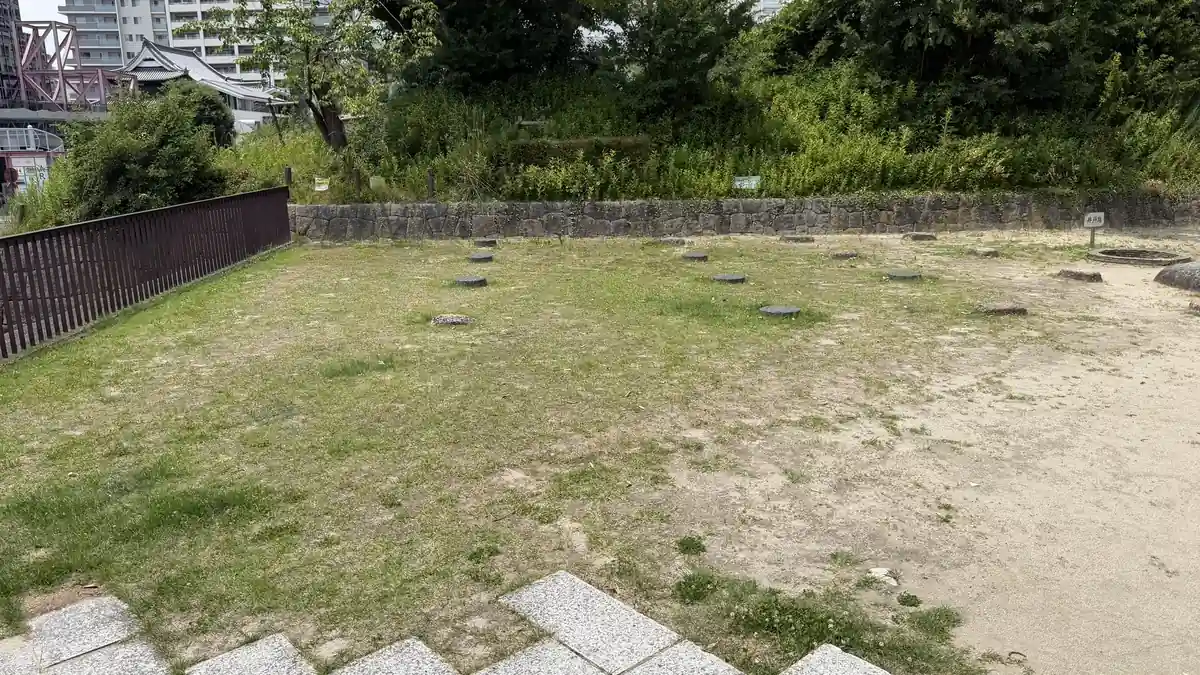
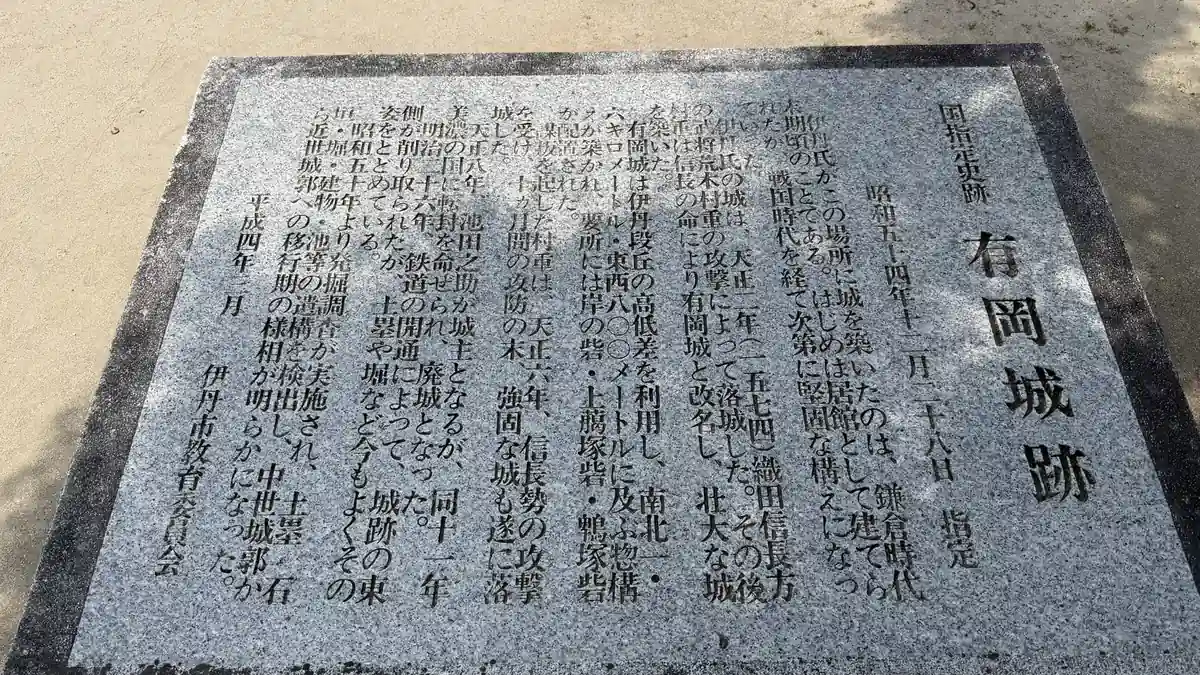
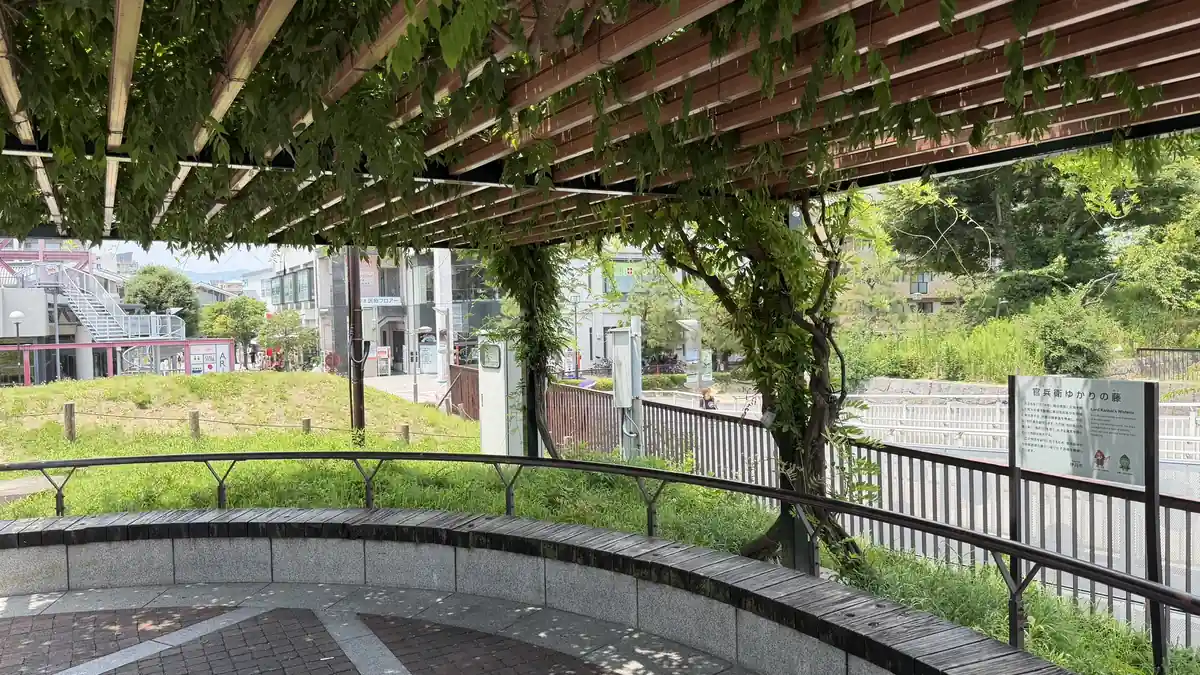
Tap any photo to enlarge
Visiting details
| Address | Itami 1-chome, Itami City, Hyogo (west side of JR Itami Station) |
|---|---|
| Access | Immediately west of JR Itami Station; 12 minutes' walk east from Hankyu Itami Station |
| Admission | There is no gate and no reception desk. Itami City's official page lists no admission fee and no opening hours, and no fee was posted when we visited in July 2026. Because the night-time arrangements are not published, visit in daylight. |
| Time needed | 15–20 minutes for the restored features and panels (July 2026 visit) |
| Designation | National Historic Site, designated December 1979, with an addition in May 1988 |
2. Northern defenses and shrine buildings: Inano Shrine and Kishi Fort
Inano Shrine and the Kishi Fort site
The rampart that held the northern edge, surviving as a rise in the ground
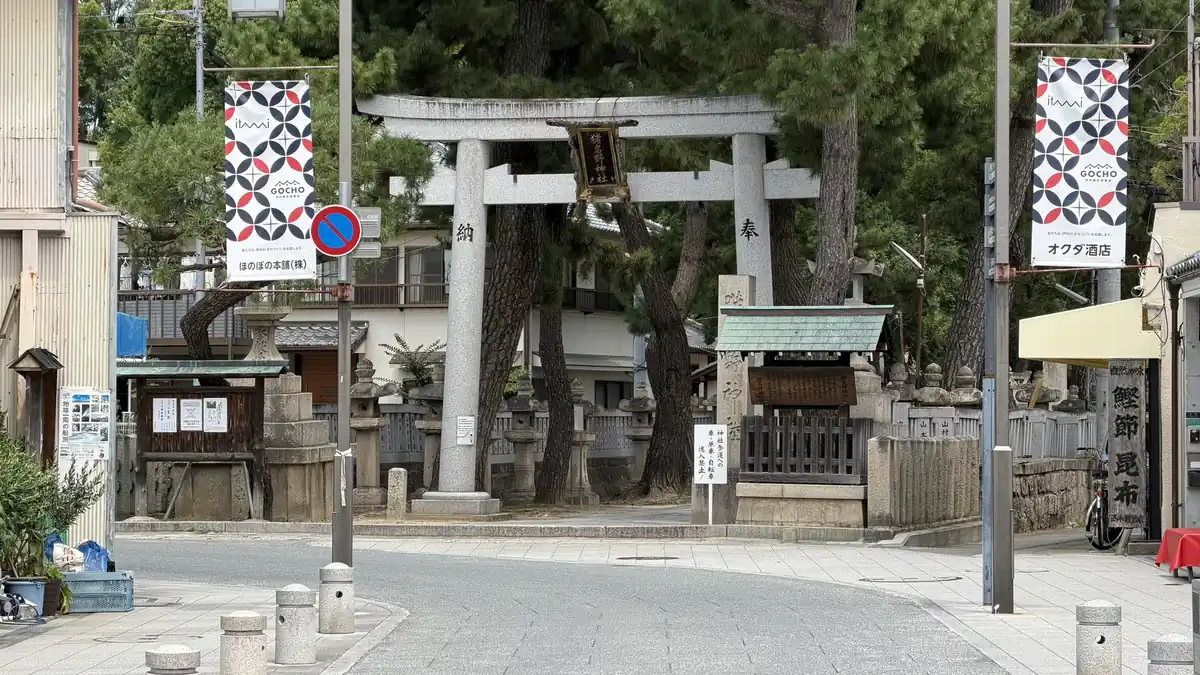
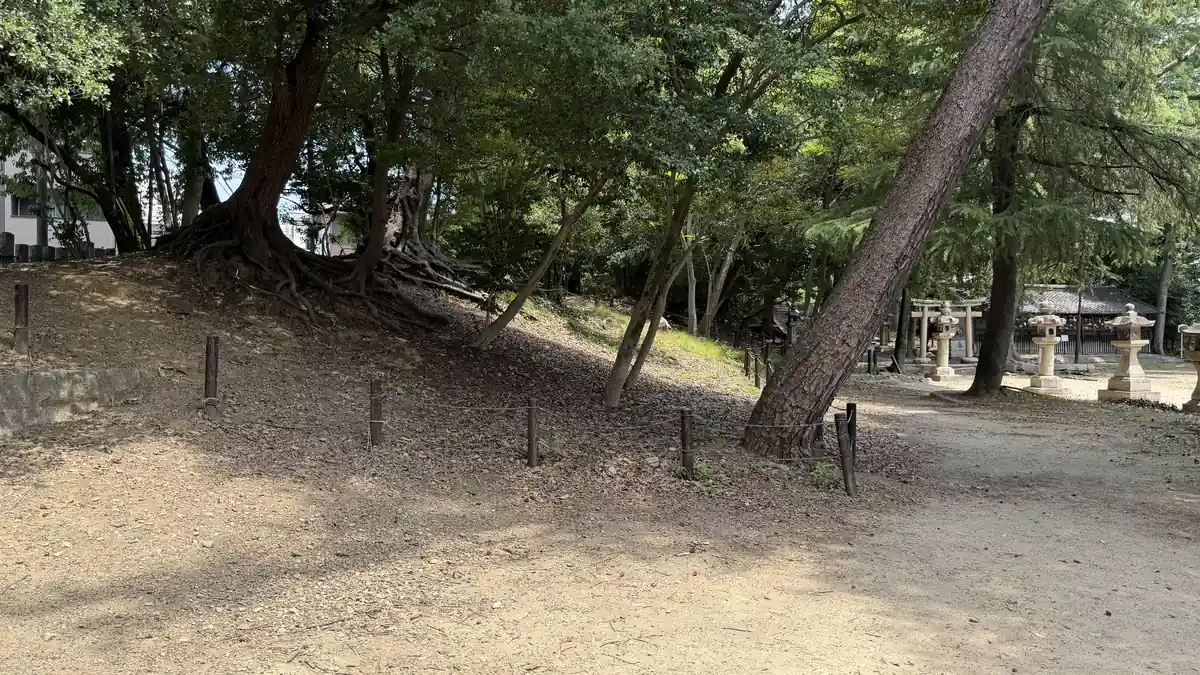
Walk north from the museum along Miyanomae street, past white-walled townhouses, and a stone torii comes into view. The approach beyond it is lined with stone lanterns donated by sake brewers and merchants, with pines between them. This is the tutelary shrine of the old merchant town of Itami. A ridge tag confirms that the main sanctuary was built in 1685, and the three linked buildings — main sanctuary, worship hall and offering hall — are designated Important Tangible Cultural Property by Hyogo Prefecture.
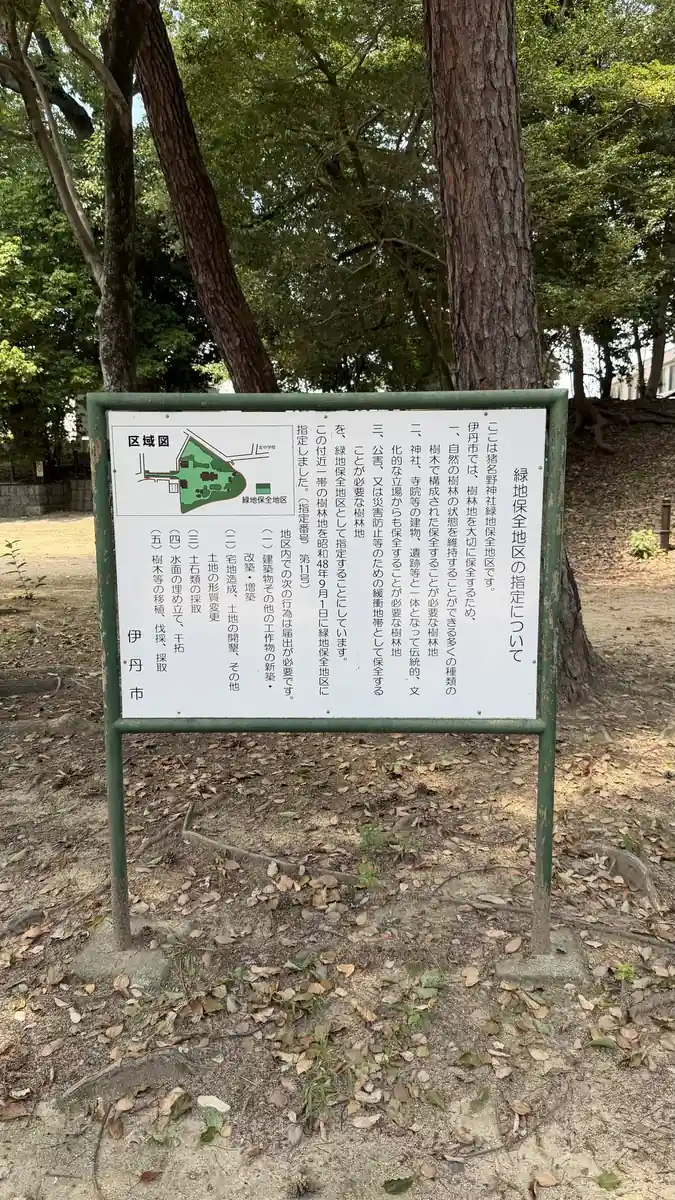
The connection to the castle is that Kishi Fort, which covered the northern end of the fortified town, is understood to have stood in this precinct. The Hyogo Prefectural Museum of History records that an earthen rampart and moat traces remain here. Keep the centuries apart as you look: the shrine buildings are Edo-period religious architecture, not Sengoku military works. The castle's trace is the ground itself, in the wooded rise to the northwest.
What to look for
- The stone torii with its ornate name plaque, and the lantern-lined approach
- The main sanctuary, worship hall and offering hall (Hyogo Prefectural Important Tangible Cultural Property). The sanctuary is a large Kasuga-style building raised on a cut-stone platform
- The earthen rampart of Kishi Fort in the northwest of the precinct, clearly higher than the ground around it
- The walking path through Itami Ryokuchi green space that follows the rampart, and the panel explaining the fort
Photos from the site
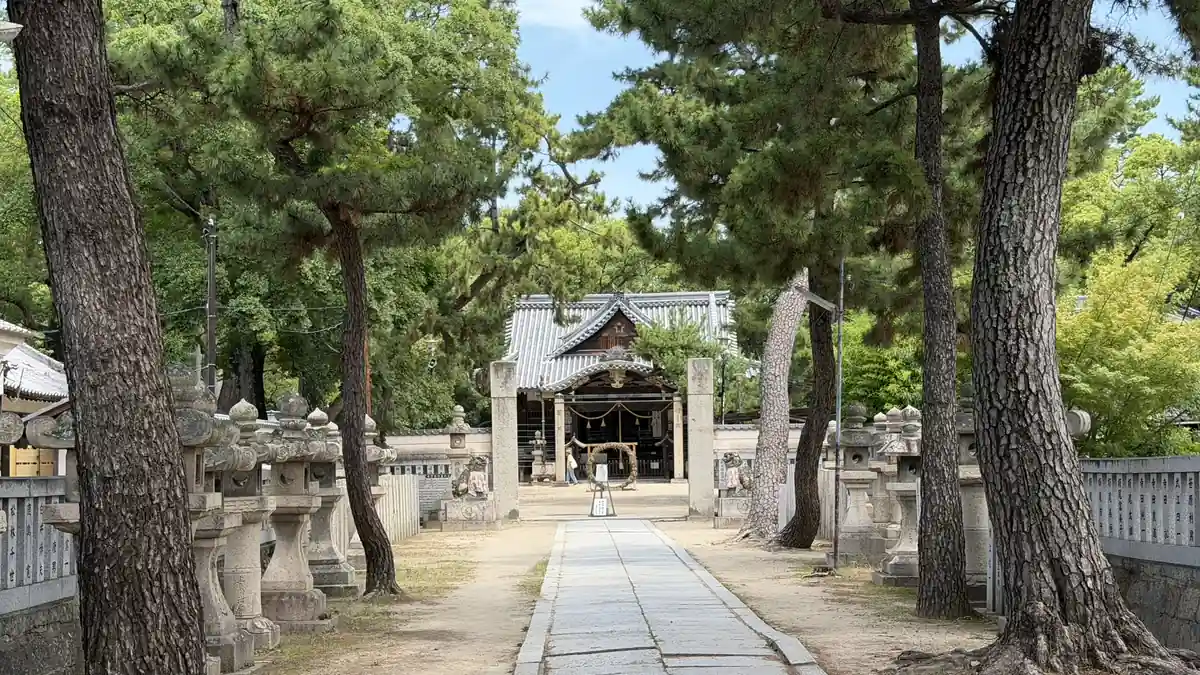
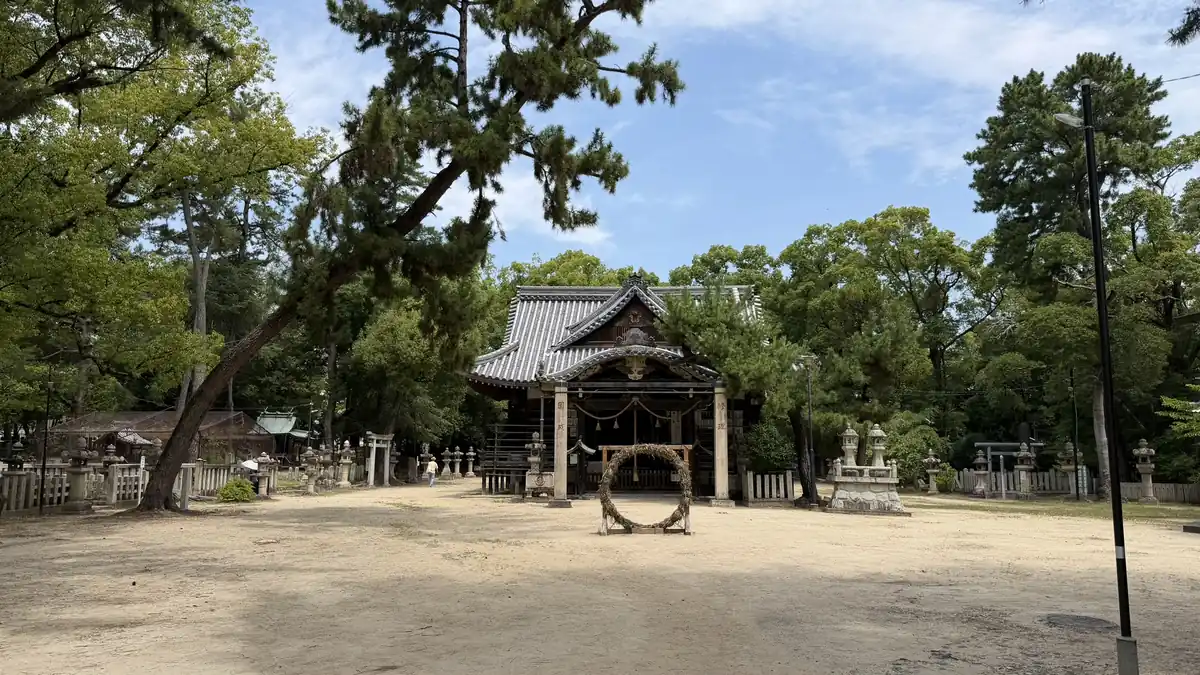
Tap any photo to enlarge
Visiting details
| Address | Miyanomae 3-chome, Itami City, Hyogo |
|---|---|
| Access | About 10 minutes' walk from Hankyu Itami Station and about 14 minutes from JR Itami Station, walked on the July 2026 visit. Regional tourism guidance gives about 10 minutes from either station. |
| Cultural property | Main sanctuary, worship hall and offering hall designated by Hyogo Prefecture in March 2020. The sanctuary dates from 1685 |
| Time needed | 20–30 minutes in July 2026, from the torii through the precinct out to the rampart |
| Note | No official guidance on interior access or general visiting hours could be confirmed. The precinct sits among houses and is used by residents, so keep noise down. |
3. Remembering Murashige at Kosonji Temple
Kosonji Temple
A temple whose name keeps the castle, and a memorial tablet for its lord
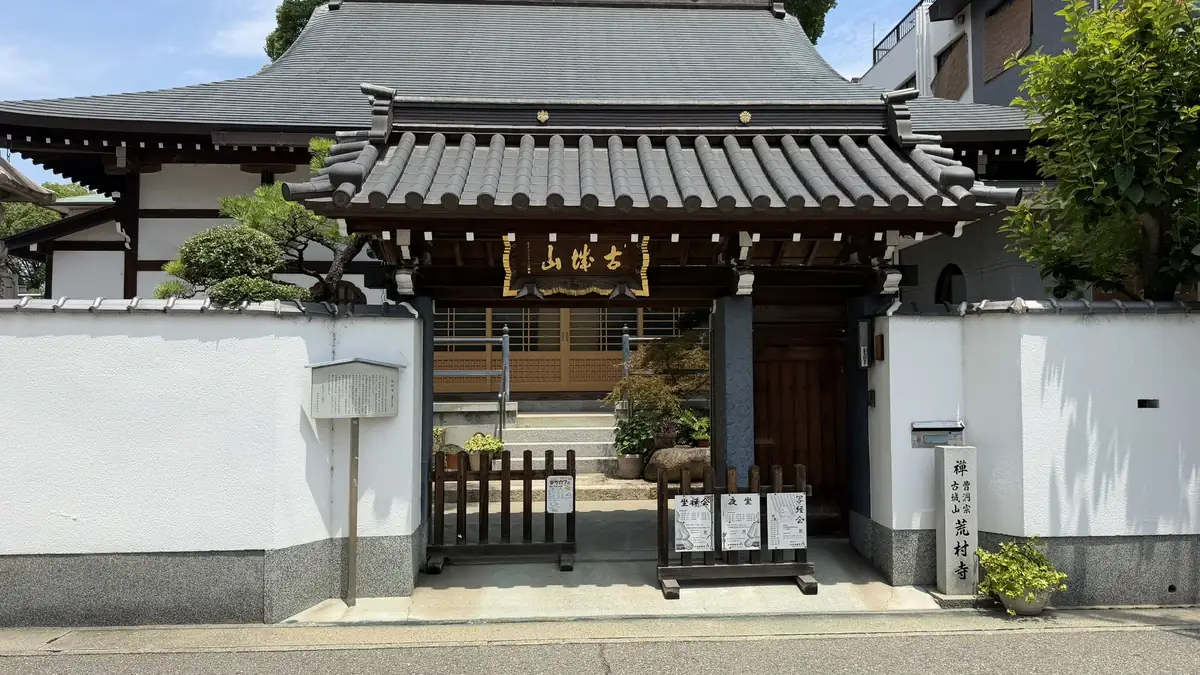
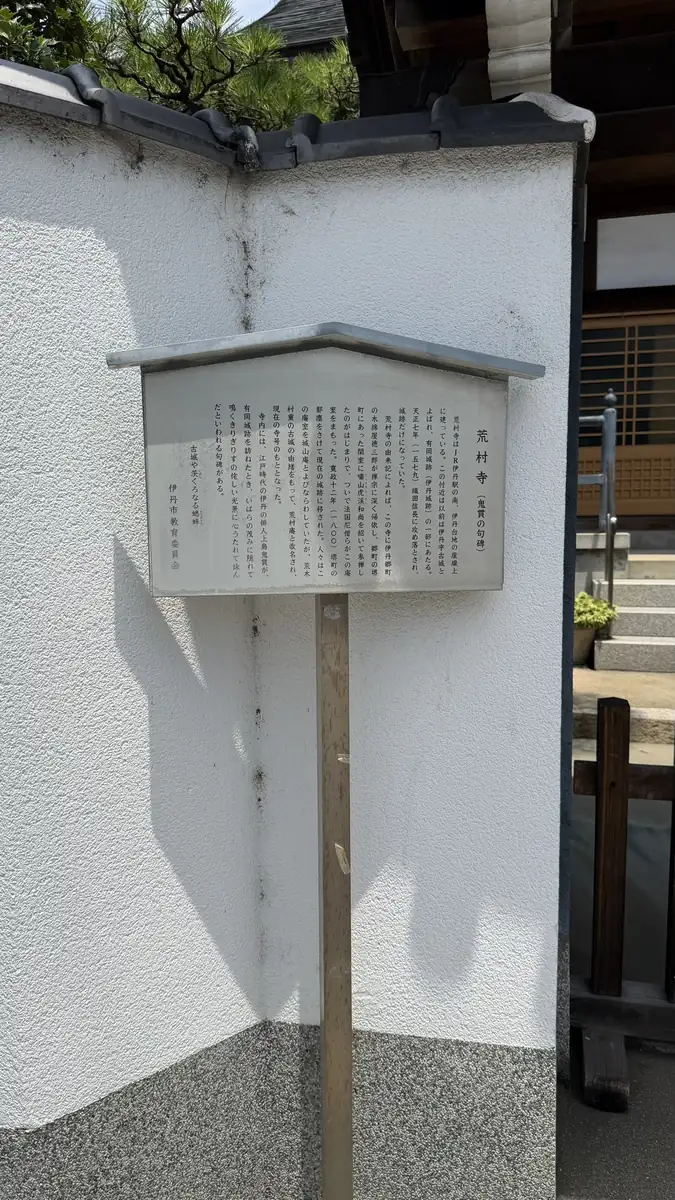
A short walk south of JR Itami Station, set back from a street of houses and small shops, is Kosonji, a Soto Zen temple. Its mountain name is Kojozan, "old castle mountain", and the temple's own name carries Murashige's surname in its first character. The temple states that it enshrines a memorial tablet for Araki Murashige.
Two things are worth holding onto. The temple has moved to its present site, so the buildings you see are not relocated castle architecture, and the older temple ground that appears in excavation reports is a different location. A panel in the grounds explains the temple's origins alongside a monument to Uejima Onitsura, an Edo-period haiku poet from Itami. No public guidance could be found on whether the interior of the hall is open to visitors, so a typical visit means seeing the gate, the exterior of the main hall, and the grounds' information panels.
What to look for
- The Kojozan plaque above the entrance
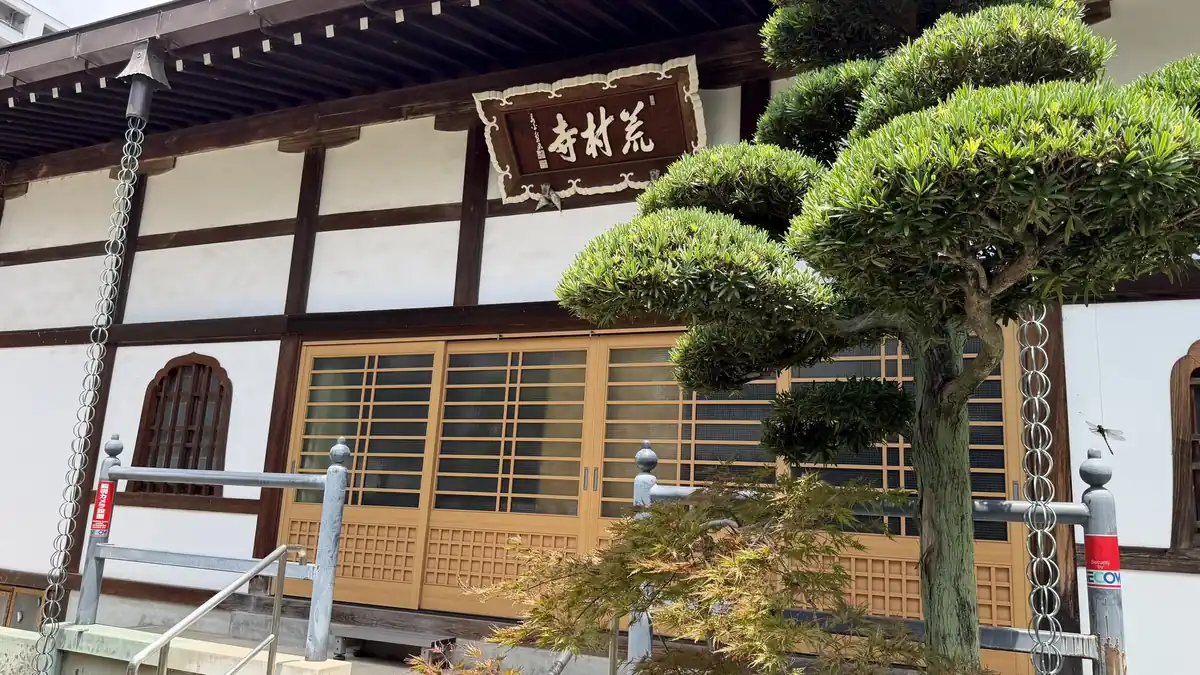
- The main hall, with its plaque reading "Kojozan Kosonji"
- The panel explaining the temple's origins and the monument to the haiku poet Uejima Onitsura
Photos from the site
Tap any photo to enlarge
Visiting details
| Address | 1-15-2 Itami, Itami City, Hyogo |
|---|---|
| Access | 2 minutes' walk from JR Itami Station, 10 minutes from Hankyu Itami Station (temple guidance) |
| Visiting | No published visiting hours or interior access guidance could be confirmed. The temple's website lists schedules for zazen and sutra-copying sessions. |
| Time needed | About 5 minutes for the gate, main hall and panel (July 2026 visit) |
4. Excavated objects and history displays at Itami's museum
Itami City Museum of Art, History and Culture
The objects the castle site cannot show you
A few minutes northwest of the castle ruins is Itami City Museum of Art, History and Culture, opened in April 2022 by merging the city's former museum and related institutions. Gallery 4, the permanent history display, is free to enter and runs through the history of the Itami area in order.
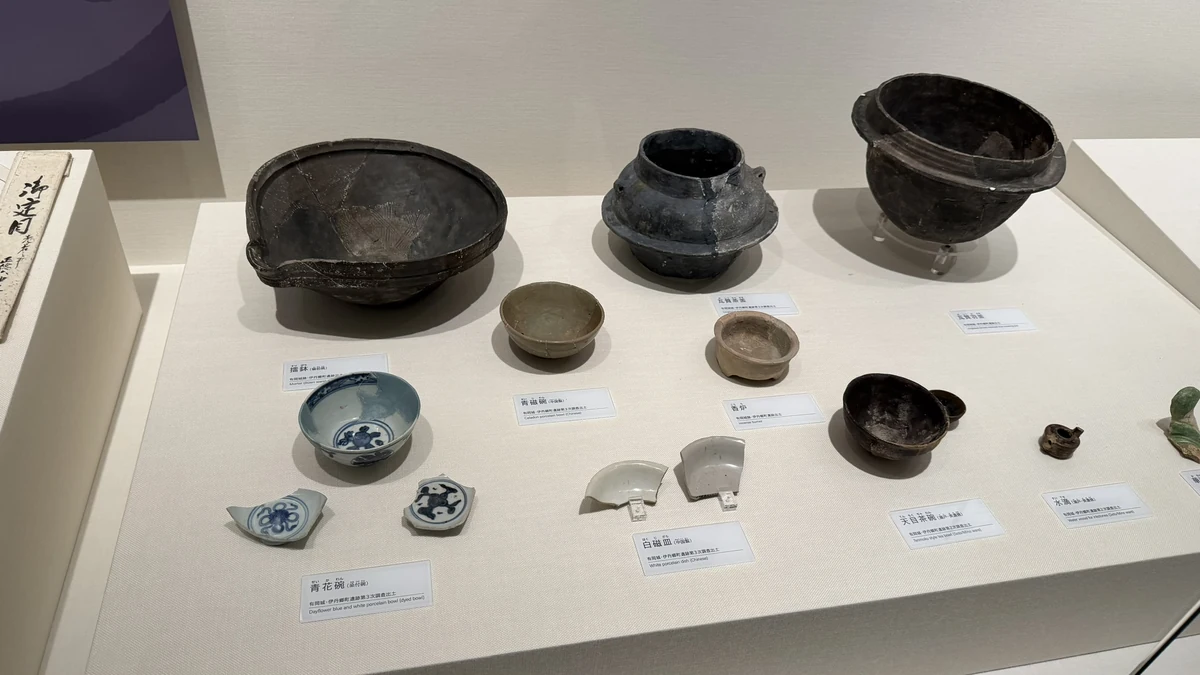
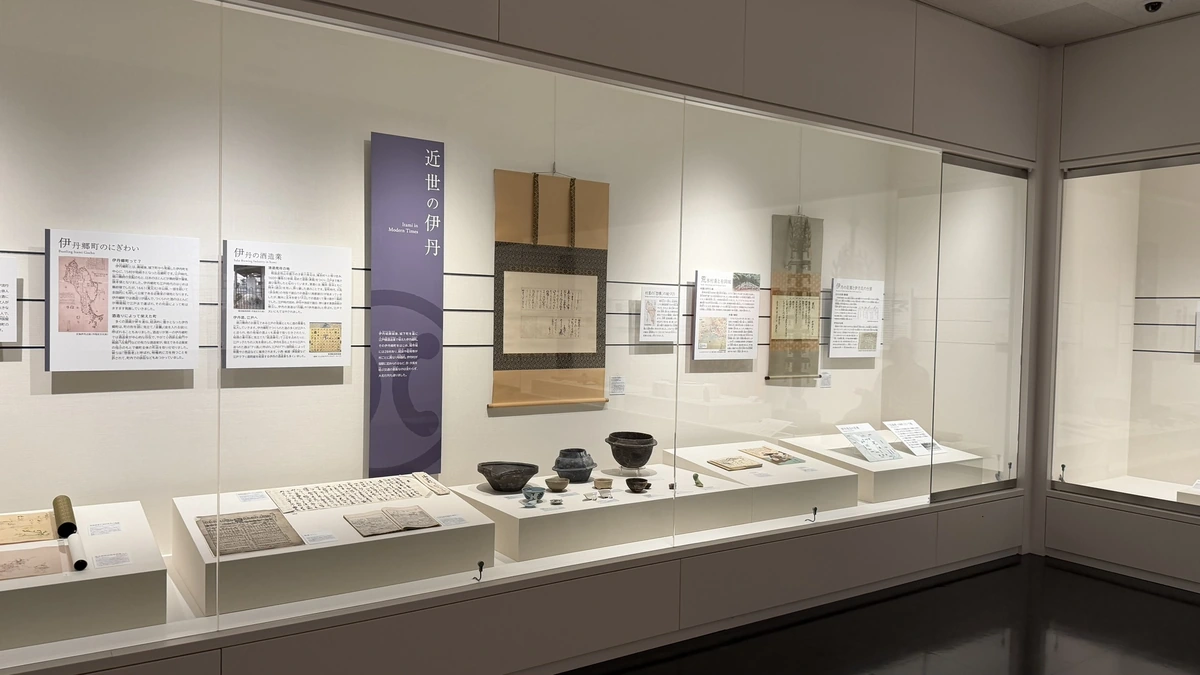
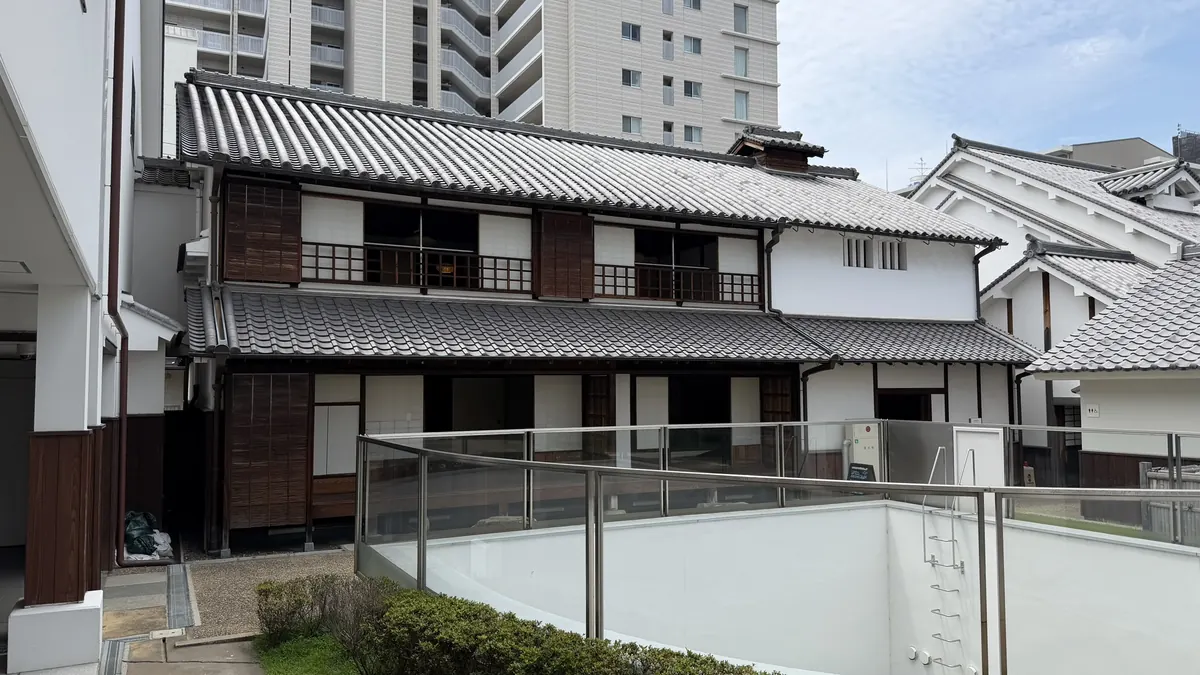
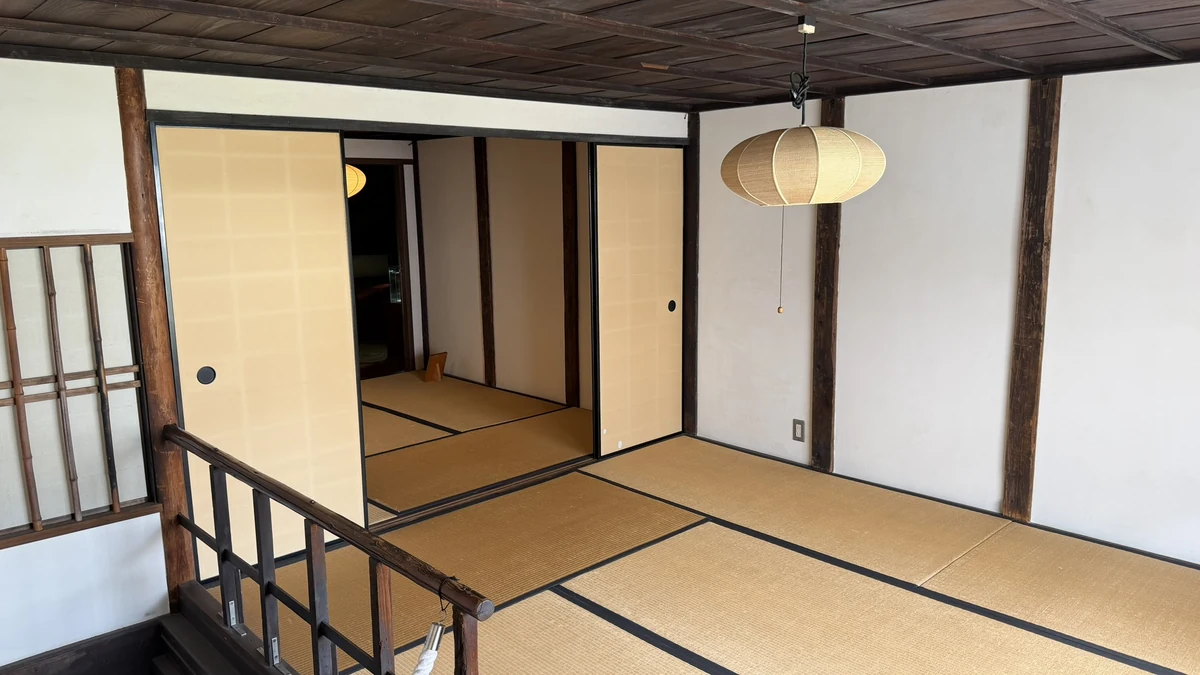
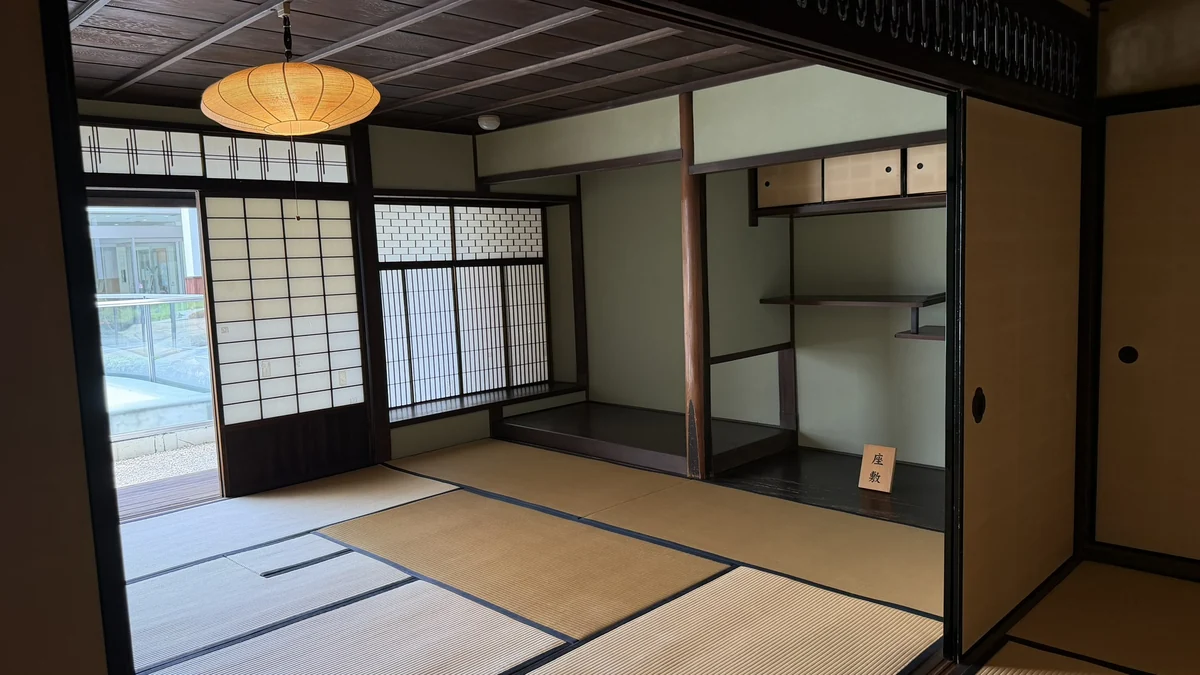
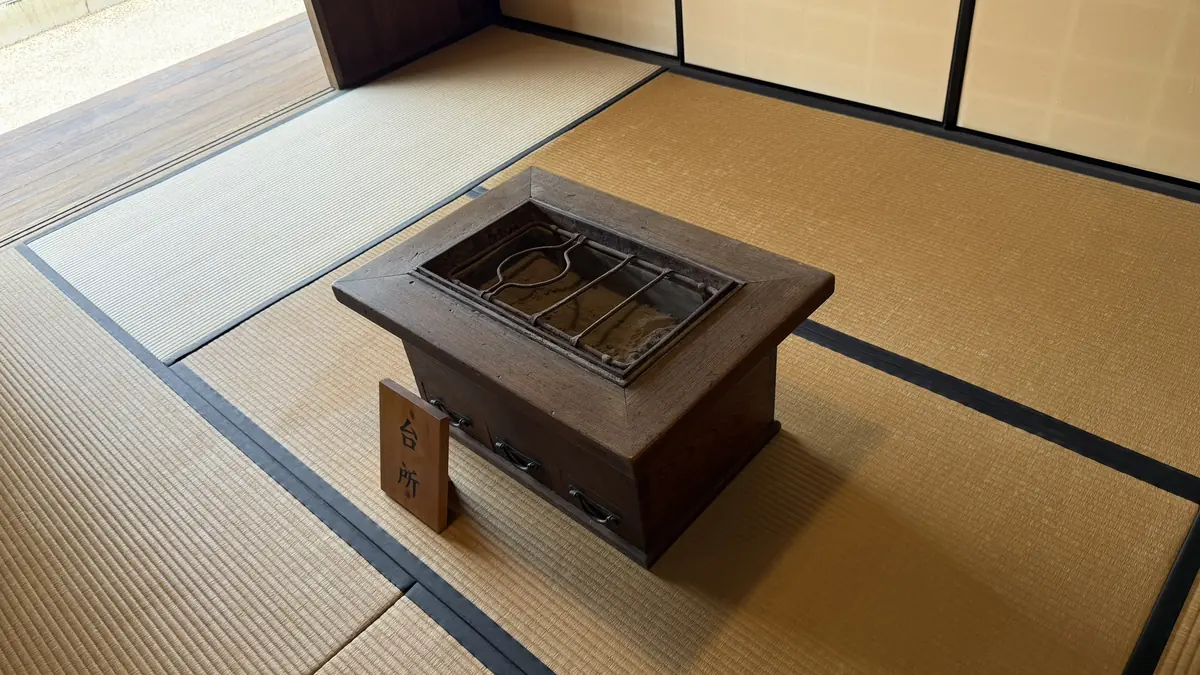
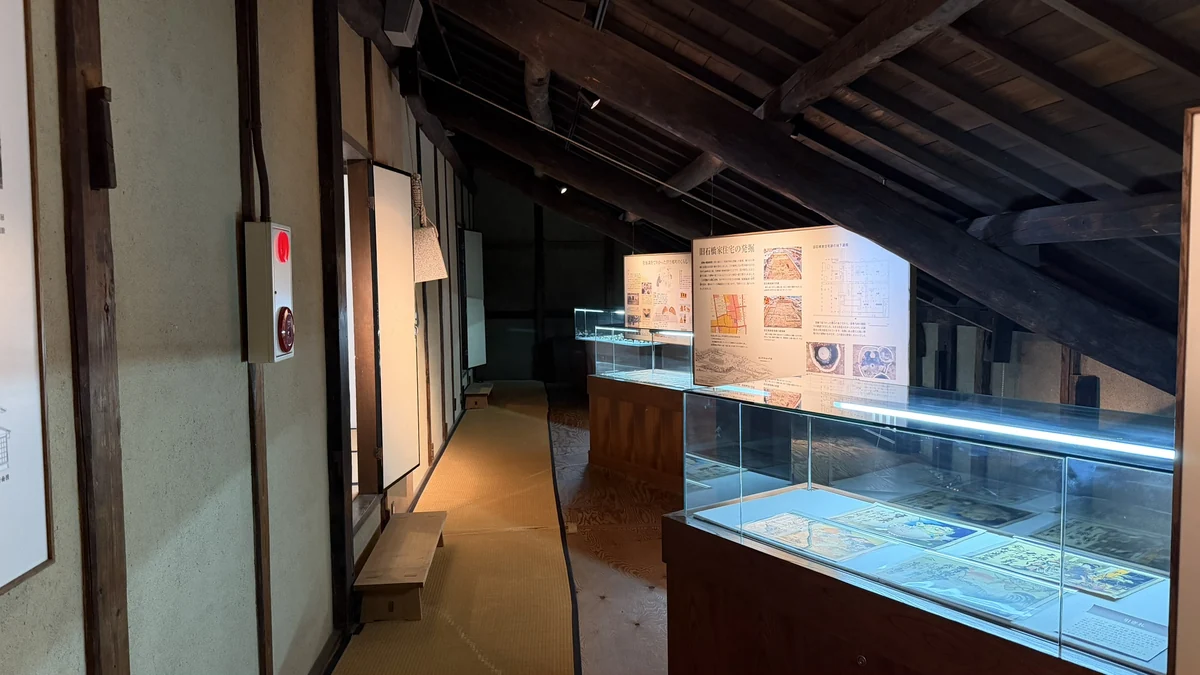
For anyone trying to understand Arioka, the reason to come here is concrete. The castle site gives you walls and the position of posts; the museum gives you the things that were dug out of the ground — grinding bowls, jars, storage vessels, blue-and-white bowls and white porcelain dishes from the castle and the surrounding town. Panels trace Murashige from his takeover of Itami Castle through the revolt to the fall, and a diagram shows how the moats and ramparts wrapped around the town. Half an hour here fills in what walking the park alone leaves vague. The adjoining former Ishibashi residence adds another layer: its reception rooms, upstairs chamber and hearth-fitted kitchen can all be walked through, showing the inside of a late Edo-period merchant house.
What to look for
- The panel on Araki Murashige, from his takeover of Itami Castle and the renaming to Arioka through to the revolt and the fall
- The diagram of the fortified town, showing the moats, ramparts and the three outlying forts
- Pottery excavated from the Arioka Castle and Itami town sites: grinding bowls, jars, storage vessels, blue-and-white bowls and white porcelain dishes
- Reproductions of the Itami Araki Gunki and a print of Murashige in the Utagawa Kuniyoshi tradition — how later generations pictured him
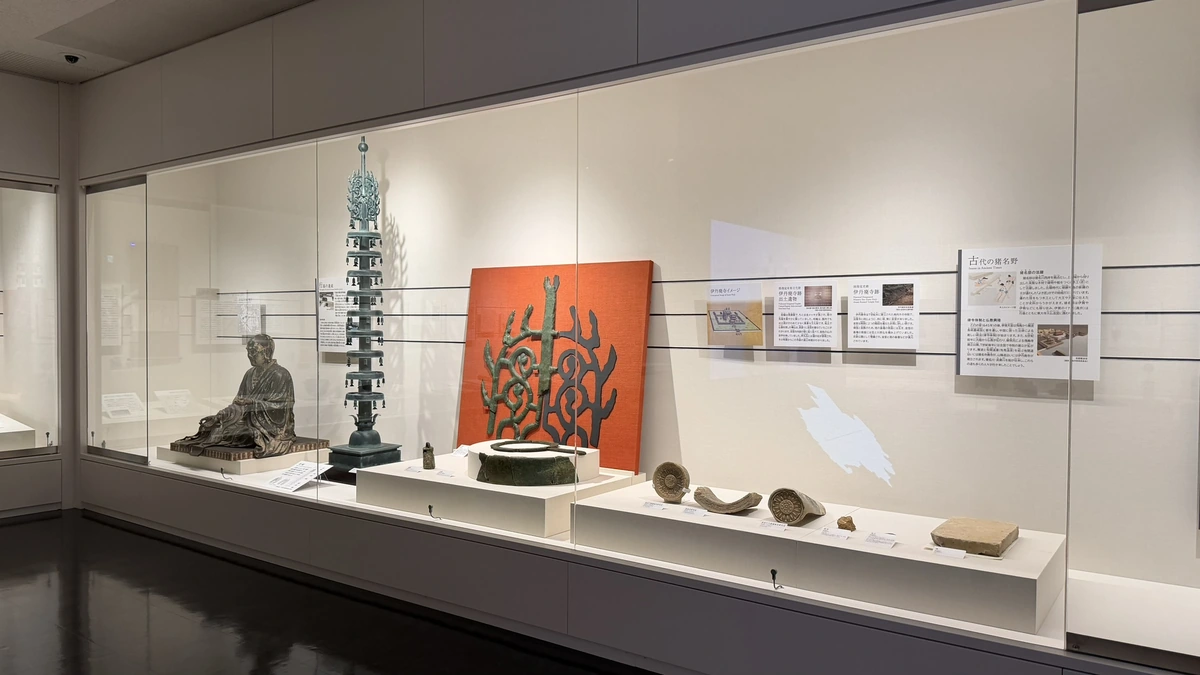
- The themed cases for ancient Itami and early-modern Itami — Buddhist statuary, roof tiles and cast metalwork in one, sake brewing and the merchant town in the other
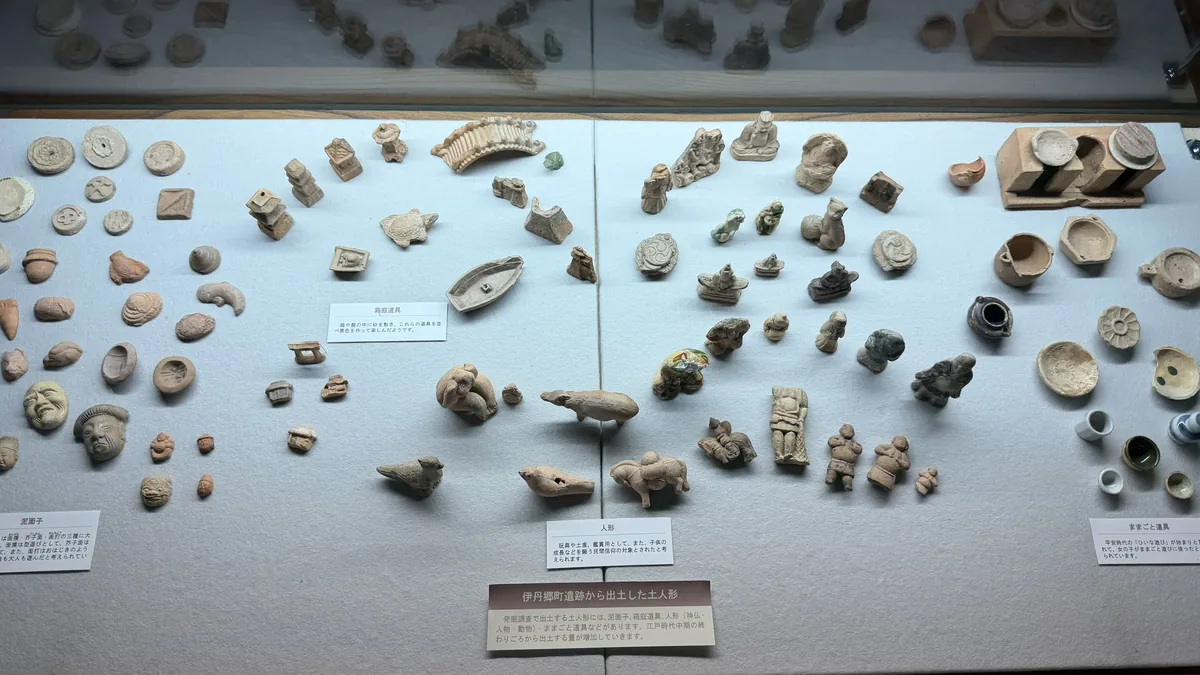
- Excavated clay figurines, miniature-garden pieces and toy utensils from the town site, showing how children played from the Edo into the Meiji period
- The adjoining former Ishibashi residence, a prefecturally designated merchant house relocated and preserved here: the exterior, the reception rooms, the upstairs chamber and the kitchen hearth
Photos from the museum
Tap any photo to enlarge
Visiting details
| Address | 2-5-20 Miyanomae, Itami City, Hyogo |
|---|---|
| Access | About 9 minutes' walk from either JR Itami or Hankyu Itami Station, walked on the July 2026 visit. The museum's own guidance gives about 6 minutes northwest from JR Itami and about 9 minutes northeast from Hankyu Itami. |
| Opening hours | 10:00–18:00 (last entry 17:30) |
| Closed | Mondays (open if a public holiday, closed the next weekday); 29 December – 3 January |
| Admission | Gallery 4, the permanent history display, is free. Charges for other exhibitions vary by exhibition. |
| Photography | Permitted only where it is allowed, and the rules differ between exhibitions |
| Facilities | Lift access to the galleries; wheelchairs available to borrow |
| Time needed | About 30 minutes for the history gallery and the former Ishibashi residence (July 2026 visit) |
Planning the walk around a fortified town that stretched about 1.7 km
The four numbered sections above are a way of sorting the evidence, not a walking order. On the ground the sites are strung out north and south of JR Itami Station: the Kishi Fort rampart at the northern end, the main enclosure right by the station, Kosonji just south of it, and the museum to the northwest. That spread is the point. Walking it is how the figure of 1.7 km stops being a statistic.
The walking loop from JR Itami Station
JR Itami Station to Kosonji Temple, Arioka Castle Ruins, Itami City Museum, Inano Shrine and the Kishi Fort site, then back to the station. It shows how the four stops sit north and south of the station and how far apart they really are. The times shown are walking times only and do not include looking around.
On the July 2026 visit the route ran like this: out of JR Itami Station to look at the terrace slope on the east side of the main enclosure, northwest to the museum, north along Miyanomae street to Inano Shrine and the Kishi Fort rampart, then back south through the sake-brewery street to Kosonji, and finally into the historical park before returning to the station. That circuit took about an hour and forty-five minutes including all the walking. Allow around two and a half hours if you want to linger in the museum or stop for a break.
Head west from the ticket gates. Seeing the terrace slope and the stonework first makes the height of the enclosure obvious once you climb into the park.
About nine minutes' walk northwest. Taking the excavated objects and the town diagram first gives you something to recognise at every later stop.
Through the white-walled townhouses to the stone torii and the lantern-lined approach. After paying respects, continue northwest to the rampart and the Kishi Fort panel.
The street that carries Itami's brewing history leads down to the south side of the station. The gate, main hall and panel take only a few minutes.
Up the stone steps into the main enclosure for the building foundations, the well, the wisteria trellis and the panels, then straight back to the station.
If time is tight, the historical park alone still tells you where the centre of the castle stood. If you want the scale of the thing, walk to the rampart at Inano Shrine. Standing on a wooded rise 1.5 km from a station-front lawn and realising both were inside the same castle is the part of this visit that stayed with me.
The Arioka Castle goshuin
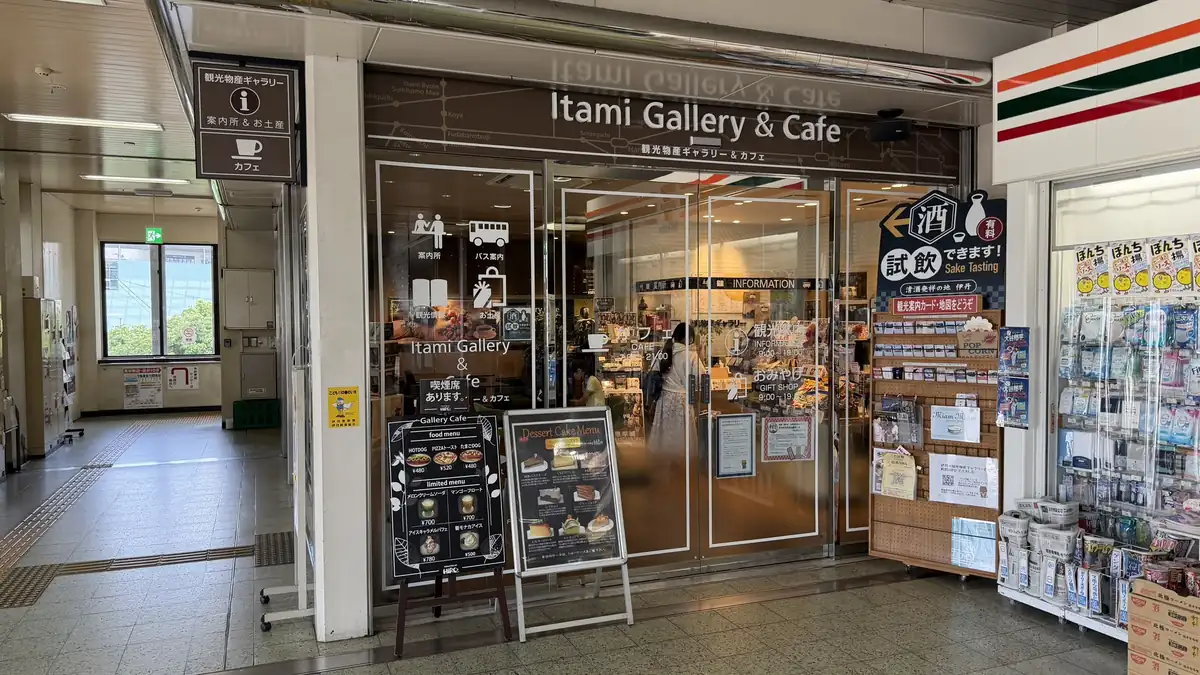
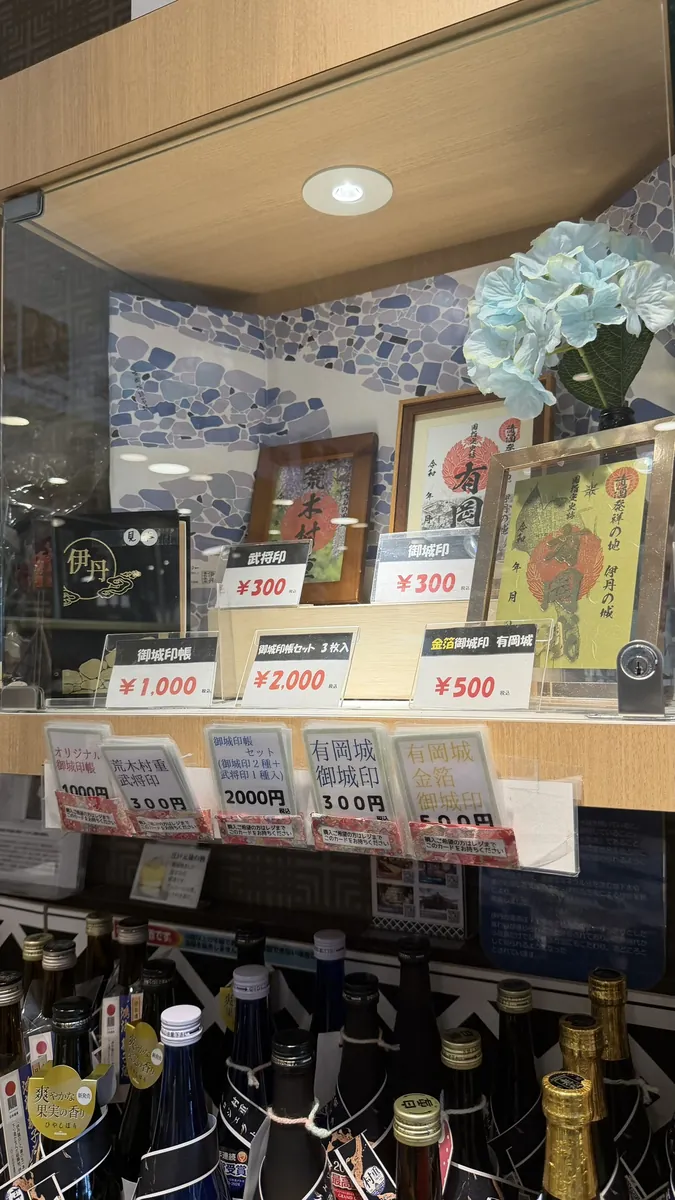
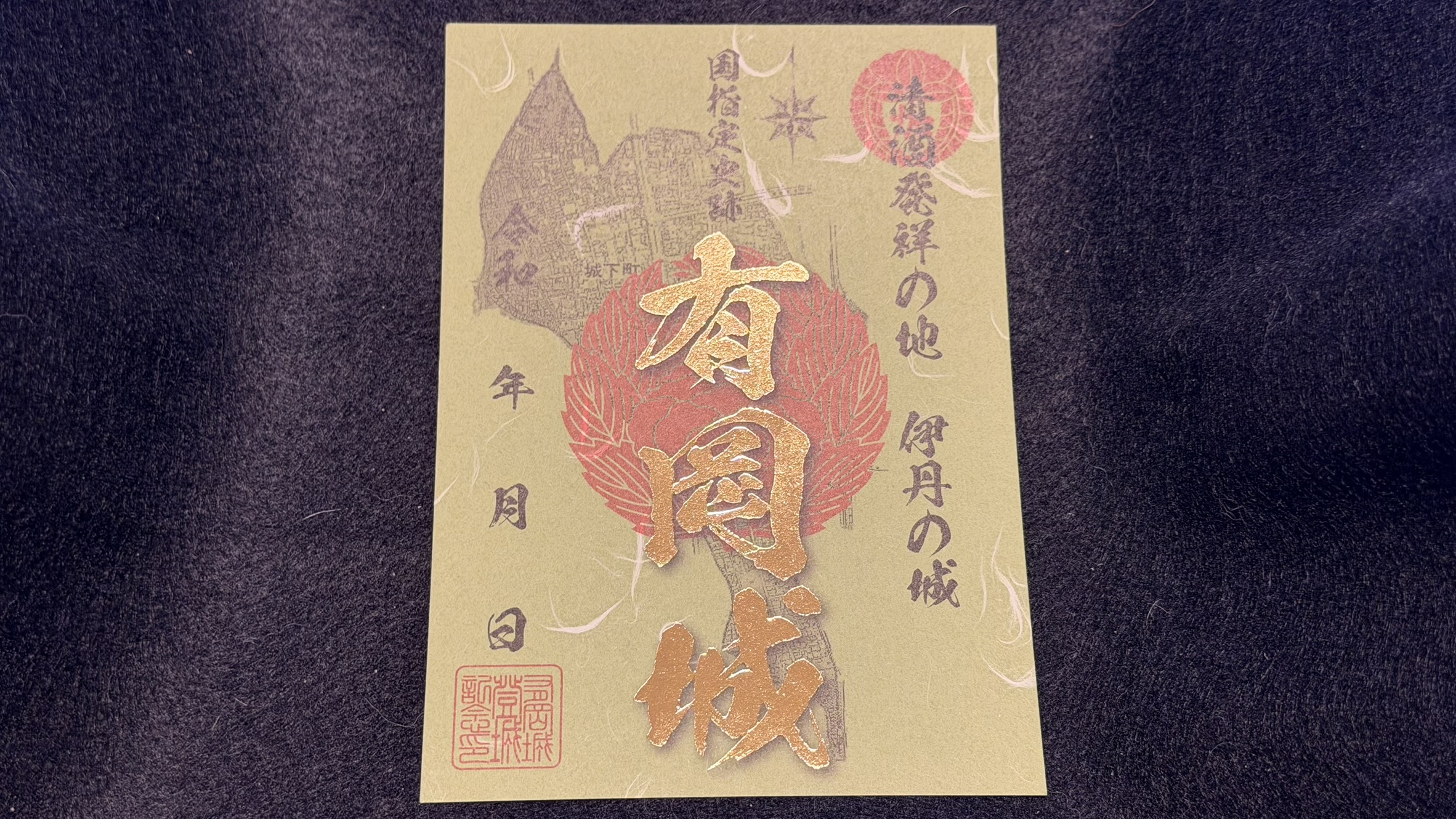
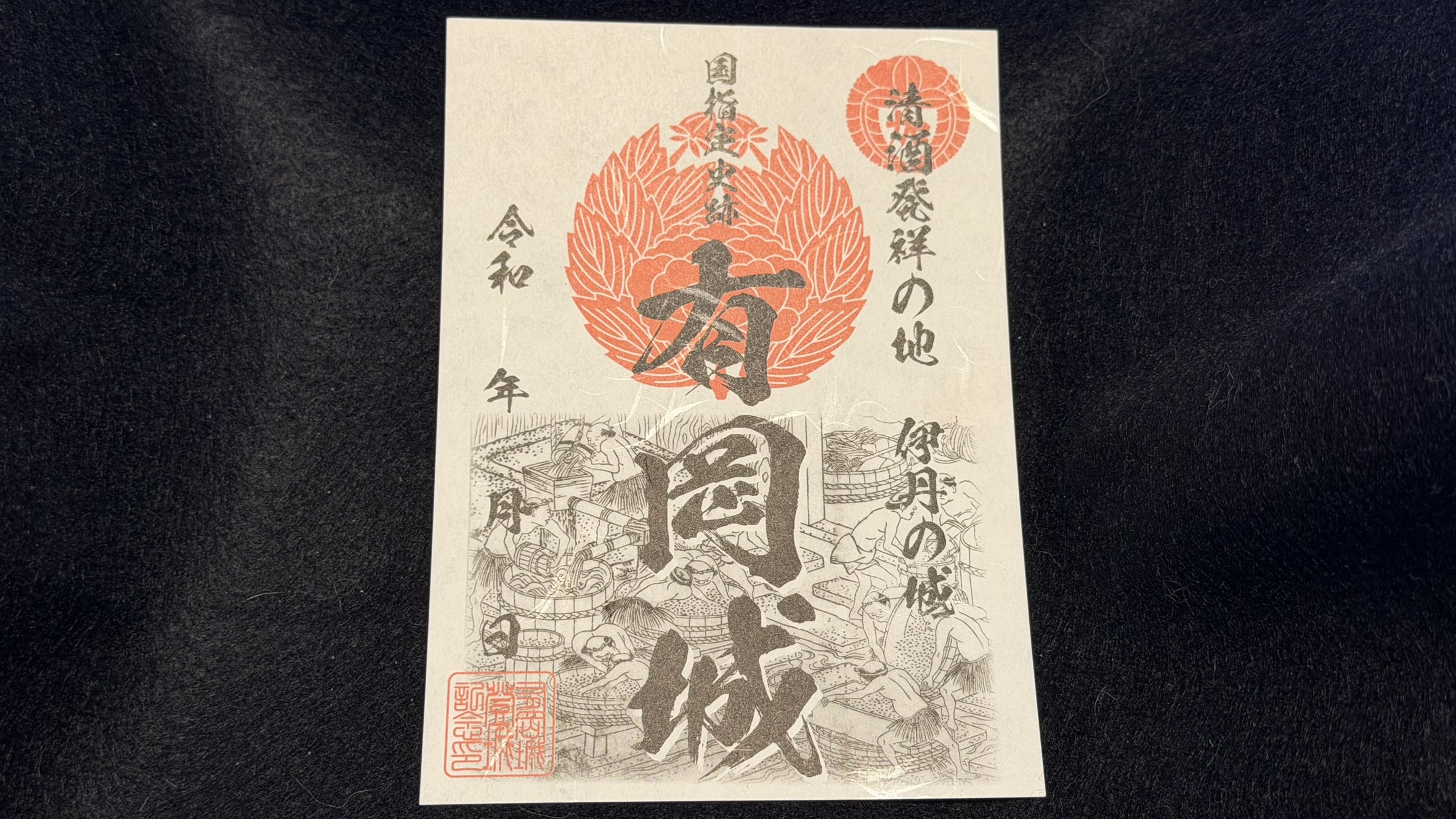
There is no goshuin counter at the historical park itself. During the July 2026 visit, the Arioka Castle goshuin (a stamped paper collectible sold at many Japanese castles and shrines) could be bought at the Itami Tourism and Products Gallery & Cafe, on the second floor of JR Itami Station's east exit.
Itami Tourism and Products Gallery & Cafe (goshuin counter)
| Location | 2nd floor, east exit of JR Itami Station |
|---|---|
| What's sold | Arioka Castle goshuin (confirmed on sale during the July 2026 visit; check the price and design in person) |
| Hours / closed days | Not confirmed — check official information before visiting |
Tap to enlarge
Frequently asked questions
No. The castle was abandoned in 1583, and railway construction in the Meiji period removed the eastern part of the main enclosure. What the historical park shows is building foundations, a stone-lined well and moat traces restored at their excavated positions, the main-enclosure stone wall restored facing the steps on the park's north side, and — elsewhere in the park — retaining walls built during park construction rather than castle stonework. This is a ruins visit, not a building visit.
No. Its location is not established by the public sources available. The well in the park is a restored excavated well, not a prison, and the wisteria trellis was planted long afterwards in memory of the story that Kanbei took heart from wisteria he could see from confinement. No spot on the site can be identified as the cell.
The main enclosure is laid out as a public park with no gate and no reception desk. Itami City's official page lists no admission fee or opening hours, and none was posted when we visited in July 2026. At Itami City Museum, Gallery 4 — the permanent history display — is free, while charges for other exhibitions vary.
Not at the historical park itself — there is no counter there. During our July 2026 visit, it could be bought at the Itami Tourism and Products Gallery & Cafe, on the second floor of JR Itami Station's east exit. Price, design, availability and the shop's hours can change, so check current information before you go.
In the northwest of the precinct. Follow the approach from the torii to the worship hall, then keep going northwest until wooded ground rises above the level around it. That rise is the rampart, and a panel explaining the fort stands nearby. Nothing is fenced off, so read the panel first.
About an hour and forty-five minutes including walking, on the July 2026 visit starting and finishing at JR Itami Station. Allow around two and a half hours if you want to spend longer in the museum or take a break. The historical park on its own takes 15–20 minutes.
Yes, this is the site of the castle shown in NHK's 2026 taiga drama Toyotomi Kyodai!, whose episode 24 on 21 June 2026 covered Kanbei's captivity and the siege. It is the historical site, not a filming location, and the drama is a dramatisation, so do not read its plot as a record of events.


comment