Osaka Castle Park: All 4 Areas Explored – Spots, History & Visitor Guide
Personally visited · 20+ spots across 4 historic areas · On-site photos · Important Cultural Properties · Toyotomi & Tokugawa legacy
What Is Osaka Castle Park?
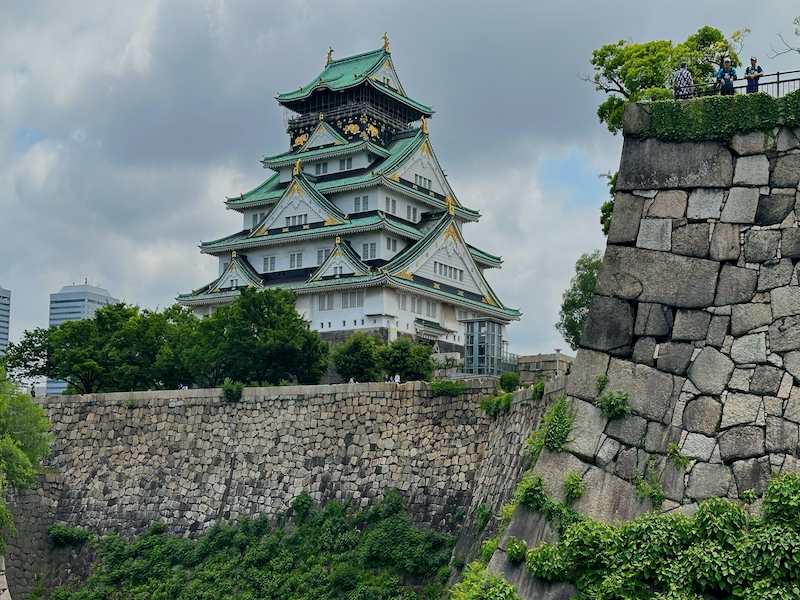
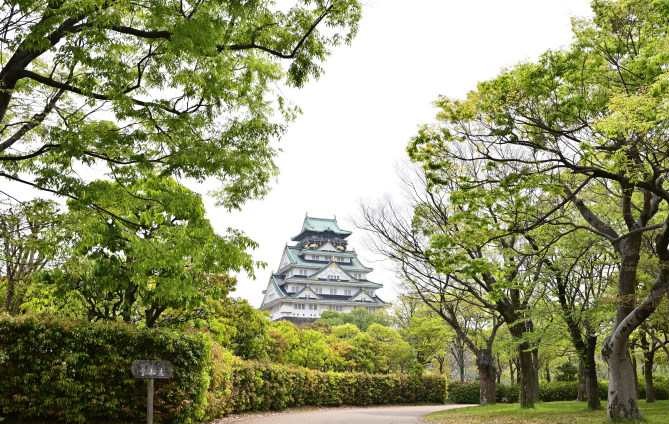
Osaka Castle Park is one of Japan’s most historically layered sites — built by Toyotomi Hideyoshi in 1583 as a symbol of his drive to unify Japan, destroyed and rebuilt by the Tokugawa Shogunate in the 1620s, and now a sprawling 105.6-hectare public park in central Osaka. I have personally walked all four areas of the grounds and documented 20+ spots with on-site photographs and historical notes. Most visitors see only the Main Tower. This guide goes further.
The four areas span the full drama of Japanese history: the Otemon Gate Area with its Tamon Yagura (Important Cultural Property, originally built in 1628 and rebuilt in 1848) and Japan’s largest castle stones; the Nishinomaru Garden housing Sengan Yagura, Inui Yagura, and the rare all-stone Enshōgura gunpowder storehouse; the Honmaru with the 108-ton Takoishi, underground Toyotomi stone walls buried since 1615, and the Gold Storehouse; and the Northern Stronghold — the least-visited, most historically charged corner of the park, associated with the Toyotomi clan’s final defeat in 1615.
Quick Tour: 7 Must-See Spots for First-Time Visitors
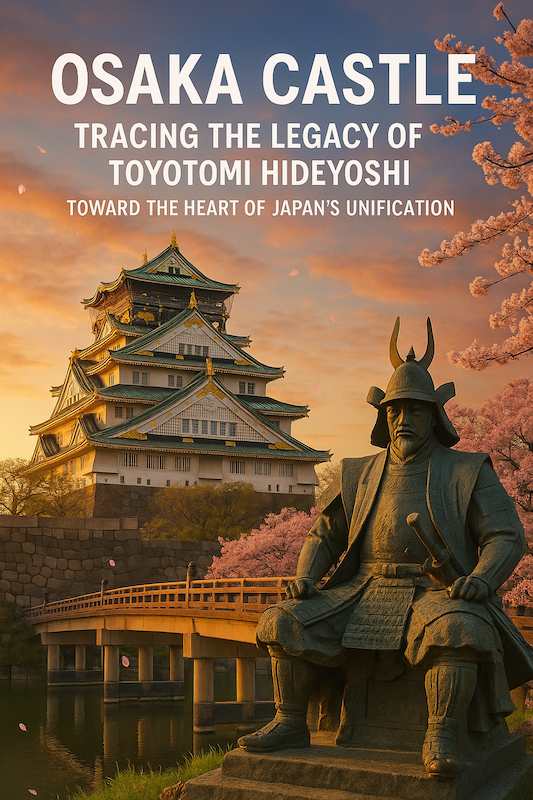
Short on time? Our curated quick tour covers the 7 most iconic spots in under 2 hours — from Otemon Gate to Gokurakubashi Bridge. Easy to follow, great for photos, and perfect for a first visit.

Discover the Best of Osaka Castle in One Morning
A curated walking tour of the 7 most iconic spots — from Otemon Gate to Gokurakubashi Bridge. Perfect for first-time visitors. Includes walking directions and on-site photos.
Complete Guide: Explore All Four Areas
Ready to explore every corner of Osaka Castle? Each area guide features detailed spot-by-spot coverage with on-site photography, historical background, data tables, and access information.
Area Guides
Area Guide 1
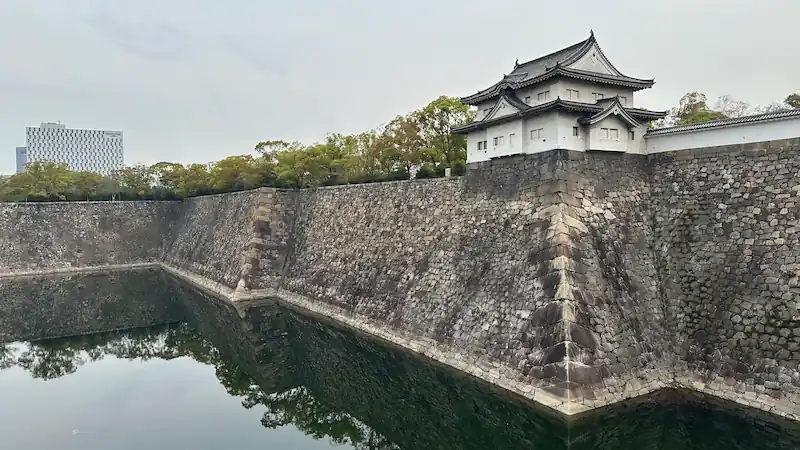
Otemon Gate & Tamon Yagura
The grand main entrance. Tamon Yagura (Important Cultural Property, originally built in 1628 and rebuilt in 1848), Japan’s largest castle stones, and kokuinseki-engraved walls.
▶ 5 spots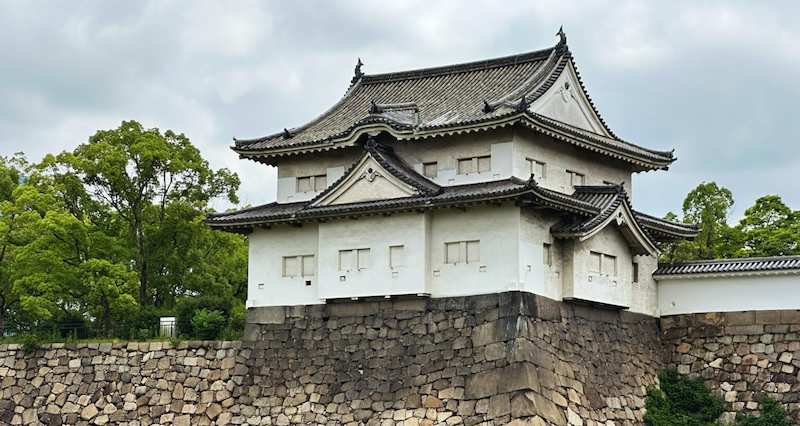
Area Guide 2
Nishinomaru Garden
Traditionally said to be the former residence site of Kita no Mandokoro (Nene). Two ICP turrets (1620), the rare all-stone Enshōgura gunpowder storehouse, and 300 cherry trees. Separate seasonal admission.
▶ 9 spots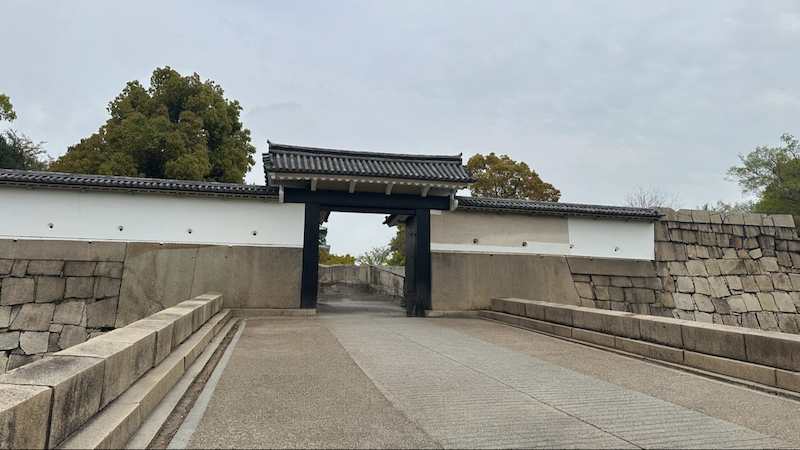
Area Guide 3
Honmaru – The Heart of the Castle
Sakuramon Gate with the 108-ton Takoishi, underground Toyotomi stone walls (buried 1615), Kinzo Gold Storehouse, and the Main Tower museum.
▶ 9 spots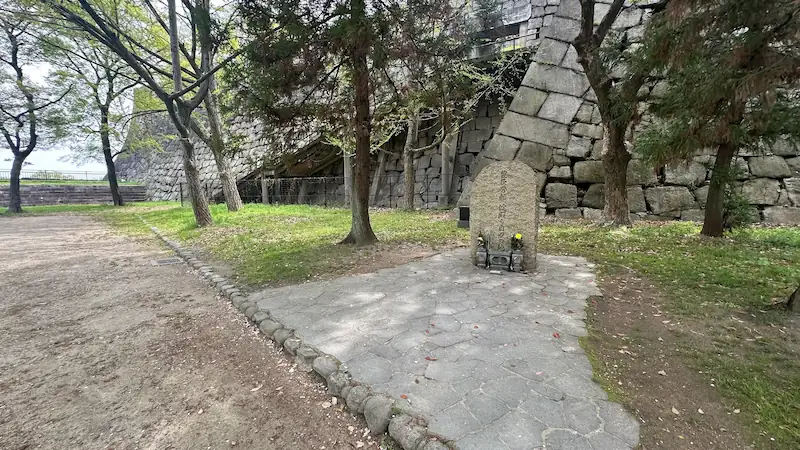
Area Guide 4
Northern Stronghold
The least-visited, most dramatic area. The site associated with the deaths of Hideyori and Lady Yodo in 1615, the Hidden Bailey, Higo Stone, and Aoyamon Gate.
▶ 7 spotsInsider Tips from My Visit
◆ On-Site Observations
- Visit the Northern Stronghold first. Most visitors loop through Otemon → Honmaru → Northern Stronghold, which means the north side gets the afternoon crowds. Going in reverse keeps you ahead of the groups — and the Northern Stronghold is almost always quiet regardless.
- The Gokurakubashi Bridge reflection is best in the morning. Morning light from the east creates the clearest mirror image of the Main Tower in the inner moat. By midday, the angle changes and the effect diminishes.
- Nishinomaru Garden fills completely during cherry blossom season. In early April, the 300 Somei Yoshino trees create a spectacular scene — but the garden is wall-to-wall with visitors. Weekday mornings or late afternoon are significantly calmer.
- The Honmaru becomes very busy from mid-morning on weekends. The queue for the Main Tower elevator can reach 30–40 minutes. Arriving at opening (9 AM) avoids the worst of it.
- Most of the historically significant spots are free. The 108-ton Takoishi, the Hidden Bailey, the site associated with the deaths of Hideyori and Lady Yodo, and Gokurakubashi Bridge can all be seen without paying anything. Some Important Cultural Property structures in Nishinomaru require separate garden admission.
Overall Map
Osaka Castle History: 1583 to Today
1583
Toyotomi Hideyoshi commences construction on the site of Ishiyama Hongan-ji. Envisioned as the center of a unified Japan, the castle features massive stone walls and golden ornamentation symbolizing Hideyoshi’s authority.
1615
The Siege of Osaka (Summer Campaign). Tokugawa Ieyasu eliminates the Toyotomi clan. Toyotomi Hideyori and Lady Yodo die in the Northern Stronghold area. The original Toyotomi castle is destroyed and its stone walls buried under 6 meters of earth.
1620–1629
Tokugawa Shogunate rebuilds Osaka Castle from scratch. 64 western domains are mobilized for the construction. All stone walls visible today — including the 108-ton Takoishi — date from this Tokugawa reconstruction, not from Hideyoshi’s era.
1665
The main keep is struck by lightning and burns down. It is not rebuilt for over 250 years, leaving the castle without its central tower throughout the Edo period.
1931
The current Main Tower is reconstructed using public donations from Osaka citizens — a remarkable act of civic pride during the Great Depression. The exterior is modeled on the Toyotomi-era keep.
1984
Excavations uncover the original Toyotomi stone walls buried beneath the Honmaru. Now displayed at the Osaka Castle Toyotomi Stone Wall Museum.
1997
The Main Tower is registered as a Tangible Cultural Property of Japan, recognizing its historical and civic significance as a structure of the modern era.
How to Get to Osaka Castle Park
| Nearest Station | Osaka Metro Tanimachi 4-chome Station (Exit 1-B) – approx. 10-min walk to Otemon Gate (main entrance) Osaka Metro Nagahori Tsurumi-ryokuchi Line Osaka Business Park Station – convenient for the northern side near Aoyamon Gate |
|---|---|
| Main Tower Hours | 9:00 AM – 6:00 PM (last entry 5:30 PM) · Closed Dec 28 – Jan 1 |
| Main Tower Admission | Adults ¥1,200 · University & high school students ¥600 (proof required) · Junior high school students and younger free (proof required) · Includes Osaka Castle Toyotomi Stone Wall Museum |
| Nishinomaru Garden | Separate seasonal admission · ¥350 through Apr 12, 2026 · ¥300 from Apr 13, 2026 · Closed Mondays (or Tuesday if Monday is a holiday) Mar–Oct: 9:00 AM – 5:00 PM · Nov–Feb: 9:00 AM – 4:30 PM · Last entry 30 minutes before closing |
| Grounds | Free entry · Open year-round (24 hours) |
| Official Website | osakacastle.net · osakacastlepark.jp |
Frequently Asked Questions
Hideyoshi & Ieyasu: The Two Warlords of Osaka Castle
Osaka Castle is inseparable from the two figures who shaped Japan’s unification era — the man who built it, and the man who destroyed and rebuilt it.


comment