


← Part of the Hosokawa Gracia Travel Guide — 4 sites in Kyoto & Osaka. See also the Kyoto & Osaka Region Hub.
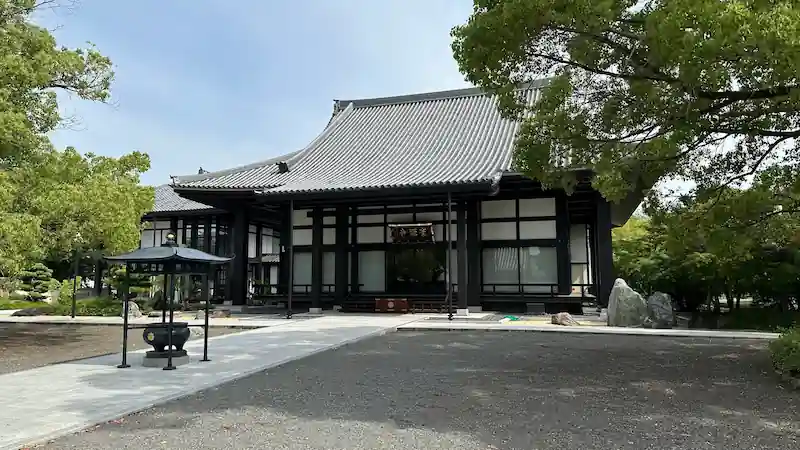
If you were moved by Lady Mariko in Shogun, discover the true story of her inspiration—Hosokawa Gracia. At Sōzen-ji Temple in Osaka, you can visit her grave and walk through centuries of drama, faith, and samurai legacy.
On This Page
Sōzen-ji Temple: History & Origins
Overview
Nestled in Higashiyodogawa Ward, Osaka City, Sōzen-ji Temple is traditionally said to trace its origins back to the Tempyo era (729–749 AD), with local records attributing its founding to the renowned Buddhist monk Gyōki (Osaka City's own historical materials also preserve a separate tradition crediting Prince Shōtoku). Over the centuries, the temple has transitioned through various sects—from Hossō to Sōtō Zen—preserving a continuous thread of spiritual and cultural history from the Nara period to the present day.
A pivotal moment in its history occurred during the Kakitsu Rebellion in 1441, when Shōgun Ashikaga Yoshinori was assassinated by Akamatsu Mitsusuke. According to temple lore, Yoshinori's head was abandoned at Sōzen-ji. In response, the temple was solemnly revitalized under the patronage of Hosokawa Mochikata, becoming the family temple for both the Ashikaga and Hosokawa clans.
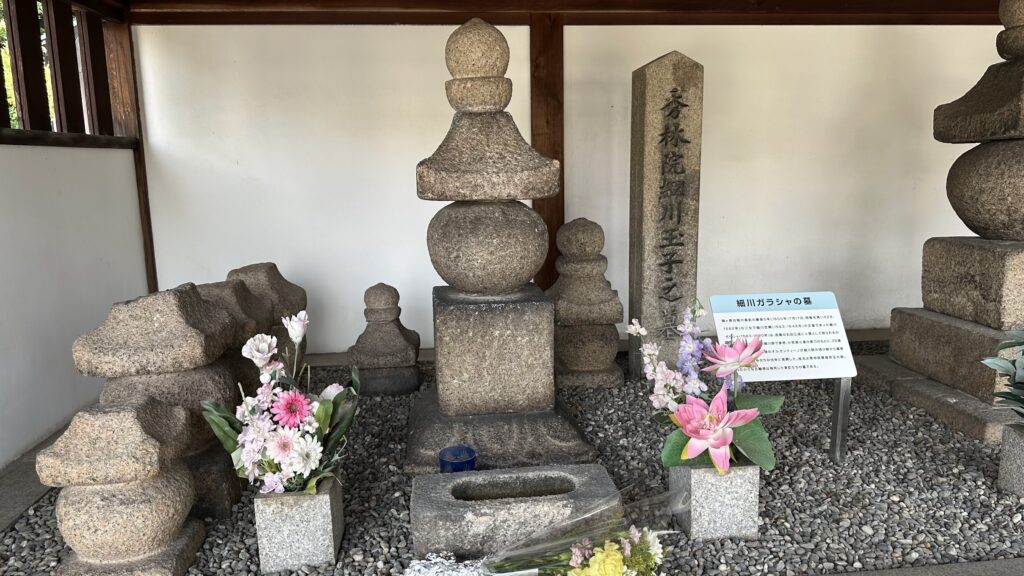
Due to this connection, the remains of Hosokawa Gracia (also known as Tama, daughter of Akechi Mitsuhide), who died in 1600, are said to have been reinterred here from Sakai by Christian missionaries in 1601 (Keichō 6). She now rests behind the main hall, beside Yoshinori's burial mound. Today, Sōzen-ji continues to draw visitors as a site rich in history, religious significance, and as a poignant symbol of the tragic yet noble life of a samurai woman—Gracia, the inspiration for Lady Mariko in the drama Shogun.
Access & Visiting Hours
Access Information
| Address | 5-27-44 Higashinakajima, Higashiyodogawa-ku, Osaka, Japan |
|---|---|
| Nearest Stations | Approx. 10-min walk from JR/Osaka Metro Shin-Osaka Station (M13/JR-A46), a major Tokaido/Sanyo Shinkansen stop. Approx. 5-min walk from Hankyu Kyoto Line Sōzenji Station (HK-62). |
| Practical Shinkansen Station | Shin-Osaka Station (Tōkaidō/Sanyō Shinkansen) — about a 10-minute walk from the shinkansen gates to the temple. |
| Travel Time From Major Cities | From Tokyo: approx. 2h25m–2h30m by Nozomi shinkansen to Shin-Osaka (plus the 10-min walk). From Kyoto: approx. 13–15 min by shinkansen, or about 25–30 min on the JR Kyoto Line. From Nagoya: approx. 50 min by Nozomi shinkansen. (Estimates — actual time varies by train and connection.) |
| Opening Hours | Unconfirmed — third-party map listings show 7:00–19:00 daily, but official temple hours could not be verified |
| Recommended Visit Time | Based on our May 2025 field visit: about 20–30 minutes for the gravesite alone, or around 1 hour to explore the grounds more slowly |
| On-Site Difficulty | Flat city streets; the temple is reachable entirely on foot from the station (easy). |
| Recommended Transport | Train + walking |
| Parking | Unconfirmed — no dedicated visitor parking is listed on official sources; a nearby coin-operated lot is the practical option. |
| Notes | Opening hours are not officially confirmed. If you plan to visit very early or late in the day, it's a good idea to contact the temple in advance (06-6322-9309) to confirm they can accommodate you. |
From Kansai International Airport (KIX)
Approx. travel time: 60 minutes
Fare: 1,260 yen
From Shin-Osaka Station (M13/JR-A46)
You are already at your destination station.
Approx. travel time: 0 minutes
Fare: 0 yen
Highlights
Gravesite of Ashikaga Yoshinori and Hosokawa Gracia
Behind the main hall lies a solemn cemetery featuring the burial mound of Shōgun Yoshinori's head and the stone monument for Gracia's remains. Although other possible sites exist—such as in Harima—Osaka City's own historical guide also identifies this mound as Yoshinori's burial site.
Temple Complex and Revival History
The temple's restoration was led by Tokusō Kyōrin, invited to serve as the new founding priest during the revival period. With donations from Hosokawa Mochikata and Katsumoto, the temple's domain grew, solidifying its influence in the Nakajima area.
Expansive Grounds and Cultural Heritage
Sōzen-ji once continued to expand its estate. Today, the grounds include a postwar tea garden planted with tea bushes—an unusual choice for a temple garden—along with a monument honoring war dead, offering a blend of history and serenity.
Seasonal Atmosphere
With cherry blossoms and camellia shrubs adorning its grounds, Sōzen-ji provides a peaceful escape from the bustle of Shin-Osaka, inviting visitors to reflect amid the tranquil beauty of the changing seasons.
A Quick, Easy Stopover
Being so close to Shin-Osaka Station, Sōzen-ji is easy to fit into a stopover on the way through Osaka. It also makes for a memorable stop for anyone who has followed Shogun—this is the actual resting place behind the story of Lady Mariko.
Trivia
After the Hosokawa residence burned down, Gracia's remains were initially interred in a Christian churchyard in Sakai by missionaries. They were later moved to Sōzen-ji, the Hosokawa family's designated temple, ensuring her final rest in accordance with her heritage.
While the authenticity of the burial mound remains debated, local records and historical testimony uphold Sōzen-ji's role as a place of mourning for Yoshinori's remains.
A poignant farewell poem traditionally attributed to her, beginning with "To know the time to fall like a flower…", continues to echo her unwavering faith and noble spirit, resonating across centuries.
Grave of Hosokawa Gracia — Detailed Notes
| Date of death | 17th day of the 7th month, Keichō 5 (August 25, 1600 in the Gregorian calendar) |
|---|---|
| Age | 38 |
| Father | Akechi Mitsuhide (1528–1582) |
| Husband | Hosokawa Tadaoki (1563–1646) |
| Posthumous name | Shūrin'in Kayasōgyoku Taishi (秀林院華屋宗玉大姉) |
| Reinterment at Sōzen-ji | Said to have occurred in 1601 (Keichō 6) |
On the 17th day of the 7th month of Keichō 5 (August 25, 1600 in the Gregorian calendar), just before the Battle of Sekigahara, Hosokawa Gracia (1563–1600)—the third daughter of Akechi Mitsuhide and the lawful wife of Hosokawa Tadaoki—ended her life at the age of 38. She chose death over being taken hostage by the Western Army led by Ishida Mitsunari, perishing at the Hosokawa residence in Tamatsukuri, Osaka, under the blade of the retainer Ogasawara Kosai.
After the residence was set ablaze, her remains were recovered and entrusted to the Jesuit missionary Organtino. Following burial rites connected with Sakai, they are said to have been reinterred at Sōzen-ji Temple, associated with the Hosokawa family, in 1601 (Keichō 6).
Surrounding her gravestone are several small gorintō (five-tiered pagoda-style gravestones), marking the final resting places of retainers who committed junshi (ritual suicide in loyalty) following her death.
Photo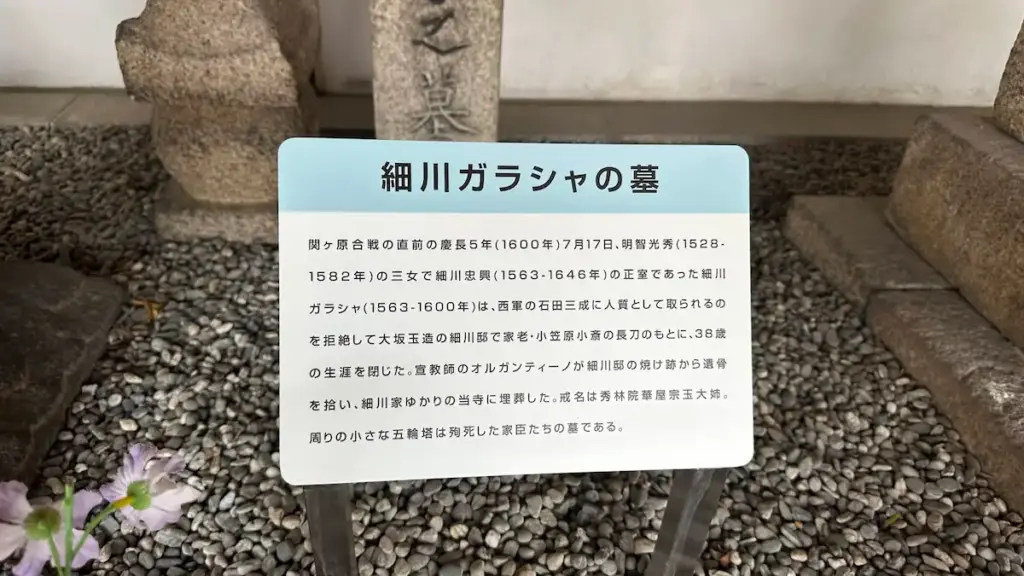
Tap to enlarge
Photo GalleryFrequently Asked Questions
Sōzen-ji Temple is known as the resting place of Hosokawa Gracia, the historical inspiration for Lady Mariko in Shogun. It also holds a burial mound linked to Shōgun Ashikaga Yoshinori, who was assassinated in the Kakitsu Rebellion of 1441.
It's about a 10-minute walk from JR/Osaka Metro Shin-Osaka Station (M13/JR-A46), or about a 5-minute walk from Hankyu Kyoto Line Sōzenji Station (HK-62).
Official opening hours have not been confirmed by the temple. Third-party map listings show 7:00–19:00 daily; if you're planning to visit very early or late, it's best to contact the temple in advance (06-6322-9309) to confirm.
On our May 2025 field visit, about 20–30 minutes was enough for a short stop at the gravesite; allow around an hour if you want to explore the grounds more slowly.
Yes—its proximity to Shin-Osaka Station makes it an easy stop on the way through Osaka, and for fans of Shogun, it's the real-world site behind the story of Lady Mariko.
More on the Hosokawa Gracia Trail
☕ Support This Site
Following the Shogun is built on original fieldwork and on-site research.
If you found this guide useful, your support helps keep it going.

You can also support via QR code


comment