
Daitokuji Exhibition in Tokyo: A Visitor's Guide to Zen Treasures Linked to Nobunaga, Hideyoshi and Rikyu
Treasures from Daitokuji, a Zen temple in Kyoto, are on show in Tokyo until December 6, 2026. I visited on October 18, went in at opening time and spent about two and a quarter hours inside. This guide covers what to see, when each highlight is on display, and how entry works.
On this page
- What the exhibition is (and is not)
- Display dates: Term 1 and Term 2
- Tickets and discounts: how to pay less
- Highlights from my visit
- Manga, anime and games: who you can meet here
- Why Daitokuji matters to samurai history and tea culture
- Time needed and what to expect
- Getting to the Heiseikan in Ueno
- Audio guide, shop and other galleries
- Where to stay
- FAQ
What the exhibition is (and is not)
The official English title is Daitokuji: A Zen Temple Beyond Compare, a special exhibition marking 700 years since the temple's founding. It is held in Tokyo, not Kyoto: the venue is the Heiseikan building of the Tokyo National Museum in Ueno Park. Daitokuji itself is a large Rinzai Zen temple complex in northern Kyoto, made up of a main temple and many sub-temples (tatchū). Paintings, calligraphy, sculpture and tea utensils from those temples have come to Tokyo for this show.
Why would a Zen temple hold portraits of warlords and famous tea bowls? Daitokuji began under the patronage of the imperial court, then won support from the merchants of Sakai, the trading port near Osaka, and from samurai lords of the Sengoku (Warring States) period. Oda Nobunaga's funeral was held here, and the tea master Sen no Rikyu trained in Zen here. If samurai history or the tea ceremony sparked your interest in Japanese history, this exhibition shows how those people were connected to Daitokuji.
Having seen it, I would recommend it to anyone curious about Zen Buddhism or about how a historic temple survives for seven centuries. It also suits visitors who want to understand how warlords, merchants and monks shaped that history together. What comes across, through both the works and the timeline on the gallery walls, is how many people kept Daitokuji going from its founding to today.
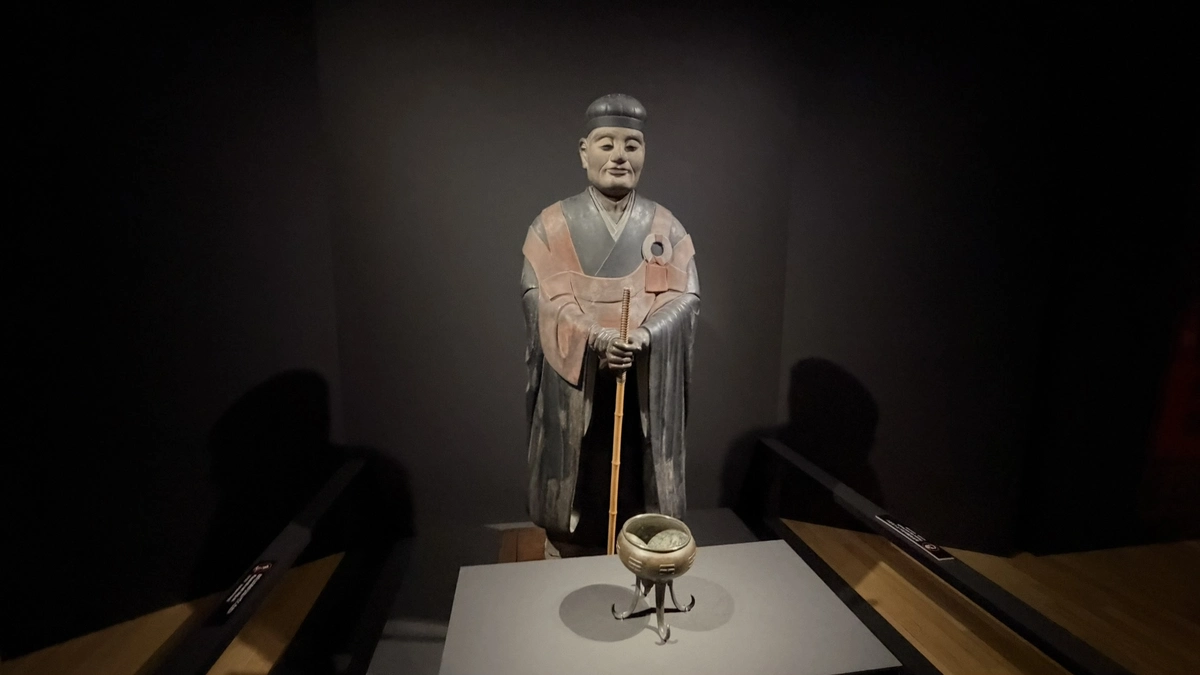
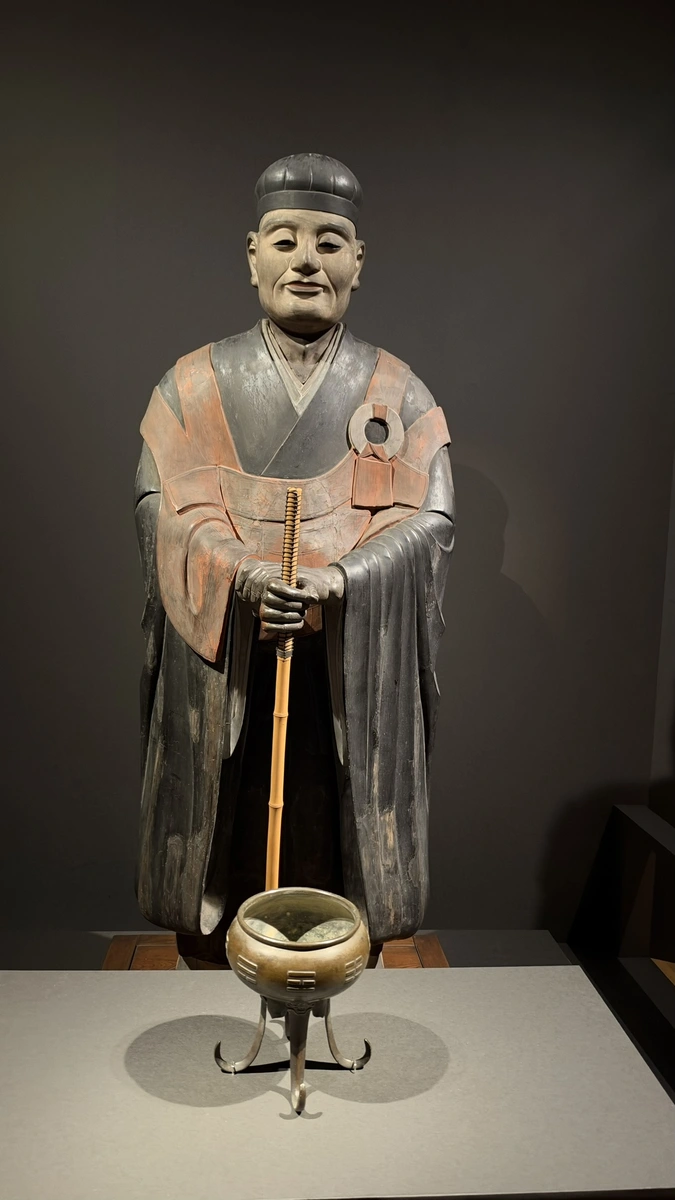
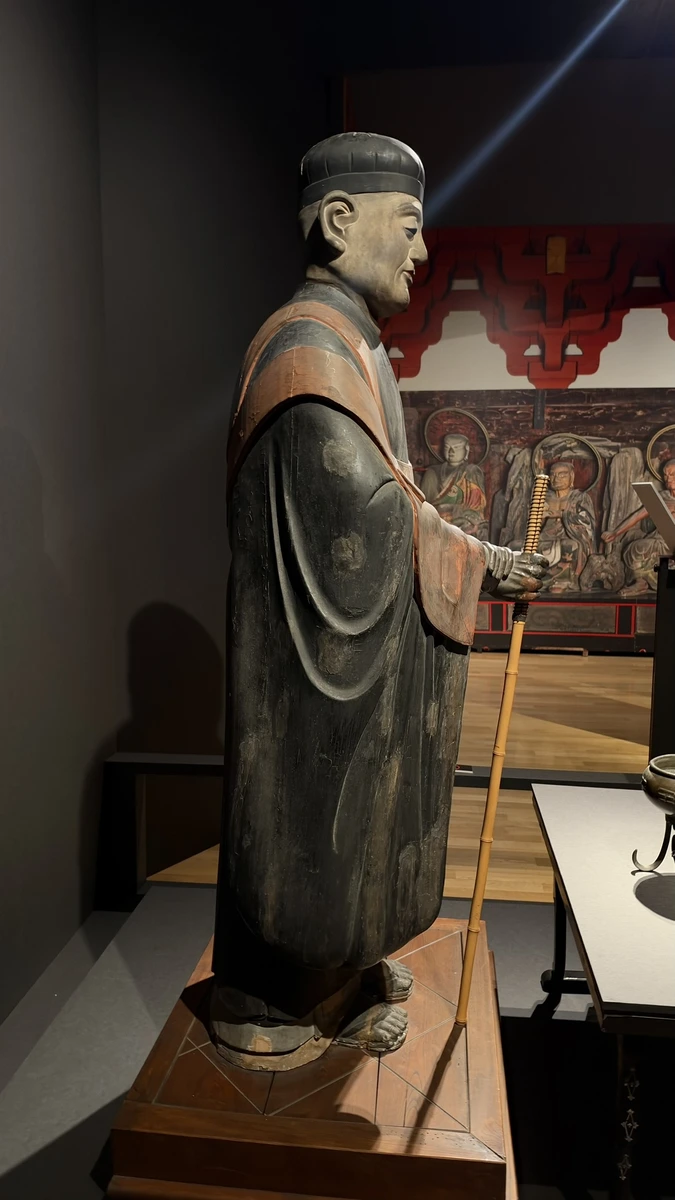
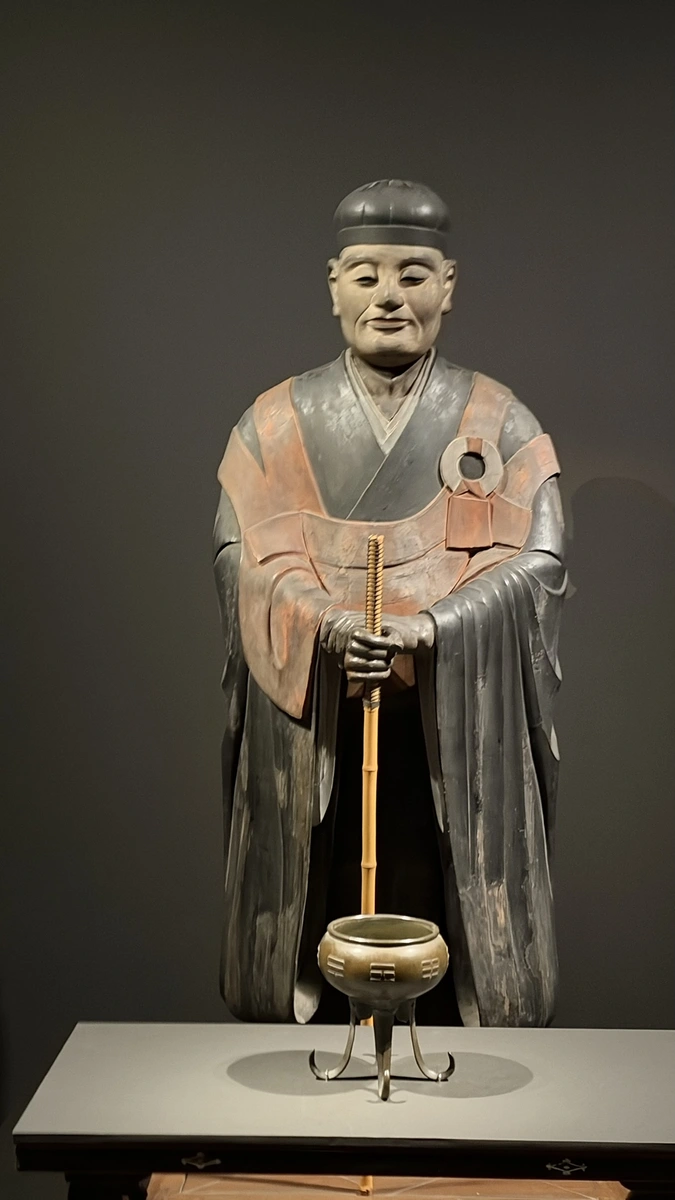
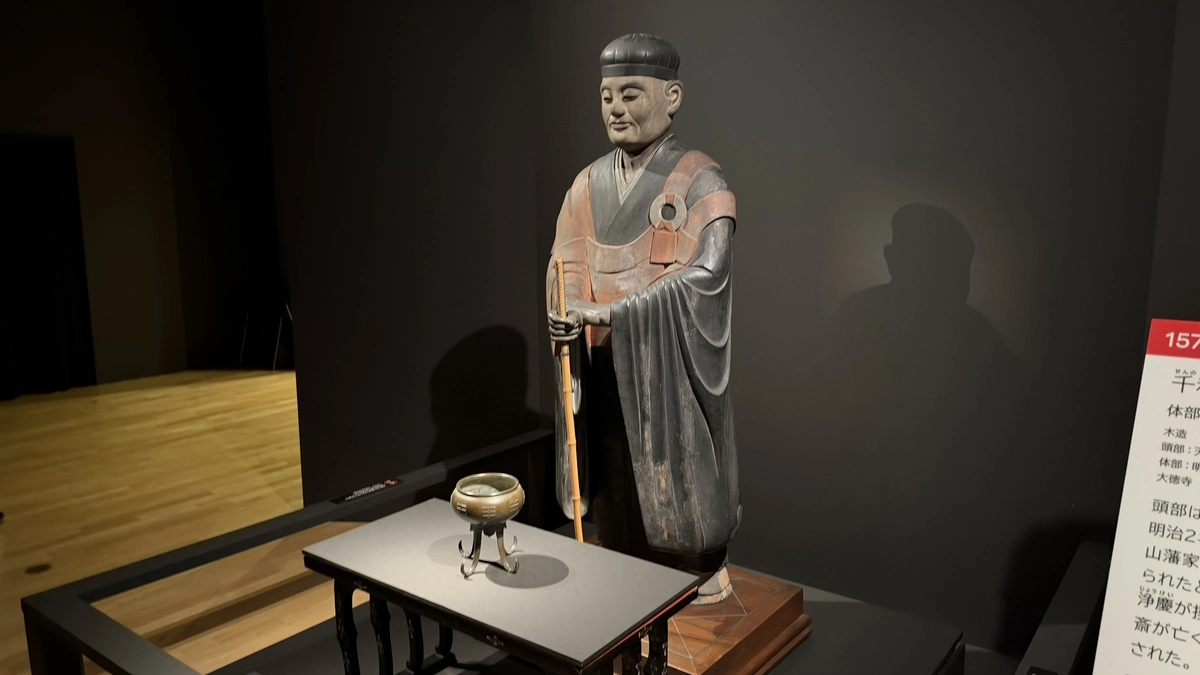
If you are interested in Sen no Rikyu, make a point of seeing the statue of Rikyu in the final gallery. Rikyu is said to have been unusually tall, around 180 cm, and the statue felt close to that height when I stood in front of it. Seeing Rikyu at roughly life size was, for me, a rare experience.
| Dates | October 14 – December 6, 2026 Term 1: Oct 14 – Nov 8 / Term 2: Nov 10 – Dec 6 |
|---|---|
| Venue | Heiseikan Special Exhibition Galleries, Tokyo National Museum, Ueno Park |
| Hours | 9:30–17:00 (until 20:00 on Fridays, Saturdays and November 1, 2 and 22). Last entry 30 minutes before closing |
| Closed | Mondays and November 24, except November 2, 23 and 30, when the exhibition is open |
| Admission | Adults 2,300 yen / university students 1,300 yen / high school students 900 yen. Junior high school age and under free. No reservation needed |
| Photography | Allowed only in the final gallery (the Epilogue). No video |
Japanese visitors may also know the story through Toyotomi Kyōdai!, NHK's 2026 historical drama about Hideyoshi and his younger brother Toyotomi Hidenaga. The exhibition is not connected to the drama, but portraits of both brothers are on display for the whole run.
Display dates: Term 1 and Term 2
Some works are rotated midway through the show, so the date you choose decides what you see. The two to watch are the portrait of Oda Nobunaga and the famous yōhen tenmoku tea bowl. There are two Nobunaga portraits, and they swap between terms. The tea bowl is shown only in Term 1.
| Work (catalogue no.) | When on display |
|---|---|
| The Warlord Oda Nobunaga (No. 88, Sōken-in) | Term 1 (Oct 14 – Nov 8) |
| The Warlord Oda Nobunaga (No. 87, Daitokuji) | Term 2 (Nov 10 – Dec 6) |
| Tea Bowl with Iridescent Spots (Yōhen Tenmoku) (No. 115, National Treasure) | Term 1 |
| Guanyin, Gibbons and a Crane by Muqi (No. 13, National Treasure) | Term 1 |
| The Zen Master Shūhō Myōchō (No. 19, National Treasure) | Term 1 |
| Verse of the Shared Precepts of the Seven Buddhas by Ikkyū (No. 62) | Term 1 |
| The Buddha Entering Nirvana by Kanō Shōei (No. 68) | Term 1 |
| Birds and Flowers by Kanō Eitoku (No. 150, National Treasure) | Term 1 |
| The Zither, Chess, Painting and Calligraphy by Kanō Eitoku (No. 151, National Treasure) | Term 2 |
| Portraits of Toyotomi Hideyoshi (No. 89) and Toyotomi Hidenaga (No. 90) | Whole run |
| Tea Bowl, Named "Kizaemon Ido" (No. 94, National Treasure) | Whole run |
| Kandoku Shinsen-Bō by Shūhō Myōchō (No. 26, National Treasure) | Whole run (section shown changes) |
| Buddha Śākyamuni with Kāśyapa and Ānanda (No. 156) and Sen no Rikyu (No. 157) | Whole run |
Catalogue numbers match the labels in the galleries but not the order of display. The full schedule, including works shown for only a week or two, is in the official English list of works (PDF). Everything I describe below is from my Term 1 visit on October 18; I did not see the works shown only in Term 2.
Tickets and discounts: how to pay less
Same-day tickets cost 2,300 yen for adults, 1,300 yen for university students and 900 yen for high school students. Children of junior high school age and under, and visitors with disabilities plus one companion, enter free with ID. Advance tickets went off sale on October 13. No timed reservation is needed. Your ticket also covers the museum's permanent collection galleries on the same day, except on November 30, when only this exhibition is open.
Ways to get a cheaper ticket
| EX Tabisaki Yoyaku | A Japanese-language booking site run by JR Central and partner companies. When I bought in October 2026 it came with a 300-yen coupon, so the 2,300-yen adult ticket cost 2,000 yen. Offers may change |
|---|---|
| Cross-discounts (100 yen off) | Show a ticket for a partner exhibition at the main gate window, for example the Turner exhibition at the National Museum of Western Art (from October 24) |
| Free admission | Junior high school age and under, and visitors with disabilities plus one companion (ID required) |
Discounts cannot be combined or applied to tickets already bought. Advance tickets (2,100 yen) and package tickets are no longer on sale.
See tickets on EX Tabisaki Yoyaku (Japanese)
Where to buy
| Main gate ticket windows | Open on museum opening days until 30 minutes before closing. The official site warns of waits of 30 minutes or more at busy times |
|---|---|
| Online (e-tix) | The official ticket site, with an English page. No booking fee for standard tickets |
| Other sellers | Klook, KKday, Trip.com and several Japanese ticket sites. Fees and ticket formats vary |
How my e-ticket worked at the door
I bought my e-ticket on EX Tabisaki Yoyaku, the travel booking service of JR Central (the railway company that runs the Tokaido Shinkansen) and its partners, and a 300-yen coupon brought the adult ticket down to 2,000 yen. The site is in Japanese and requires a login, so check the membership terms and current offer on the sales page.
With this ticket, I scanned a QR code rather than showing one on my phone. You open your ticket on your phone, tap it to bring up a scanner, and scan a QR code held by the staff. Everyone around me was showing QR codes and I had none to show, which made me nervous, but the staff guided me through it as if it were routine. There are two checkpoints:
Show the ticket on your phone to the staff.
Use the scanner on your own phone to read the QR code shown by staff. This marks the ticket as used and lets you in.
If you buy through a seller that uses this scan-in method, knowing the two steps in advance makes the entrance much less stressful.
Highlights from my visit
Photography is banned everywhere except the final gallery, so AI-generated illustrations are used below for the portraits, tea bowls and crane painting. They are not photographs of the actual works and differ from them in colour and detail.
Portraits of Nobunaga, Hideyoshi and Hidenaga
Hideyoshi staged Nobunaga's funeral at Daitokuji
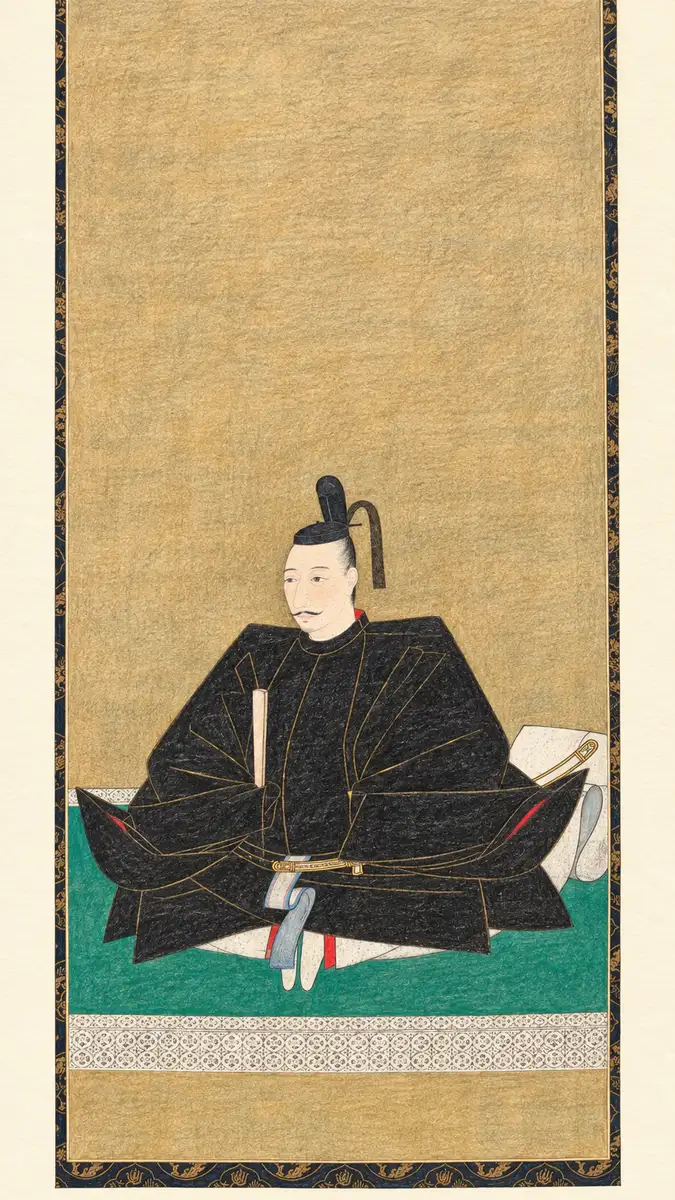
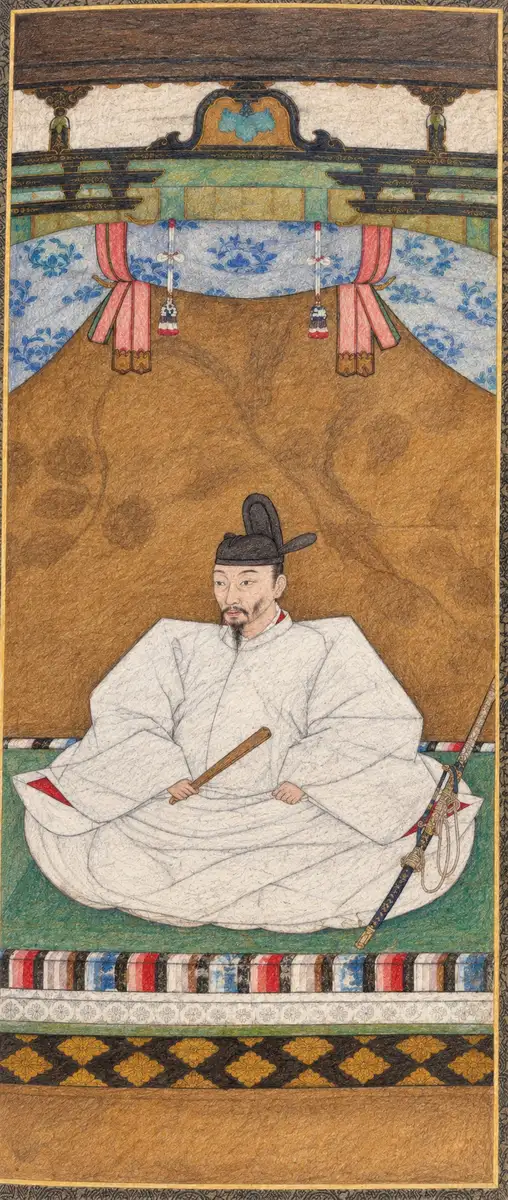
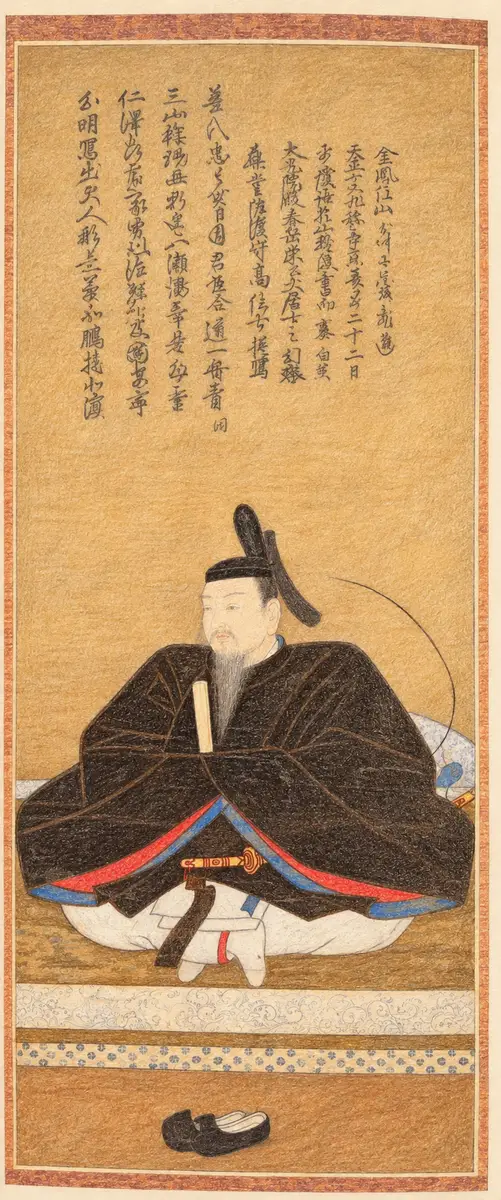
AI illustrationFrom left: inspired by the portraits of Oda Nobunaga (Sōken-in, No. 88), Toyotomi Hideyoshi (No. 89) and Toyotomi Hidenaga (No. 90). Not photographs or exact reconstructions. Tap to enlarge.
After Nobunaga died in the Honnōji Incident of 1582, it was Toyotomi Hideyoshi, his former retainer and eventual successor, who held a lavish funeral for him at Daitokuji. The following year a sub-temple, Sōken-in, was founded to pray for Nobunaga. Two portraits of Nobunaga by the painter Kanō Eitoku are in the exhibition: the Sōken-in portrait (No. 88) in Term 1 and the Daitokuji portrait (No. 87) in Term 2.
In No. 88, which I saw, the hair is painted strand by strand and there is a faint colour in the cheeks. A white band is visible behind the figure.
What to look for
- Oda Nobunaga (No. 88, Term 1): the fine hair, the colour in the cheeks and the white band behind him. The official site explains that the two Nobunaga portraits were probably made for his funeral and for the second anniversary of his death, and that the clothing on the anniversary portrait was repainted. Whether Hideyoshi asked for that change is presented as one possible reading, not an established fact.
- Toyotomi Hideyoshi (No. 89, whole run): the face is painted in detail, while the body is treated much more loosely, a contrast that stood out to me. The robe area shows wear. This portrait dates from the 17th century, after Hideyoshi's lifetime.
- Toyotomi Hidenaga (No. 90, whole run): Hideyoshi's younger brother, shown with a beard. The portrait carries an inscription by the monk Gyokuchū Sōshū and dates from 1591, the year Hidenaga died.
The founder Shūhō Myōchō and the monk Ikkyū
A scroll said to have been carried out of a burning city
Daitokuji was founded by the Zen master Shūhō Myōchō in the early 14th century. His portrait (No. 19, a National Treasure) is shown in Term 1, along with a portrait of his teacher, Nanpo Jōmin (No. 9). Nanpo led Sūfukuji in Fukuoka and Kenchōji in Kamakura; he was not Daitokuji's founder.
Shūhō's own calligraphy, the Kandoku Shinsen-Bō (No. 26, a National Treasure), comes with a story. During the Ōnin War (1467–77), which burned much of Kyoto, the eccentric monk Ikkyū Sōjun is said to have put it in a bag and hung it around his neck to carry it to safety. According to the official site, the bag said to have been used is displayed with it. In person, the size of the characters is what struck me. Ikkyū's own brushwork appears in Term 1 in Verse of the Shared Precepts of the Seven Buddhas (No. 62), which I found powerfully written.
Also worth seeing
- Death Poem by Ikkyū Sōjun (No. 66, Term 1): written in 1481, the year he died. Zen masters traditionally left a final verse expressing their understanding.
- Portraits of Ikkyū: several are rotated through the show. No. 57 in Term 1 belongs to the Tokyo National Museum.
- Linji Yixuan (No. 65, Term 1): a portrait of the Tang-dynasty Chinese master regarded as the founder of the Rinzai (Linji) school, with an inscription by Ikkyū.
The Yōhen Tenmoku and Kizaemon Ido tea bowls
Lighting and viewing distance change how they look
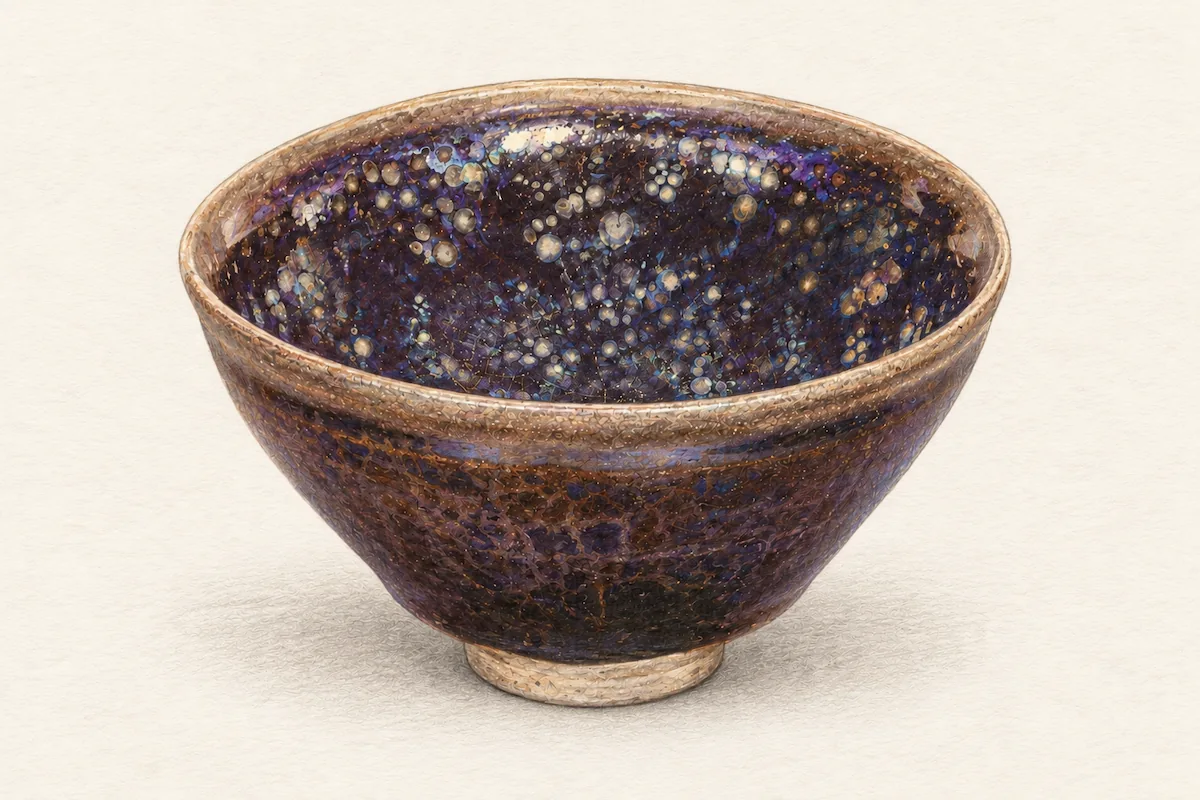
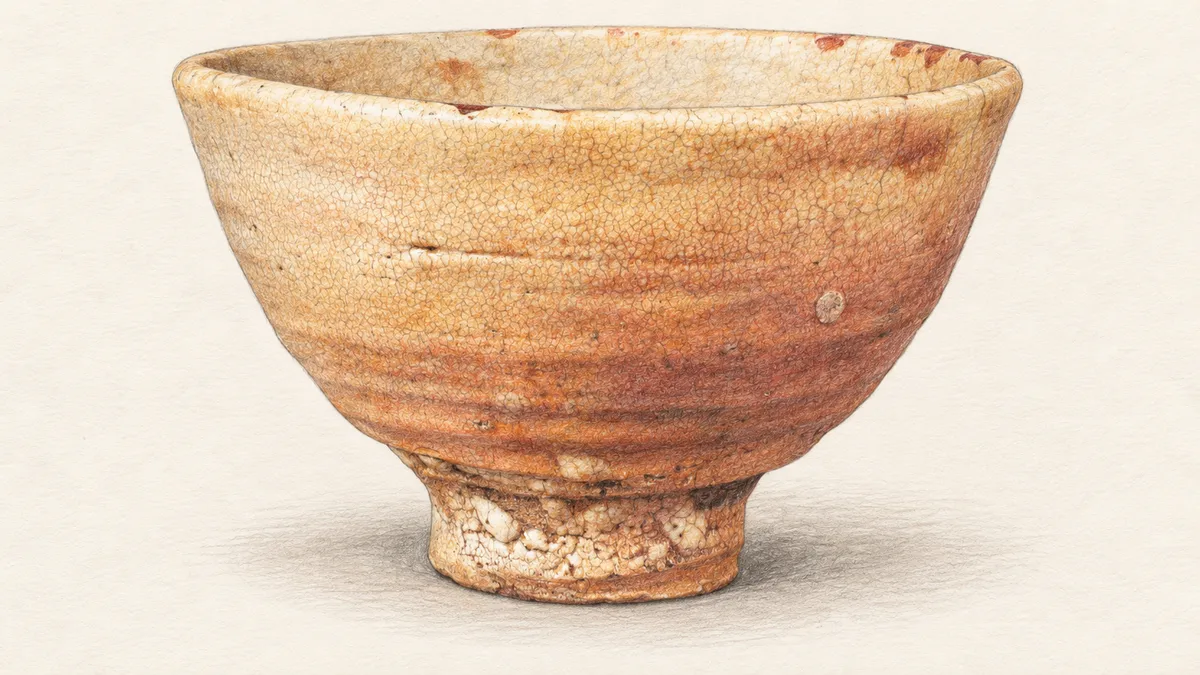
AI illustrationLeft: inspired by the yōhen tenmoku (No. 115). Right: inspired by the Kizaemon Ido tea bowl (No. 94). Not photographs or exact reconstructions. Tap to enlarge.
The yōhen tenmoku tea bowl from the sub-temple Ryōkō-in (No. 115) is a 12th–13th-century Chinese bowl prized for the iridescent spots in its dark glaze, and a National Treasure. It is on display in Term 1 only. It sits apart from the other works in a small, dark room under spotlights. There were two queues: one for close-up viewing and an outer queue for viewing the bowl from farther back. I waited about ten minutes in the close-up queue, then went round to the outer queue, which had no wait, and looked again from there.
The spots were spread evenly across the inside of the bowl. Still, I had the impression that the spots had shimmered with more rainbow colour on a previous viewing. If you have time, view the bowl from both areas and see how its appearance changes.
Tea utensils and vases
- Tea Bowl, Named "Kizaemon Ido" (No. 94, National Treasure, whole run): made on the Korean peninsula in the 16th century and kept at the sub-temple Kohō-an. The bowl is thin-walled, with a colour like a ripe loquat. The audio guide points to the glaze colour, the throwing marks from the potter's wheel and the deep shape. It is a good example of how Japanese tea masters found beauty in plain, undecorated pieces.
- Vase with Dragon-Fish Handles (No. 82, whole run): Chinese Longquan celadon, with repairs that look like kintsugi, the Japanese technique of mending with lacquer and gold.
- Vase with Chinese Characters and Handles (No. 93, whole run): the handles on each side carry rings that were fired as one piece with the vase, and the characters for "fortune and long life" (fukuju) appear on it.
Muqi's Guanyin, the Nirvana painting and a portrait in the form of a circle
Lifelike animals, and a self-portrait with no face
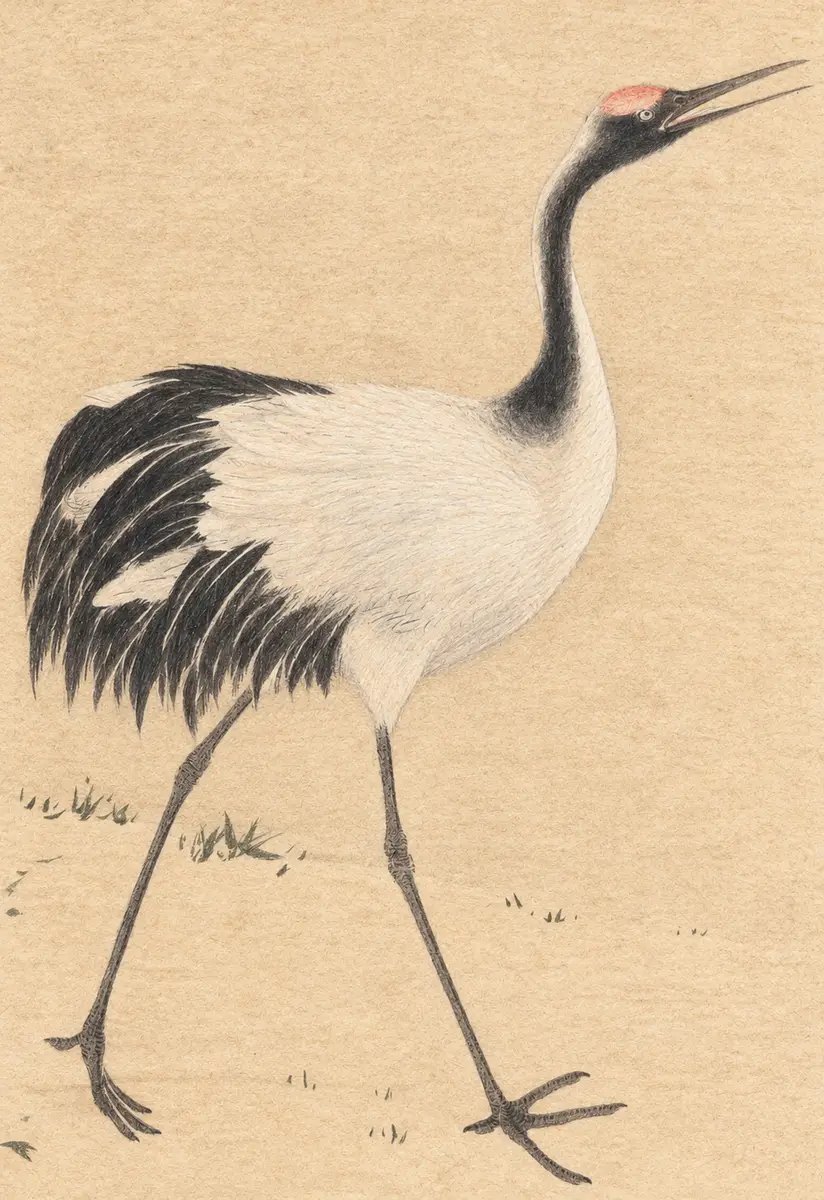
The Bodhisattva Guanyin, Gibbons, and a Crane (No. 13, Term 1) is a set of three hanging scrolls by Muqi, a 13th-century Chinese monk-painter: Guanyin, the bodhisattva of compassion, in the centre, with a mother gibbon holding her young on one side and a crane on the other. In person, the painting looked almost photographic to me. The audio guide offers one reading of the set: the affection between parent and young in the animal scrolls echoes Guanyin's compassion.
The Buddha Entering Nirvana by Kanō Shōei (No. 68, Term 1), painted in 1563, is simply enormous.
Two works with a story
- Circle Symbolizing Enlightenment (No. 120, whole run): a portrait of the monk Takuan Sōhō that shows no figure at all, only a circle and a single dot. According to the audio guide, a painter drew the circle and Takuan added the dot himself, picturing a vast world with one small self inside it.
- Night Parade of One Hundred Demons (No. 139, attributed to Tosa Mitsunobu): a 15th-century handscroll whose displayed section changes during the run. There is no accompanying text, so the reason for the parade is unclear. The audio guide introduces two readings of the red sphere at the end: the rising sun, or the power of a Buddhist incantation.
Epilogue: inside Daitokuji's main gate
The setting is recreated; the statues are from Daitokuji
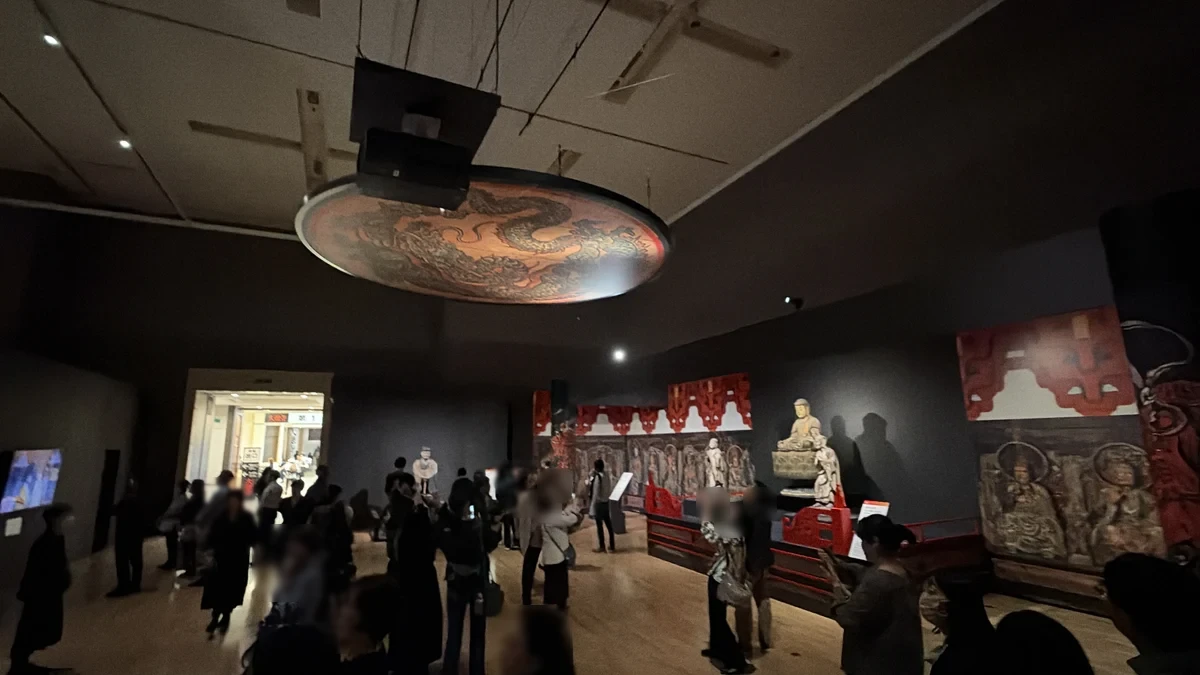
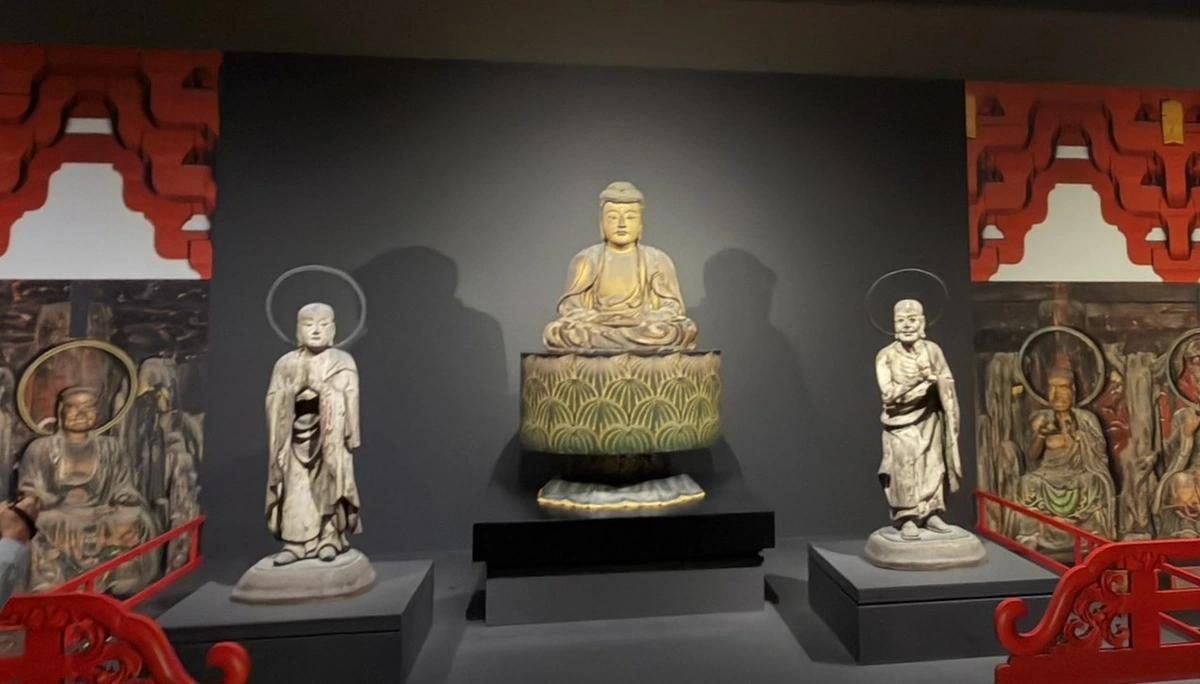
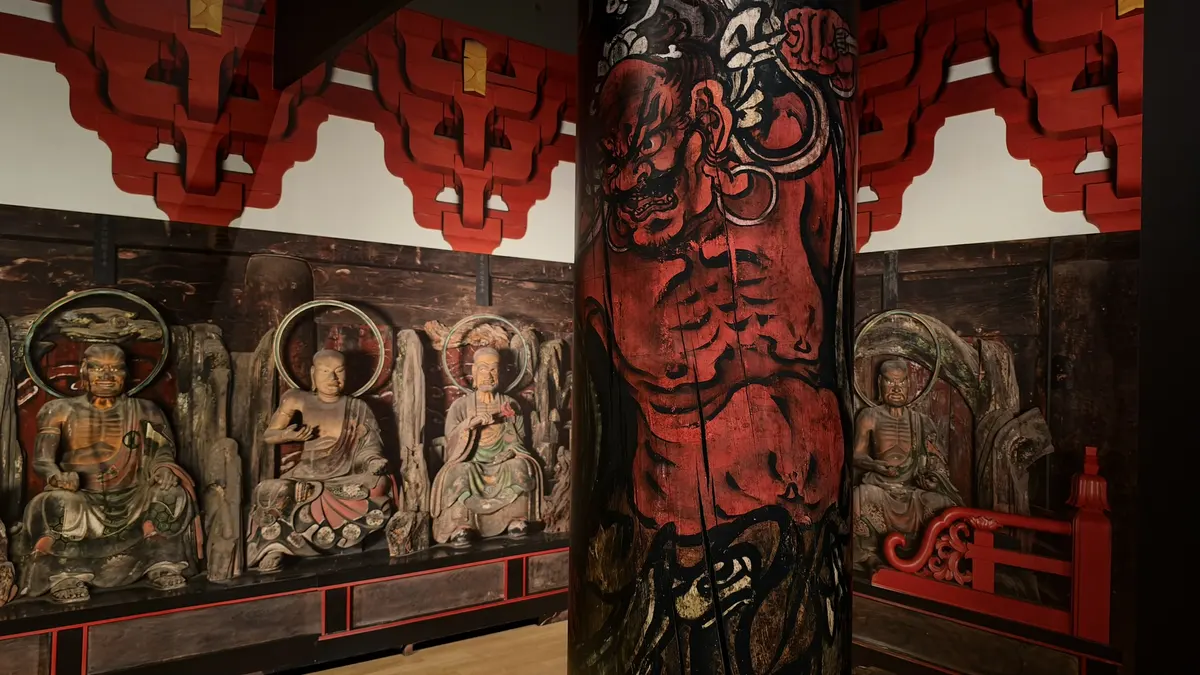
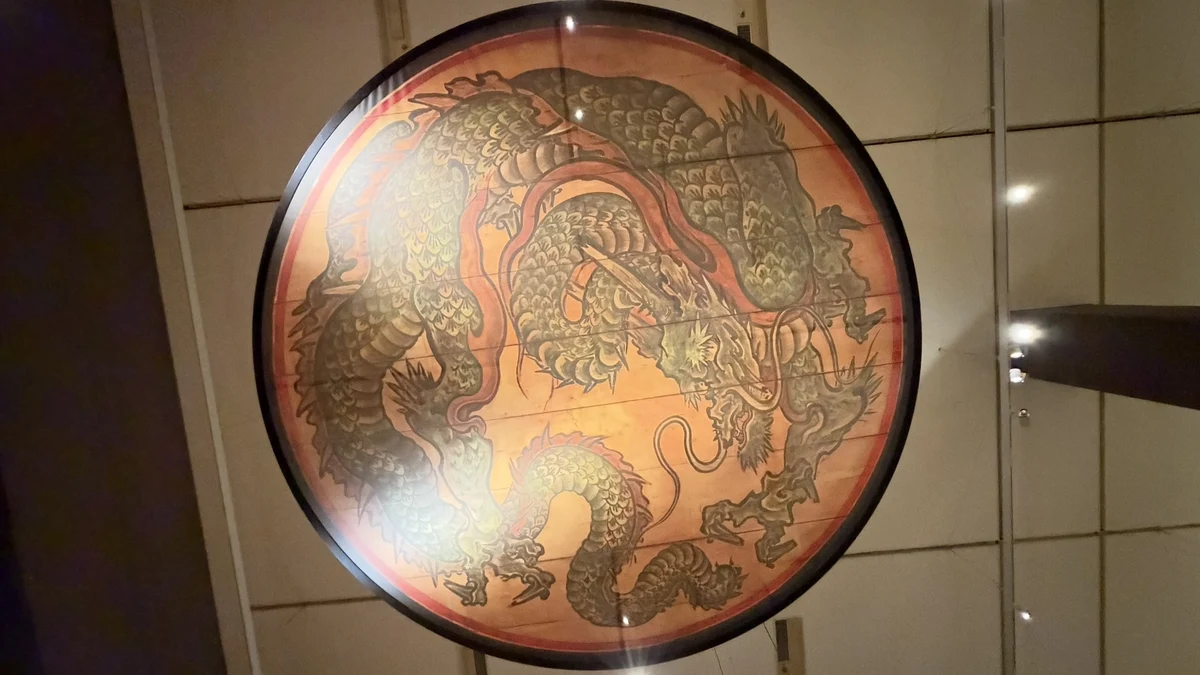
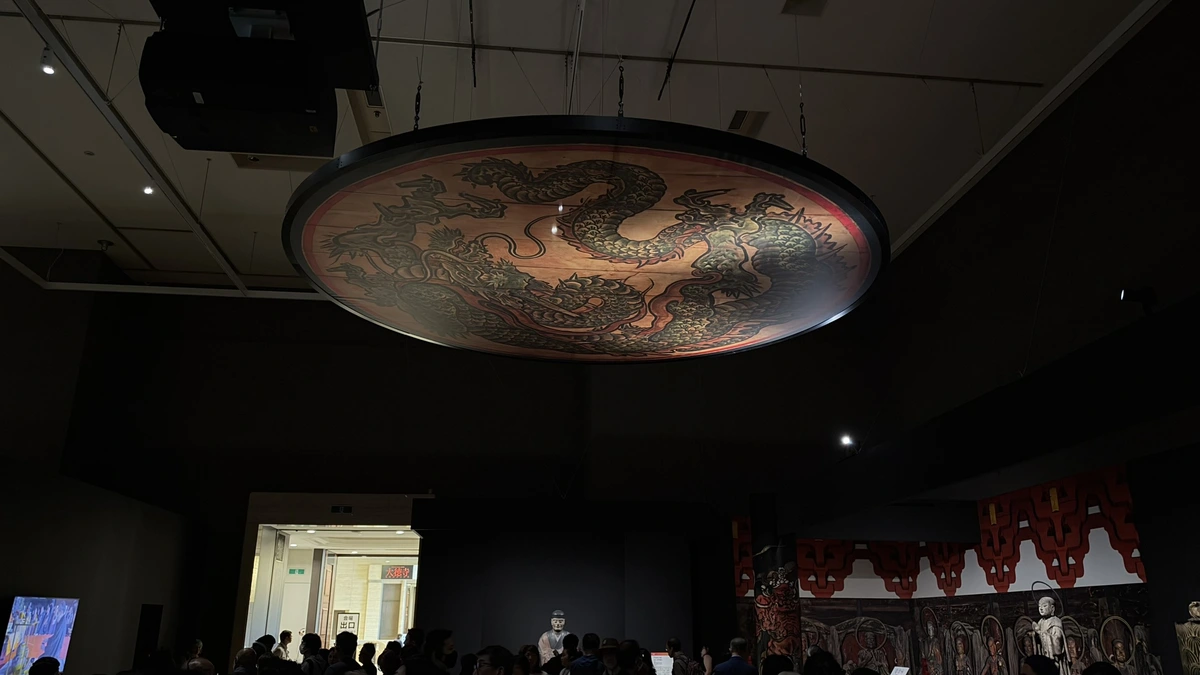
The last room recreates the upper floor of Daitokuji's main gate, the Sanmon, also called Kinmōkaku. The dragon on the ceiling, the panels of arhats (enlightened disciples of the Buddha), the vermilion pillars and the railings are reproductions made for the exhibition; the gate itself has not come to Tokyo. At the centre are the statues: the seated Buddha Śākyamuni with his disciples Kāśyapa and Ānanda (No. 156), and the statue of Sen no Rikyu (No. 157).
This is the only gallery where photography is allowed, and video is not permitted. A film here shows a tea-offering ceremony held on the upper floor of the gate for the 700th anniversary, with Mushakōjisenke, Omotesenke and Urasenke preparing tea in that order. When I visited, photography was allowed in the screening room, but photographing the film itself was not.
Historic statues and exhibition reproductions
- Historic statues: the seated Buddha Śākyamuni by the sculptor Inkei, dated 1404, and the standing Kāśyapa and Ānanda from the 13th–14th century. These statues are normally enshrined on the upper floor of the gate.
- Reproduction: the photo panels of the Sixteen Arhats, the pillars painted with guardian figures, the coiled dragon on the ceiling and the vermilion railings.
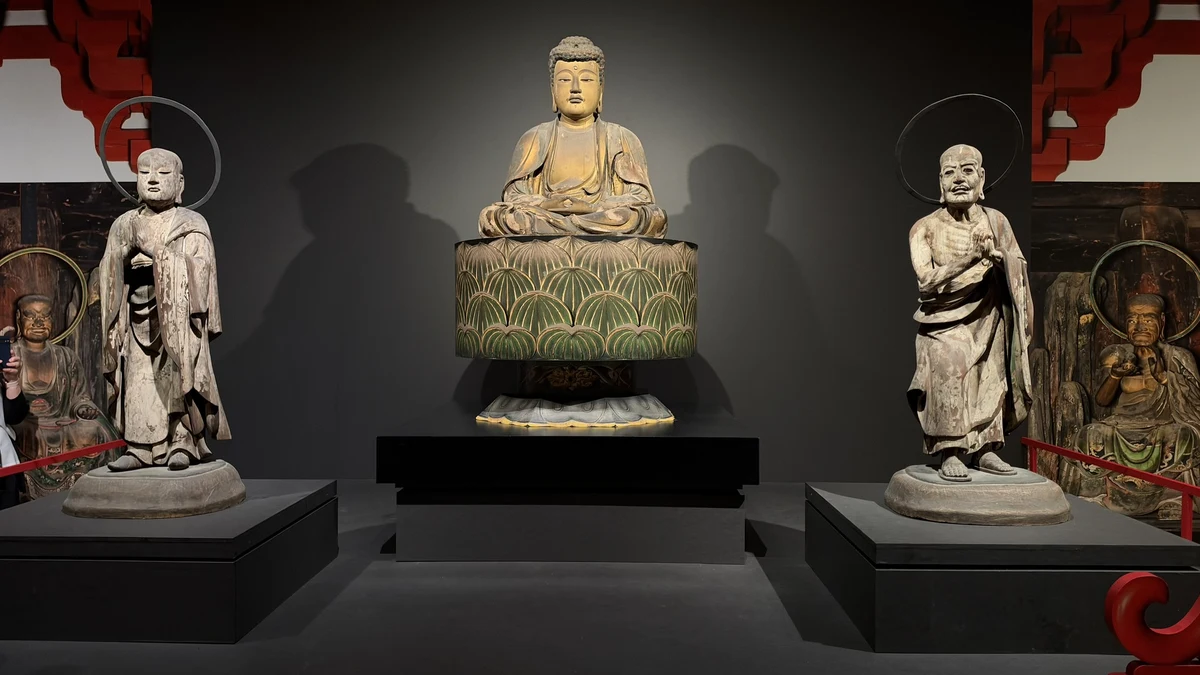
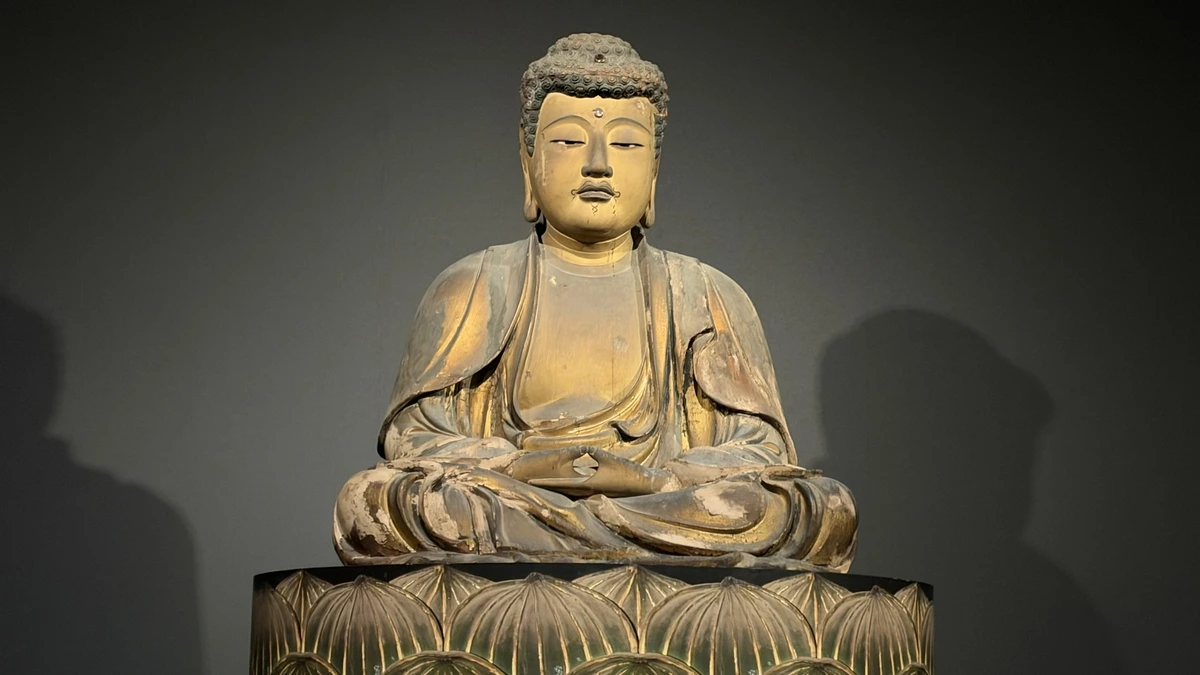
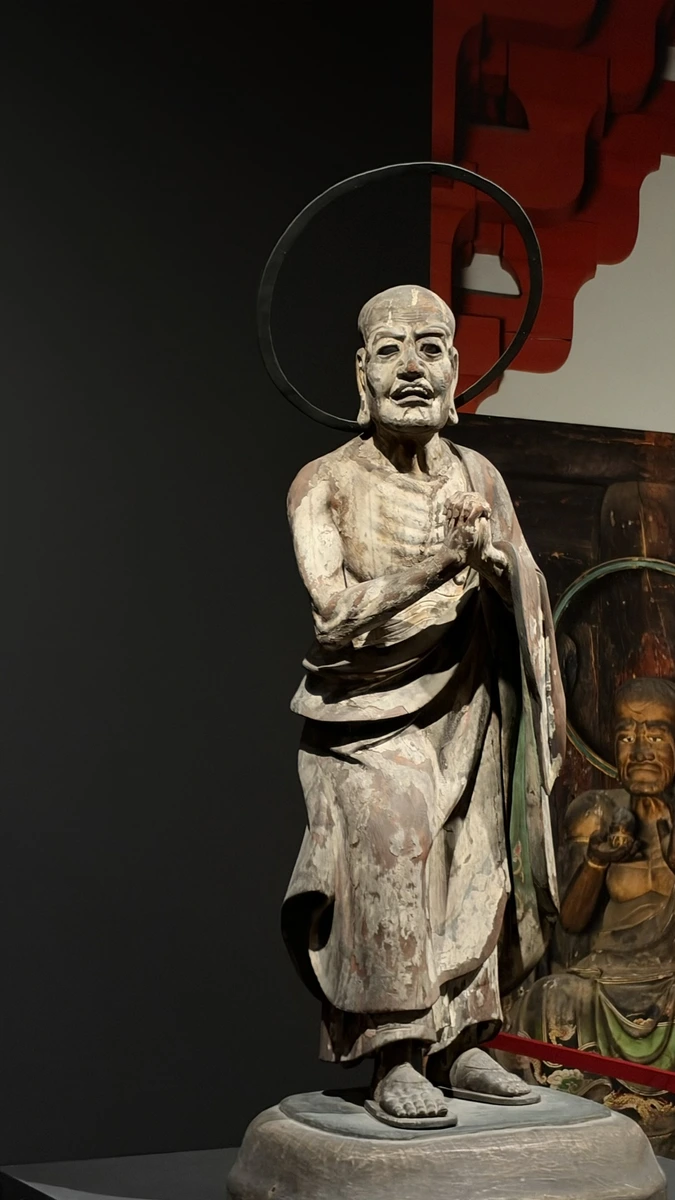
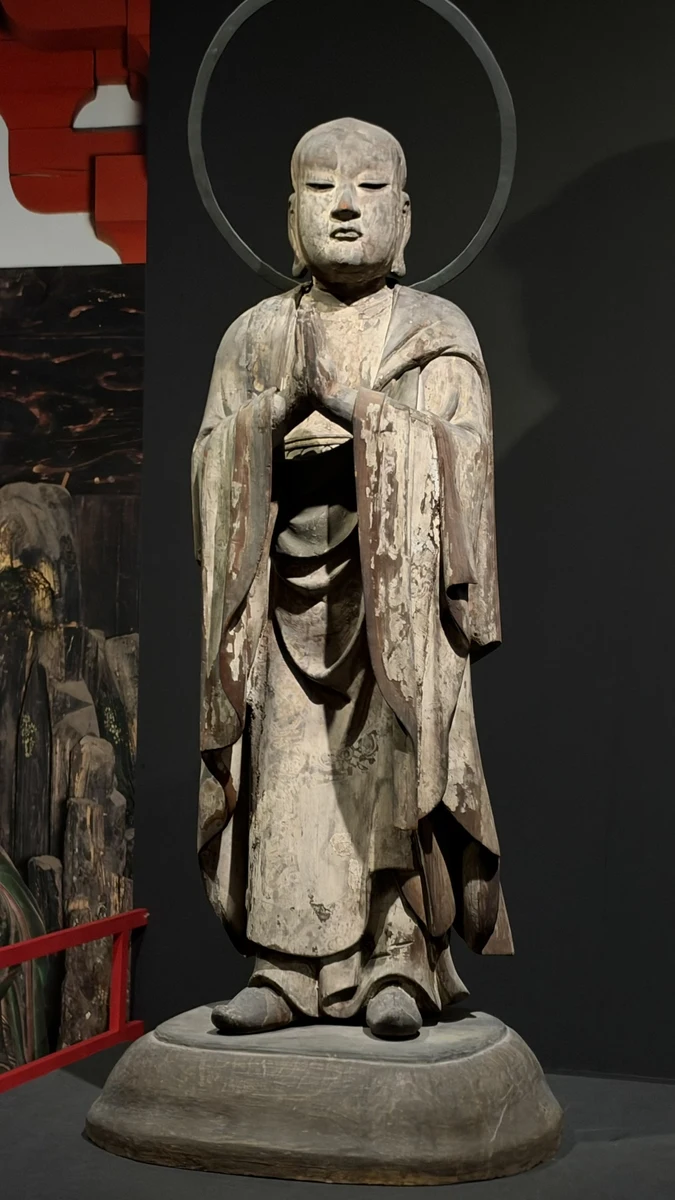
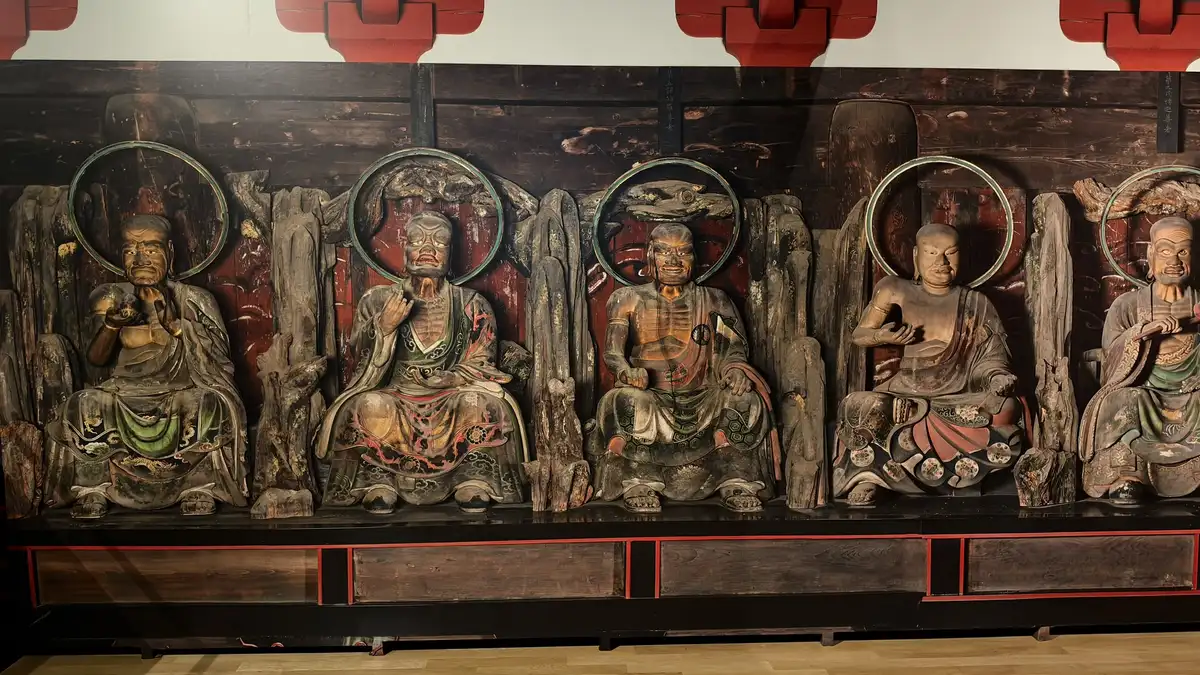
Tap to enlarge
The statue of Sen no Rikyu (No. 157)
Not the statue that is said to have angered Hideyoshi
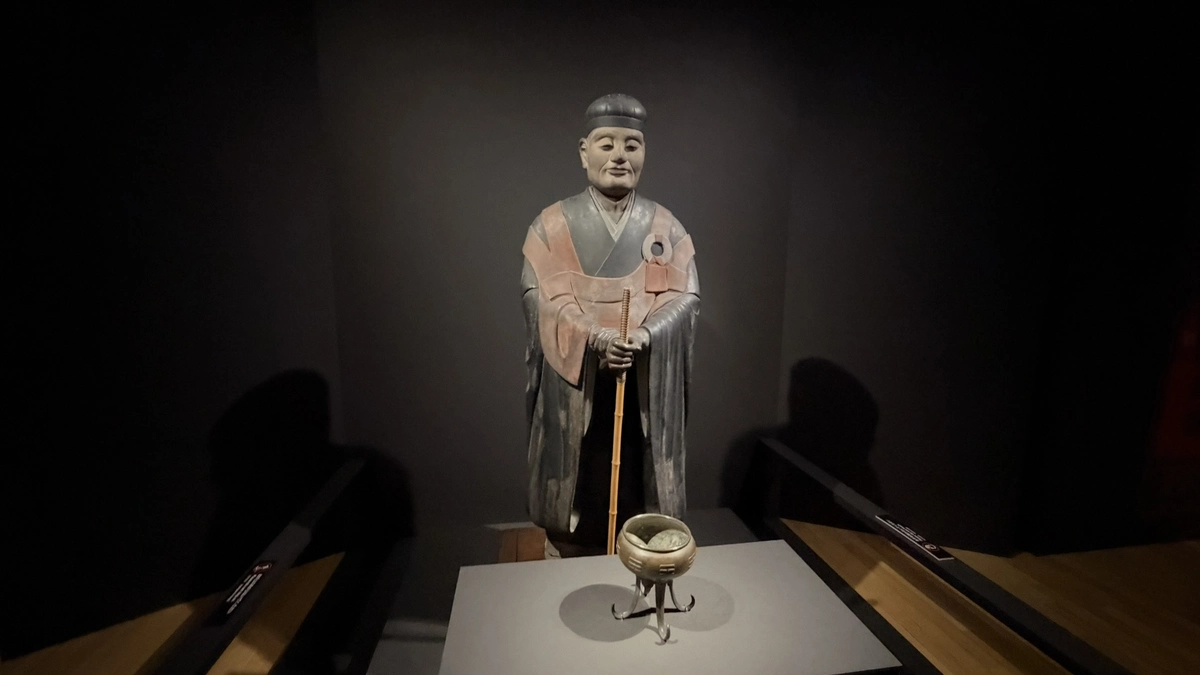
Sen no Rikyu (1522–1591), the tea master who perfected the austere wabi style of tea, studied Zen at Daitokuji. In 1589 his donation added an upper storey to the temple's main gate, and a wooden statue of him was placed inside it. A well-known story says the statue enraged Hideyoshi, who would have had to walk beneath it, and it is often given as one reason Rikyu was ordered to commit suicide in 1591. Treat that link as a story that has been handed down, not as a proven cause.
The statue in the exhibition is not that original one. Its head was carved in 1840 and its body, by the sculptor Tanaka Jōkei, in 1869. You are looking at a later statue, set in a reconstruction of the very room where the story takes place.
Standing in front of it, I was struck by its size. Rikyu is said to have been about 180 cm tall, far above the average for his time, and this statue felt close to that height. There is no firm record of his height, though: the figure is an estimate based on armour said to have been his and on a later tea treatise. The statue originally placed in the gate is also said to have been a life-size likeness.
Tap to enlarge
Rikyu's teacher and Jukō-in
Chapter 3 includes a seated statue of Shōrei Sōkin (No. 80, whole run), the monk under whom Rikyu practised Zen. Shōrei was the founding priest of the sub-temple Jukō-in, built by Miyoshi Yoshitsugu to pray for his adoptive father Miyoshi Nagayoshi, a warlord who controlled Kyoto before Nobunaga. Rikyu later made Jukō-in his own family temple. Its sliding-door paintings by Kanō Eitoku, both National Treasures, are shown in turn: Birds and Flowers (No. 150) in Term 1 and The Zither, Chinese Chess, Painting, and Calligraphy (No. 151) in Term 2.
Manga, anime and games: who you can meet here
If you know some of these people from manga, anime or games, the exhibition has works connected to them. What appears in those series is the person, not the exhibited work itself.
| Vagabond Takuan Sōhō | Takuan was a real Zen monk, and he appears in the manga. The exhibition includes his portrait of himself as a circle and a single dot, Circle Symbolizing Enlightenment (No. 120, whole run). |
|---|---|
| Ikkyū-san Ikkyū Sōjun | The monk known from the anime was also a monk of Daitokuji. The exhibition shows several portraits of him and the National Treasure Kandoku Shinsen-Bō (No. 26), which he is said to have carried to safety during the Ōnin War. |
| Fate/Grand Order Sen no Rikyu | The Rikyu in the game is a different depiction from the statue in the exhibition. In the final gallery, a recreation of the upper floor of the temple gate holds a wooden statue of Rikyu made in a later era. |
| Hyouge Mono Hasegawa Tōhaku | The painter appears in the manga and also left works at Daitokuji. The exhibition includes the sliding-door paintings of the Four Elders of Mount Shang from the sub-temple Shinju-an (No. 152, Term 2). |
Displays change during the run, so check the official list of works to see whether a piece is out on the day you visit.
Why Daitokuji matters to samurai history and tea culture
The timeline in the galleries shows how many leading warlords and tea figures of the late 16th and early 17th centuries had ties to Daitokuji. Many founded sub-temples to pray for their families, and the works in this show often still belong to those sub-temples. A few key dates:
| 1535 | Ōtomo Sōrin, a warlord from Kyushu, founds the sub-temple Zuihō-in |
|---|---|
| 1566 | Jukō-in is founded as the memorial temple of Miyoshi Nagayoshi (some sources give the 1570s) |
| 1582 | Hideyoshi holds Oda Nobunaga's funeral at Daitokuji |
| 1583 | Sōken-in is founded to pray for Nobunaga |
| 1589 | Sen no Rikyu adds an upper storey to the main gate |
| 1591 | Toyotomi Hidenaga dies; the traditional story of Rikyu's statue in the gate |
| 1601 | Hosokawa Tadaoki founds Kōtō-in |
| 1606 | Kuroda Nagamasa founds Ryōkō-in, home of the yōhen tenmoku |
| 1608 | Maeda Matsu (Hōshun-in) and her sons found Hōshun-in |
| 1629 | The Purple Robe Incident; Takuan and Gyokushitsu are exiled |
In the time of the monks Yōsō Sōi and Ikkyū in the 15th century, support for Daitokuji spread among the merchants of Sakai, who were also central to the rise of the tea ceremony. Kohō-an, where the Kizaemon Ido bowl is kept, was founded by the tea master and garden designer Kobori Enshū within Ryōkō-in in 1612. When you read a label, check which sub-temple owns the work; this often helps you identify the warlord or tea master associated with it.
Time needed and what to expect
I went in at 9:30 on Sunday, October 18, as the doors opened, and left at about 11:45: roughly two hours and fifteen minutes, including the queue for the tea bowl, a stop at the shop and time taking photos in the final gallery. There are many works, and reading the labels helps you appreciate much of the calligraphy and portraiture, so allow at least two hours if you want to take it slowly.
When I reached the main gate at 8:30, 30 to 40 people were already waiting. The line included both people who already had tickets and people who still needed to buy one. Once through the gate, the 15 or so who already had tickets headed straight for the Heiseikan and queued at its entrance. If you want to go in right at opening, buying your ticket in advance saves queuing at the ticket window.
Go upstairs and start in Gallery 1. The audio guide rental desk is near the entrance.
The exhibition shop sits by the entrance to Gallery 2, so you pass it midway and can decide whether to browse then or at the end.
The second half of the show. In Term 1 the yōhen tenmoku is in its own small, dark room, with separate close-up and outer queues.
Finish in the recreated gate, with the Buddha triad and the statue of Rikyu. This is the only place you can take photos.
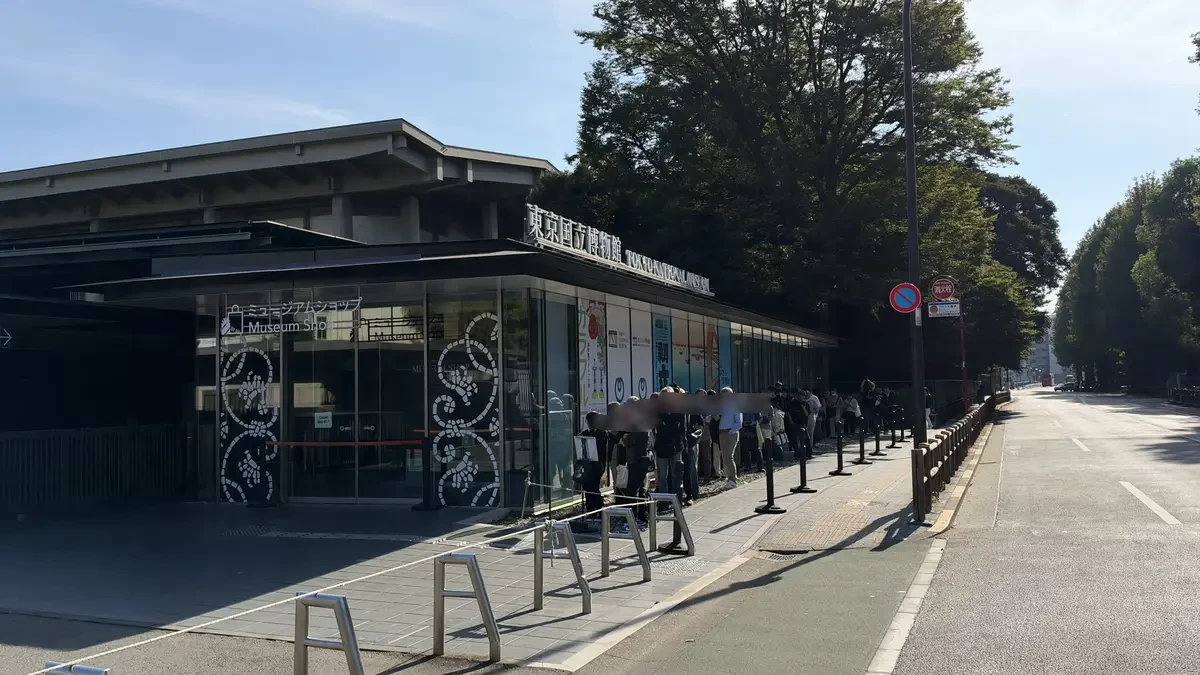
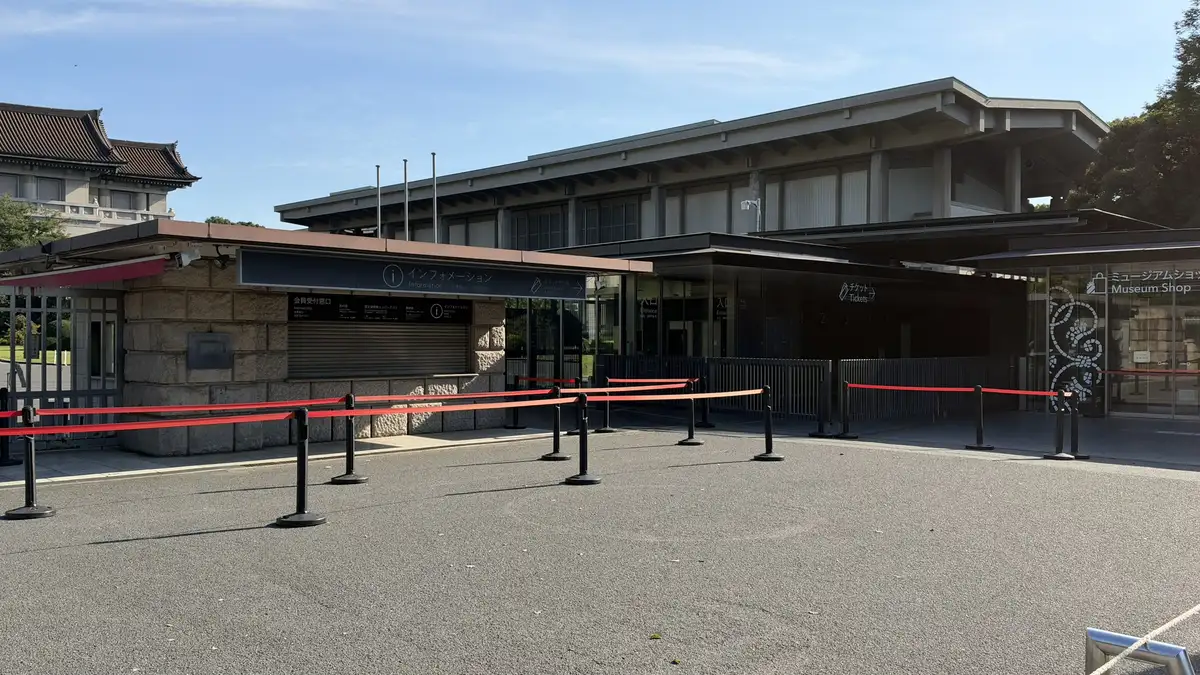
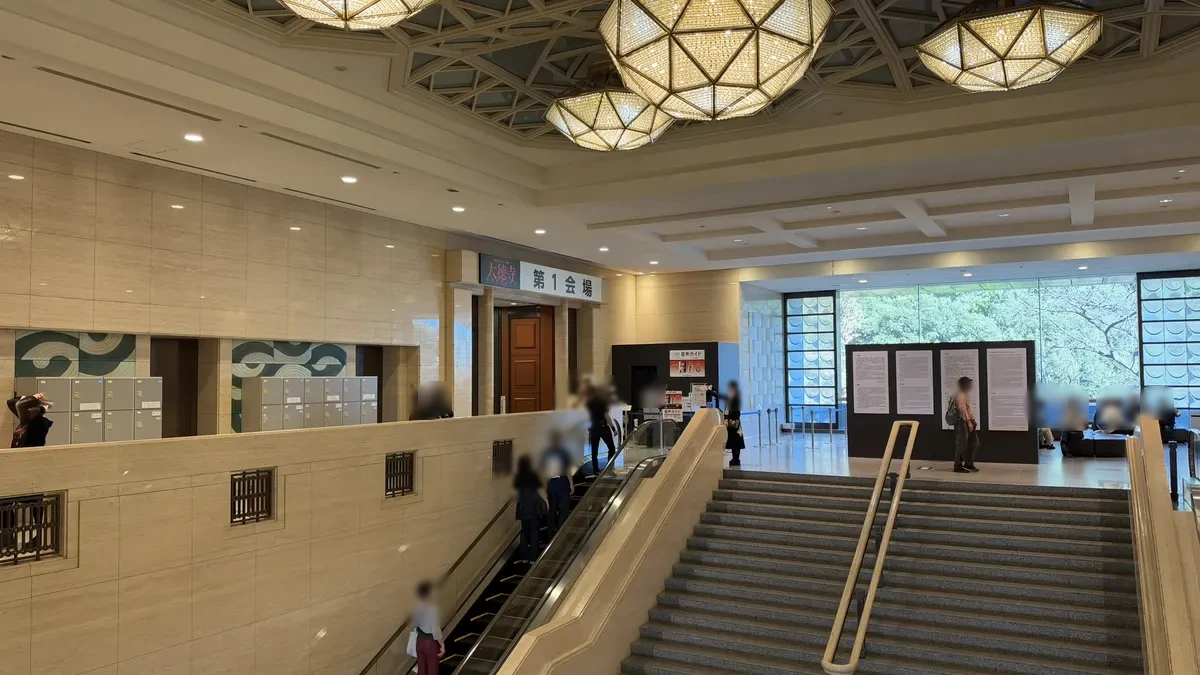
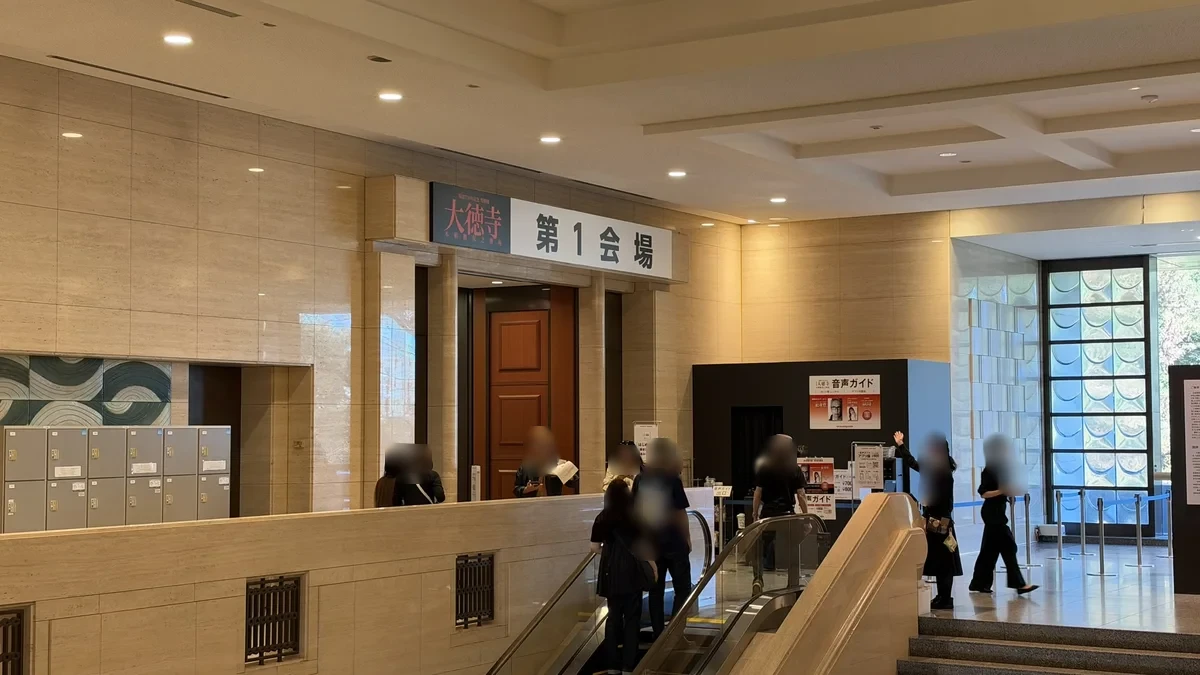
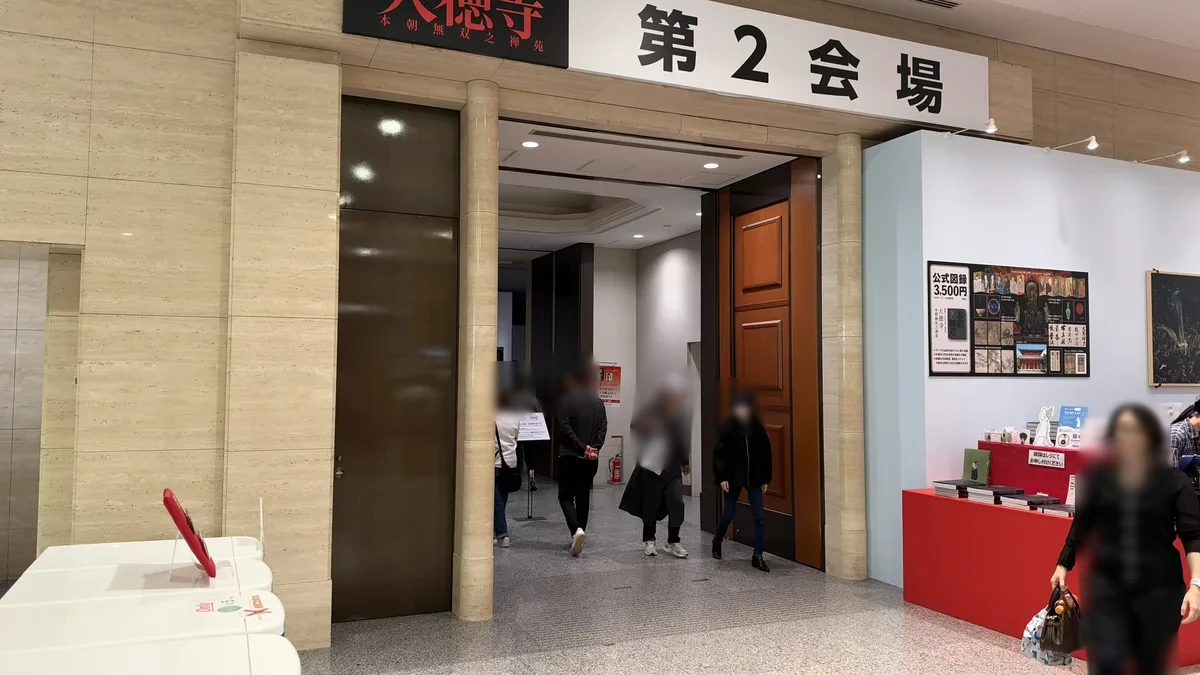
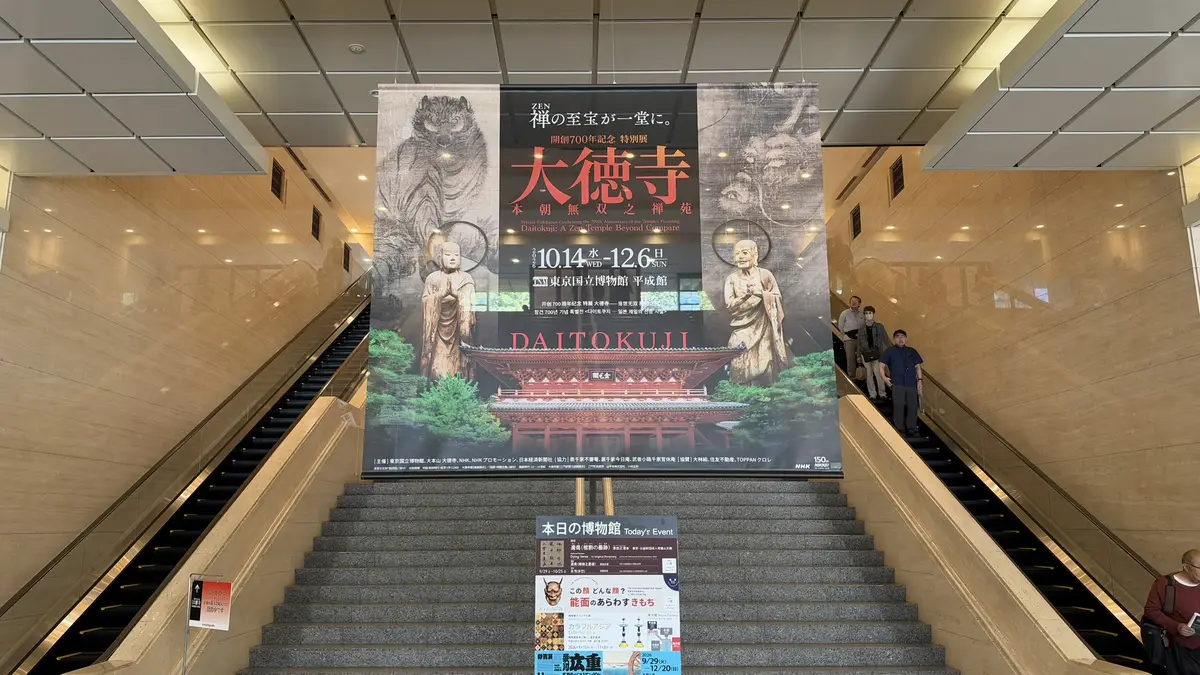
Tap to enlarge. Queues and counters as photographed on October 18, 2026
Getting to the Heiseikan in Ueno
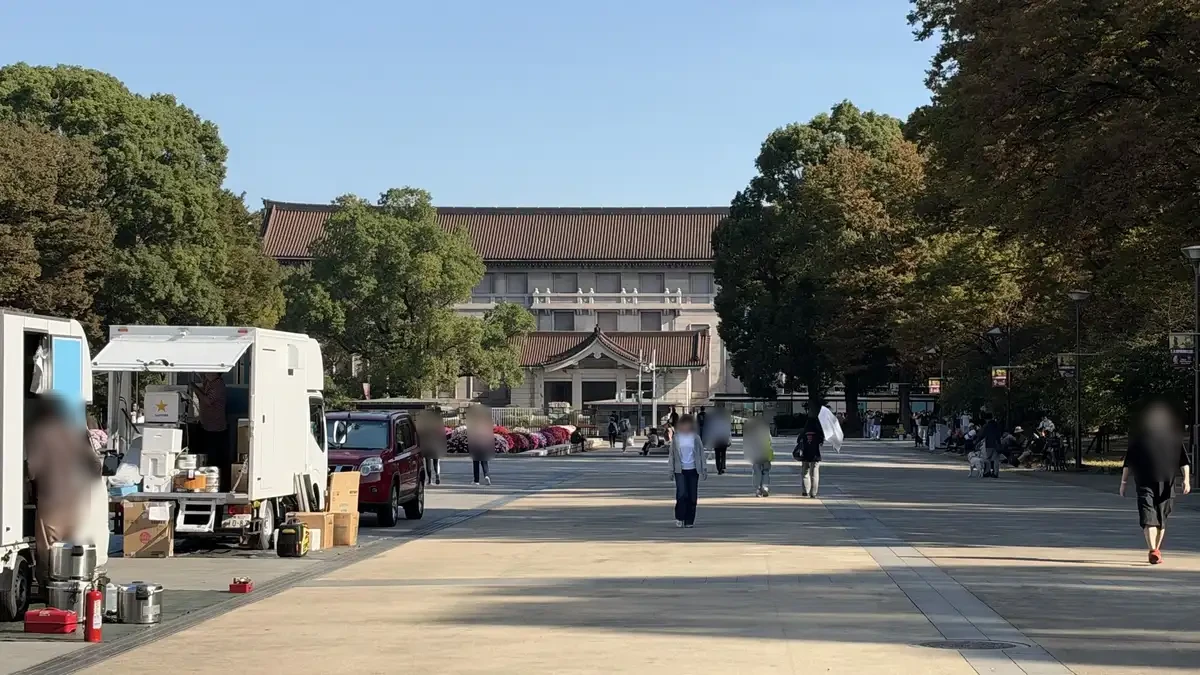
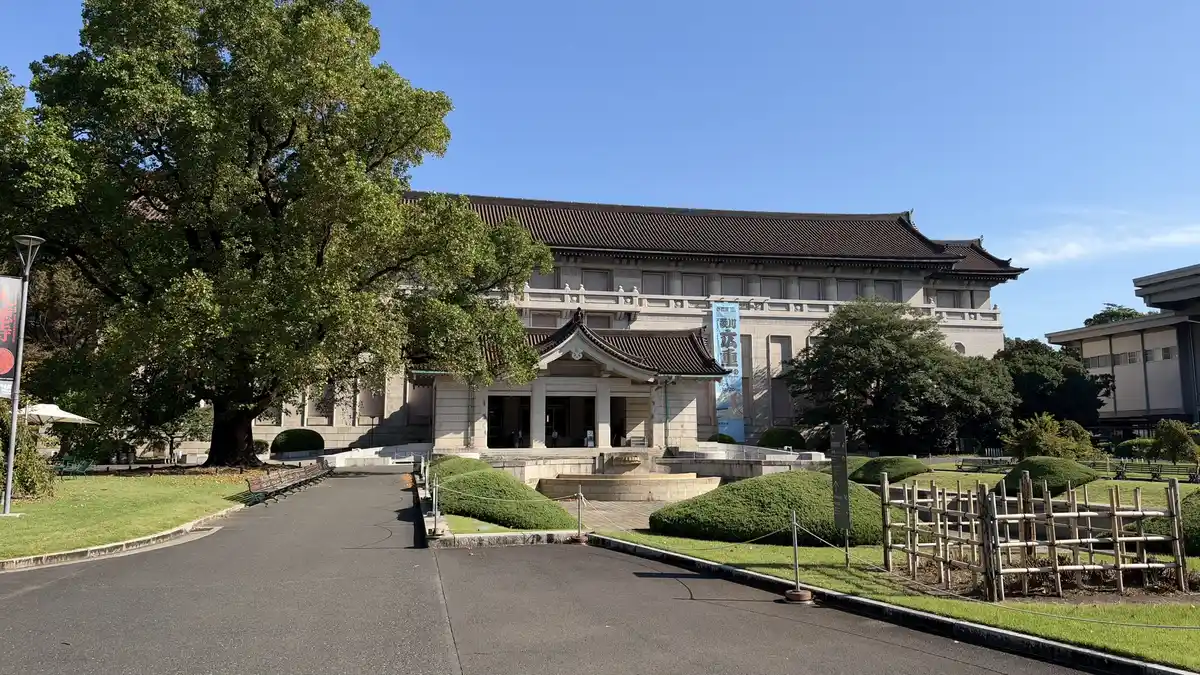
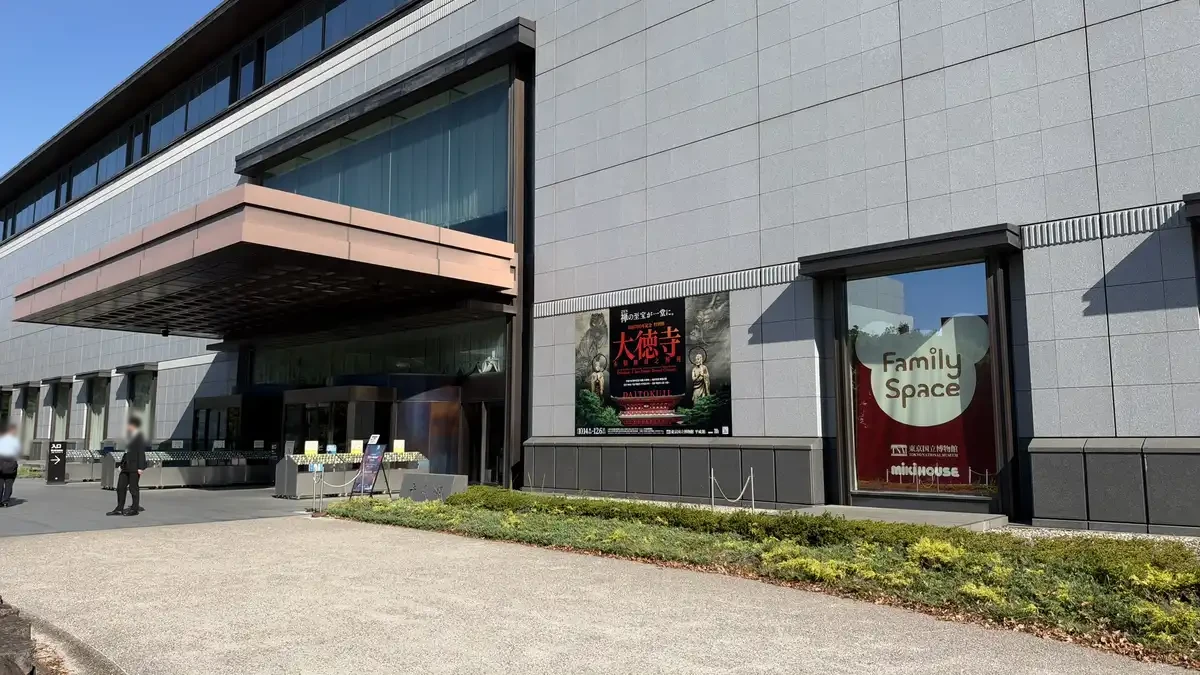
The Heiseikan is towards the back left of the Tokyo National Museum grounds, not the large main building you see straight ahead from the gate. From JR Ueno Station, take the Park Exit, walk through Ueno Park and enter by the museum's main gate.
Access
| Venue | Heiseikan, Tokyo National Museum, 13-9 Ueno Park, Taito-ku, Tokyo |
|---|---|
| Nearest stations | JR Ueno Station (Park Exit) or JR Uguisudani Station (South Exit), about 10 minutes on foot according to the museum |
| From Tokyo or Shinagawa | Take a JR train to Ueno: the Ueno-Tokyo Line, Yamanote Line or Keihin-Tohoku Line |
| Entrance | Enter by the main gate, where the ticket windows are, then walk through the grounds to the Heiseikan |
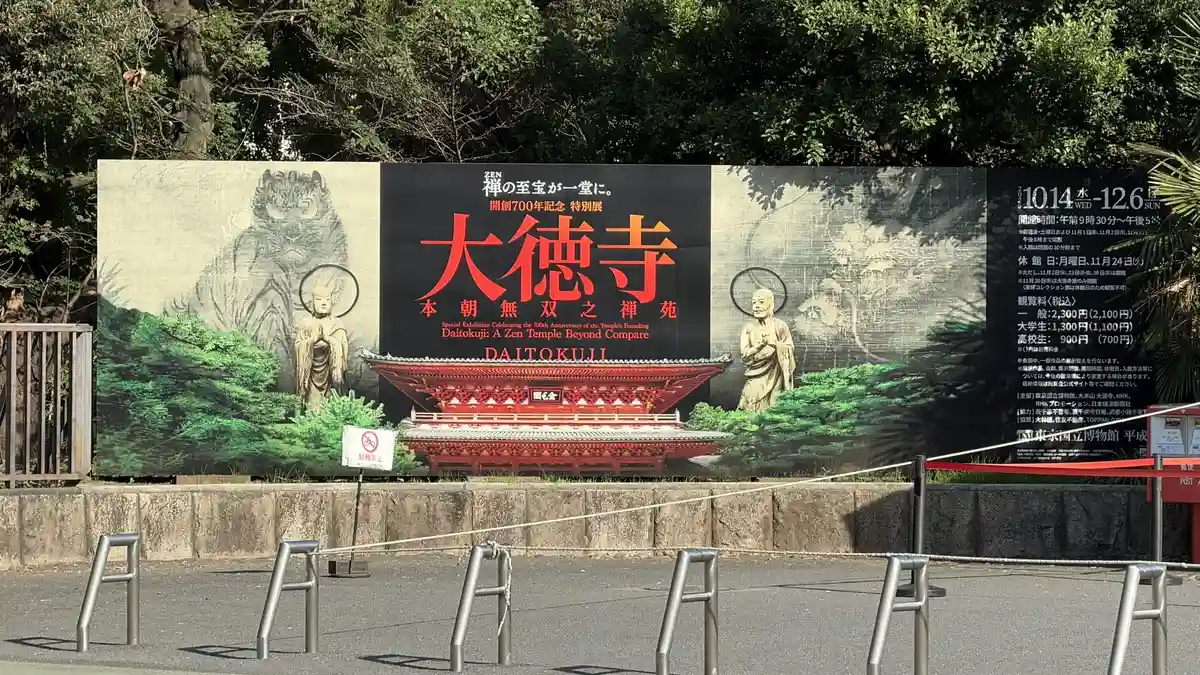
Follow the yellow "Park Gate" signs; Ueno Park is right outside.
Just outside the gate, Ueno Zoo is straight ahead. Keep going, then turn right, and the Tokyo National Museum appears in front of you.
A large exhibition banner stands by the gate. Once inside, skip the main building ahead of you and walk to the Heiseikan at the back left.
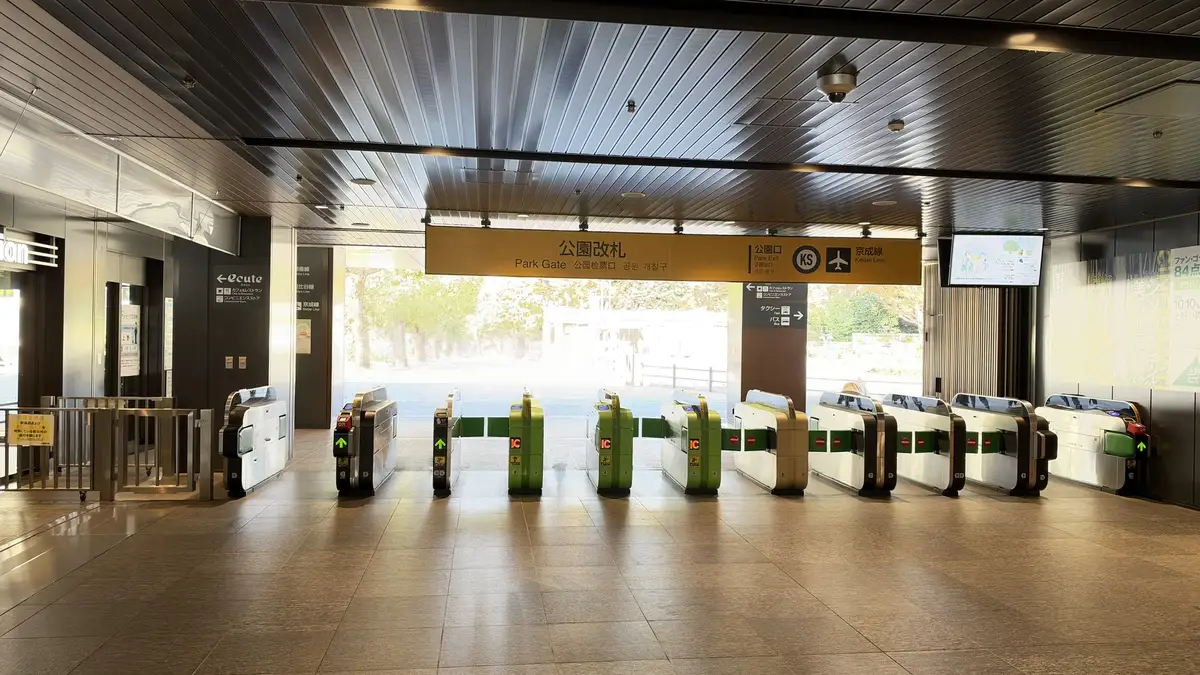
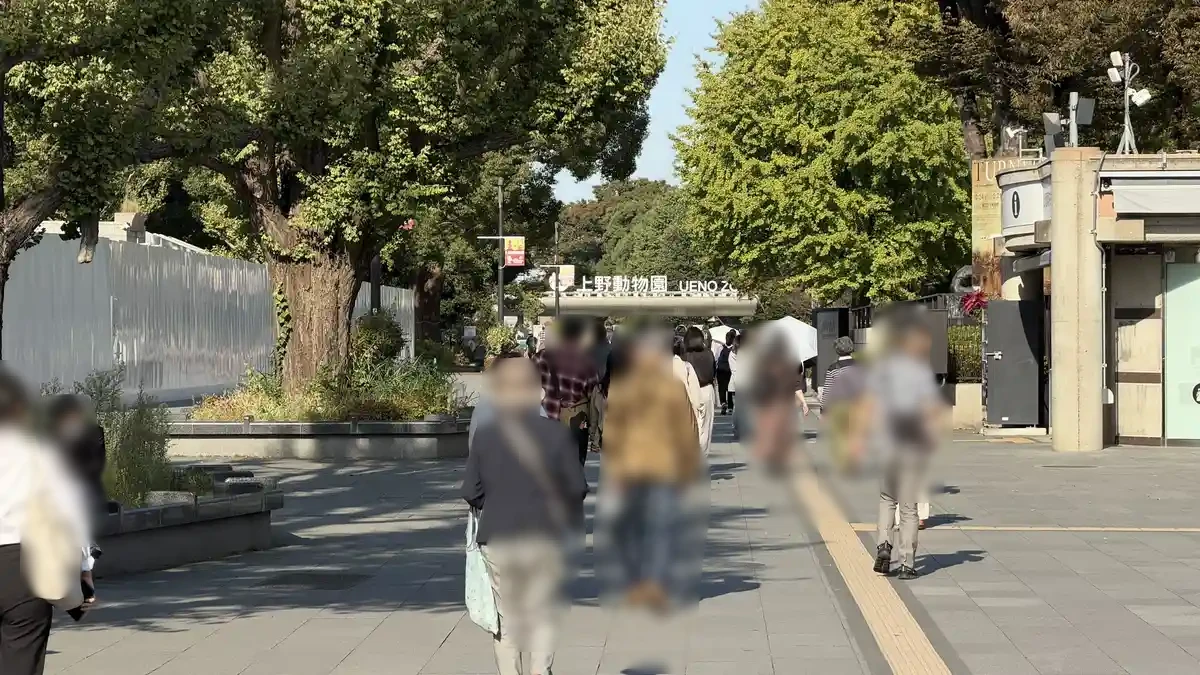
Tap to enlarge
Open the walking route from the Park Exit in Google Maps
For full directions, see the museum's access page.
Audio guide, shop and other galleries
The audio guide costs 700 yen for a rented device at the entrance, or 800 yen in the "Kiku Bijutsu" smartphone app, with the same content in both; bring earphones if you use the app. The official site does not say whether an English version is offered, so ask at the rental desk. Some of the interpretations mentioned above, such as the reading of Muqi's scrolls and Takuan's circle, come from the audio guide.
The shop had exhibition-only goshuin books (albums for temple seals), sutra-copying sheets and T-shirts printed with monkeys and tigers. Items and prices are as I saw them on October 18; stock changes.
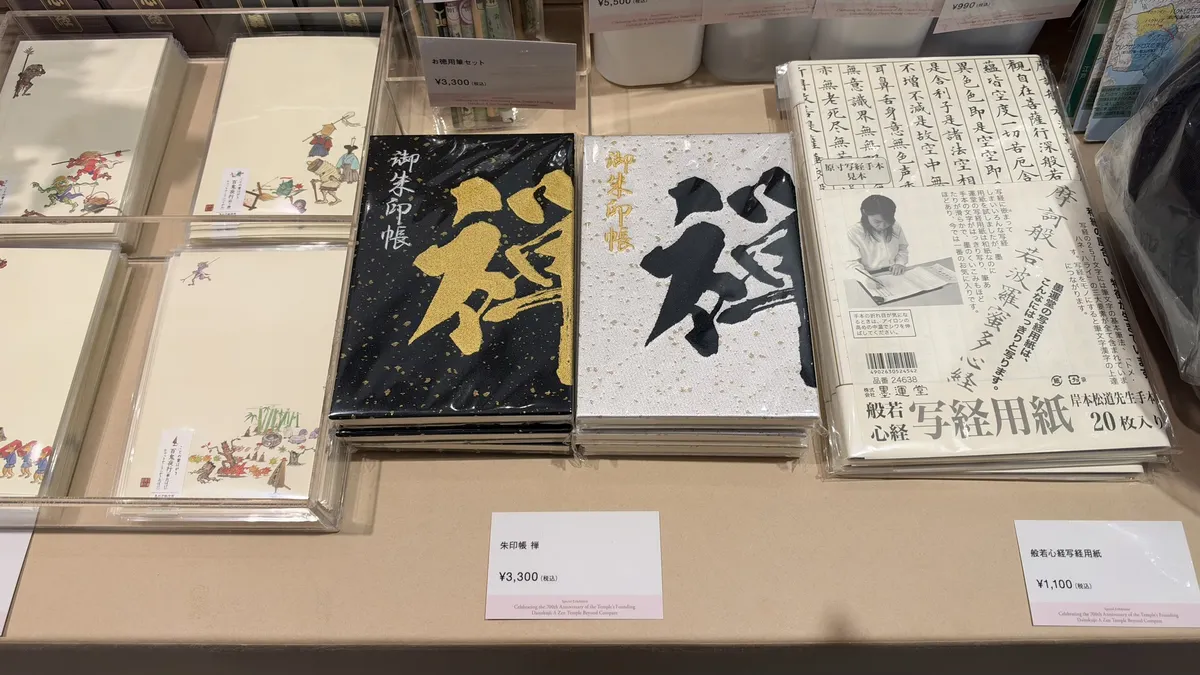
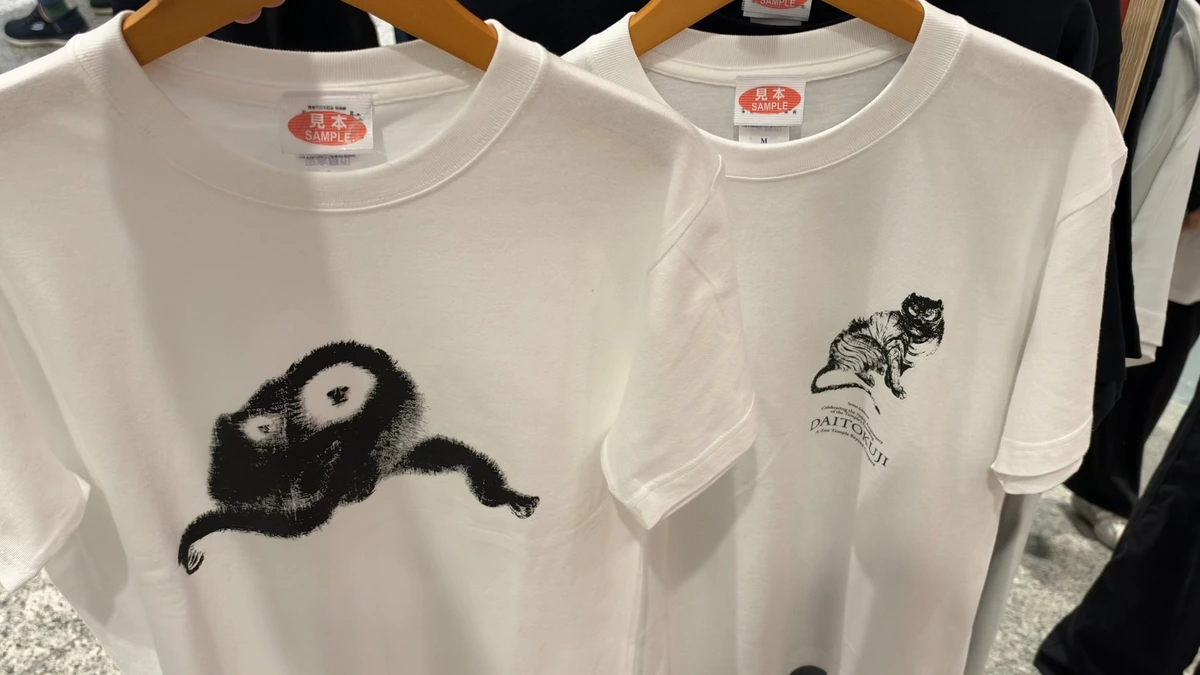
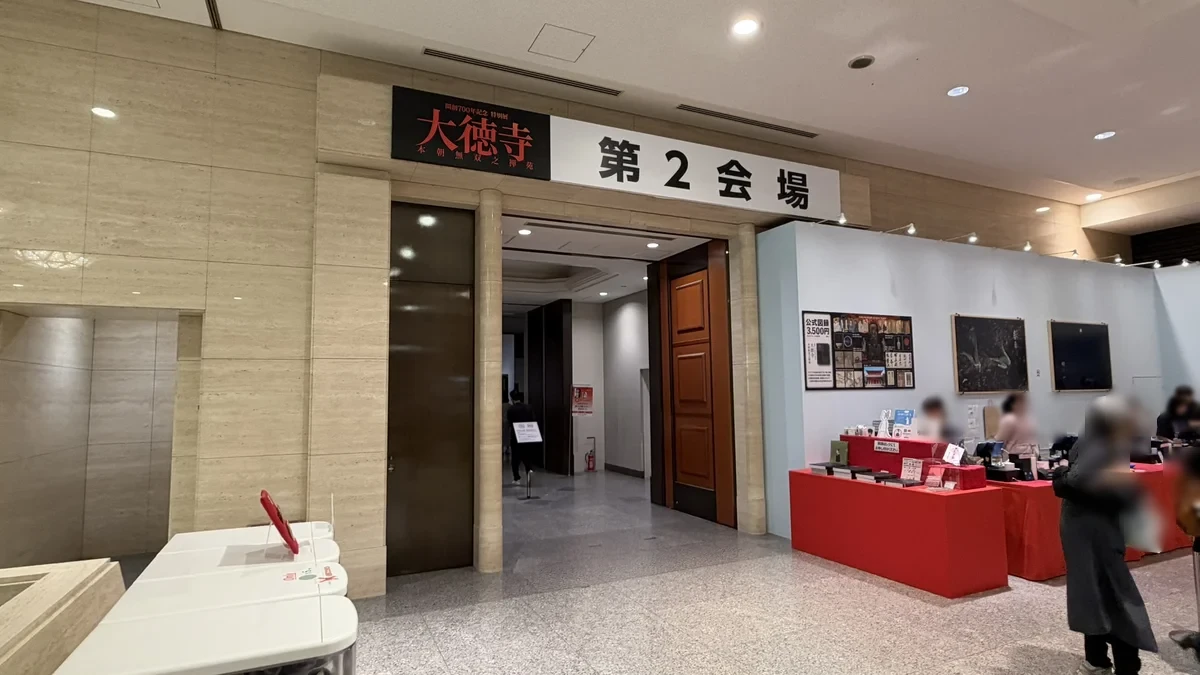
Tap to enlarge
With the same ticket you can also see the museum's permanent collection that day. During the exhibition, the museum garden, normally closed at 17:00, opens in the evening for a separate paid event called ZEN NIGHT TOKYO. You do not need a ZEN NIGHT TOKYO ticket to see the exhibition.
Where to stay
My visit took about two and a quarter hours, so a day trip from the Tokyo area is easy. If you are staying overnight, pick an area that suits where you are going next. Tokyo Station is the starting point for Shinkansen lines heading both west and north; Shinagawa is convenient if you are heading west to Kyoto or Osaka on the Tokaido Shinkansen; Ueno suits visitors who want to explore the Ueno area or are heading north to Tohoku.
| Ueno Station area | Walking distance to the museum, with Shinkansen services to the north. Lively in the evening around the Ameyoko market street, with some reasonably priced hotels Find hotels in Ueno on Agoda |
|---|---|
| Tokyo Station area | Starting point for Shinkansen services heading west and north. A short JR ride to Ueno. Many upscale hotels Find hotels near Tokyo Station on Agoda |
| Shinagawa Station area | A Tokaido Shinkansen stop, good for leaving for Kyoto or Osaka the next day. Reach Ueno on the Ueno-Tokyo Line Find hotels in Shinagawa on Agoda |
The hotels below were chosen based on their locations and the facilities listed on their official websites. Prices depend heavily on dates and room type, so I have not compared hotel rates. The Agoda links on this page are affiliate links: if you book through them, this site earns a commission at no extra cost to you.
Hotel Resol Ueno
For a base in Ueno. One minute on foot from the Asakusa and Iriya exits of JR Ueno Station, which are on the opposite side of the station from the museum's Park Exit.
Check rates and availability on Agoda
The Tokyo Station Hotel
For travellers taking the Shinkansen the next day, or anyone who wants to stay in a historic building. Opened in 1915 inside the red-brick Marunouchi building of Tokyo Station. Take JR to Ueno for the museum.
Check rates and availability on Agoda
Shinagawa Prince Hotel
For travellers taking the Tokaido Shinkansen from Shinagawa. About two minutes' walk from Shinagawa Station; you will need a train ride to Ueno for the exhibition.
Check rates and availability on Agoda


comment