


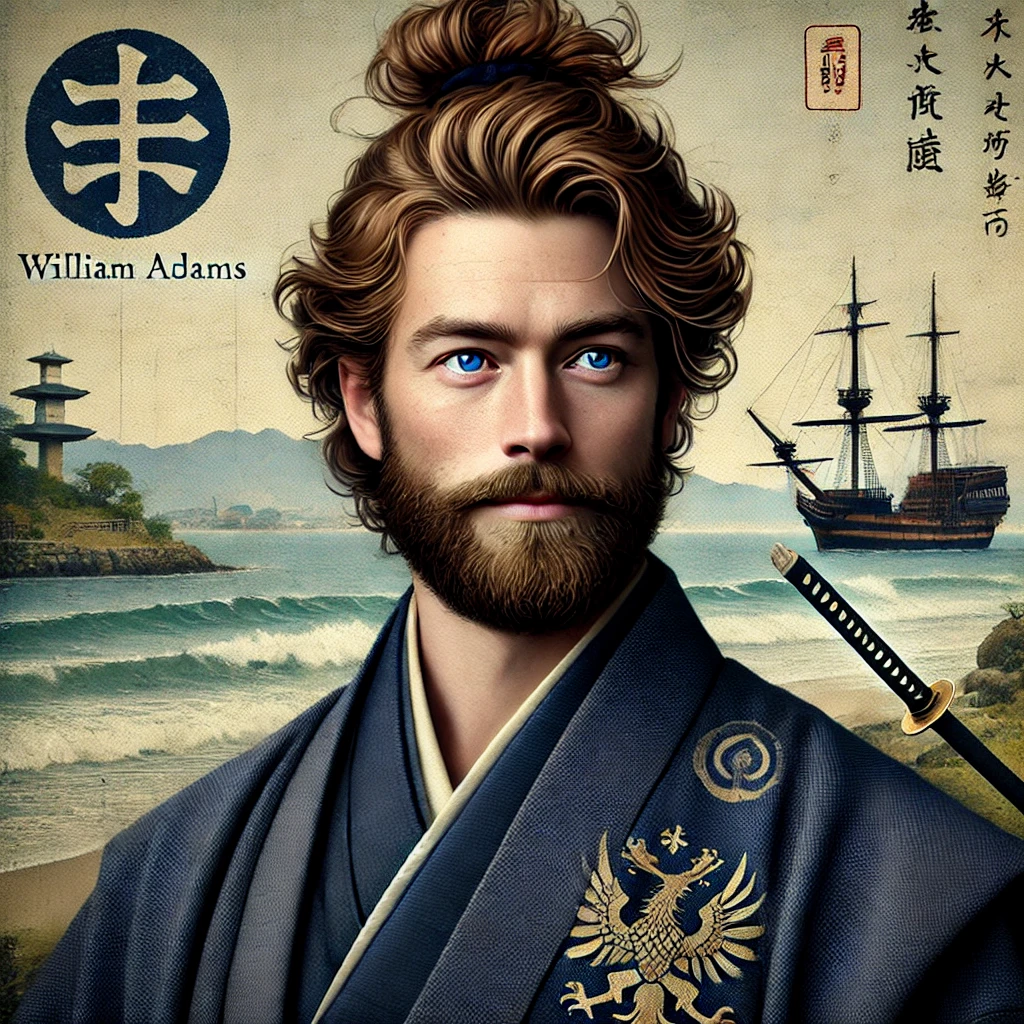
William Adams
(Miura Anjin)
Travel Guide
Personally visited sites linked to William Adams (Miura Anjin) — the real man behind SHŌGUN's John Blackthorne. Compare 5 cities, pick your route, and plan your Japan trip.
Who was William Adams (Miura Anjin)?
William Adams arrived in Japan in 1600 and later served Tokugawa Ieyasu. His name is preserved in memorial sites and place names across multiple cities, which makes it possible to follow a location-based itinerary centered on what you can see today.

Quick city comparison
Use this table to pick the best stop for your schedule. For exact station routes and navigation tips, open each city guide.
| City | Best for | What you can see today | Walking feel | Time style | From Tokyo |
|---|---|---|---|---|---|
| Tokyo (Nihonbashi) | Easiest quick stop in central Tokyo | Compact urban memorial marker linked to the former Anjin-chō area | Flat city walk; crossings and navigation matter | 30–60 minutes | Central |
| Yokosuka (Kanagawa) | Hill-park memorial visit and viewpoints | Park setting with memorial features associated with William Adams | Moderate uphill and steps in places | Half-day outing | Easy day trip |
| Uraga (Kanagawa) | Quiet maritime-history stop | Waterfront landmarks and memorial-style points | Moderate; slopes may vary by route | Short visit | Easy add-on |
| Ito (Shizuoka) | Compact coastal stop linked to shipbuilding history | Memorial points and a walkable town atmosphere | Generally easier and flatter than hill-park routes | Short stop | Day trip / add-on |
| Hirado (Nagasaki) | Deeper "Age of Discovery" context and historic port-town atmosphere | Memorial-style landmarks and viewpoints in a historic port setting | Easy to moderate, depending on your route | Half to full day | Far (Kyushu trip) |
City guides
Detailed station routes, navigation tips, and on-site highlights are organized by city below.
Travel Journal
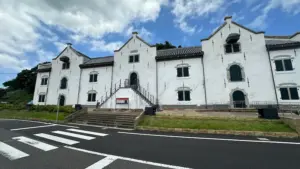
Trip notes and on-the-ground impressions from visiting the sites.

Suggested travel plans
Start with Yokosuka for the hill-park memorial visit. If you still have energy and daylight, add Uraga for a quieter maritime-history stop.
Choose the Nihonbashi-area memorial marker for a short, flat city walk. This works well when you have limited time or uncertain weather.
If you want a stronger "Age of Discovery" port-town atmosphere, plan a separate day in Hirado as part of a Kyushu itinerary.
Add Ito as a compact memorial-style walk during a Shizuoka coast or onsen trip.
Rainy-day and winter notes
Hill parks can have slick steps and muddy edges after rain; prioritize safer footing over shortcuts.
Coastal viewpoints can feel colder and windier than city streets; bring a layer even on mild days.
Short winter daylight can reduce visibility at scenic lookouts; visit the main memorial point first, then explore.
FAQ
This is an index page. Each city has its own detailed guide with station routes, navigation tips, and on-site highlights.
Tokyo (Nihonbashi area) is typically the easiest quick stop because it is a short, flat urban walk.
Yes. Tsukayama Park is commonly introduced with walking access from Keikyū Anjinzuka Station (about 20 minutes) or Keikyū Hemi Station (about 25 minutes). See the Yokosuka page for the easiest-to-follow route.
Most stops are memorial-style sites such as tombs, monuments, and parks commemorating Adams rather than preserved historical buildings.
Often yes, but hill routes can be slippery. If the weather is poor, consider a flatter Tokyo quick stop or a more compact walk in Ito.
Some routes involve slopes and steps, so plan extra time and take breaks. For the flattest option, start with Tokyo (Nihonbashi area).
From History to Screen: Meet John Blackthorne
If you discovered Miura Anjin through SHŌGUN, the character John Blackthorne is widely understood as being inspired by William Adams. Use the page below to connect the screen story to real locations.
☕ Support This Site
Following the Shogun is built on original fieldwork and on-site research.
If you found this guide useful, your support helps keep it going.

You can also support via QR code

