


Itō: Tracing Miura Anjin and Japan’s First Western Ship
Itō, in Shizuoka Prefecture, is where Miura Anjin (William Adams) built Japan’s first Western-style sailing ship. This guide covers five sites in town and one filming anecdote from Ajiro.
Remembering Itō: The Birthplace of Japan’s First Western-Style Sailing Ship
Anjin, the blue-eyed samurai portrayed in "SHŌGUN," was inspired by Miura Anjin—William Adams—who built Japan’s very first Western-style sailing ship in Itō, Shizuoka Prefecture. Scattered across the town are historic landmarks that commemorate his achievements, including the serene Anjin Memorial Park along the Matsukawa River and the historical Tokaikan hot spring. Itō combines history with hot spring relaxation.
How to Get Here: Ito Station (JT26)
From Haneda Airport:
Take the Keikyu Airport Line from Haneda Airport Terminal 1・2 Station (KK17) or Haneda Airport Terminal 3 Station (KK16) to Yokohama Station (KK37/JT05) (no transfer)
Transfer at Yokohama to the JR Odoriko Express Line to Ito Station (JT26)
Approx. travel time: 2 hours 9 minutes
Fare: ¥3,110
From Tokyo Station (JT01):
Take the JR Tokaido Shinkansen or rapid train to Atami Station (JT21)
Transfer at Atami to the JR Ito Line to Ito Station (JT26)
Approx. travel time: 1 hour 35 minutes
Fare: ¥4,400
The 5 Sites at a Glance: Walking Times from JR Itō Station
Miura Anjin Sites in Itō
Anjin Memorial Park
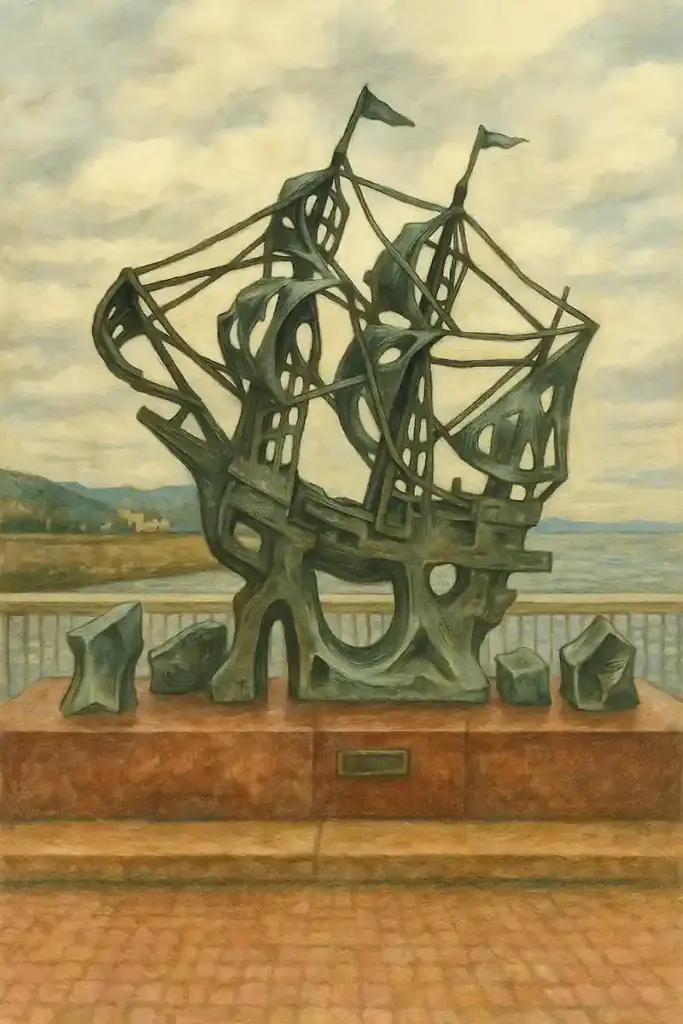
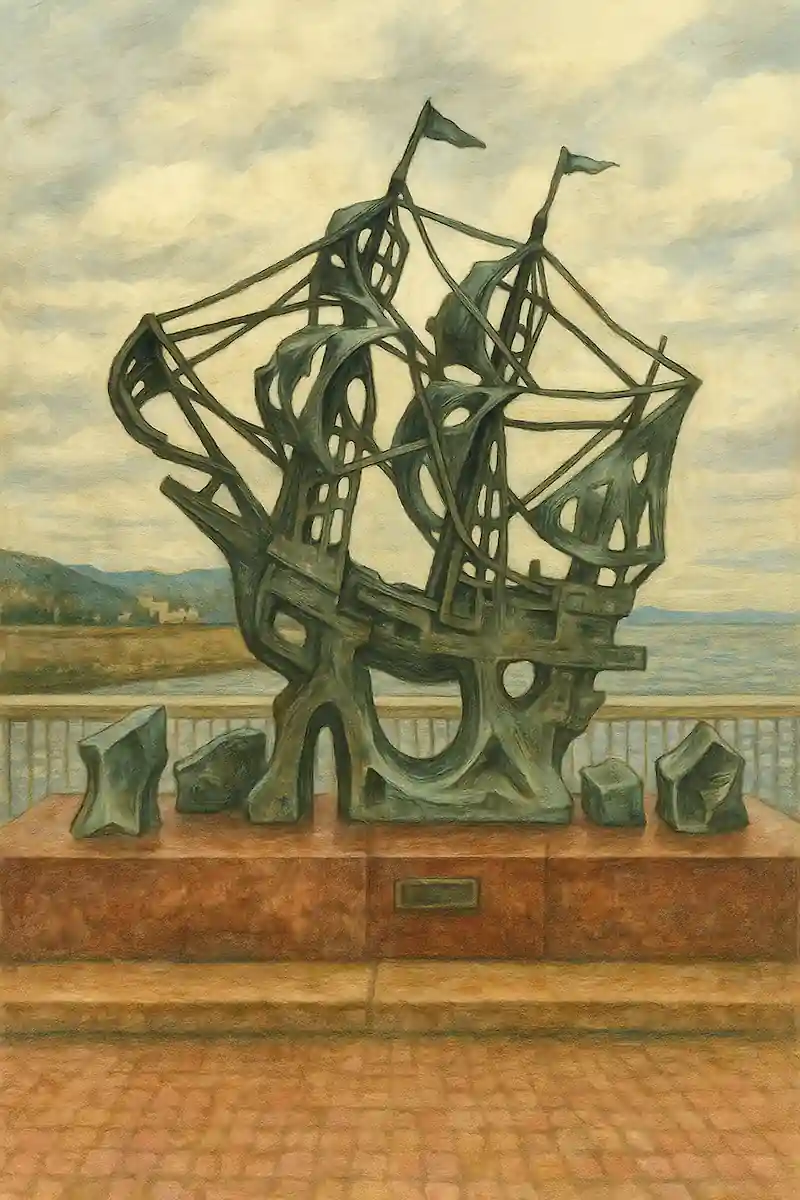
Anjin Memorial Park is a quiet riverside space located at the mouth of the Matsukawa River in Itō. It marks the site where Miura Anjin built Japan’s first Western-style sailing ship. The park features a dignified bronze bust and monuments honoring his legacy. A striking bronze sculpture by local artist Kenji Shigeoka stands proudly with the sea in the background, evoking the atmosphere of early shipbuilding. While the main page covers Anjin’s life in depth, this site offers a tranquil setting to reflect on his historic contributions.
Highlights
- Bust of Miura Anjin: A bronze sculpture by local artist Kenji Shigeoka, beautifully lit from multiple angles at dusk.
- Unexpected Historical Context: The shipbuilding efforts here are said to have later contributed to the development of Itō’s hot springs.
Suggested Visit Duration
Quick visit: About 20 minutes
Leisurely tour: Around 1 hour
Address: 6 Nagisacho, Itō City, Shizuoka Prefecture
Access:
Nearest station: About 15-minute walk (1.1 km) from JR Itō Station (JT26)
Recommended Rating
Historical Significance: ★★★
Visual Appeal: ★★
Experiential Value: ★★
| Year Constructed | Early 2000s |
|---|---|
| Constructed by | City of Itō and Kenji Shigeoka |
| Structure & Features | Bust, sailing ship monument, seaside plaza |
| Restoration History | Regular maintenance conducted |
| Current Condition | Excellent |
| Damaged or Lost | None |
| Cultural Designation | Not officially designated |
| Remarks | Recommended to visit together with Tokaikan and Kawaguchi Park |
Tokaikan (Historic Hot Spring Inn Linked to Miura Anjin)
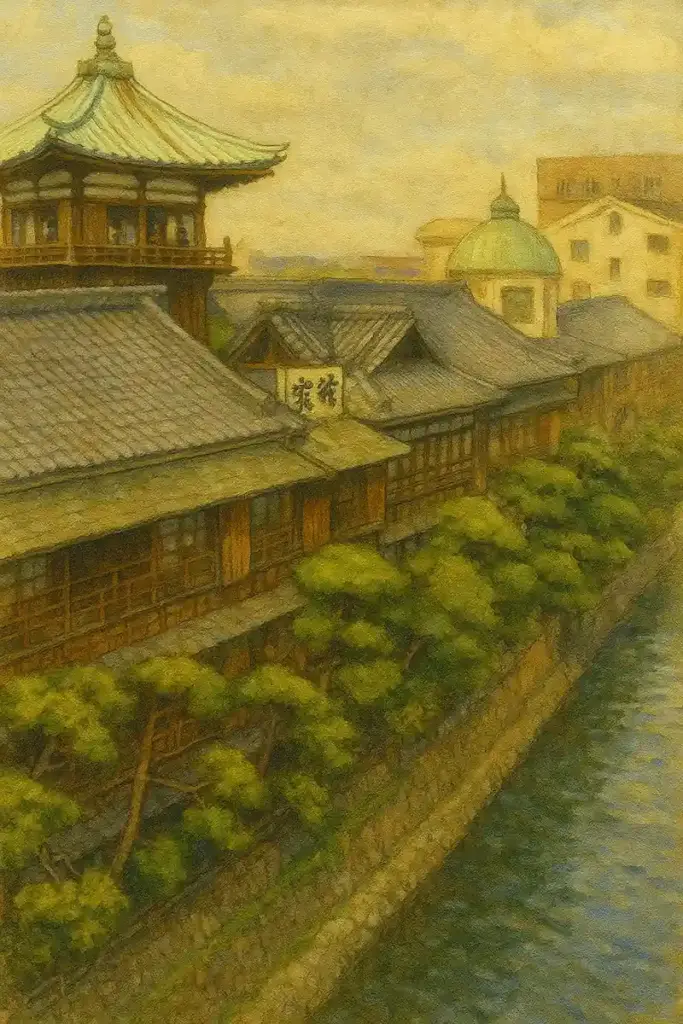
Tokaikan is a wooden hot spring inn that opened in 1928 (Showa 3). Although built about 300 years after the time of Miura Anjin (William Adams) and not directly connected to him, it houses a well-curated "History Room" with exhibitions about Anjin’s shipbuilding and diplomatic achievements. When visited together with the nearby memorial park and sculptures, Tokaikan deepens the historical experience tied to Anjin’s legacy in Itō.
With its elegant wooden architecture and well-curated exhibits, Tokaikan presents the legacy of Miura Anjin through its architecture and exhibits.
Highlights
- Curved Gable Entrance: Featuring elaborate carvings of cranes and the rising sun—an impressive traditional design.
- Connection to Anjin: Although not from his era, the exhibition offers rich insight into the shipbuilding history tied to Anjin in Itō.
Suggested Visit Duration
Quick highlights: Around 30 minutes
In-depth exploration: 1–2 hours (including exhibitions, bathhouse, and café)
Address: 12-10 Higashi Matsubara-cho, Itō City, Shizuoka Prefecture
Access:
Nearest station: About a 9-minute walk (approx. 0.6 km) from JR Itō Station (JT26)
Recommended Rating
Historical Significance: ★★★
Visual Appeal: ★★★
Experiential Value: ★★★
| Year Built | 1928 (Showa 3) |
|---|---|
| Founder | Yasutaro Inaba |
| Structure & Features | Three-story wooden building using cypress and cedar, decorative curved gable, grand hall, and watchtower |
| Restoration History | Closed in 1997, reopened to the public in 2001 |
| Current Condition | Excellent; designated Tangible Cultural Property by Itō City |
| Damage or Loss | None |
| Cultural Status | Designated Tangible Cultural Property of Itō City |
| Remarks | On-site café and public bathing available on weekends and holidays |
Itō City Hall (Modern Architecture with Historical Exhibits)
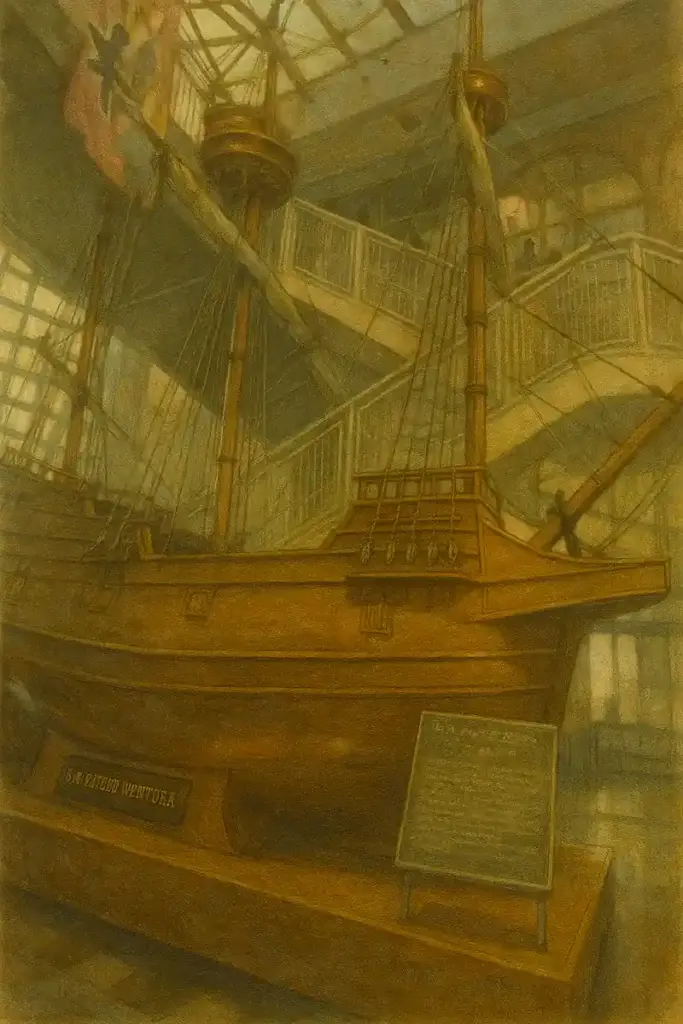
While Itō City Hall does not have a direct connection to Miura Anjin, it serves as the central hub of the city that once played a significant role in his history. The building actively promotes tourism and local heritage, with several outdoor sculptures including a statue of Anjin. Inside the civic hall, visitors can enjoy rotating exhibitions and local artwork. Its architectural features—like the open atrium, theater-style grand staircase, and multi-level layout—are often praised as "museum-like" and are worth a look on their own.
A modern and underrated stop that serves both as a gateway to local history and a resource for exploring Miura Anjin's legacy throughout Itō.
Highlights
- Open Atrium and Grand Staircase: Theater-like layout popular as a photo spot.
- Architectural Insight: Widely praised as "museum-like" in design.
Suggested Visit Duration
Interior and hall: 15–30 minutes
Full exploration (events, views, staircase): About 1 hour
Address: 2-1-1 Ohara, Itō City, Shizuoka Prefecture
Access:
Approx. 30-minute walk (2 km) from JR Itō Station (JT26), or accessible by car or bus (parking available)
Recommended Rating
Historical Significance: ☆
Visual Appeal: ☆☆☆
Experiential Value: ☆☆
| Year Built | Unknown (recent modern architecture) |
|---|---|
| Structure & Features | Multi-level layout utilizing a slope, open atrium, grand staircase, outdoor sculptures, animated clock |
| Restoration History | Regular maintenance conducted |
| Current Condition | Excellent |
| Cultural Status | Not designated (public facility) |
| Remarks | Tourist info corner, exhibit space, ample parking |
Anjin Ondo Song Monument (Kawaguchi Park & Matsukawa Promenade)
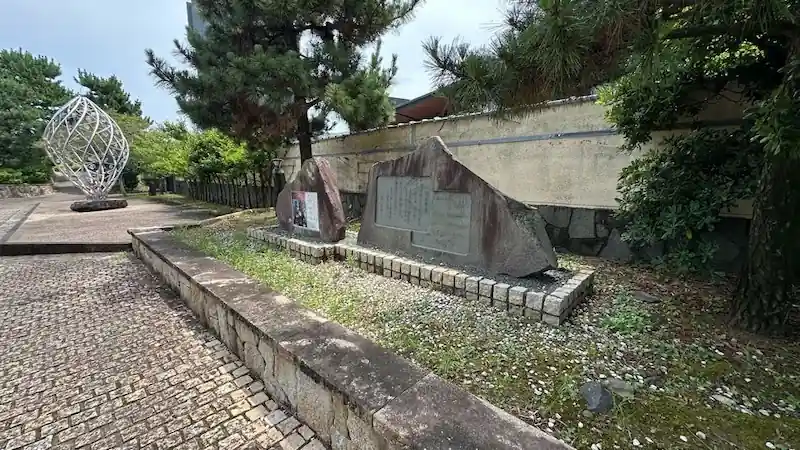
Situated at the mouth of the Matsukawa River, Kawaguchi Park forms part of a historical promenade dedicated to Miura Anjin. A highlight of this area is the Anjin Ondo Song Monument, a stone engraving of lyrics penned by Anjin researcher Tadashi Makino. The song, honoring Anjin, was recorded in 1992.
As you wander the Matsukawa Promenade, take a moment to experience this melodic tribute to Anjin—where history and song converge in a heartwarming local landmark.
Highlights
- Engraved Monument: Lyrics by Tadashi Makino and a melody by Ikusei Sekino are inscribed on the stone.
- Folk Anthem: The song is performed during local festivals and bon dances, cementing its place in community culture.
Suggested Visit Duration
Quick visit: Around 10 minutes
Leisurely walk with nearby sites: 30–40 minutes
Address: 86-14 Nagisacho, Itō City, Shizuoka (inside Kawaguchi Park)
Access:
Approx. 14-minute walk (about 1 km) from JR Itō Station (JT26)
Recommended Rating
Historical Significance: ★★★
Visual Appeal: ★
Experiential Value: ★★
| Year Erected | 2004 (400th Anniversary of Anjin's Shipbuilding) |
|---|---|
| Established by | Anjin Ondo Monument Committee (Chair: Akira Nakamura) |
| Structure & Features | Stone monument engraved with lyrics and musical score |
| Current Condition | Excellent |
| Cultural Status | Not designated |
| Remarks | Located along the promenade in Kawaguchi Park, near the Anjin Monument and tile mural |
Photos
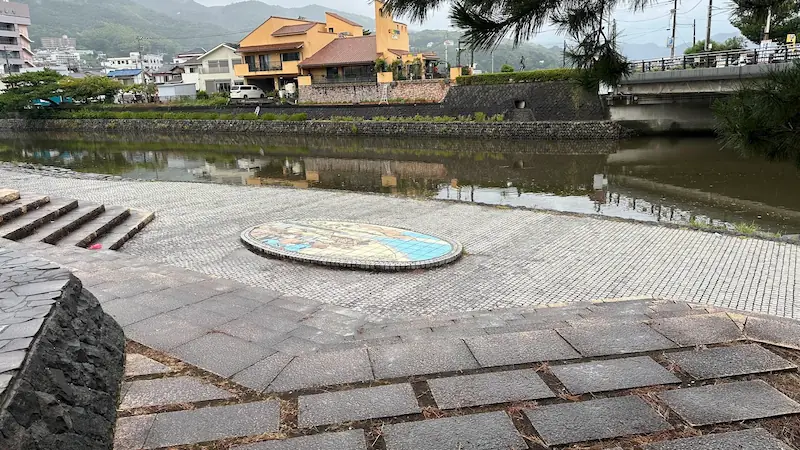
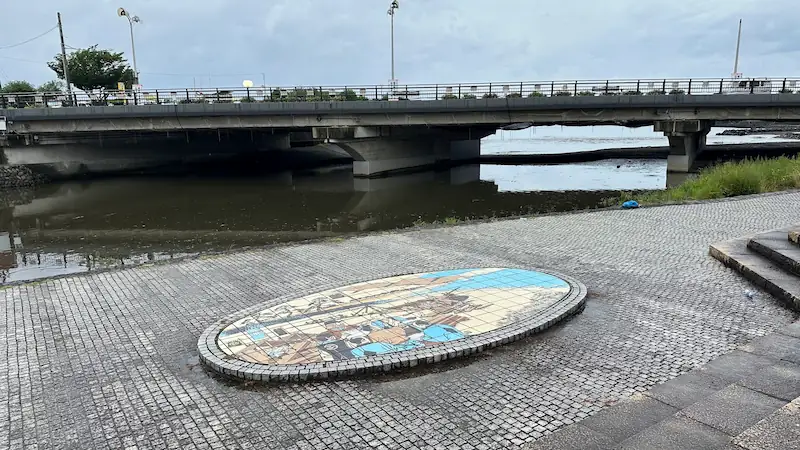
Tap to enlarge
Anjin Street
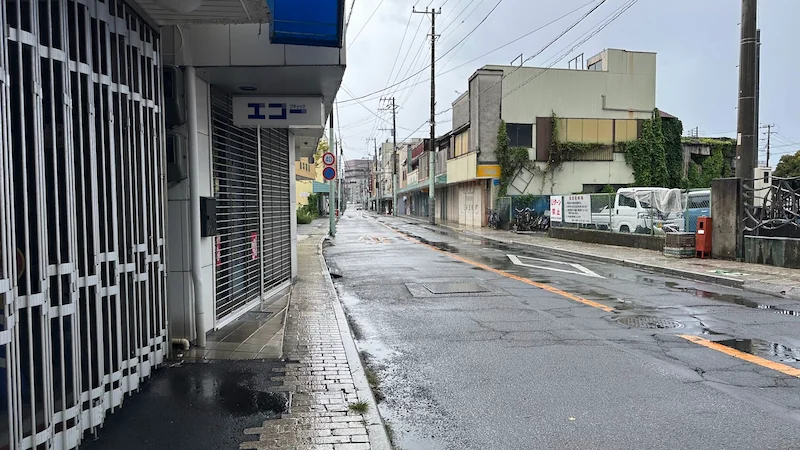
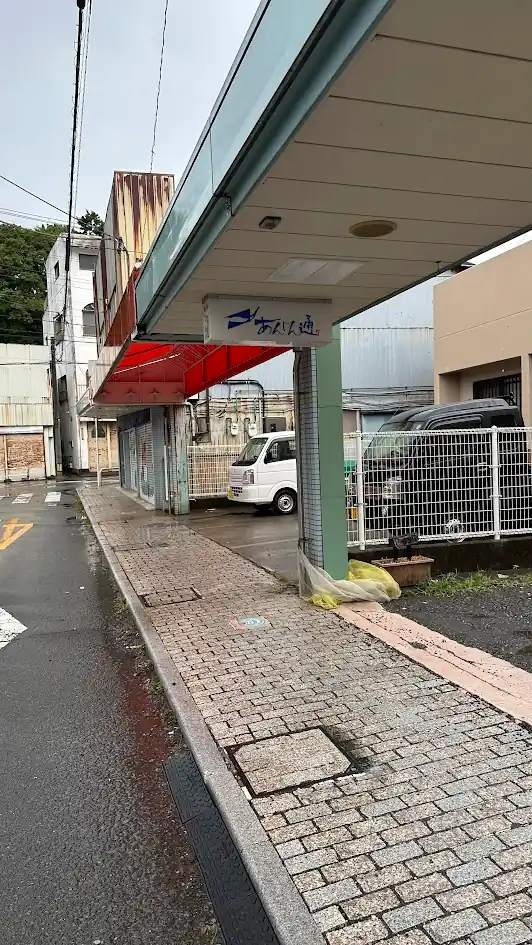
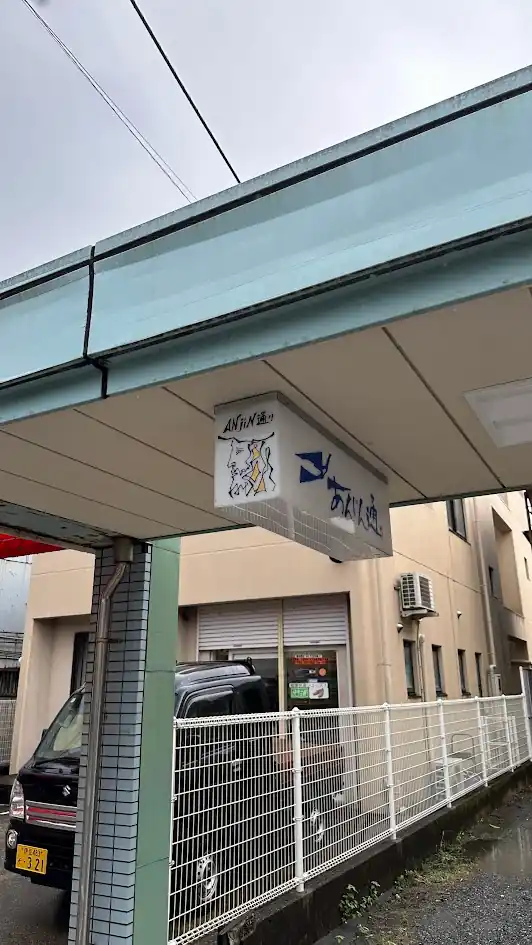
Anjin Street, located in Ito City, is a historic shopping street associated with Miura Anjin. It appears as you head south after crossing the Okawa Bridge. This quiet street has the atmosphere of a hot spring town and local favorites such as the long-standing café Yamamoto Coffee, which opens from the morning. The calm, welcoming ambiance is complemented by shutter art resembling traditional pressed pictures, subtly reflecting the neighborhood’s unique character and culture.
Anjin Street is not flashy, but it has a quiet feel where traces of history sit alongside everyday local life. It’s especially recommended for those who want a relaxing stroll after enjoying the hot spring district, or for anyone looking to soak in a retro Showa-era atmosphere.
Highlights
- Yamamoto Coffee: A long-established kissaten café open from the morning—perfect for a relaxing break in a calm setting.
Suggested Visit Time
Quick highlights: around 5 minutes
Leisurely exploration: around 20 minutes
Address: Ito City
Access
About a 15-minute walk (approx. 1.1 km) from JR Ito Station (JT26)
Recommended
Historical Value: ☆
Visual Appeal: ☆
Experiential Value: ☆
| Year Built | — (A culturally significant street reflecting historical background, with no specific year of construction) |
|---|---|
| Builder | — |
| Structure / Features | Shopping street: nostalgic kissaten cafés, shutter art |
| Renovation / Restoration History | — |
| Current Condition | Still exists, cherished by the local community |
| Demolition / Damage | None |
| Cultural Property Designation | None |
| Notes | A street named after Miura Anjin, serving as a link between local history and everyday life |
Photos
Tap to enlarge
A personal ranking based on the star ratings in this guide, not an official recommended order. City Hall and Anjin Street are left out of the ranking because their ratings use a different symbol.
Rated three stars on all three criteria and only about a 9-minute walk (approx. 0.6 km) from JR Itō Station. Its History Room has a permanent second-floor Anjin exhibit, and a quick visit takes around 30 minutes.
Three stars for historical significance. It marks the site where Anjin built Japan’s first Western-style sailing ship, about a 15-minute walk (1.1 km) from the station, and a quick visit takes about 20 minutes.
Three stars for historical significance but one for visual appeal. About 10 minutes is enough, and it sits along the Matsukawa Promenade in Kawaguchi Park.
The page notes it has no direct connection to Miura Anjin and is a 30-minute walk (2 km) from the station. It is worth a look mainly for the architecture and its tourist information corner.
Ajiro: A Filming Anecdote from the ‘Shōgun’ Drama
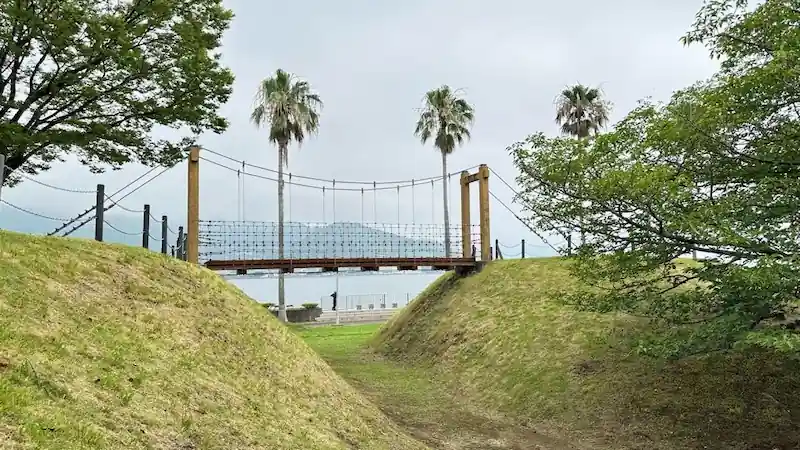
Ajiro, a small fishing port neighboring Itō City, is not directly connected to Miura Anjin. However, it has recently gained attention due to an interesting anecdote linked to the production of the popular drama series Shōgun (FX/Disney+).
Although the series is set in Japan around the year 1600, none of it was actually filmed in Japan. Instead, the entire production took place in and around Vancouver, Canada—primarily in Minaty Bay and Port Moody.
The scenic backdrop of "Ajiro Fishing Port" in the show was faithfully recreated in a manmade inlet on the site of a defunct cedar mill near Port Moody. Even pine forests and piers were painstakingly built as part of the set.
The production team spent nearly ten months constructing sets and enhancing them with VFX to authentically portray "Ajiro Port." The result was so evocative that some jokingly dubbed it the "Vancouver of Shizuoka," thanks to its striking resemblance to the real Ajiro area.
The timeless charm of Itō and Ajiro was revived across the ocean as the soul of a grand historical drama. Next time you're strolling through Ajiro, why not share this behind-the-scenes story?
Frequently Asked Questions
Take the JR Tokaido Shinkansen or a rapid train to Atami Station (JT21), then transfer to the JR Ito Line to Itō Station (JT26). It takes approx. 1 hour 35 minutes and the fare is ¥4,400.
Take the Keikyu Airport Line from Haneda Airport Terminal 1・2 Station (KK17) or Terminal 3 Station (KK16) to Yokohama Station (KK37/JT05) without a transfer, then change to the JR Odoriko Express Line to Itō Station (JT26). It takes approx. 2 hours 9 minutes and the fare is ¥3,110.
This guide covers five sites: Anjin Memorial Park, Tokaikan, Itō City Hall, the Anjin Ondo Song Monument in Kawaguchi Park and Anjin Street. It also covers a filming anecdote from neighboring Ajiro.
Tokaikan is the closest, about a 9-minute walk (approx. 0.6 km) from JR Itō Station. The Anjin Ondo Song Monument is about 14 minutes (about 1 km) on foot, and Anjin Memorial Park and Anjin Street are each about 15 minutes (1.1 km). Itō City Hall is about a 30-minute walk (2 km), or you can go by car or bus.
Tokaikan opened in 1928 (Showa 3), about 300 years after Miura Anjin’s time, and is not directly connected to him. Its “History Room” has a permanent second-floor exhibit with a timeline, ship models and dioramas about Anjin’s shipbuilding and diplomatic achievements.
Around 30 minutes for the highlights, or 1–2 hours if you include the exhibitions, the bathhouse and the café.
It was erected in 2004 to mark the 400th anniversary of Anjin’s shipbuilding. The stone is engraved with the lyrics by Tadashi Makino and the musical score, and the song was recorded in 1992.
No. None of the series was filmed in Japan. The production took place in and around Vancouver, Canada, mainly in Minaty Bay and Port Moody, where the “Ajiro Fishing Port” set was recreated in a manmade inlet.
More on Miura Anjin (William Adams)
☕ Support This Site
Following the Shogun is built on original fieldwork and on-site research.
If you found this guide useful, your support helps keep it going.

You can also support via QR code
comment