


Matsumoto Castle Guide: Getting There from Tokyo, Tickets and Inside the Keep
One of Japan’s 12 original castle keeps, with a wooden interior you can walk through. Here is how to get there from Tokyo, which ticket to buy, what to look for inside, and how the city museum helps you read the old castle town.
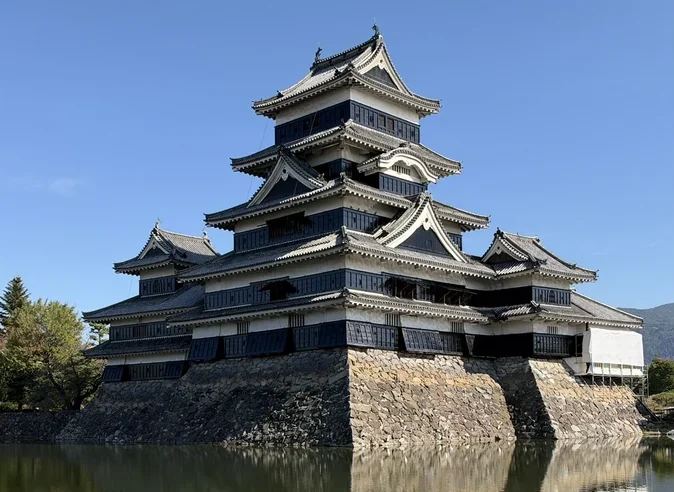
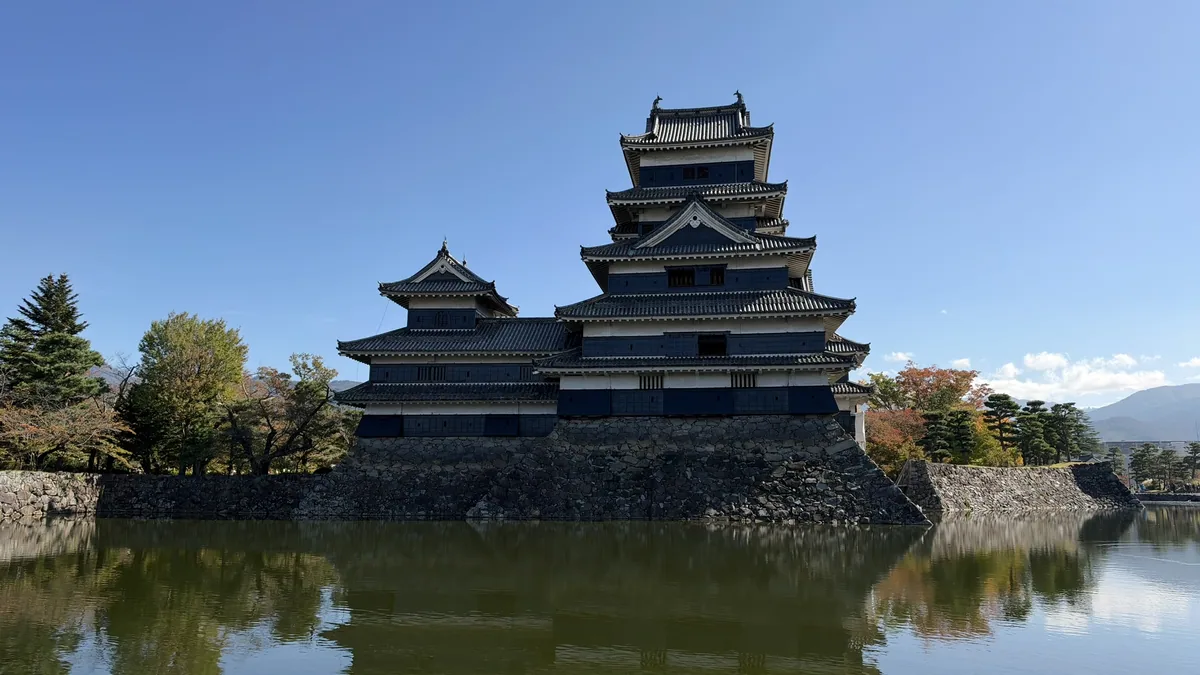
Matsumoto Castle stands in the center of Matsumoto, a city in the mountains of Nagano Prefecture, about two and a half to four hours northwest of Tokyo by train or bus. It is a flatland castle, built on the floor of a basin rather than on a hill, and its black-and-white keep complex is designated a National Treasure.
What remains today? Five connected buildings: the main keep, the smaller Inui keep, the connecting turret, and two later turrets. The city’s official view is that the main keep, the Inui keep and the connecting turret were built in 1593–94. Inside, the original pillars and beams are still holding the building up. The gates you pass through to reach the keep are reconstructions, and the lords’ palaces have gone.
Is it worth going inside? If you want to see how a Japanese castle keep was built, yes. Be ready for the stairs: about 140 steps in total, with the steepest flight at about 61 degrees. If that is too much for you, the keep looks just as good from around the moat, and on weekdays you can look down on it from the City Hall viewing room.
I visited on 23 October 2026, traveling from Shinjuku by highway bus. The tips below on tickets and queues come from that visit.
In this guide
Matsumoto Castle tickets, entry and time needed
You need a ticket for the paid area inside the Kuromon Gate, which includes the main enclosure (honmaru) and the keep. Online e-tickets are for a set date and time; paper tickets bought at the window are same-day tickets with no time slot.
| Ticket | Adult | Elementary and junior high |
|---|---|---|
| E-ticket (date and time) | ¥1,200 | ¥400 |
| Paper ticket (window, same day) | ¥1,300 | ¥400 |
Preschool children are free. E-tickets cannot be cancelled or changed after purchase. The castle is open 8:30–17:00 (last entry 16:30) and closes only from 29 to 31 December. Hours are extended during Golden Week (8:00–18:00 in 2026) and for a period around Obon in August; check the official site for the dates each year. Prices and hours were checked on the official site on 8 November 2026.
Combined tickets: choose by the places you will visit
Combined tickets are sold only as e-tickets and cover the permanent exhibitions only.
| Combined ticket | Adult | Note |
|---|---|---|
| Castle + Former Kaichi School | ¥1,600 | Valid 2 days |
| Castle + City Museum | ¥1,500 | |
| Castle + City Museum of Art | ¥1,700 | |
| All four | ¥2,600 | Valid 3 days |
Bought separately, the same pairs cost an adult ¥200 more, and all four cost ¥400 more (counting e-tickets for the castle, school and art museum, and ¥500 for the city museum’s permanent exhibition). The castle part of every combined ticket still needs a date and time.
A mistake to avoid. I meant to buy the castle and city museum ticket from the official booking page, but I chose by the product image without reading the text and ended up with the castle and Former Kaichi School ticket. Several combined tickets look alike. I planned to visit the school anyway, so I lost nothing, but I had to buy a separate museum ticket at the door. Before you pay, read the facility names on the ticket, the date and time slot, and how many days it is valid. Also check closing days: the city museum’s galleries close every Tuesday, and the Former Kaichi School closes every Tuesday from December to February.
Queues at the gate and the keep
On 23 October 2026, online ticket holders did not queue at the Kuromon Gate, while people buying paper tickets at the window waited about 10 minutes. At the keep entrance, online and paper ticket holders lined up separately, and with my online ticket I walked straight in. Crowds vary by day, and during Golden Week and Obon the castle may limit entry. The official website shows the current wait at the keep entrance.
- You take off your shoes inside the keep and carry them in a bag.
- Photography is not allowed near the stairs.
- Pets are not allowed in the honmaru garden or the keep.
PRThis section contains affiliate links to KKday. If you buy through them, this site earns a commission.
Matsumoto Castle e-tickets are also sold on KKday, including combined-ticket options. Entry is by QR code.
KKday
Matsumoto Castle admission and combined tickets
QR-code entry. No cancellations or changes after purchase. The product page notes that you may still have to wait to enter the keep. Check each option’s price and included facilities on the page.
See on KKdayFor combined tickets, read the facility names carefully. Check the details on the linked page before you buy.
Getting to Matsumoto from Tokyo
Most travelers go from Shinjuku Station in Tokyo. Both the Azusa limited express train and the highway bus to Matsumoto start there.
| Option | What to know |
|---|---|
| Azusa limited express | Direct from Shinjuku. In my example search, the 7:00 Azusa 1 reached Matsumoto at 9:38. There are no non-reserved cars: book a reserved seat, or use a seat-unspecified ticket, which lets you sit in any empty seat but does not guarantee one. |
| Highway bus | Alpico buses run from Busta Shinjuku (the bus terminal above Shinjuku Station) to Matsumoto Bus Terminal, about 3 hours 12 minutes to 3 hours 53 minutes. Reservations are required. Web fares start at ¥3,300; fixed fares are ¥4,100–4,500 depending on the day. |
| Shinkansen via Nagano | Hokuriku Shinkansen from Tokyo to Nagano, then the Shinano limited express. The fastest of my example searches, but the most expensive. |
For comparison, I searched four early-morning routes from Shinagawa for Friday 13 November 2026. To the castle, the Shinkansen route took 2 hours 56 minutes (¥11,590), the Azusa 3 hours 18 minutes (¥6,730), the highway bus 4 hours 15 minutes (¥4,753) and local trains 5 hours 7 minutes (¥4,180). These are one day’s search results, not a full timetable.
I took the 6:05 bus from Busta Shinjuku on my visit and paid ¥4,500, then walked to the castle. The first bus of the day leaves Busta Shinjuku at 6:05 and arrives at 9:23 (timetable from 1 September 2026). If you use a rail pass, check whether it covers the train you plan to take and how to reserve seats.
From Matsumoto Station to the castle
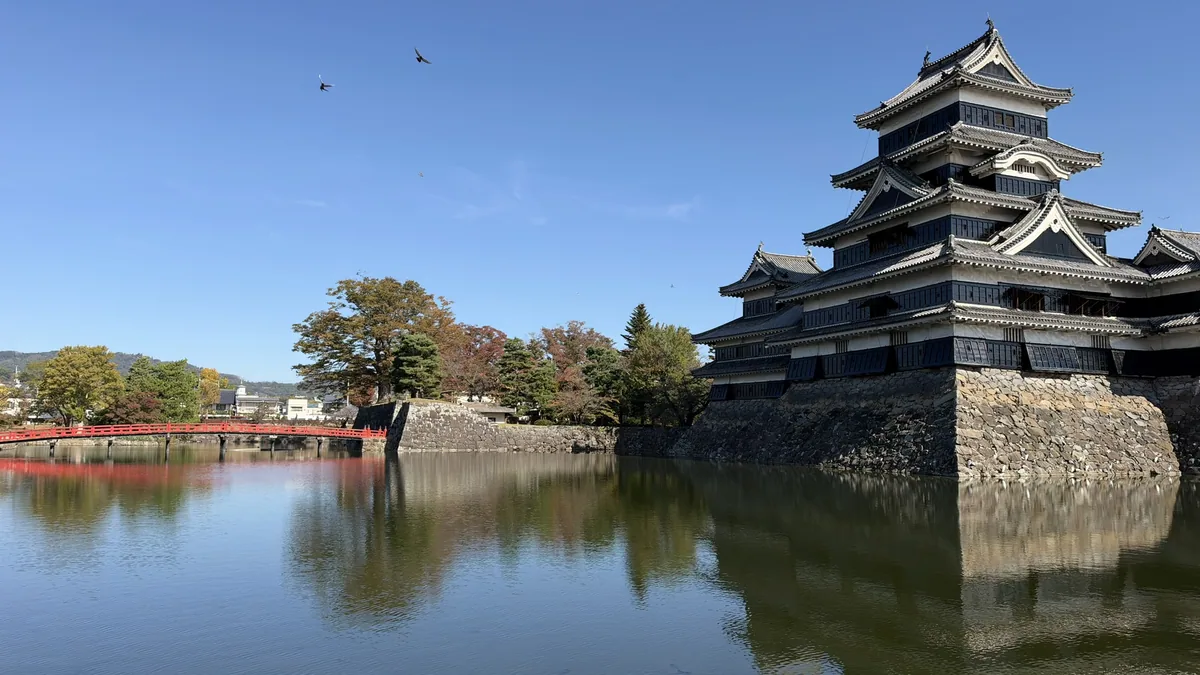
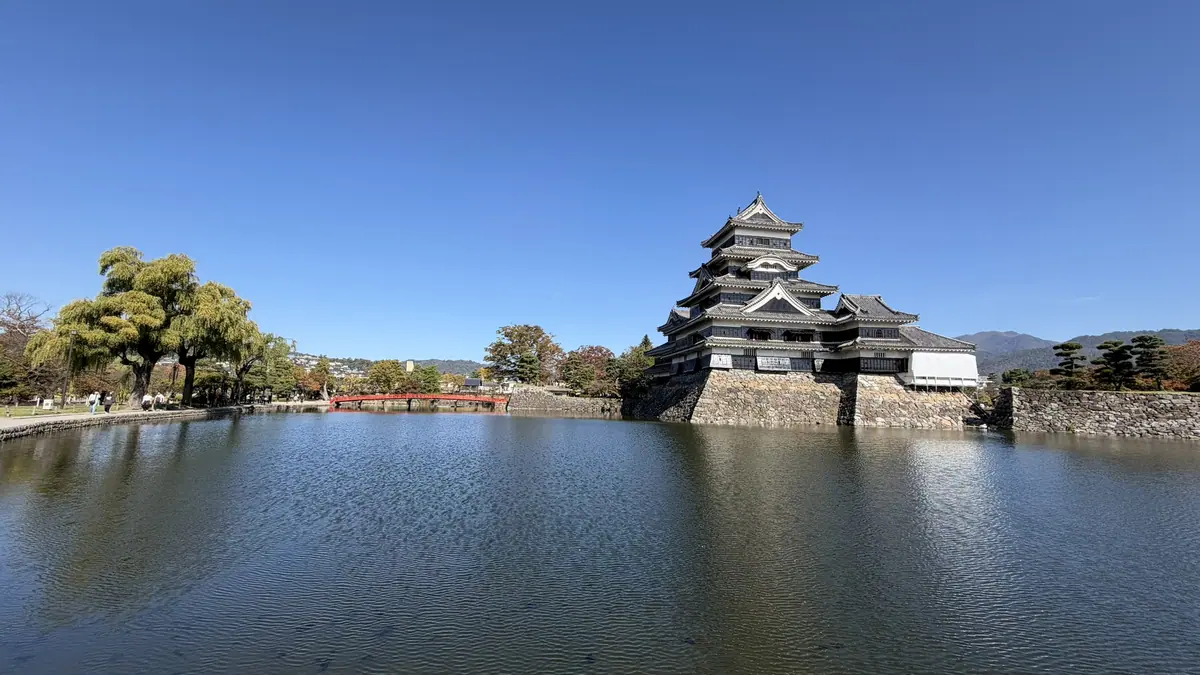
The castle is about a 20-minute walk from the Oshiro (Castle) exit of Matsumoto Station. The Town Sneaker loop bus, North Course, takes about 10 minutes from the Oshiro exit to the Matsumoto-jo/Shiyakusho-mae stop. The only entrance is the Kuromon Gate. The red Uzumi Bridge in many photos is closed as an entrance, so head for the Kuromon Gate.
From Matsumoto Station to Koraimon (Kuromon’s second gate)
From the highway bus stop to Koraimon (Kuromon’s second gate)
Routes are shown by Google Maps and vary with the mode of transport and the time of day.
Inside the original keep: architecture, exhibits and history
Ogasawara Sadayoshi retook the older Fukashi Castle in 1582 and renamed it Matsumoto. In 1590 Ishikawa Kazumasa, a former senior retainer of Tokugawa Ieyasu, became lord. His son Yasunaga succeeded him in 1592 and pushed the keep’s construction forward. Later lords added the two smaller turrets. After the Meiji Restoration the gates were taken down, but the keep survived.
The moat and the castle from outside: inner moat and east outer moat
Tap a photo to enlarge it
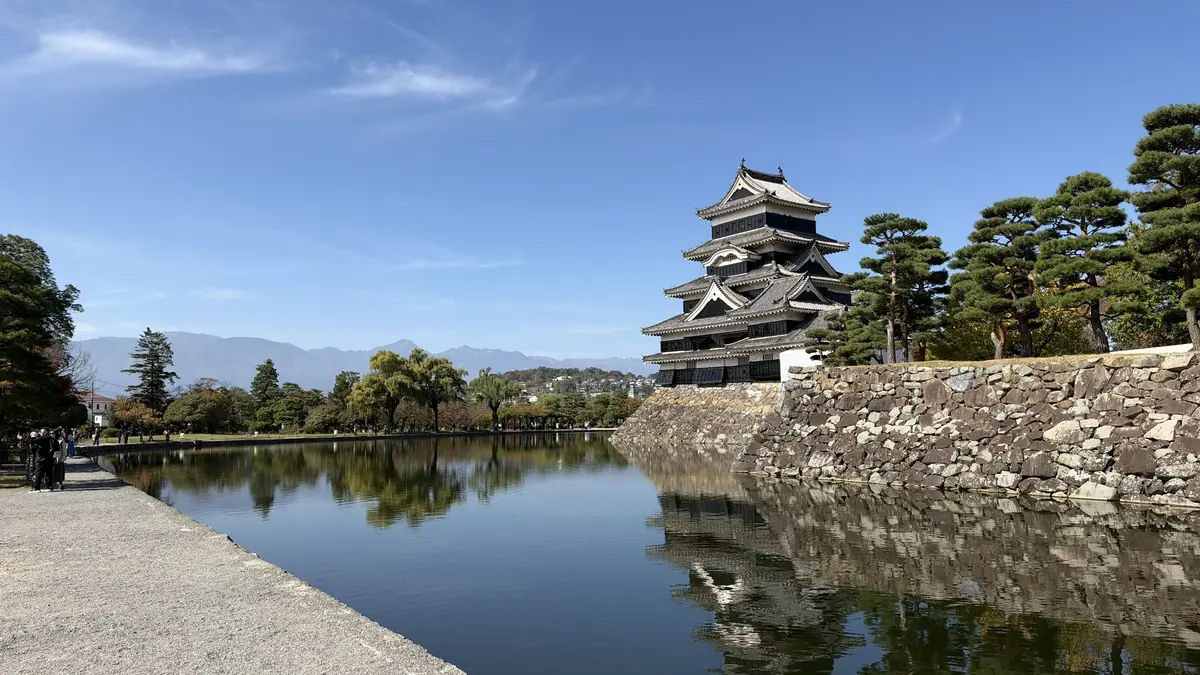
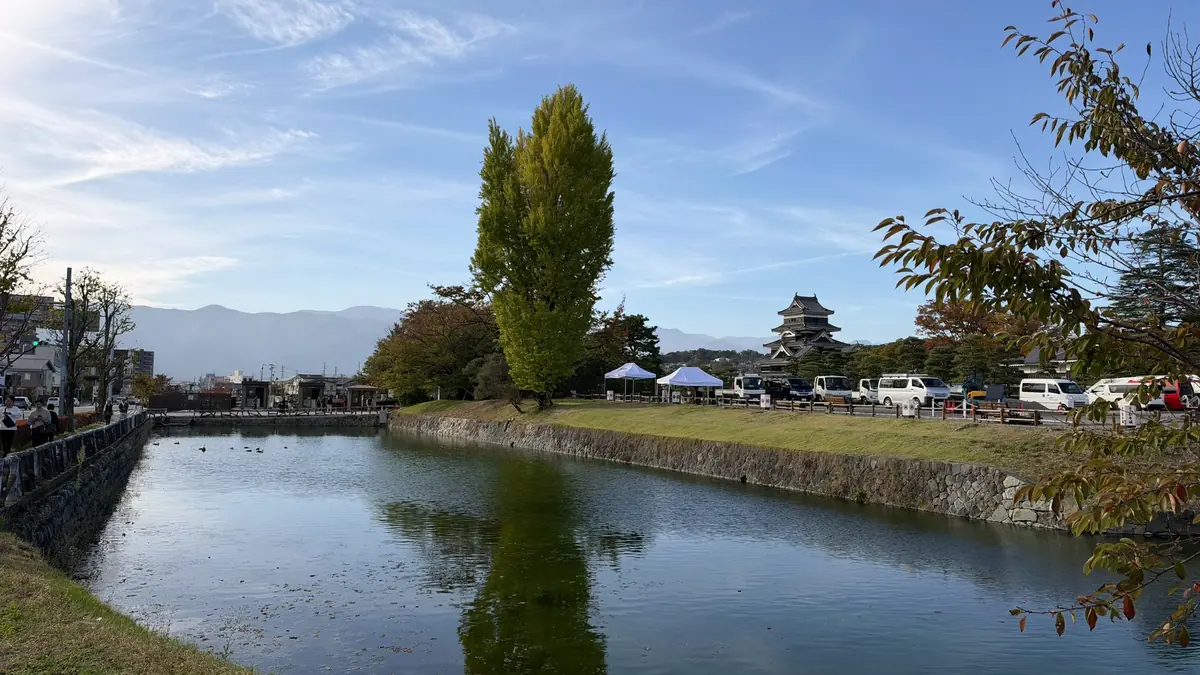
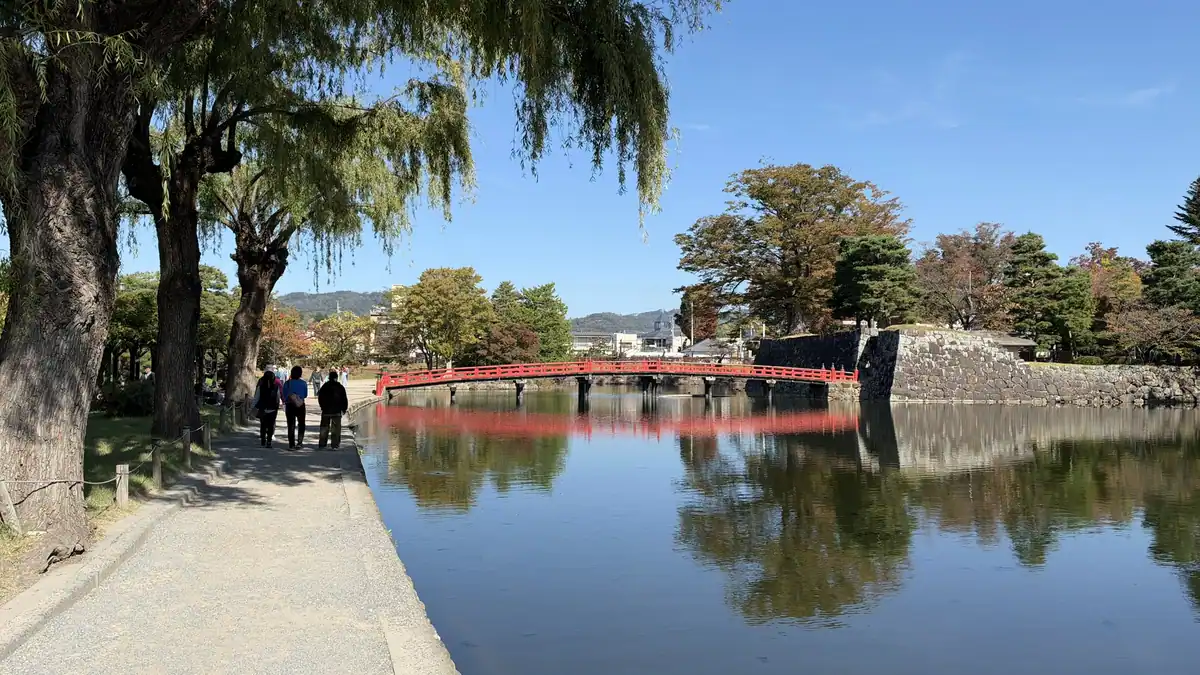
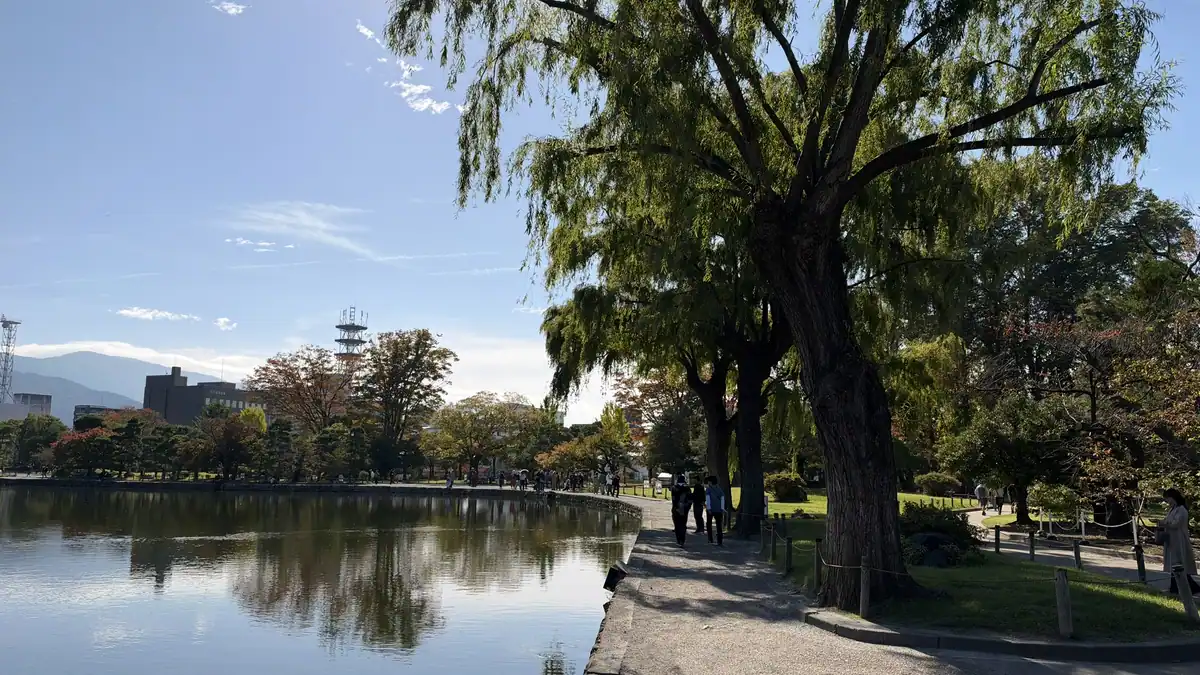
The best way to see the castle from outside is to walk the paths around its moat. In the inner moat the black-boarded, white-plastered keep is reflected, and a path under willow trees shows the castle from a different angle at every few steps.
Apart from the inner moat below the keep, part of the moat that once ringed the outside of the second enclosure remains on the east side, with water running along a stone embankment and the top of the keep rising behind a ginkgo. The moat on the north side is lined with stone walls and trees, and has a different feel from the view of the keep from the south.
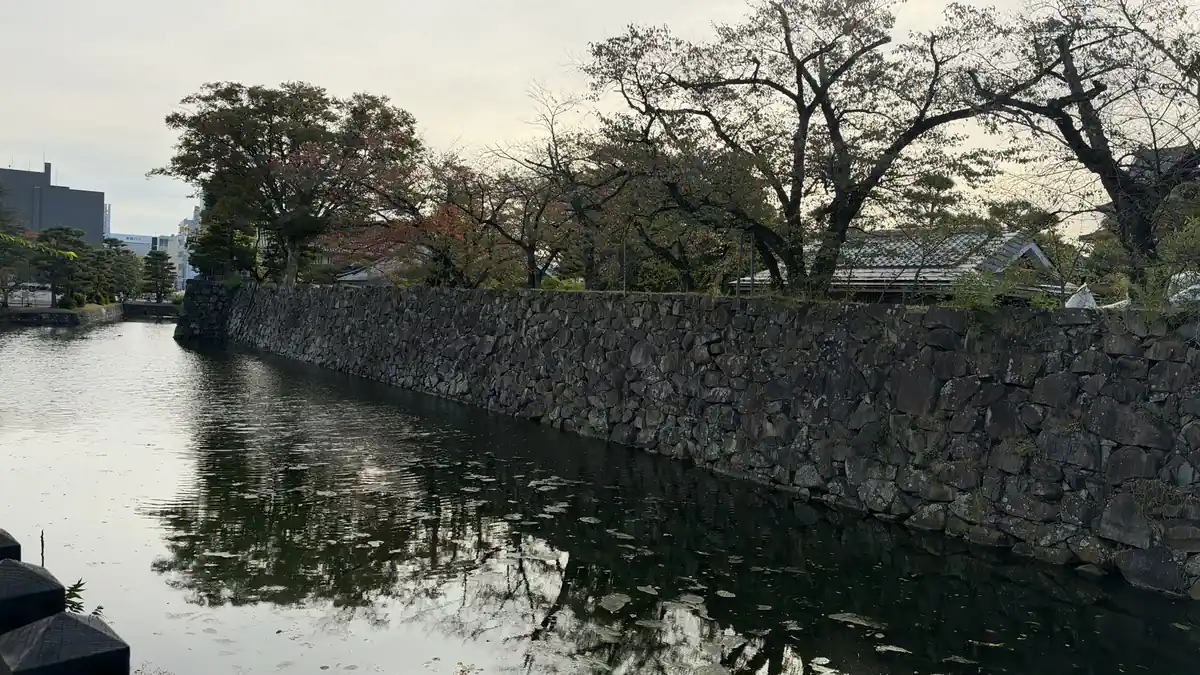
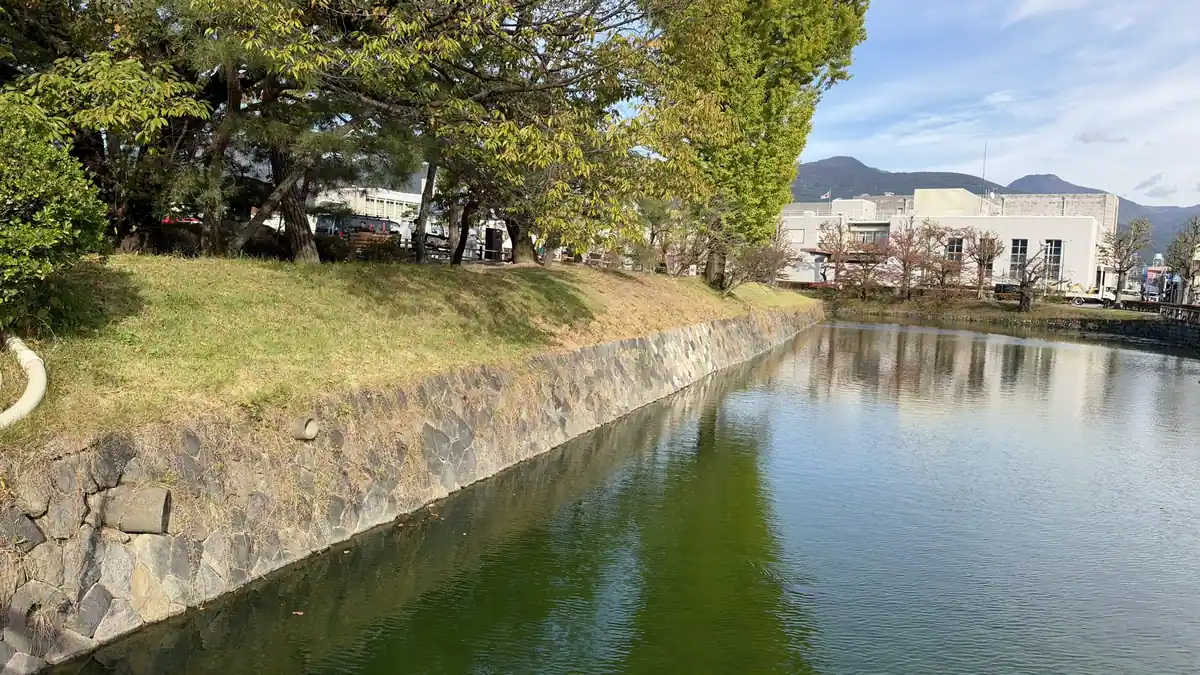
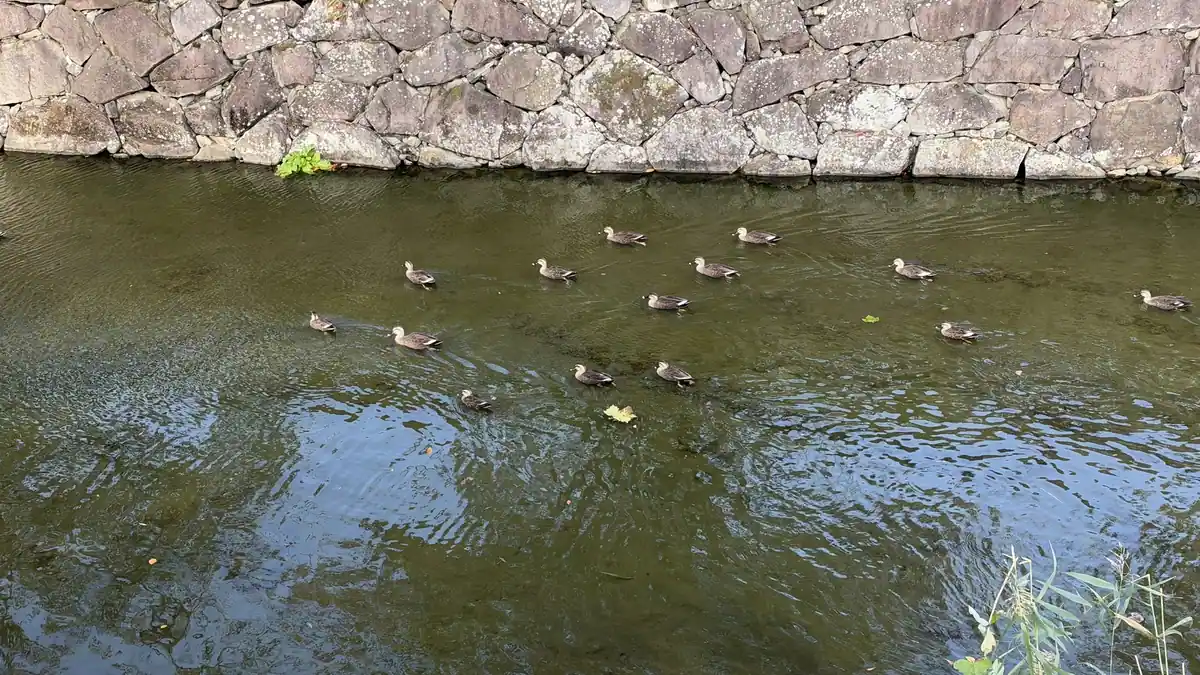
Tap a photo to enlarge it
The wooden interior of the main keep
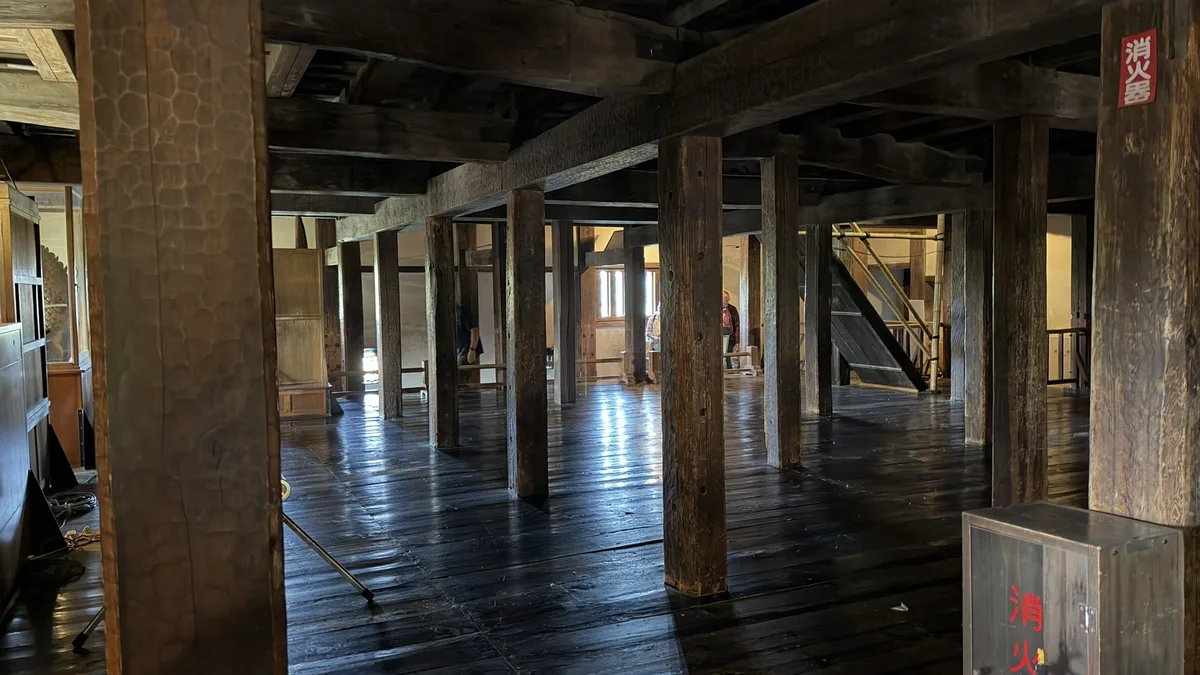
Inside, thick pillars and low beams cross over and over, and you get a real sense of how big this wooden building is. For me, those pillars and the sheer timber structure were the most impressive part of the visit.
There are displays of old wall sections and pillars, and panels on how the keep was built, but much of the floor space goes to firearms. If you came for the architecture, look out for the structural displays as you climb.
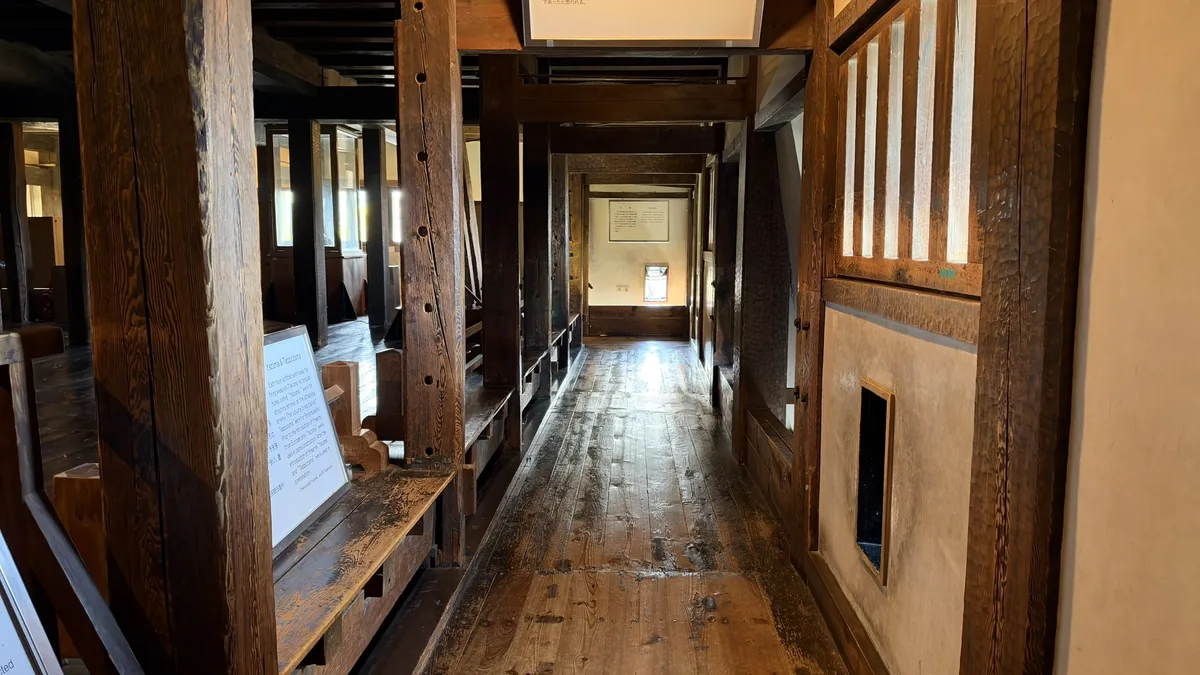
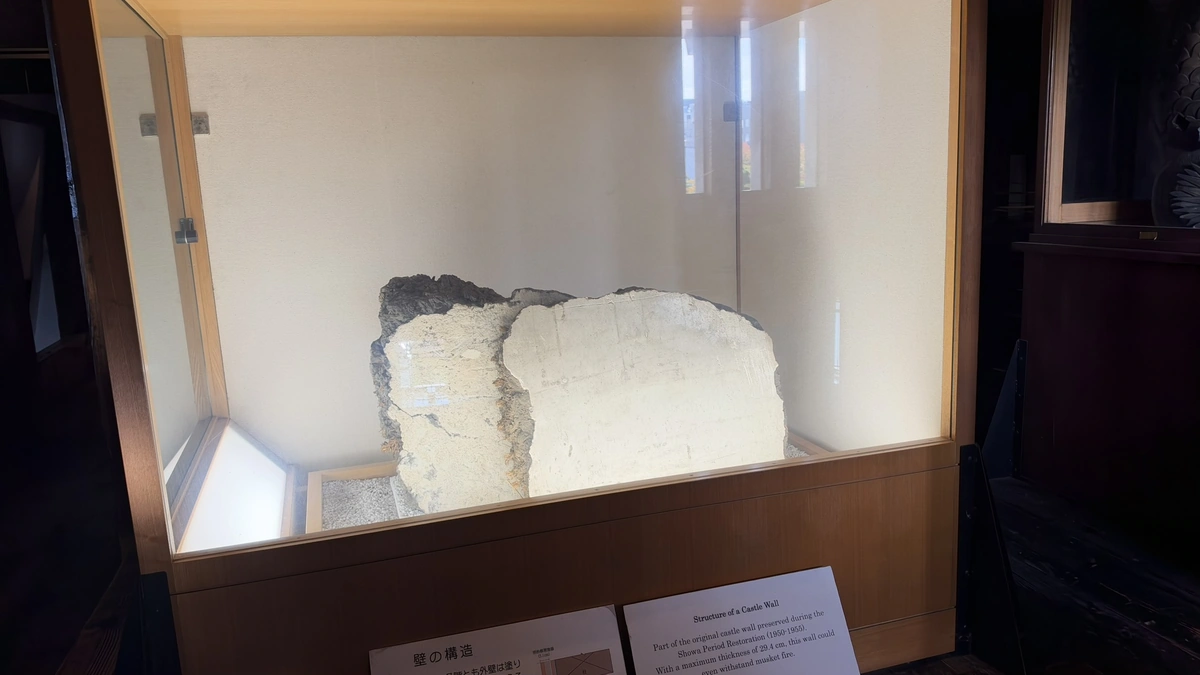
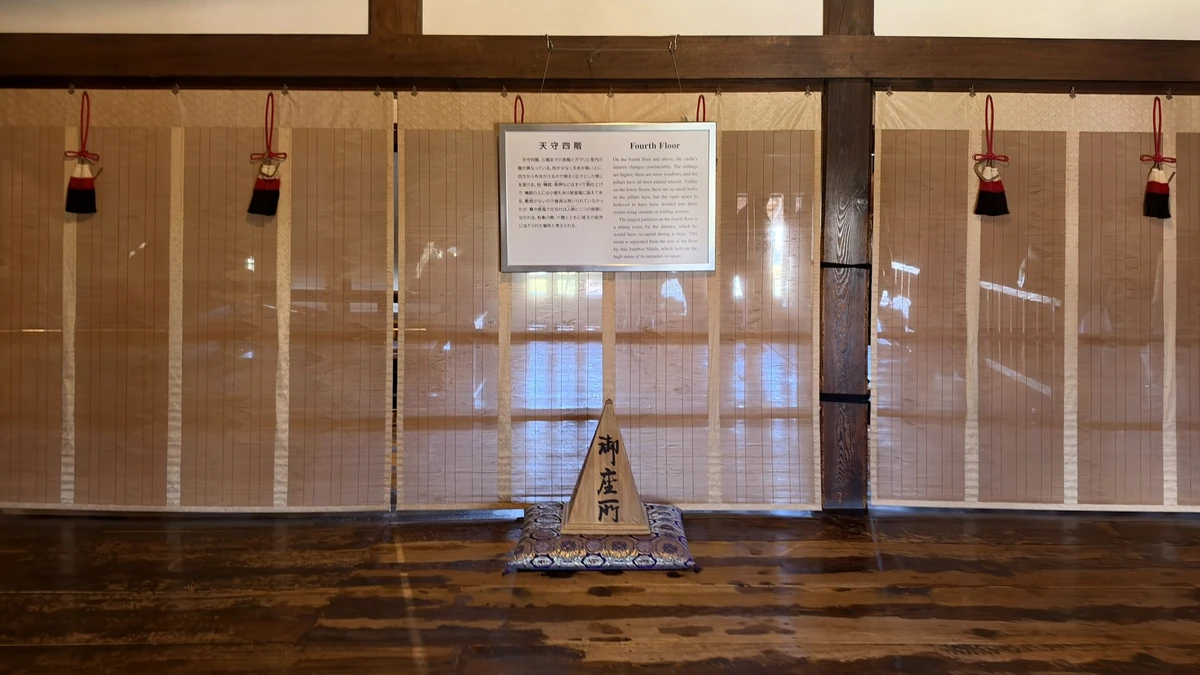
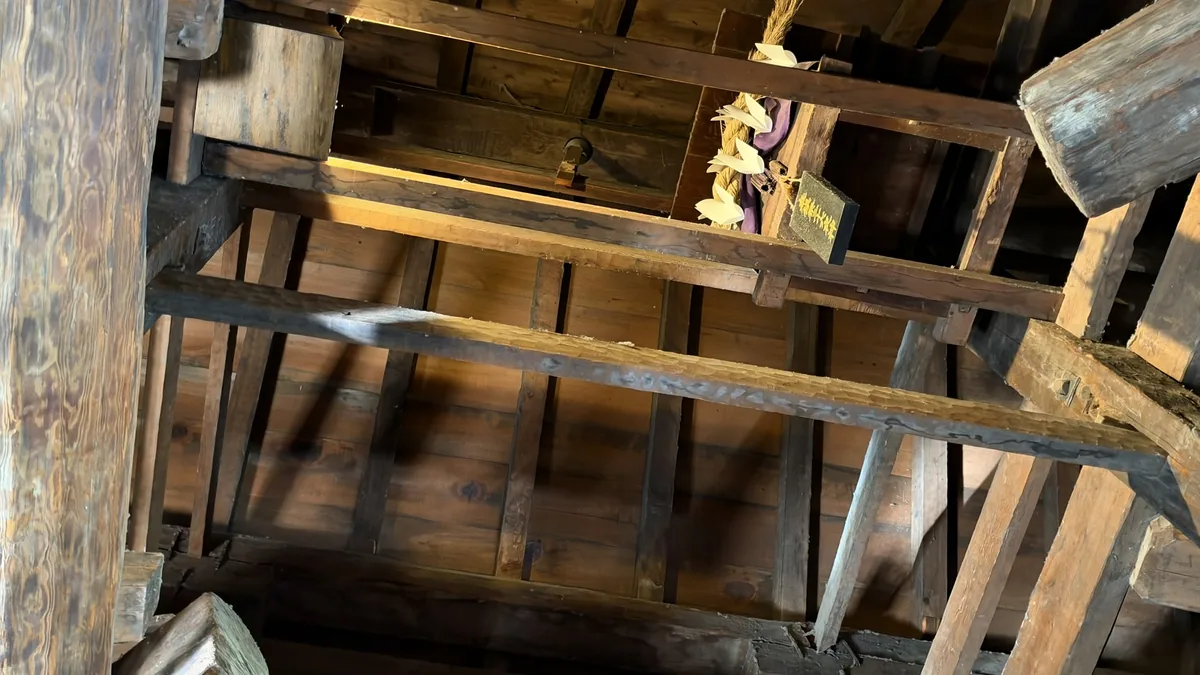
Tap a photo to enlarge it
Mushabashiri: on the first floor, a corridor runs along the inside of the outer wall, a step down from the central floor.
Wall section: a piece of second-floor wall kept during the Showa-era restoration shows the layers you cannot see from outside.
Gozasho: a screened area on the fourth floor, thought to have been the lord’s seat.
Nijurokuyashin: a guardian deity enshrined in the beams of the top floor. Its origin is told as a castle legend.
Views from the keep windows: moat, town and mountains
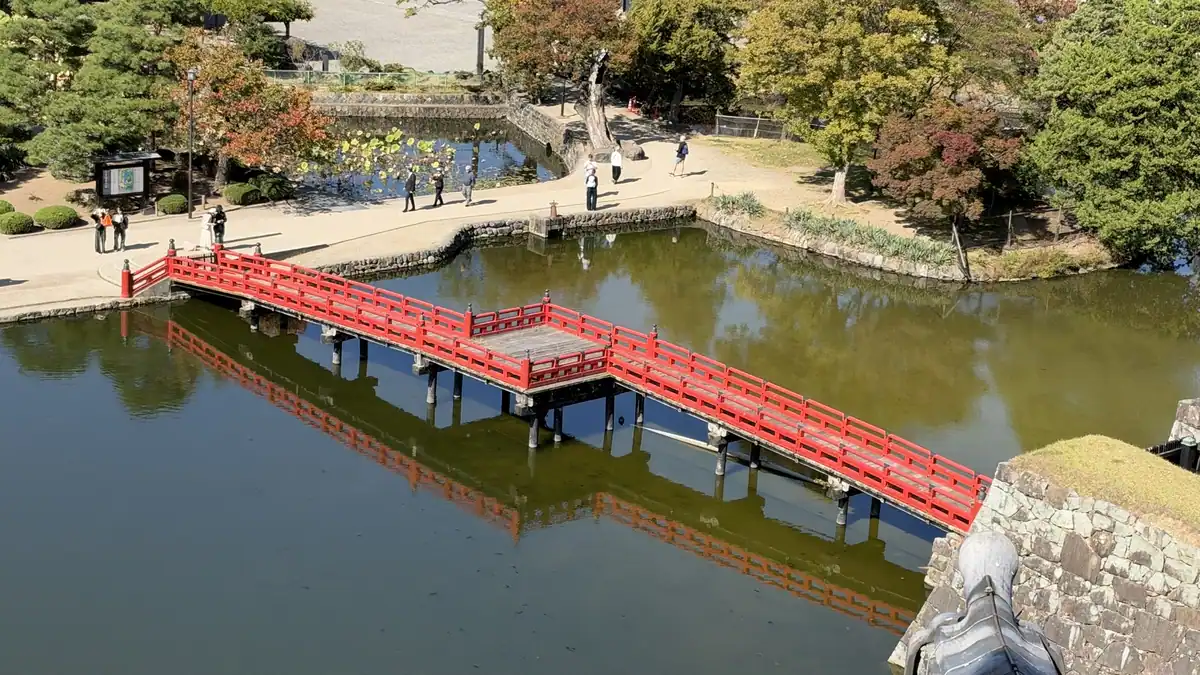
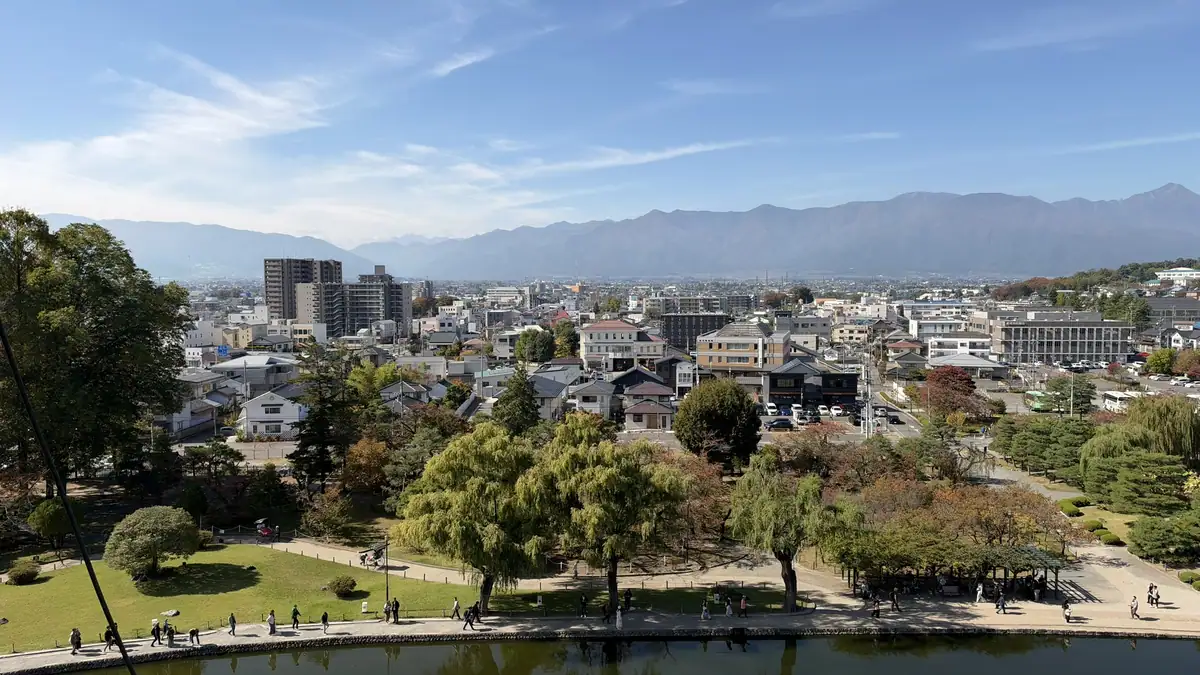
Tap a photo to enlarge it
From the keep windows you look over the inner moat, the red Uzumi Bridge, the town and, in the distance, the mountains. The layout of the moat and the paths, which is hard to read from the ground, is easy to see from up here. Beside the windows, a view guide photo marks sights such as the Former Kaichi School.
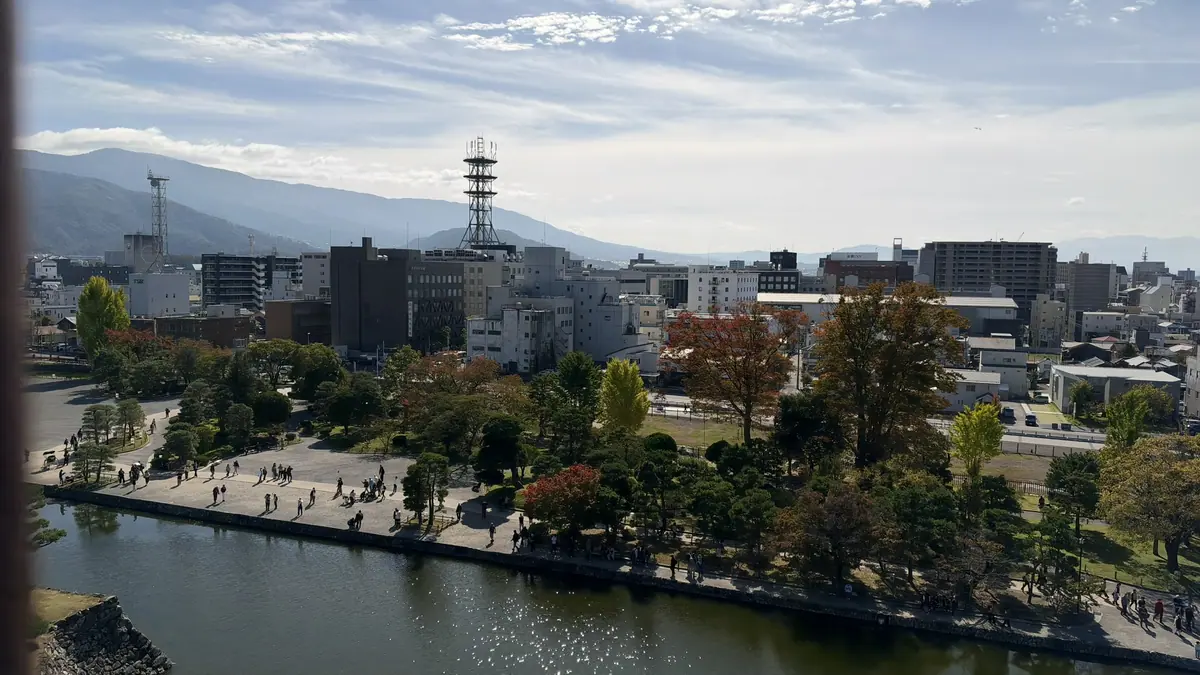
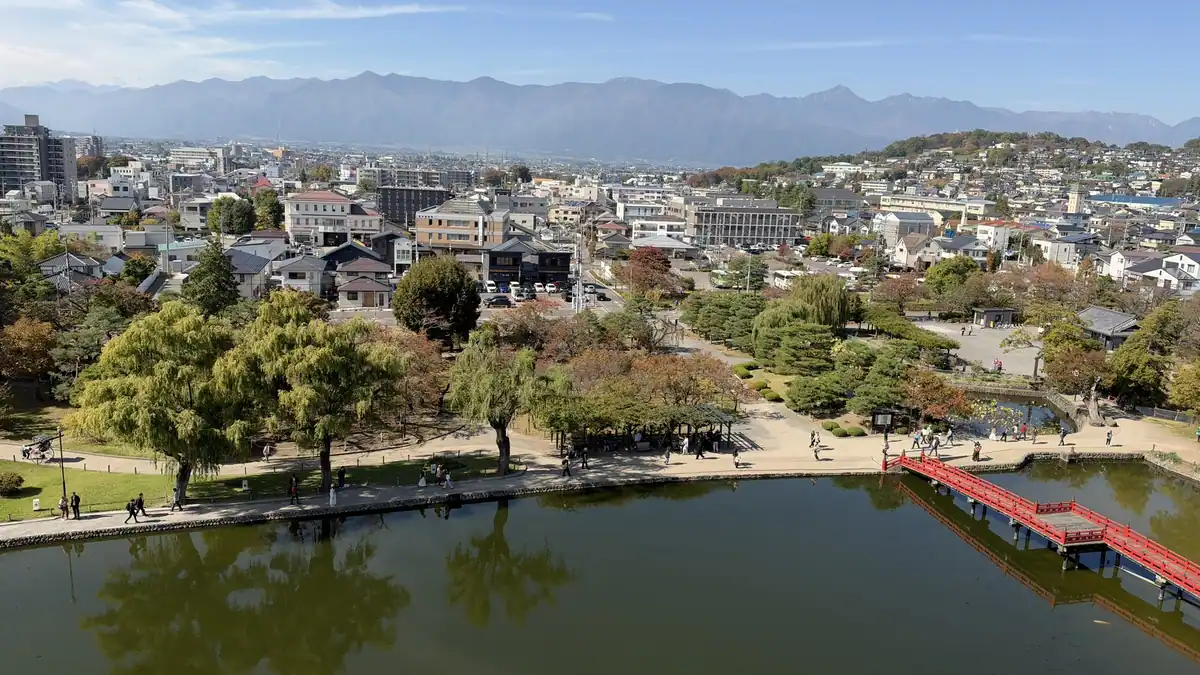
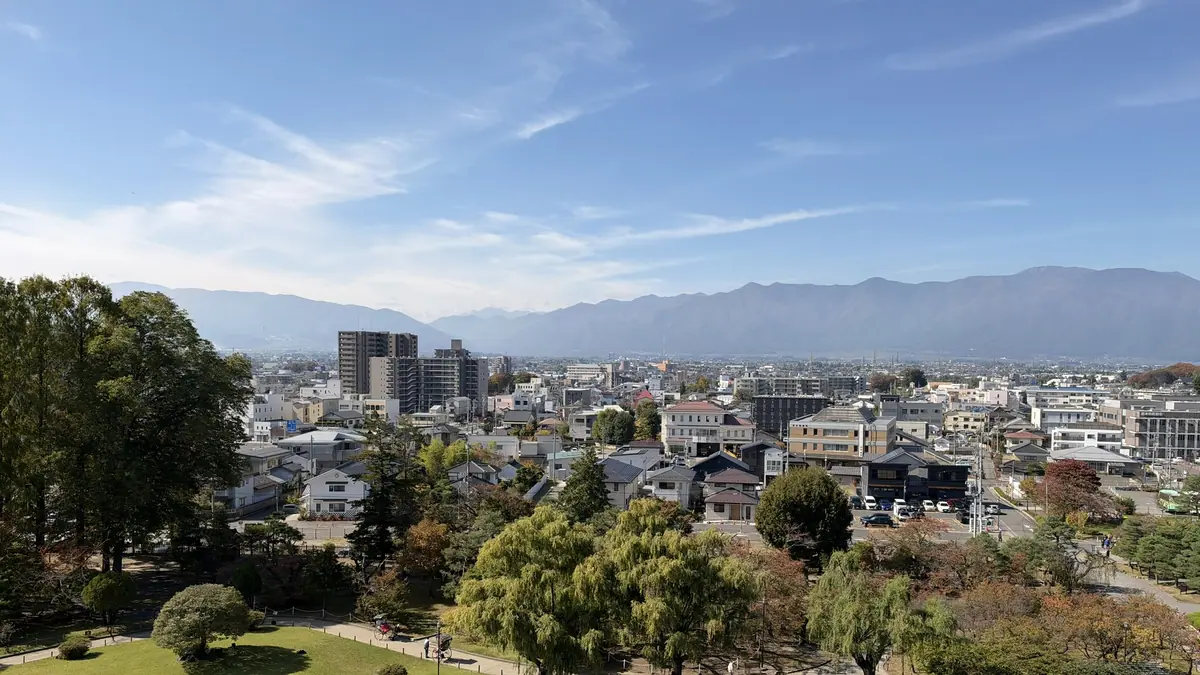
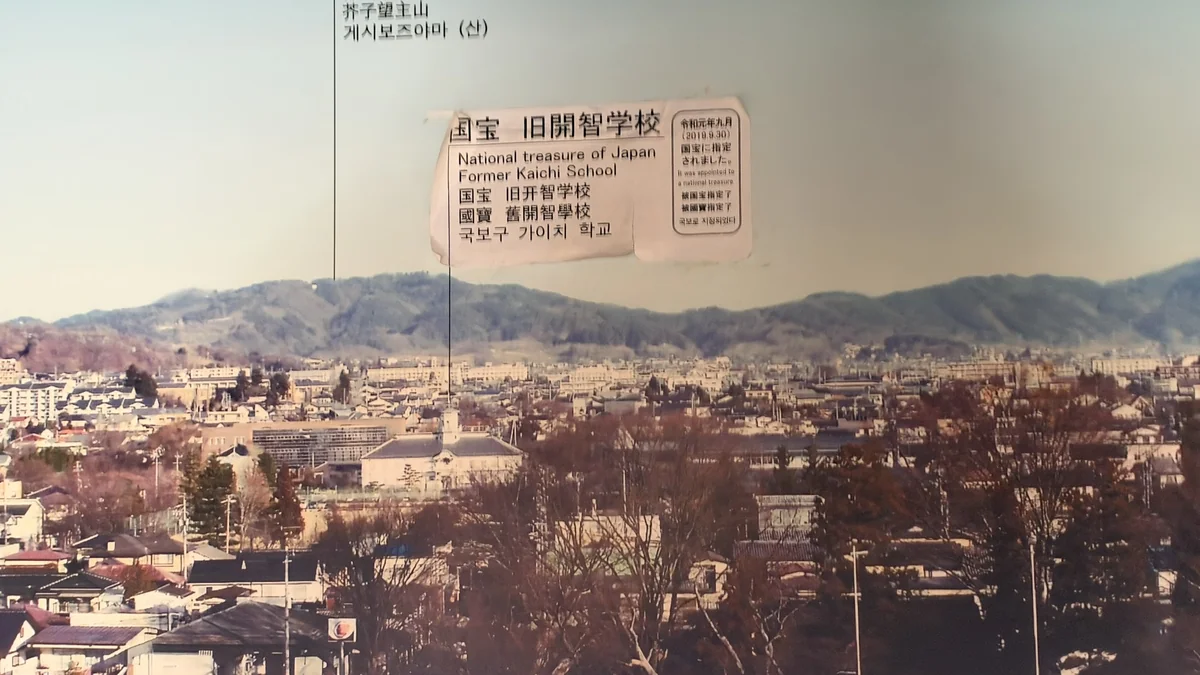
Tap a photo to enlarge it
Built for war: loopholes and stone-drop openings
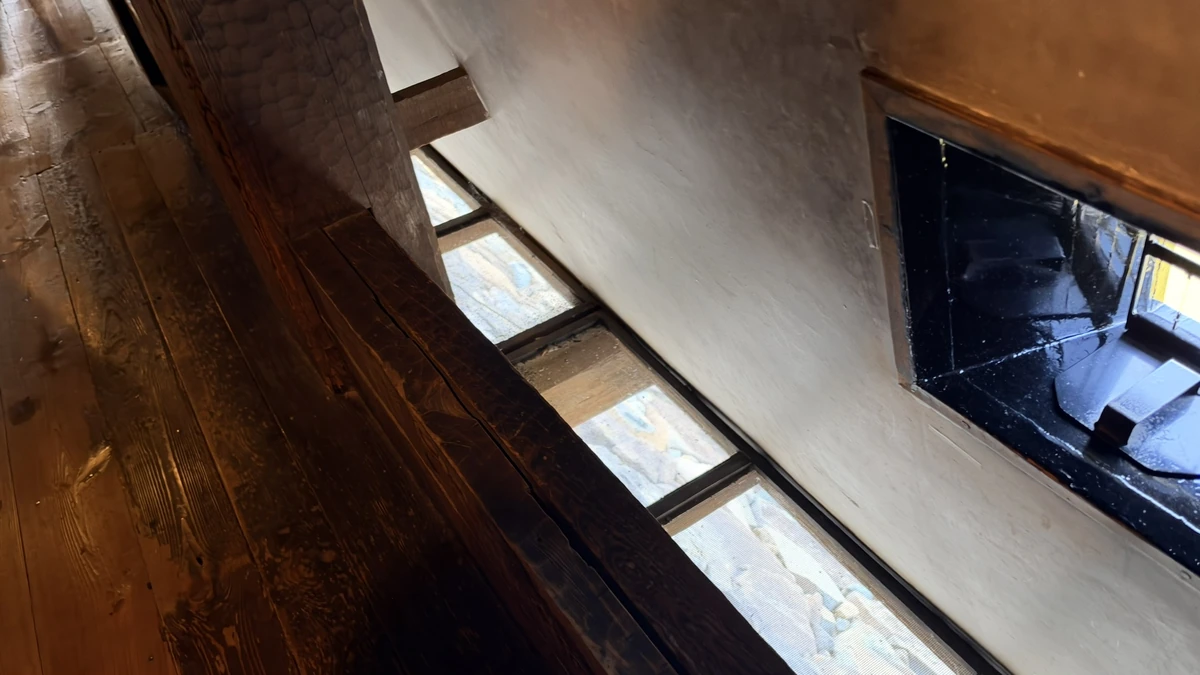
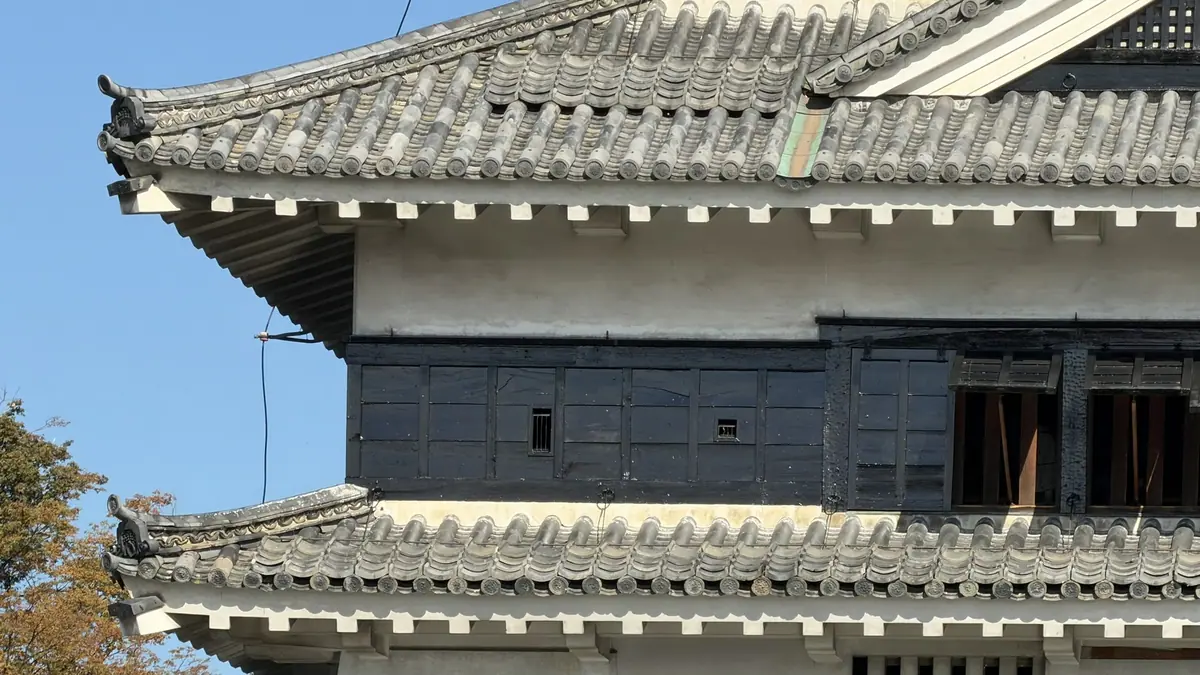
Tap a photo to enlarge it
The main keep and the Inui keep went up in the 1590s, when another war was still a real possibility, and the walls show it. Small openings called sama let defenders fire arrows and guns, and ishi-otoshi, openings at the edge of the floor, let them watch and attack anyone at the foot of the stone base. Look for both on the lower floors, where panels explain how they worked.
From outside, the keep is covered in black wooden boarding above the stone base, with white plaster higher up. The dark finish gives Matsumoto its distinctive look among Japan’s surviving castles.
The later turrets: Tatsumi and the moon-viewing Tsukimi turret
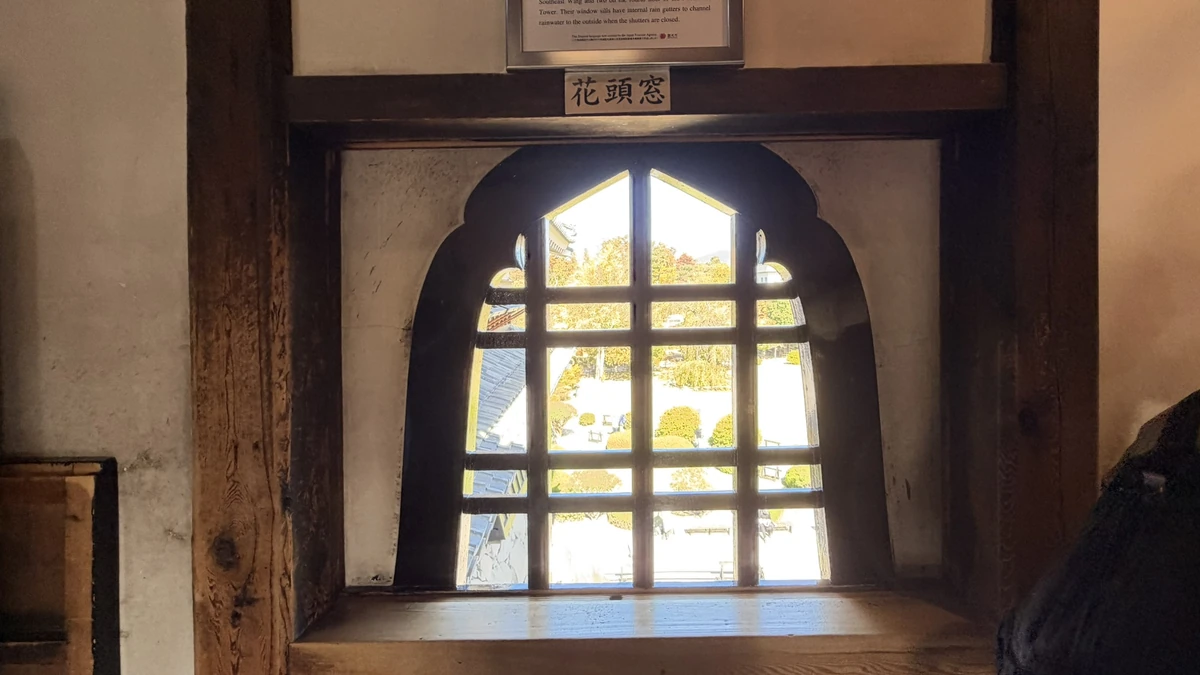
The two smaller turrets on the southeast corner were added in the early Edo period, once the fighting was over. The Tatsumi turret has katomado, bell-shaped arched windows borrowed from temple architecture. Next to it, the Tsukimi (moon-viewing) turret was built for leisure: as the panel inside explains, it opens on three sides and has a veranda running around it, the opposite of the closed, defensive main keep.
The gun gallery
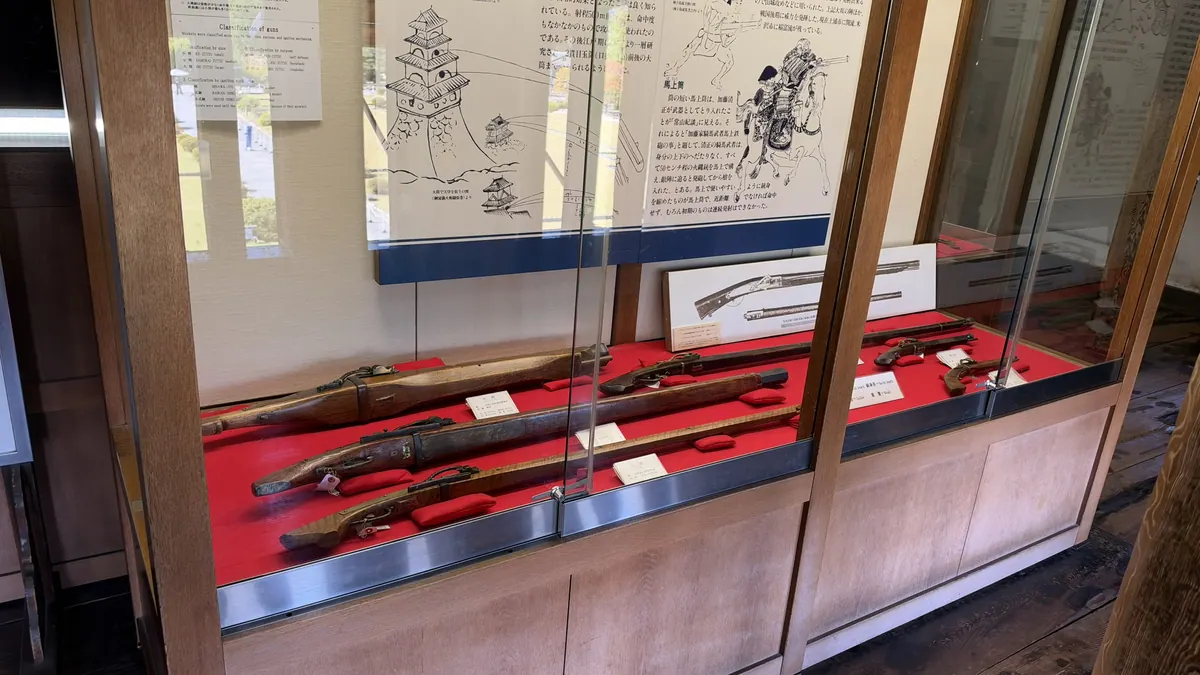
A large part of the keep holds a collection of matchlock guns of many lengths and calibers, with panels on how they worked and how they were used. It is a good place to learn about firearms in Japan. I did wonder whether the castle was the right place for it; if you are more interested in the building, you may want to move through quickly.
Kuromon and Taikomon gates: rebuilt entrances
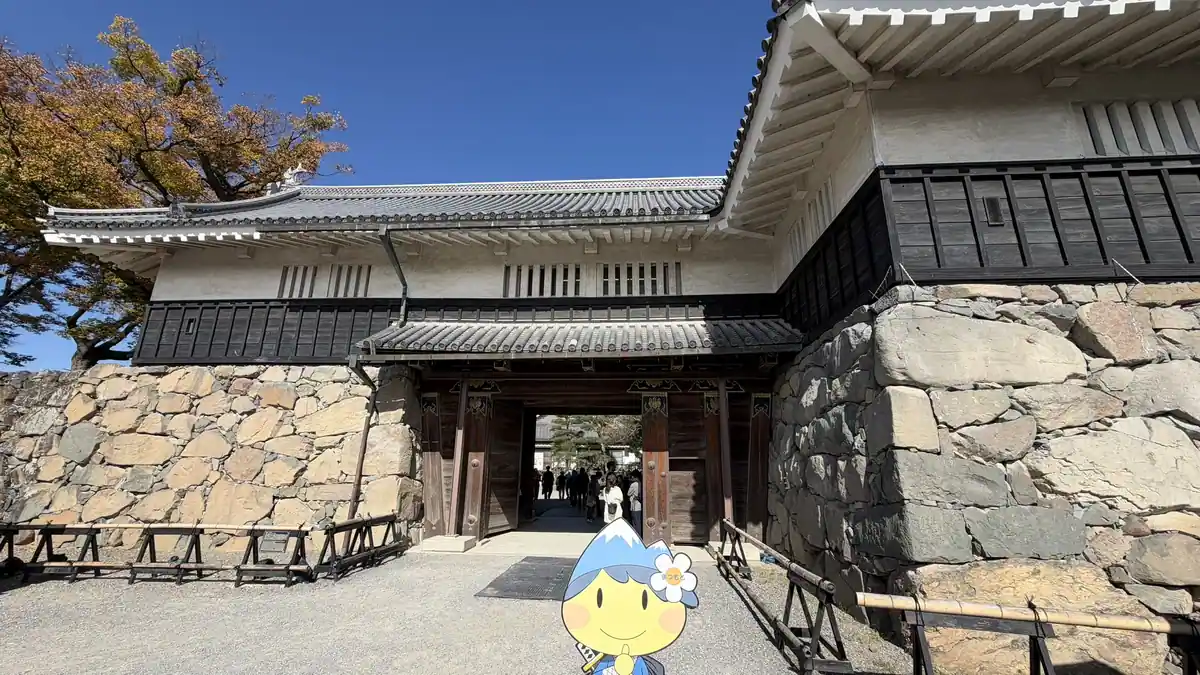
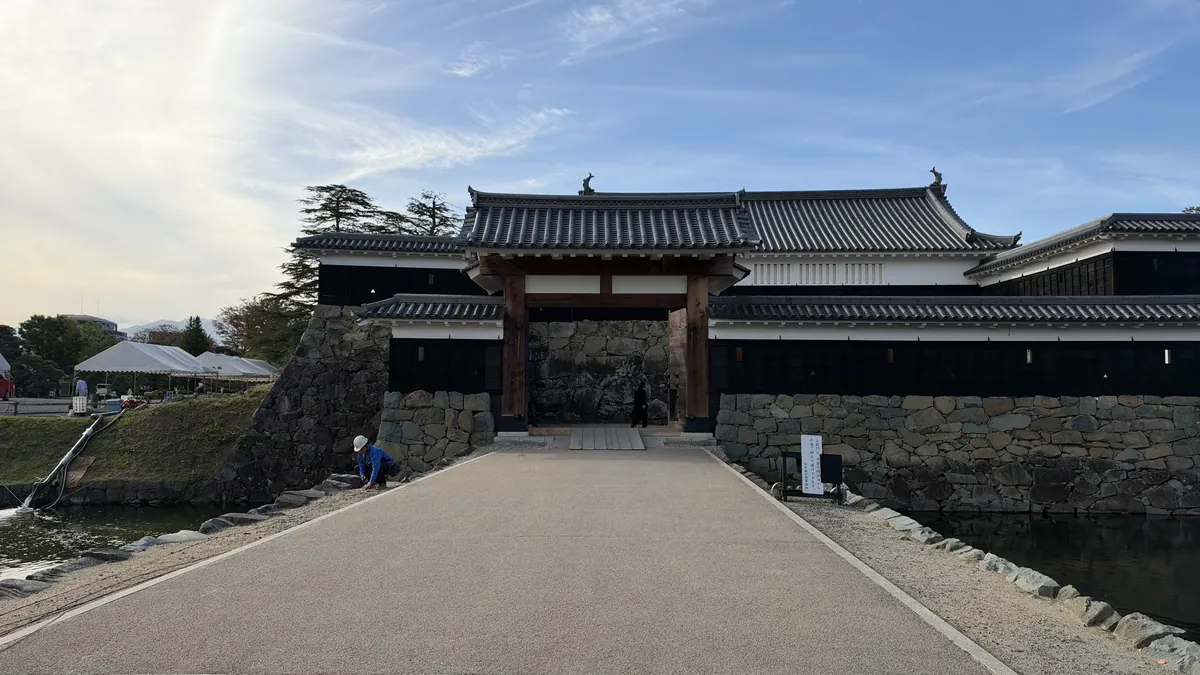
Tap a photo to enlarge it
The main gatehouse of the Kuromon Gate, the entrance to the main enclosure, was rebuilt in 1960 (its outer gate in 1989), and the Taikomon Gate to the second enclosure was reconstructed in 1999. Knowing this helps you tell what survived from what was put back.
The vanished palaces
Tap a photo to enlarge it
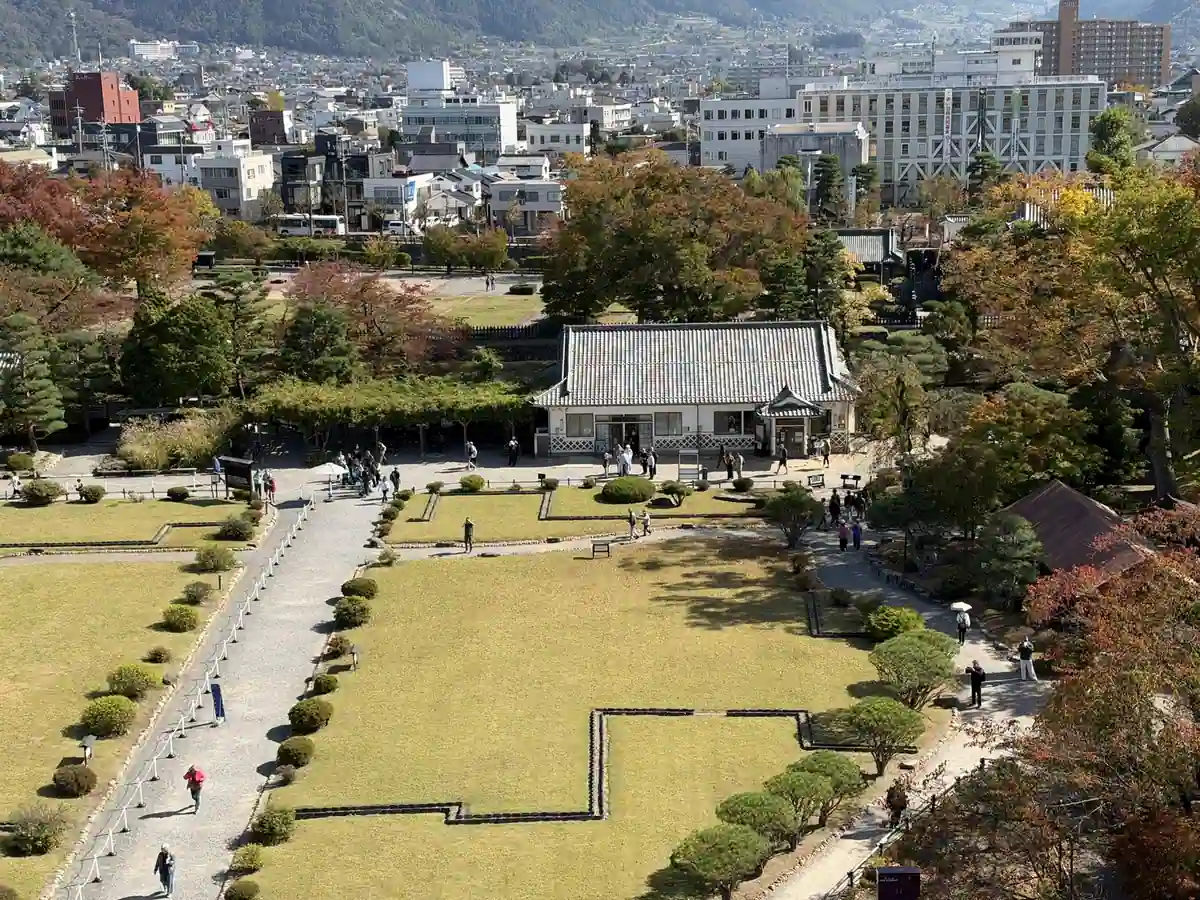
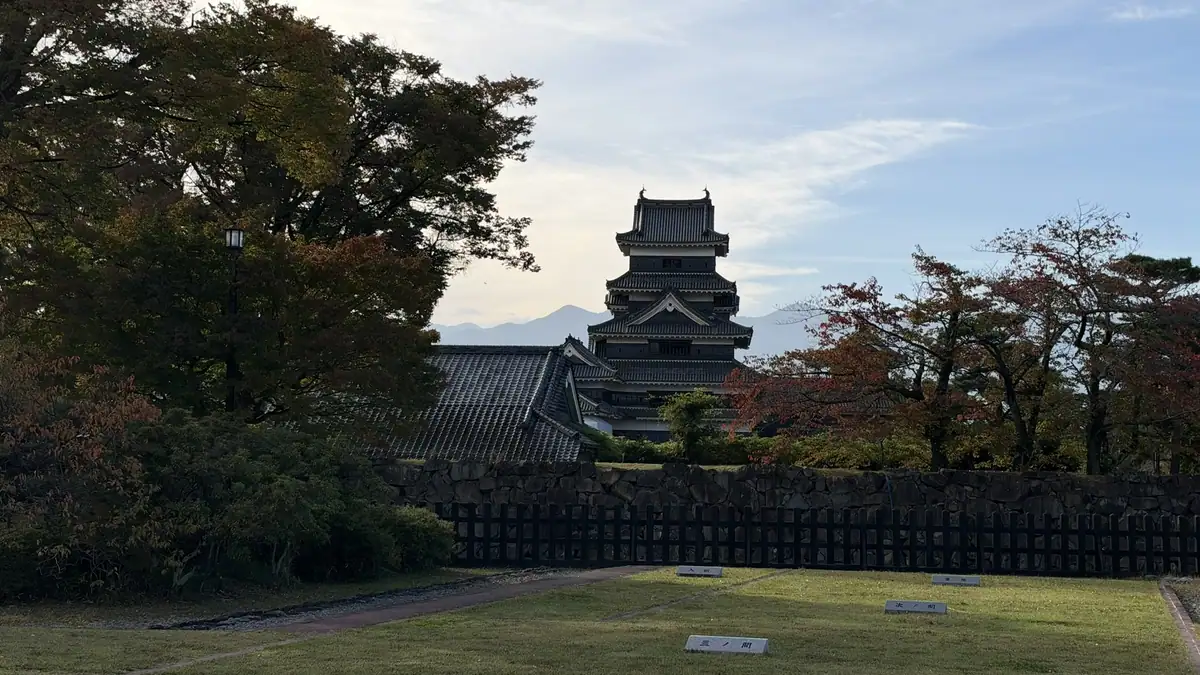
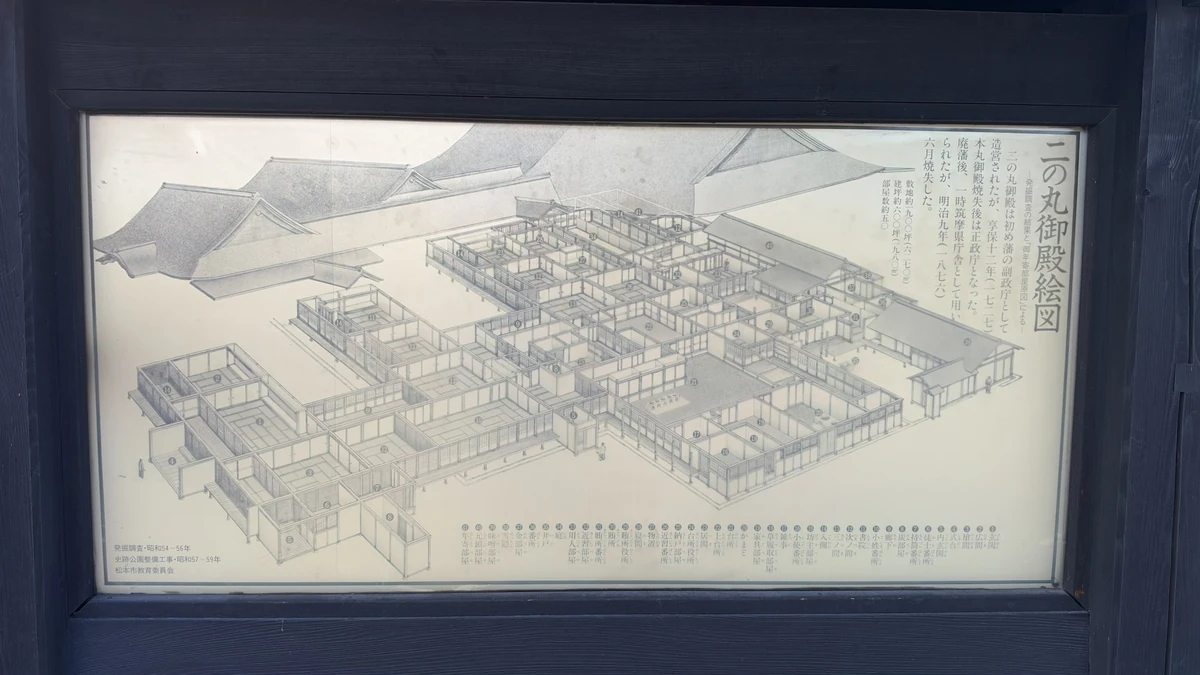
The palaces that once stood in the main and second enclosures are gone. In the main enclosure, lines of tiles on the lawn mark the rooms; in the second, floor-plan markers and a reconstruction drawing do the same. Look down from the keep to see how large the main palace was.
The city museum and castle-town remains
If you are interested in samurai history, I recommend pairing the castle with the Matsumoto City Museum, in the Ote district south of the castle. (An older museum building inside the castle park has been replaced, so ignore old maps that show it there.)
Matsumoto City Museum
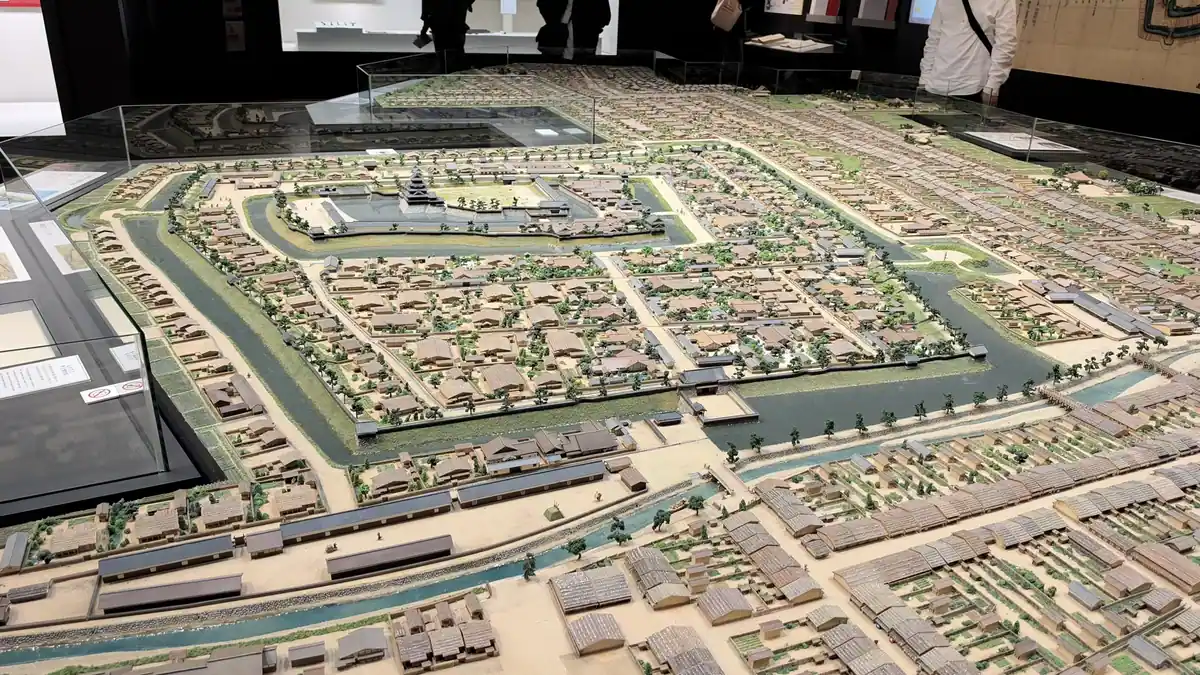
The museum’s large diorama recreates the Edo-period castle and town. It let me see where the outer moats ran before they were filled in, and how those places look today. The best part for me was comparing the diorama’s Otemon Gate enclosure with the open square that marks the gate’s site now.
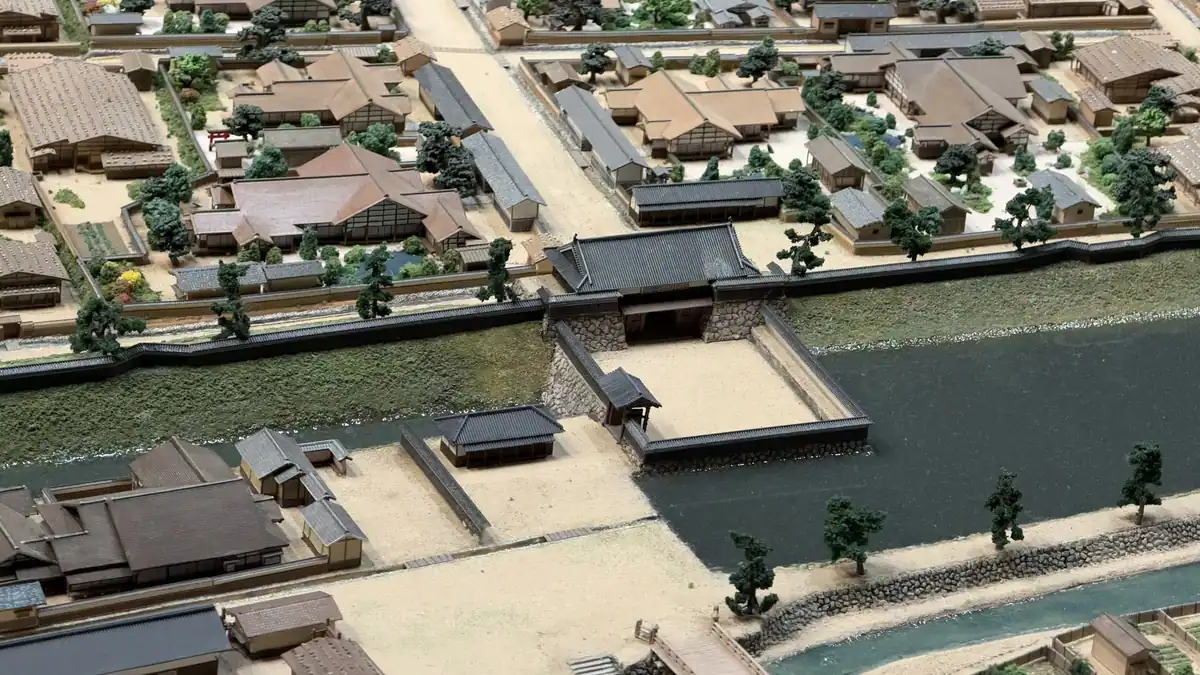
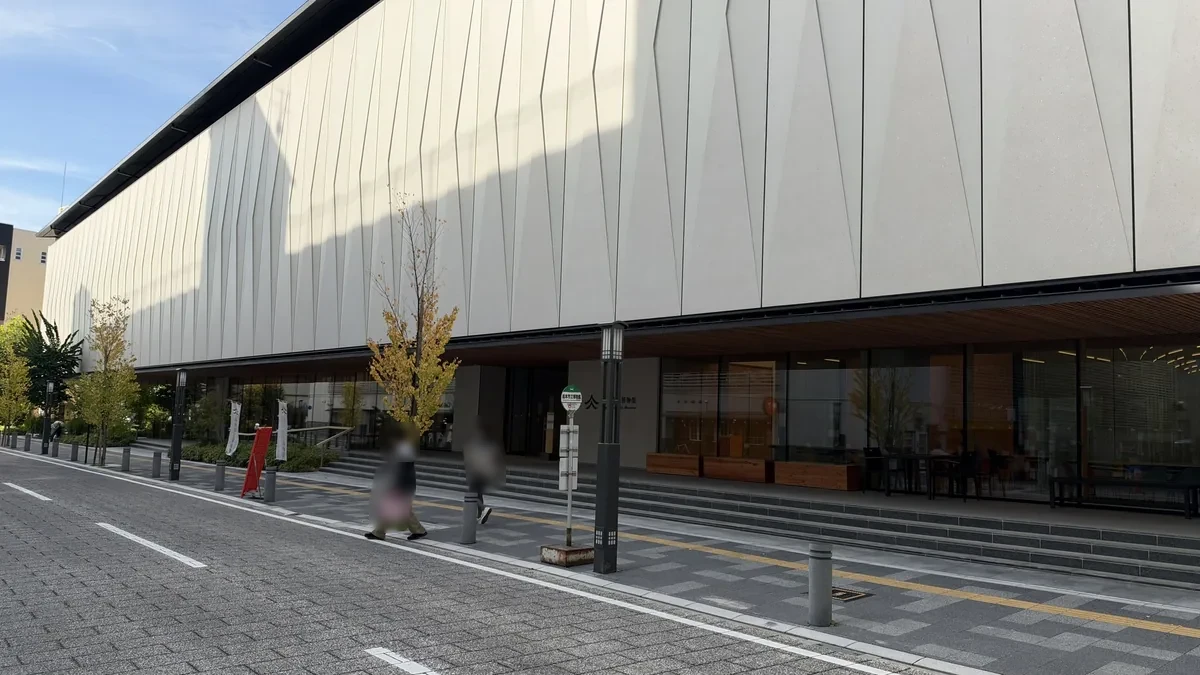
Tap a photo to enlarge it
| Permanent exhibition | Adults ¥500, university students ¥250, high school age and under free |
|---|---|
| Gallery hours | 9:00–17:00 (tickets until 16:30) |
| Gallery closed | Every Tuesday (next weekday if a holiday), 29 December – 3 January |
The ground floor keeps different hours, so it may be open when the galleries are closed. Checked on the museum’s website on 8 November 2026.
Otemon Gate site
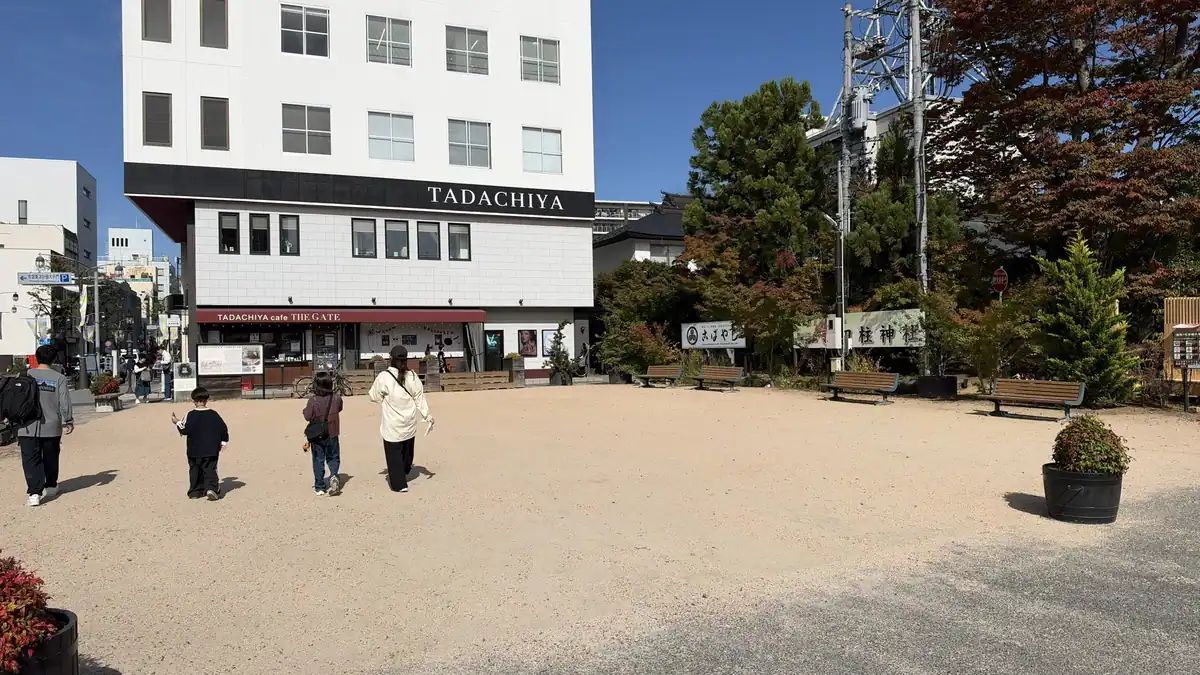
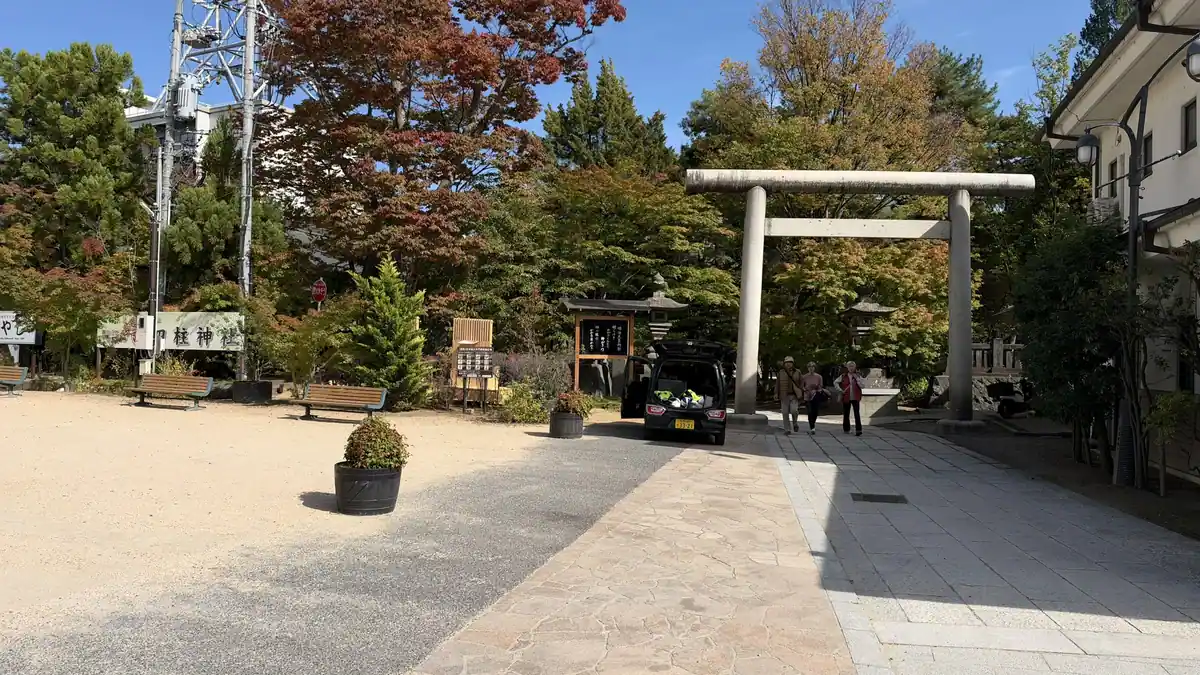
Tap a photo to enlarge it
The Otemon Gate site is a square just west of Yohashira Shrine. Beyond the sandy ground stands a shop building, and right beside it are the shrine’s trees and torii, so the site sits in the middle of the town.
Nothing of the castle’s main southern gate stands today. A panel in the square shows plans and photos from the excavation of its walled, right-angled entrance. See the diorama first and the bend in the street outside makes sense.
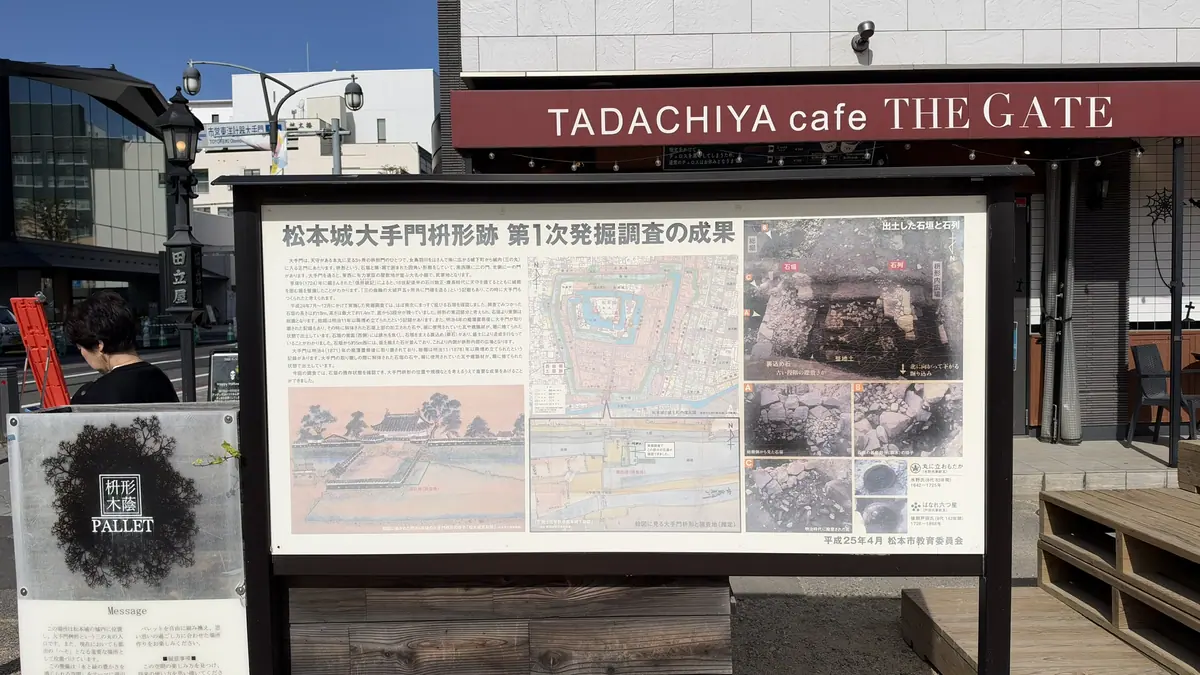
If you have more time
After the castle and museum, my next choices would be the City Hall viewing room and, for a different era, the Former Kaichi School.
Matsumoto City Hall viewing room
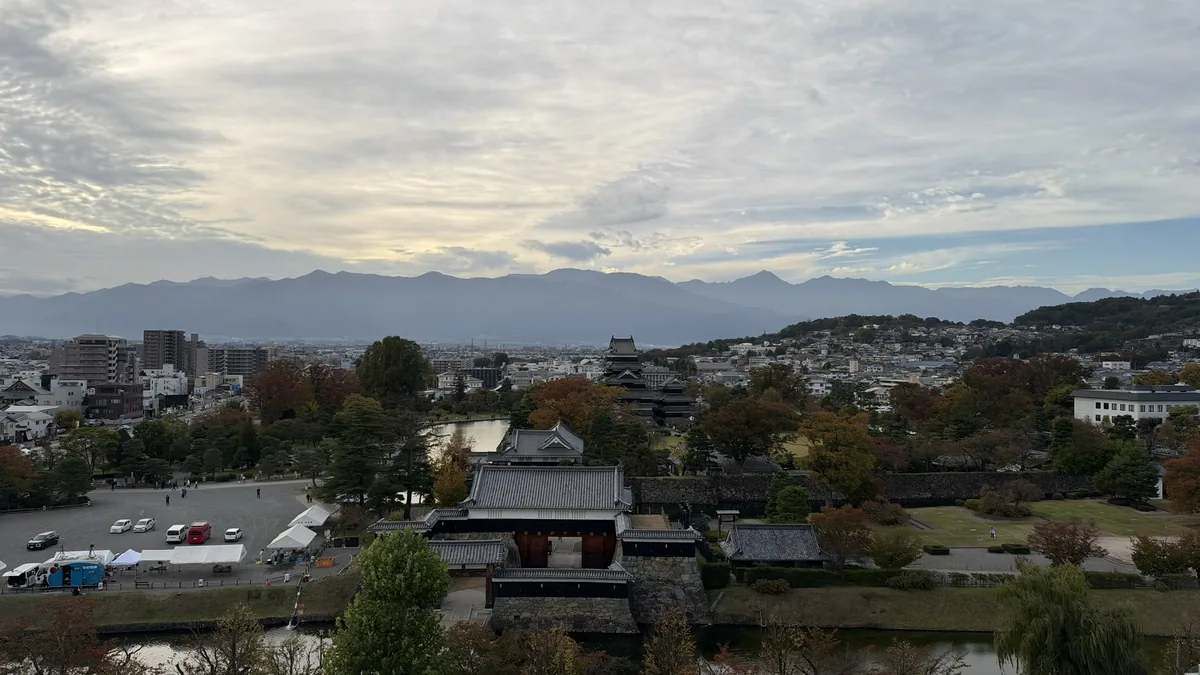
From City Hall, just east of the castle, you look down on the keep, the Taikomon Gate and the second enclosure. When I went, the reception desk was on the left inside the entrance; I took the elevator to the top floor and then climbed a flight of stairs to the viewing room. It is open only during City Hall office hours, so go on a weekday (City Hall is closed on weekends, holidays and over New Year).
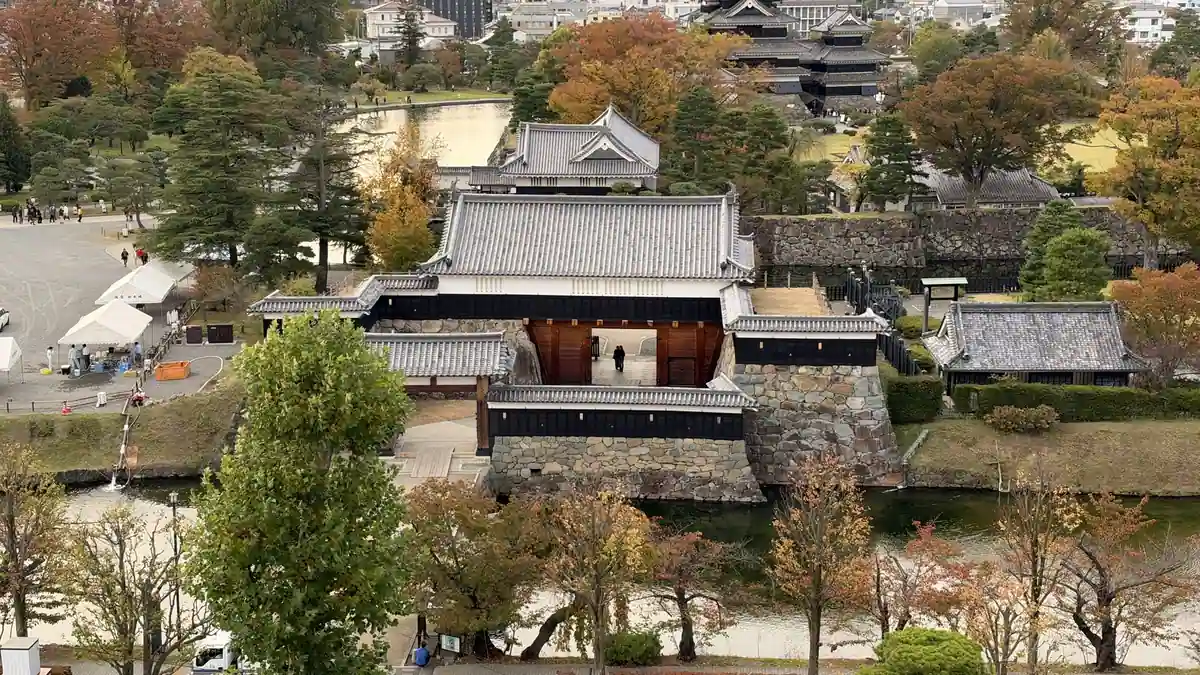
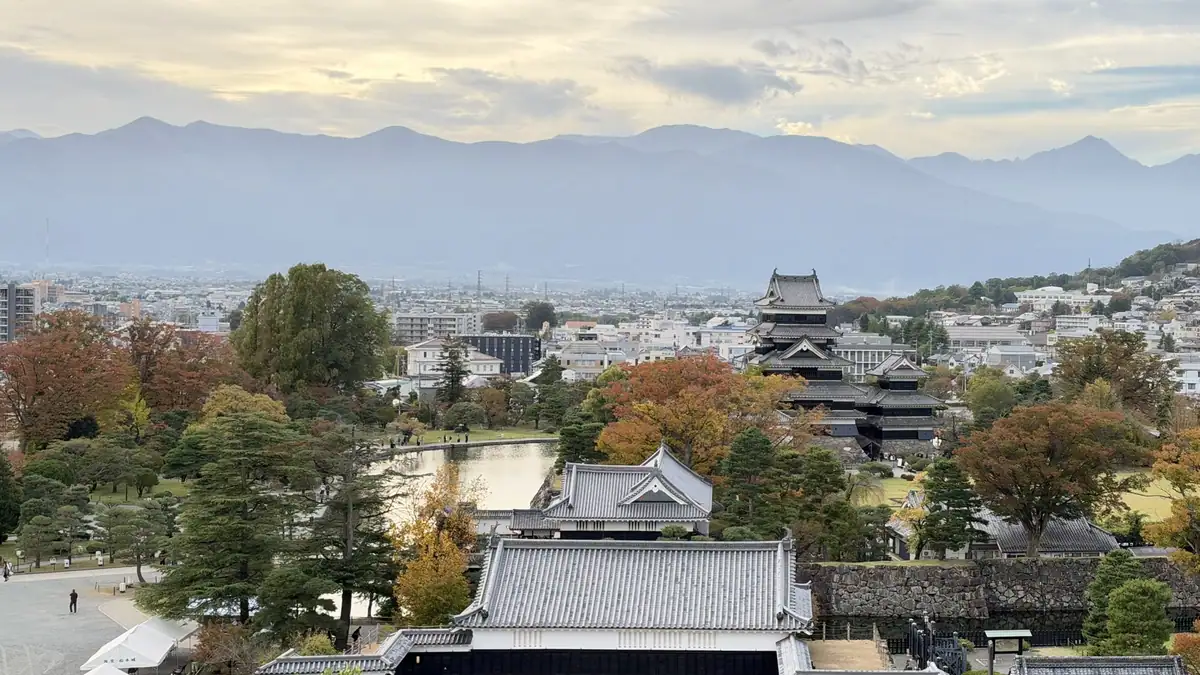
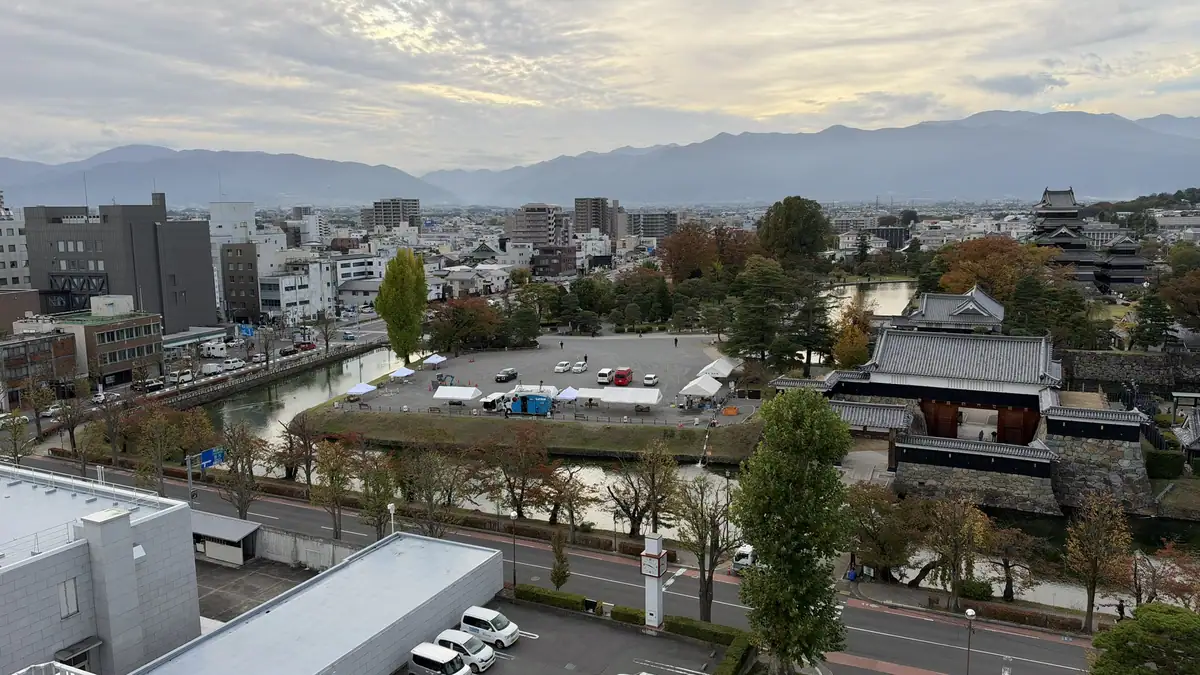
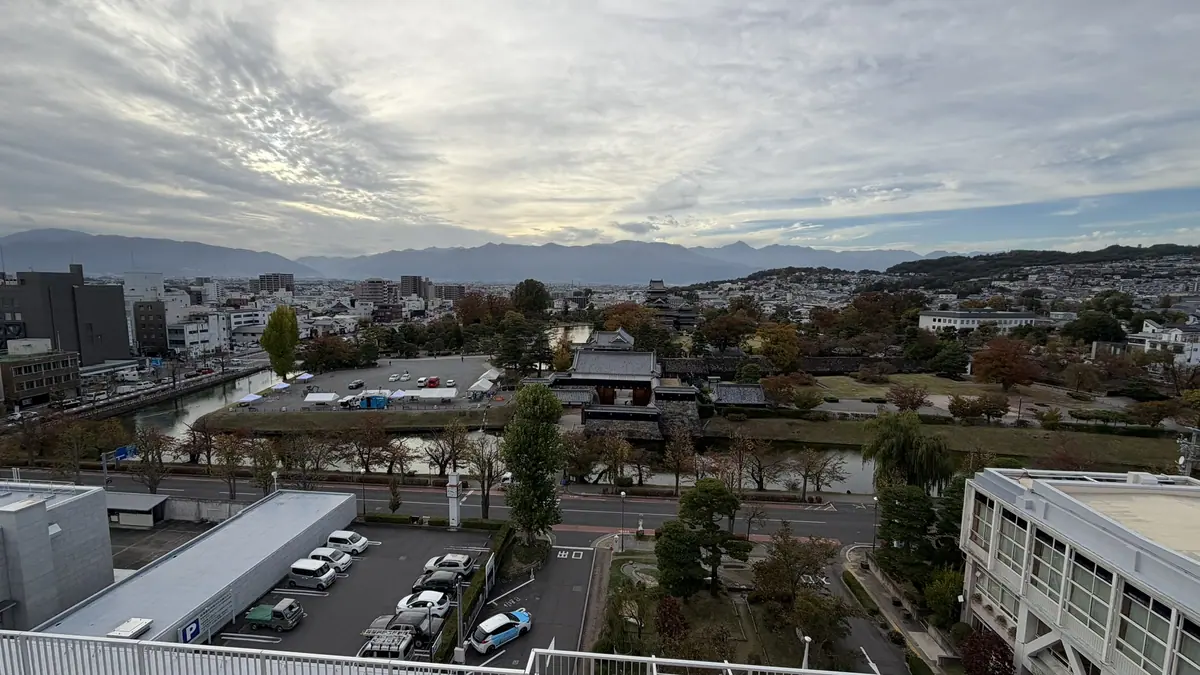
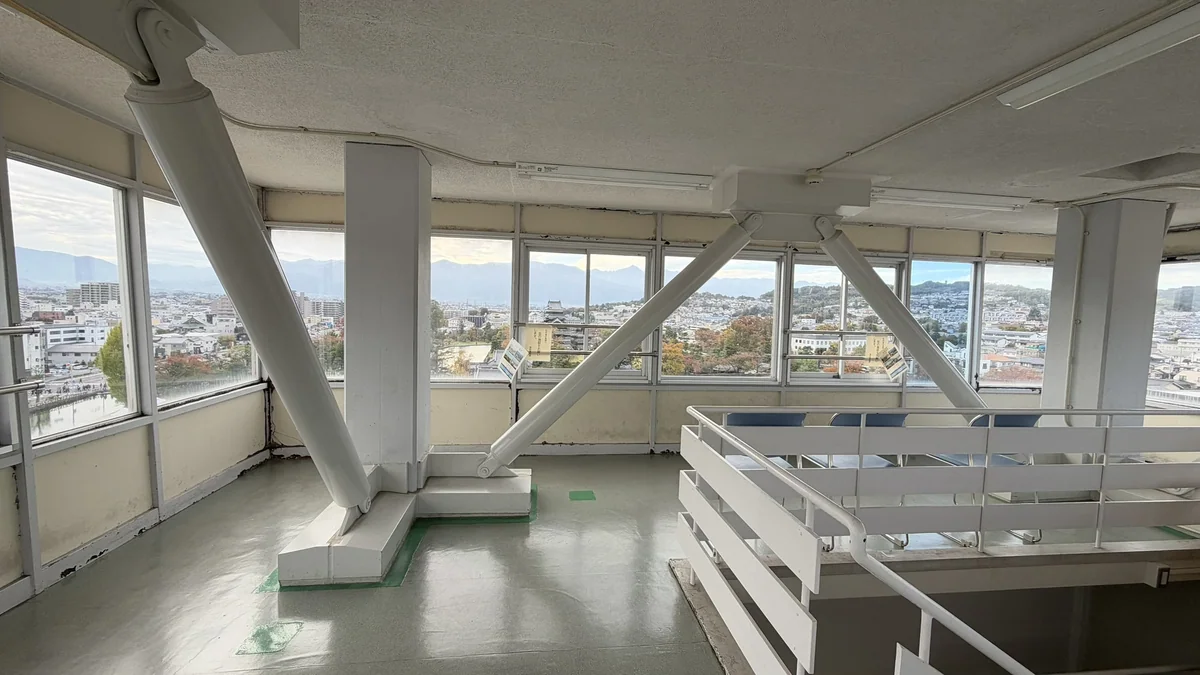
Tap a photo to enlarge it
Former Kaichi School
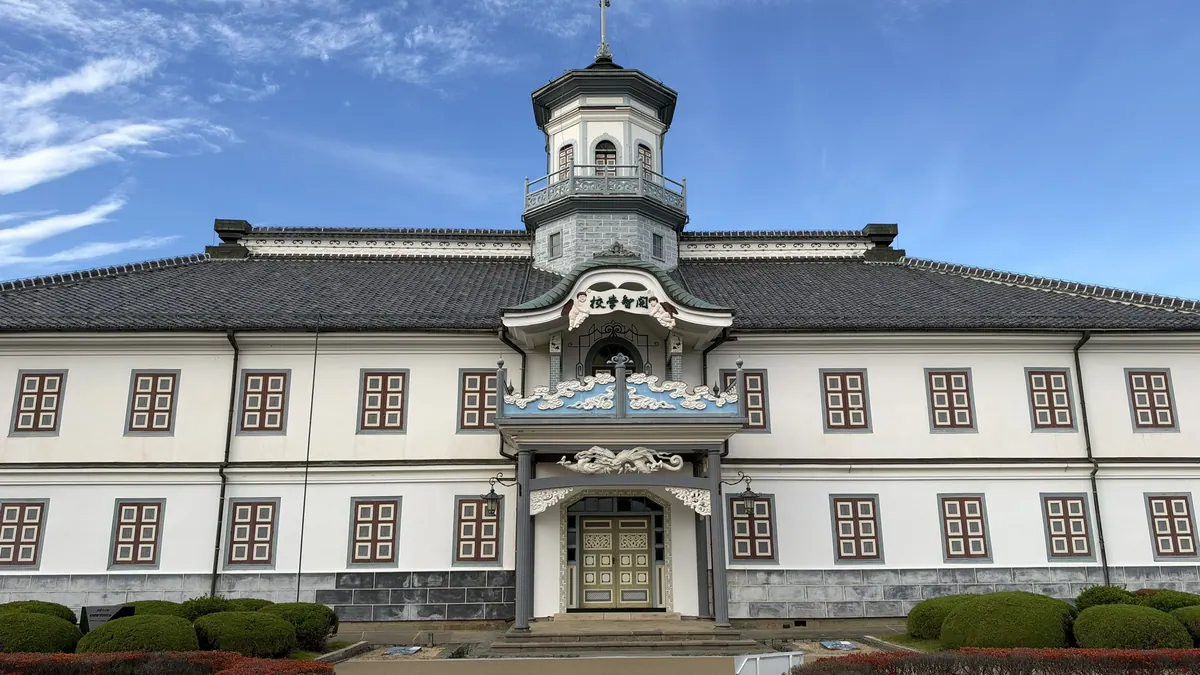
This school building from 1876, now a National Treasure, was moved here and preserved as an education museum. It has nothing to do with the samurai era, but it shows how Western styles were blended into Japanese building in the 1870s, and you can walk through its rooms. Look at the photos and decide if it is your kind of place.
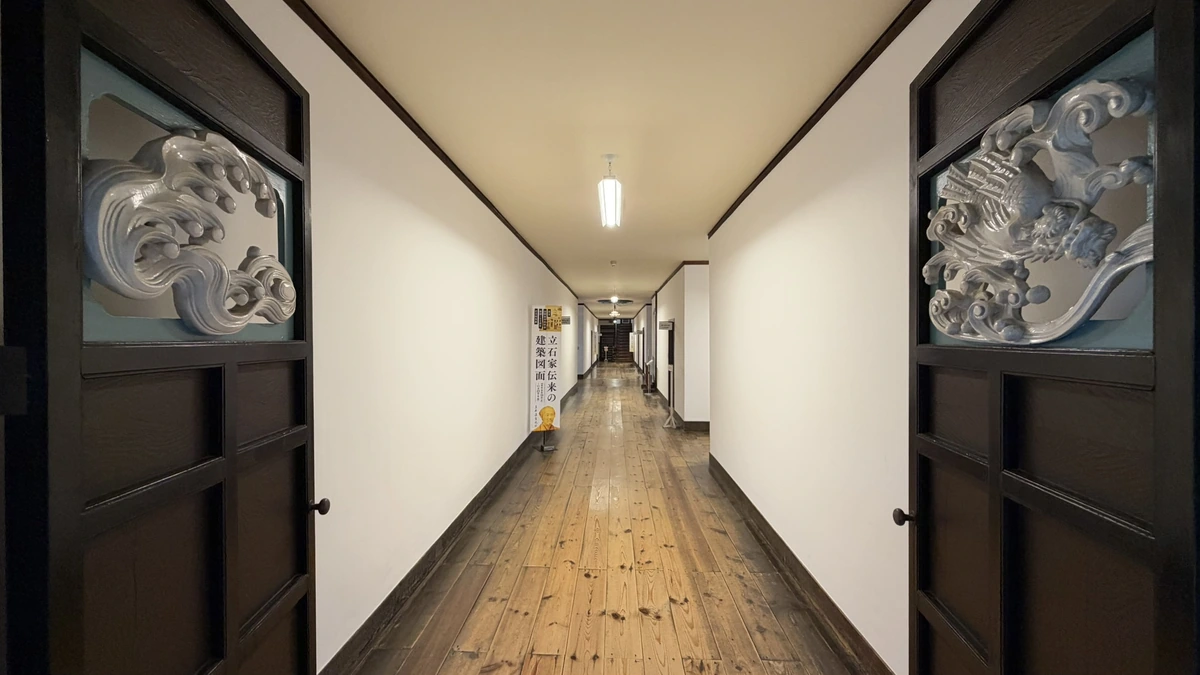
| Hours | 9:00–17:00 (last entry 16:30) |
|---|---|
| Admission | Adults ¥700 at the window, ¥600 as an e-ticket; children ¥300 |
| Closed | Third Tuesday (March–November), every Tuesday (December–February), 29 December – 3 January |
Nakamachi, Nawate and the earthwork walls
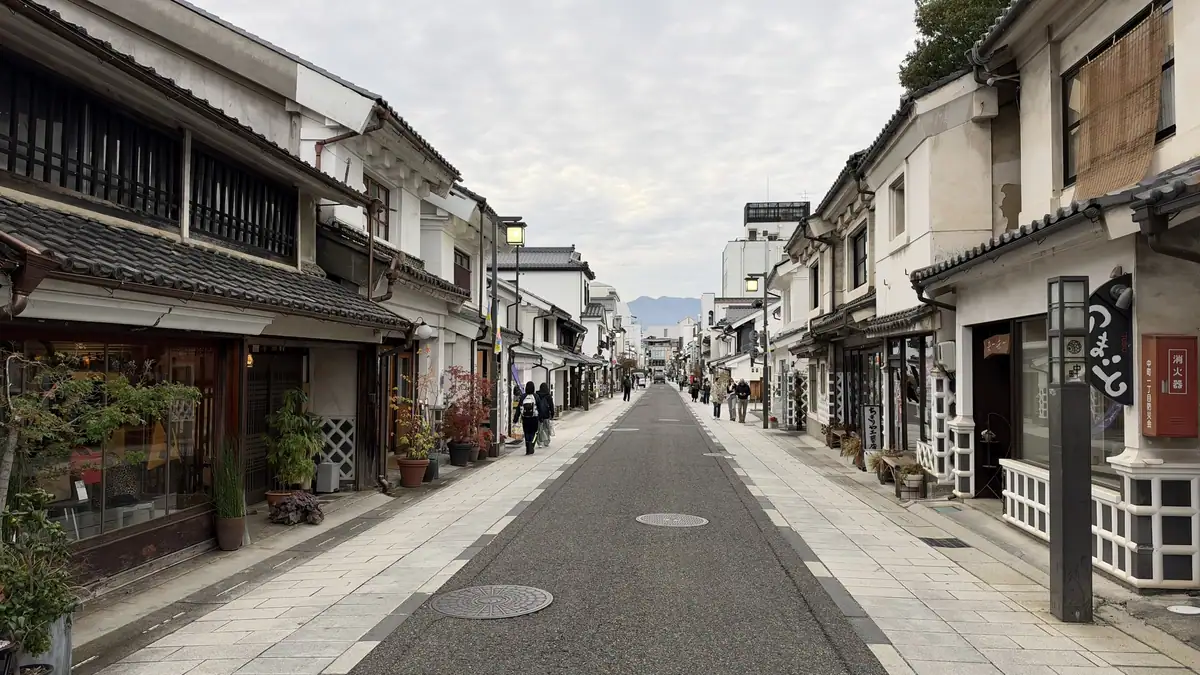
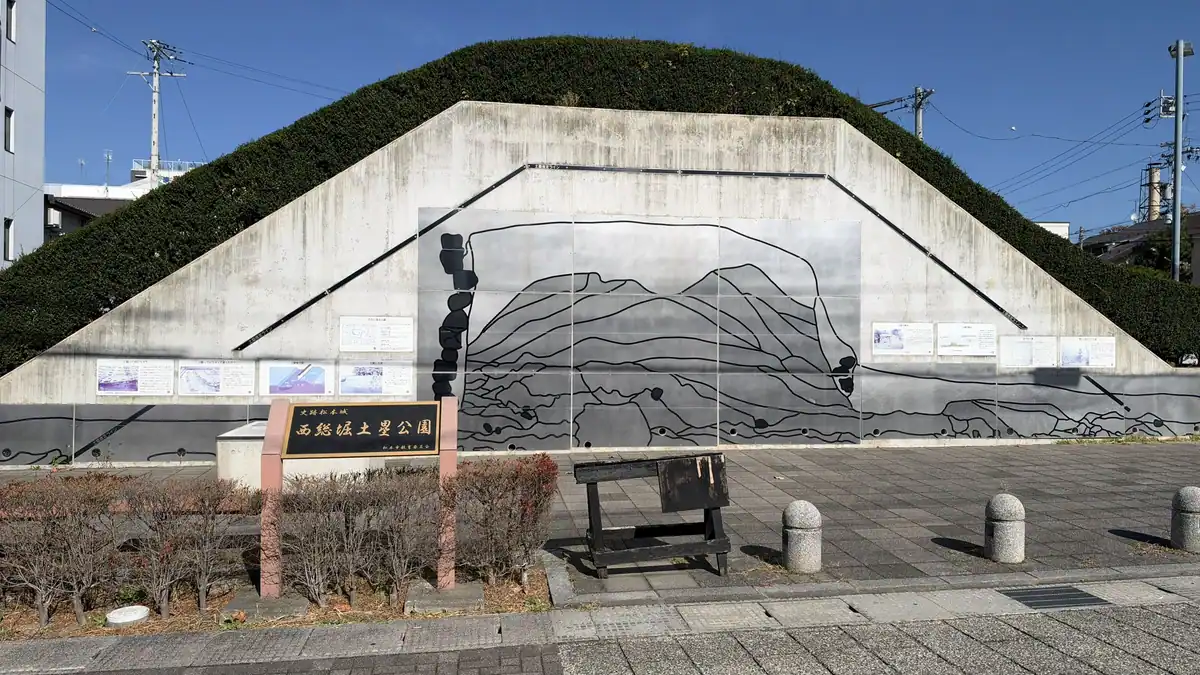
Tap a photo to enlarge it
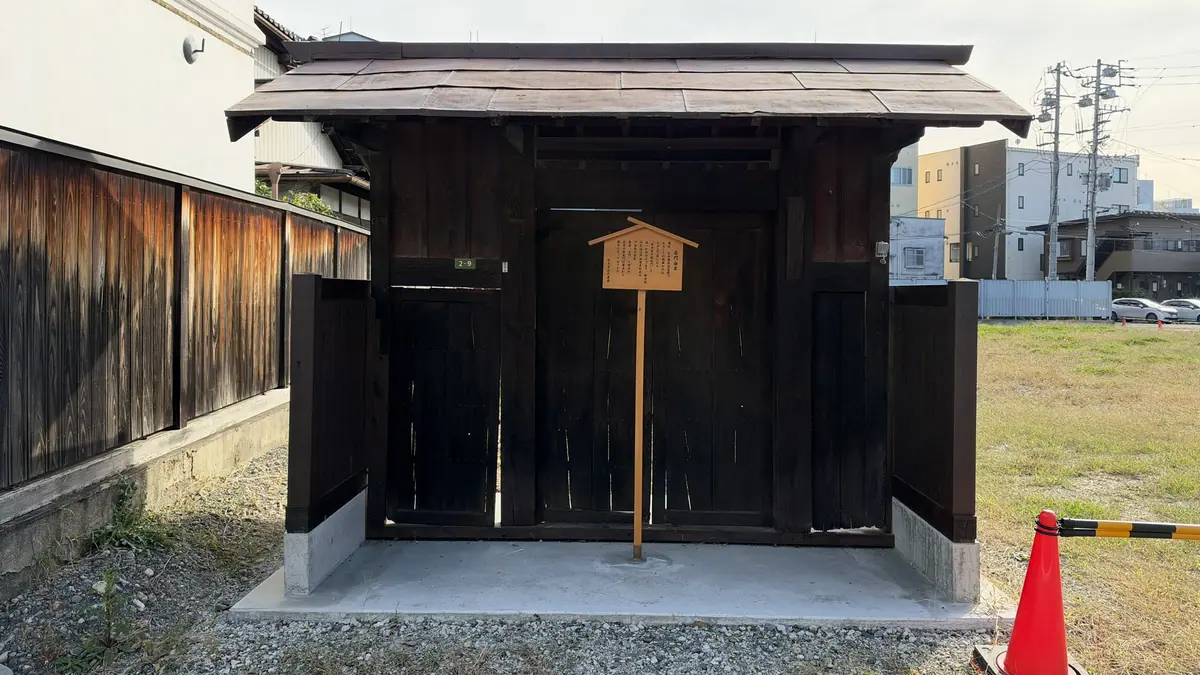
South of the castle, Nakamachi Street is lined with white storehouse-style buildings, and Nawate Street runs along the Metoba River beside Yohashira Shrine. West of the castle, a park preserves part of the earthwork wall that once enclosed the castle town, and nearby, in the old samurai quarter, the Arai family’s gate still stands (view it from the street; it is a private home).
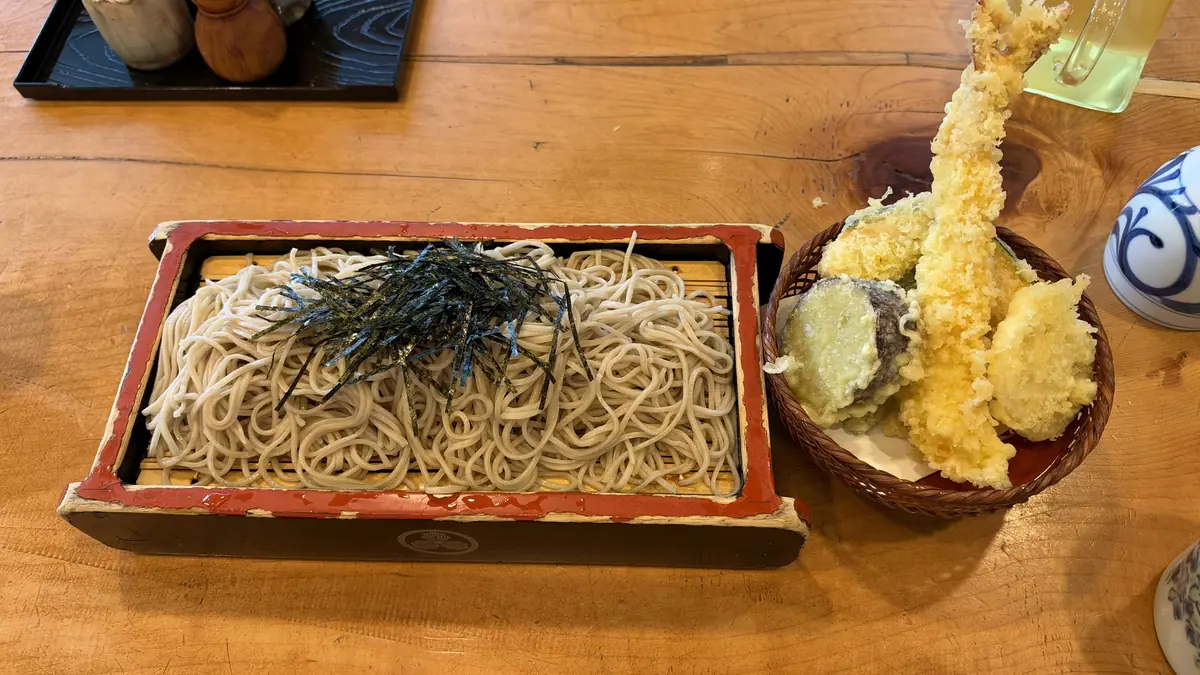
For lunch I went to Kobayashi Honten, a soba restaurant. I waited about 30 minutes after writing my name on the list. The ten-zaru (chilled soba with tempura) had a good buckwheat flavor, and the roasted buckwheat tea served instead of water was so good I bought some at the register to take home.
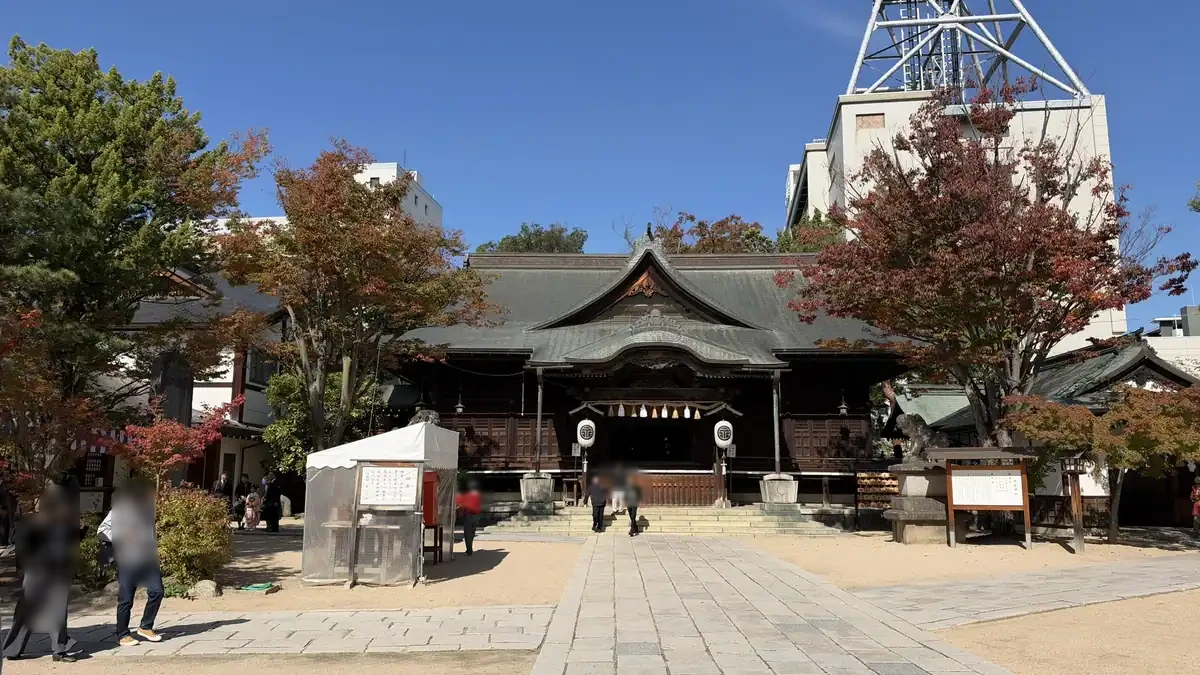
Tap a photo to enlarge it
Seasons and onward travel
Cherry trees around the castle bloom in April. Castle events and special openings change from year to year; check the official website’s news page for the dates you plan to visit. On my late-October visit, the trees around the moat were just starting to change color.
Kamikochi: Matsumoto is a common base for this alpine valley in the Northern Alps. In 2026, buses from Matsumoto and Shin-Shimashima ran from 17 April to 15 November, with seats reserved in advance given priority. The buses do not run in winter. Check Alpico’s website for the 2027 season, and give Kamikochi its own day rather than combining it with the castle.
The Nakasendo: Narai-juku, one of the old post towns on the Nakasendo road, is on the JR Chuo Line south of Matsumoto. Check train times before you go.
Where to stay in Matsumoto
PRThis section contains affiliate links to Agoda. If you book through them, this site earns a commission. I choose hotels for their location and how easy they are to travel from.
The castle is about a 20-minute walk from Matsumoto Station. Choose by what you want from your stay: early-morning and evening views around the castle, or a quick start by train or bus the next day. Here are two options. Prices vary widely by date and room, so I have not compared them.
CLOSE TO THE CASTLE
Matsumoto city (castle and station areas)
Castle to station: about 20 min on foot
Stay near the castle to walk the moat early in the morning or the old town in the evening. Agoda’s search covers all of Matsumoto city, so pick a hotel by its address near the castle (Ote or Marunouchi).
Matsumoto city also includes mountain areas such as Kamikochi and Utsukushigahara. Check the location before you book.
Browse Matsumoto hotels on AgodaEASY TO MOVE ON
Hotel Buena Vista
About 7 min on foot from the Oshiro exit of Matsumoto Station
A hotel near the station, convenient if you are leaving by train or bus the next morning. You can walk to the castle from the station.
Check rates on AgodaThe links open with Agoda’s default dates and guest count. Check the dates, price, and cancellation terms on the booking page before you reserve.
Matsumoto Castle FAQ
The official estimate for the inside of the keep is about 45 to 60 minutes. Add time for the ticket-window line at the Kuromon Gate if you buy a paper ticket, and for walking the moat and gardens. On my visit on 23 October 2026, people buying paper tickets at the window in front of the Kuromon Gate were waiting about 10 minutes, while online ticket holders walked in without queuing. If you also visit the Matsumoto City Museum, plan on most of a morning or afternoon.
Yes. The main keep is one of the 12 castle keeps in Japan that survive from before the modern era. The main keep, the Inui small keep and the connecting turret date from the 1590s; the two smaller turrets were added in the early Edo period. The Kuromon and Taikomon gates, however, are modern reconstructions built between 1960 and 1999. You may see other construction dates quoted; the city of Matsumoto’s official view is that the main keep was built in 1593–94.
There is no lift. You climb about 140 steps, and the steepest flight is angled at about 61 degrees. You take your shoes off and carry them in a bag, so keep your hands as free as possible.
Online e-tickets cost 1,200 yen for adults and are booked for a set date and time. Paper tickets at the window cost 1,300 yen. On my visit, the online and paper ticket holders queued separately at the keep entrance and I walked straight in with an online ticket. At the Kuromon Gate, online ticket holders did not queue, while paper-ticket buyers waited about 10 minutes at the window. E-tickets cannot be cancelled or changed.
The direct options leave from Shinjuku: the Azusa limited express train (all seats reserved or seat-unspecified tickets) and the Alpico highway bus from Busta Shinjuku. A route via the Hokuriku Shinkansen to Nagano and the Shinano limited express is faster but costs more. From Matsumoto Station the castle is about a 20-minute walk.


comment