


Hirado and William Adams: A Walking Journal to His Grave, the English Factory and More
William Adams, the English pilot behind the character John Blackthorne in the drama SHOGUN, died in Hirado in 1620. This is a walking journal of the town on June 28, 2025: his grave, the English Factory monument, Anjin no Yakata, the Dutch Trading Post and more, in the order I walked them.
Contents
Hirado is also renowned as the place where the English navigator William Adams—known in Japan as Miura Anjin, the inspiration for John Blackthorne in the drama "Shogun"—spent his final days. In this small port town, the quiet traces of his extraordinary fate still linger.
This article is a visit journal, written in the order I walked on June 28, 2025. For a place-by-place guide to Adams and Hirado, see the complete Hirado guide to William Adams. The Japanese version of this journal is here.
Key points
| Visited | June 28, 2025, by car |
|---|---|
| Start | Hirado Koryu Hiroba parking lot (free for 2 hours, then 100 yen per 30 minutes) |
| Directly tied to Adams | His grave, the monument marking where he died, and the English Factory monument. A pamphlet says the first torii of Kameoka Shrine was donated by Adams for a safe voyage |
| No Adams exhibit found | The Dutch Trading Post and the Matsuura Historical Museum (on my visit) |
| Anjin no Yakata | Under exterior repair on my visit. A Japanese sweets shop on the first floor; a room Adams may have lived in on the second |
| Path to the grave | Stone steps from near the Hirado tourist information center, with a sign reading "Miura Anjin grave this way" |
Adams in Hirado
William Adams was an English pilot whose ship, the Liefde, reached Japan in 1600. He became an adviser to Tokugawa Ieyasu, and the Japanese called him Miura Anjin: Miura for the estate he received on the Miura Peninsula, and Anjin, meaning "pilot." In 1616, the year Ieyasu died, the shogunate limited foreign trade to Nagasaki and Hirado. Adams spent his last years in Hirado and died there in 1620.
Hirado was Japan's window to Europe in that period. The Dutch opened a trading post here in 1609, and the English followed in 1613. The brochure I picked up at the Dutch Trading Post says the English post stood near the stone bridge for about ten years. You can read how Adams helped open Uraga, on the other side of Japan, in my Uraga article.
Names on the signs
Most signs in Hirado are in Japanese, with limited English. These are the names I looked for, with the characters to match against a sign or a map app.
| Miura Anjin | 三浦按針 |
|---|---|
| Anjin no Yakata | 按針の館 |
| Grave of Miura Anjin | 三浦按針墓所 |
| Monument of the place where he died | 三浦按針終焉の地 |
| Saiwaibashi Bridge | 幸橋 |
| Hirado Dutch Trading Post | 平戸オランダ商館 |
| Matsuura Historical Museum | 松浦史料博物館 |
| English Factory monument | イギリス商館跡 |
| Kameoka Shrine | 亀岡神社 |
Route
I parked once and walked the town. Only the last stop, Kameoka Shrine's first torii, was reached by car.
Spot guide: Hirado in the order I walked it
The notes below are my own experience. Hours and prices come from each facility's official information.
Hirado Koryu Hiroba Parking Lot
Free for two hours. My base for walking the town.
The journey begins at the Hirado Koryu Hiroba Parking Lot. You can park here for free for up to two hours, and after that, it's just 100 yen every 30 minutes—a very affordable option.
As I parked the car at this conveniently located lot, perfect as a base for exploring local landmarks, a cool sea breeze brushed against my cheek, filling me with anticipation for the historical journey ahead.
Saiwaibashi Bridge (幸橋)
An Edo-period stone bridge, built after Adams died.
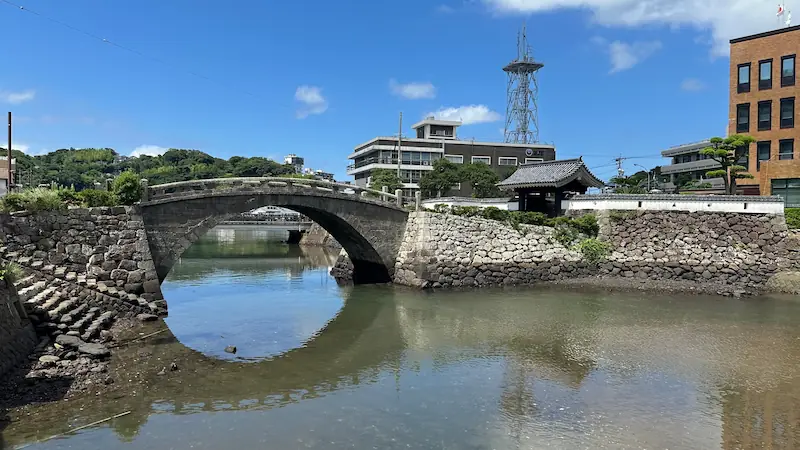
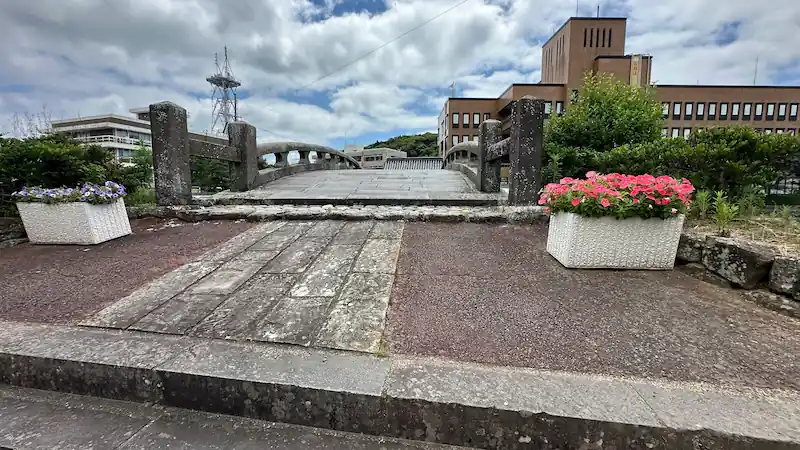
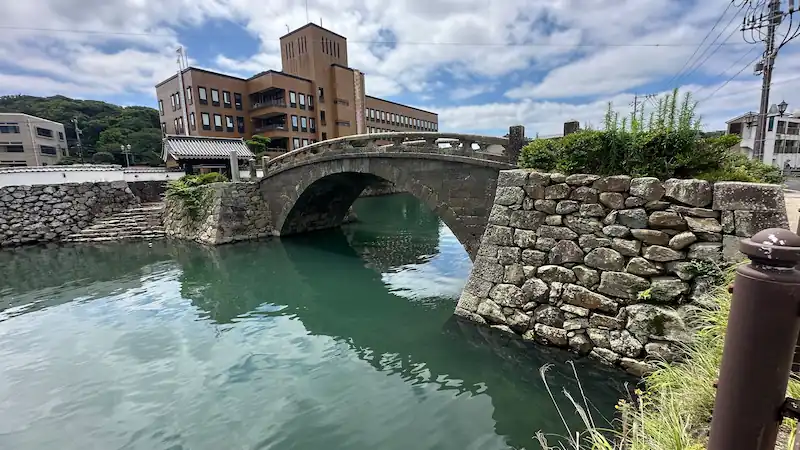
About a six-minute walk from the parking lot, following the stone-paved path, you’ll come upon Saiwaibashi Bridge, quietly commanding a sense of presence. Said to have been built during the Edo period, this bridge has retained its beautiful form, carrying the weight of history through the centuries.
The carefully stacked stones, perfectly arranged despite the passing centuries, glowed softly silver in the gentle morning light. Crossing the bridge, the coolness seeping up through the stone into the soles of my feet felt surprisingly pleasant.
The combination of the bridge and the imposing gate beyond created a harmony so picturesque that I found myself captivated by the scene.
Saiwaibashi was built after William Adams had already passed away, so he never set foot on this bridge himself. Yet when I imagine how his achievements and legacy in Hirado may have paved the way for such impressive structures, I’m filled with a quiet sense of wonder.

Tap a photo to enlarge
Anjin no Yakata (按針の館)
Japanese sweets downstairs; a room Adams may have lived in upstairs.
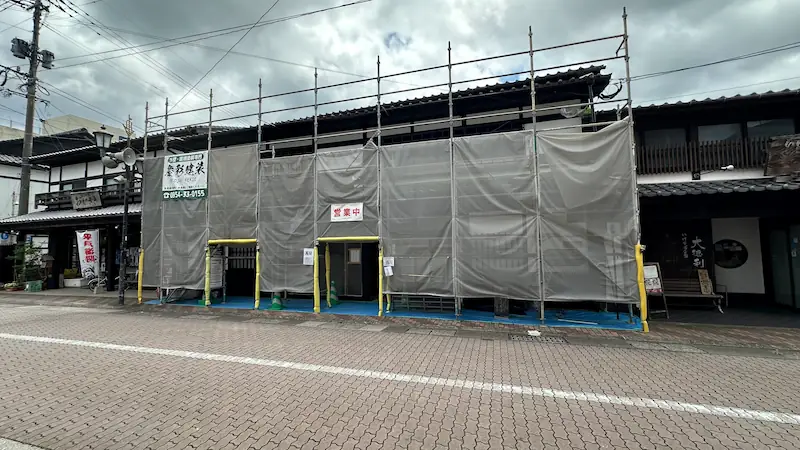
Another short walk of about three minutes brings you to Anjin no Yakata. Unfortunately, on the day I visited, the building was undergoing exterior repainting, and the entire structure was hidden beneath white sheets. I felt a bit disappointed not to be able to admire its historic facade, but I look forward to returning someday to see it restored to its full charm.
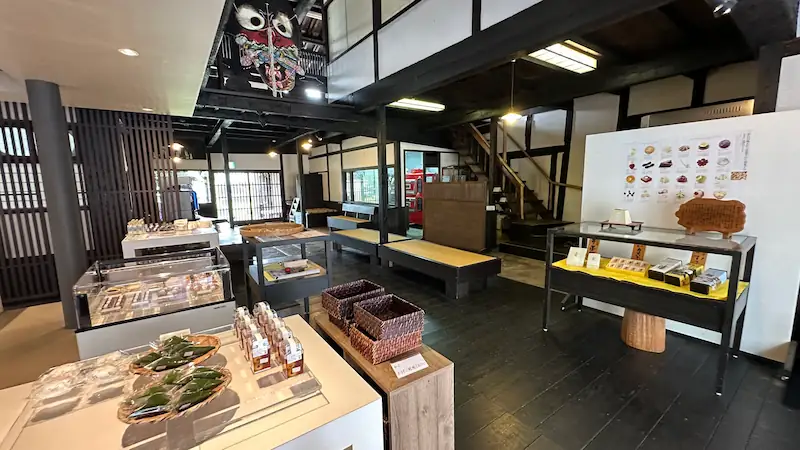
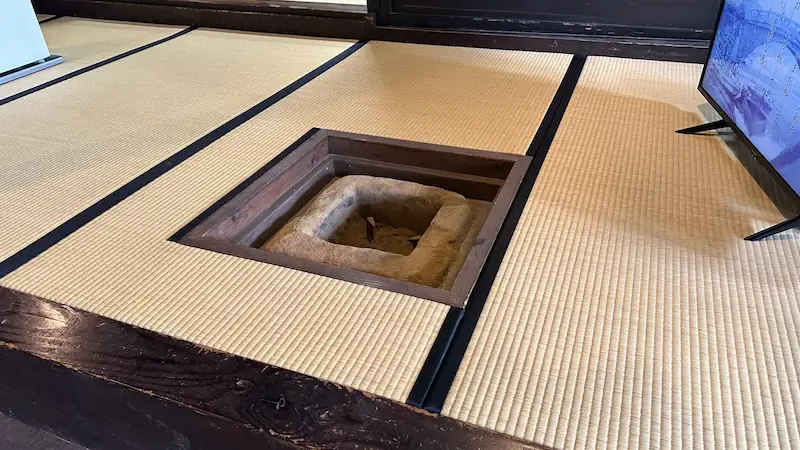
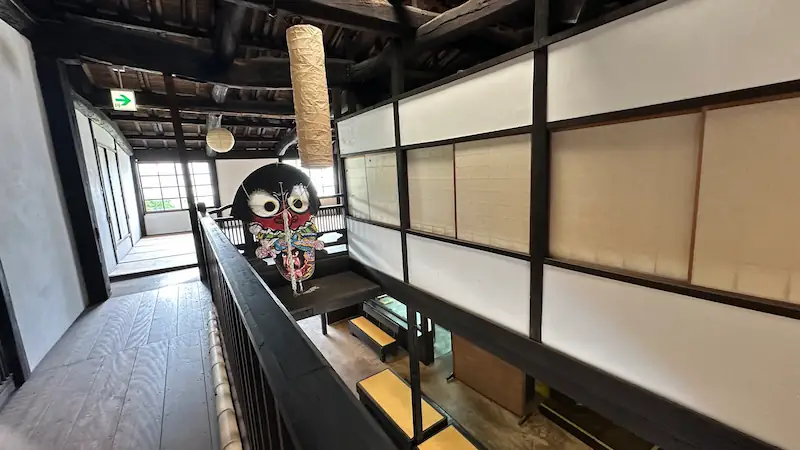
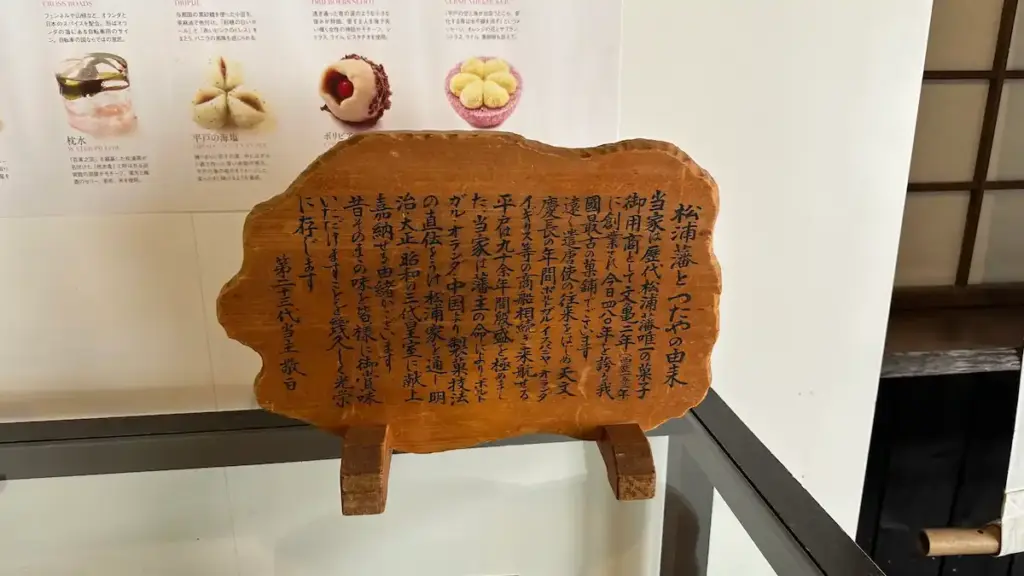
The first floor of Anjin no Yakata houses a traditional Japanese confectionery shop called Tsutaya. As I slid open the wooden door and stepped inside, a gentle aroma of timber filled the air. The old-fashioned well and the surrounding stonework preserved on the floor made me feel as though I had slipped back in time to life in the Edo period.
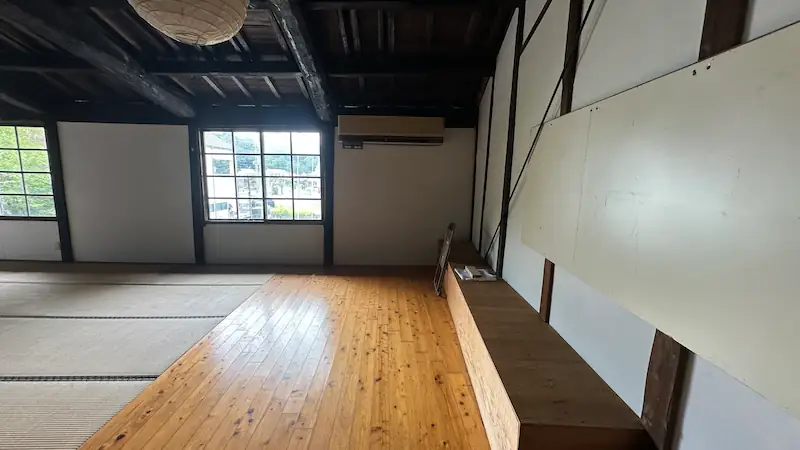
Upstairs, there is a room believed to be where William Adams may once have lived. The high ceiling crisscrossed with exposed beams had a quiet, commanding presence. Sitting down on the tatami, I could almost sense the traces of daily life from centuries ago in the gentle scent of wood and straw.
Half of the first floor is dedicated to selling traditional sweets, while the other half is a tatami-floored café space. It’s a nostalgic place where you can truly relax and feel at ease.
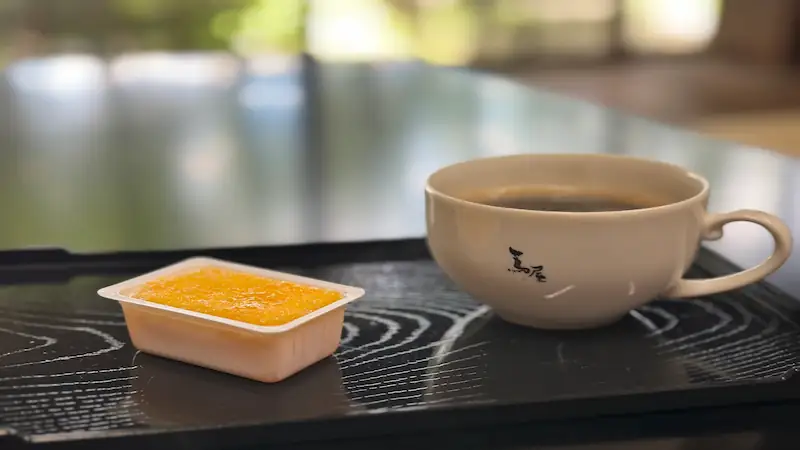
Here, I ordered a cup of coffee along with Kasudosu, one of Hirado’s signature sweets, and Gobomochi. Kasudosu is made by soaking castella sponge cake in syrup and coating it with sugar. The outside has a crisp, crystalline layer, while the inside remains moist and tender, creating an unusual texture that filled me with a quiet delight. Gobomochi is only mildly sweet, with a chewy, comforting bite that leaves a lasting impression of simple goodness.
What surprised me most was the price of the coffee—just 200 yen. It was so affordable I almost wanted to ask, “Are you sure that’s right?” That comforting warmth and the sense of human kindness seemed to embrace the entire space.




Tap a photo to enlarge
Monument of Adams's death place (三浦按針終焉の地)
A small stone monument that is easy to miss.
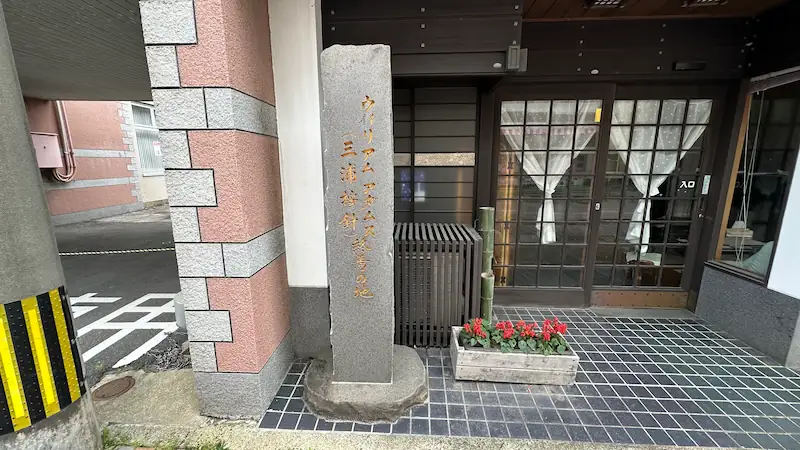
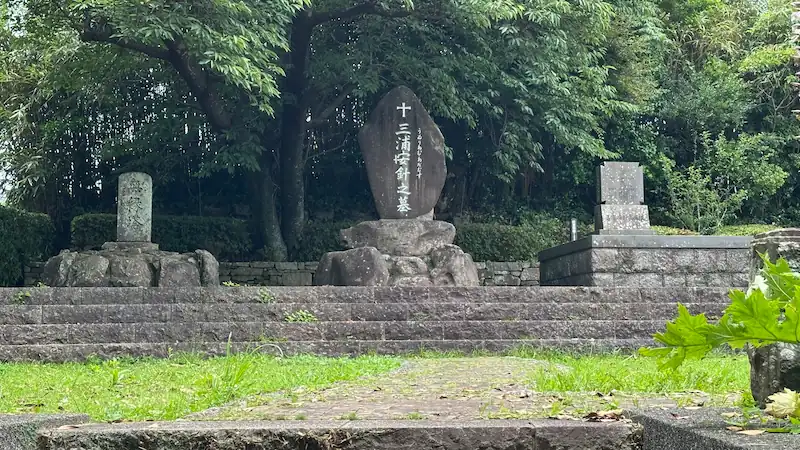
After leaving Anjin no Yakata, I went to visit the stone monument marking the spot where William Adams is believed to have died.
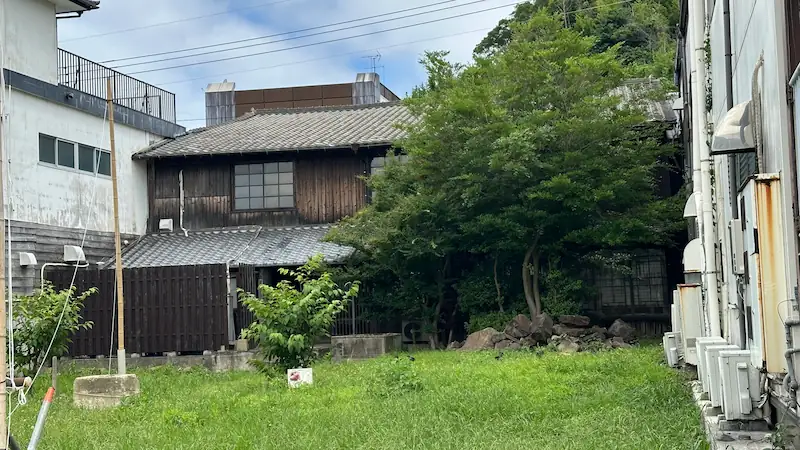
Walking down a quiet road with hardly any foot traffic, I stepped into a secluded clearing where the monument stood in silence. There were almost no tourists around, and the only sound was the wind rustling through the grass. The air seemed to carry a certain gravity that felt distinct and special.
On my way to Anjin no Yakata, I must have already passed by this very monument without realizing it—it blends into the surroundings so modestly that it would be easy to miss if you weren’t paying attention. Precisely because of that, standing before it now made my heart beat a little faster.
Later, I learned that nearby there was also a monument marking the site of the old British trading post. I regretted having missed it.
Hirado Tourist Information Center
Ask here for local stories and directions to the sites.

After returning to the parking lot, I stopped by the Hirado Tourism Association nearby, where a local gentleman greeted me with a warm smile that instantly dissolved any lingering tension from my journey.
He not only gave me detailed directions to local sites and historical landmarks but also shared some fascinating stories I hadn’t expected to hear.
For instance, he told me that one of the inspirations for Hikaru Genji, the main character of *The Tale of Genji*, is said to have been a prince of the imperial family connected to Saga. Hearing how this region intersects with the world of classic literature was genuinely exciting.
Even more intriguing was the story about bones discovered near the site of William Adams’s grave. DNA analysis later confirmed they belonged to a Westerner, and he kindly explained exactly where they had been found. Learning about such unexpected pieces of history made me feel grateful—and added a new layer of depth to my journey.
Grave of Miura Anjin (三浦按針墓所)
Up a staircase on a hill. A Xavier memorial, rose garden and lookout are close by.
After leaving the tourist information center, I set out for the grave of William Adams.
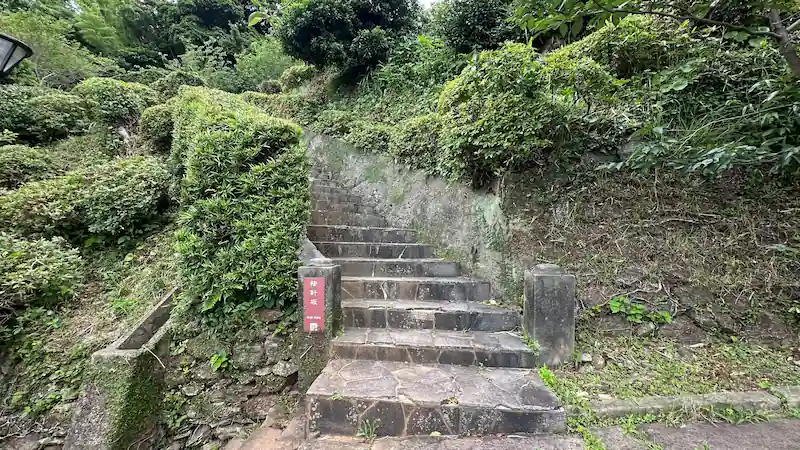
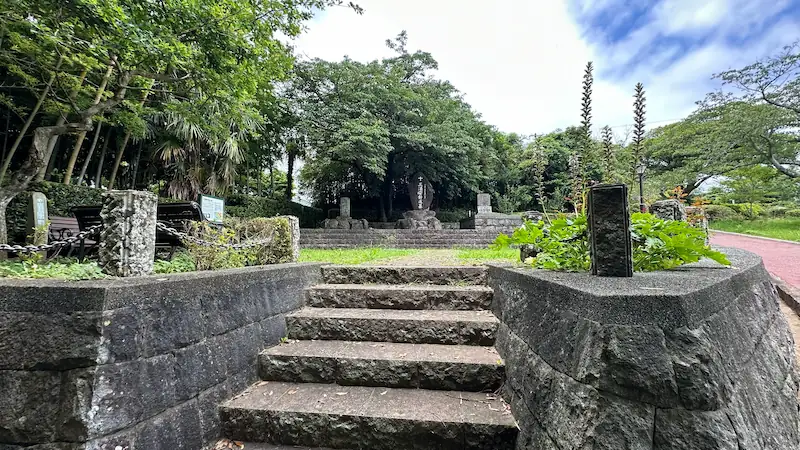
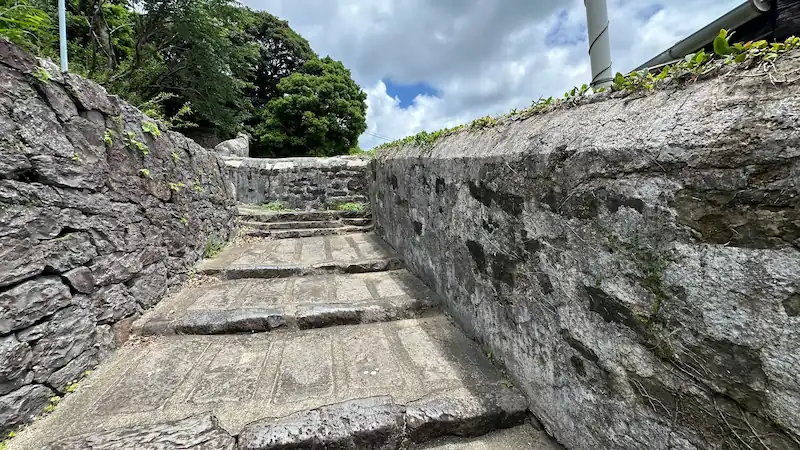
As I walked, the road gradually turned into a gentle slope, and before long, a series of stone steps began. With each step up the worn stairs, a warm sweat slowly gathered across my back.
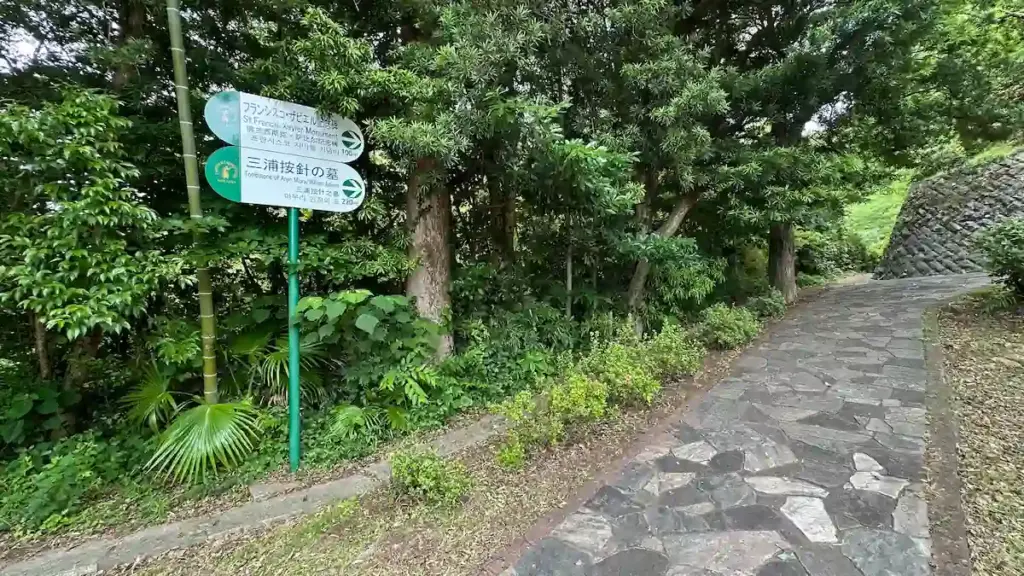
When I turned to look back, the port and townscape of Hirado were gradually receding into the distance, growing smaller beneath the blue sky streaked with drifting white clouds. The sea breeze cooled the sweat on my forehead. A sign read, “This way to Miura Anjin’s Grave,” and simply following it filled me with a quiet joy.
Along the way, I also noticed a sign for what seemed to be a monument dedicated to Francis Xavier. It was a reminder of how many layers of history quietly overlap on this small hill.
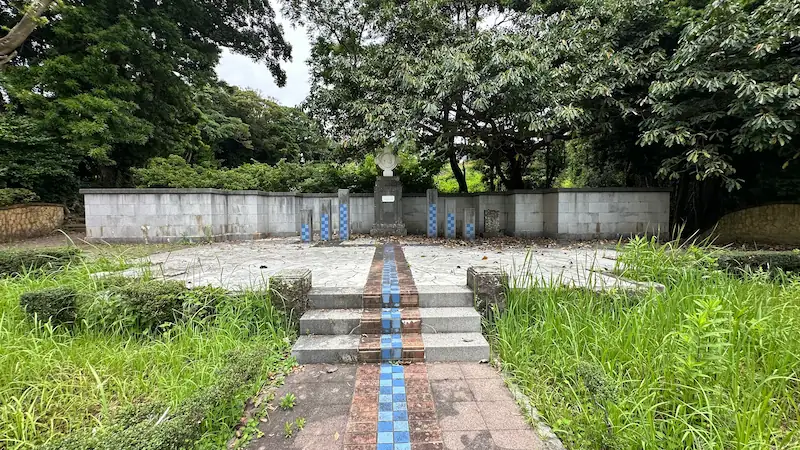
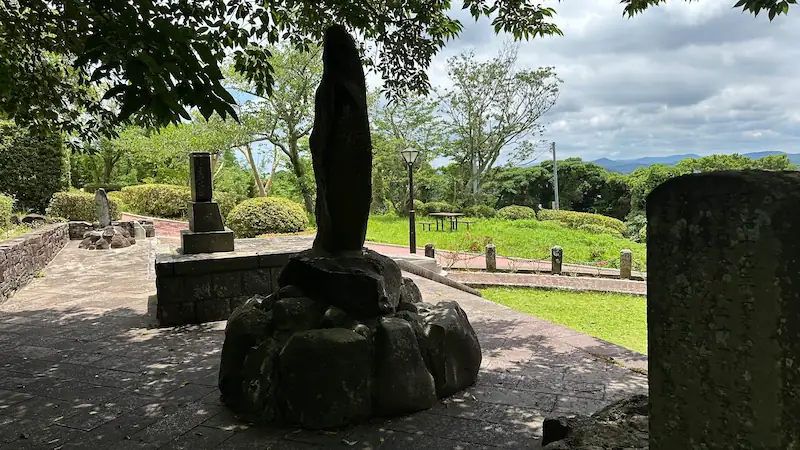
When I finally reached the top of the stairs, the view opened wide. There stood an imposing gravestone in all its quiet dignity.
Despite the word “grave” conjuring a somber heaviness, the space felt unexpectedly welcoming, filled with clear blue sky and bright sunlight.
The front of the monument overlooked a sweeping view where the sea and sky met far off on the horizon. The salty scent of the tide mixed with birdsong, making it a place that felt clear and uplifting.
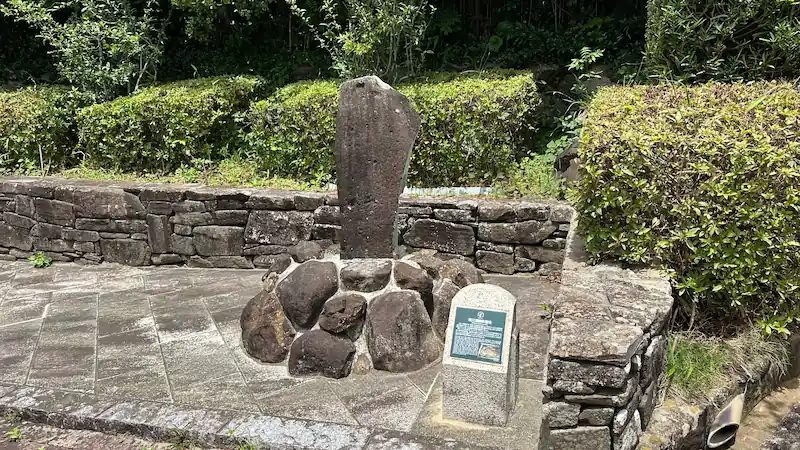
This is the resting place of Miura Anjin—William Adams himself.
The local gentleman at the information center had told me, “Somewhere behind the monument, there’s the spot where bones were found,” but in the end, I couldn’t figure out exactly which place he meant. Still, in the back right corner, I found an old stone believed to have once marked the Miura family grave, and simply discovering it felt profoundly satisfying.
I stood there for a while, placing my hands together in quiet respect before the monument.
Moments like this—when you meet history face to face in the middle of a journey—carry a hush and a depth that words can hardly capture.
Further on, I came to a small garden known as the Anjin Rose Garden.
When I asked at the information center, the staff explained, “This place doesn’t actually have any direct connection to William Adams.” Even so, since it bears his name, I couldn’t just walk past without stopping.
Inside the garden grow old (and possibly storied) varieties of roses called the Hirado Mystery Rose. My heart lifted at the thought of seeing them in bloom, but sadly, none were flowering during my visit. I found myself hoping strongly to come back when the roses are at their peak.
Even so, the sea breeze drifting up the hill felt wonderfully refreshing, soothing my tired body after the long climb. The wind was cool against my cheeks—carrying just a hint of summer—and when I closed my eyes, the scent of the ocean seemed to fill my lungs completely.
Farther along, there was a small observation deck as well. Resting my hands on the wooden railing, I took in the sweeping panorama—Hirado’s sea and townscape stretching out below, with Hirado Castle visible in the distance. Since you’ve come all this way, I highly recommend continuing on to this lookout.
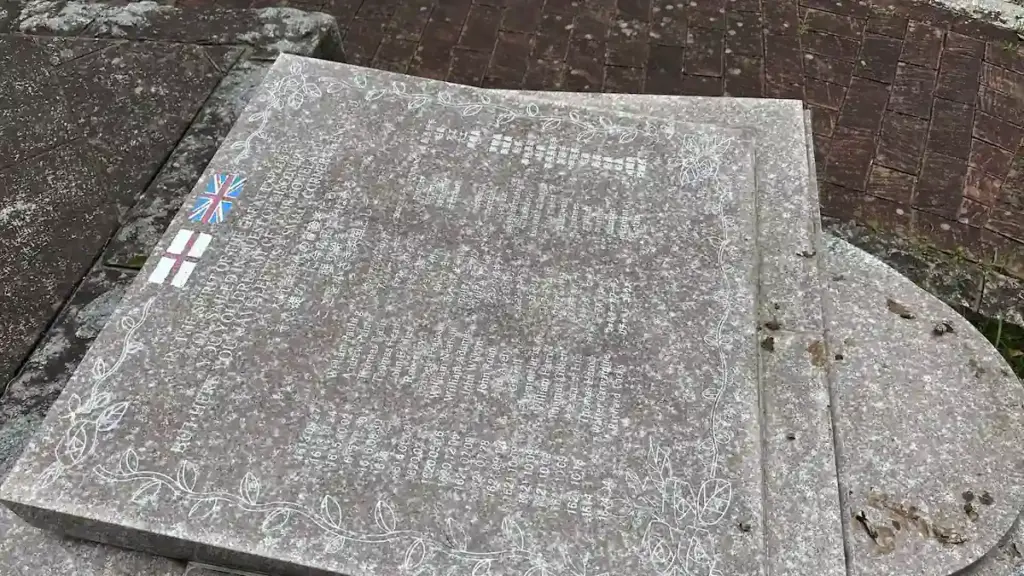
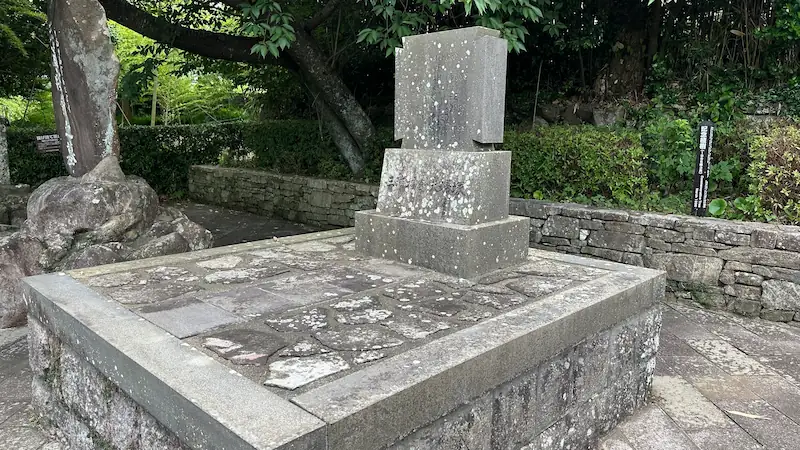

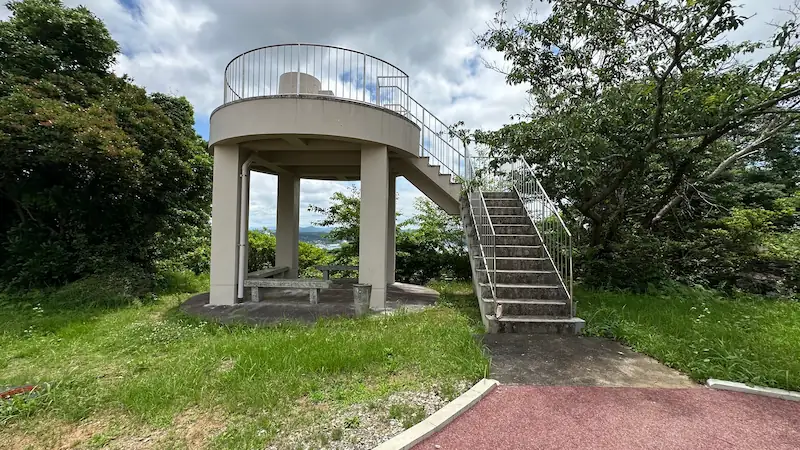

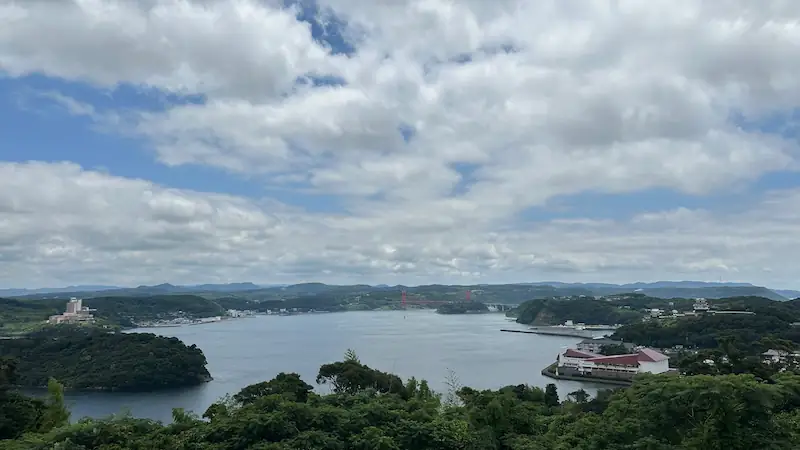
Tap a photo to enlarge
Hirado Dutch Trading Post (平戸オランダ商館)
A reconstructed white warehouse. I found no exhibit about Adams.

The next place I headed was the Dutch Trading Post.
As I walked down the hill, I paused to look at each small historical marker and sign along the way. Walking on the stone-paved slope made time feel like it was slowing to a gentler pace.
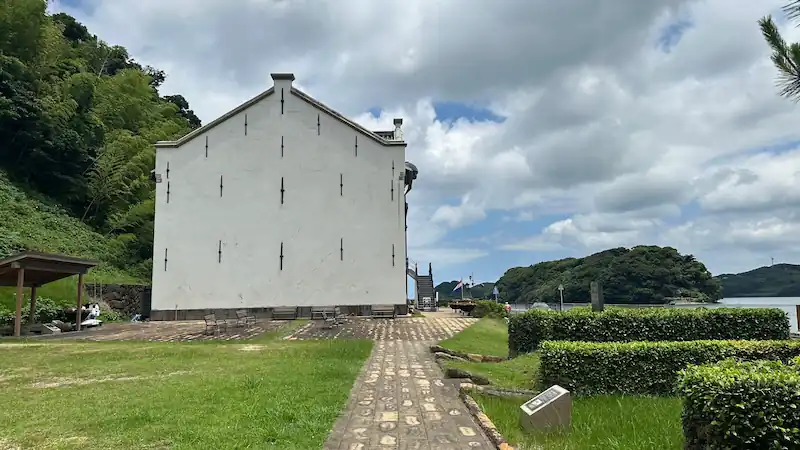
The stone-lined canal known as the Dutch Moat quietly held its water, reflecting the bustling trade of centuries past. I could imagine foreign ships unloading their cargo here hundreds of years ago, merchants carrying goods by hand to and from the warehouses. Just picturing those scenes made me feel as if I were touching a fragment of history, and my heart quickened.
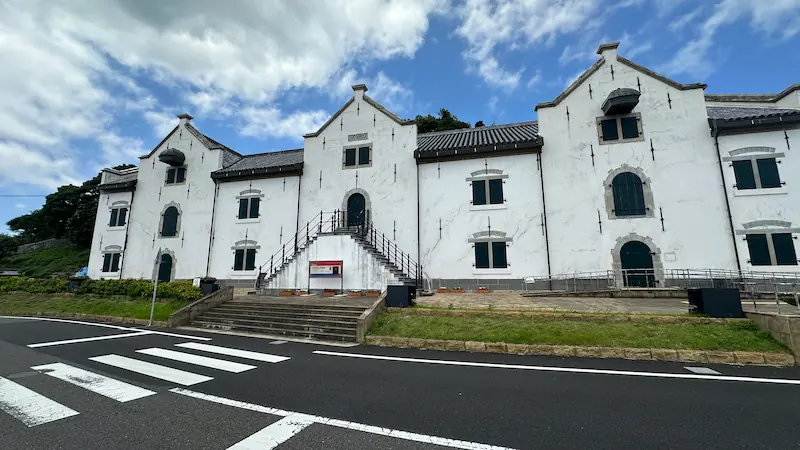
Eventually, I reached the Dutch Trading Post itself—a stately white building that came into view all at once. Set against the bright blue sky, its white walls seemed to speak of the prosperity and grandeur of the time.
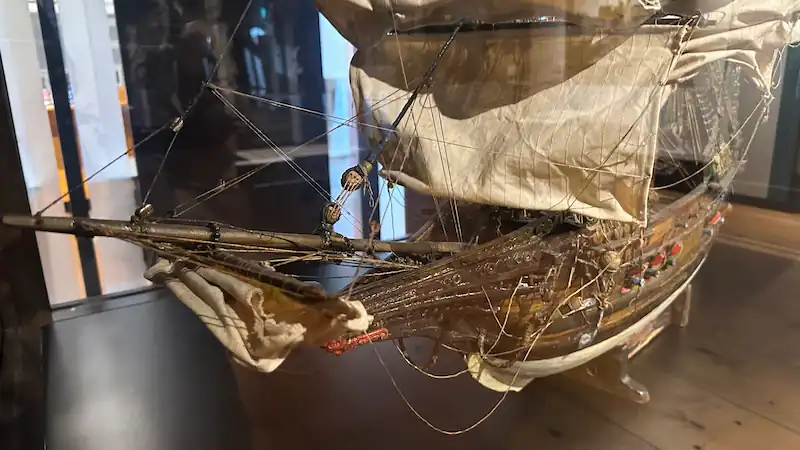
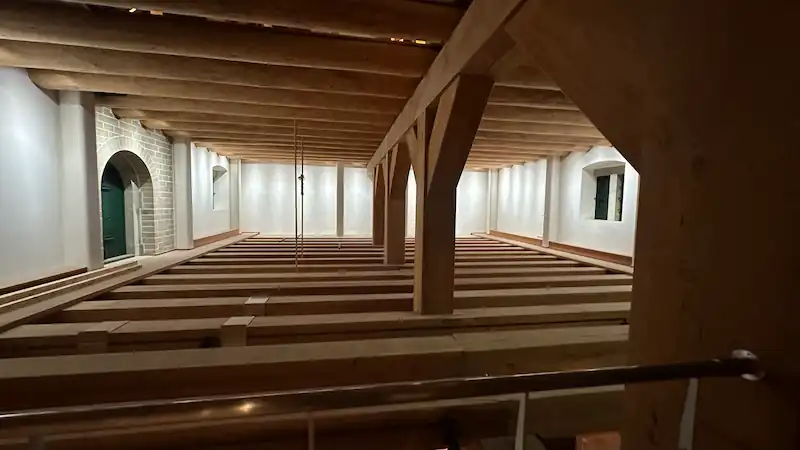
Inside, artifacts once used in trade and detailed ship models were carefully displayed. The interior was beautifully maintained, and each explanatory panel and reconstruction made it clear how Hirado had once been at the forefront of international commerce.
Unfortunately, there didn’t seem to be any displays directly related to William Adams here. Still, looking at the model of the Liefde and the rare goods that once arrived from overseas, I could vividly feel the cultural exchange that unfolded in this very place.
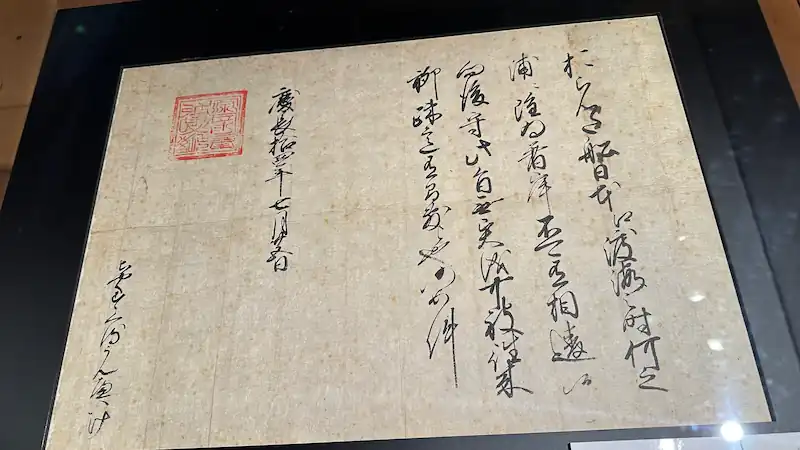
One exhibit that left a strong impression was a replica of Tokugawa Ieyasu’s vermilion-seal permit from 1609, which granted the Dutch East India Company the right to call at any port in Japan.
Even so, knowing that under Tokugawa Hidetada the country would soon close itself off and limit trade solely to the Dutch felt like a quiet irony of history.
I casually picked up one of the brochures displayed inside and discovered a few new details.
According to it, just beyond the stone bridge I had crossed earlier, there had once been an English trading post that operated for about ten years. Learning that this very area had been William Adams’s base made my heart race—realizing I had unknowingly walked right through his legacy.
There was also a note explaining that the torii gate at Kameoka Shrine, which I visited that morning, had originally been donated by Adams himself as a prayer for safe voyages. It felt as though I had uncovered yet another hidden connection.
After finishing my tour of the building, I stepped back outside and took a deep breath. The salty air and slightly damp breeze cooled my flushed cheeks.
The more I learn on these journeys, the more new landscapes I discover. This time again, every step I took brought fresh discoveries.
| Closed | The 3rd Tuesday, Wednesday and Thursday of June each year |
|---|---|
| Combined ticket | Available with the Matsuura Historical Museum (adults 880 yen, students 440 yen) |
Hours and prices follow official information checked in November 2026. Please confirm on the official website before you go.
Photos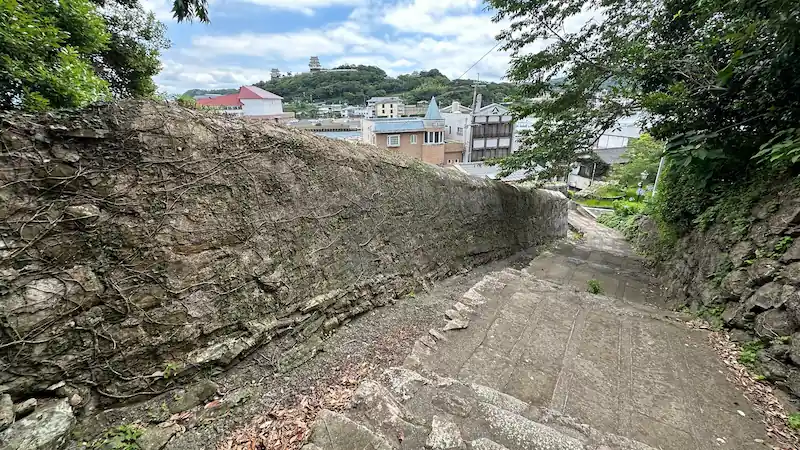
Tap a photo to enlarge
Matsuura Historical Museum (松浦史料博物館)
A former lord's residence. I found no Adams exhibit.
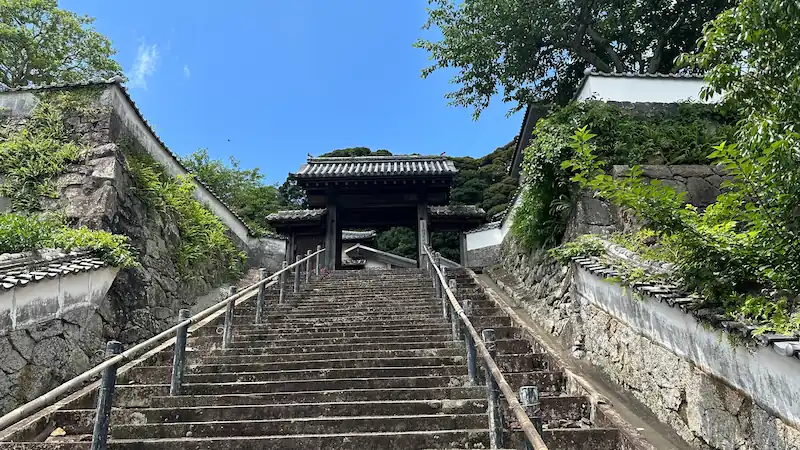
Next, I visited the former residence of the Matsuura family, preserved today as a museum.
Passing through the stately gate, I found a spacious mansion beyond, with furnishings and historical documents neatly displayed. As I stepped into the quiet rooms, the air turned cool, and it felt as though time had gently slipped backward.
I wandered through the exhibits, hoping I might find something directly connected to William Adams, but unfortunately, there were no materials related to him. Even so, though the building itself was constructed relatively recently in 1893, it already carries more than a century of history. The fact that this residence is still carefully preserved as a museum struck me as something to be deeply grateful for.
Some of the most memorable pieces were the gold-leaf roof tiles from Fushimi Castle, built by Toyotomi Hideyoshi; the edict banning Christianity that Hideyoshi suddenly issued on his way home from the campaign against the Shimazu; and a vermilion-seal permit issued by Tokugawa Ieyasu to reward those who had not sided with Ishida Mitsunari at Sekigahara. For anyone passionate about Japanese history, these were priceless artifacts.
Looking at them through the glass, it felt as though each scrap of paper and fragment of tile spoke of vast currents of history, making me unconsciously straighten my posture in respect.
In the back garden, a simple tea room stood quietly. Its unadorned, dignified design brought a sense of calm. Everywhere I walked, I could feel the weight of time settled into the walls and floorboards.
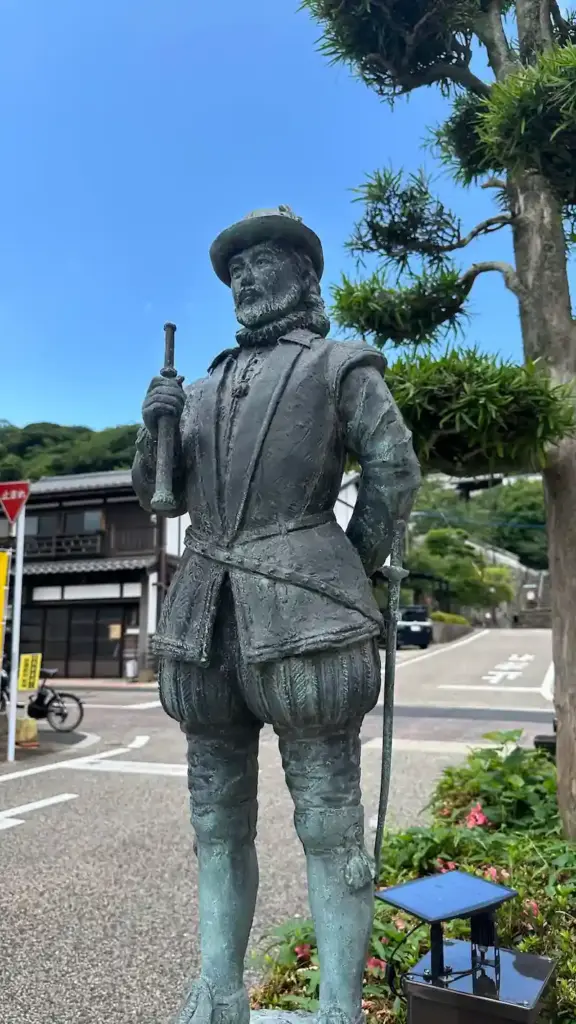
Leaving the mansion and making my way back to the car, I happened to notice a bronze statue standing by the roadside.
It was a statue of William Adams along the Historic Road. His bronze figure gazing into the distance had a solitary dignity that made me stop and take a photograph.
| Hours | 8:30 to 17:30 |
|---|---|
| Closed | December 29 to January 1 |
| Admission | Adults 660 yen; elementary to high school students 330 yen |
| Combined ticket | With the Dutch Trading Post: adults 880 yen, students 440 yen |
Hours and prices follow official information checked in November 2026. Please confirm on the official website before you go.
Photos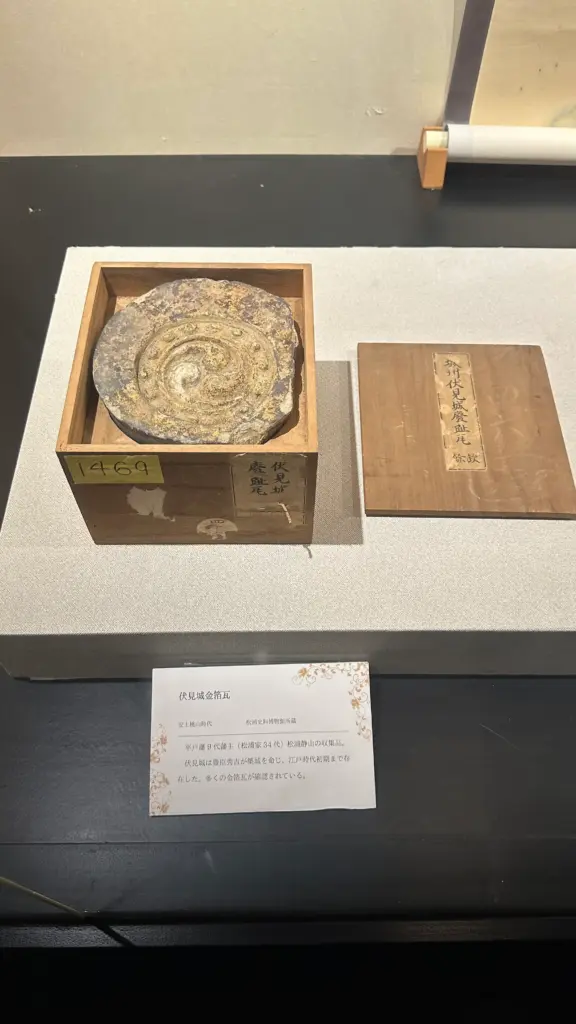

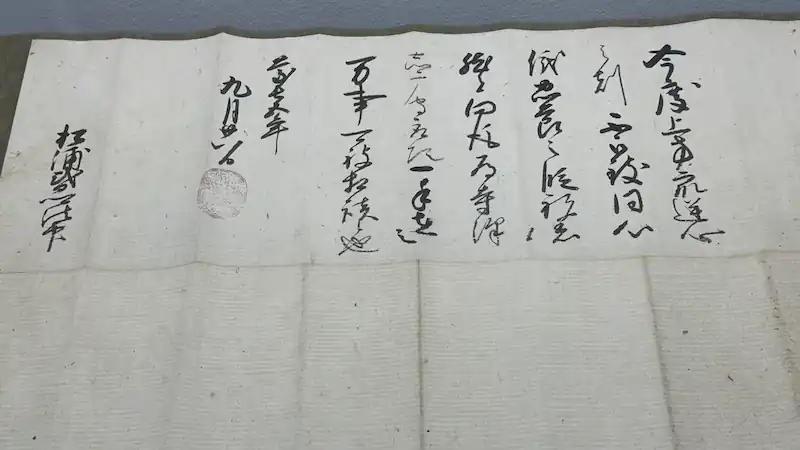

Tap a photo to enlarge
English Factory monument (イギリス商館跡)
To the right of the gate across Saiwaibashi. An old anchor lies behind it.
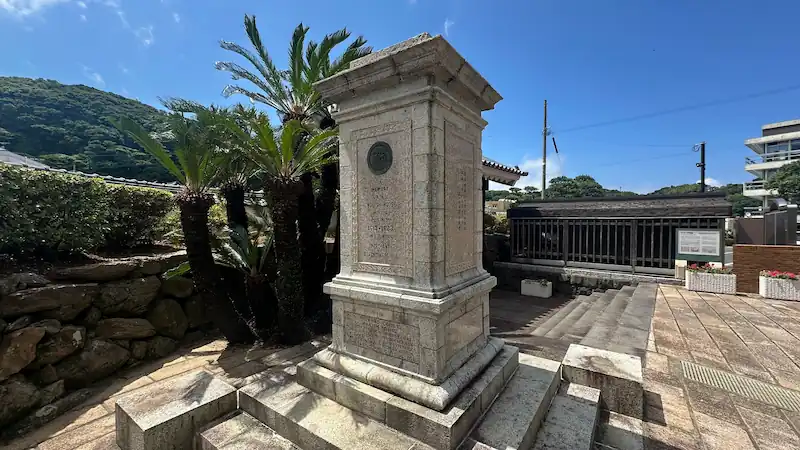
I had already visited all the places I originally planned to see, but in the pamphlet I picked up at the Dutch Trading Post, I found a few more sites connected to William Adams that I hadn’t yet explored—the remains of the English Trading Post and the First Torii of Kameoka Shrine.
Since I had come this far, I decided to follow his trail to the very end and set out once more on foot.
The first stop was the stone monument marking the site of the English Trading Post, which I had overlooked earlier near Saiwaibashi Bridge.
Crossing the bridge and passing through a large gate, I found an imposing stone monument standing to the right. As I stepped closer and studied its surface, I saw “William Adams” clearly engraved among the names.
Seeing his name so plainly before me stirred a quiet happiness in my heart.
Just behind the monument, an old ship’s anchor lay in a rusting heap, silently bearing witness to the centuries that had passed. For anyone visiting here, I would highly recommend taking a moment to notice this anchor as well.
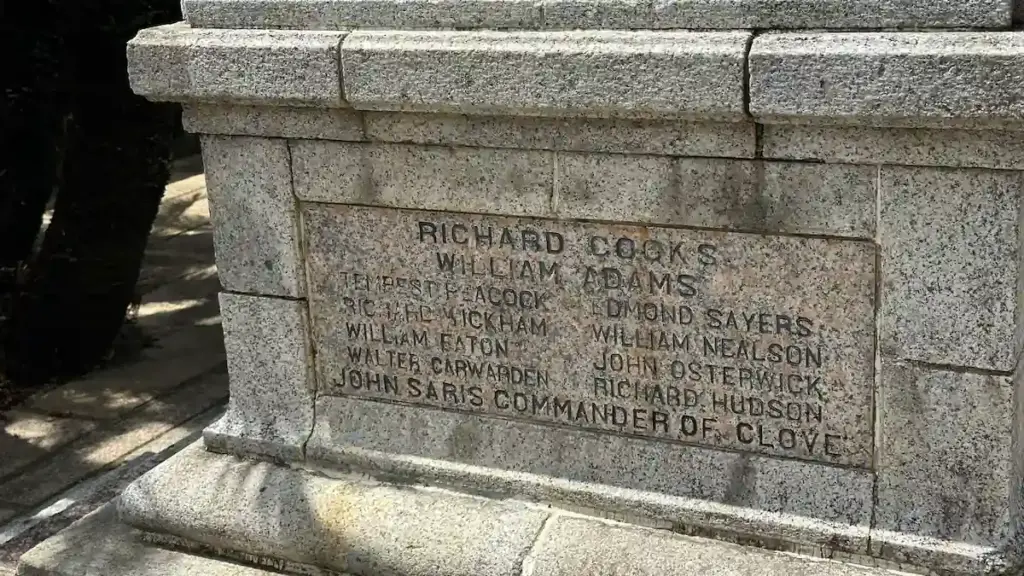
Tap a photo to enlarge
First torii of Kameoka Shrine (亀岡神社)
The outermost gate of the shrine. A pamphlet credits Adams with donating it.
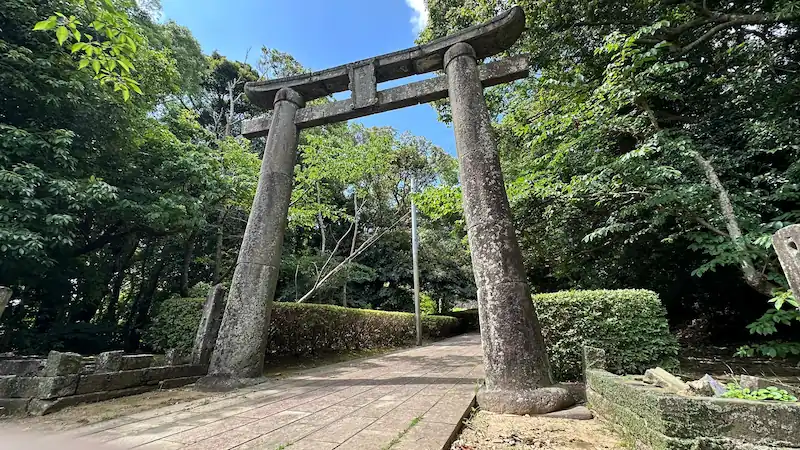
Next, I drove back to Hirado Castle (Kameoka Shrine), which I had visited that morning.
The pamphlet referred to the “First Torii,” but earlier I had gone straight up to the castle without passing through it. When I arrived, there were several torii gates standing in a row, and for a moment I wasn’t sure which one it was.
Finally, I learned that the torii furthest to the outer edge of the shrine was the one I was looking for, and I was relieved to have found it at last.
This torii is said to have been dedicated by Adams himself as a prayer for safe voyages.
I had never seen this information mentioned anywhere other than the pamphlet, but since it appeared in an official publication, I felt hopeful that it was a credible story as I looked up at the arching stone gate.
Weathered white and standing in the breeze, the torii radiated a quiet gravity that seemed to hold all the years it had endured.
At last, I felt I had followed every trace of his footsteps. A calm sense of fulfillment spread from deep inside, gently signaling the end of this journey.
In conclusion
This journey through Hirado began as a modest exploration, tracing the footsteps of one foreigner, William Adams. But as I visited each historic site, listened to the warm voices of local people, and followed the chance discoveries in a pamphlet I happened to pick up, the scattered points of knowledge began to connect—gradually forming a vivid line etched into my heart.
The name “William Adams” engraved on a monument, the quiet passage of time at the place where he died, and the sea of Hirado stretching out below the hill where he now rests—when I thought of the scenes he must have seen here more than 400 years ago, history no longer felt like something confined to the pages of a book. Instead, it came alive with the scent of the tide and the texture of the stone paths, pressing close in a way I could almost touch.
The more you learn, the deeper the landscape grows. The joy of realizing that the bridge I crossed without a second thought, or the torii I nearly overlooked, held quiet traces of his life—that may have been the greatest gift this journey gave me.
Through the window of William Adams’s story, Hirado revealed itself as a place both vibrant with the brilliance of international trade and layered with centuries of interwoven histories—a place full of allure. I am grateful for every scene and story I encountered on this trip, and I hope one day to return in search of new discoveries. Carrying that warm afterglow in my heart, I finally left the land that Adams surely loved.
Getting there and basic information
Getting there and basic information
| Where | Hirado Island, Nagasaki Prefecture, northwest Kyushu. The island is joined to the mainland by the Hirado Bridge |
|---|---|
| How I traveled | By car, starting from the Hirado Koryu Hiroba parking lot (free for 2 hours, then 100 yen per 30 minutes) |
| Route | On foot around the town; only Kameoka Shrine's first torii by car |
| Path to the grave | Stone steps from near the tourist information center. Look for the sign "Miura Anjin grave this way" |
| Matsuura Historical Museum | 8:30 to 17:30; closed Dec 29 to Jan 1; adults 660 yen (official information, checked November 2026) |
| Dutch Trading Post | Closed the 3rd Tuesday, Wednesday and Thursday of June (official information, checked November 2026) |
| Maps | Each spot has a map inside its accordion |
Where to stay near Hirado
PRThis section contains affiliate links to the booking site Agoda. If you book through them, this site earns a commission. Areas are chosen for location and ease of travel.
You can walk the town in half a day. Adding the hill with the grave, the museums and the lookout makes a day trip rushed. Prices change a lot by date, so I list areas only, not prices.
Stay in town
Hirado
Agoda search area: Hirado
Lets you walk to the grave in the quiet of the morning.
Find stays in Hirado on AgodaEasy access
Sasebo Station area
Agoda search area: around Sasebo Station
Fits a trip where you drive to Hirado from a larger station town.
Find stays near Sasebo Station on AgodaUse as a base
Nagasaki City
Agoda search area: Nagasaki City
Fits a trip that treats Hirado as a day trip from Nagasaki.
Find stays in Nagasaki City on AgodaThe links open with default dates and guest numbers. Check dates, price and cancellation terms on the booking page.
FAQ
His grave is on a hill in Hirado, up a stone staircase from near the tourist information center. A sign reads "Miura Anjin grave this way," and the gravestone is inscribed in Japanese with his Japanese name.
On my visit it was free for up to two hours and 100 yen per 30 minutes after that. Rates can change, so check the sign at the lot.
On June 28, 2025 the building was under exterior repair and covered in white sheeting. The first floor is a Japanese sweets shop with a seating area, and the second floor displays a room Adams may have lived in.
I found none at either on my visit. The Dutch Trading Post has a model of the Liefde and a replica of Ieyasu's seal permit, and the museum has gilded roof tiles and seal permits.
Cross Saiwaibashi Bridge and pass through the large gate. The monument stands on the right, with the name William Adams carved on it and an old anchor just behind.
According to the official information checked in November 2026, it is open 8:30 to 17:30 and closed December 29 to January 1. Admission is 660 yen for adults and 330 yen for elementary to high school students. A combined ticket with the Dutch Trading Post is 880 yen for adults and 440 yen for students.
A pamphlet I picked up at the Dutch Trading Post says he donated it to pray for a safe voyage. I could not confirm this in other sources, so I present it as what the pamphlet says.
Related articles
☕ Support This Site
Following the Shogun is built on original fieldwork and on-site research.
If you found this guide useful, your support helps keep it going.

You can also support via QR code


comment