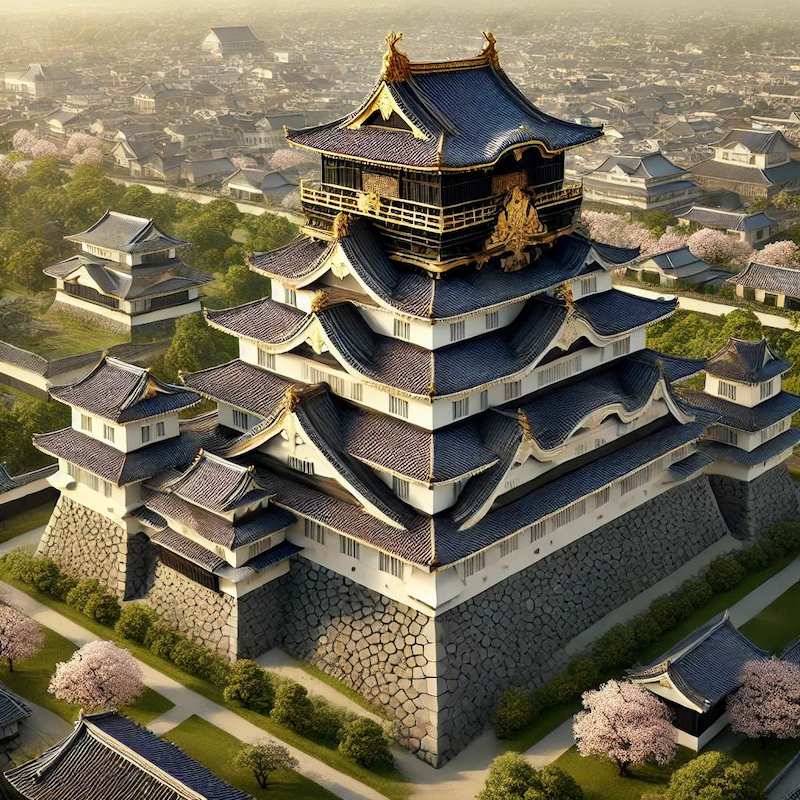
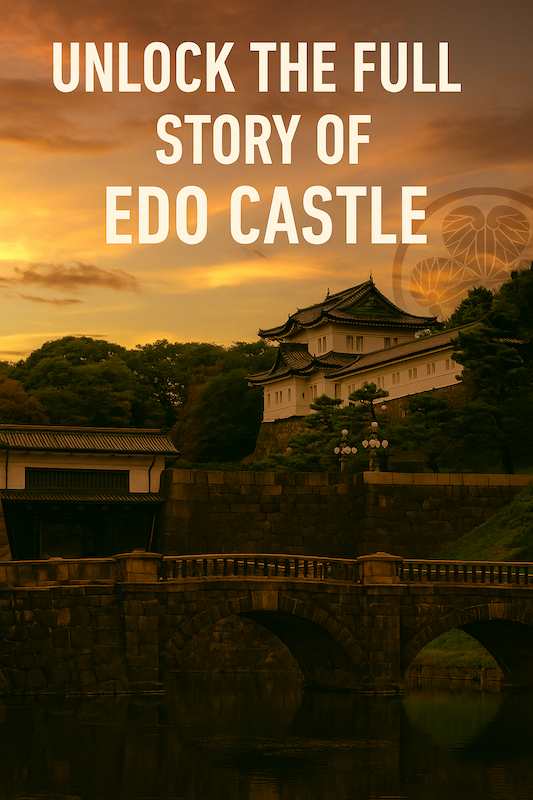
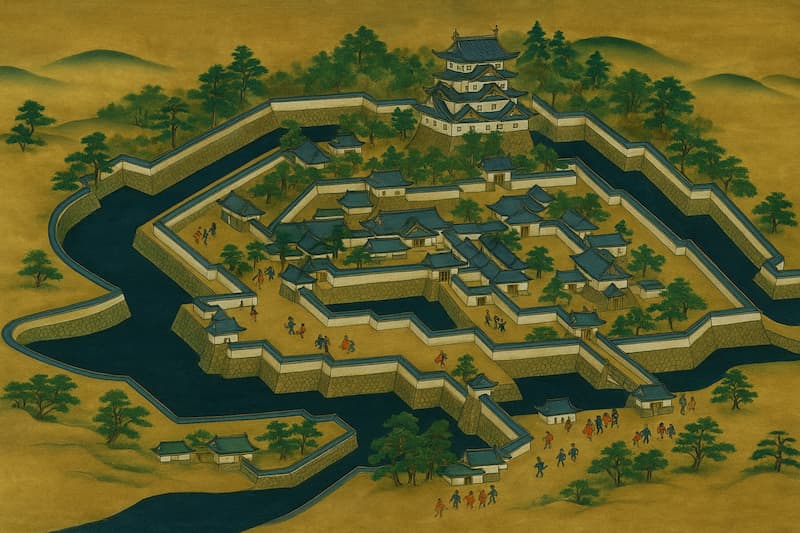
Edo Castle—once the largest castle complex in the world—was built by Tokugawa Ieyasu as the political heart of Japan for over 260 years. Today, its ruins survive as the Imperial Palace East Gardens (皇居東御苑) in central Tokyo, open to the public free of charge on most days.
This series divides the Edo Castle ruins into five distinct areas, each documented with on-site photos, 360° panoramic views, and detailed historical notes. Whether you have an hour or a full day, use this guide to navigate the site and choose the areas that matter most to you.
Visitor Information
🕐 Opening Hours: 9:00 AM – 4:30 PM (last entry 4:00 PM)
📅 Closed: Mondays, Fridays, and December 28 – January 3
💴 Admission: Free
🚉 Access: 5-minute walk from Otemachi Station (Tokyo Metro) or Nijubashimae Station (Tokyo Metro Chiyoda Line)
How to Use This Guide
The five areas below follow a natural walking route through the site. For a quick 1-hour visit, focus on the Honmaru Area — the Tenshudai keep foundation and Fujimi Yagura tower give the strongest sense of the castle’s former scale. For a full half-day, add the Fujimi Yagura Area (home to the 47 Ronin’s corridor) and the Outer Perimeter (where Hattori Hanzo’s gate still stands).
Explore Each Area
Vol.1 — Otemon Area
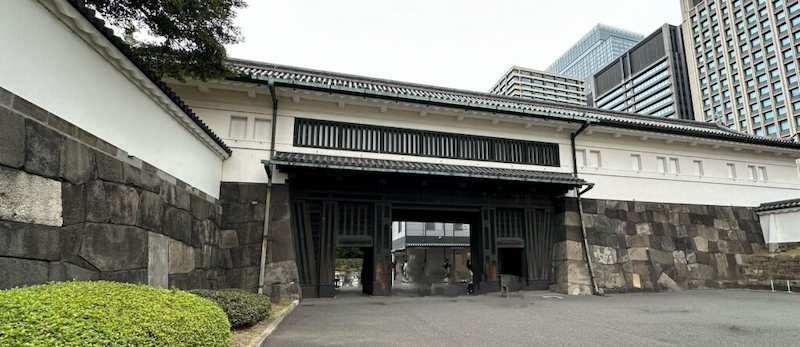
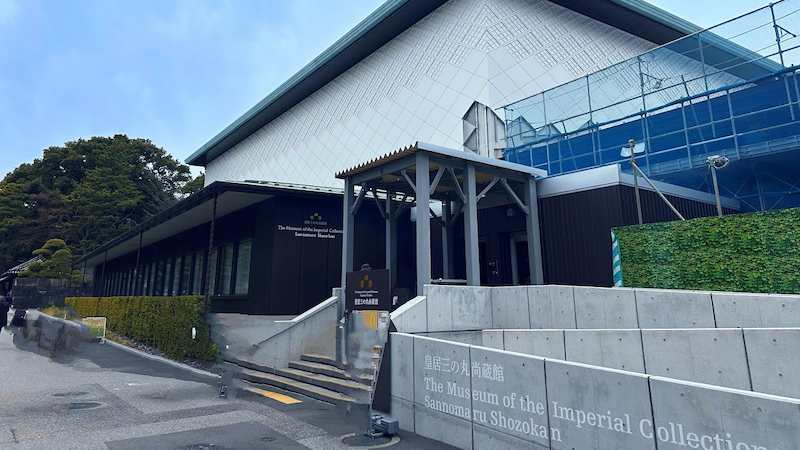
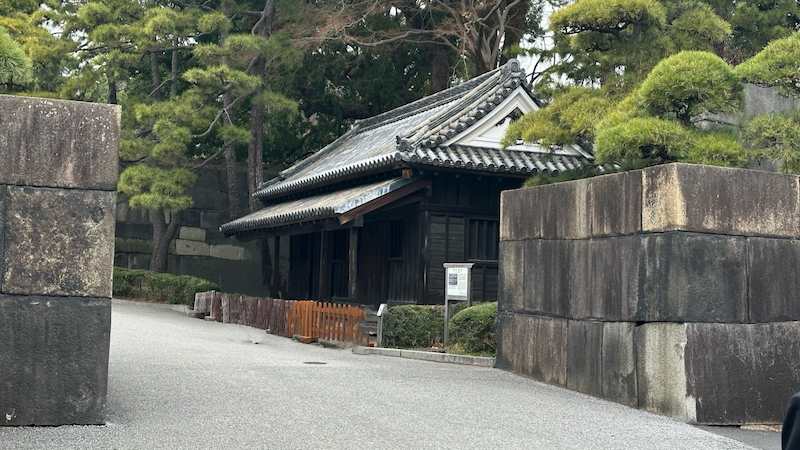
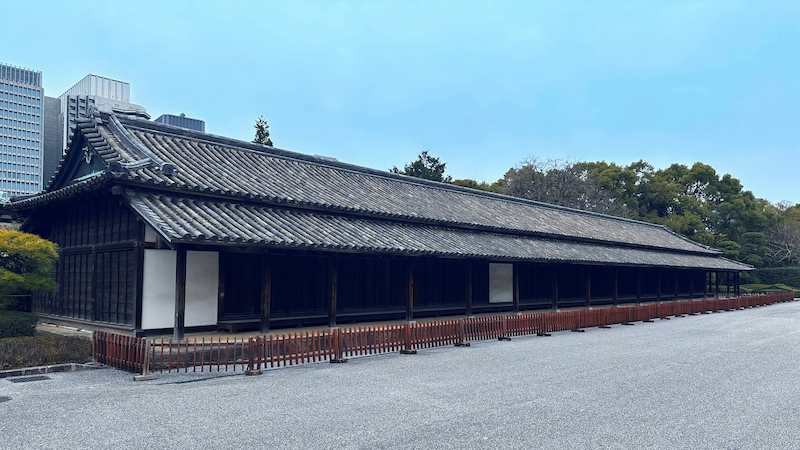
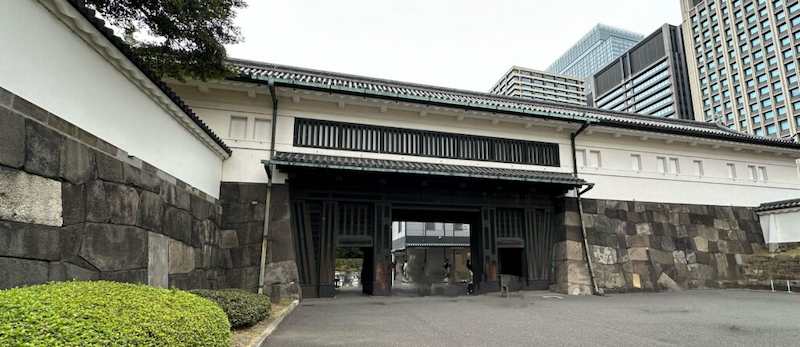
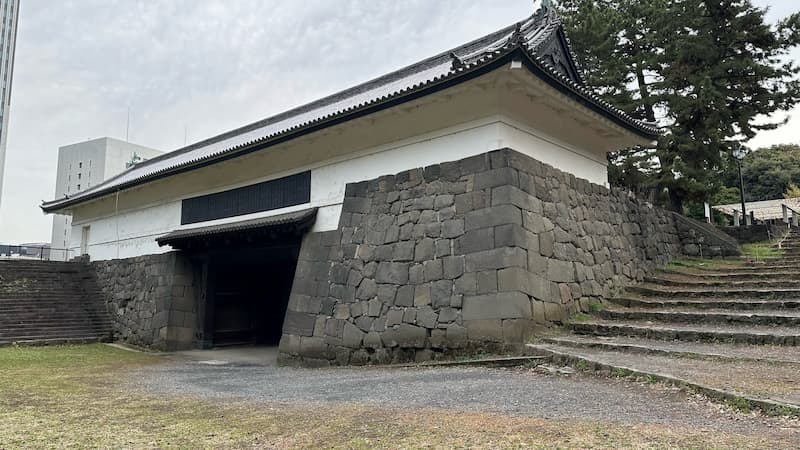
The main entrance to Edo Castle, built in 1607 by the legendary castle architect Tōdō Takatora. This area contains the restored Otemon Gate, two surviving Edo-period guard houses (including the 50-meter Hyakunin Guardhouse once manned by elite gunners), and the Sannomaru Shozokan museum housing Imperial art treasures.
Vol.2 — Fujimi Yagura Area: The 47 Ronin’s Corridor
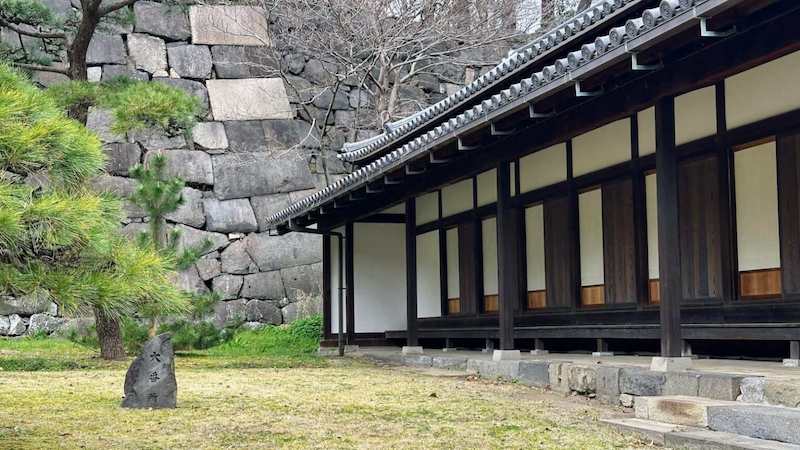
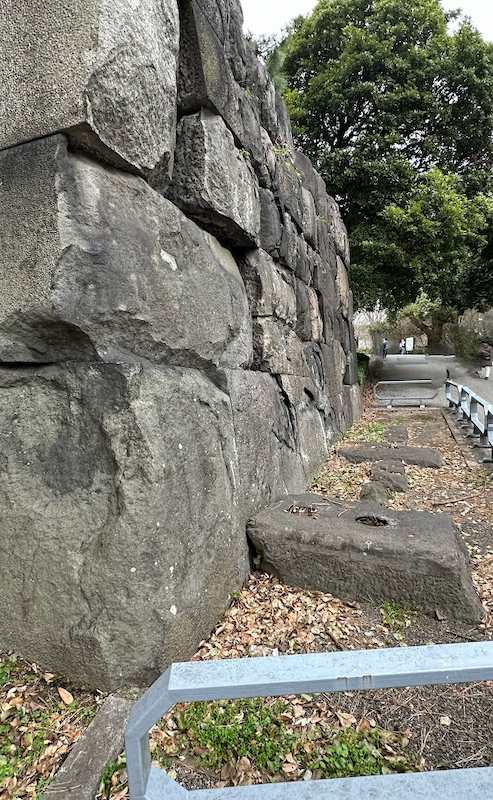
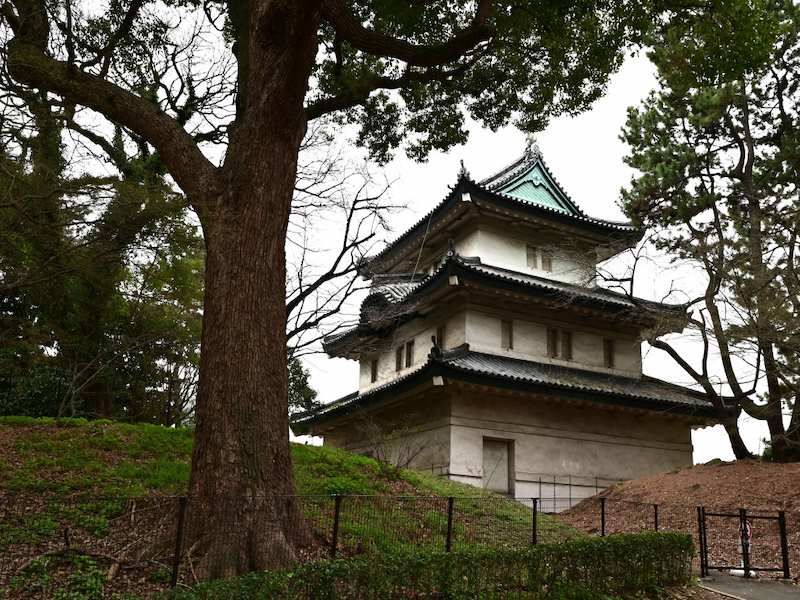
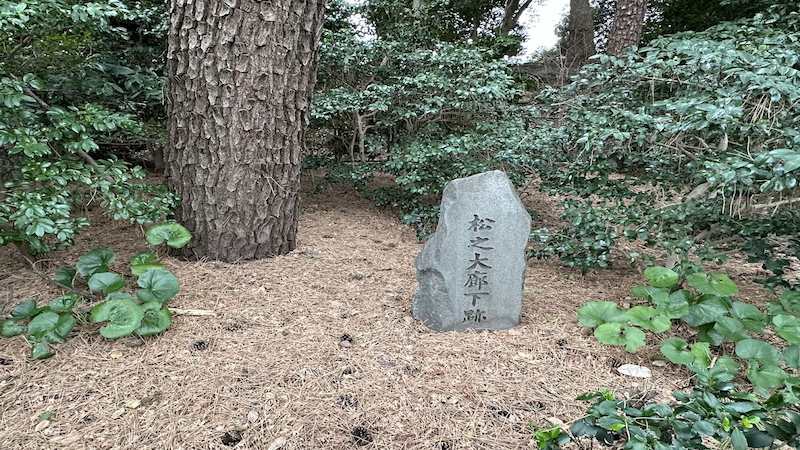
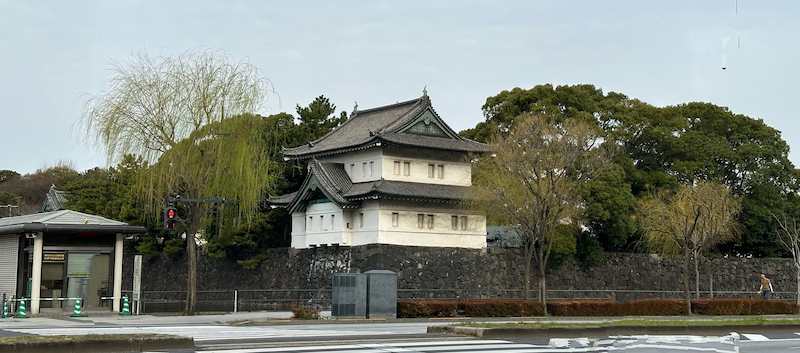
This area contains two of Edo Castle’s most dramatic sites. Fujimi Yagura is the castle’s only surviving three-story turret — it became the de facto symbol of Edo Castle after the main keep burned in 1657. Matsuno-Ōrōka (the Great Pine Corridor) is where Lord Asano drew his sword on Kira Yoshinaka in 1701, setting in motion the story of the 47 Ronin — one of Japan’s most celebrated tales of loyalty and revenge.
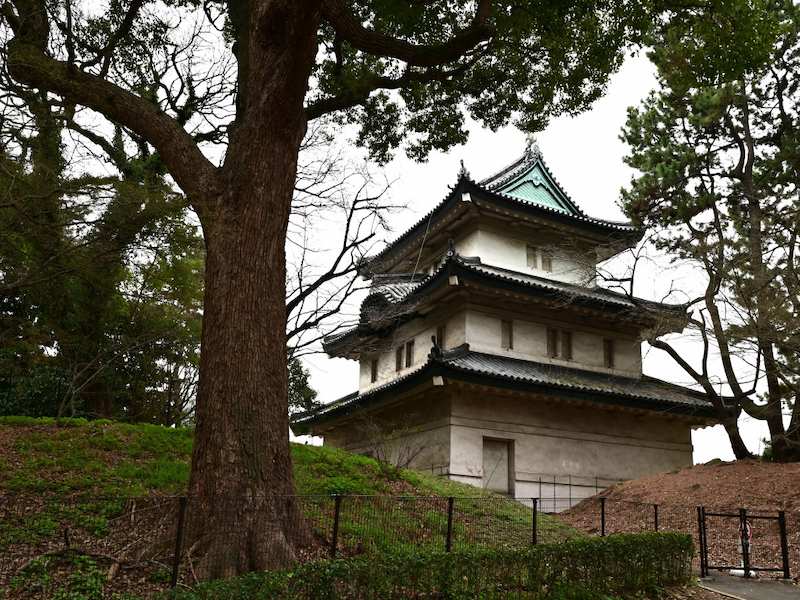
Vol.3 — Honmaru Area: The Shogun’s Seat of Power
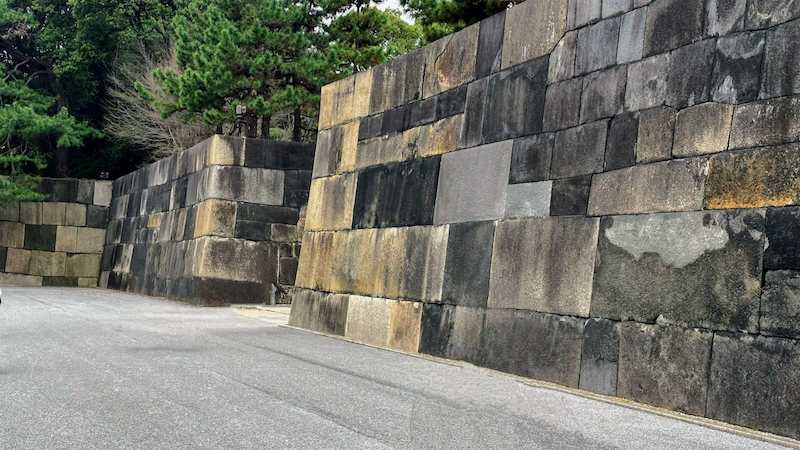
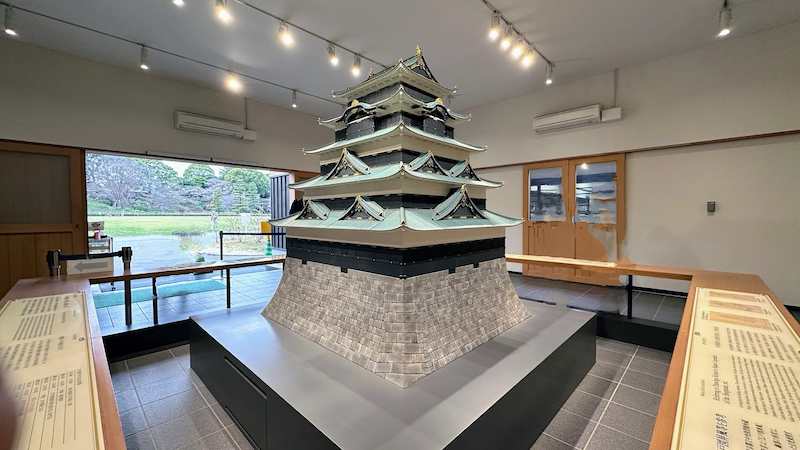
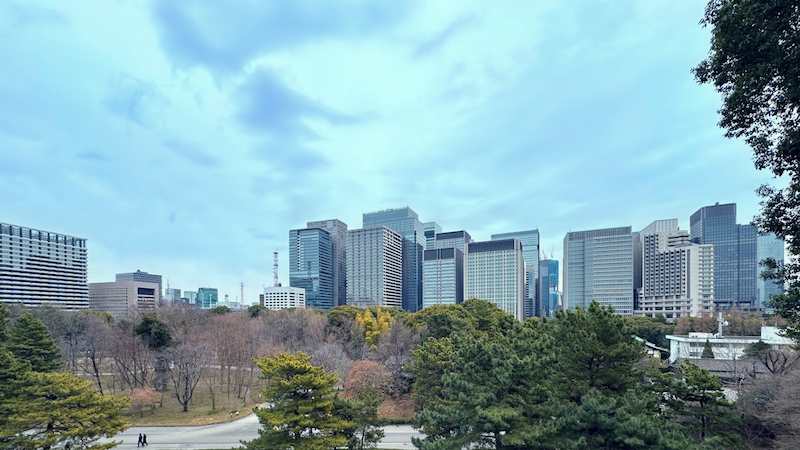
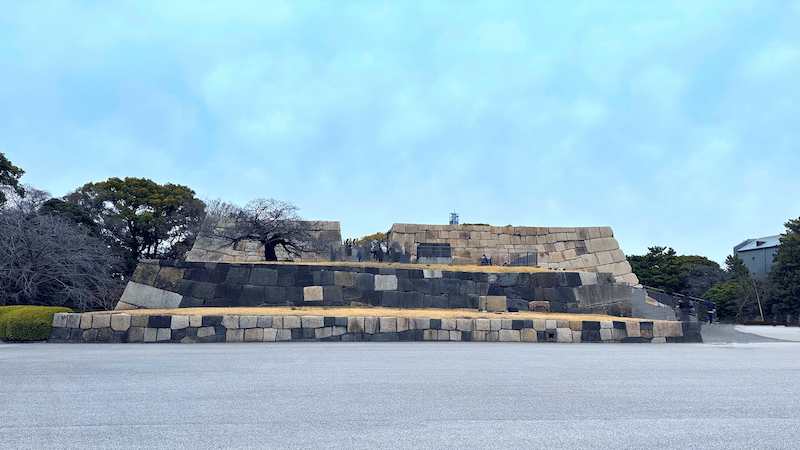
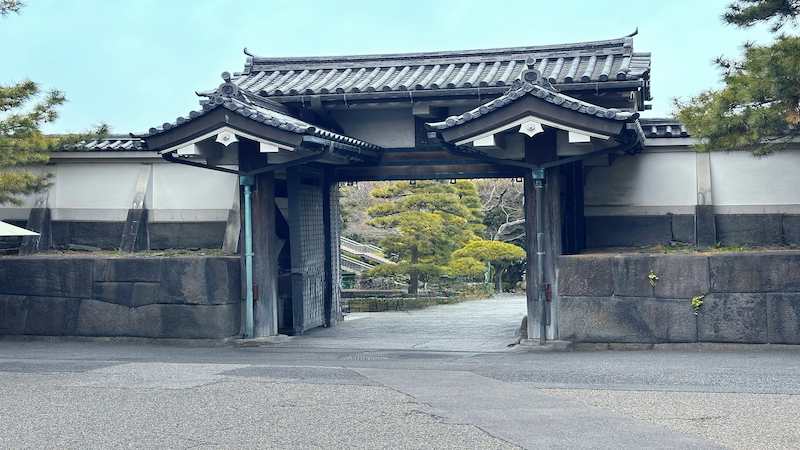
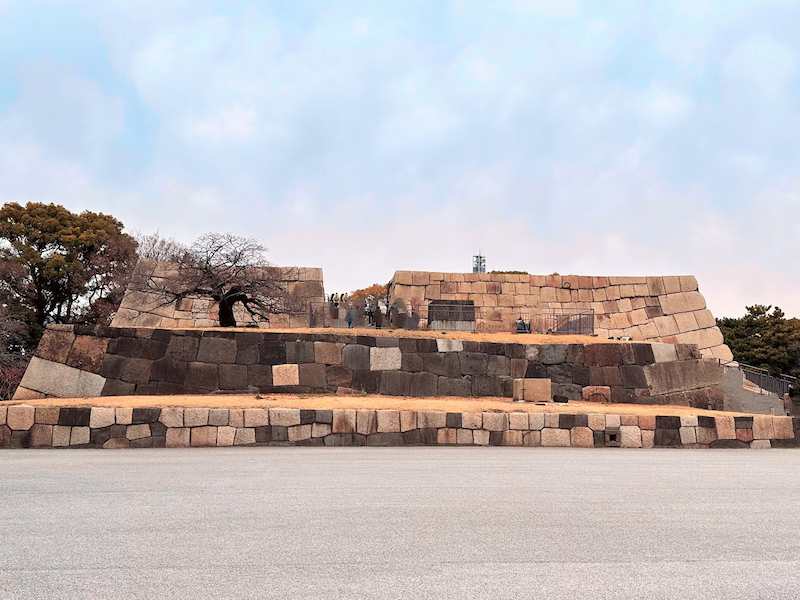
The heart of Edo Castle — where the shogun lived and governed. The Tenshudai (main keep foundation) is all that remains of what was once Japan’s tallest castle tower, destroyed in the 1657 Great Meireki Fire and never rebuilt. A 1/30 scale reconstruction model is on display nearby. Also here: Fujimi Tamon, the only surviving corridor-style storehouse in the castle, and the Ishimuro, a rare underground stone chamber believed to have protected documents from fire.
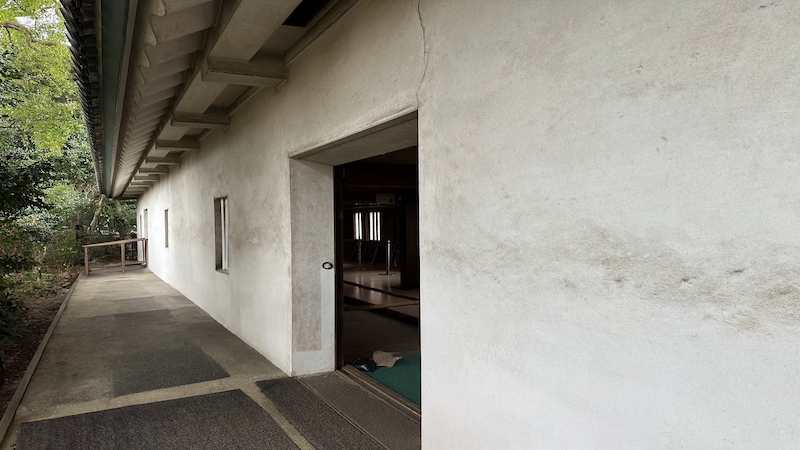
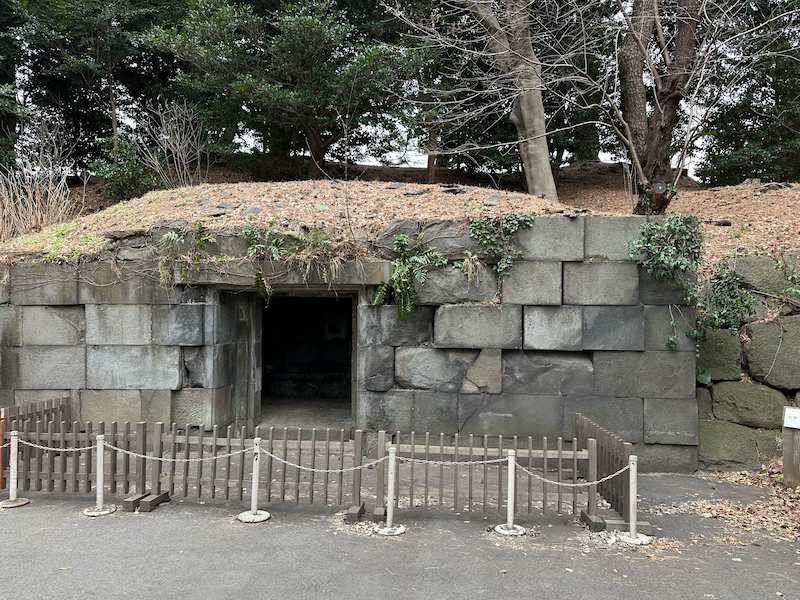
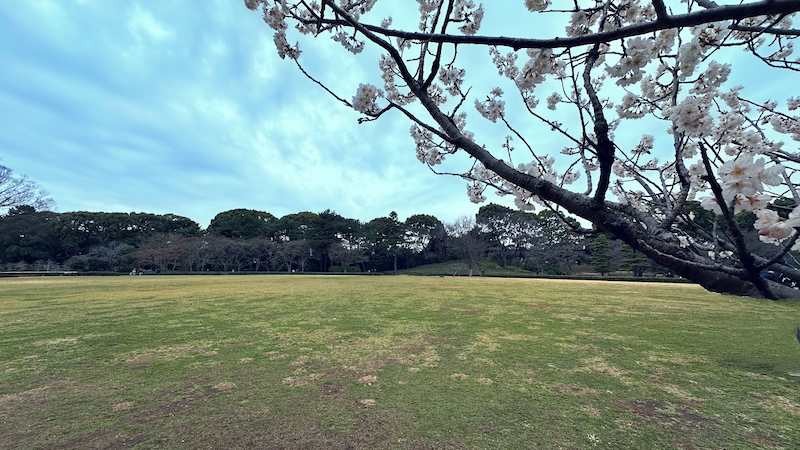
Vol.4 — Ninomaru Area: The Shogun’s Garden
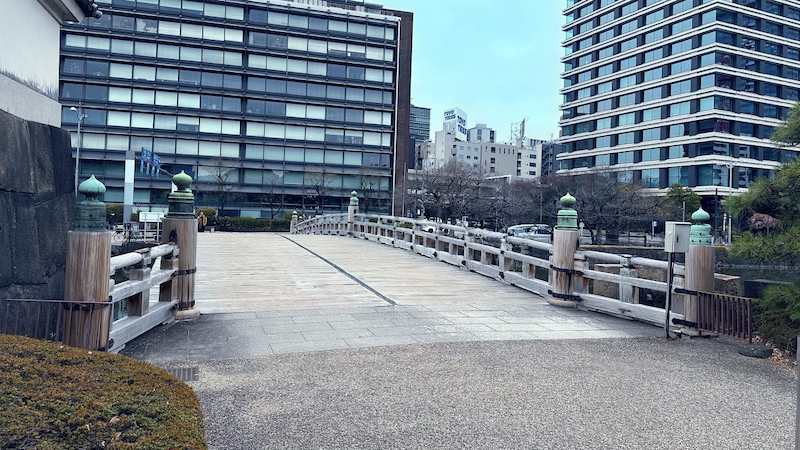
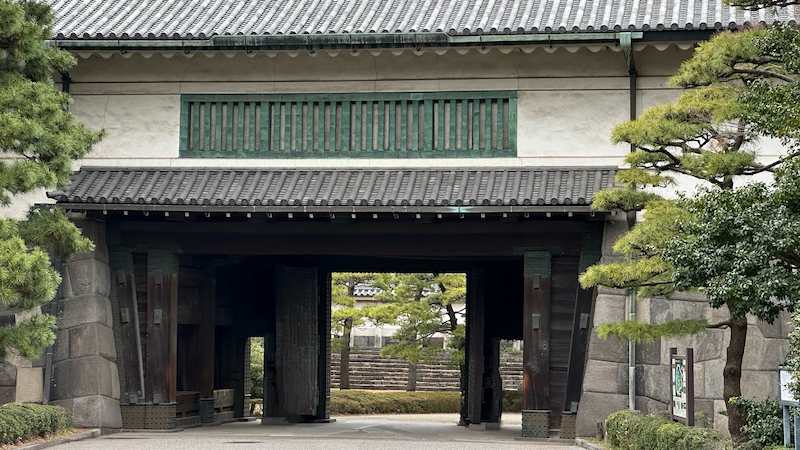
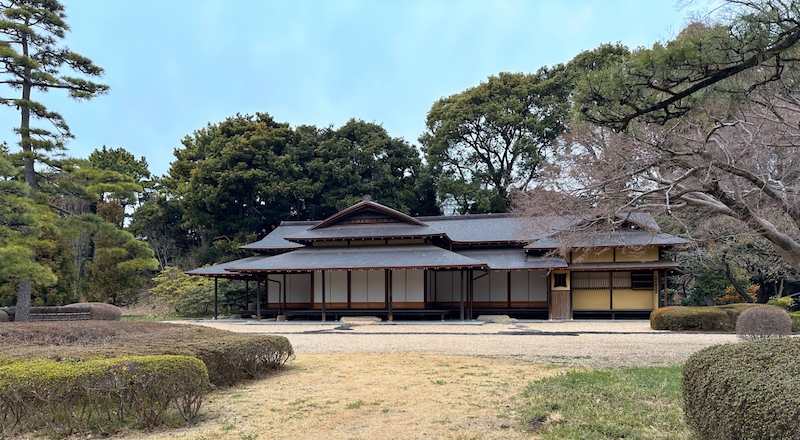
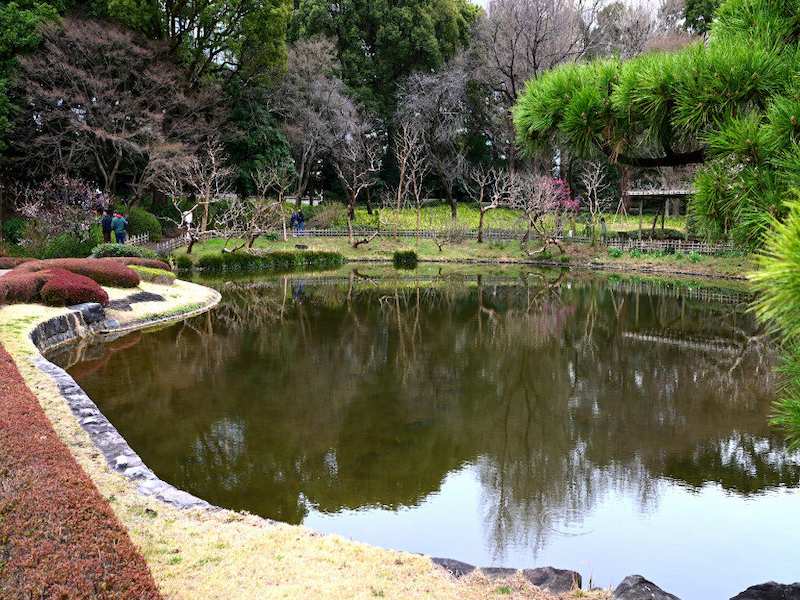
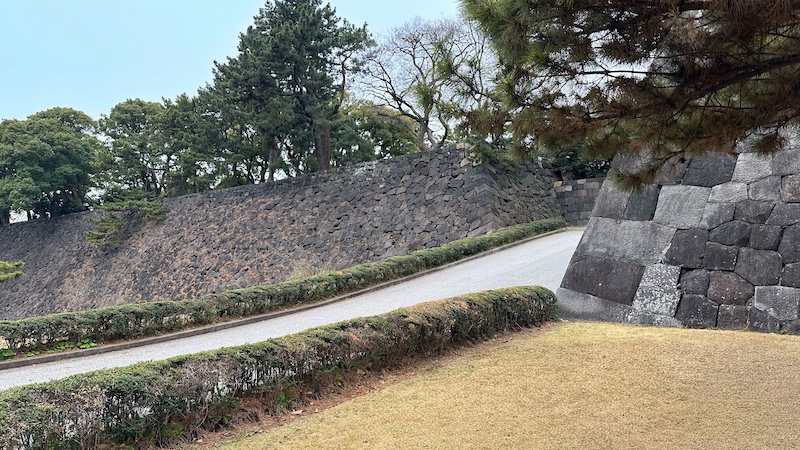
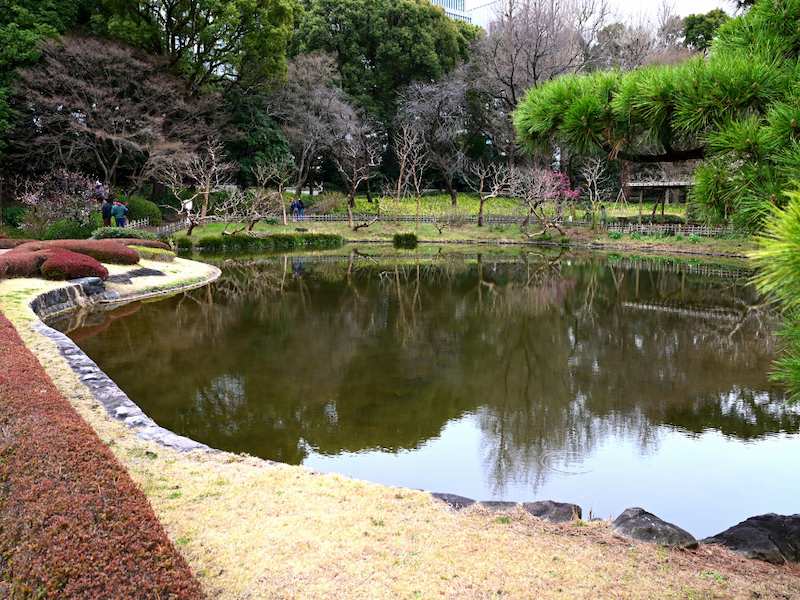
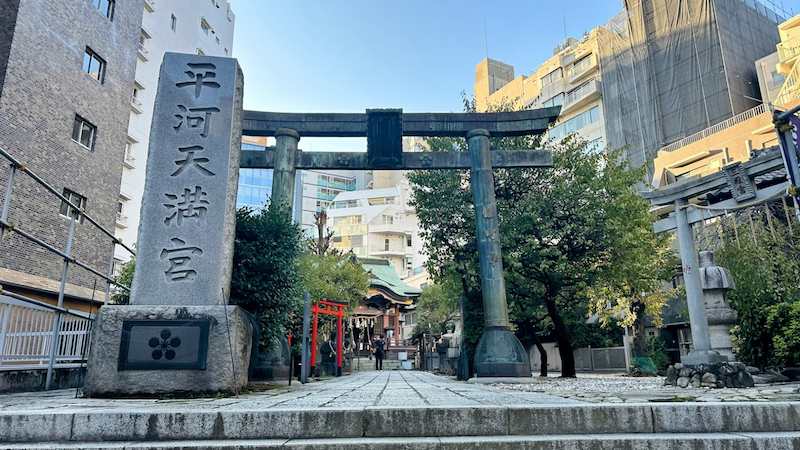
The Ninomaru was the living quarters of the Tokugawa shogunate — quieter and more refined than the Honmaru. Its centerpiece is the Ninomaru Garden, originally designed by master garden architect Kobori Enshu under the third shogun Tokugawa Iemitsu. The Hirakawa Gate (nicknamed the “Ladies’ Gate” for its use by court women and the three Tokugawa branch families) and the Shiomizaka slope — where gold and silver were reportedly thrown into the moat during the 1657 fire — are also highlights of this area.
Vol.5 — Outer Perimeter: Hattori Hanzo’s Gate & Beyond
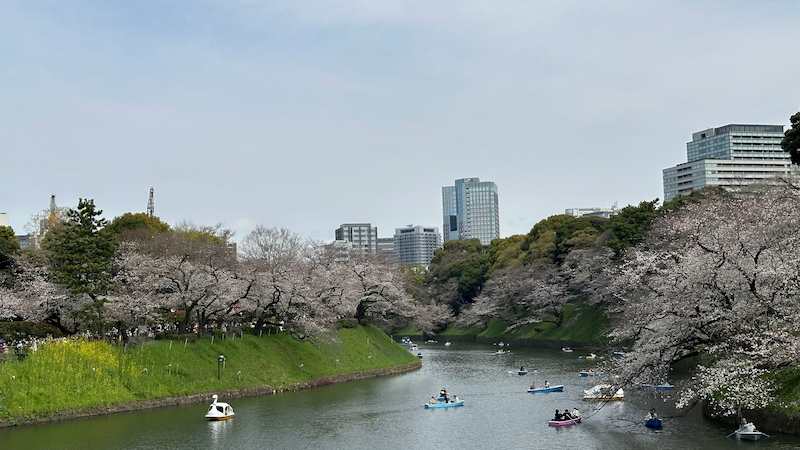
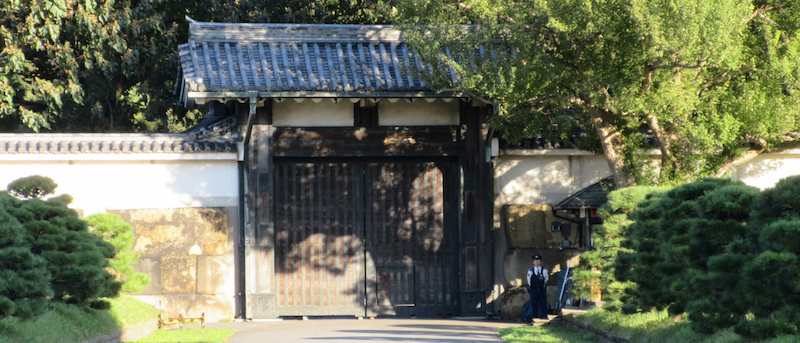
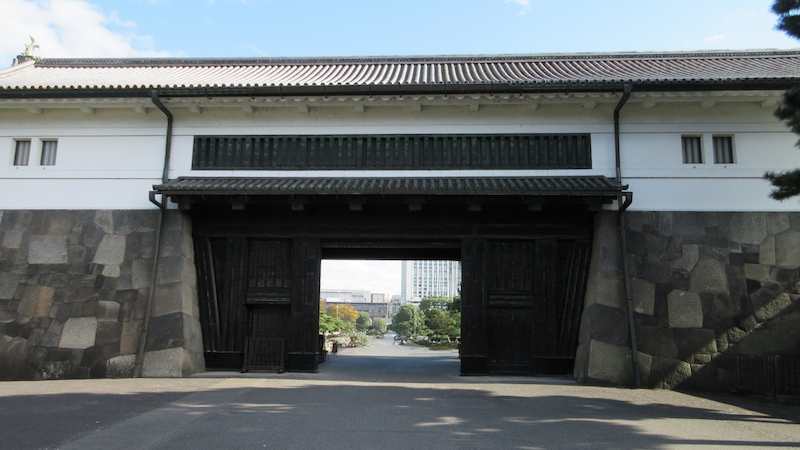
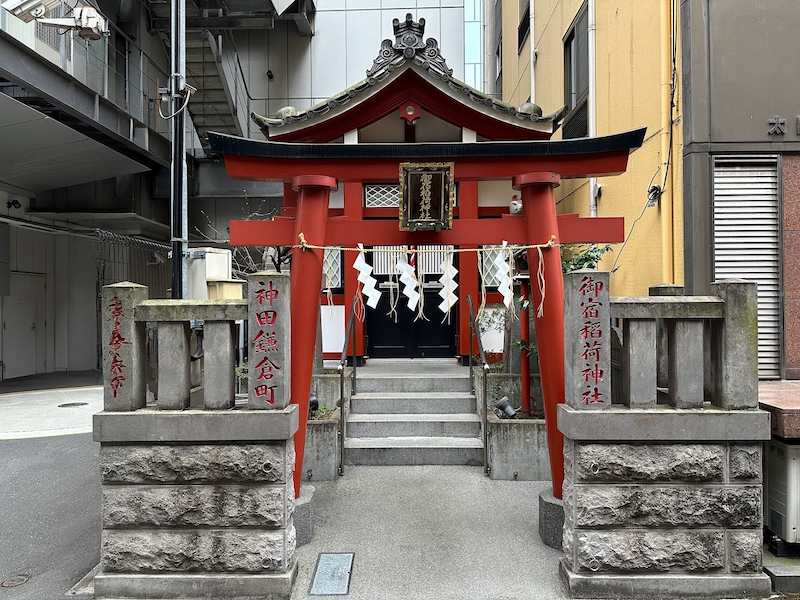
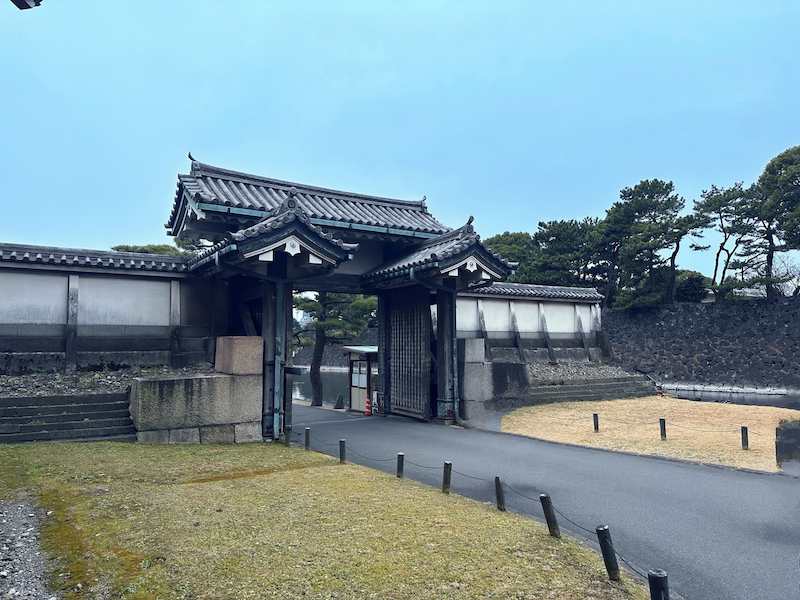
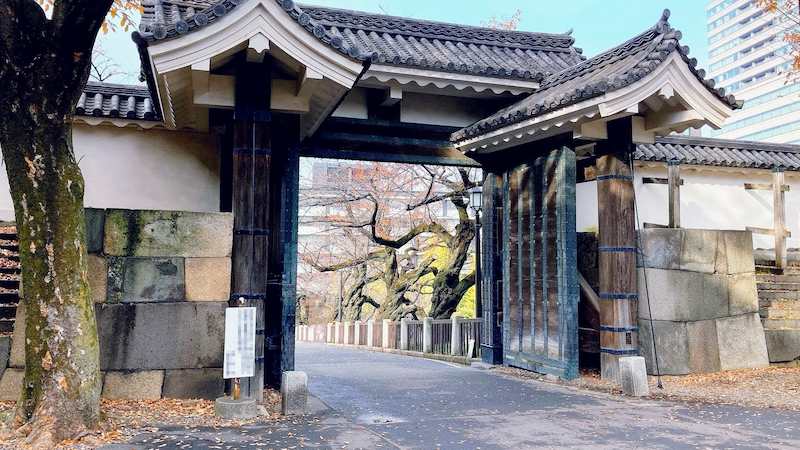
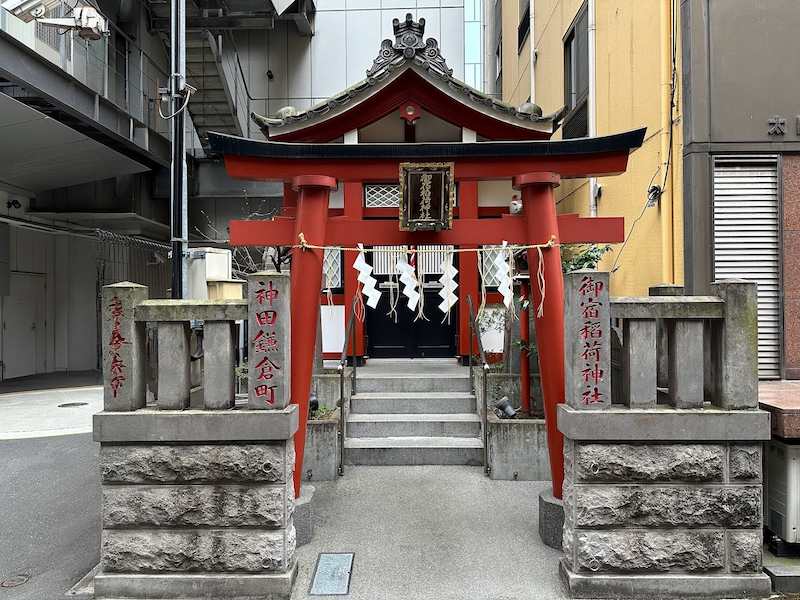
The outer perimeter stretches beyond the East Gardens into the surrounding streets of central Tokyo, where Edo-period gates and shrines still stand among modern buildings. Hanzomon Gate was guarded by Hattori Hanzo, the legendary Iga ninja who served Tokugawa Ieyasu. Chidorigafuchi — Tokyo’s most famous cherry blossom moat — was originally built as a defensive reservoir by Ieyasu. Sakuradamon Gate is where the 1860 assassination of Ii Naosuke changed the course of Japan’s history. Two gates in this area — Shimizu Gate and Tayasumon Gate — are designated Important Cultural Properties of Japan.
If you’re fascinated by Tokugawa Ieyasu and the Edo period, this series is essential reading. Step back in time and walk the same ground as the shoguns who shaped Japan for 260 years.


comment