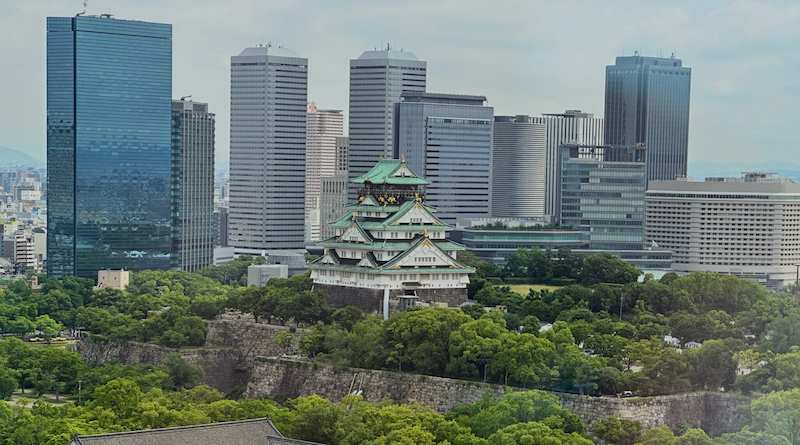
Osaka Castle — originally built by Toyotomi Hideyoshi in the 1580s as the symbol of Japan’s unification, and later reconstructed by the Tokugawa Shogunate — is one of the most historically layered sites in Japan. This guide covers all four areas of the castle grounds, each documented with on-site photos and detailed historical notes.
The four areas span the full drama of Japanese history: the Otemon Gate Area with its Tamon Yagura (Important Cultural Property) and Japan’s largest castle stones; the Nishinomaru Garden housing Sengan Yagura, Inui Yagura, and Japan’s only surviving stone gunpowder storehouse; the Honmaru with the 108-ton Takoishi, underground Toyotomi stone walls, and the Gold Storehouse; and the Northern Stronghold, where Toyotomi Hideyori and Lady Yodo met their end in the Summer Siege of 1615.
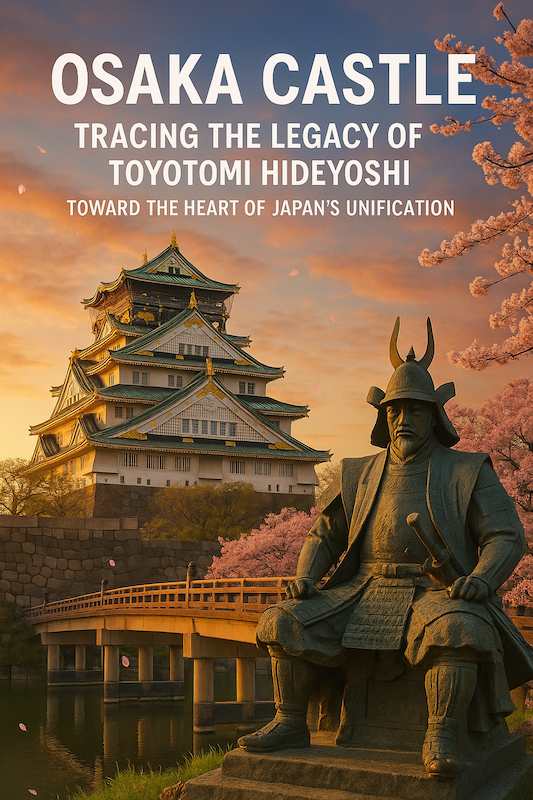
- Tracing the Legacy of Toyotomi Hideyoshi – Toward the Heart of Japan’s Unification
- Vol.1 — Otemon Gate Area: Tamon Yagura & Japan’s Largest Castle Stones
- Vol.2 — Nishinomaru Garden Area: Ancient Turrets, Cherry Blossoms & Japan’s Only Gunpowder Storehouse
- Vol.3 — Honmaru Area: Sakuramon Gate, the 108-Ton Takoishi & Toyotomi’s Buried Walls
- Vol.4 — The Northern Stronghold: Where the Toyotomi Clan Made Its Last Stand
- Osaka Castle Overall Map
- Return to the Osaka Castle Overview Page
Tracing the Legacy of Toyotomi Hideyoshi – Toward the Heart of Japan’s Unification
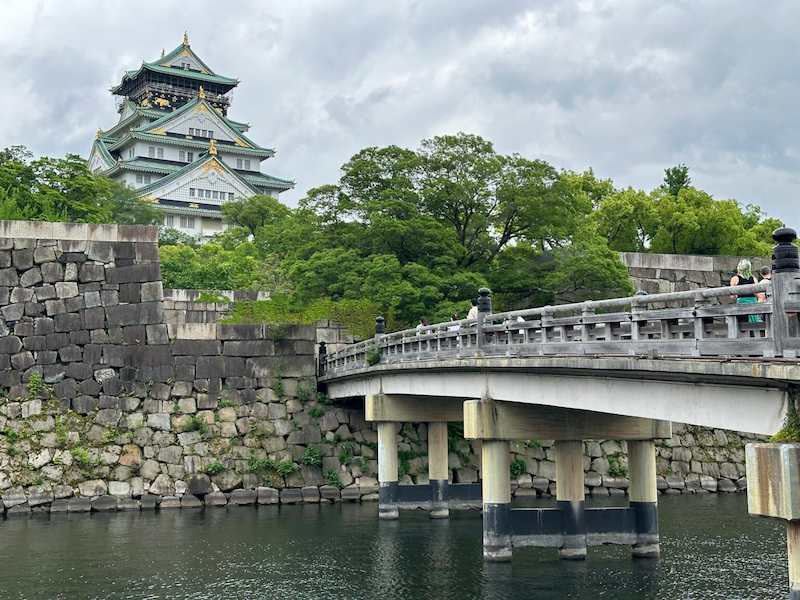
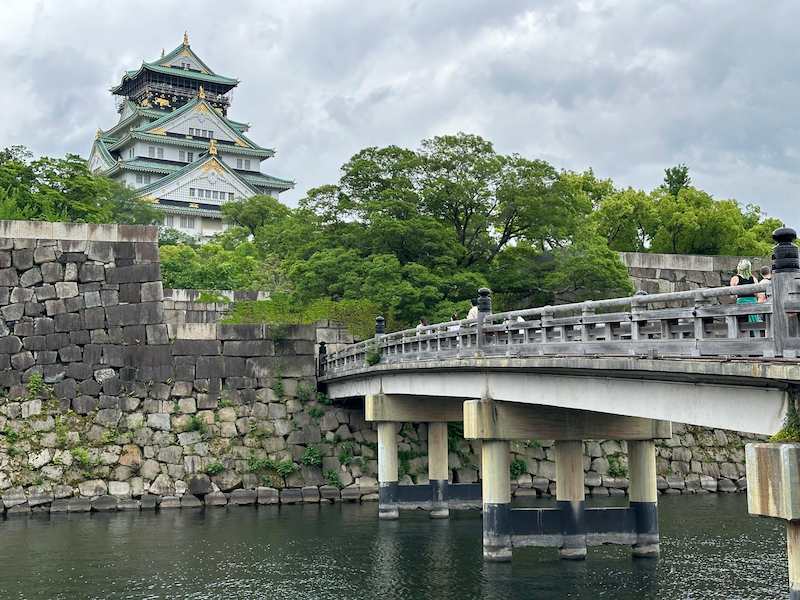
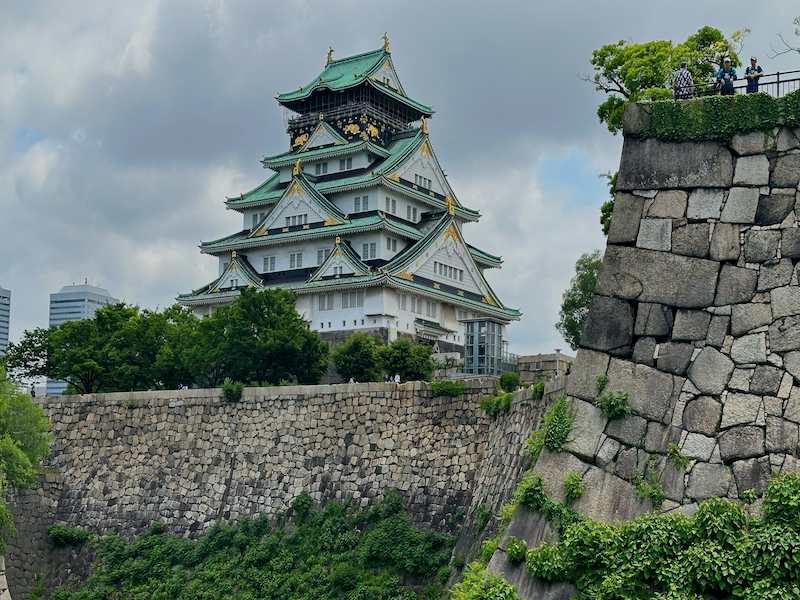
Osaka Castle stands as one of Japan’s most iconic landmarks—originally constructed by Toyotomi Hideyoshi to symbolize the unification of the nation, and later expanded and fortified by the Tokugawa Shogunate. In this guide, we explore its enduring legacy through four key areas. Discover how the spirit of Osaka Castle, born in the Sengoku period, has been preserved and reimagined across centuries of Japanese history.
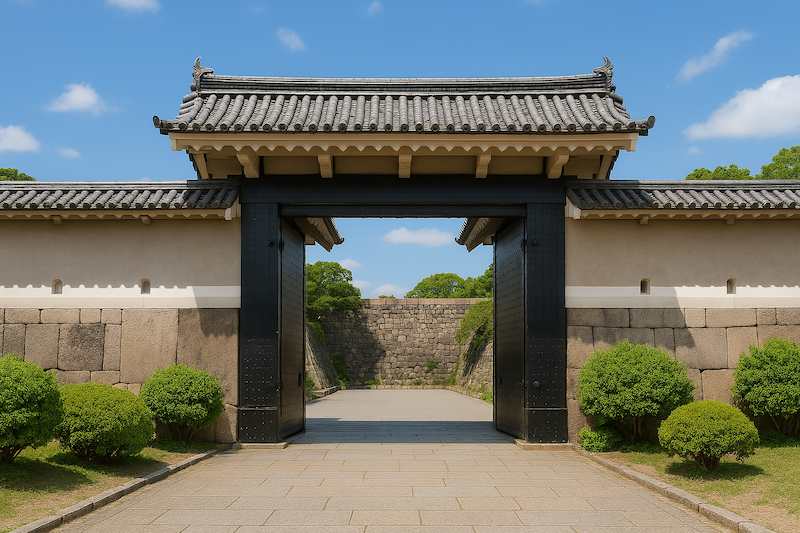
Vol.1 — Otemon Gate Area: Tamon Yagura & Japan’s Largest Castle Stones
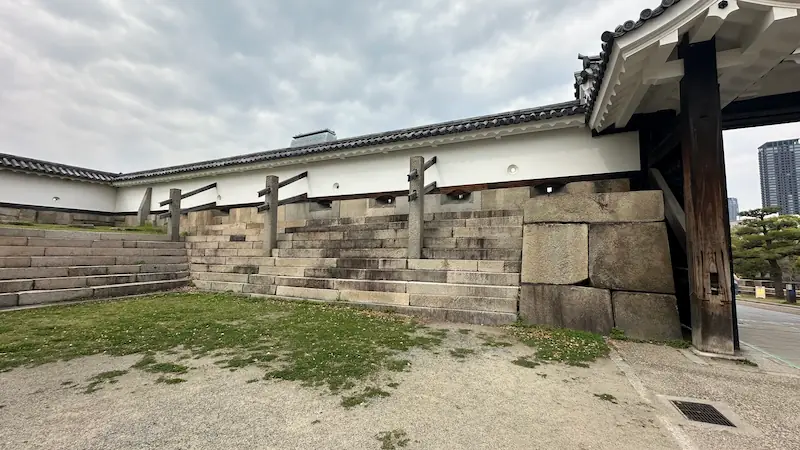
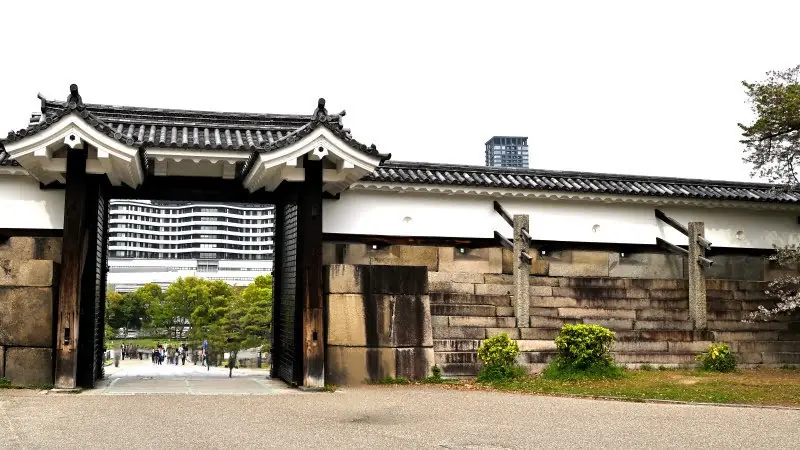
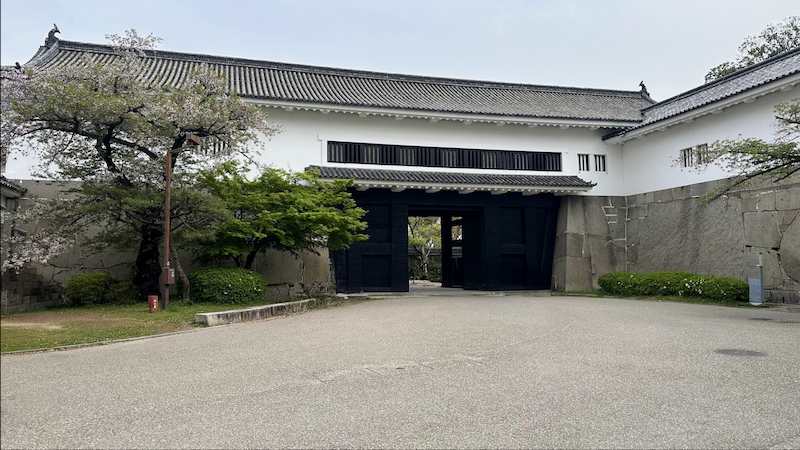
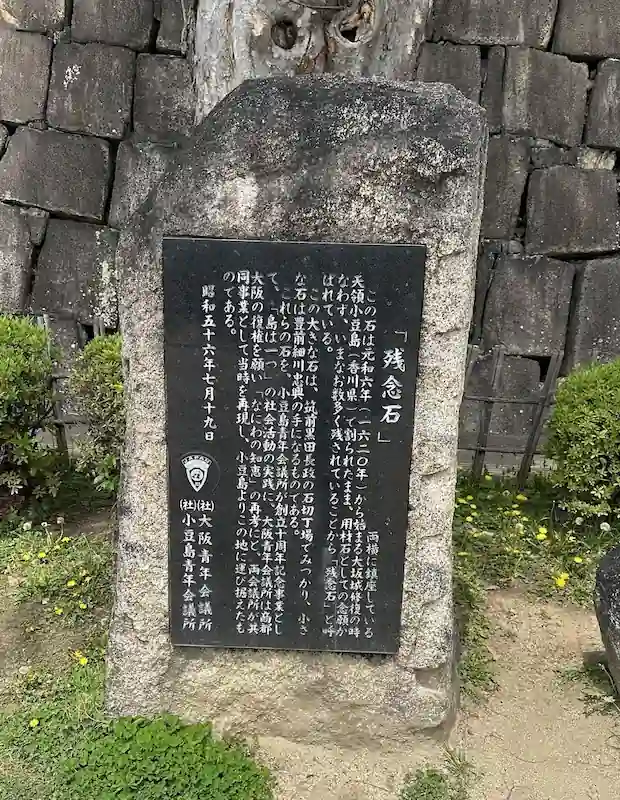
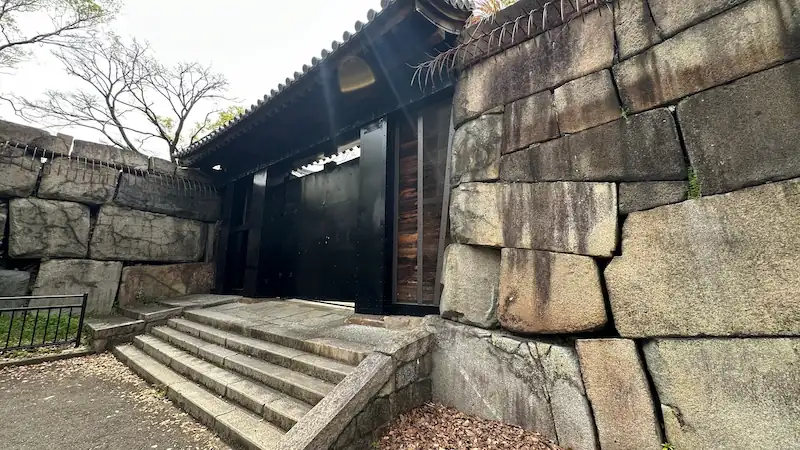
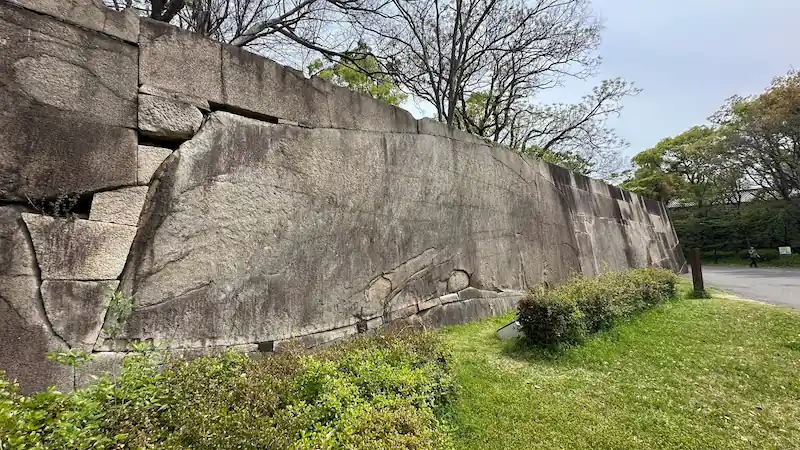
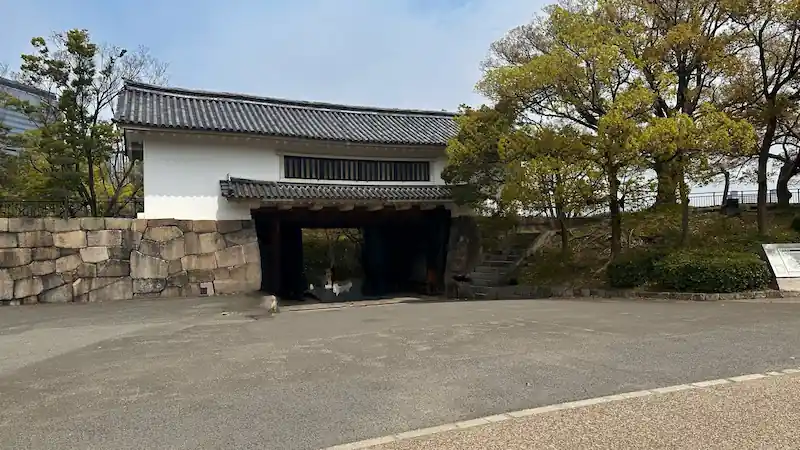
The main entrance to Osaka Castle, featuring the Tamon Yagura — an L-shaped corridor turret designated an Important Cultural Property, rebuilt in 1628 and the largest surviving turret of its kind in Japan. The south and north walls of Otemon Gate are lined with kokuinseki — stones engraved with the crests of feudal lords who contributed to the castle’s construction. The Takoishi (Octopus Stone) inside the gate is one of the largest hewn stones in Japan, weighing approximately 130 tons. Its transport from Bizen Province remains a feat of Edo-period engineering.
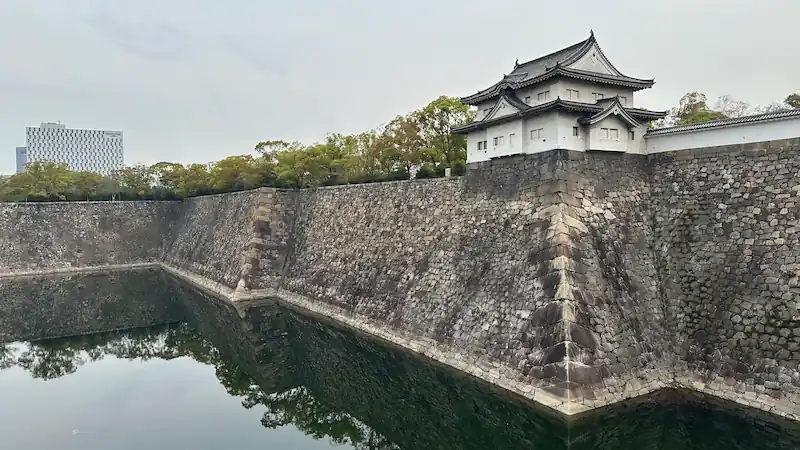
Vol.2 — Nishinomaru Garden Area: Ancient Turrets, Cherry Blossoms & Japan’s Only Gunpowder Storehouse
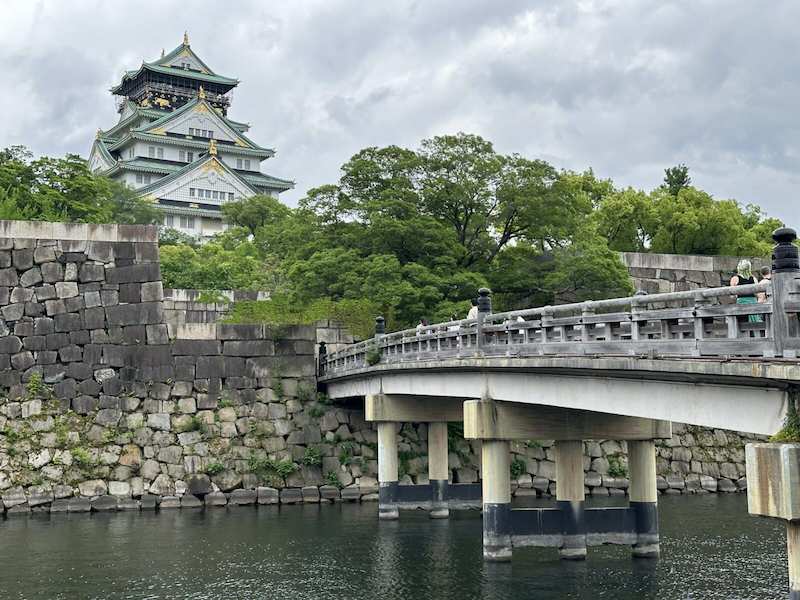
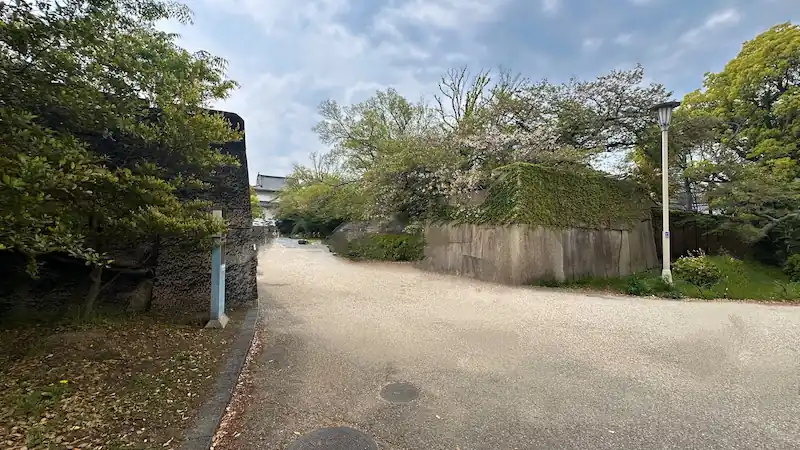
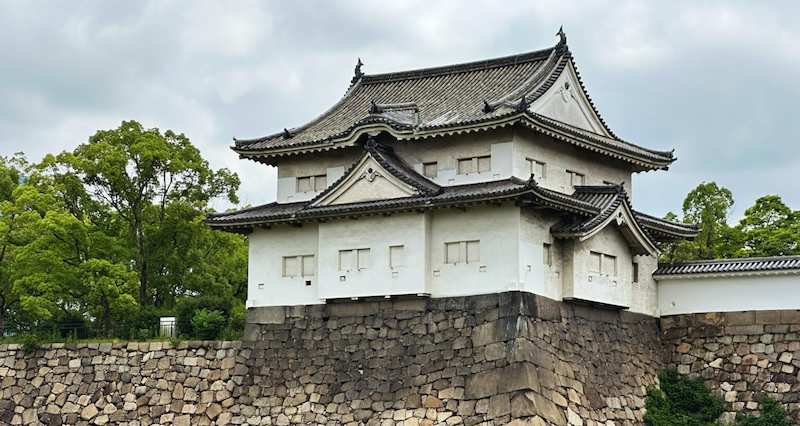
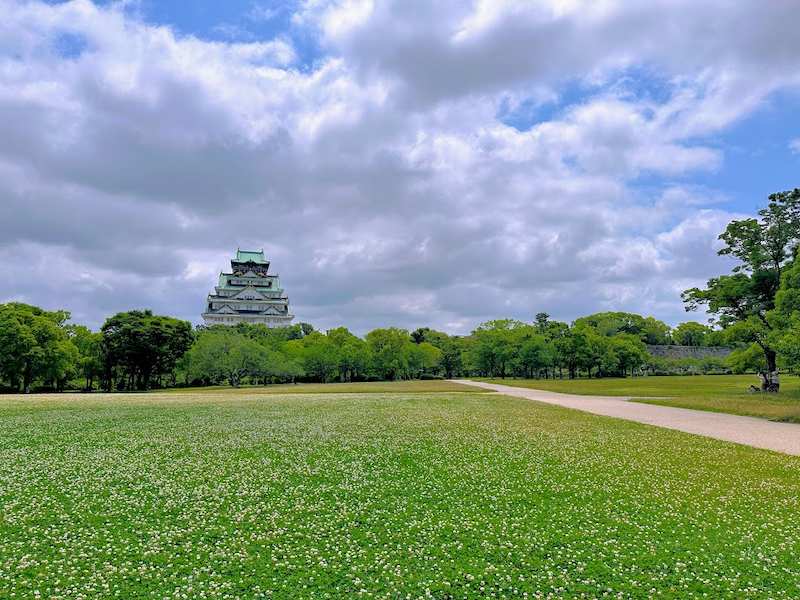
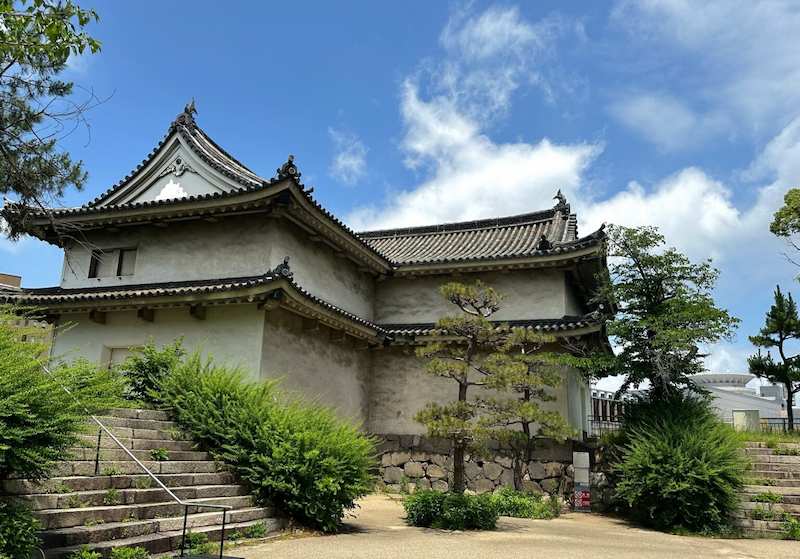
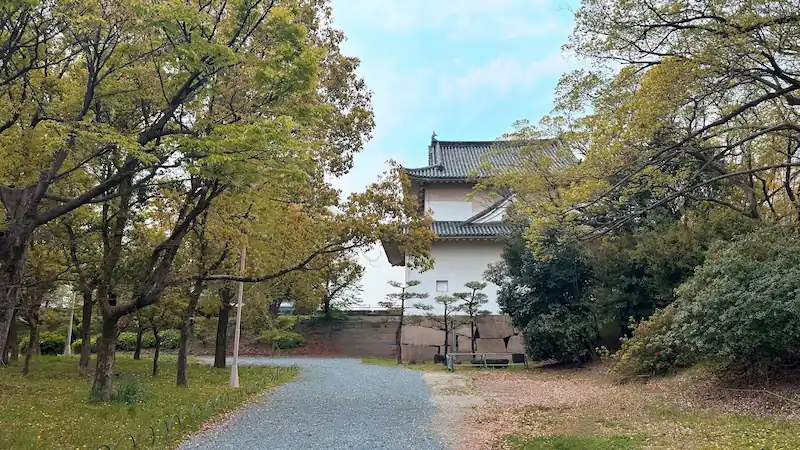
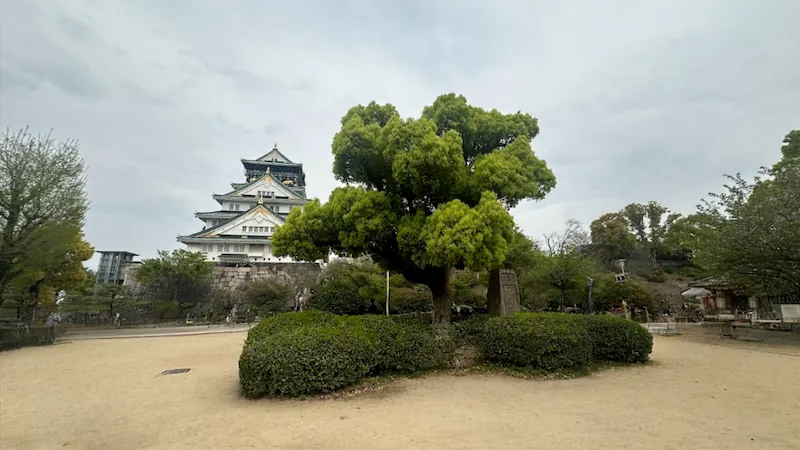
The western enclosure of Osaka Castle, once home to Kita no Mandokoro (Nene), the wife of Toyotomi Hideyoshi. The area contains two of the oldest surviving structures in the castle: Sengan Yagura and Inui Yagura, both built in 1620 and designated Important Cultural Properties. The Enshōgura Gunpowder Storehouse (1685) is Japan’s only surviving stone gunpowder storehouse — built entirely of granite with 2.4-meter-thick walls to prevent fire and explosion. The Nishinomaru Garden is one of Osaka’s premier cherry blossom spots, with around 300 Somei Yoshino trees framing the castle main tower in spring.
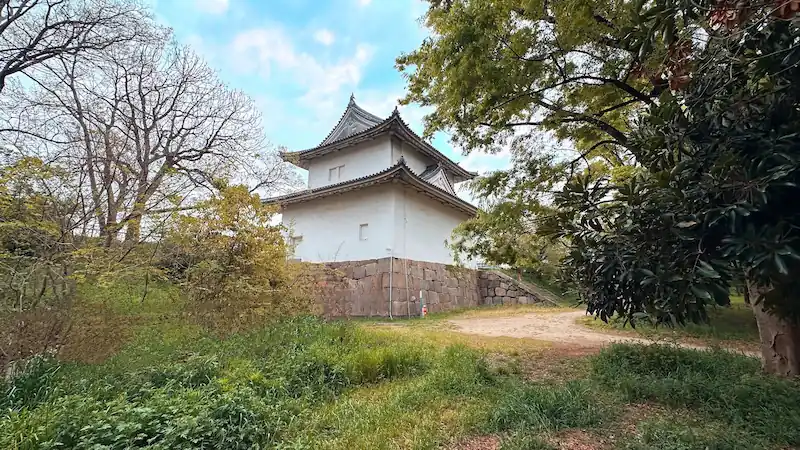

Vol.3 — Honmaru Area: Sakuramon Gate, the 108-Ton Takoishi & Toyotomi’s Buried Walls
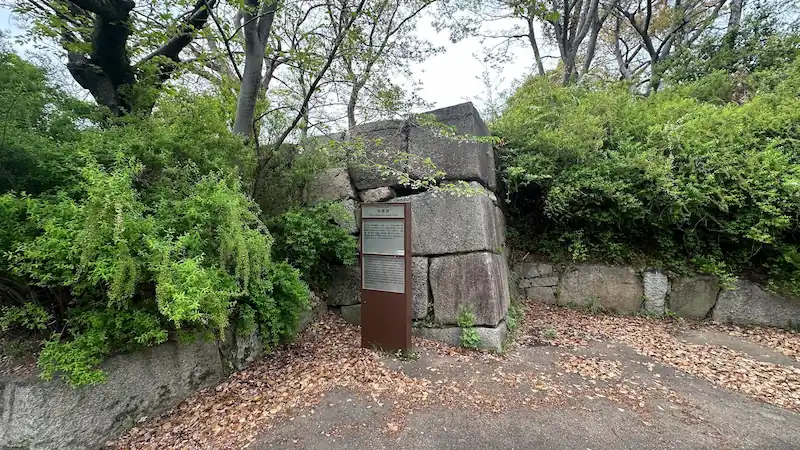
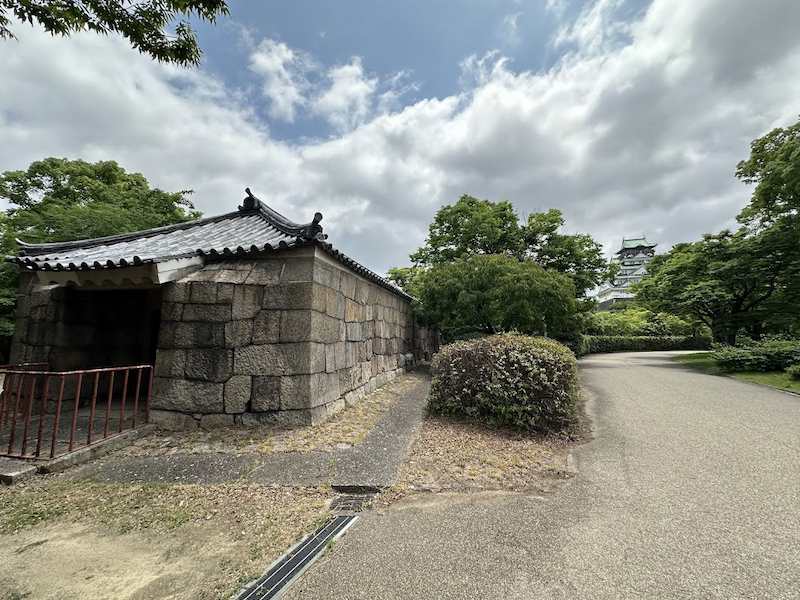
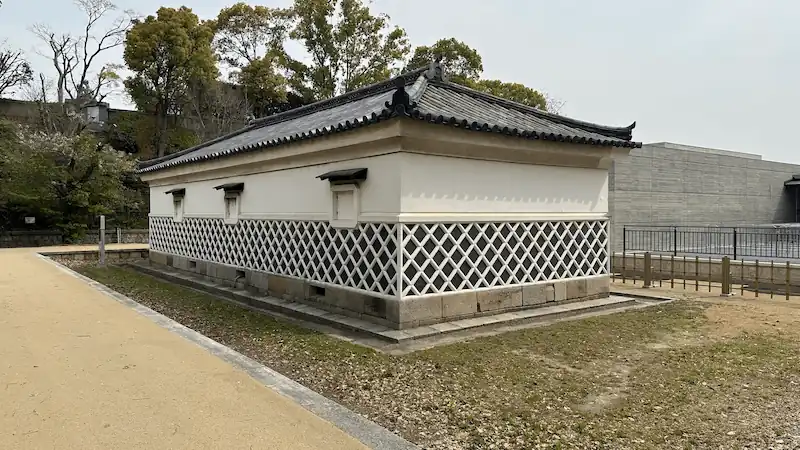
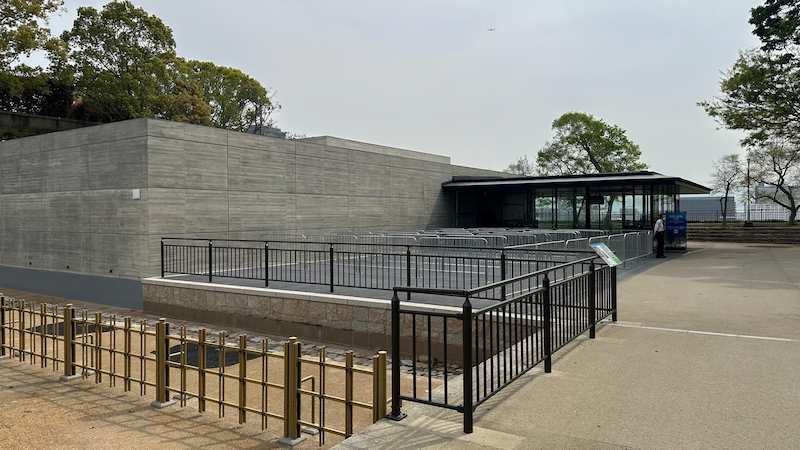
The heart of Osaka Castle. Sakuramon Gate features some of the most massive stones in Japanese castle construction — including the Takoishi (108 tons, approx. 59㎡) and the Furisode-ishi (approx. 54㎡). The Toyotomi Ishigaki-kan (underground stone wall exhibit) reveals Hideyoshi’s original 16th-century castle walls, buried under 6 meters of earth during Tokugawa reconstruction after 1615 — a direct, physical link to the Toyotomi era. The Kinzo Gold Storehouse (Important Cultural Property, 1751) protected the Tokugawa Shogunate’s western financial reserves with its distinctive namako-kabe (sea cucumber) plaster walls.
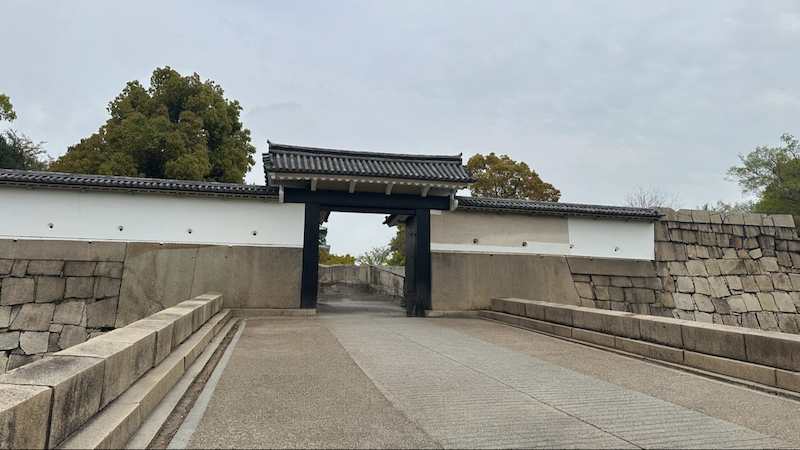
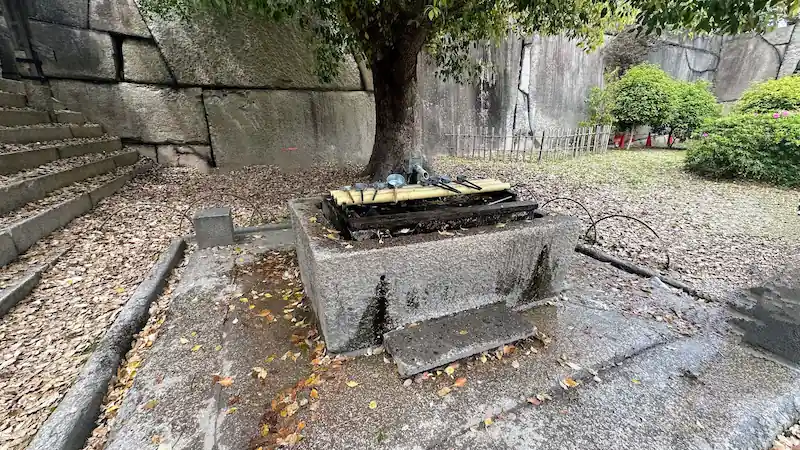
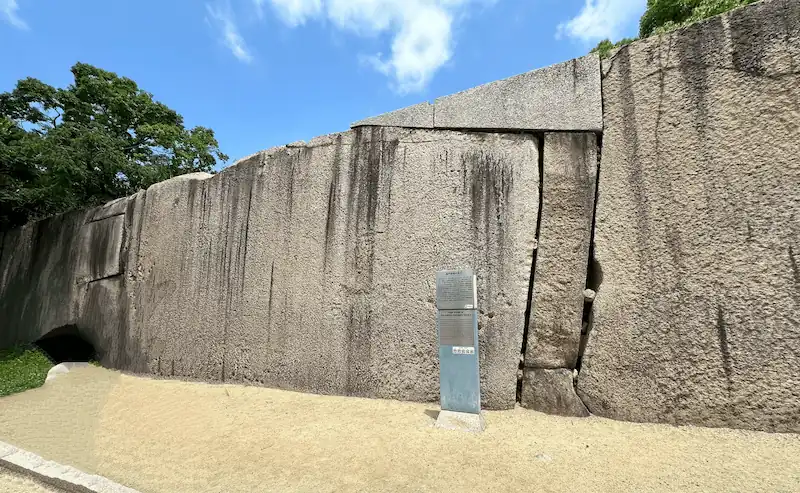
Vol.4 — The Northern Stronghold: Where the Toyotomi Clan Made Its Last Stand
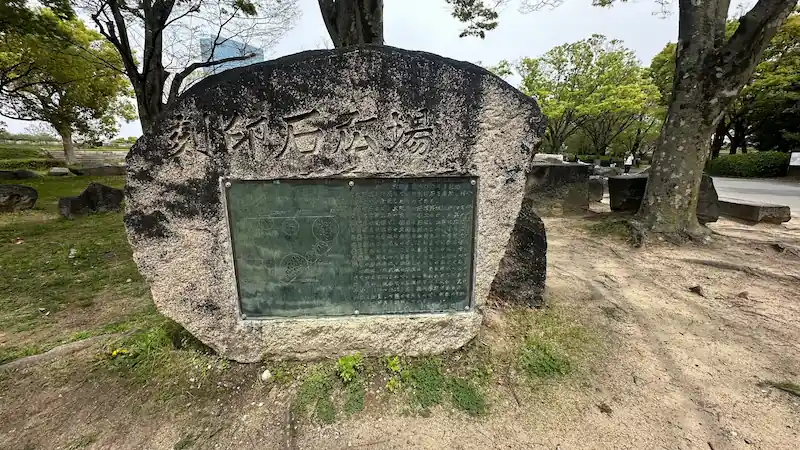
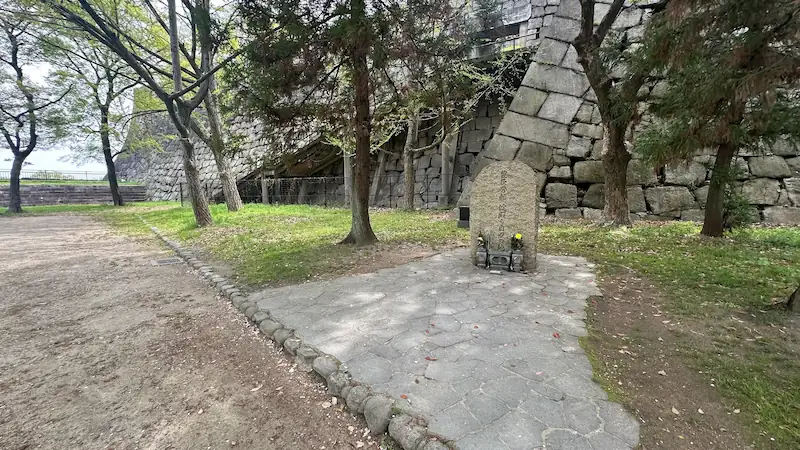
The most historically charged — and least-visited — area of the castle grounds. On May 8, 1615, during the Summer Siege of Osaka, Toyotomi Hideyori and his mother Lady Yodo committed seppuku here, ending the Toyotomi clan. A monument erected in 1997 marks the exact site. The Hidden Bailey (Kakushi Kuruwa), masterminded by Hideyoshi himself, is a concealed defensive enclosure designed to manipulate enemy movement — rarely mentioned in general guides. The Inscribed Stone Square displays around 80 stones bearing the clan crests of the 64 feudal domains mobilized for the Tokugawa reconstruction, and the Higo Stone — the castle’s second-largest monolith at approximately 54㎡ — stands in the Kyobashi Gate masugata.


comment