- Where Samurai Ambitions and Imperial Elegance Meet
- Places to Visit
- Yokoyama Castle Ruins Guide: Access, History & Hiking Routes
- Mt. Hiei Enryakuji Temple Yokawa Precinct: 3 Highlights | The Birthplace of Omikuji, Ganzan Daishi-do, Yokawa Chudo & Eshin-do
- Inside a Castle Turret You Can’t Normally Enter: 300+ Artifacts at the ‘Hidenaga and the History of Koriyama’ Exhibition
- Yamato Koriyama & Hidenaga — The Complete Walking Guide for Fans of Toyotomi Brothers!
- The Lion and the Peony: A Complete Guide to the Yamato Koriyama Taiga Drama Museum
- How to Visit Odani Castle Ruins: Access from Kawake Station, Trail Map & Highlights
- Shiga / Nagahama | Toyotomi Brothers! Kita-Ōmi Nagahama Taiga Drama Museum — Another Way to Experience the Drama in Nagahama’s Castle Town
- Kyotango ~Where Hosokawa Gracia Lived in Hiding and Confinement~
- Azuchi Castle 360° Panorama Tour | Panoramic Views of the Tenshudai and Nio Gate
- Azuchi Castle 360° Panorama Tour | Otemichi and the Main Compound Pathways
- The Definitive Guide to Nijo-jo Castle
- Special Report: Exclusive Access to Himeji Castle’s Hishi-no-Mon Gate
- Things to Do Near Azuchi Castle – Nobunaga Spots Around the Ruins
- Azuchi Castle Ruins
- Etchū-no-I (Etchū Well): The Final Moments of Hosokawa Gracia
- Sōzen-ji Temple: The Resting Place of Hosokawa Gracia
- Shōryūji Castle: Real-Life Mariko’s Home
- Overview Page Introduction (for “Himeji Castle”)
- Osaka Castle Park: All 4 Areas Explored – Spots, History & Visitor Guide
- Places to Visit
Where Samurai Ambitions and Imperial Elegance Meet
Kyoto and Osaka—these two cities lie at the very heart of Japan’s history and culture. Kyoto, home to the Imperial Court for over a thousand years, is both the cradle of Japan’s traditional aesthetics and the backdrop to pivotal political events such as the Ōnin War and the Honnō-ji Incident. Among them, Oda Nobunaga’s influence over the capital while ruling from Azuchi is often seen as a symbol of the beginning of early modern Japan.
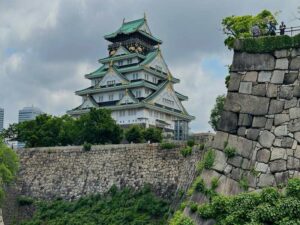
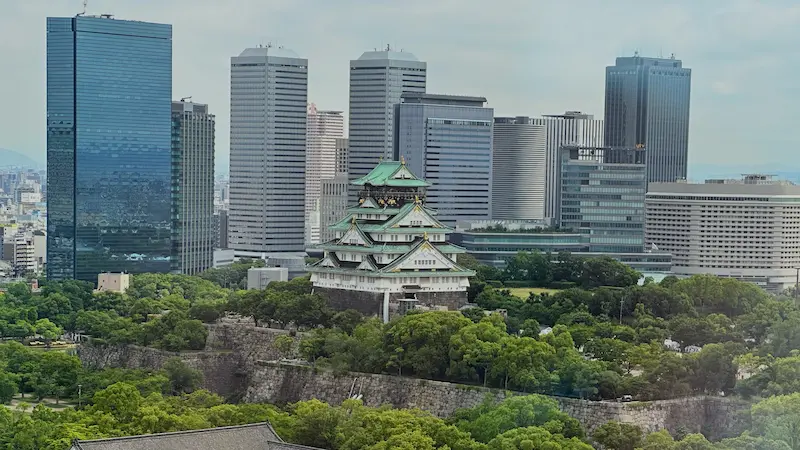
Osaka, on the other hand, rose to prominence in the final years of the Sengoku period, when Toyotomi Hideyoshi established Osaka Castle as his base in the quest for national unification. During the Edo period, it flourished as a thriving commercial hub known as “the nation’s kitchen,” sustaining the economy and logistics of all Japan. It was also here that popular culture blossomed dramatically.
In this region, where layers of history and daily life intertwine, temples and shrines, ancient roads, castles, and old townscapes all work together to offer a visceral sense of how the nation of Japan was shaped and transformed over time.
Places to Visit
Yokoyama Castle Ruins Guide: Access, History & Hiking Routes
Mt. Hiei Enryakuji Temple Yokawa Precinct: 3 Highlights | The Birthplace of Omikuji, Ganzan Daishi-do, Yokawa Chudo & Eshin-do
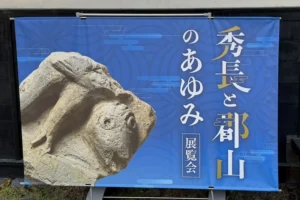
Inside a Castle Turret You Can’t Normally Enter: 300+ Artifacts at the ‘Hidenaga and the History of Koriyama’ Exhibition
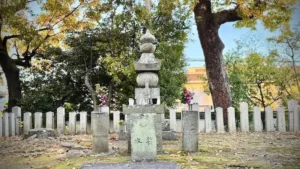
Yamato Koriyama & Hidenaga — The Complete Walking Guide for Fans of Toyotomi Brothers!
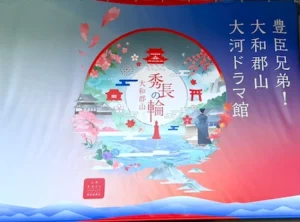
The Lion and the Peony: A Complete Guide to the Yamato Koriyama Taiga Drama Museum
How to Visit Odani Castle Ruins: Access from Kawake Station, Trail Map & Highlights
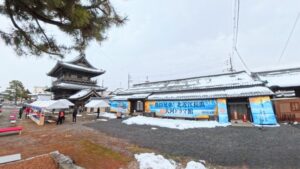
Shiga / Nagahama | Toyotomi Brothers! Kita-Ōmi Nagahama Taiga Drama Museum — Another Way to Experience the Drama in Nagahama’s Castle Town
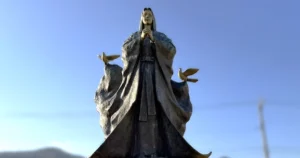
Kyotango ~Where Hosokawa Gracia Lived in Hiding and Confinement~
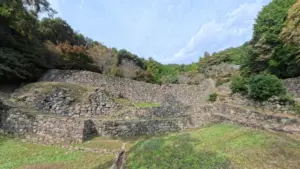
Azuchi Castle 360° Panorama Tour | Panoramic Views of the Tenshudai and Nio Gate

Azuchi Castle 360° Panorama Tour | Otemichi and the Main Compound Pathways
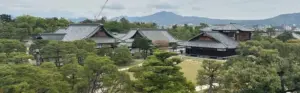
The Definitive Guide to Nijo-jo Castle
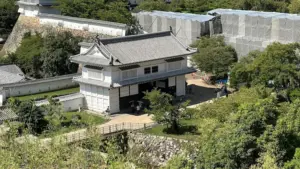
Special Report: Exclusive Access to Himeji Castle’s Hishi-no-Mon Gate
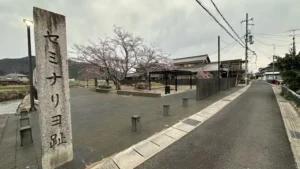
Things to Do Near Azuchi Castle – Nobunaga Spots Around the Ruins
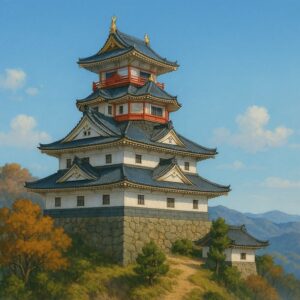
Azuchi Castle Ruins

Etchū-no-I (Etchū Well): The Final Moments of Hosokawa Gracia
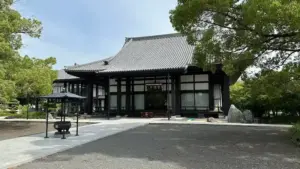
Sōzen-ji Temple: The Resting Place of Hosokawa Gracia
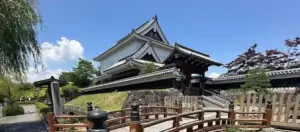
Shōryūji Castle: Real-Life Mariko’s Home
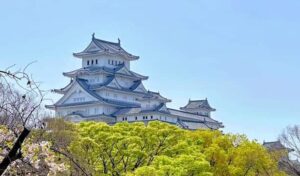
Overview Page Introduction (for “Himeji Castle”)