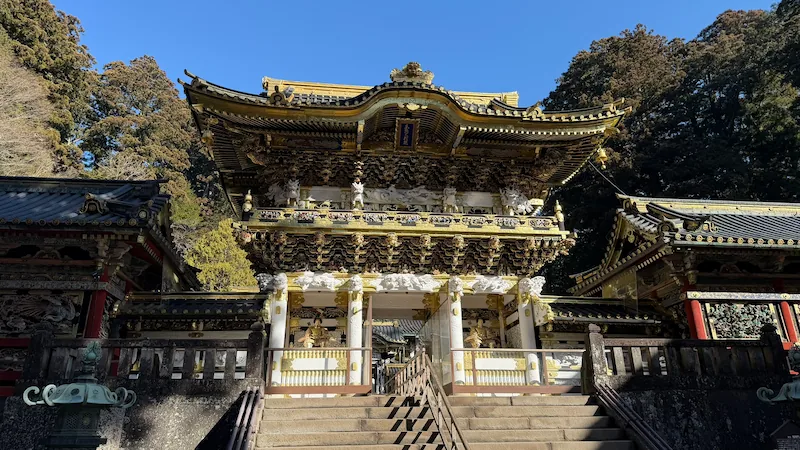
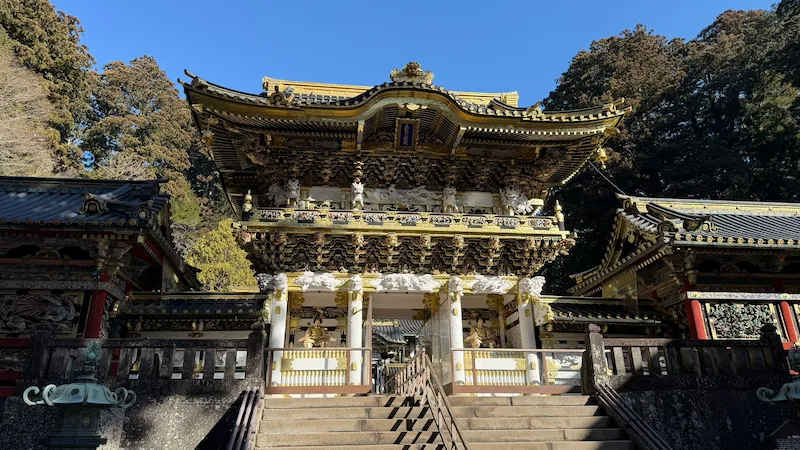
If you’re visiting Nikko Toshogu Shrine for the first time, this page summarizes how to choose tickets, how to get there from the station (the bottom line on which bus stop to get off at), how to walk the grounds efficiently, and a realistic sense of how long it takes.
The two places people most often get tripped up are (1) the bus stop names in front of the stations (several look almost identical), and (2) the order inside the shrine grounds—whether to do Okumiya first or leave it for later.
As a time guide: plan 60–90 minutes for Toshogu only (highlights), and 100–130 minutes if you include Okumiya (standard). If you expand to the Treasure Museum and Taiyuin, it’s safer to plan for half a day (4–5 hours) including crowds and walking time, so your schedule doesn’t fall apart.
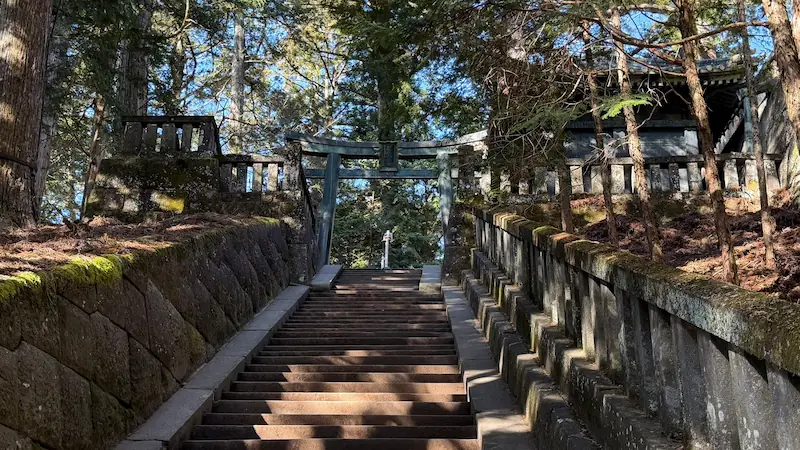
What you’ll learn in this article
・How to choose between same-day tickets and pre-purchase (how to think about reducing time spent in lines)
・How to get there from Tobu Nikko Station / JR Nikko Station (fastest vs. more scenic, and how to choose the best bus stop)
・How to walk the grounds (outer → central → Okumiya → back, in an order that minimizes backtracking)
・Places to be careful inside Toshogu (stone steps, where you must remove your shoes, photo rules)
・How to receive goshuin and shrine items without “detours” (timing checkpoints so you can grab them as you pass)
- What kind of place is Nikko Toshogu?
- Should you buy tickets in advance? (avoid lines and time loss)
- How to get to Nikko Toshogu (Tokyo → Nikko → Toshogu)
- How to get there from Tokyo (major route comparison)
- Getting from Nikko Station / Tobu Nikko Station
- The “too many bus stops” problem (how to choose where to get off)
- A route that felt easier than Google Maps (experience-based)
- Common confusing forks and how to avoid them
- Crowds, hills, and time estimates
- Visiting hours and admission fees (confirm the latest officially)
- Time needed: realistic models
- A “can’t-get-lost” worship route (recommended order)
- Goshuin, limited shrine items, and limited sales (plastic model)
- Practical tips to know before you visit
- Frequently Asked Questions (FAQ)
- Back to the Tokugawa Ieyasu page
- Back to the main page
What kind of place is Nikko Toshogu?
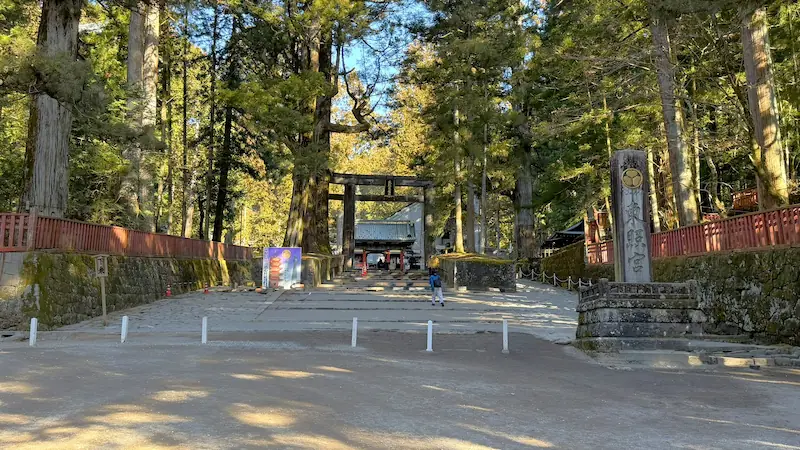
Nikko Toshogu is a Shinto shrine dedicated to Tokugawa Ieyasu, and it’s one of the signature must-see sites within the UNESCO World Heritage area known as “Shrines and Temples of Nikko.” It’s famous for its lavish buildings and carvings—and (speaking from the author’s own impression) it felt like the architectural grandeur and spatial design embody a historical turning point: from the chaos of the Warring States era to the order and peace of Edo Japan.
This page prioritizes practical information—“tickets, access, how to walk the grounds, and time estimates”—so even first-timers can move smoothly without getting lost. (Deeper historical context and a full spot-by-spot breakdown are covered on separate pages.)
Assumptions for this page (visit date, what was checked, what can change)
- Visit date: February 22, 2026 (morning)
- What was checked: Walked Toshogu and Taiyuin on foot / photographed and noted on-site signage / Treasure Museum notes mainly (photography prohibited)
- How to use this page: This page focuses strictly on practical, day-of guidance—how to get there, avoid crowds, and move efficiently.
- Information that changes easily (to prevent misunderstandings):
- Ticket prices and discounts (can vary by sales site and season)
- Crowd levels (vary by weekday, season, weather, and tour groups)
- Transportation (bus operations and signage can change)
- Limited-edition items and limited sales (inventory and dates apply)
Last updated: February 23, 2026 (visit: February 22, 2026, morning)
The information on this page is based on on-site checks that day and official guidance.
However, prices, reception hours, transport timetables, and shrine items/limited sales may change. Please follow the latest official announcements.
How Nikko Toshogu and Taiyuin are connected (super short version)
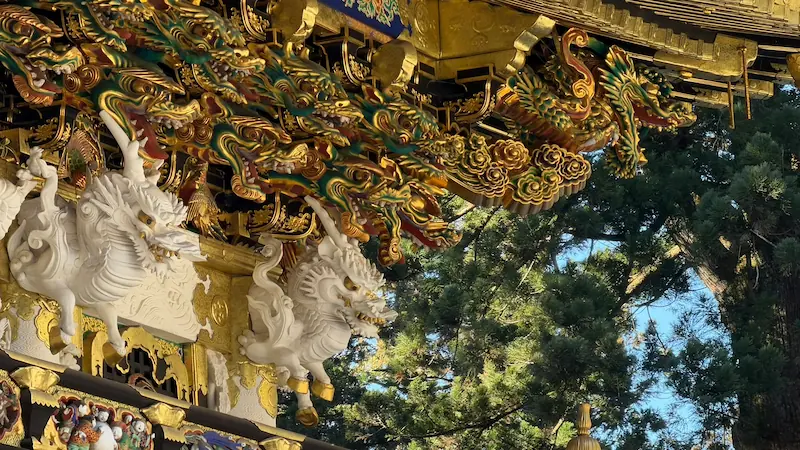
- Nikko Toshogu: Enshrines Tokugawa Ieyasu (the first shogun of the Edo shogunate)—the central site for Ieyasu’s deification
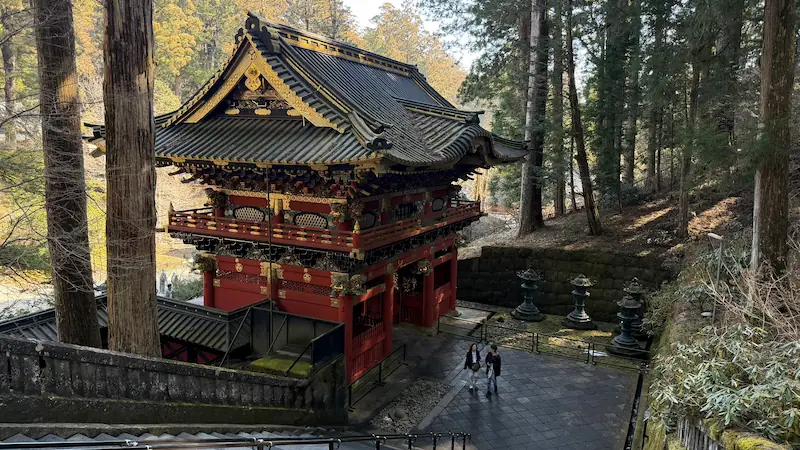
- Taiyuin: The mausoleum of Tokugawa Iemitsu (the 3rd shogun / Ieyasu’s grandson). It’s next to Toshogu and is an important spot that’s easy to combine in one visit.
- Seeing both together makes the relationship easier to grasp:
- Toshogu = a place that “locks in” Ieyasu’s authority as a deity
- Taiyuin = a place that shows the inheritance of that authority (succession of Tokugawa rule)
—the contrast becomes clearer.
Even in this practical guide, I’ll assume you’re visiting both and optimize the “time allocation” and “route flow” accordingly.
Should you buy tickets in advance? (avoid lines and time loss)
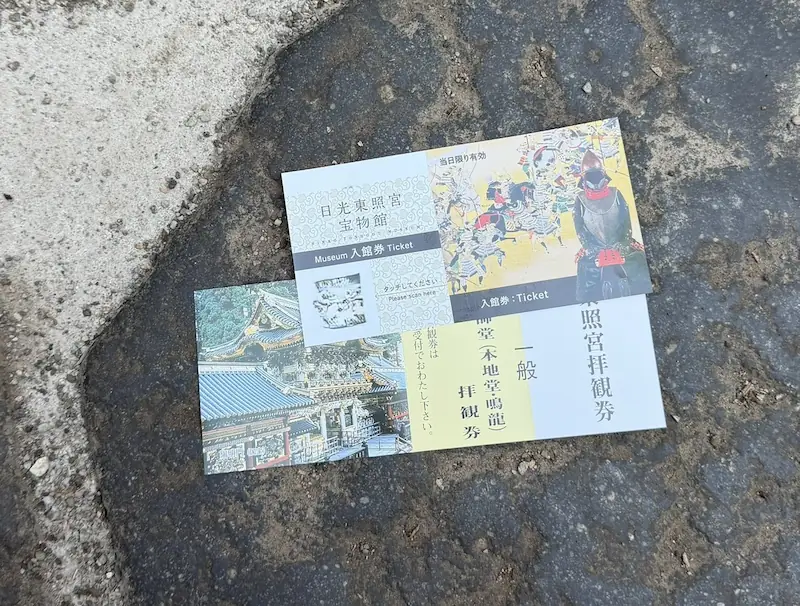
Bottom line: if you want to reduce wasted time, pre-purchase is worth considering. Especially first thing in the morning, the difference between the “buy on-site” line and the “pre-purchase exchange” line can be significant—and every minute you spend in line is time you’re not spending inside the shrine. The notes below are based on what I experienced on February 22, 2026 (morning).
Morning lines (on-site purchase vs. pre-purchase)
When I arrived near the entrance around 8:40 to match the 9:00 opening, there were already about 40 people lined up at the on-site ticket machines (ticket purchase).
Meanwhile, the line for the online pre-purchase exchange window was under 10 people, and the pre-purchase side moved more smoothly.
If you want to “see a lot in the morning,” “have limited time,” or “cover Okumiya and Taiyuin,” you’ll likely be happier securing time through pre-purchase rather than spending that time waiting to buy a ticket on-site.
The exit-area lines and the “pre-purchase lane”
After touring the grounds, near the exit, the same-day ticket purchase side had a very long line.
In contrast, the pre-purchase exchange window was almost empty at my timing (this can vary depending on crowd conditions).
The key idea is not “buy a ticket once it’s crowded,” but finish your entry process before the crowds peak.
This helps not only early in the day, but also reduces stress during midday congestion.
How to treat discounts and pricing (within what I confirmed on 2026/2/22)
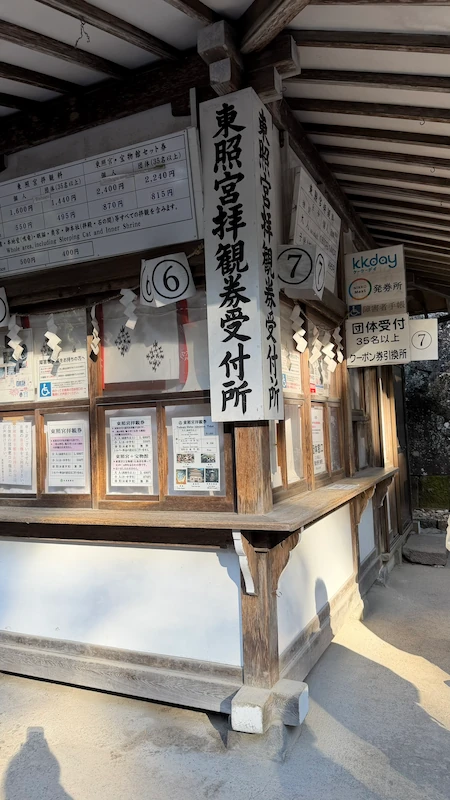
Depending on where you buy, discount displays, fees, and exchange methods may differ. Discounts change by season and conditions. On my visit (February 22, 2026, morning), the pre-purchased ticket exchange counter was next to the “group admission ticket” counter, with guidance posted near the same-day ticket machines on the right (the location and operation may change).
In my case, buying in advance via Agoda let me skip the on-site purchase line and enter smoothly. At that time, the display suggested it was about 13% cheaper (campaigns and terms may change).
I’ll leave the link as a reference, but conditions may not match on your date—so it’s best to check the day’s display and exchange method before deciding.
How to get to Nikko Toshogu (Tokyo → Nikko → Toshogu)
It’s easiest to plan Nikko Toshogu as two steps: “Tokyo → Nikko (station) → Toshogu (Sannai/World Heritage area).”
There are multiple ways to get from Tokyo to Nikko, but the part where people most often get lost is the final leg—from the station to Toshogu—because there are many bus stops. The trick is to lock this down carefully.
How to get there from Tokyo (major route comparison)
You can think of Tokyo → Nikko in three main patterns. Choose based on your priority (speed, fewer transfers, or which station you’re starting from).
- Tobu Railway (Asakusa area) + Limited Express (Spacia series)
A relatively simple transfer pattern and an easy route to Tobu Nikko Station. - Limited Express with “no transfers” from Shinjuku/Ikebukuro (JR/Tobu through service)
Some limited express trains run directly from Shinjuku/Ikebukuro toward Nikko, ideal if you want fewer transfers. - JR (Tokyo Station area: Shinkansen + local lines, etc.)
Often the “speed-first” option, but you may need to transfer at places like Utsunomiya.
For limited express timetables from the Asakusa and Shinjuku areas, you can check Tobu Railway’s official Page.
https://www.tobu.co.jp/en/
※Highway buses can be hard to track because routes and operations may change by season. If you’re considering a bus, check the latest status by selecting your departure area and travel date (this article focuses mainly on train routes).
Getting from Nikko Station / Tobu Nikko Station
From the station to Toshogu, your main options are:
- On foot: The route itself is straightforward, but the distance from the stations to the Sannai area is longer than many first-timers expect. You may not move exactly as fast as your map app predicts, so it’s safer to add extra buffer for photos and traffic lights.
- Local bus: Often the easiest way to save time, but the key decision is which stop to get off at.
Bus timetables switch seasonally (winter timetables, etc.). For peace of mind, open the relevant PDF for your travel period on Tobu Bus Nikko’s “Nikko Route Bus” page.
※The page may initially appear in Japanese. If so, please select “English” from the “Language” menu at the top to view the machine-translated version.
(Timetable: Tobu Bus Nikko official)
https://www.tobu-bus.com/pc/area/nikkou.html
- Taxi: The “buy time” option. Convenient for short stays or families.
The “too many bus stops” problem (how to choose where to get off)
The Toshogu area serves the wider “World Heritage” zone, so there are multiple bus stops that look like they’re for the same destination. If you hesitate here, it can easily lead to:
- extra uphill walking
- detours
- the “I don’t know where the entrance is” feeling
…which is exactly what we want to avoid.
You only need to remember three countermeasures.
Decide whether you want “closest to Toshogu’s entrance” or “walk while sightseeing”
There are many stops around Toshogu with similar-sounding names. As a rule of thumb, if you want to get closer to Toshogu, aim for the area around Yasukawacho. If you want to include scenic walking around Shinkyo Bridge, get off around Shinkyo instead.
Also, route maps may show stops like “Nishi-sando Iriguchi,” “Toshogu Higashi-sando Iriguchi,” or “Taiyuin/Futarasan-jinja Mae.” Because names can be confusing, it’s best to confirm the stop name on the bus’s onboard display before you get off.
※Stop names and announcements may vary by route and season, so check the onboard display on the day as well.
After you get off, don’t think “destination = Toshogu.” Instead, focus on reaching the First Torii Gate first.
A route that felt easier than Google Maps (experience-based)
Based on my experience on February 22, 2026, Google Maps wasn’t “wrong,” but in terms of ease of walking (less confusion and a smoother feel), a different route felt better. Note that bus companies and tourist guidance may suggest other drop-off candidates like “Nishi-sando Iriguchi,” so please cross-check with the day’s signs and announcements (some routes may add a small detour).
My recommended route (includes stairs)
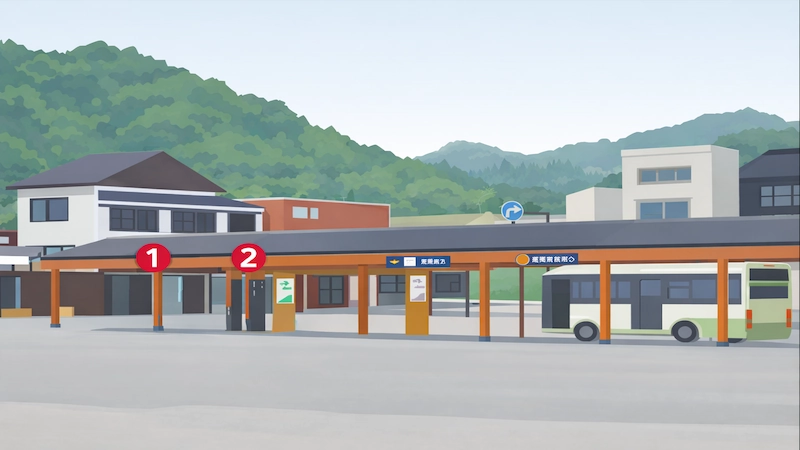
1. Exit Tobu Nikko Station and go to the bus terminal directly in front. From Platform 1, board a bus that goes via the Yasukawacho area.
※I used the “Kiyotaki” line. Other lines toward “Yumoto” or “Lake Chuzenji” also pass through Yasukawacho. Check the destination sign and stops list (does it stop at Yasukawacho?) on the day.
Also, the stop button for getting off was on the ceiling on my bus.
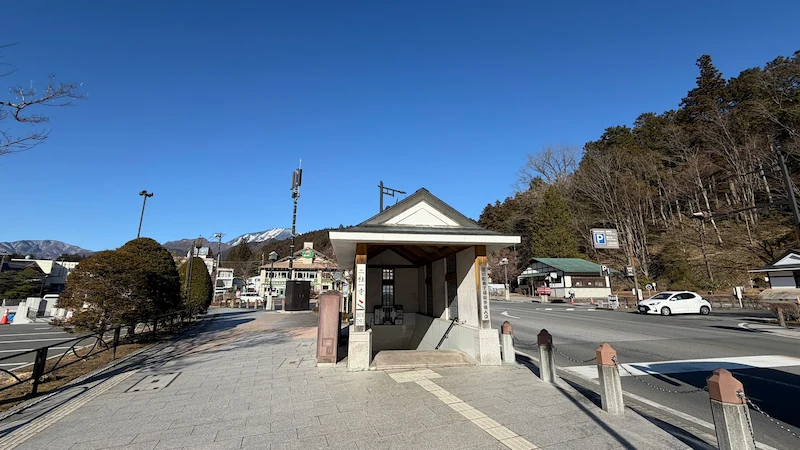
2. Get off at Yasukawacho.
3. Walk in the direction the bus was traveling and use the underpass to cross to the other side.
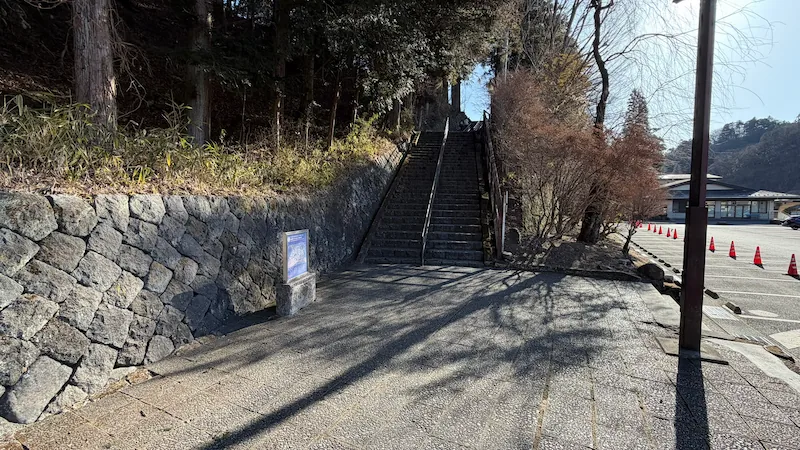
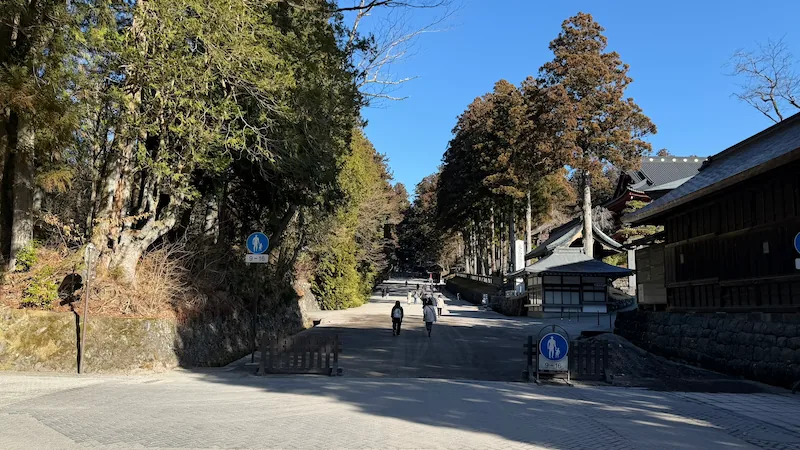
4. Climb the stairs on the mountain side to reach the approach path; continue straight to arrive at Toshogu’s entrance.
Common confusing forks and how to avoid them
To get lost less, it helps to stop trying to trace tiny streets on a map and switch to this mindset:
- Follow the strongest “flow of people” (especially easy to read in the morning)
- Fix your target as “Toshogu” less, and first lock onto the First Torii Gate
- At turns, pause once and confirm direction using signboards / gates / big landmarks
Crowds, hills, and time estimates
How “hard” the area feels can change a lot depending on your route.
- A continuous uphill climb tires you out more than the distance suggests
- With crowds, traffic lights and squeezed sidewalks add time
- Even if morning is smooth, the return trip (late morning → afternoon) can suddenly get crowded
That’s why, instead of aiming to match your map app’s time exactly, it’s usually easier to add 15–30 minutes of buffer (especially if you plan to include Okumiya and Taiyuin).
Visiting hours and admission fees (confirm the latest officially)
Visiting hours and fees can change by season and events. Here I’ll summarize the basic baseline, but please confirm the latest official information before you go. (Last checked: 2026/2/22)
▼Recommended final checks (before departure)
・Nikko Toshogu: Visiting information (hours/fees) : Japanese Only
https://www.toshogu.jp/etc/haikan.html
・Rinnoji (Taiyuin): Visiting information (hours/fees)
https://www.rinnoji.or.jp/en/information.html
Admission fees (individual reference)
- Nikko Toshogu (single admission): Adults/High school students ¥1,600 / Elementary & Middle school students ¥550
- Treasure Museum (single admission): Adults/High school students ¥1,000 / Elementary & Middle school students ¥400
- Combo ticket (Toshogu admission + Treasure Museum entry): Adults/High school students ¥2,400 / Elementary & Middle school students ¥870
- Taiyuin (single admission): Adults ¥550 / Elementary & Middle school students ¥250
(※Fees, combo tickets, and closure information may be revised, so checking the official sites again before you go is recommended.)
Hours that change by season
Nikko Toshogu (visiting hours)
- 4/1–10/31: 9:00–17:00
- 11/1–3/31: 9:00–16:00
※For both periods, last entry is 30 minutes before closing
Taiyuin (Rinnoji / Taiyuin visiting hours)
- 4/1–10/31: 8:00–17:00
- 11/1–3/31: 8:00–16:00
※For both periods, last entry is 30 minutes before closing
One point: Even within the same “World Heritage area,” opening times differ—Toshogu opens from 9:00, while Taiyuin opens from 8:00. This matters when you plan your morning route.
Notes on last entry and closing
- Last entry is generally 30 minutes before closing (for both Toshogu and Taiyuin).
- There may be times when visiting is restricted due to events or preparations (temples and shrines can have irregular closures).
- Toshogu has multiple ticket categories (grounds, Treasure Museum, etc.), so the ticket you need depends on how far you plan to go. It’s safest to plan around the main grounds first.
Time needed: realistic models
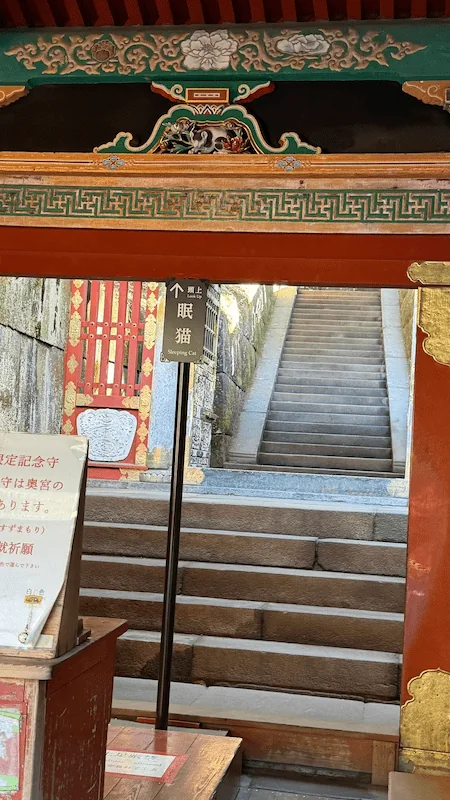
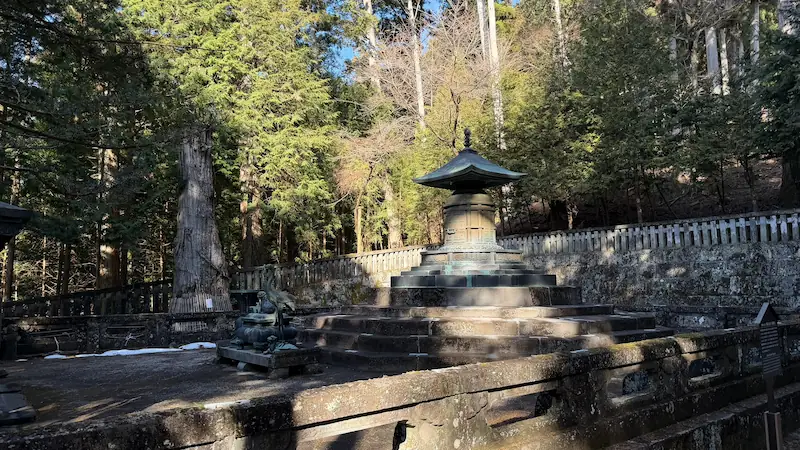
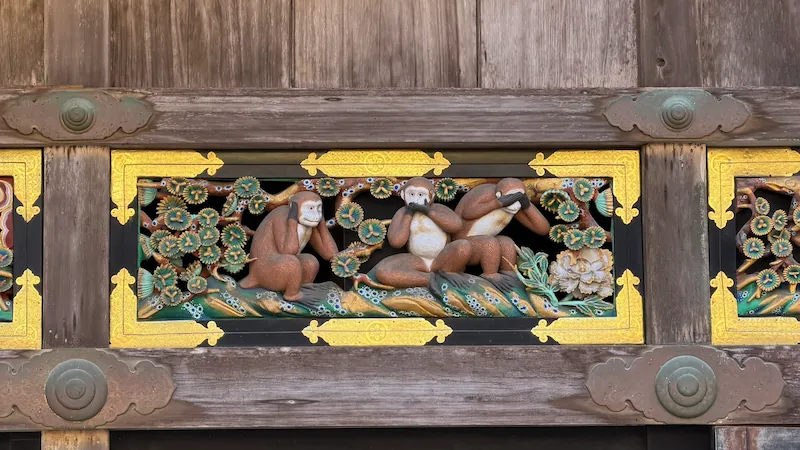
Nikko Toshogu can take dramatically different amounts of time depending on how far you go (Okumiya or not / Treasure Museum or not / adding Taiyuin). Based on on-site checks from February 22, 2026 (morning), here are easy-to-plan “models” for first-timers.
Fastest (highlights only)
Estimate: 60–90 minutes (Toshogu only)
For people who want “the famous spots only,” have limited time, or need a minimal plan on very crowded days.
- Prioritize major highlights in the central area (zoom into details only when something catches your eye)
- Skip Okumiya (207 steps) or stop partway
- Skip the Treasure Museum
- Skip Taiyuin
Standard (highlights + Okumiya)
Estimate: 100–130 minutes (Toshogu only)
This is the recommended “high satisfaction” line for a first visit.
- See the major Toshogu highlights end-to-end
- Climb all the way to Okumiya (207 steps)
- More photos and closer inspection will naturally extend the time
Measured (2026/2/22): Toshogu entry 9:00 → exit 10:50 (1 hour 50 minutes)
Okumiya was about 30 minutes round trip. Because it was early and nearly empty (almost like having it to myself), it’s safer to add extra buffer during peak crowd times.
Slow and thorough (Okumiya + Treasure Museum + Taiyuin)
Estimate: 4–5 hours (half a day)
For people who want to fully experience Toshogu, add the Treasure Museum, and then continue to Taiyuin to feel the “Tokugawa succession” storyline.
- Toshogu (highlights + Okumiya): Measured 1 hour 50 minutes
- Treasure Museum: Measured ~30 minutes (no photography, so observation time tends to increase)
- Taiyuin: Measured ~50 minutes (official guidance also suggests ~30 minutes to 1 hour)
Total measured time was about 3 hours 10 minutes (1:50 + 0:30 + 0:50).
Conditions that tend to stretch your schedule
・Lines for buying Toshogu admission tickets can vary widely—roughly +10 to +40 minutes by feel
・After 10:00: if you hit a queue at places like the “Crying Dragon” (Honjido), it can add +10 to +30 minutes
・Rain / thaw season: stone steps and unpaved areas can be slippery, slowing movement by +10 to +20 minutes
・Goshuin / shrine items: if counters are busy, just receiving them can take +10 minutes or more
Easy planning benchmarks
- Toshogu only: fastest 60–90 min / standard 100–130 min
- Add Treasure Museum: + ~30 min
- Add Taiyuin: + ~50 min (plus extra buffer for walking and crowds recommended)
A “can’t-get-lost” worship route (recommended order)
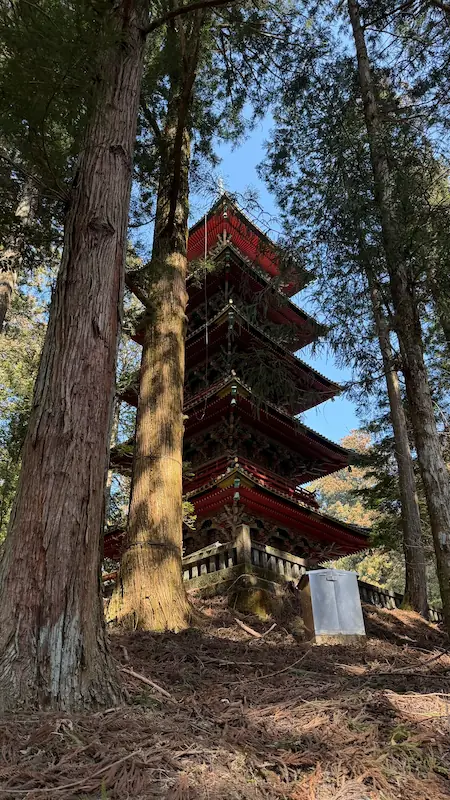
Your first visit to Nikko Toshogu is packed with highlights, and if you wander without a plan, you’re more likely to “backtrack,” “miss things,” and “get exhausted.” Based on my real experience on February 22, 2026 (morning), here’s a route that’s easy to follow and tends to feel satisfying.
The key is the flow: “outer → central → Okumiya → back to central.”
How to walk Toshogu: “outer → central → Okumiya”
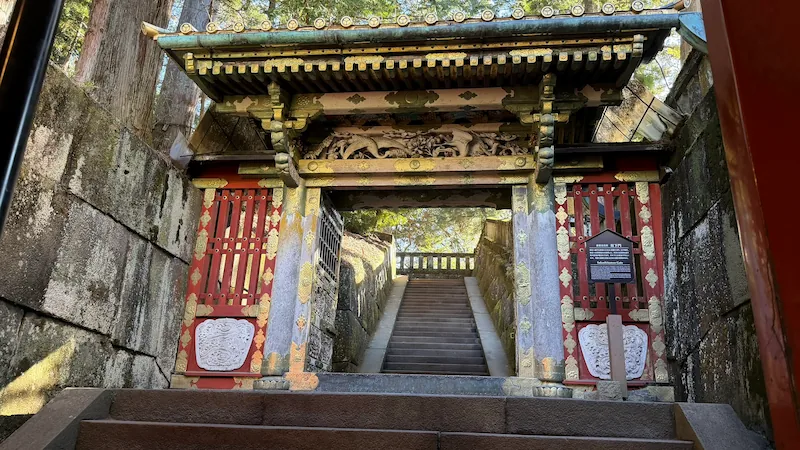
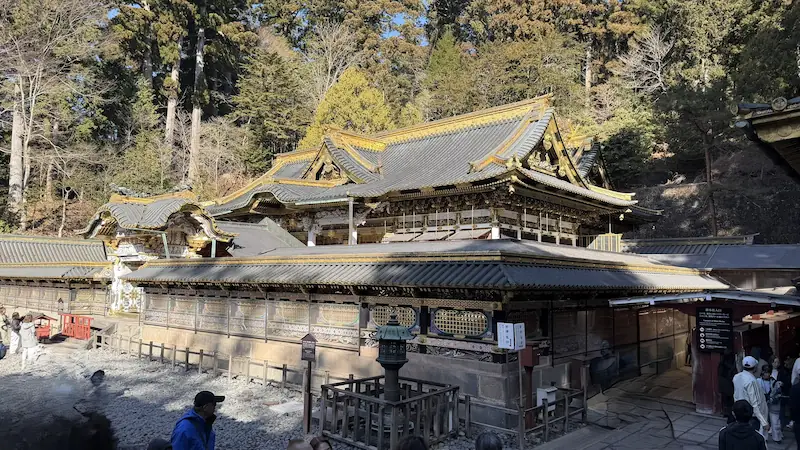
An easy-to-follow route (from the entrance)
1) First Torii Gate → Five-Story Pagoda → entry procedures (get admission ticket, ticket check) → Omote-mon Gate (up to here, just follow the crowd flow)
2) Three Wise Monkeys (Sacred Stable) → Bronze Torii Gate (this stretch is where people tend to stop for photos)
3) Yomeimon Gate → Sleeping Cat → Sakashita Gate (it gets crowded, so prioritize passing through)
4) Okumiya (207 stone steps)
5) Return and then: Main Sanctuary / Worship Hall → Karamon Gate → Honjido (Crying Dragon)
You’ll remove your shoes at the Main Sanctuary/Worship Hall and at Honjido, so it helps to plan around shoelaces and timing.
- Okumiya (the pagoda tomb and the worship hall) involves climbing up and down stone steps, so it’s easier if you go while you still have energy.
- Both the Main Sanctuary/Worship Hall and Honjido require you to remove your shoes, so shoes that are easy to take on/off will keep things moving.
- Doing “Okumiya → Main Sanctuary/Worship Hall → Honjido” minimizes backtracking and reduces confusion.
The best way to connect to Taiyuin
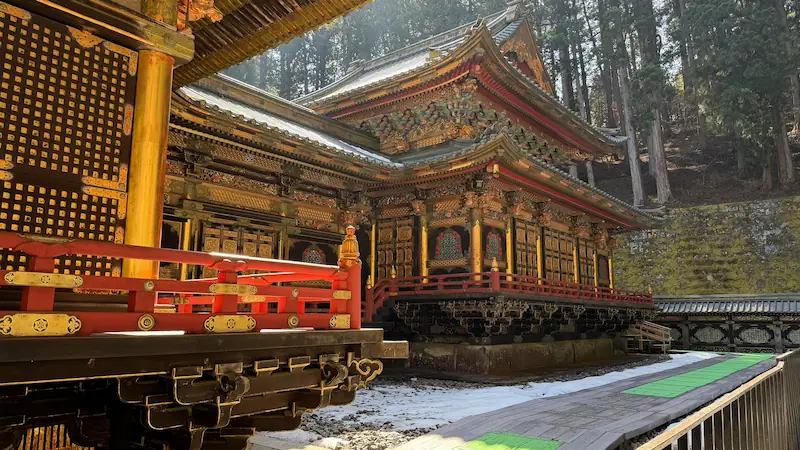
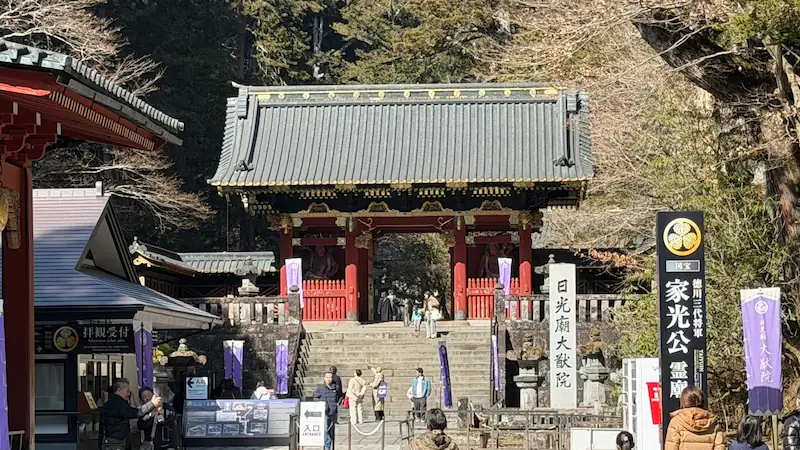
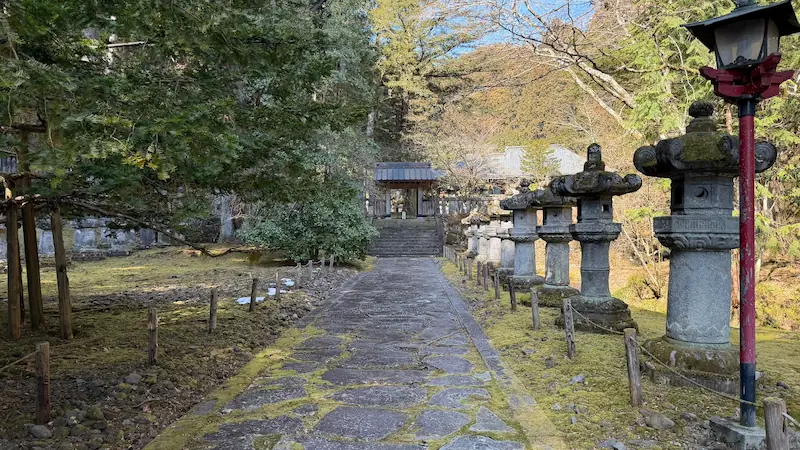
It’s best to visit Taiyuin after Toshogu. After you absorb Toshogu’s “luxury and information overload,” moving on to Taiyuin makes the highlights easier to see by contrast.
- Finish Toshogu (outer → central → Okumiya → central)
- Then move to Taiyuin
- Based on my timing, about 50 minutes is a good Taiyuin benchmark
Highlights are “curated” here / details will be in the full version
This Essential page is a practical “don’t get lost / don’t waste time” guide, so explanations are intentionally curated. For readers who want to go deeper, I’ll prepare separate pages for:
- Story: Interpreting the meaning of Toshogu and Taiyuin through Tokugawa Ieyasu and Tokugawa rule
- Complete: Full spot-by-spot explanations / signboard archive / 360° links / Treasure Museum notes (no photography, so notes-based)
Also, note that the Treasure Hall (Treasure Museum) is separate from Toshogu admission, it’s located away from the main flow, and the entry ticket is separate. If you have time, it’s best added after you finish touring Toshogu.
Where goshuin and charms are (easy to get lost—so sharing upfront)
(Note) Shrine items and limited items are summarized in a dedicated section later
Because Toshogu has so much to see, if you try to “buy everything at the end,” you’ll often end up backtracking. Goshuin, charms, and the limited-edition Gundam model are handled in multiple places across the grounds. Locations, prices, and cautions are compiled in the “Goshuin / limited shrine items / limited sales” section below (check only what you need).
Goshuin, limited shrine items, and limited sales (plastic model)
Nikko Toshogu has so many highlights that if you decide “I’ll buy goshuin and items all at once at the end,” you’re likely to create backtracking. Based on my on-site checks on February 22, 2026 (morning), this section organizes where to get goshuin, charms, and limited sales items—and how to collect them efficiently as you pass by.
Goshuin locations, timing, and etiquette
Goshuin are not a stamp rally—they are best understood as a seal granted as proof of worship. During busy times, there may be waits, so if you already know which goshuin you want, it’s usually easier to receive them at the moment you pass the counter rather than hunting later.
Where I confirmed goshuin were available (2026/2/22)
- Inside the Main Sanctuary / Worship Hall: Toshogu goshuin / goshuincho (also had charms)
- In front of the Okumiya Worship Hall: Okumiya goshuin (also had charms)
- Honjido (Crying Dragon): Crying Dragon goshuin (also had charms)
Offerings (fees) as of 2026/2/22
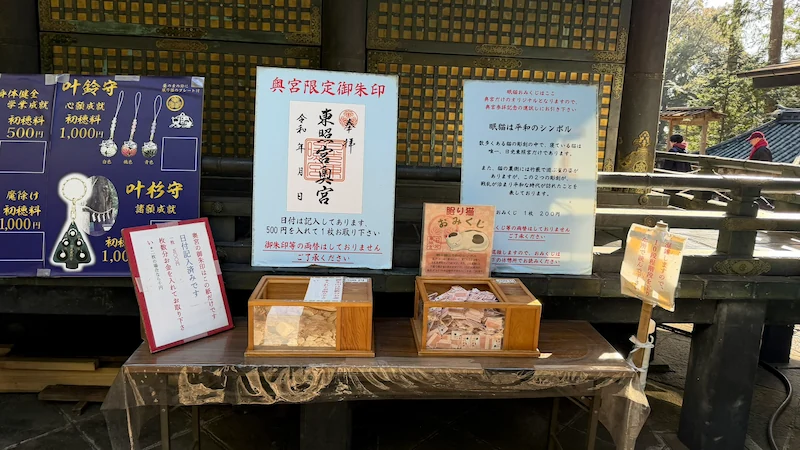
- Toshogu (inside the Worship Hall): ¥500 (pre-written)
- Okumiya: ¥500 (pre-written)
- Crying Dragon (Honjido):
- Standard: ¥500 (pre-written)
- Limited: ¥1,000 (pre-written, *photo planned*)
※On this visit, everything was pre-written. In the past, some periods offered direct writing, but this can change depending on the season and conditions.
※Payment methods may vary by counter. If you don’t see a sign, it’s safest to have cash ready.
(On February 22, 2026, the author paid in cash.)
How to find limited charms
Charms are handled in multiple locations, and they’re not always identical everywhere. The four main places I confirmed were:
- In front of the Okumiya Worship Hall: charms (and Okumiya goshuin)
- The “Ubanjo” next to the Three Wise Monkeys: charms
- Inside the Main Sanctuary / Worship Hall: charms (also Toshogu goshuin / goshuincho)
- Honjido (Crying Dragon): charms (also Crying Dragon goshuin)
The best approach is not “search at the end,” but to check only what interests you in the order you pass by. Okumiya includes stone steps, so avoiding unnecessary backtracking also helps conserve energy.
Limited charm (2026/2/22)
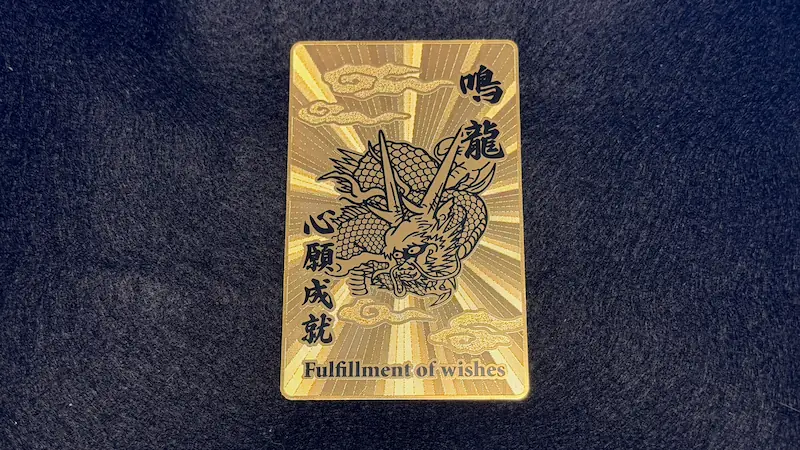
- At Honjido (Crying Dragon), I confirmed and purchased a limited card-style charm.
Where the limited Gundam plastic model was sold / where the display sample was shown
Nikko Toshogu also has a limited-edition plastic model kit, and as far as I could confirm, it was sold in two locations.
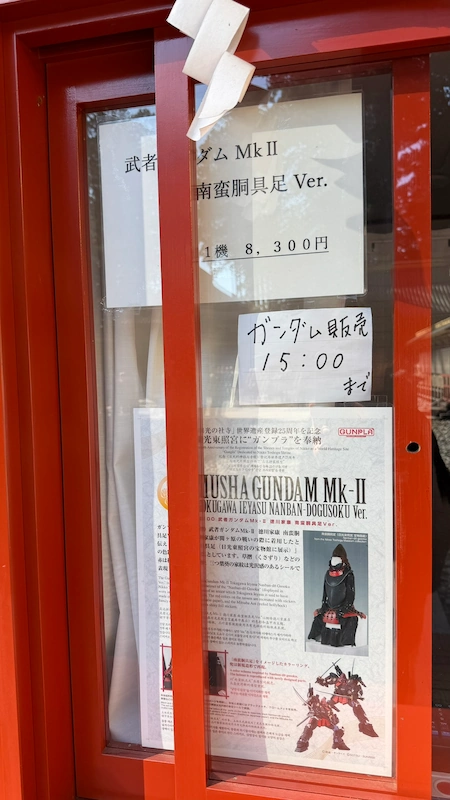
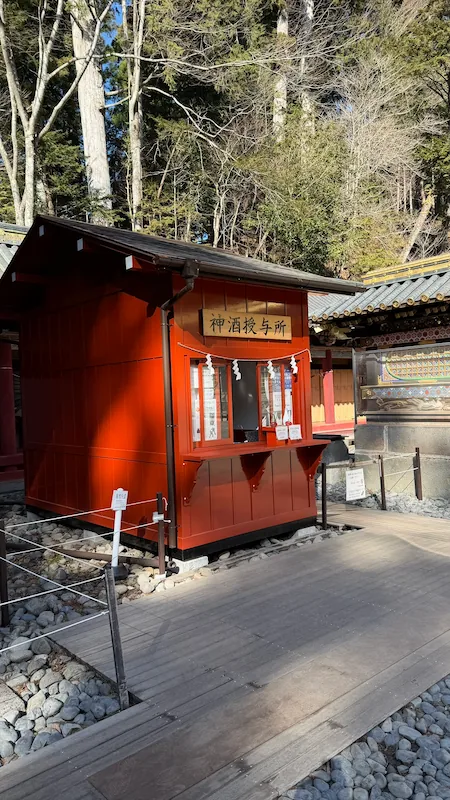
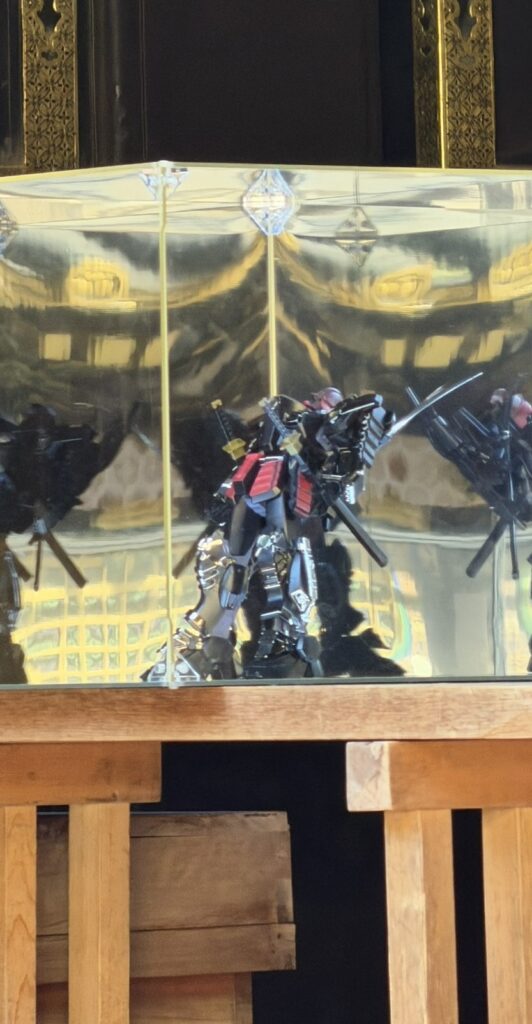
Sales locations (2026/2/22)
- Miki (sacred sake) counter: for sale (notice indicated sales until 15:00)
- Souvenir shop by the Treasure Hall: for sale (※Treasure Hall is separate from Toshogu admission / the souvenir shop did not require an entry ticket)
Where I could see a completed sample
- Mikoshi-sha: completed sample on display
- Souvenir shop by the Treasure Hall: completed sample on display
Which model? What was the price?
- It was a limited model based on Gundam Mk-II, themed around “Nanban Gusoku,” armor said to have been worn by Tokugawa Ieyasu at the Battle of Sekigahara.
- The price was ¥8,300 (as of 2026/2/22).
I couldn’t confirm the inventory count, but based on what I saw that day, it didn’t feel like it would “sell out immediately,” and it seemed like a reasonable quantity had been prepared (though stock can vary by period).
Practical tips to know before you visit
Nikko Toshogu has several “just knowing this reduces stress” points. Based on my real experience on February 22, 2026 (morning), here are the common stumbling points for first-timers.
When you’ll remove your shoes (twice) and what to wear
On my visit, there were two moments when I had to remove my shoes.
- When entering the Main Sanctuary (Worship Hall)
- When entering Honjido (Crying Dragon)
In particular, at the Main Sanctuary (Worship Hall), after you remove your shoes and enter, the interior was no-photography. If you struggle with laces, it’s a small but real source of stress. Sneakers are fine, but ideally choose shoes that are easy to take on/off (for example, don’t tie laces too tightly).
Okumiya’s stone steps (stamina and pace)
To reach Okumiya, you climb 207 stone steps. On my visit, the Okumiya round trip took about 30 minutes (early morning, very few people—almost like having it privately).
That said, the climb is real, so people who aren’t confident in their fitness may find it demanding. On the other hand, because you warm up while climbing, you may start to feel hot even in winter. Slow your pace and climb at a rhythm where your breathing stays under control.
Photography rules (Treasure Hall is no-photography)
The Treasure Hall (Treasure Museum) was no-photography on my visit. It becomes less about “recording” and more about “observing and understanding,” so if you enter the Treasure Hall, budgeting + about 30 minutes makes it less likely your plan collapses.
Also, the interior of the Main Sanctuary (Worship Hall) was no-photography. Many outdoor areas allow photos, but indoor spaces may have restrictions, so follow on-site signage.
When cash makes life easier
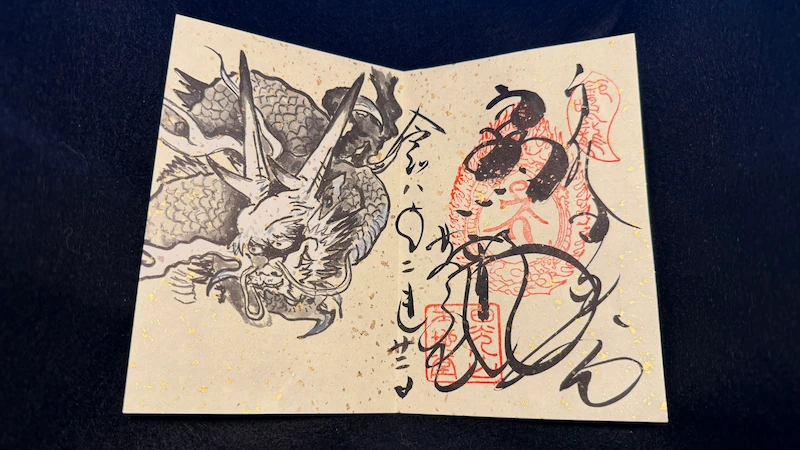
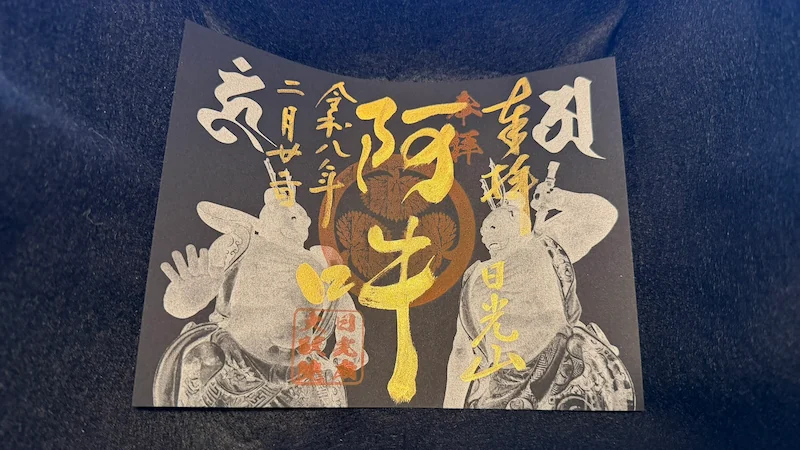
Goshuin and shrine items vary by location. On my visit, all goshuin were pre-written, and the offerings (fees) were:
- Toshogu (inside the Worship Hall): ¥500
- Okumiya: ¥500
- Crying Dragon (Honjido): ¥500 (standard) / ¥1,000 (limited)
I couldn’t confirm signage for payment methods, but I paid in cash for everything. Because goshuin and shrine items may be cash-only, it’s safest to carry cash just in case.
Clothing and the reality of crowds (even mornings fill up)
In late February, how cold it feels depends on the person. Shady areas and around stone steps may have lingering snow or dampness and can get slippery, so plan around non-slip shoes and take Okumiya’s steps at a safe pace without forcing it.
As for crowds, even in the morning it felt like numbers rose quickly. On my visit:
- A line formed at Honjido (Crying Dragon) around 10:00
- After 11:00, the admission ticket purchase line stretched beyond 100 meters
If you want a quieter experience, prioritize major spots (Yomeimon, Okumiya, Crying Dragon) as early as possible.
Frequently Asked Questions (FAQ)
Q. Can I get there from the nearest station without getting lost?
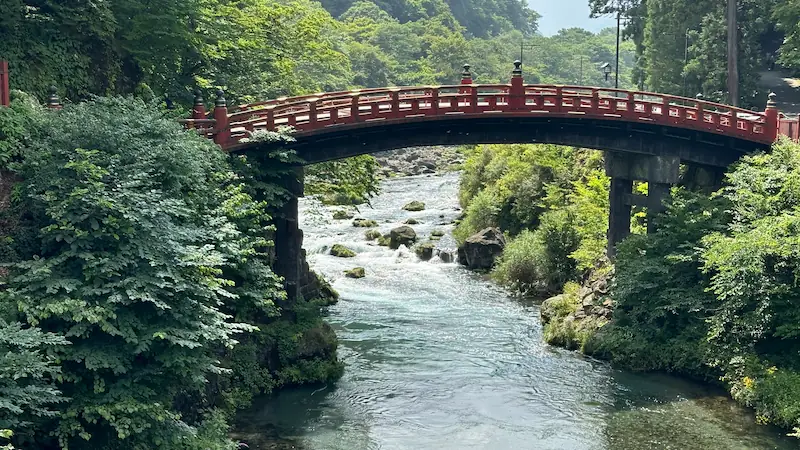
A. The easiest place to get confused is the station-front bus stops. Decide your target stop name in advance, then confirm it on the bus’s onboard display. If you walk, using Shinkyo Bridge as your visual anchor makes it easier to stay oriented.
Q. How long does it take?
A. For Toshogu only, budget 60–90 minutes for highlights, or 100–130 minutes including Okumiya. If you add the Treasure Museum and Taiyuin, planning for half a day (4–5 hours) is safer.
Q. Can I go even if it rains?
A. Yes. There’s a lot of outdoor walking, so on days when steps and footing are slippery, don’t push it—prioritize the central area for the smoothest route.
Q. Where can I receive goshuin?
A. On February 22, 2026, I confirmed goshuin at the Main Sanctuary/Worship Hall, near the Okumiya Worship Hall, and at the Honjido (Crying Dragon) counter. On busy days, there may be wait times.
Q. Are the buildings original? Is there a lot of reconstruction?
A. The decorative buildings and carvings are major highlights, but each structure has its own history of construction and repairs. Reading the on-site signboards as you go will deepen understanding.
Q. Is it okay for families with kids / older visitors?
A. There are steps and elevation changes throughout the grounds. Okumiya (207 steps) is physically demanding, so stopping partway is a realistic option depending on fitness.
Q. Is it slippery in winter (Feb–Mar)?
A. Shaded areas and around stone steps can stay damp. Non-slip shoes make a big difference.
Q. Which bus stop is easiest to use?
A. Splitting by purpose makes it simpler. If you want to be closer to Toshogu, get off around Yasukawacho; if you want to include Shinkyo scenery, get off around Shinkyo. Confirm the stop name on the onboard display before exiting.
Q. If I’m doing Taiyuin on the same day, what order should I follow?
A. Finish Toshogu’s central area and Okumiya first, then connect to Taiyuin. This reduces backtracking and makes the highlights easier to read through contrast.
Q. What time is the last entry?
A. Closing time changes by season, and last entry is generally about 30 minutes before closing. Checking the official visiting pages before departure is the safest approach.
Back to the Tokugawa Ieyasu page



comment